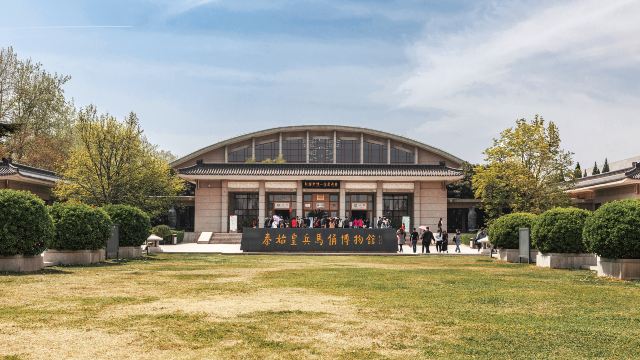
About Terracotta Army (Emperor Qinshihuang's Mausoleum Site Museum)
“Awe-inspiring and humbling — standing before an army that was never meant to be seen, buried 2,200 years ago and accidentally discovered by a farmer. The scale silences you. Then the crowds remind you that 65,000 people a day feel the same way.”
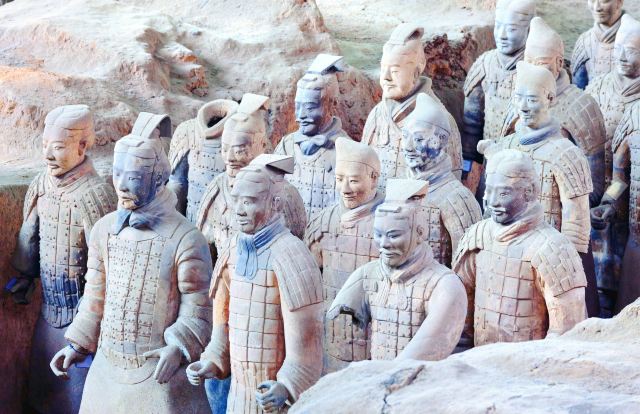
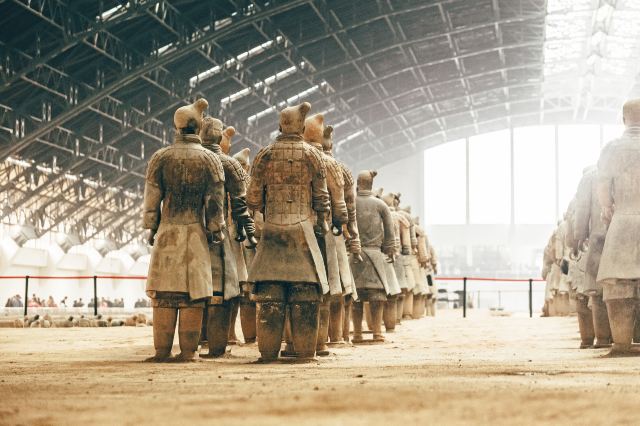
The Terracotta Army is genuinely one of the most extraordinary archaeological sites on Earth, and seeing it in person hits differently than any photo or documentary can convey. The sheer scale of Pit 1 — thousands of life-sized warriors standing in ancient battle formation inside a hangar-sized building — creates an instant jaw-drop moment. Each warrior has unique facial features, hairstyles, and armor details, reflecting astonishing craftsmanship from 210 BCE. Pit 2 shows the diversity of the army (archers, cavalry, chariots), and Pit 3 reveals the command headquarters. The Exhibition Hall lets you examine individual warriors up close. However, the experience comes with real challenges: crowds are relentless (even in 'low season'), pushing and shoving for viewing positions is the norm, and during peak periods it can feel genuinely suffocating. The site is 40-50 km from Xi'an city center (1-1.5 hours each way), so it consumes a full day. Without a guide, the warriors are impressive but the deeper historical significance is invisible. The exit forces you through a long commercial street of souvenir hawkers. Despite all this, it remains a once-in-a-lifetime experience that universally impresses — just go prepared for the crowds and the logistics.
Top Questions from Travelers
Why This Place Matters
The Terracotta Army represents one of the most extraordinary expressions of the ancient Chinese concept of the afterlife. Emperor Qin Shi Huang — who unified China's warring states in 221 BCE, standardized writing, currency, and measurements, and began the Great Wall — believed he would need the same military protection in death that he commanded in life. Rather than sacrificing real soldiers (as earlier rulers had done with human sacrifices), he commissioned an army of clay warriors — each individually crafted to represent a real person, complete with unique facial features, rank-appropriate armor, and functional weapons. The project consumed 700,000 laborers over 38 years, beginning when the emperor was just 13. The warriors were originally painted in vivid colors — reds, blues, greens, purples — that faded within days of modern excavation, which is why scientists have paused further digging. The emperor's actual tomb, said to contain rivers of mercury simulating China's rivers, has never been opened. Mercury testing confirms the ancient accounts. What visitors see today represents less than 1% of the entire mausoleum complex, which covers 56 square kilometers — roughly the size of Manhattan.
Need help planning?
ChinaPal handles everything
- Book English-speaking guides
- Arrange transport & tickets
- Real-time help during your visit
- Restaurant reservations nearby
Highlights
4 iconic experiences that define a visit
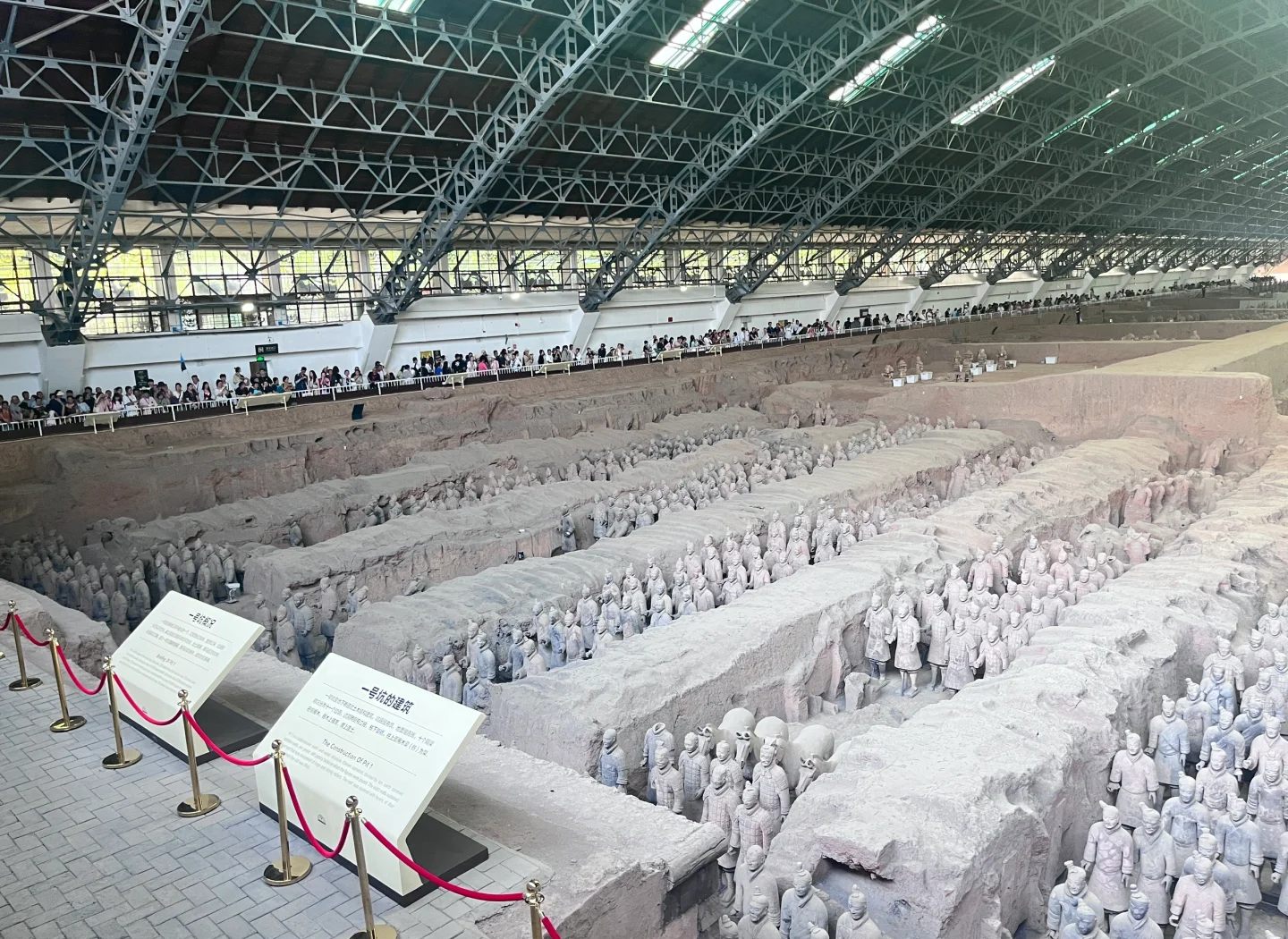
Pit 1 — The Main Army (一号坑)
The largest and most famous excavation pit — 230 meters long, containing approximately 6,000 life-sized terracotta warriors and horses arranged in battle formation across 38 columns. About 2,000 have been restored and stand in position; the rest remain buried. This is the iconic image of the Terracotta Army that appears in every documentary.
The sheer scale is what makes this a bucket-list sight — photos cannot capture it. Each warrior has an individual face, hairstyle, and armor configuration. Look for the differences in shoe soles (archers have textured soles for grip), palm lines on hands, and hair knot styles indicating rank. The rear section shows warriors still being pieced together from fragments — a fascinating glimpse into the restoration process.
 Universal Appeal
Exhibition Hall (文物陈列厅)
A museum adjacent to the pits displaying individual warriors behind glass at eye level — kneeling archers, standing officers, cavalry figures, and bro...
 Universal Appeal
Bronze Chariot Museum at Lishan Garden (铜车马博物馆)
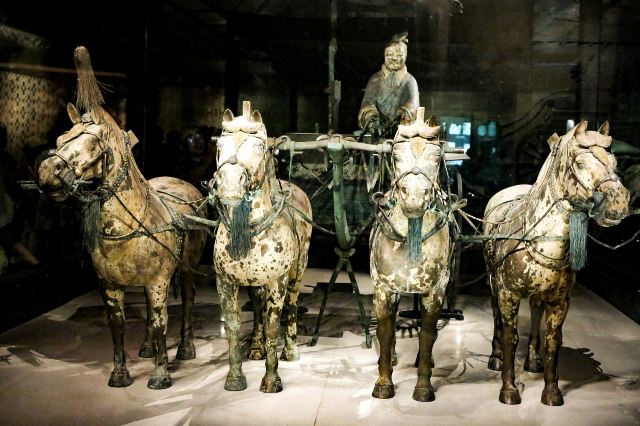
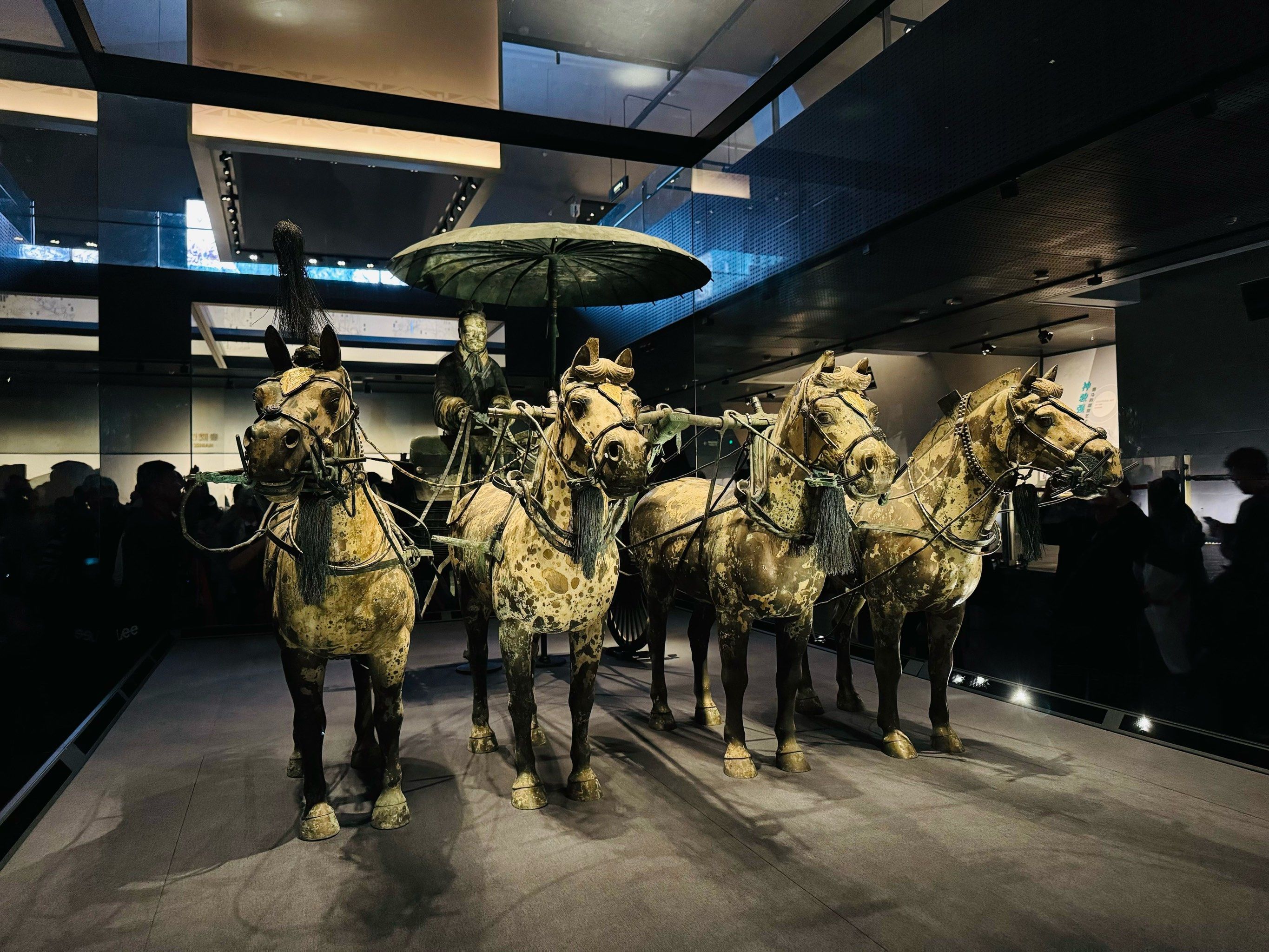
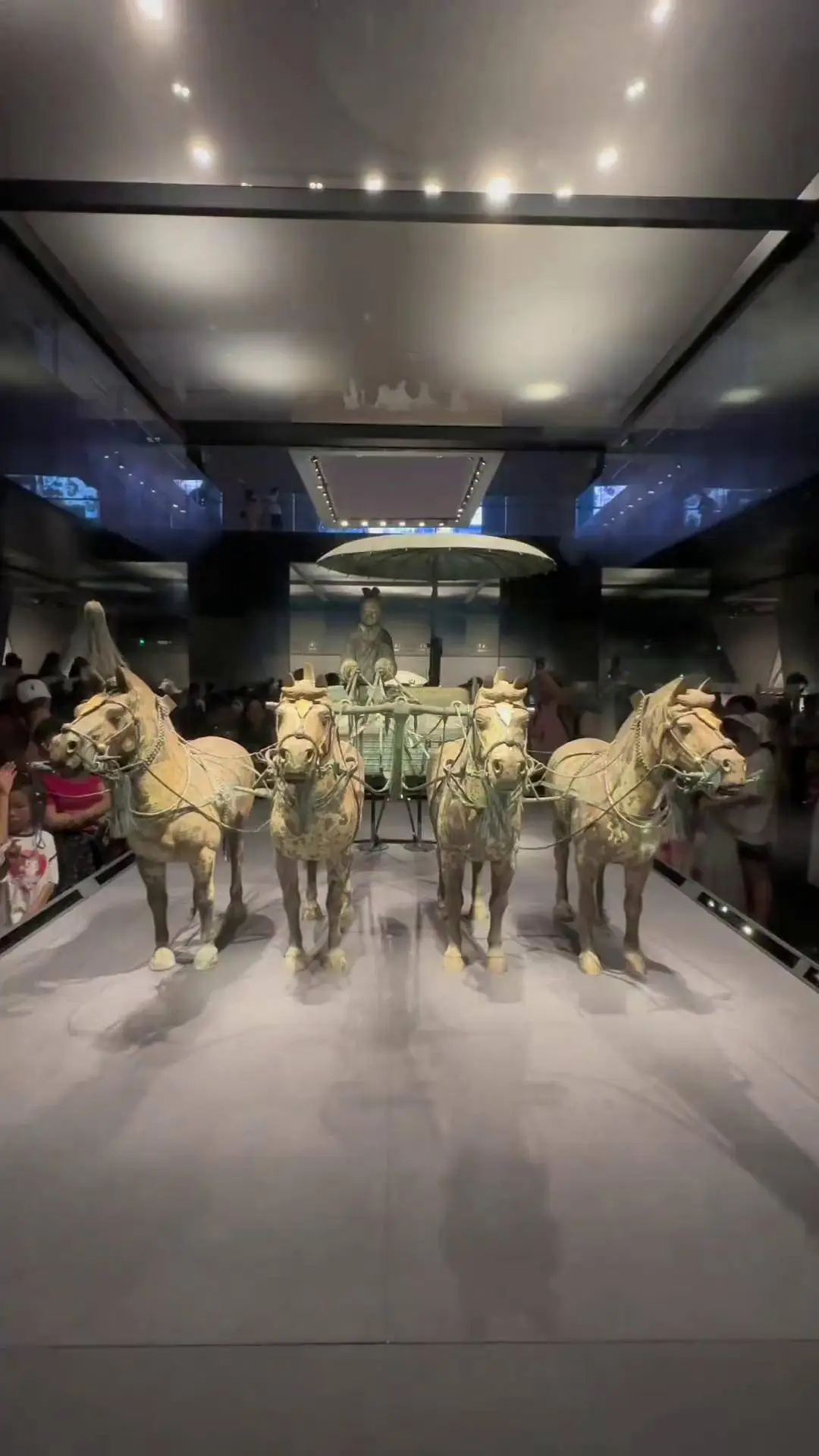
Two half-scale bronze chariots discovered near the emperor's burial mound — the most intricate bronze artifacts ever found from ancient China. Chariot...
 Unique
Pit 2 — The Special Forces (二号坑)
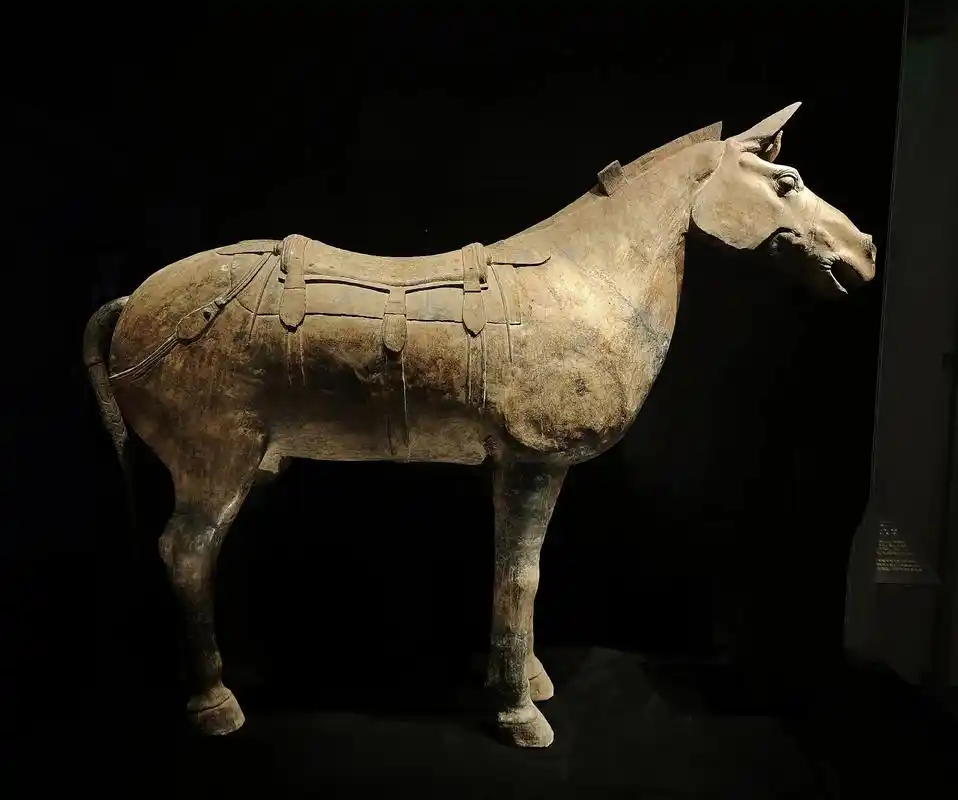
An L-shaped pit containing approximately 1,300 warriors with the most diverse military units: kneeling archers, standing archers, cavalry with saddled...
What Most Visitors Miss
The Lishan Garden and Bronze Chariot Museum
Included in the standard ticket and connected by free shuttle bus, but the majority of foreign visitors leave after the three pits and never see the spectacular bronze chariots or the emperor's burial mound. The newly built Bronze Chariot Museum is the most modern and best-curated exhibition in the entire complex.
The ongoing restoration work visible in the rear of Pit 1
Most visitors crowd the front railings for the classic photo and miss the back section where archaeologists are actively piecing together warriors from fragments — a process that takes 8 months to 2 years per figure. This is a living archaeological site, not a static museum.
The reason excavation has stopped
The emperor's actual tomb — a vast underground palace said to contain rivers of mercury — has never been opened. Scientists detected high mercury levels confirming ancient texts, but excavation would destroy irreplaceable artifacts. The warriors were originally painted in vivid colors that oxidize within days of exposure. Visitors who understand this context appreciate the unexcavated sections far more.
Plan Your Visit
How Long to Visit
2-2.5 hours (three pits + Exhibition Hall only, no Lishan Garden
all pits, Exhibition Hall, plus shuttle to Lishan Garden for Bronze Chariot Museum
thorough exploration of all pits, Exhibition Hall, Lishan Garden subsidiary pits, Bronze Chariot Museum, plus optional VR experience and documentary film
Smart Route
Enter the complex
take the electric cart (¥5) to save the 15-minute walk
go to the Exhibition Hall first (close-up warriors, least crowded, sets context)
Pit 3 (small command center)
Pit 2 (diverse military units, glass display cases)
Pit 1 (the grand finale, save for when morning tour groups have thinned)
exit through commercial street
take free shuttle bus to Lishan Garden
pay for electric buggy (¥15)
Bronze Chariot Museum (the crown jewel)
mausoleum burial mound
shuttle back to main entrance. Total: 4-5 hours.
Best Time to Visit
Arrive right at 8:30 AM opening to beat the tour group waves that arrive after 10 AM
10 AM - 1 PM when tour groups flood the site
By Season
Spring
(March-May) and autumn (September-November) offer the best weather and more manageable crowds. Winter (December-February) is cold but significantly less crowded — many visitors report excellent experiences with short queues and space to appreciate the warriors.
Summer
Autumn
(September-November) offer the best weather and more manageable crowds. Winter (December-February) is cold but significantly less crowded — many visitors report excellent experiences with short queues and space to appreciate the warriors.
Winter
(December-February) is cold but significantly less crowded — many visitors report excellent experiences with short queues and space to appreciate the warriors. Summer (June-August) brings extreme heat (37-40°C) with limited shade between buildings.
Visit in reverse order: start with Pit 3 (smallest, least crowded), then Pit 2, then the Exhibition Hall for close-up views of individual warriors, and save Pit 1 (the showpiece) for last. This counter-flow strategy avoids the heaviest crowds. Even better: visit Lishan Garden first (take shuttle from entrance), then come back to the Terracotta pits when afternoon crowds thin.
What to Skip
The 'farmer who discovered the warriors' book-signing event is widely reported as a tourist trap — the man signing may or may not be the actual discoverer. The VR/XR experience (¥68-70 extra) gets mixed reviews — some find it fun, others find it overpriced and unnecessary. The souvenir shops at the exit are extremely overpriced — buy miniature warriors from vendors outside for a fraction of the price (haggle hard, start at 1/3 the asking price). Ignore anyone outside the gate offering 'guided tours' who immediately steer you to shopping.
Pro Tips
A telephoto lens or good phone zoom is essential — warriors in Pit 1 are far from the railings and a wide-angle lens captures mostly crowds, not warriors. For the best photos, go to the sides and rear of Pit 1. If visiting in summer, the pit buildings have AC but walking between them is brutally hot — bring an umbrella for shade. Book your return transport in advance (Didi back to Xi'an costs ~¥100-150) as getting transport at the exit can be difficult, especially in the evening.
Photo Spots
Right side of Pit 1 (facing the warriors), near the middle of the building
Morning light from the skylights illuminates the warriors beautifully. The side position gives a dramatic perspective along the rows. Use a telephoto lens — the warriors are far from the railings.
Rear of Pit 1 where restoration work is visible
Much less crowded than the front. You can see warriors in various stages of assembly — headless bodies, separate limbs, and completed figures side by side. Fascinating and photogenic.
Glass display cases in Pit 2 Exhibition Area
Individual warriors at eye level behind glass with controlled lighting. The kneeling archer is the most photographed individual figure. No crowds competing for position.
Pair With
Huaqing Palace (华清宫)
15 minutes by taxi/Didi
Just 15 minutes from the Terracotta Army, this was the Tang Dynasty emperor's hot spring resort and the setting of China's most famous love story. The 'Song of Everlasting Sorrow' outdoor performance at night is spectacular. The natural pairing for a full day in Lintong District.
Xi'an City Wall (西安城墙)
1-1.5 hours back to Xi'an city center
After a day immersed in Qin Dynasty (220 BCE) history, experience Ming Dynasty (1370s) military architecture by cycling or walking atop the 14-km city wall back in Xi'an. Perfect for the evening after returning from the Terracotta Army.
Shaanxi History Museum (陕西历史博物馆)
In Xi'an city center (1-1.5 hours from Terracotta Army)
Provides broader context for the Terracotta Army with artifacts spanning 3,000 years of Shaanxi history. Free admission (book in advance). Visit the day before the Terracotta Army for deeper appreciation.
Tickets & Access
Standard adult ticket
Includes all three pits, Exhibition Hall, Lishan Garden, Bronze Chariot Museum, and shuttle bus
Student ticket (Chinese students with valid ID)
Foreign students under 16 or under 1.4m enter free; foreign students 16+ with Chinese university student ID get half price
Audio guide rental
Available in multiple languages including English
Official guide (English/Japanese)
Chinese guides ¥300. Unofficial guides outside charge ¥100-200 per person
Electric shuttle cart (entrance to pits)
Saves the 15-minute walk from entrance gate to pit buildings. Free with physical ticket for some visitors
Lishan Garden electric buggy
Highly recommended — the mausoleum site is enormous and exhausting to walk after the main museum
Opening Hours
March 16 - November 15: 8:30 AM - 6:30 PM (last entry 5:00 PM). November 16 - March 15: 8:30 AM - 6:00 PM (last entry 4:30 PM). Open daily, no closing day.
How to Buy
Official channels: '秦始皇帝陵博物院' WeChat mini-program, '兵马俑票务在线' WeChat account, or the official website. Enter passport number during booking. Alternative: Trip.com or Klook for foreigners who cannot navigate Chinese platforms. Some visitors report success booking via Alipay.
Passport: Yes — passport number required for booking and physical passport scanned twice at entry (main gate + pit entrance). Seniors 65+ with passport enter free (Chinese citizens); foreign seniors pay standard ¥120. Children under 1.4m (non-Chinese) enter free.
Queue Situation
Gate entry with QR code is quick (5-10 minutes in low season). During peak periods, expect 20-30 minutes for security screening and ticket verification. Inside Pit 1, getting to the front railing for photos requires patience and willingness to wait for tour groups to cycle through. The Exhibition Hall and Pits 2-3 are much less congested.
Tips & Warnings
Getting back to Xi'an can be surprisingly difficult
The museum is 40-50 km from central Xi'an. While getting there is straightforward (Didi taxi ~¥100, or bus 306/tourist bus), the return trip catches many visitors off guard. Didi drivers may be scarce at closing time, and street taxi drivers aggressively solicit with inflated prices. Book a Didi in advance, or take the 306 bus from the parking area. If taking metro, go to Huaqing Pool station on Line 9 (bus 613 connects, ~5 km). Our team can pre-arrange a driver to pick you up at a set time, so you’re not fighting for taxis at closing time.
Crowds can be genuinely overwhelming and physical
This is not polite museum-going — expect pushing, shoving, and people cutting in front of you for photos. During peak season, multiple visitors describe it as 'sardine-like' and 'borderline dangerous.' If you have claustrophobia, limited mobility, or are traveling with young children, visit in winter or arrive at 8:30 AM opening. Avoid Golden Week (October 1-7) and summer school holidays at all costs.
Pushy unofficial guides and scam vendors outside the entrance
You will be aggressively approached by people offering tours, transport, and souvenirs the moment you arrive. Some are legitimate, many are not. Official guides are available INSIDE the gate at the visitor center. Ignore anyone who tries to direct you to a 'jade factory,' 'terracotta workshop,' or offers suspiciously cheap transport that includes 'stops' along the way. We can also book a vetted English-speaking guide for you in advance, so you arrive with everything sorted and can walk straight past the touts.
The site is much larger than expected — pace yourself
Between the entrance walk, three pits, Exhibition Hall, commercial street, and Lishan Garden, you will cover 5+ km of walking on hard surfaces. Wear proper shoes. The electric carts (¥5 at entrance, ¥15 at Lishan Garden) are worth every yuan, especially if traveling with children or elderly visitors. Bring water and snacks — options inside are limited and overpriced. If you forgot to bring supplies, message us and we can arrange delivery of water and snacks to the museum exit area.
What to Bring
Wear
Comfortable walking shoes with good support (5+ km of walking on hard surfaces). Light, breathable clothing in summer with sun protection. Warm layers in winter (the pit buildings are not heated). Rain gear if forecast is wet.
Bring
Physical passport (mandatory). Water bottle and snacks. Sun protection (hat, sunscreen, umbrella). Telephoto lens or phone with good zoom. Portable battery charger. Cash for small purchases (some vendors do not accept mobile payment from foreign accounts).
Don't Bring
Large bags (security screening required, luggage storage available at ticket center). Flash photography equipment (flash is prohibited to protect artifacts). Drones (strictly prohibited).
Physical Reality
moderate
Mostly flat paved paths but extensive walking (5+ km total including Lishan Garden). The walk from entrance to pits is 15 minutes (or take electric cart ¥5). Pit buildings are wheelchair accessible with ramps. Lishan Garden is very spread out — electric buggy (¥15) is essential for anyone with mobility limitations. Stroller rental available free at visitor center.
Foreigners Watch Out
- Tickets MUST be booked online in advance with passport number — there are NO gate sales. If you arrive without a ticket, you cannot enter. Book at least 3-5 days ahead during peak season. Have your hotel help if needed.
- Bring your PHYSICAL passport — it is scanned twice (main gate and pit entrance). A photo of your passport will not work.
- The commercial exit street between the museum and the shuttle bus area is a gauntlet of aggressive souvenir sellers. Prices are inflated 3-5x. If you want miniature warriors, buy them at the end of the street or outside the complex where prices are much lower. Haggle to 1/3 of asking price.
- Do NOT take taxi/transport offers from people on the street outside. Use Didi or the official bus. Street drivers commonly overcharge foreigners or make unwanted 'detour' stops at tourist trap shops.
- The 'farmer who discovered the warriors signing books' is a well-known tourist trap. The books cost ¥100+ and the provenance of the signer is disputed. Save your money unless you genuinely want the souvenir.
- Summer temperatures reach 37-40°C with minimal shade between buildings. Pit 1 has AC but can still feel stifling when packed. Winter is cold (0-5°C) but the dramatically smaller crowds make for a far superior experience.
If Things Go Wrong
Cannot book tickets through official Chinese platforms
→ Use Trip.com or Klook, which accept international credit cards and handle the booking for you. The price may be slightly higher but includes ticket procurement.
Arrived and tickets are sold out
→ Check Trip.com or Klook for same-day availability — third-party platforms sometimes have reserved allocations. Alternatively, check if any guided tour operators at the entrance have remaining spots. You can also message our concierge — we know the booking system well and can sometimes find availability that’s not visible on the main platforms.
Too crowded to see anything in Pit 1
→ Walk to the sides and rear of the pit — 90% of visitors cluster at the front entrance. The side platforms offer excellent views with far fewer people. Alternatively, leave and come back in 30-60 minutes when tour groups rotate out.
Useful Chinese
Tap to reveal the English meaning