About Shaanxi History Museum
“A magnificent palace of Chinese civilization drowning in its own popularity -- world-class treasures fighting for attention against crushing crowds, stifling heat, and the constant click of smartphone cameras.”
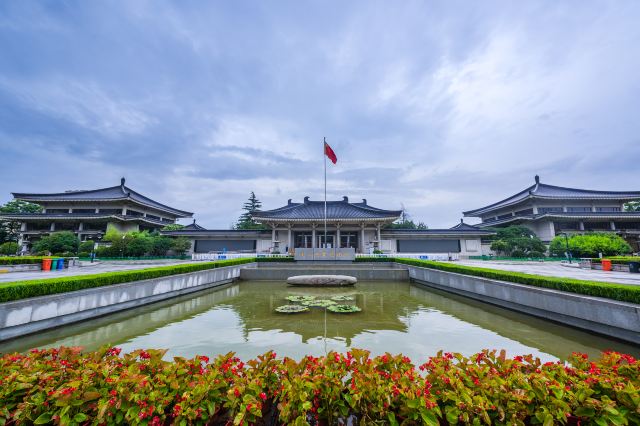
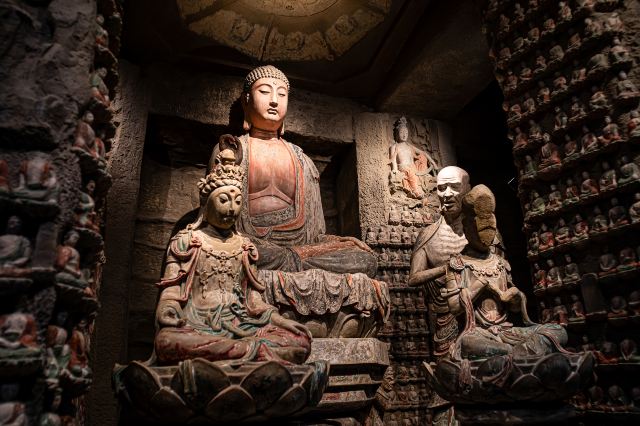
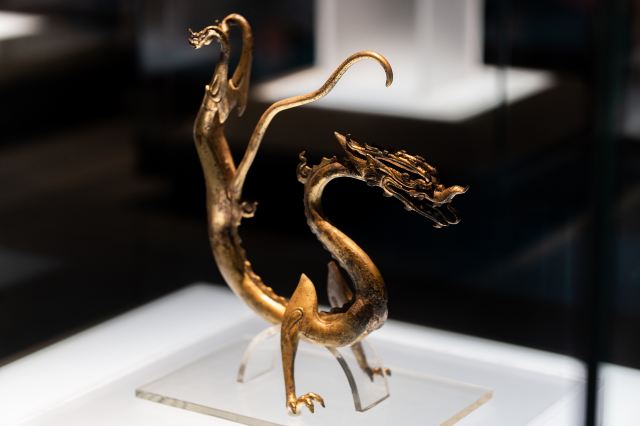
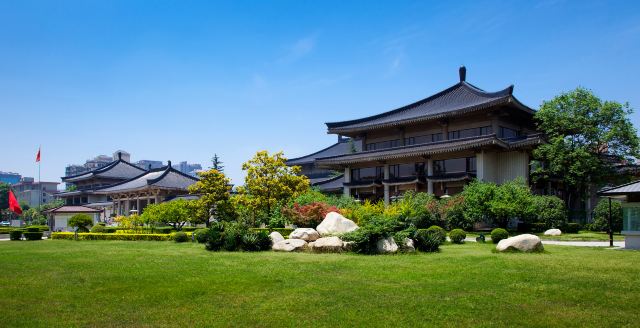
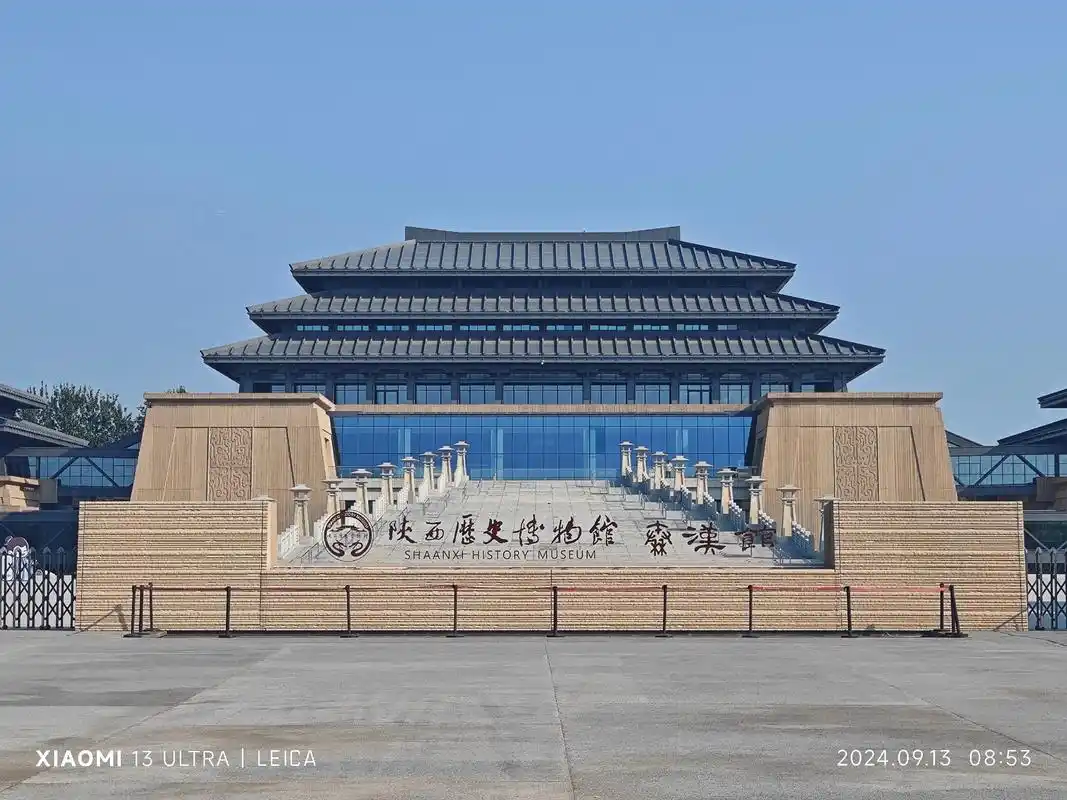
The Shaanxi History Museum is one of China's most important museums, housing an extraordinary collection of artifacts from the Zhou, Qin, Han, and Tang dynasties -- the greatest imperial eras that all had their capitals in Xi'an. The collection includes stunning bronze vessels, thousands of terracotta figurines, exquisite Tang Dynasty gold and silver treasures from the Hejiacun hoard, and priceless tomb murals. The museum building itself is a magnificent Tang-style palace complex designed by renowned architect Zhang Jinqiu. Here's the honest truth: the museum is spectacularly difficult to visit. Free tickets must be reserved days in advance through WeChat (extremely challenging for foreigners), the daily visitor cap of 4,000-6,000 means it's perpetually sold out, and even with tickets the crowds inside are crushing -- reviewers consistently describe being unable to see exhibits through walls of people, stifling heat from inadequate air conditioning, and pushing and shoving at every display case. Many foreigners report being turned away entirely because the booking system doesn't accept foreign passports. Those who do get in describe the collection as world-class and absolutely worth the effort, but the experience itself ranges from uncomfortable to miserable during peak seasons. The paid exhibitions (Hejiacun Treasures at 30 RMB, Tang Murals at 270-300 RMB) are actually the better deal -- shorter queues, fewer people, and some of the museum's finest pieces. Hiring a guide is essential; without one, you're just looking at objects without understanding their significance. Best for history enthusiasts willing to plan ahead and endure crowds for genuinely remarkable artifacts.
Top Questions from Travelers
Why This Place Matters
Xi'an served as the capital of 13 Chinese dynasties -- more than any other city -- including the Zhou, Qin, Han, and Tang, four of the most influential dynasties in Chinese history. When it was called Chang'an during the Tang Dynasty (618-907 AD), it was the largest city in the world and the eastern terminus of the Silk Road, hosting merchants, monks, and diplomats from across Asia, the Middle East, and Europe. The Shaanxi History Museum's collection reflects this extraordinary heritage: the bronzes tell of ritual and warfare in ancient China, the Qin artifacts speak of the first emperor's unification, the Han pieces show a confident empire rivaling Rome, and the Tang treasures reveal a cosmopolitan golden age. The museum opened in 1991 as China's first modern national-level museum, and its collection is considered on par with the National Museum in Beijing -- some argue superior, given the density of civilizations that rose and fell on Shaanxi soil. The irony is that this world-class museum has become a victim of China's domestic tourism boom -- the crowds that now overwhelm it are themselves a testament to the renewed national pride in Chinese civilization that the museum was built to inspire.
Need help planning?
ChinaPal handles everything
- Book English-speaking guides
- Arrange transport & tickets
- Real-time help during your visit
- Restaurant reservations nearby
Highlights
5 iconic experiences that define a visit
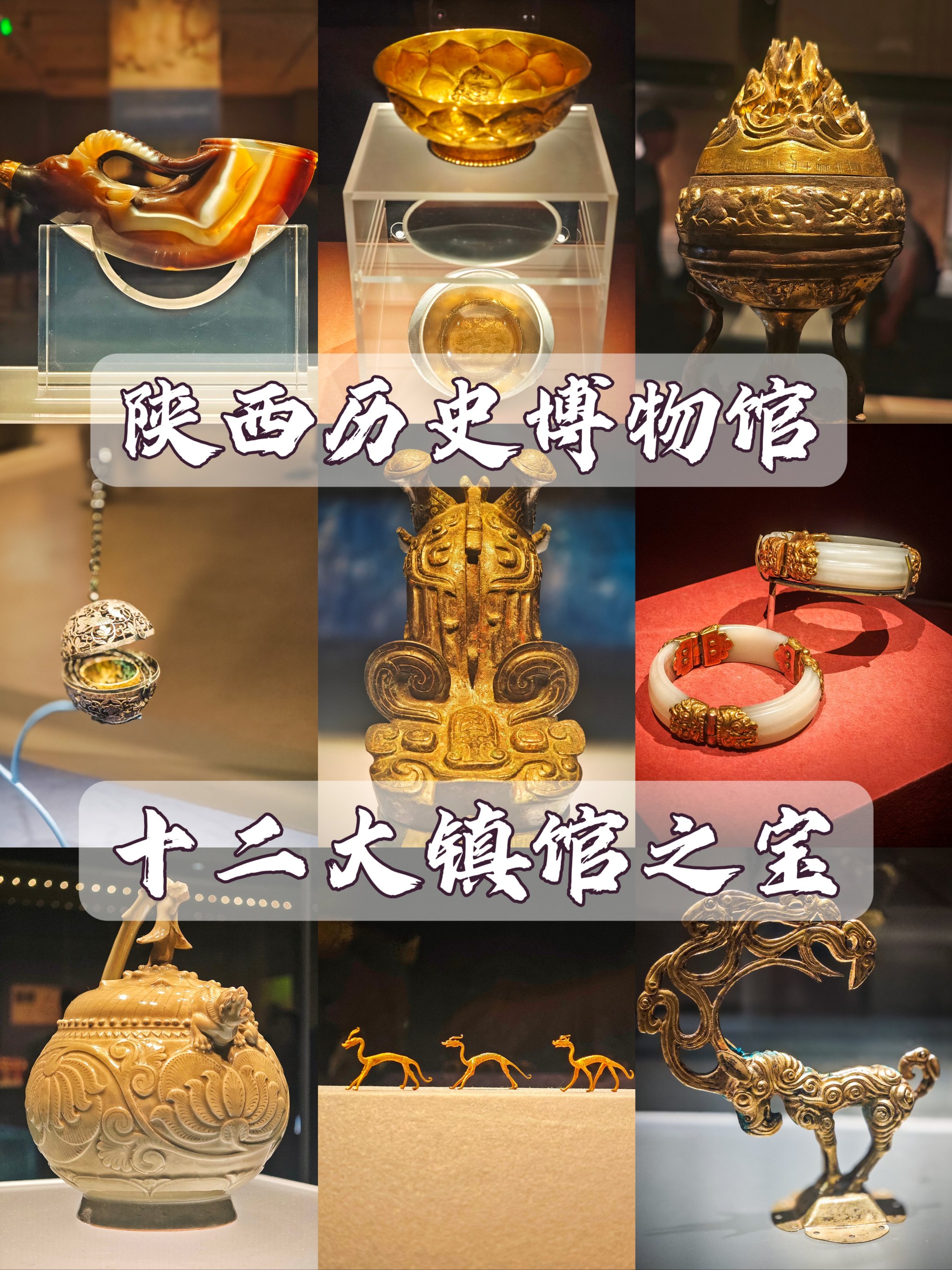
Hejiacun Treasure Hall (何家村窖藏出土文物展)
In 1970, workers in Xi'an's Hejiacun village discovered two large ceramic jars and a silver vessel stuffed with nearly 1,000 Tang Dynasty treasures -- gold bowls, silver vessels, jade, coins, and medicines. This separate exhibition displays these extraordinary finds, including the iconic gilded dancing-horse silver flask and the gold-inlaid agate rhyton cup.
This is the must-see exhibition. The craftsmanship rivals anything in the world's top museums. The 30 RMB ticket is the best deal in Xi'an tourism -- it also grants access to all free galleries.
 Culturally Interesting
Zhou Dynasty Bronze Collection (Hall 1)
An extraordinary collection of 3,900+ bronze vessels from the Shang and Zhou dynasties (1600-256 BC), many bearing historically significant inscriptio...
 Universal Appeal
Tang Dynasty Gallery (Hall 3)
The showpiece hall covering the Tang Dynasty (618-907 AD), when Xi'an (then Chang'an) was the world's largest and most cosmopolitan city. Features gor...
 Universal Appeal
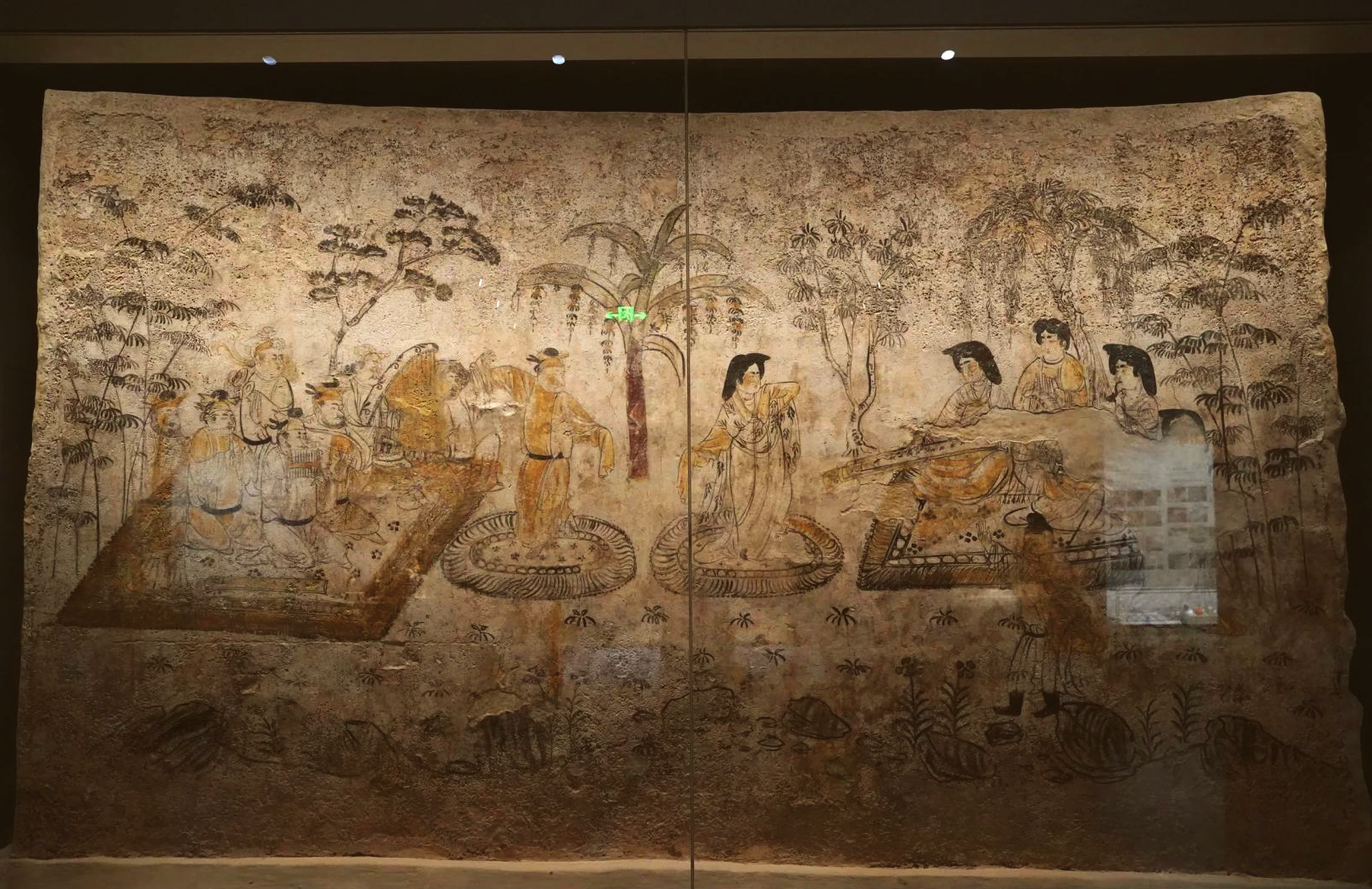
Tang Dynasty Tomb Murals (壁画馆)
Over 400 original murals from 25 Tang Dynasty tombs, depicting court life, hunting, polo, diplomatic receptions, and daily scenes from 1,300 years ago...
 Universal Appeal
Qin Dynasty Terracotta Warriors (Hall 1)
Several individual terracotta warriors and horses from the Qin Shi Huang mausoleum complex, displayed at close range -- much closer than you can get a...
What Most Visitors Miss
The 30 RMB Treasure Hall shortcut
Most visitors waste hours queuing for free tickets when the 30 RMB paid ticket queue is nearly empty. The paid ticket includes all free exhibitions PLUS the extraordinary Hejiacun treasure display. It's the single best hack for visiting this museum.
Shaanxi Archaeology Museum (陕西考古博物馆)
A newer museum with overlapping but distinct collections and far fewer visitors. Located further out near Chang'an District, it offers a more peaceful experience. Many recent reviewers say it equals or surpasses the main museum for quality. It's China's first archaeology-themed museum with interactive excavation experiences.
The volunteer guide service
Free volunteer guides are available at the service desk in the main hall, but few visitors know about them. They offer free Chinese-language explanations at scheduled times. Check the service desk for the day's schedule when you arrive.
Plan Your Visit
How Long to Visit
1.5-2 hours (hit the highlights in Halls 1-3, skip paid exhibitions
all free halls plus the 30 RMB Treasure Hall with a guide
all exhibitions including Tang Murals at 270 RMB, with detailed guide
Smart Route
Buy the 30 RMB Treasure Hall ticket (shorter queue) -> Enter through the paid ticket channel on the left side -> Go directly to Hall 3 (Tang Dynasty) first while morning crowds are still in Hall 1 -> Work backwards through Hall 2 (Han Dynasty) and Hall 1 (Prehistoric/Zhou/Qin) -> Visit the Treasure Hall (Hall 4) last as your exclusive paid bonus -> If you have the 270 RMB ticket, end with the peaceful Mural Hall as a relaxing finale.
Best Time to Visit
Arrive at opening (8:30 AM summer, 9:00 AM winter) for the thinnest crowds, or come after 2:00-3:00 PM when morning visitors start leaving
Weekend mornings, Chinese public holidays (especially National Day week in October and Spring Festival), and summer vacation (July-August)
By Season
Spring
Festival) is the best season -- fewer tourists and the indoor museum is comfortable. Spring (April-May) and autumn (September-October) have pleasant weather but heavy tourist traffic.
Summer
Autumn
(September-October) have pleasant weather but heavy tourist traffic. Summer is the worst -- extreme heat outside while queuing, inadequate air conditioning inside, and peak crowd levels.
Winter
(December-February, excluding Spring Festival) is the best season -- fewer tourists and the indoor museum is comfortable. Spring (April-May) and autumn (September-October) have pleasant weather but heavy tourist traffic.
Visit on a Tuesday or Wednesday in December for the most civilized experience. If visiting in peak season, buy the 30 RMB Treasure Hall ticket -- it gives you access to all free galleries PLUS the treasure exhibition, and the paid ticket queue is dramatically shorter than the free ticket queue. After 4 PM, crowds thin significantly.
What to Skip
Hall 5 (currently under renovation as of early 2026). Hall 6 and 7 temporary exhibitions are hit-or-miss -- check what's showing before spending time there. Skip the basement restaurant unless desperate -- food is mediocre. Don't waste time trying to see every single artifact -- focus on the national treasures and let your guide highlight the most important pieces.
Pro Tips
Hire a guide and split the cost with other visitors at the entrance -- 10 people sharing a 100 RMB guide costs just 10 RMB each and transforms the experience. Visit on a weekday and arrive either at opening or after 3 PM. Bring your own earbuds if renting the audio guide. The gift shop has unique cultural souvenirs (tiger tally cookies, museum passport for stamp collecting) that are better quality than typical tourist shops. The hot water dispensers near the entrance and in the Mural Hall are lifesavers.
Photo Spots
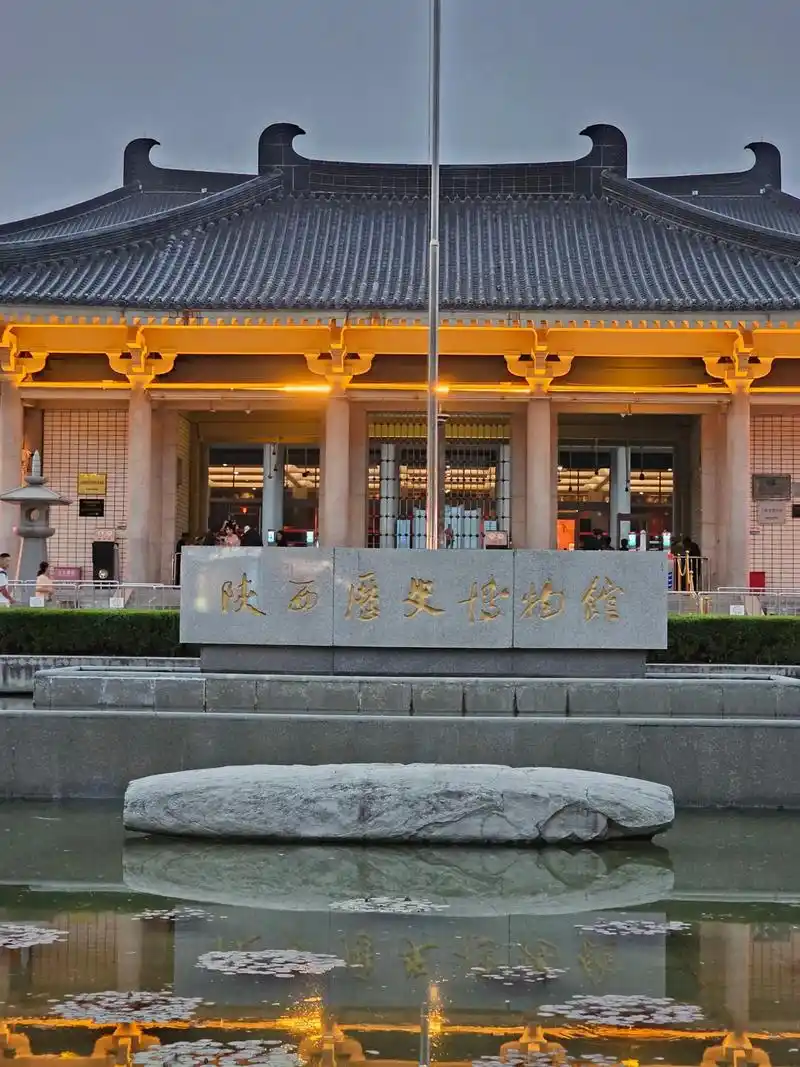
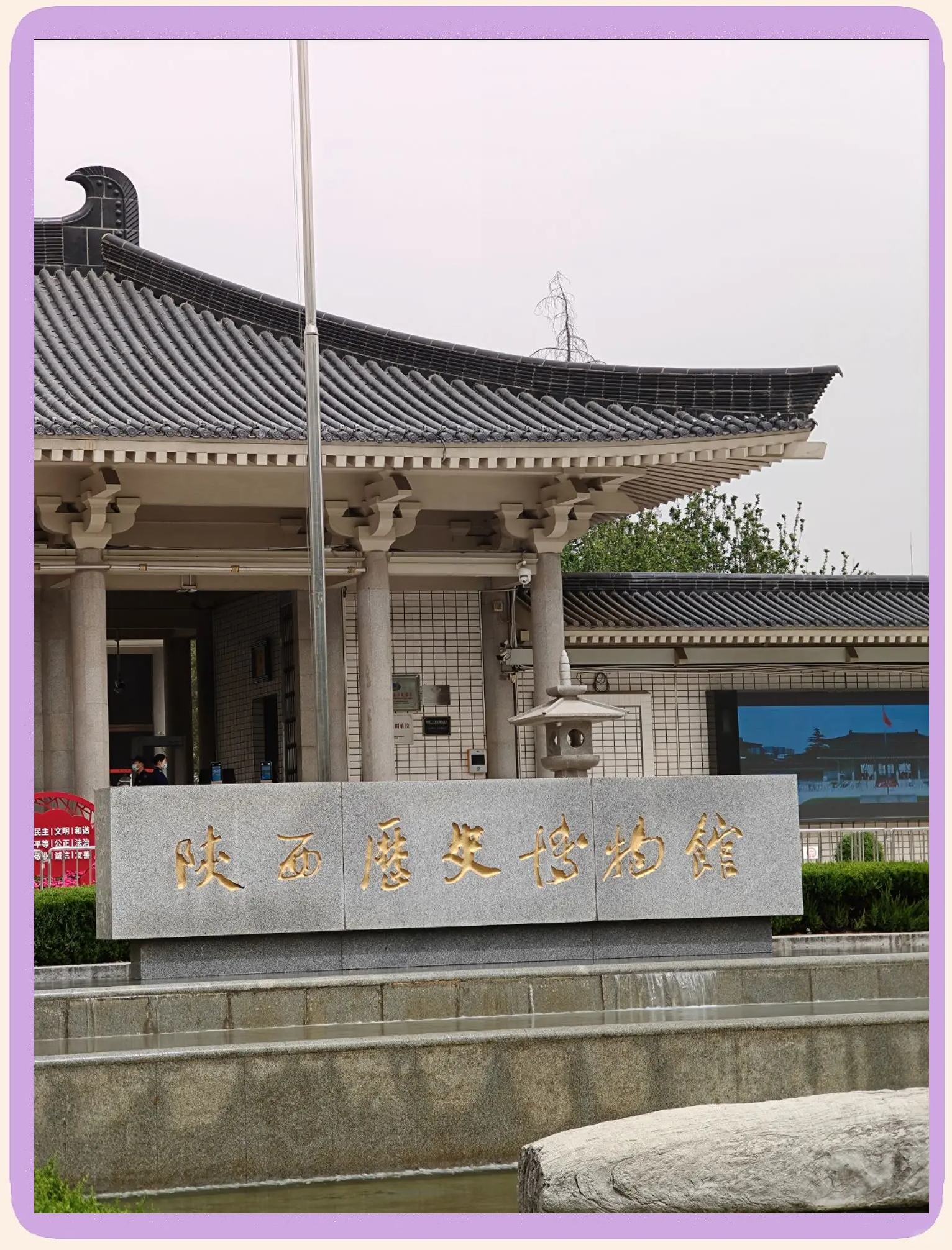
The Tang-style palace building exterior
Best photographed from the main approach path with the central hall framed between the side buildings. Morning light (before 10 AM) avoids harsh shadows on the facade.
Tang tri-colored glazed camel with musicians (Hall 3)
This is the most photographed artifact -- you'll need patience to get a clear shot without other visitors' hands in the frame. Wait for a gap between tour groups.
Gilded dancing-horse silver flask (Treasure Hall)
The flask is in a well-lit individual case. Shoot straight on without flash for the best detail capture.
Bronze vessels collection (Hall 1)
The dramatic green patina of the bronzes looks best in the museum's warm lighting. Use a wide shot to capture the scale of the collection.
Pair With
Big Wild Goose Pagoda (大雁塔)
10-minute walk northeast
A 1,300-year-old Tang Dynasty Buddhist pagoda just a 10-minute walk away. The surrounding plaza has musical fountains in the evening, and the Datang Everbright City pedestrian street is perfect for dinner.
Terracotta Warriors Museum (秦始皇兵马俑博物馆)
1-1.5 hours by bus or taxi east to Lintong District
The natural companion to the Shaanxi History Museum. Visiting the museum FIRST gives you crucial historical context that makes the Terracotta Warriors much more meaningful.
Xi'an City Wall (西安城墙)
20-minute taxi or metro ride north
The best-preserved ancient city wall in China. Rent a bike and cycle the complete 13.7 km loop for a completely different perspective on Xi'an's scale and history.
Tickets & Access
Basic exhibition (Halls 1-3)
Covers prehistoric era through Qing Dynasty -- the core collection
Hejiacun Treasure Hall (Hall 4)
Tang Dynasty gold/silver treasures -- includes access to free halls. Best value option.
Tang Dynasty Mural Hall
Priceless original tomb murals -- includes all other halls. No photography allowed.
Chinese-speaking guide
Split with other visitors for ~10-20 RMB each
English-speaking guide
Limited availability -- book in advance
Audio guide device
Chinese language mainly; English quality is inconsistent
Opening Hours
Tuesday-Sunday. Summer (March 16 - November 14): 8:30 AM - 6:00 PM (last entry 5:00 PM). Winter (November 15 - March 15): 9:00 AM - 5:30 PM (last entry 4:30 PM). Closed Mondays (except national holidays).
How to Buy
Official WeChat mini-program (search '陕西历史博物馆票务系统'). Foreigners who cannot use WeChat can try: Trip.com/Ctrip ticket+guide packages, or going directly to ticket windows 6-7 at the museum with a passport. Some third-party tour operators on Ctrip guarantee entry.
Passport: Technically yes -- passports are accepted as ID for entry. However, the online reservation system frequently does not accept foreign passport numbers, which is the single biggest barrier for foreign visitors. At the physical ticket counter, passport holders can get tickets if available.
Queue Situation
Expect 30-60 minutes to queue for entry even with a reservation. Free ticket holders queue on the right side of the entrance; paid ticket holders queue on the left (much shorter). During peak season, the free ticket queue can exceed 1.5 hours. Inside the museum, every popular exhibit has its own crowd bottleneck.
Tips & Warnings
Ticket reservation is a nightmare for foreigners
The WeChat-based booking system frequently rejects foreign passports. Budget 150+ RMB for a Trip.com/Ctrip ticket package that guarantees entry, or arrive early and try your luck at the physical ticket windows with your passport. Do NOT count on getting free tickets -- have a backup plan. Our concierge can handle the entire booking process for you — message us with your passport number and preferred date, and we will secure your tickets and send confirmation.
Crowds are genuinely crushing
This is not gentle crowding -- reviewers describe pushing, shoving, and being unable to breathe in summer. The museum packs in thousands of visitors daily into relatively small halls. Visit in winter or on weekday afternoons for a bearable experience. If you have anxiety about dense crowds, consider the Shaanxi Archaeology Museum instead.
Air conditioning is woefully inadequate in summer
Multiple reviewers describe the museum as stifling hot in July-August despite being indoors. The combination of poor ventilation and thousands of bodies generates oppressive heat. Bring a portable fan, wear light clothing, and carry water.
Some prized artifacts are replicas
Several famous pieces (the bronze chariot model, some bronze vessels) are replicas -- the originals were 'borrowed' by the National Museum in Beijing or are in the Terracotta Warriors museum. This is a sore point for visitors. The Hejiacun Treasure Hall pieces are authentic originals.
Time slots are strictly enforced
You MUST arrive within your booked time window. Arrive early and you'll wait outside; arrive late and you may be denied entry. Staff have turned away people who missed their slot by even a few minutes. Plan your morning accordingly.
What to Bring
Wear
Comfortable walking shoes -- you'll be standing for 2-4 hours on hard floors. In summer, wear the lightest clothing possible (the museum is hot inside). In winter, dress warmly for the outdoor queue but be prepared to remove layers inside. No formal dress code.
Bring
Passport (required for entry -- no exceptions). Water bottle. Tissue paper. Portable phone charger. Snacks (limited food options inside). In summer: portable fan, sunscreen for the queue. Earbuds if renting the audio guide.
Don't Bring
Selfie sticks (confiscated at security). Umbrellas (must be stored). Large bags (slow you down at security check -- use the free lockers). Tripods.
Physical Reality
light-moderate
All indoor, mostly flat walking across multiple exhibition halls on two floors. Elevators available. The main challenge is standing for extended periods (2-4 hours) on hard floors while jostling through crowds. Wheelchair accessible with ramps and accessible restrooms. The museum provides free wheelchair and stroller rental at the visitor service center.
Foreigners Watch Out
- The booking system is the single biggest obstacle. WeChat reservation requires a Chinese phone number for verification and often rejects foreign passport numbers. Multiple foreigners report being completely unable to book online and being turned away at the door. Have a backup plan (Trip.com booking, or the Xi'an Museum as an alternative).
- At the ticket counter, foreign passport holders go to specific windows (usually 6 or 7) on the right side when facing the entrance. The regular Chinese ID card windows cannot process passports.
- English-language support is minimal. Exhibition labels have brief English descriptions, but the audio guide is primarily Chinese with limited and sometimes inaccurate English. English-speaking human guides exist but are scarce -- book through your hotel or a tour platform in advance. We can arrange a vetted English-speaking guide for the museum in advance — just tell us your date and how long you want to spend, and we will match you with someone who knows the collection.
- The security check at the entrance confiscates selfie sticks and umbrellas. These must be stored in the free lockers near the ticket machines before entering.
- Bathrooms inside are basic squat toilets with unreliable toilet paper supplies. Bring your own tissue. The restaurant/cafe bathrooms downstairs are slightly better.
If Things Go Wrong
Cannot get tickets (fully booked, system rejects passport, etc.)
→ Try the physical ticket windows with your passport -- ask for the 30 RMB Treasure Hall ticket specifically, as these are sometimes available same-day. If that fails, check Trip.com or Ctrip for guided tour packages that include guaranteed entry. Our concierge team has experience navigating the booking system for foreign passport holders — message us and we will try every available channel to get you in.
Museum is too crowded to enjoy
→ Head to the paid Treasure Hall (30 RMB) or Mural Hall (270 RMB) where crowds are much thinner. Alternatively, find the less popular temporary exhibition halls (5-7) which are often nearly empty. The outdoor courtyard areas have benches for resting. If the crowds are unbearable and you want to regroup, message us and we can book a quiet restaurant nearby for a break and help you plan a return visit in the late afternoon.
Arrived on a Monday (closed) or outside opening hours
→ Walk to the Big Wild Goose Pagoda (大雁塔), which is only a 10-minute walk northeast and open daily. The surrounding Tang Paradise area and the Datang Everbright City pedestrian street are also nearby.
Useful Chinese
Tap to reveal the English meaning