About Muslim Quarter (Huimin Jie)
“A sensory avalanche — clouds of cumin-scented smoke from lamb grills, rhythmic pounding of nut candy, red lanterns glowing above a river of humanity, vendors shouting over sizzling woks, and the unexpected tranquility of mosque courtyards just steps away from the chaos.”
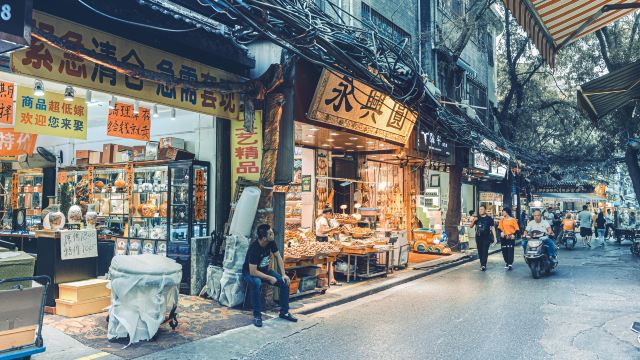
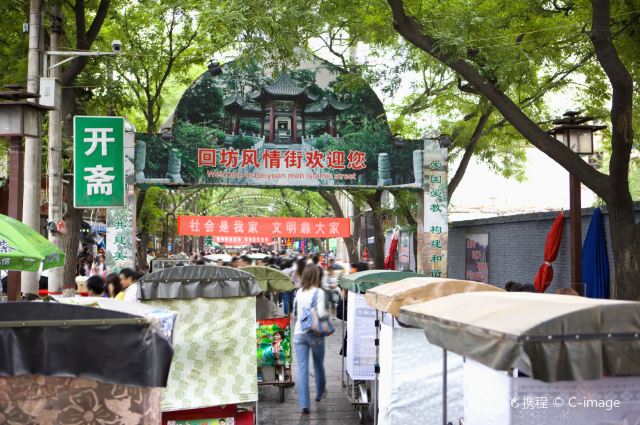
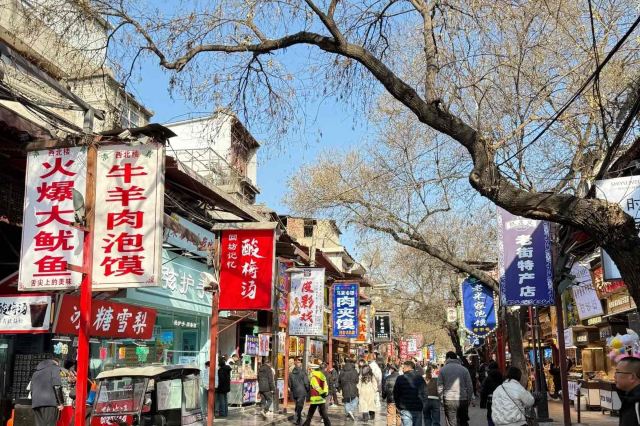
The Muslim Quarter is not a single street but a network of alleys — Beiyuanmen, Beiguangji Street, Xiyangshi, Dapiyuan, Huajue Lane, and Sajinqiao — that together form the culinary and cultural heart of Xi'an's 60,000-strong Hui Muslim community. Located immediately behind the Drum Tower in the city center, this area has been a Muslim residential and commercial district since the Northern Song Dynasty. By day, it is a dense food market with nearly 300 varieties of street snacks: lamb skewers, roujiamo (meat-stuffed flatbread), yangrou paomo (lamb soup with crumbled bread), liangpi (cold noodles), persimmon cakes, pomegranate juice, and much more. By night, it transforms into a spectacular street-food carnival with red lanterns, sizzling grills, and shoulder-to-shoulder crowds. Beyond food, the quarter contains 10 mosques including the Great Mosque (one of China's oldest, built in 742 AD), and traditional architecture blending Islamic and Chinese styles. Honest downsides: the main Beiyuanmen street is overwhelmingly touristy — prices are inflated, the same stalls repeat endlessly, and weekend crowds make walking a slow battle. Locals rarely eat on the main drag, preferring the side alleys (Dapiyuan, Xiyangshi, Sajinqiao) where food is cheaper and better. Persistent hawkers can be aggressive. Quality varies — some stalls rely on tourist volume rather than food quality. But venture beyond the main street and the Muslim Quarter delivers what might be the most exciting street food experience in all of China.
Top Questions from Travelers
Why This Place Matters
Xi'an's Muslim Quarter traces its origins to the Tang Dynasty (7th-10th century), when Arab and Persian merchants traveled the Silk Road to Chang'an (Xi'an's ancient name), then the world's largest and most cosmopolitan city. Many settled permanently, married local women, and established the Hui Muslim community. The area became a formal residential district during the Northern Song Dynasty and flourished commercially during the Ming and Qing dynasties. Today, approximately 60,000 Hui Muslims live in the quarter, maintaining their faith, dietary traditions, and cultural practices while fully integrating into Chinese society. The 10 mosques in the area — especially the Great Mosque founded in 742 AD — represent a unique fusion of Chinese and Islamic architecture found nowhere else. The food culture is the living legacy of the Silk Road: cumin-spiced lamb (Central Asian), flatbreads (Persian/Central Asian), and noodle techniques (Chinese) combined over centuries into a distinctive Hui Muslim cuisine that has become synonymous with Xi'an itself. The quarter was renovated in 1992-1993 with traditional-style architecture and has since become Xi'an's most visited destination after the Terracotta Warriors.
Need help planning?
ChinaPal handles everything
- Book English-speaking guides
- Arrange transport & tickets
- Real-time help during your visit
- Restaurant reservations nearby
Highlights
4 iconic experiences that define a visit
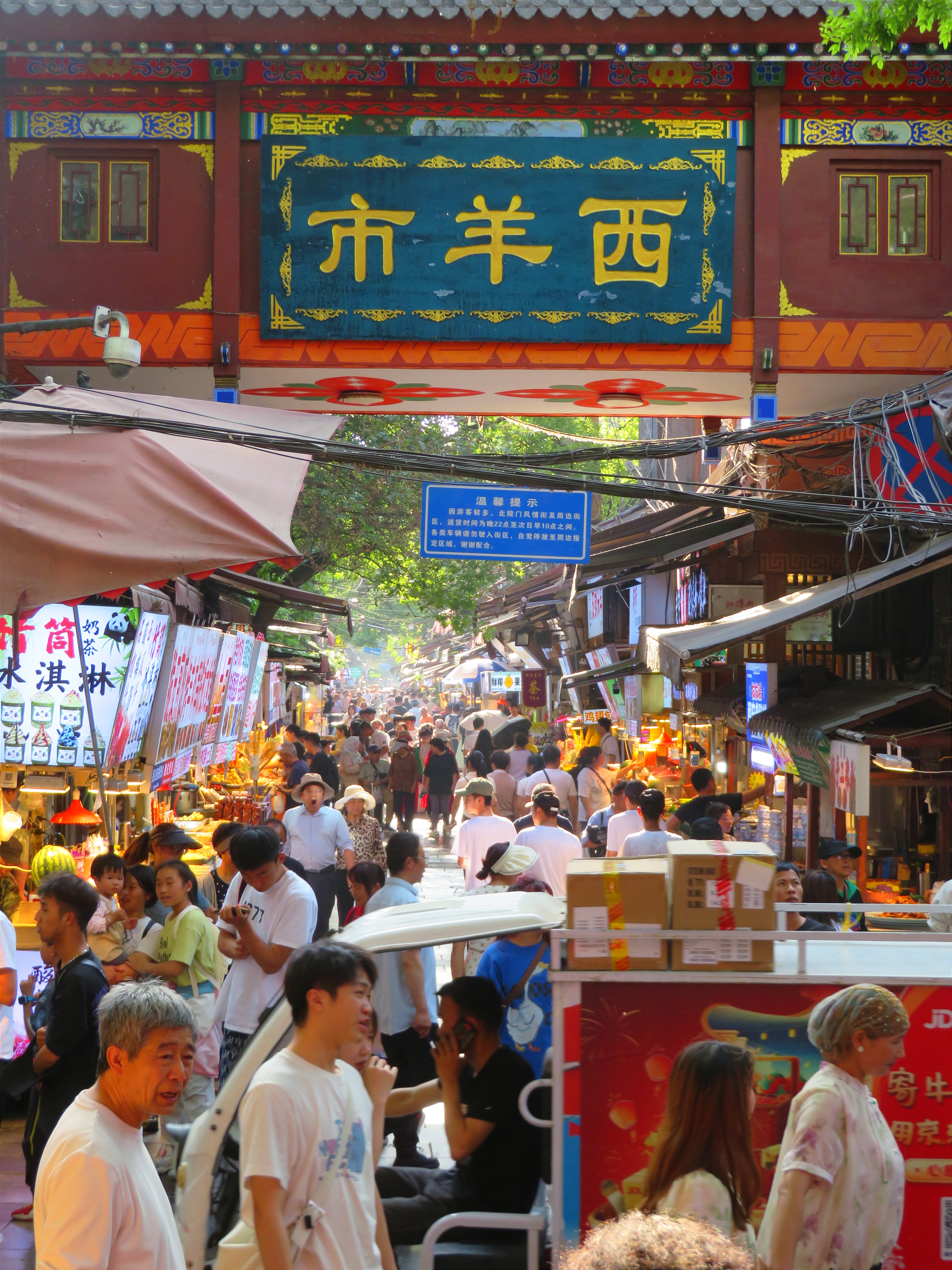
The Street Food Experience
Nearly 300 varieties of Hui Muslim street food across multiple alleys: roujiamo (spiced meat in flatbread), yangrou paomo (lamb soup with hand-torn bread), liangpi (cold skin noodles), lamb skewers, biangbiang noodles, persimmon cakes, pomegranate juice, huafen candy, and much more. The sheer density and variety of food is staggering.
This is one of the world's great street food experiences. The Silk Road heritage means the flavors — cumin, chili, lamb, flatbread — are more accessible to Western palates than many Chinese cuisines. Muslim dietary law means no pork, which simplifies ordering for many visitors.
 Universal Appeal
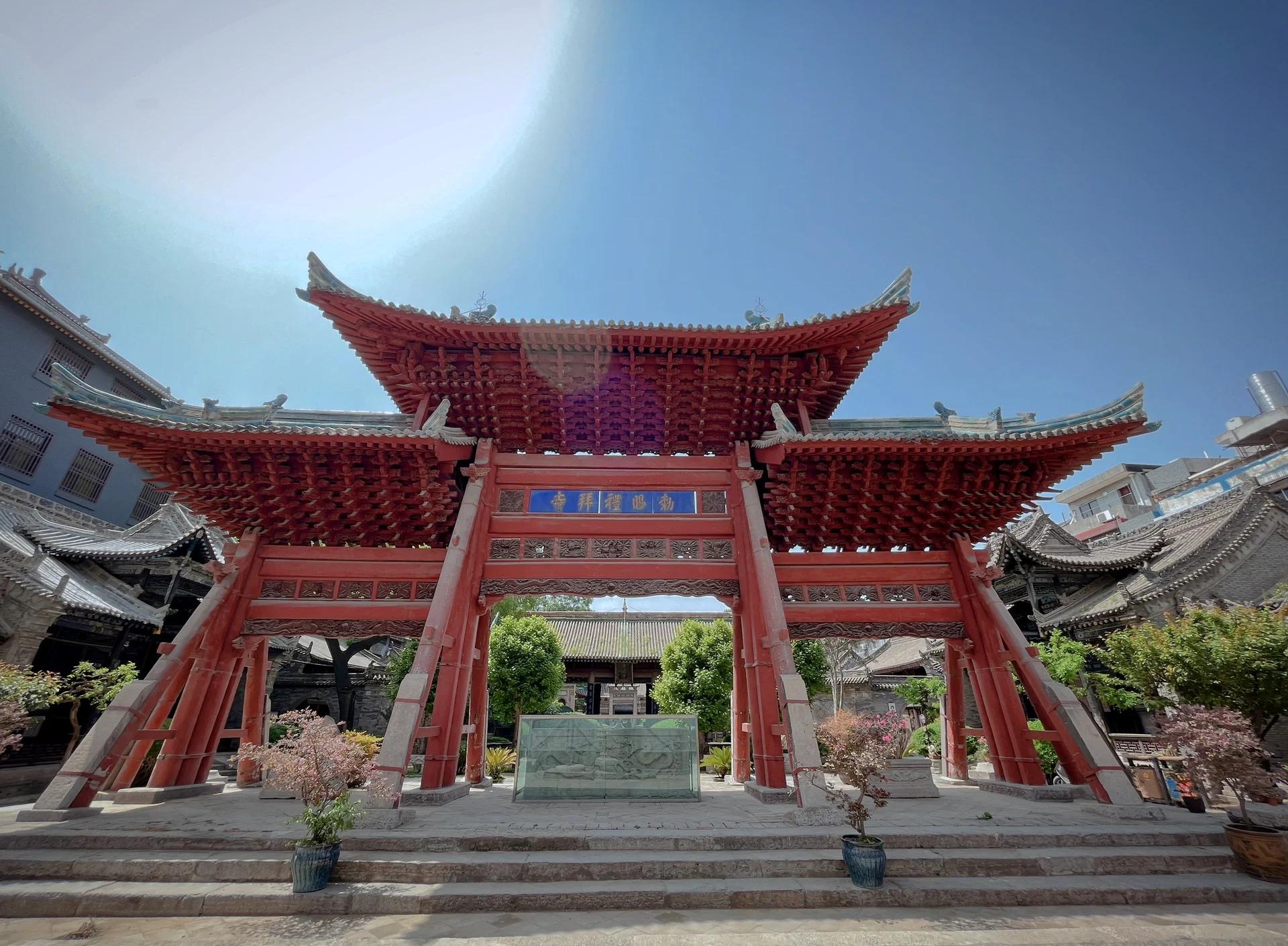
The Great Mosque (化觉巷清真大寺)
Founded in 742 AD, the Great Mosque of Xi'an is one of the oldest and largest mosques in China. Unlike Middle Eastern mosques, it is built in classica...
 Unique
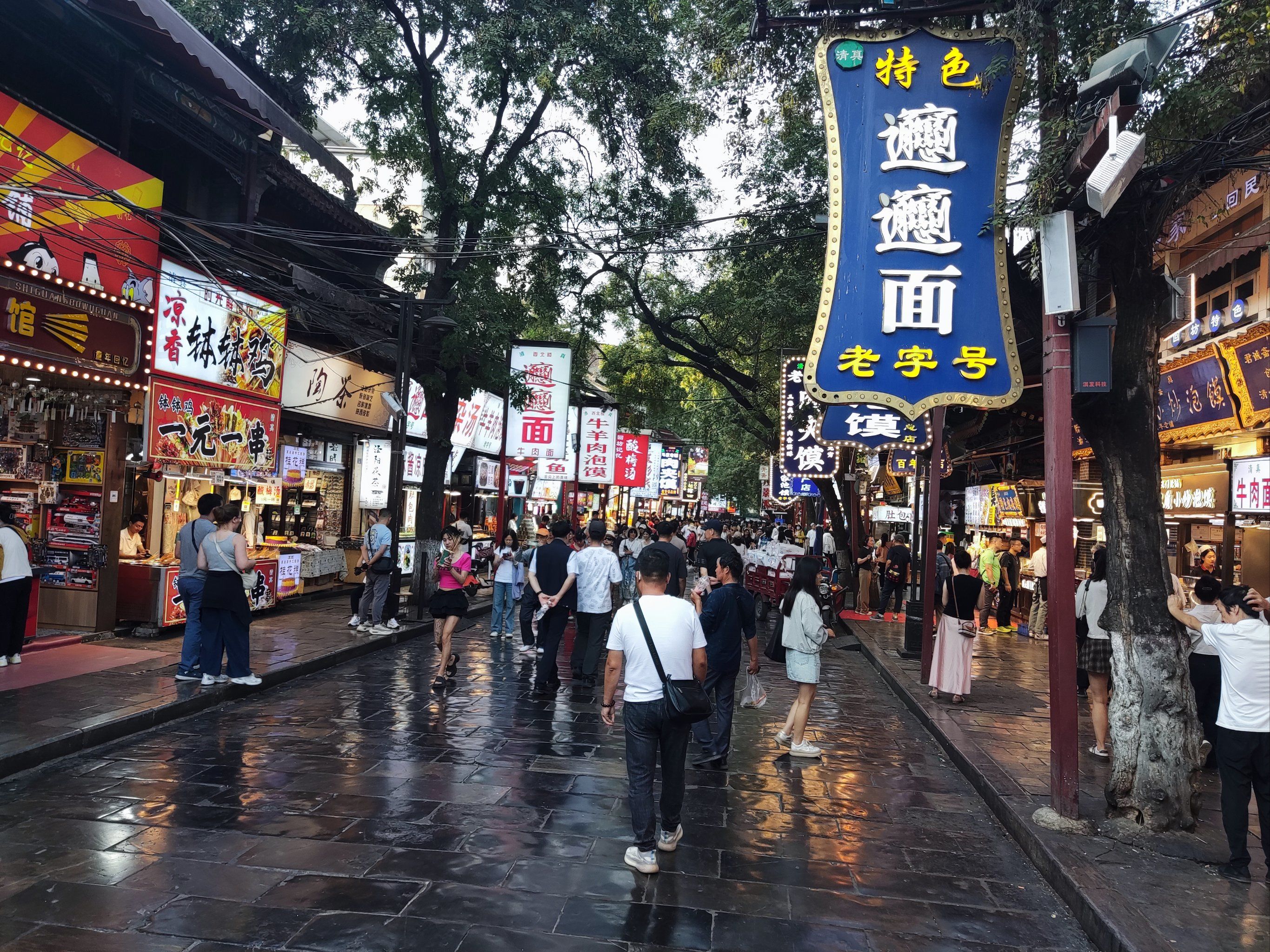
Sajinqiao — The Locals' Street
While tourists crowd Beiyuanmen, local Xi'an residents head to Sajinqiao for their Muslim Quarter food fix. This street west of the main drag has chea...
 Universal Appeal
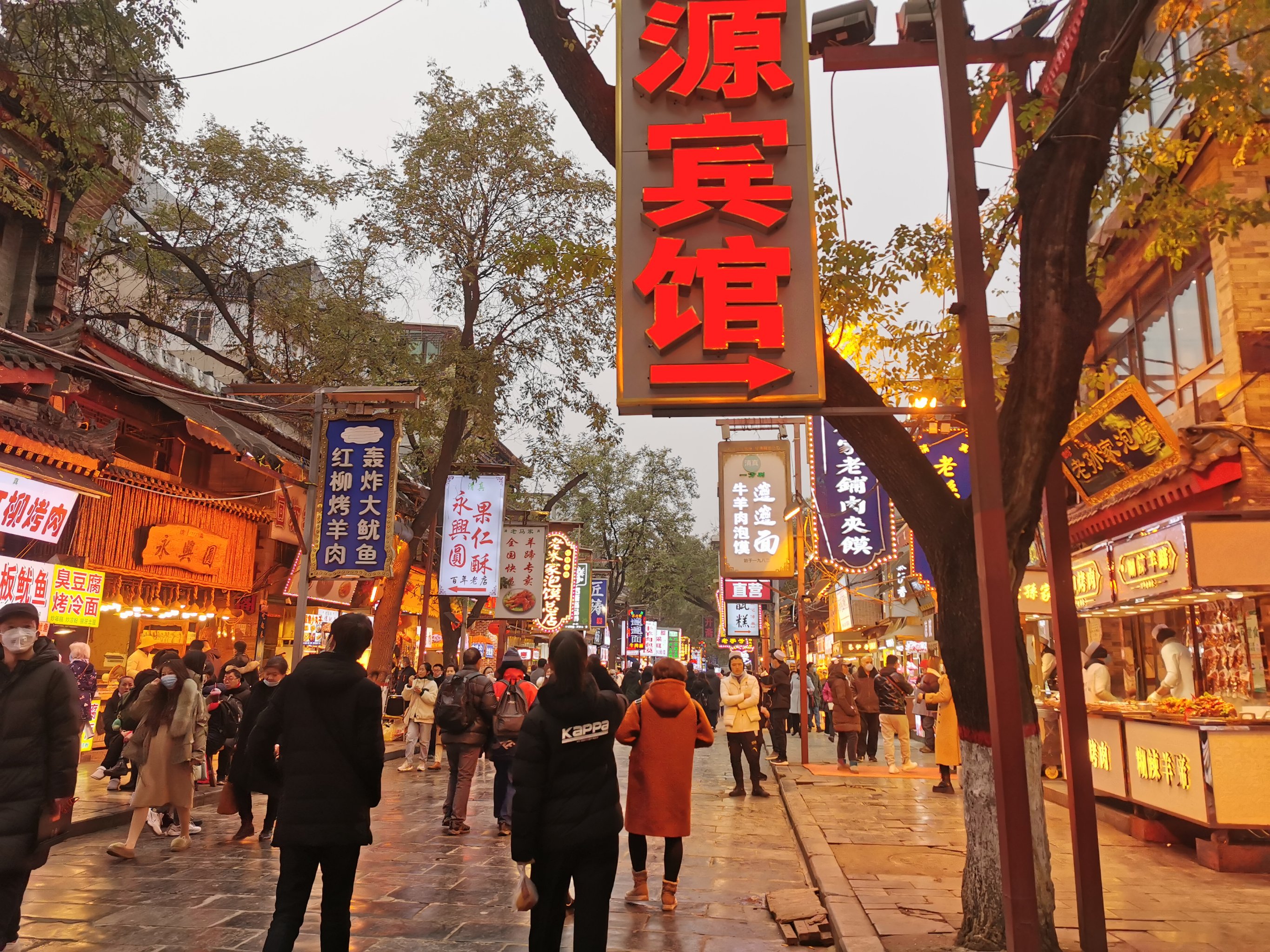
Night Market Atmosphere
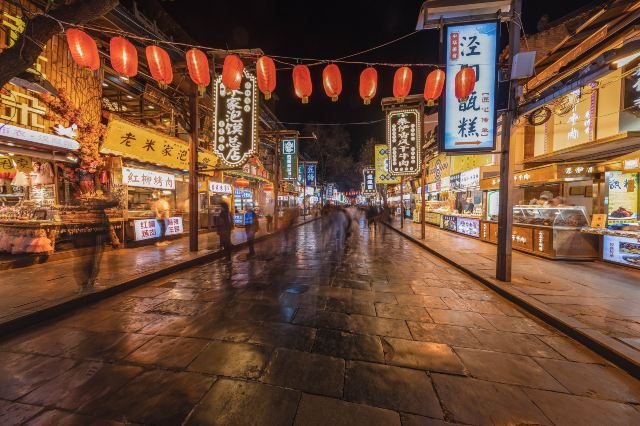
After dark, the Muslim Quarter transforms into one of China's most electric night food scenes. Red lanterns line the streets, neon signs flash, grill ...
What Most Visitors Miss
The side alleys (Dapiyuan, Xiyangshi, Sajinqiao)
90% of tourists never leave the main Beiyuanmen street, missing the best food and most authentic atmosphere. Each side alley has its own specialties and local favorite shops.
The Great Mosque
Hidden down a narrow lane (Huajue Alley), many visitors walk right past it. It is one of China's most significant Islamic sites and offers a serene contrast to the food street chaos.
Gao Family Courtyard (高家大院)
A well-preserved Ming Dynasty courtyard house inside the quarter that hosts shadow puppet shows and traditional performances. Located on Beiyuanmen but overlooked amid the food frenzy.
Plan Your Visit
How Long to Visit
1-1.5 hours (walk the main street, eat 2-3 snacks, take photos
explore main street and side alleys, eat at 5-6 stalls, visit the Great Mosque, browse night market
systematic food crawl across all alleys, Great Mosque visit, shopping for souvenirs, evening lantern atmosphere
Smart Route
Start at the Drum Tower (Metro Line 1/2, Bell Tower Station). Walk north into Beiyuanmen — enjoy the atmosphere and take photos but resist eating at the first stalls. Turn right into Xiyangshi for your first snacks. Continue to Dapiyuan for baozi and lamb soup. Visit the Great Mosque via Huajue Lane. Loop back through the main street for any remaining items you want to try. End with dessert (persimmon cake, pomegranate juice) as you head back toward the Drum Tower.
Best Time to Visit
Early evening (5-7 PM) for the best combination of fully operational food stalls, golden hour light, and lanterns being lit
Weekend evenings and Chinese holidays — the main street becomes so packed that movement slows to a crawl
By Season
Spring
offer the most comfortable weather for outdoor eating. Winter evenings have a cozy atmosphere with steaming food stalls but can be cold.
Summer
Autumn
and spring offer the most comfortable weather for outdoor eating. Winter evenings have a cozy atmosphere with steaming food stalls but can be cold.
Winter
evenings have a cozy atmosphere with steaming food stalls but can be cold. Summer is hot and the smoke from grills makes it intense.
Come at 9 AM for the best local experience — the morning stalls serve breakfast items (dumplings, soup, flatbread) that tourists miss, the crowds are thin, and the food is freshly prepared.
What to Skip
The identical lamb skewer stalls on the main Beiyuanmen strip that all sell the same thing at tourist prices. The gift shops selling mass-produced souvenirs. The 'restaurants' with aggressive touts outside.
Pro Tips
Come hungry — really hungry. Budget 50-80 RMB for a thorough food crawl. Eat small portions (ban fen/半份) to maximize variety. The best yangrou paomo experience involves tearing the bread yourself (suipao/碎泡) rather than having the kitchen do it — it takes 20 minutes but is the authentic way.
Photo Spots
Beiyuanmen main street at night — looking south toward the Drum Tower
Stand on the slightly elevated area near the north end and shoot south. The red lanterns, food stall lights, and crowds create a tunnel of warm light with the illuminated Drum Tower framing the end.
Food stalls with active cooking — close-up shots
The lamb skewer grills and roujiamo preparation counters are the most photogenic. Ask permission before taking close-up photos of vendors. Early evening has the best warm light.
Great Mosque courtyards
The inner courtyards with Chinese-style pavilions and Arabic calligraphy create a stunning visual contrast. Morning light through the garden is beautiful.
Pair With
Drum Tower & Bell Tower (鼓楼 & 钟楼)
0 minutes — the Drum Tower is at the south entrance of the Muslim Quarter
The Drum Tower sits directly at the entrance to the Muslim Quarter. Climb it for views over the quarter's rooftops, then walk straight into the food streets.
City Wall (城墙)
15 minutes walking to the nearest wall gate
Xi'an's complete ancient city wall is a 15-minute walk from the Muslim Quarter. Walk or cycle the 14-km circuit along the top.
Terracotta Warriors (兵马俑)
40-60 minutes by bus or taxi
Xi'an's most famous attraction, about 40 minutes east. Visit the warriors during the day, then head to the Muslim Quarter for the evening food scene.
Tickets & Access
Street entry
No ticket needed
Roujiamo (meat sandwich)
Xi'an's signature street food — the 'Chinese hamburger'
Lamb skewers
Cumin-spiced, charcoal-grilled — the iconic Muslim Quarter snack
Yangrou Paomo (lamb soup with bread)
A full meal — tear the bread yourself for the authentic experience
Great Mosque admission
One of China's oldest and most beautiful mosques
Opening Hours
Streets are open 24/7. Food stalls: approximately 8:00 AM-11:00 PM (some 24-hour restaurants). Great Mosque: 08:00-19:00 (summer), 08:00-18:00 (winter).
How to Buy
No booking needed. For the Great Mosque, buy tickets at the entrance.
Passport: N/A — free public streets. Great Mosque accepts foreign visitors.
Queue Situation
No entry queue. Popular food stalls can have 10-20 minute waits (worth it). The main street itself is the queue on weekend evenings.
Tips & Warnings
Weekend evening crowds are extreme — shoulder-to-shoulder
Visit on weekday evenings for the atmosphere without the worst crowds. Or come in the morning for a completely different, much calmer experience.
Prices on the main Beiyuanmen street are inflated
The same items cost 30-50% less on the side streets. Locals know this and eat at Dapiyuan, Xiyangshi, and Sajinqiao instead.
Food quality varies widely
Follow the queues — stalls with long lines of local customers have earned their reputation. Avoid empty restaurants with aggressive touts. Named establishments that have been around for decades are generally reliable.
What to Bring
Wear
Casual and comfortable. Avoid white clothing — the smoke and food splatter will stain. Comfortable shoes for standing and walking on stone streets.
Bring
Cash (small bills). Wet wipes or hand sanitizer. Phone for photos. Empty stomach. Modest clothing if visiting the Great Mosque.
Don't Bring
Large bags — they are cumbersome in the crowds. Expectations of a quiet, orderly experience.
Physical Reality
low
Flat streets, mostly paved. Wheelchair access is possible on the main streets but very difficult in crowds. Side alleys are narrow. Distances are short — the entire area can be covered on foot in under 2 km.
Foreigners Watch Out
- Be respectful of the Muslim community — this is a residential area, not just a tourist attraction. Dress modestly near mosques.
- No pork is sold anywhere in the Muslim Quarter — do not ask for it. It is a halal area.
- Pickpocketing can be an issue in dense weekend crowds. Keep valuables in front pockets.
- Payment is mixed — some stalls accept only cash, others only mobile payment. Bring both. If you're struggling with mobile payment setup, our concierge team can walk you through getting Alipay or WeChat Pay working on your foreign card.
If Things Go Wrong
Stomach upset from street food
→ Pharmacies (药房) are located along the main street and in the surrounding area. Imodium-equivalent (蒙脱石散/Montmorillonite powder) is available over the counter. If you can't find what you need or can't communicate your symptoms, message our team and we can call the pharmacy for you or arrange medicine delivery to your hotel.
Overwhelmed by crowds
→ Duck into the Great Mosque courtyard for peace and quiet. Or walk to Sajinqiao or Beiguangji Street, which are much calmer.
Useful Chinese
Tap to reveal the English meaning