
About Huaqing Palace
“An imperial love story brought to life through ancient stone pools, elegant gardens, and mountain mists — tinged with the ghosts of political upheaval and the intoxicating scent of natural hot springs.”
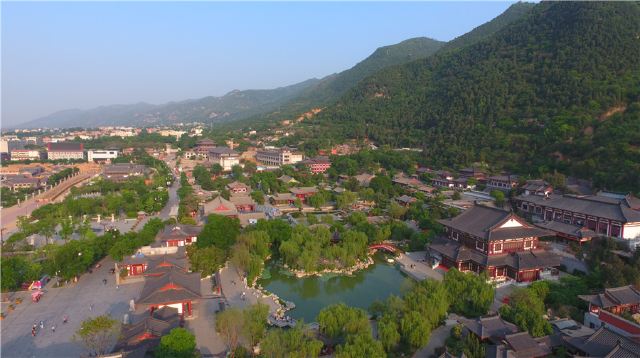
Huaqing Palace sits at the foot of Lishan Mountain, 30 km east of Xi'an, combining ancient hot spring ruins, imperial gardens, and two pivotal moments in Chinese history. The main draw is the excavated Tang Dynasty bathing pools — five stone pools including the Lotus Pool (Emperor Xuanzong's private bath) and the Begonia Pool (his concubine Yang Guifei's bath) — discovered in 1982 and now displayed under a museum roof. The romantic tragedy of Emperor Xuanzong and Yang Guifei, immortalized in Bai Juyi's poem 'Song of Everlasting Sorrow,' permeates the site. The Five-Room Hall preserves bullet holes from the 1936 Xi'an Incident when Chiang Kai-shek was arrested, a pivotal event in Chinese modern history. The gardens are beautiful with Nine-Dragon Lake, traditional pavilions, and mountain views. However, honest assessments: the bathing pools are essentially stone holes in the ground — without historical context, they are underwhelming. Many buildings are modern reconstructions, not originals. Aggressive guide solicitation at the entrance is a universal complaint. The real star is the 'Song of Everlasting Sorrow' nighttime performance (separate ticket, April-October), which multiple reviewers call the best outdoor performance they have ever seen. Best paired with the Terracotta Warriors, which are only 10 minutes away.
Top Questions from Travelers
Why This Place Matters
Huaqing Palace's hot springs have been used for over 3,000 years, beginning in the Western Zhou Dynasty. The site reached its zenith during the Tang Dynasty (618-907) when Emperor Xuanzong spent 36 visits over 41 years, transforming it into a lavish imperial retreat for himself and his beloved concubine Yang Guifei. Their tragic love story — he was forced to order her execution during the An Lushan Rebellion — was immortalized in Bai Juyi's poem 'Song of Everlasting Sorrow' (长恨歌), one of the most famous poems in Chinese literature. The site gained modern significance on December 12, 1936, when the Xi'an Incident took place: Generals Zhang Xueliang and Yang Hucheng kidnapped Chiang Kai-shek from the Five-Room Hall, forcing him to form a united front with the Communists against Japan. This event is considered a turning point in Chinese modern history. The term 'Pear Garden' (梨园), referring to the music academy Xuanzong established here, remains the standard term for Chinese opera to this day. The hot spring water maintains a constant 43 degrees Celsius and flows at 113 tons per hour, containing minerals prized for treating arthritis and skin conditions.
Need help planning?
ChinaPal handles everything
- Book English-speaking guides
- Arrange transport & tickets
- Real-time help during your visit
- Restaurant reservations nearby
Highlights
5 iconic experiences that define a visit
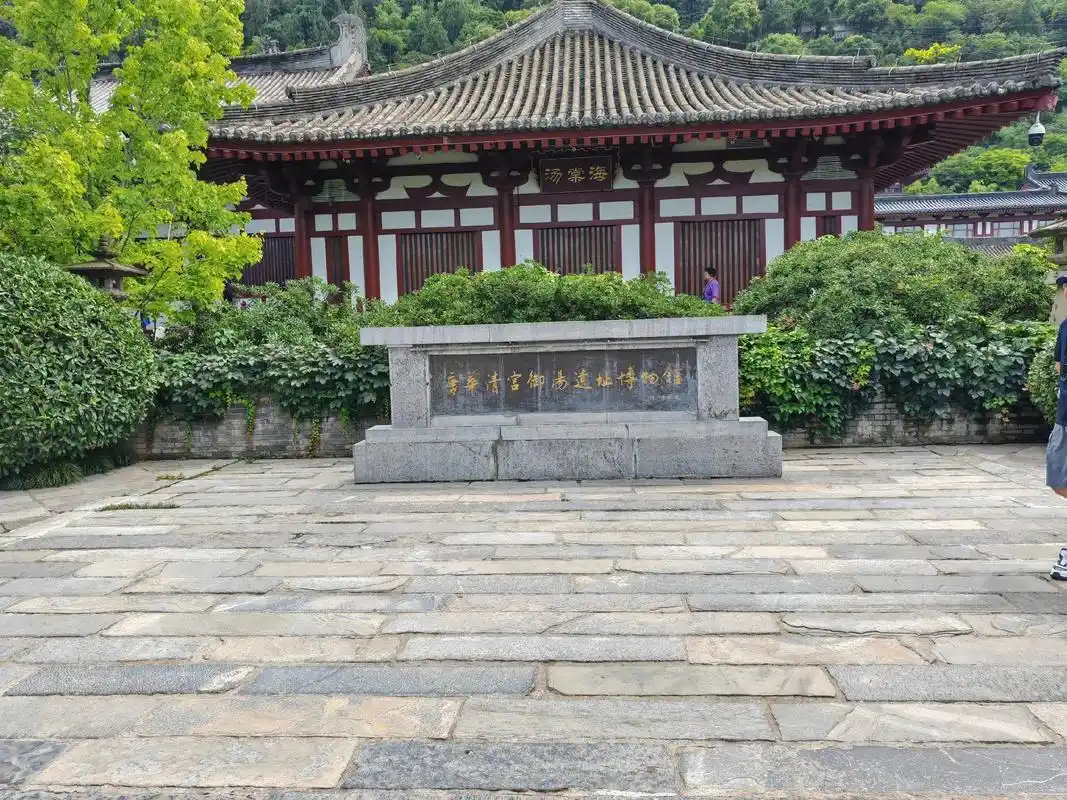
Tang Dynasty Royal Hot Spring Pool Museum (御汤遗址博物馆)
Five excavated Tang Dynasty bathing pools discovered in 1982, including the Lotus Pool (Emperor Xuanzong's private bath), the Begonia Pool (Yang Guifei's famous bath), the Star Pool (Emperor Taizong's bath), and the Prince Pool. The natural hot spring water still flows at a constant 43 degrees Celsius. Visitors can touch the actual spring water at a designated spot.
Without historical context, these are stone-lined holes in the ground. With context — knowing that a powerful emperor rebuilt an entire palace complex for his beloved concubine to bathe here — they become fascinating. A guide or pre-reading is strongly recommended.
 Universal Appeal
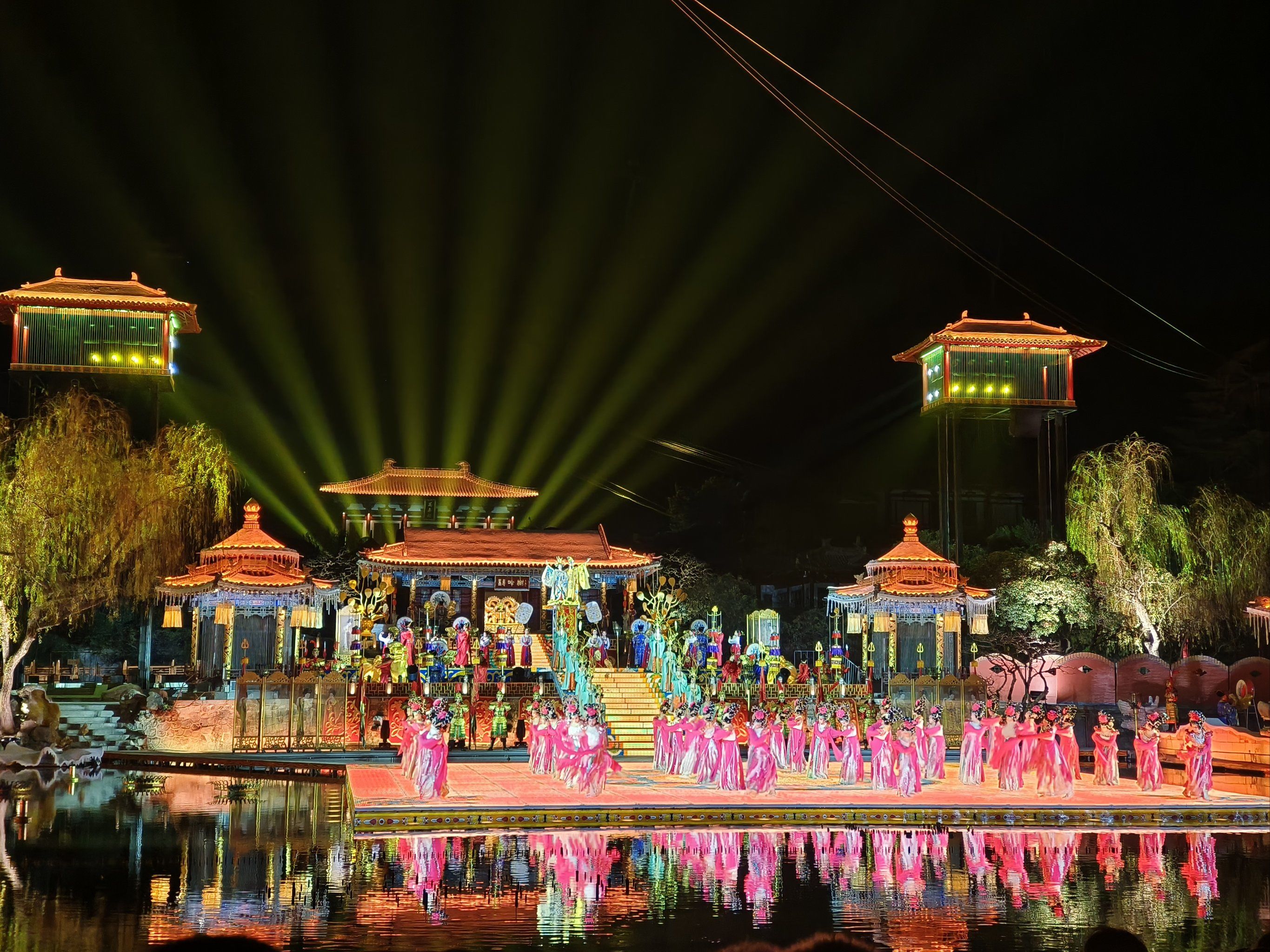
Song of Everlasting Sorrow Night Show (长恨歌)
A spectacular 70-minute outdoor dance-drama performed against the backdrop of Lishan Mountain and Nine-Dragon Lake, telling the tragic love story of E...
 Unique
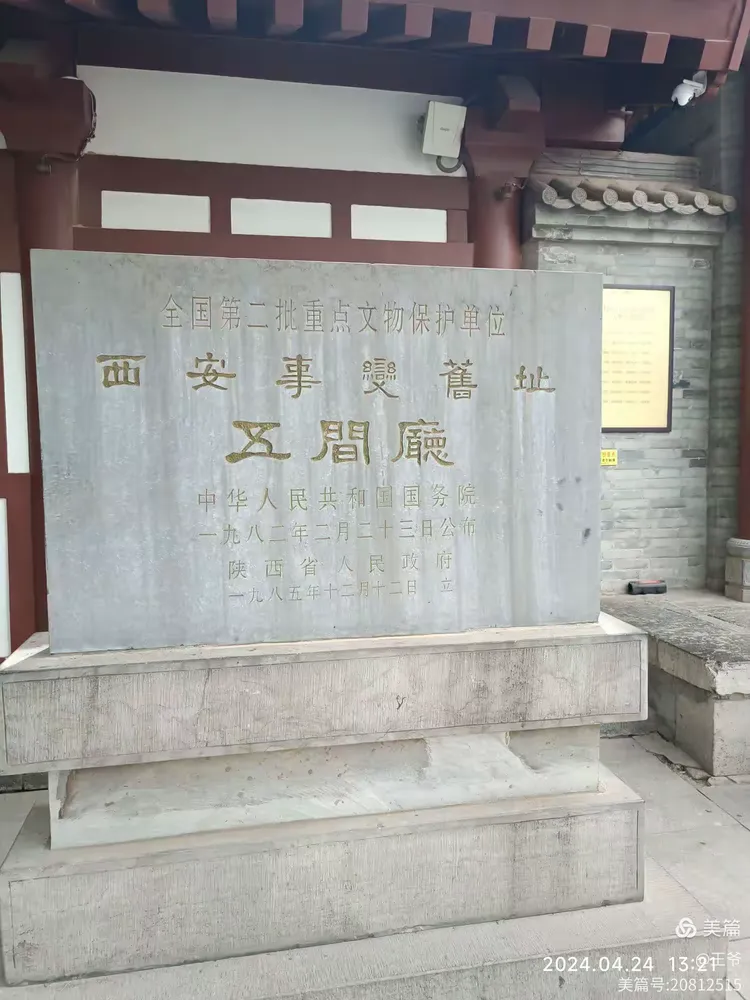
Five-Room Hall & Xi'an Incident Site (五间厅/西安事变遗址)
The building where Chiang Kai-shek stayed in December 1936 before being arrested by his own generals in the Xi'an Incident — a dramatic coup that forc...
 Universal Appeal
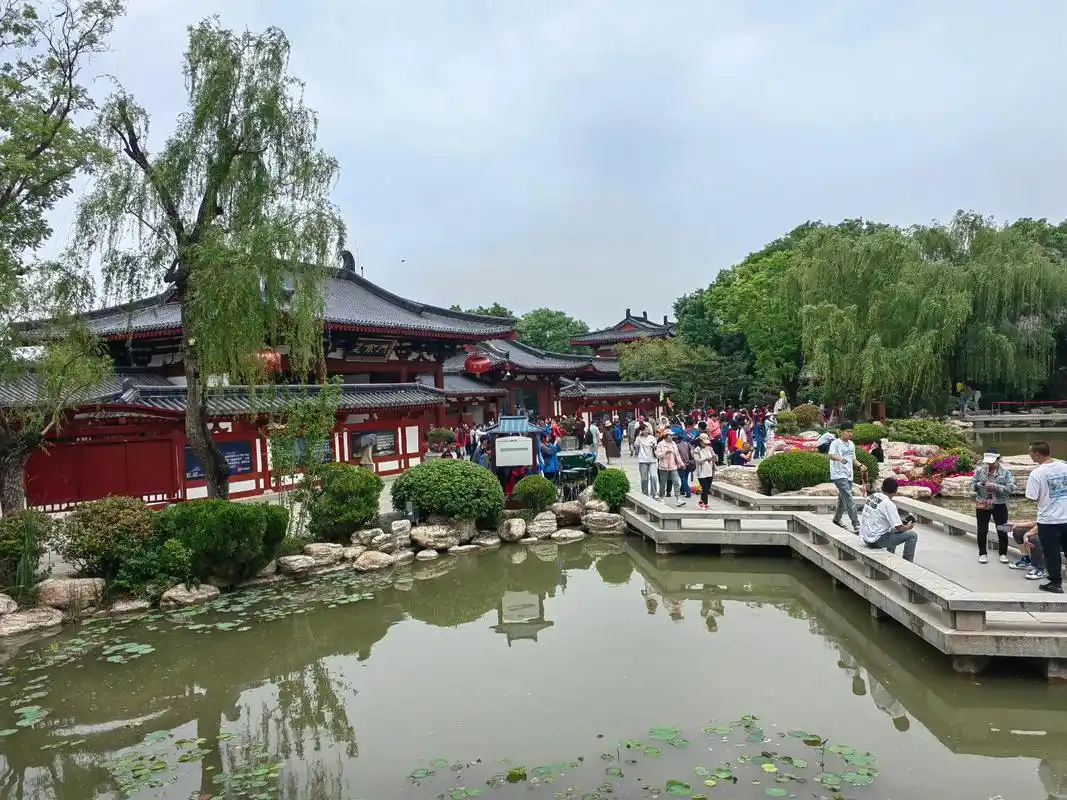
Nine-Dragon Lake & Lotus Gardens (九龙湖与芙蓉园)
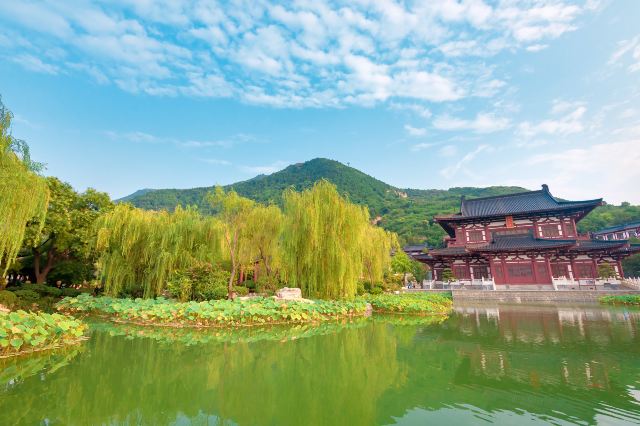
A scenic lake area with traditional Tang-style pavilions, bridges, and the Frost Flying Hall reflected in the water. The surrounding gardens feature t...
 Universal Appeal
Lishan Mountain (骊山)
The mountain rising behind the palace, accessible by cable car or hiking trails. The summit area includes the ancient Beacon Tower (connected to legen...
What Most Visitors Miss
The hot spring foot bath experience near the exit
Near the park exit, there is an area where visitors can soak their feet in the actual hot spring water from the same source that supplied the imperial baths. Many visitors walk right past it. The water is warm and mineral-rich — a unique sensory connection to 3,000 years of bathing history.
The Pear Garden (梨园) — China's first royal music school
Emperor Xuanzong established China's first imperial music and dance academy here, making it the birthplace of Chinese opera. The term 'Pear Garden' (梨园) is still used today to refer to Chinese opera. Most visitors rush past this area.
Combining the visit with a Terracotta Warriors morning trip
The Terracotta Warriors are only 10 minutes away. The ideal day trip is Warriors in the morning, Huaqing Palace in the afternoon, and the Song of Everlasting Sorrow at night — but many visitors only do one or the other.
Plan Your Visit
How Long to Visit
1.5-2 hours (palace grounds and bathing pool museum only
palace grounds, pool museum, Five-Room Hall, Nine-Dragon Lake, and partial Lishan Mountain
Full day — afternoon palace visit + Lishan Mountain cable car + evening Song of Everlasting Sorrow show
Smart Route
Start at the Terracotta Warriors in the morning (arrive by 8:30 AM for smaller crowds). Finish by noon. Take bus 914/915 or taxi (10 minutes) to Huaqing Palace. Enter from the main gate, walk through the Huan Garden to the Five-Room Hall (Xi'an Incident site). Continue to the Royal Hot Spring Pool Museum. Explore Nine-Dragon Lake and Frost Flying Hall. If time and energy permit, take the cable car up Lishan Mountain. Return for the Song of Everlasting Sorrow evening show.
Best Time to Visit
Afternoon (2-4 PM) for the palace visit, allowing time to explore before the evening night show
National holidays (Oct 1-7, May Day) when crowds are overwhelming and aggressive guide solicitation intensifies
By Season
Spring
(March-May) and autumn (September-November) offer the most comfortable weather. The Song of Everlasting Sorrow runs April-October.
Summer
Autumn
(September-November) offer the most comfortable weather. The Song of Everlasting Sorrow runs April-October.
Winter
Book the Song of Everlasting Sorrow VIP ticket on Trip.com — it often bundles daytime palace entry, early seating, and refreshments, making it better value than buying everything separately.
What to Skip
The aggressive guide solicitors at the entrance — politely decline unless you specifically want a guide (in which case, hire an official one at the ticket office). Some of the reconstructed Tang-style buildings away from the main path are not historically significant and can be skipped if time is limited.
Pro Tips
Hire an English guide at the ticket office (approximately 200 RMB) — without historical context, this site loses most of its meaning. The pools are stone holes; the buildings are mostly reconstructions. What makes the site special is the stories, and a good guide brings those to life. Book the Song of Everlasting Sorrow VIP ticket in advance — it often sells out.
Photo Spots
Nine-Dragon Lake with Frost Flying Hall reflection
Shoot from the north shore looking south toward the hall with the lake creating a mirror reflection. Best in early morning or late afternoon light.
Yang Guifei statue
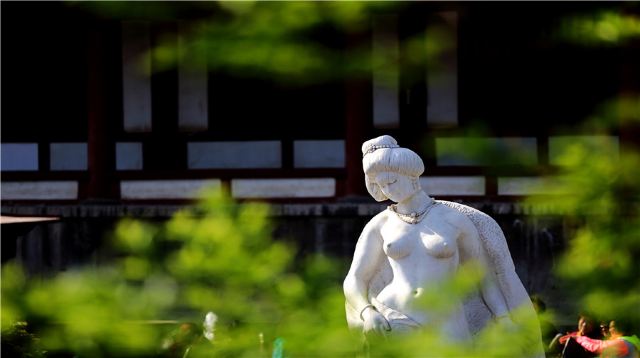
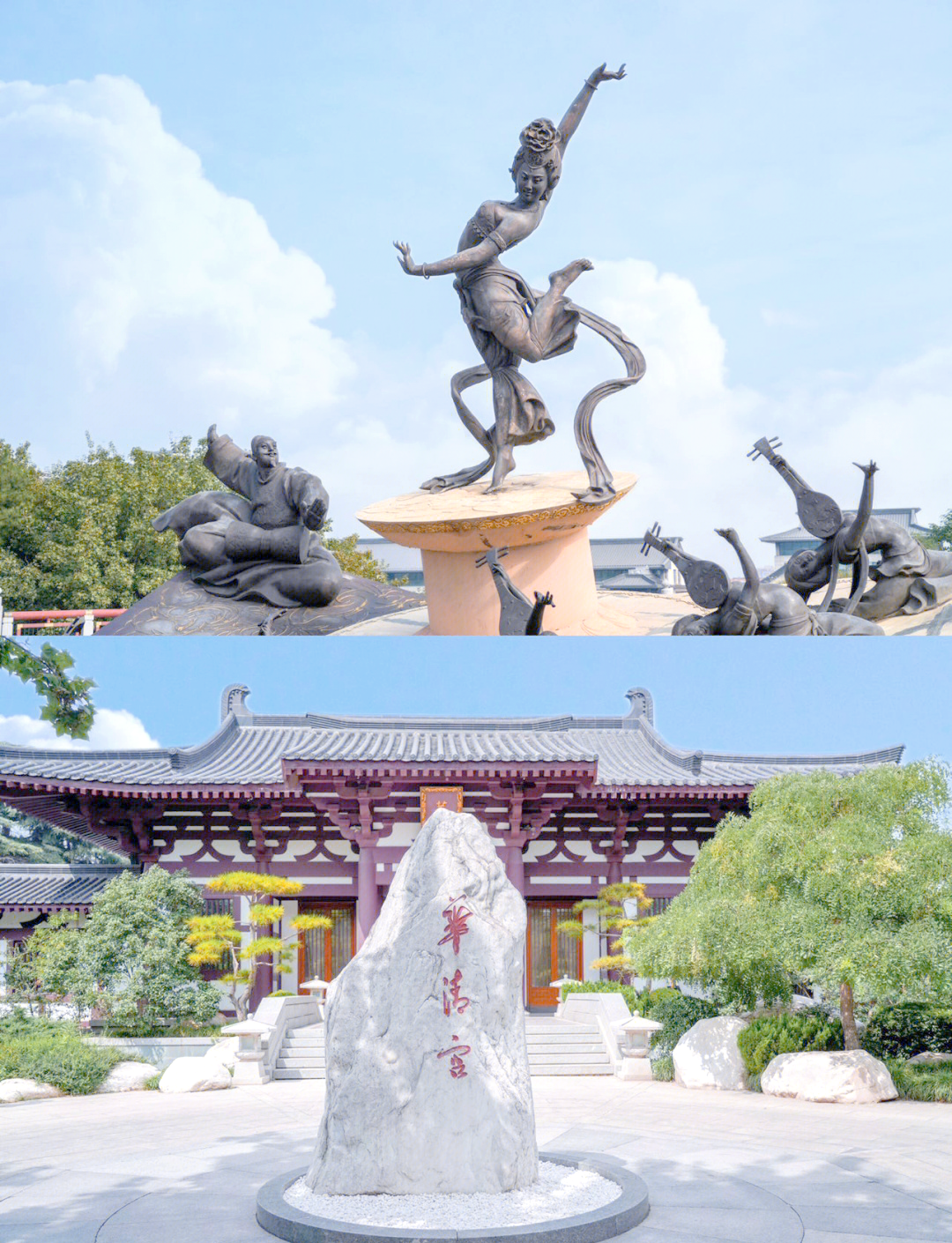
The large white marble statue of Yang Guifei is the most popular photo spot. Visit early or late to avoid crowds around it.
Lishan Mountain viewpoint
Take the cable car up and walk to the Beacon Tower viewpoint for panoramic views of the palace complex, the Wei River plain, and surrounding mountains.
Pair With
Terracotta Warriors Museum (秦始皇兵马俑博物馆)
10 minutes by bus or taxi
Only 10 minutes away — the standard day trip combines both sites. Warriors in the morning, Huaqing Palace in the afternoon, night show in the evening.
Xi'an City Wall (西安城墙)
45-60 minutes back to central Xi'an by metro or bus
After returning to Xi'an city center, the ancient city wall offers bike riding and sunset views. A different era of Chinese history from Huaqing Palace's Tang Dynasty.
Muslim Quarter (回民街)
45-60 minutes back to central Xi'an
End your day trip with street food in Xi'an's famous food street. The perfect dinner spot after returning from Lintong.
Tickets & Access
Palace Entry (peak season)
March-November — includes palace grounds and Lishan Mountain
Palace Entry (off-season)
December-February — same access, fewer crowds
Song of Everlasting Sorrow (standard)
The night show everyone raves about — rear and mid sections
Song of Everlasting Sorrow (VIP)
Front-center seating, early entry, refreshments — often includes daytime palace entry
Lishan Mountain Cable Car
Saves a steep climb — panoramic views at the top
Opening Hours
Daily 7:00-18:40 (last ticket sale 18:00, last entry 18:10). Song of Everlasting Sorrow performances begin after palace closure (times vary by season).
How to Buy
Trip.com or Klook (recommended for foreigners). Official WeChat mini-program also available. Paper ticket exchange required for passport holders at the gate. If the ticket exchange process is confusing, message us when you arrive and we can walk you through it or call the ticket office to clarify.
Passport: Yes — foreigners can visit with their passport. Note: the official discount policy states that preferential pricing applies only to Chinese citizens (including Hong Kong, Macau, Taiwan). Foreigners pay full price.
Queue Situation
Moderate queues at the entrance on weekends. Ticket exchange for passport holders adds 10-15 minutes. Inside the palace, the bathing pool museum can get crowded with tour groups — visit early or late to avoid them.
Tips & Warnings
Aggressive guide solicitation at the entrance is the #1 complaint
Freelance guides will persistently approach you asking if you need a tour. Politely but firmly decline with 'bu yao, xie xie' (不要,谢谢 — no thanks). If you want a guide, hire an official one from the ticket office for a fixed price. If you want a vetted English-speaking guide without the hassle, message our concierge before your visit and we can arrange one at a fair fixed rate.
Without historical context, the site can feel underwhelming
The bathing pools are stone holes. The buildings are mostly reconstructions. Read about the Tang Dynasty love story and the Xi'an Incident before visiting, or hire a guide. Pre-reading transforms the experience from 'nice garden with some holes' to 'walking through 3,000 years of dramatic history.'
The Song of Everlasting Sorrow show sells out on weekends and holidays
Book at least 2-3 days in advance through Trip.com or Klook. VIP seats sell out first. The show does not run on rainy nights. Our team can book the show tickets for you and handle the Chinese-language booking process — just tell us your preferred date and seating preference.
Foreign visitors pay full price — Chinese discount policies do not apply
The official policy states preferential pricing (student, senior, etc.) applies only to Chinese citizens. Foreign students and seniors pay full price (120-150 RMB).
What to Bring
Wear
Comfortable walking shoes for uneven stone paths and potential mountain climbing. In summer, light breathable clothes, hat, and sunscreen — the site has limited shade. In winter, warm layers — it can be quite cold, especially for the evening show.
Bring
Passport (mandatory for ticket exchange). Water and snacks. Sunscreen in summer. A light jacket for evening shows even in summer. A swimsuit if you want to try the hot spring foot bath.
Don't Bring
No special restrictions.
Physical Reality
moderate
The palace grounds are mostly flat with paved paths. Lishan Mountain adds significant elevation — take the cable car to avoid the steep climb. The full site visit involves 5,000-10,000 steps depending on how much you explore. Some areas have uneven stone surfaces.
Foreigners Watch Out
- Passport holders must exchange online bookings for paper tickets at the ticket window — allow an extra 10-15 minutes.
- Chinese discount policies (student, senior, military) officially do not apply to foreigners — full price only.
- Most interpretation is in Chinese. English signage exists but is limited. A guide significantly enhances the experience.
- The hot spring foot bath near the exit sometimes involves staff trying to upsell shoulder massages — decline if not interested.
- Metro Line 9 goes directly to Huaqingchi Station (华清池站) — exit B or C, 3-minute walk to the entrance. Much cheaper than a taxi.
If Things Go Wrong
Song of Everlasting Sorrow is sold out or cancelled due to rain
→ Check Trip.com for last-minute availability or resale tickets. The show is sometimes cancelled in rain — check weather forecast before booking.
Too hot to enjoy the outdoor site in summer
→ Visit in the late afternoon (4-6 PM) when temperatures drop. The pool museum areas are covered. Bring plenty of water.
Arrived without a guide and finding the pools underwhelming
→ Download a Chinese-English translation app and photograph the Chinese interpretation boards for translation. Or ask at the ticket office if English audio guides are available. You can also message our team and we will send you a concise English history of the site and the key stories behind each pool — it makes a real difference.
Useful Chinese
Tap to reveal the English meaning