About Great Mosque of Xi'an
“A Silk Road time capsule disguised as a Chinese garden — stepping through the gate transforms the Muslim Quarter's sensory overload into profound calm, where magnolia trees shade Arabic calligraphy carved into Chinese pavilions, and the call to prayer echoes from a pagoda instead of a minaret.”
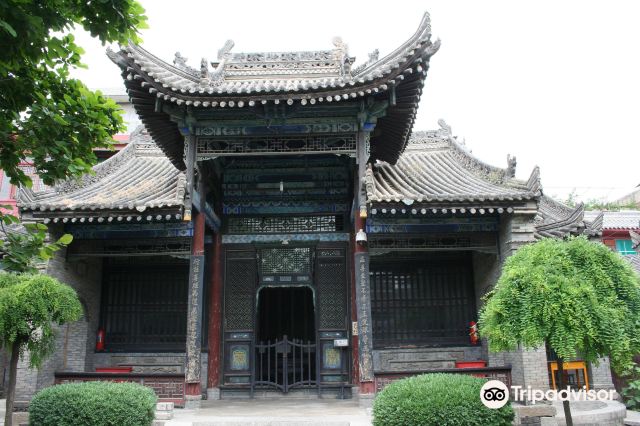
The Great Mosque of Xi'an is a living paradox — one of China's oldest and largest mosques (dating to 742 AD), built entirely in traditional Chinese palace architecture without a single dome or minaret in sight. Five courtyards unfold along an east-west axis, each featuring pagoda-style towers, Chinese gardens with rockeries and magnolias, and carved stone steles in both Arabic and Chinese. The prayer hall contains the Quran carved into wooden wall panels. It's an active place of worship (non-Muslims cannot enter the prayer hall) that also serves as a popular tourist site. The mosque is reached through a narrow alley off the bustling Muslim Quarter food street — the transition from chaotic street food madness to serene garden tranquility is itself a memorable moment. At 25 RMB (15 in winter), it's inexpensive and takes 30-60 minutes. Muslims enter free. The mosque is not in great repair — some visitors note peeling paint and areas needing restoration — but the cultural and historical significance is immense. This is where the Silk Road story becomes physical: Arab merchants married Chinese women, created a unique Chinese Muslim identity, and built a mosque that looks like a Chinese temple but faces Mecca.
Top Questions from Travelers
Why This Place Matters
The Great Mosque tells the story of Islam's journey along the Silk Road to China. Arab and Persian merchants reached Xi'an (then Chang'an, the world's largest city) as early as the 7th century. Through intermarriage with Chinese women, they established a permanent Muslim community — the Hui people — who developed a unique synthesis of Islamic faith and Chinese culture. The mosque's architecture embodies this synthesis: Chinese palace forms expressing Islamic devotion, Chinese calligraphy rendering Quranic verses, courtyard gardens echoing both Chinese aesthetic traditions and Islamic paradise symbolism. The mosque has survived 1,300 years of dynastic changes, including the Cultural Revolution, remaining continuously active as a place of worship. Today, Xi'an's Muslim Quarter is one of the most vibrant Islamic communities in China, and the mosque serves as both its spiritual center and a bridge between Chinese and Islamic civilizations.
Need help planning?
ChinaPal handles everything
- Book English-speaking guides
- Arrange transport & tickets
- Real-time help during your visit
- Restaurant reservations nearby
Highlights
3 iconic experiences that define a visit
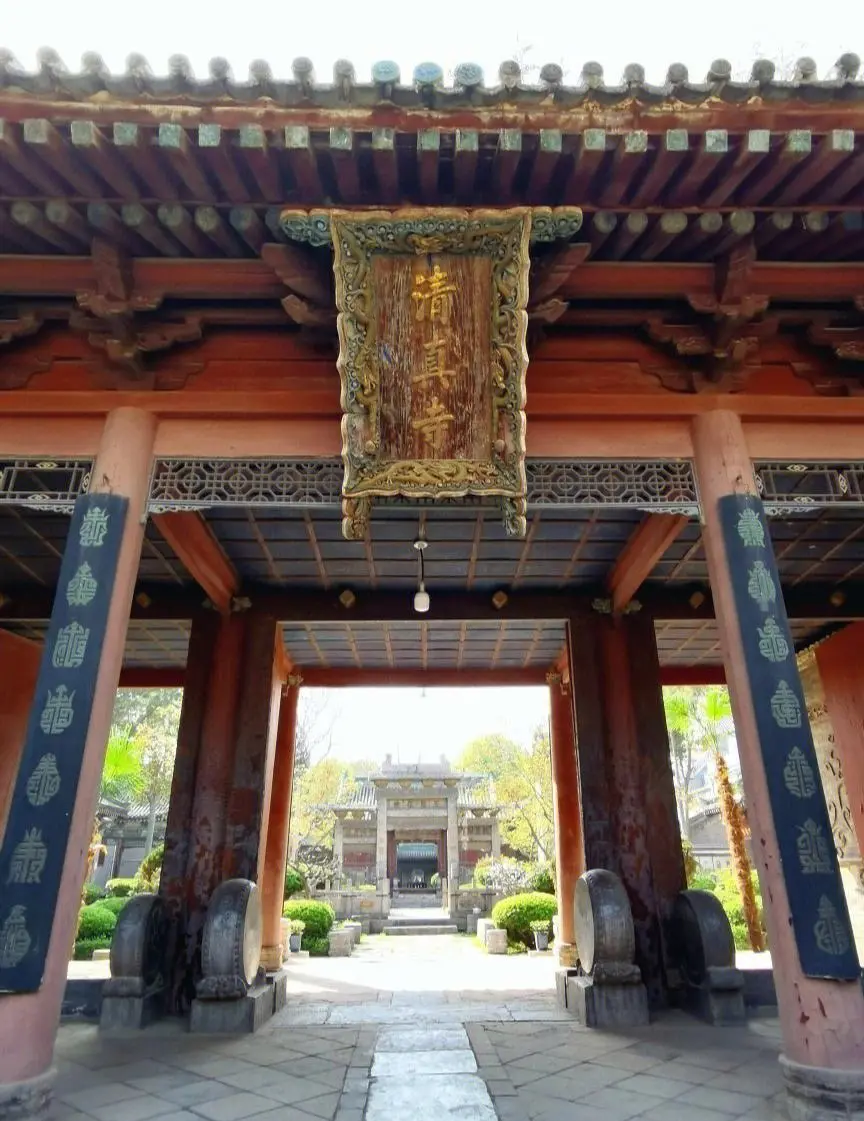
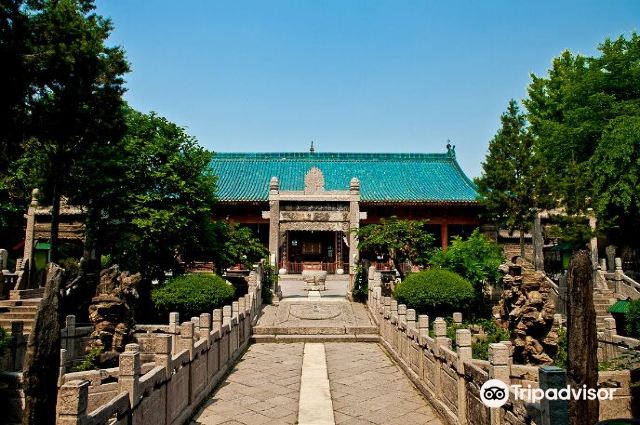
The five-courtyard architectural layout
Five sequential courtyards unfold along a west-facing axis (toward Mecca), each with distinct character — from the ornate 17th-century wooden gateway to the serene gardens with rockeries and ancient trees to the grand prayer hall. The progression from public to sacred creates a meditative journey.
Even visitors with no knowledge of Islamic or Chinese architecture are struck by the beauty and peacefulness of the courtyards. The Chinese-Islamic fusion is utterly unique — you will not see anything like this anywhere else in the world.
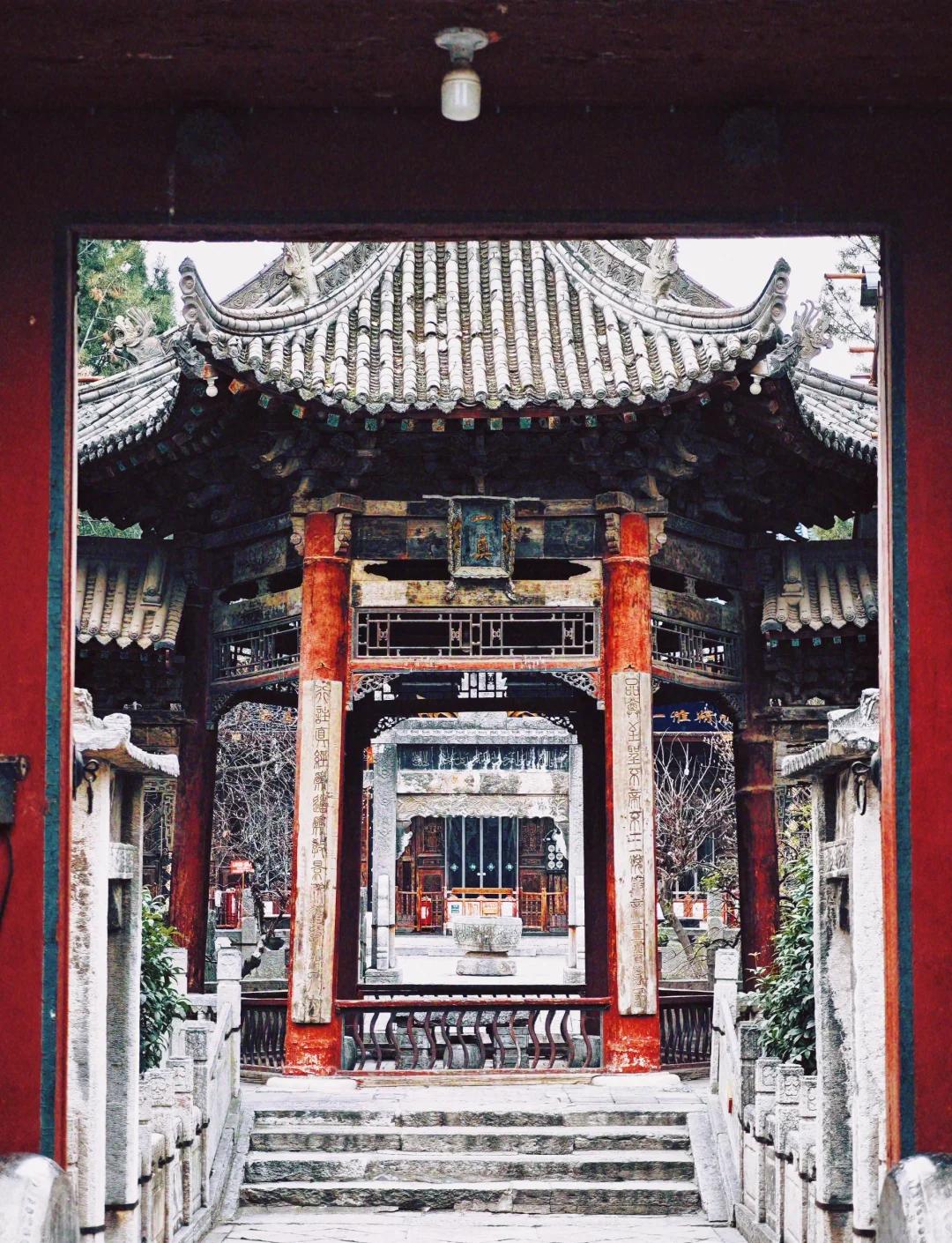 Universal Appeal
Chinese-Arabic calligraphy and carved walls
Throughout the mosque, Arabic Quranic inscriptions are integrated with Chinese decorative motifs. The prayer hall walls feature the entire Quran carve...
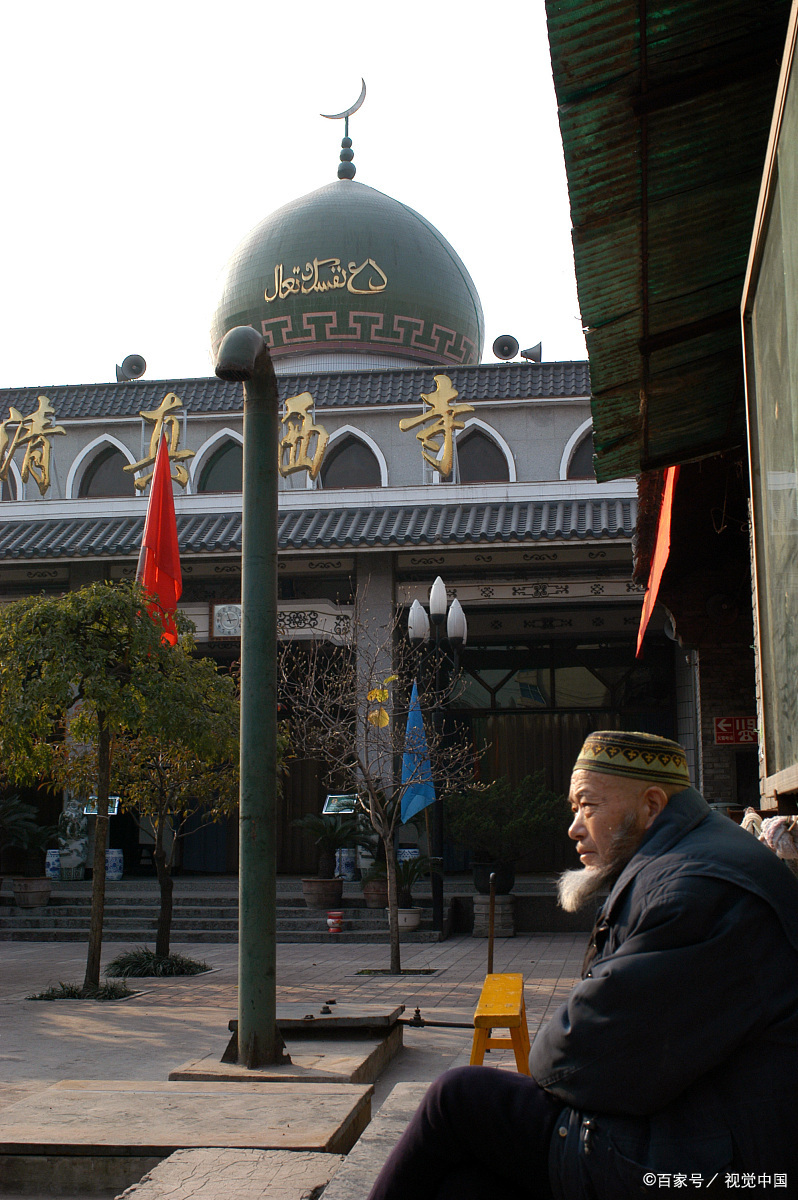 Culturally Interesting
The active worship community
Unlike many tourist-only heritage sites, this mosque is vibrantly alive — local Chinese Muslims (Hui people) come for daily prayers, Friday Jumu'ah, a...
What Most Visitors Miss
The exhibition rooms with Qing-era furniture and artifacts
Small side rooms in the courtyards contain historical artifacts, calligraphy, and furniture that most visitors walk past. They provide context for the mosque's cultural significance.
The serene garden atmosphere as an escape from the Muslim Quarter
Many visitors rush through the mosque as a checkbox item between food stops. Spending 30 minutes sitting quietly in the garden courtyards, listening to birdsong and occasional prayer calls, is the most rewarding way to experience the mosque.
The surrounding Huajue Lane artisan shops
The narrow alley leading to the mosque has small shops selling Islamic calligraphy, traditional crafts, and unique souvenirs that are more authentic than the mass-produced items on the main Muslim Quarter street.
Plan Your Visit
How Long to Visit
30-40 minutes (walk through the five courtyards, view prayer hall from outside
1-1.5 hours (explore all courtyards in detail, read exhibition rooms, appreciate the gardens
attend or observe a prayer session, explore surrounding Muslim Quarter thoroughly
Smart Route
Walk from the Drum Tower into the Muslim Quarter
Turn south onto Huajue Lane (follow signs to the Great Mosque)
Enter the mosque and walk through all five courtyards
Spend time in the gardens
Exit and explore the Muslim Quarter food street for lunch/dinner
Walk to the Bell Tower (5 minutes south).
Best Time to Visit
After 10:00 AM when the surrounding Muslim Quarter shops open — combine the mosque with a food exploration afterward
During the five daily prayer times if you want a quiet visit (though observing prayers from the courtyard is itself a cultural experience)
By Season
Spring
(magnolias blooming in the gardens) and autumn (comfortable temperatures) are best. Summer is hot but the shaded courtyards provide relief.
Summer
is hot but the shaded courtyards provide relief. Winter has reduced entrance fees (¥15 vs ¥25) and fewer crowds.
Autumn
(comfortable temperatures) are best. Summer is hot but the shaded courtyards provide relief.
Winter
Visit around sunset — the diminishing light through the courtyards creates a magical atmosphere, and you may catch the evening prayer call. Combine with dinner in the Muslim Quarter afterward.
What to Skip
Don't try to enter the prayer hall if you're not Muslim — respect the boundaries clearly marked. Skip the aggressive souvenir sellers just outside the mosque entrance — better shopping is inside Huajue Lane and the broader Muslim Quarter.
Pro Tips
The mosque entrance is easy to miss — it's a small, inconspicuous gate in a narrow alley, not the grand entrance you'd expect for one of China's most important mosques. Follow signs or ask locals for 'Qingzhen Dasi' (清真大寺). Muslim visitors who say salaam respectfully to guards at the entrance are often admitted free and given special access. Donations are appreciated but voluntary.
Photo Spots
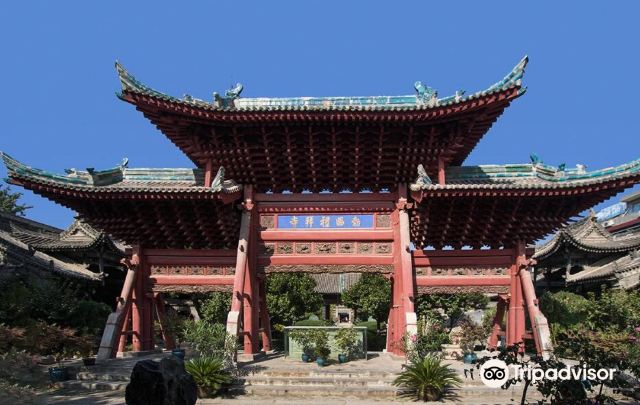
The wooden gateway in the first courtyard
The ornate 17th-century wooden arch with glazed tiles is the mosque's most photogenic architectural element. Shoot it from straight on to capture the symmetry. Morning light hits it best.
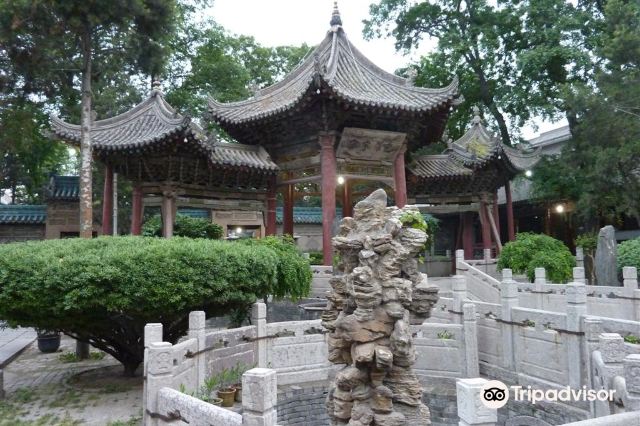
The garden courtyards with rockeries
The third and fourth courtyards have the most beautiful gardens — magnolias, bonsai, standing rocks, and ancient cypresses. Visit in spring for magnolia blossoms.
Arabic calligraphy on stone steles
Use a macro or close-up mode to capture the detail of Arabic script carved into stone. The interplay of Arabic and Chinese characters on the same surface is visually striking.
Pair With
Muslim Quarter food street (回民街)
Immediate — the mosque is in the Muslim Quarter
The mosque is literally inside the Muslim Quarter — combining the two is natural and essential. The food street offers lamb skewers, roujiamo, biangbiang noodles, and persimmon cakes.
Bell Tower and Drum Tower (钟楼、鼓楼)
5-minute walk south
Xi'an's two most iconic landmarks are a 5-minute walk from the mosque. The Drum Tower sits at the entrance to the Muslim Quarter.
Xi'an City Wall (西安城墙)
10-minute walk to the South Gate
The ancient city wall surrounds the area — combine a mosque visit with a bike ride on the wall for a comprehensive old Xi'an experience.
Tickets & Access
Peak season entrance (Mar-Nov)
Access to all five courtyards and exhibitions
Off-peak entrance (Dec-Feb)
Same access, fewer crowds
Muslim visitors
Free entry with respectful greeting to guards
Opening Hours
March-November: 9:00 AM - 8:00 PM. December-February: 9:00 AM - 6:00 PM. Open daily.
How to Buy
Cash or mobile payment at the gate. No advance booking needed or available.
Passport: Not applicable — simple ticket purchase at the gate.
Queue Situation
Minimal queues — the mosque is never overwhelmingly crowded. Peak times may have 5-10 minute waits at the entrance.
Tips & Warnings
Google Maps location is wrong
Multiple visitors report that the Google Maps pin for the Great Mosque is in the wrong location. Search for '清真大寺' (Qingzhen Dasi) on Baidu Maps instead, or simply walk to the Drum Tower and follow signs northwest along Huajue Lane. The entrance is about 5 minutes walk from the Drum Tower. If you’re struggling to find the entrance, send us your location and we’ll send you walking directions from where you are.
Dress code is enforced
Women must cover shoulders and knees — no camisoles, tank tops, shorts, or short skirts. Men should also dress modestly. This is an active place of worship, not just a tourist site.
Not in great state of repair
Some visitors note that the mosque could use better maintenance and funding. Peeling paint, weathered wood, and some areas under renovation are possible. This is part of the authentic experience — appreciate it as a living heritage site, not a polished museum.
Solicitation for donations
Some visitors report being approached by individuals (claiming to be the imam or staff) requesting specific donation amounts in exchange for a book about the mosque. While donations are welcome and support the mosque, don't feel pressured to give a specific amount. If you feel uncomfortable about a specific request, message us and we can advise on what’s customary.
What to Bring
Wear
Modest clothing covering shoulders and knees. Women should bring a scarf to cover their head if entering certain areas (optional but appreciated). Comfortable walking shoes for the cobblestone alleys.
Bring
Camera. Cash for entrance fee and Muslim Quarter food afterward. Translation app for communicating with locals.
Don't Bring
Revealing clothing. Large amounts of food or drink (respect the sacred atmosphere). Selfie sticks (use discretion in religious spaces).
Physical Reality
light
Flat walking through five connected courtyards, total distance about 400 meters. Some steps at courtyard thresholds. All paths are paved. The surrounding Muslim Quarter alleys are cobblestone and can be uneven.
Foreigners Watch Out
- The entrance is down a narrow, inconspicuous alley off the main Muslim Quarter street. It's easy to walk right past it. Ask for 'Qingzhen Dasi' or follow the small signs.
- Photography is generally allowed in the courtyards and gardens, but always ask before photographing worshippers or entering prayer areas. Never use flash in sacred spaces.
- The surrounding Muslim Quarter is Xi'an's most famous food street — plan your visit to coincide with lunch or dinner for an incredible food experience afterward.
- Cars cannot access the Muslim Quarter area — expect to walk 15-20 minutes from any parking area. The nearest metro station is Zhonglou (Bell Tower) on Line 2.
If Things Go Wrong
Can't find the mosque entrance
→ Walk to the Drum Tower (easily visible landmark). Face northwest and walk along Huajue Lane — the mosque entrance is about 300 meters up on the left side. Ask any local vendor 'Qingzhen Dasi zai nar?' (清真大寺在哪?). Or message our concierge with your location — we can guide you there step by step via chat.
Mosque is crowded with worshippers (Friday midday)
→ Observe respectfully from the courtyard — Friday prayers are actually a fascinating cultural experience if you're sensitive about the crowd. The gardens remain accessible.
Useful Chinese
Tap to reveal the English meaning