About Giant Wild Goose Pagoda
“A 1,370-year-old Buddhist shrine surrounded by a modern entertainment spectacular — ancient devotion and neon-lit Tang Dynasty cosplay coexisting in surprisingly harmonious chaos.”
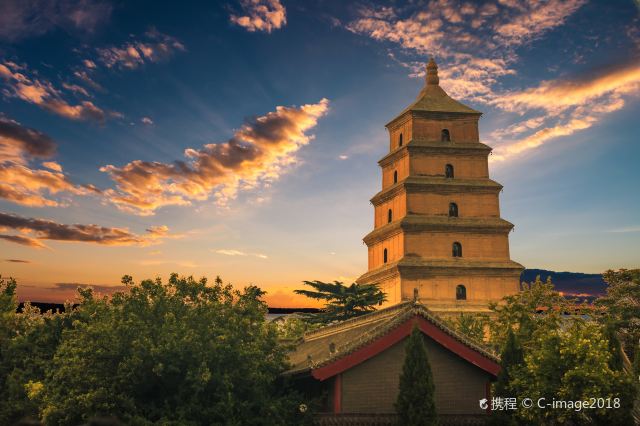
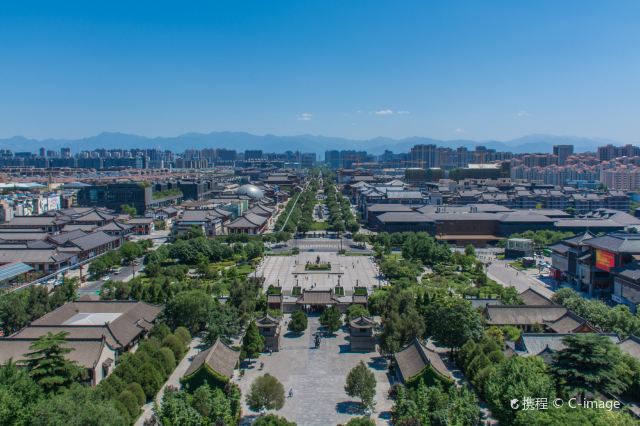
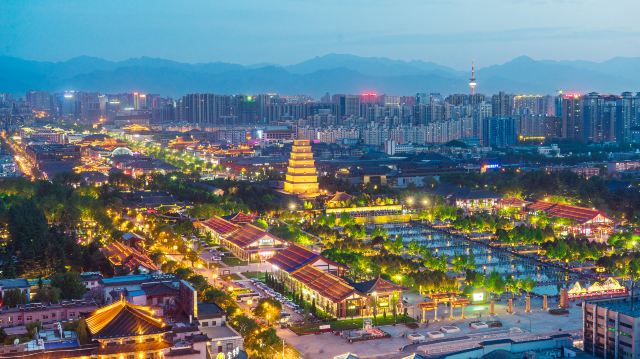
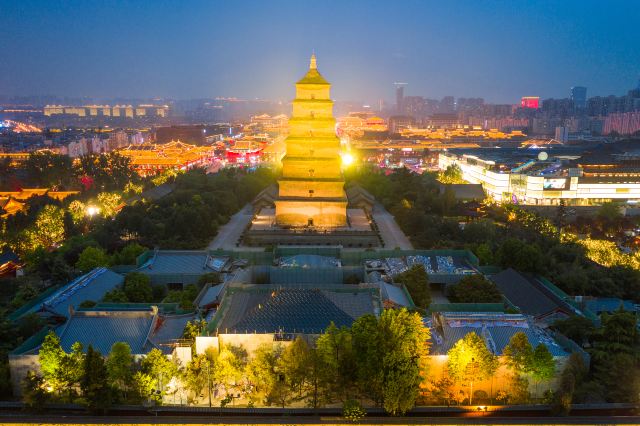
The Giant Wild Goose Pagoda is Xi'an's most iconic landmark and a genuine piece of Silk Road history. The seven-story brick pagoda itself is impressive for its age and the Xuanzang story gives it real narrative depth — this is where one of history's greatest travelers stored the scriptures he hauled across Central Asia from India. The surrounding Daci'en Temple is a working Buddhist temple with peaceful gardens, while the exterior plazas (free to enter) have been developed into a massive entertainment district. The pagoda climb (256 steps) offers decent city views but is cramped inside. The real wow factor comes at night: the free musical fountain show on the north plaza is genuinely spectacular, and the adjacent Datang Everbright City pedestrian street transforms into a neon-lit Tang Dynasty theme walk with cosplayers, performers, and street food. The area is extremely commercialized and crowded at night, but embracing the energy rather than fighting it is the key to enjoying it. Best for history buffs and anyone who wants to see Xi'an's most photogenic landmark; the pagoda interior alone isn't worth the separate ticket unless you're deeply interested.
Top Questions from Travelers
Why This Place Matters
Xuanzang's 16-year journey to India (629-645 AD) to obtain Buddhist scriptures is one of the most remarkable expeditions in human history — he crossed deserts, mountains, and hostile kingdoms, then returned with 657 volumes of sacred texts. The pagoda he built to house them became a symbol of intellectual devotion and cross-cultural exchange along the Silk Road. His story was later fictionalized as 'Journey to the West' (with the Monkey King), one of China's most beloved novels. The tradition of 'Goose Pagoda Naming' — where new imperial examination graduates climbed the tower and inscribed their names — made the pagoda a symbol of scholarly achievement for centuries.
Need help planning?
ChinaPal handles everything
- Book English-speaking guides
- Arrange transport & tickets
- Real-time help during your visit
- Restaurant reservations nearby
Highlights
4 iconic experiences that define a visit
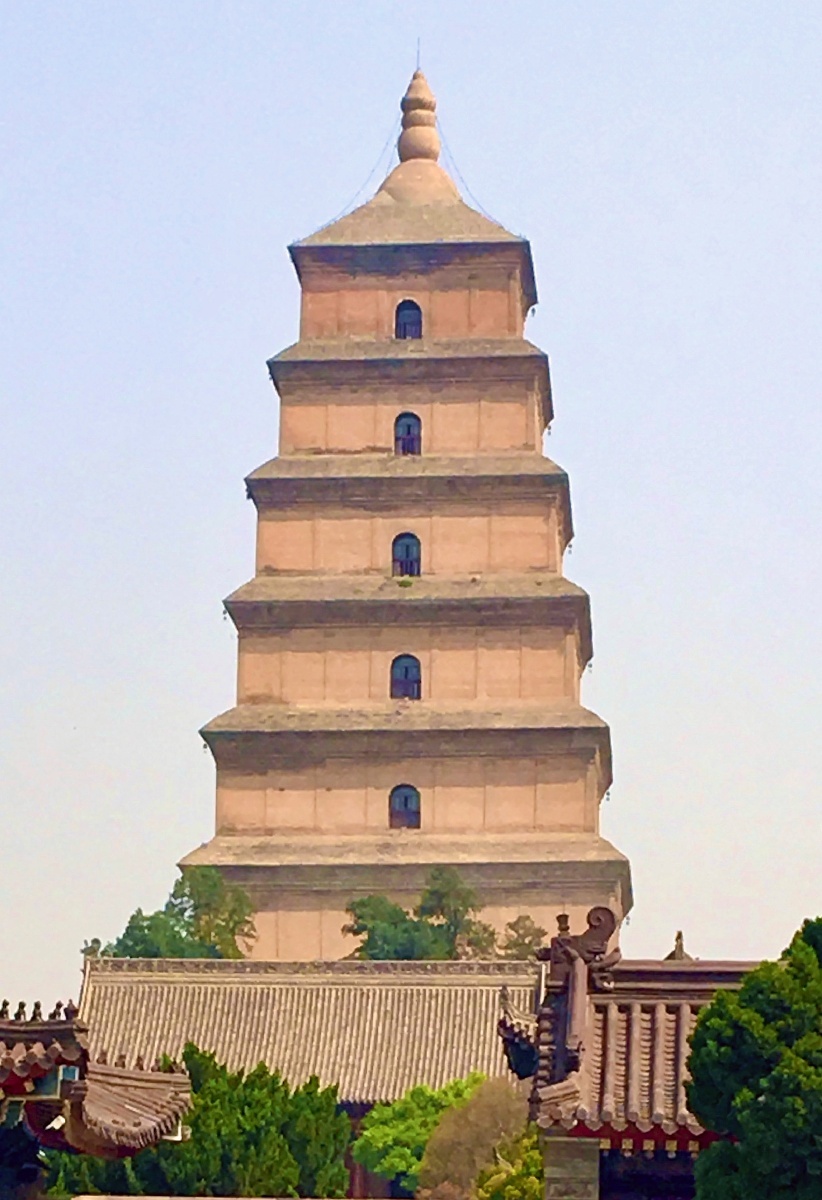
The Pagoda Itself
A seven-story, 64.5-meter brick pagoda built in 652 AD to store Buddhist scriptures brought from India by the monk Xuanzang. Each floor contains different relics including Sanskrit birch bark manuscripts, Buddha statues, and Tang Dynasty artifacts. The pagoda has a visible lean — evidence of centuries of earthquakes.
Xuanzang is the real historical figure behind the Monkey King story (Journey to the West) — one of the four great Chinese novels. Understanding his 16-year journey to India and back makes the pagoda deeply meaningful.
 Universal Appeal
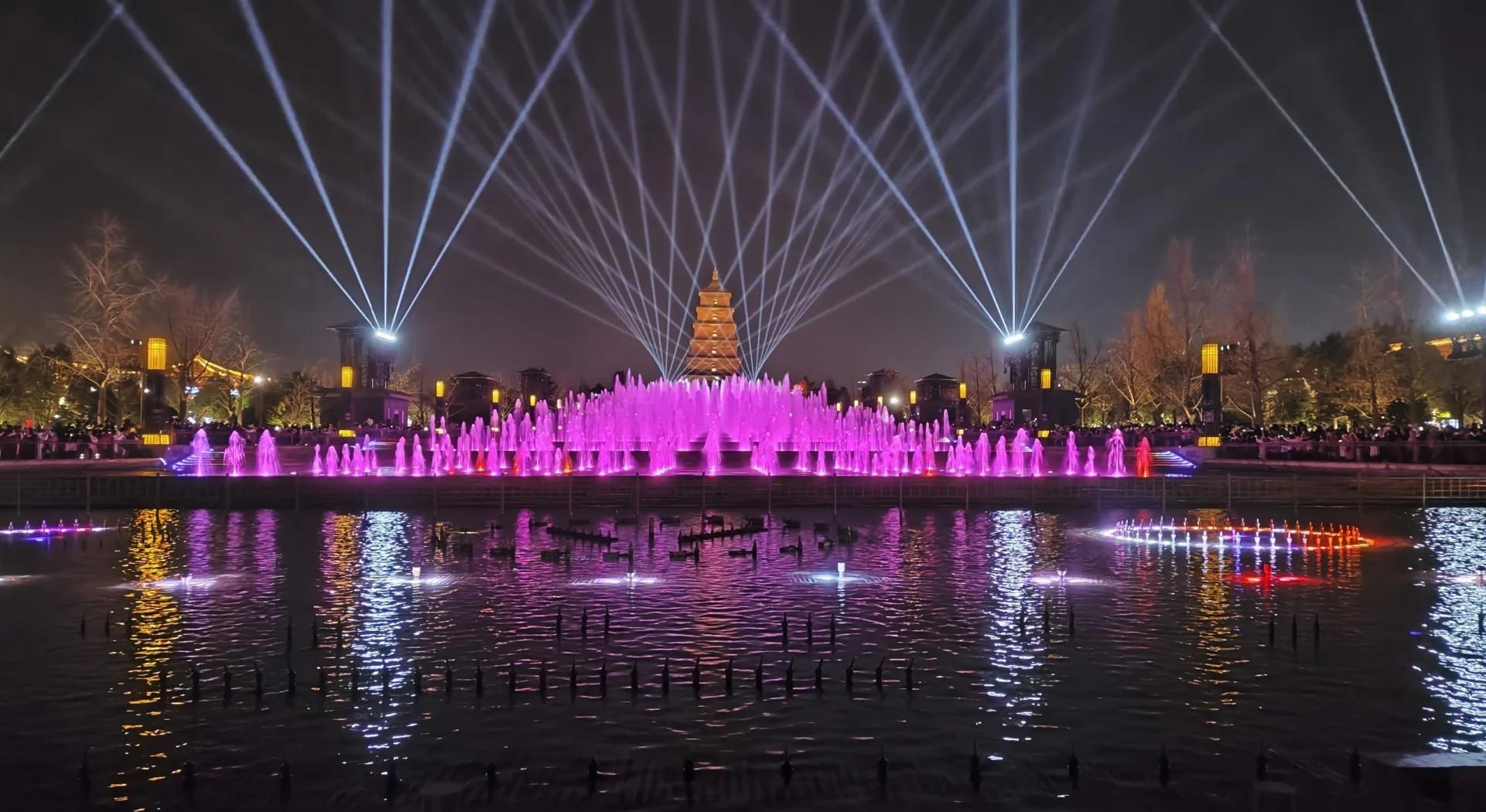
Musical Fountain Show (北广场音乐喷泉)
Asia's largest musical fountain occupies the entire North Plaza, performing choreographed water displays synchronized to orchestral music in 22 differ...
 Universal Appeal
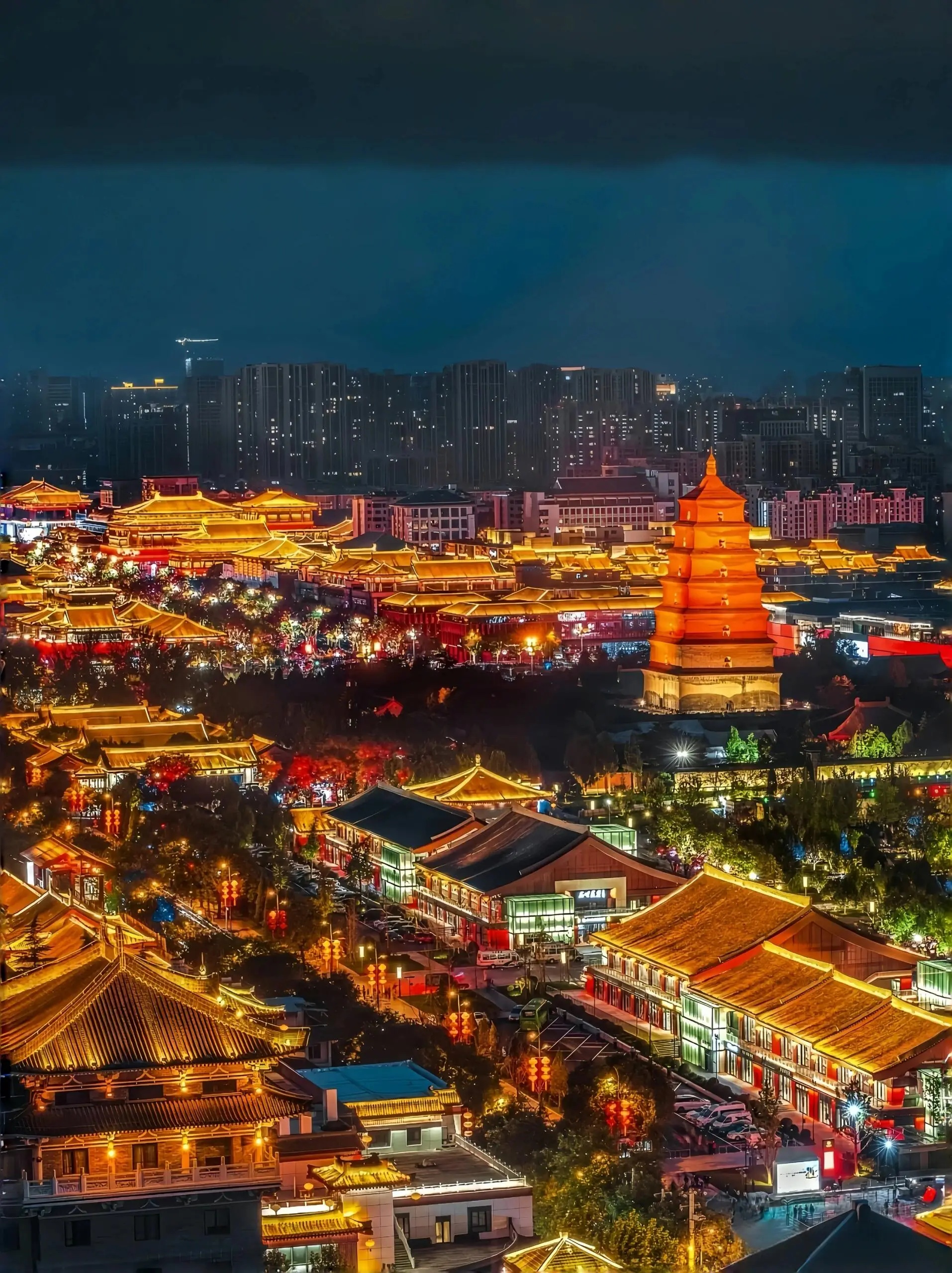
Datang Everbright City (大唐不夜城)
A 1.5 km pedestrian street stretching south from the pagoda, designed as a Tang Dynasty-themed entertainment district. At night, it transforms into a ...
 Culturally Interesting
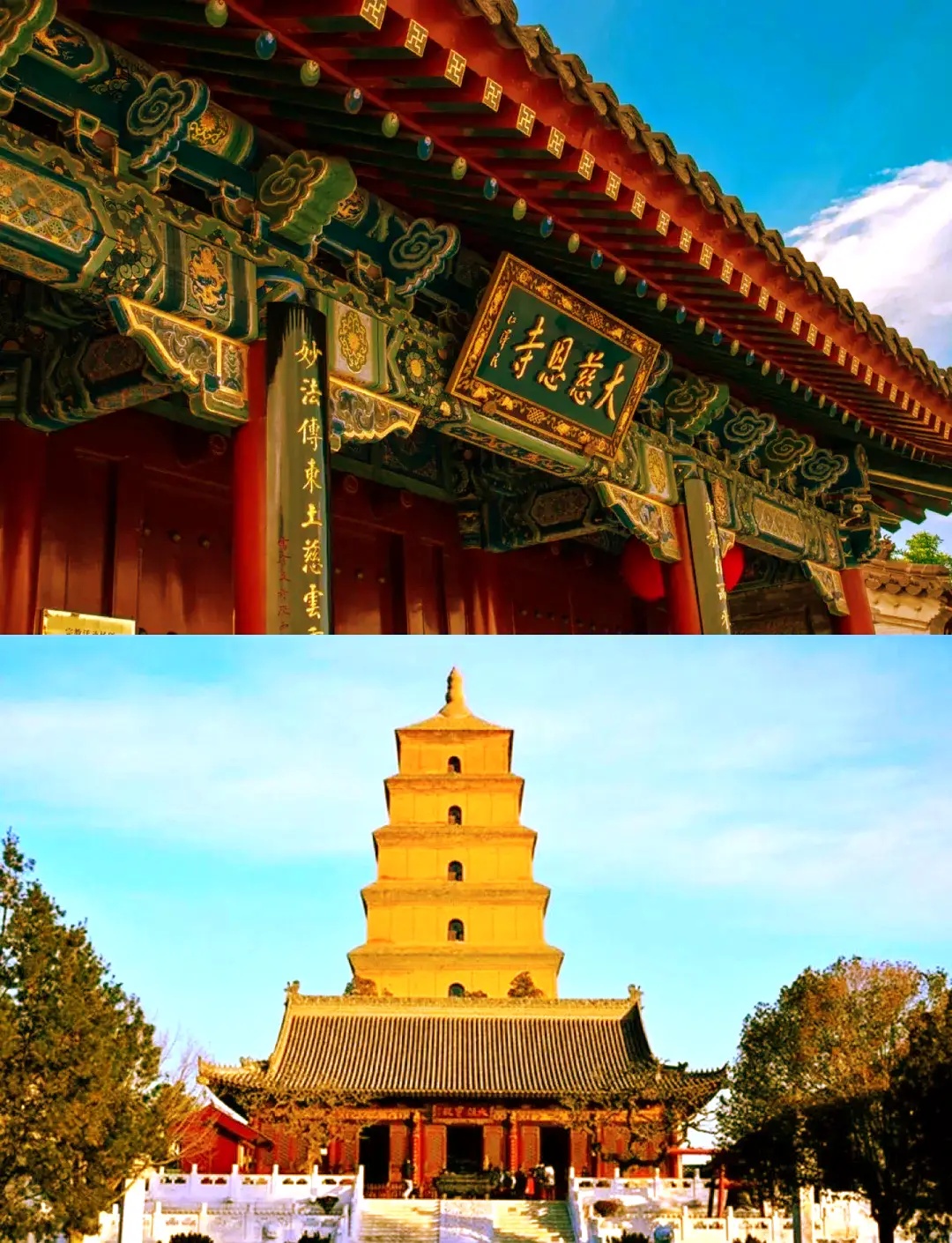
Daci'en Temple Gardens
The working Buddhist temple surrounding the pagoda features peaceful courtyard gardens with flowers, ancient trees, and traditional architecture. A st...
What Most Visitors Miss
The calligraphy steles at the pagoda base
Two stone tablets at the south entrance of the pagoda feature calligraphy by the famous Tang calligrapher Chu Suiliang, with texts composed by Emperor Taizong and Emperor Gaozong themselves. These are considered national treasures of Chinese calligraphy but most visitors walk past them.
The Tang Dynasty poetry connection
In 752 AD, five of China's greatest poets (including Du Fu) climbed this pagoda together and each composed a poem about the view. For centuries afterward, new imperial exam graduates would climb the pagoda and inscribe their names — a tradition called 'Goose Pagoda Naming' (雁塔题名). The first-floor inscriptions record this tradition.
The pagoda's visible lean
The pagoda tilts about 1 meter to the west — the result of centuries of earthquakes. Most visitors don't notice unless they look carefully from the south side. It's Xi'an's subtle version of the Leaning Tower of Pisa.
Plan Your Visit
How Long to Visit
1-1.5 hours (temple grounds and pagoda exterior, skip the climb
visit temple and climb pagoda in late afternoon, then stay for fountain show and Datang Everbright City at night
Half day (thorough temple visit, pagoda climb, fountain show, full Datang Everbright City walk with dinner and shopping
Smart Route
Take Metro Line 3 or 4 to Big Wild Goose Pagoda Station (Exit C)
walk 10 minutes to Daci'en Temple
explore temple grounds and climb pagoda (1-1.5 hours)
exit temple and walk to North Plaza for the fountain show
after fountain, walk south through Datang Everbright City enjoying the lights, performances, and street food
exit at the southern end and take metro or taxi back.
Best Time to Visit
Late afternoon to night is the ideal window
Chinese holidays and weekend evenings — the plazas and Datang Everbright City become extremely crowded
By Season
Spring
and autumn offer the best weather. Summer evenings are pleasant despite hot days.
Summer
evenings are pleasant despite hot days. Winter is cold but the night illuminations look stunning against dark skies.
Autumn
offer the best weather. Summer evenings are pleasant despite hot days.
Winter
is cold but the night illuminations look stunning against dark skies. The fountain show runs year-round.
Visit the temple on a weekday morning for serenity, then return in the evening for the fountain and night market — two completely different experiences at the same location.
What to Skip
Skip the pagoda climb if you're not interested in cramped stairwells — the city views are decent but not spectacular. The overpriced cosplay photo studios charge ¥200-500 for Tang Dynasty dress-up photos — if you want the experience, the street rental options are much cheaper (¥50-100).
Pro Tips
The best dinner options are on the side streets flanking Datang Everbright City, not on the main pedestrian street itself. For a unique photo, rent Tang Dynasty Hanfu clothing and photograph yourself against the illuminated pagoda — this is a quintessential Xi'an experience. The Shaanxi History Museum is just 1 km west and makes a perfect daytime companion visit. If you want restaurant recommendations near Datang Everbright City that are not tourist-priced, ask our concierge — we know the side-street spots where locals eat.
Photo Spots
South Plaza with Xuanzang statue
Morning light is best. Frame the monk statue with the pagoda rising behind — the definitive Big Wild Goose Pagoda photo.
North Plaza during fountain show
Position at the far end from the pagoda to capture both the fountain and the illuminated pagoda together. Use night mode on your phone.
Datang Everbright City looking north toward the pagoda
After 8 PM when all lights are on. The golden Tang-style buildings lining the street lead the eye directly to the illuminated pagoda at the end.
Pair With
Shaanxi History Museum (陕西历史博物馆)
15-minute walk or 5-minute taxi
One of China's four great museums, with incredible Tang Dynasty artifacts that provide context for the pagoda's era. Free entry (book online). Just 1 km west.
Xi'an City Wall (西安城墙)
20 minutes by metro or taxi
The best-preserved ancient city wall in China. Rent a bike and cycle the 14 km loop for panoramic views of the old city. The other essential Xi'an experience.
Muslim Quarter (回民街)
25 minutes by metro
Xi'an's famous food street with distinctive Hui Muslim cuisine — lamb skewers, roujiamo (Chinese 'burgers'), and pulled noodles. Best visited for dinner before or after the pagoda evening experience.
Tickets & Access
Daci'en Temple admission
Access to temple grounds, gardens, and pagoda exterior
Pagoda climb
256 steps to the top for city views — purchased separately inside
Musical fountain show
Asia's largest musical fountain — no ticket needed
Datang Everbright City
Open pedestrian street with performances, food, and shopping
Opening Hours
Temple/Pagoda: March 1 - Oct 14: 8:30 AM - 6:00 PM (last entry 5:00 PM). Oct 15 - Feb 28: 8:30 AM - 5:30 PM (last entry 4:30 PM). Exterior plazas and Datang Everbright City: open 24/7, best experienced after dark.
How to Buy
Buy tickets at the temple entrance. No online booking needed.
Passport: Yes — foreigners over 65 with passport get free entry. Standard visitors buy tickets at the window with cash or mobile payment.
Queue Situation
Temple entrance queues are typically short (5-10 minutes). The pagoda staircase can be crowded — expect slow going on weekends. No queue for plazas or fountain show, but arrive early for prime viewing spots.
Tips & Warnings
Two separate paid areas can be confusing
The temple (¥50) and pagoda climb (¥30) are separate tickets. The plazas, fountain, and Datang Everbright City are free. Don't pay ¥80 if you don't want to climb the pagoda — the ¥50 temple-only ticket includes the gardens and pagoda exterior.
Datang Everbright City is extremely crowded at night
Weekend and holiday evenings see massive crowds on the pedestrian street. Weekday evenings are more manageable. The street is wide enough to handle the crowds, but finding a restaurant seat or clear photo spot requires patience.
Pagoda staircase is narrow and steep
The 256 steps are in a tight, single-width stairwell. Passing other visitors going up/down is difficult. Not recommended for claustrophobic visitors or those with mobility issues. Allow 20+ minutes for the climb.
What to Bring
Wear
Comfortable walking shoes — the full experience (temple + plazas + Everbright City) covers 3-5 km of walking. Modest clothing for the temple. Layers for evening visits as temperatures drop after sunset.
Bring
Camera with good low-light capability for night photos. Water bottle. Cash or mobile payment. Power bank for phone charging.
Don't Bring
Tripods may be restricted in crowded areas. Flash photography equipment (prohibited in temple halls).
Physical Reality
easy-to-moderate
Temple grounds and plazas are flat and wheelchair accessible. The pagoda climb (256 steps in narrow stairwells) is physically demanding and not wheelchair accessible. Datang Everbright City is flat and paved.
Foreigners Watch Out
- The temple is a working Buddhist site — dress modestly and be respectful. Photography of Buddha statues is generally prohibited inside shrine halls.
- Aggressive photographers around the plazas will offer to take your photo and then demand payment (¥30-50 per shot). Decline firmly if not interested. If a photographer becomes pushy or you feel pressured to pay, message our team and we can help you handle the situation.
- The area around Datang Everbright City has many vendors and shops — prices are inflated compared to elsewhere in Xi'an. Bargain or compare prices before buying.
- Google Maps doesn't work in China. Use Apple Maps or Amap (高德地图) for navigation.
If Things Go Wrong
Arrived after the temple/pagoda closed
→ The exterior plazas and Datang Everbright City are open 24/7 and are actually better at night. Enjoy the fountain show and the illuminated pedestrian street — many visitors say the free evening experience is better than the paid temple visit.
Missed the fountain show timing
→ Shows typically run at 12:00, 16:00, 19:00, and 21:00 — check the schedule posted at the plaza. If you missed one, there's usually another within a few hours.
Useful Chinese
Tap to reveal the English meaning