About Tiger Leaping Gorge
“Raw, untamed nature at its most powerful — standing at the edge of a kilometer-deep abyss watching a major river squeeze through a gap barely 30 meters wide, with snow-capped peaks towering on both sides, your whole body vibrating from the force of the water below.”
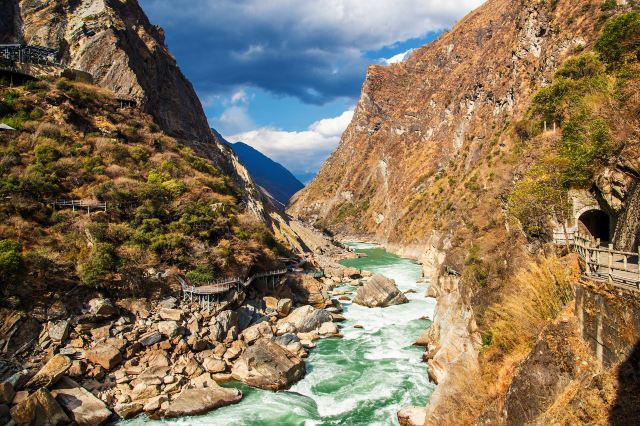
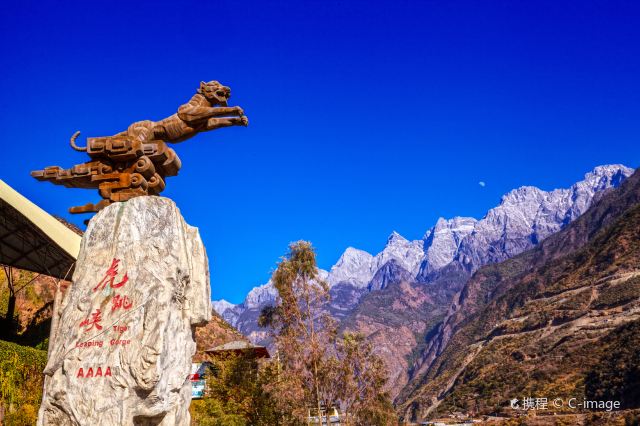
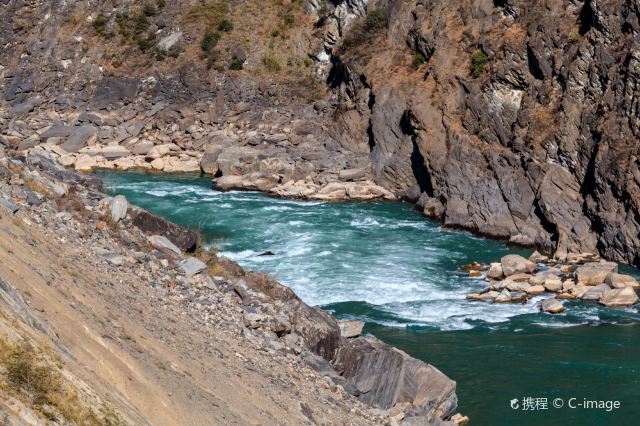
Tiger Leaping Gorge is a 23-kilometer canyon where the Jinsha River (upper Yangtze) forces through a narrow gap between Jade Dragon Snow Mountain (5,596m) and Haba Snow Mountain (5,396m), creating one of the world's deepest and most dramatic gorges at 3,790 meters deep. There are two ways to experience it: the easy tourist visit (escalators down to viewing platforms at the Upper Gorge scenic spot, 1-2 hours) or the legendary multi-day trek along the High Trail (one of the world's top ten classic hiking routes). The tourist visit is accessible to anyone — escalators and paved walkways bring you face-to-face with the thundering rapids. The hike is moderately challenging but spectacularly rewarding, featuring the infamous 28 Bends, cliff-edge trails with jaw-dropping views, the Sky Ladder (168 metal steps up a cliff), and guesthouse accommodation with million-dollar mountain views. The gorge is technically in Shangri-La county but is accessible from both Lijiang (1.5-2 hours) and Shangri-La (3 hours). As of 2025-2026, some sections of the middle gorge (including Tiger Leaping Stone and the Sky Ladder) have been periodically closed due to safety concerns. Check current conditions before planning a trek.
Top Questions from Travelers
Why This Place Matters
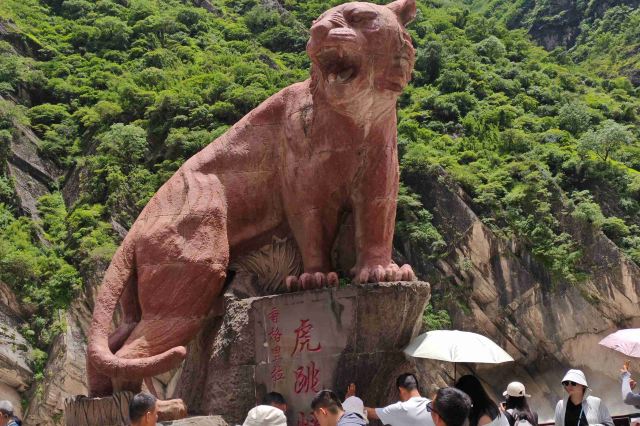
The gorge gets its name from a legend: a tiger, pursued by hunters, leaped across the narrowest point of the river using a rock in the middle as a stepping stone. The gorge has been a natural barrier and geographic marvel for millennia, separating the Naxi people of Lijiang from the Tibetan communities of Shangri-La. The ancient Tea Horse Road (茶马古道) — China's equivalent of the Silk Road — passed through this region, with traders navigating treacherous mountain paths to exchange Yunnan tea for Tibetan horses. The High Trail follows portions of these ancient trading routes. The gorge was designated a AAAA scenic area in 2009, and the hiking trail has been ranked among the world's ten classic treks. The gorge embodies Yunnan's identity as a land where geography creates dramatic natural barriers and incredible biodiversity — the surrounding region is called the 'Earth Gene Library' with thousands of plant and animal species.
Need help planning?
ChinaPal handles everything
- Book English-speaking guides
- Arrange transport & tickets
- Real-time help during your visit
- Restaurant reservations nearby
Highlights
3 iconic experiences that define a visit
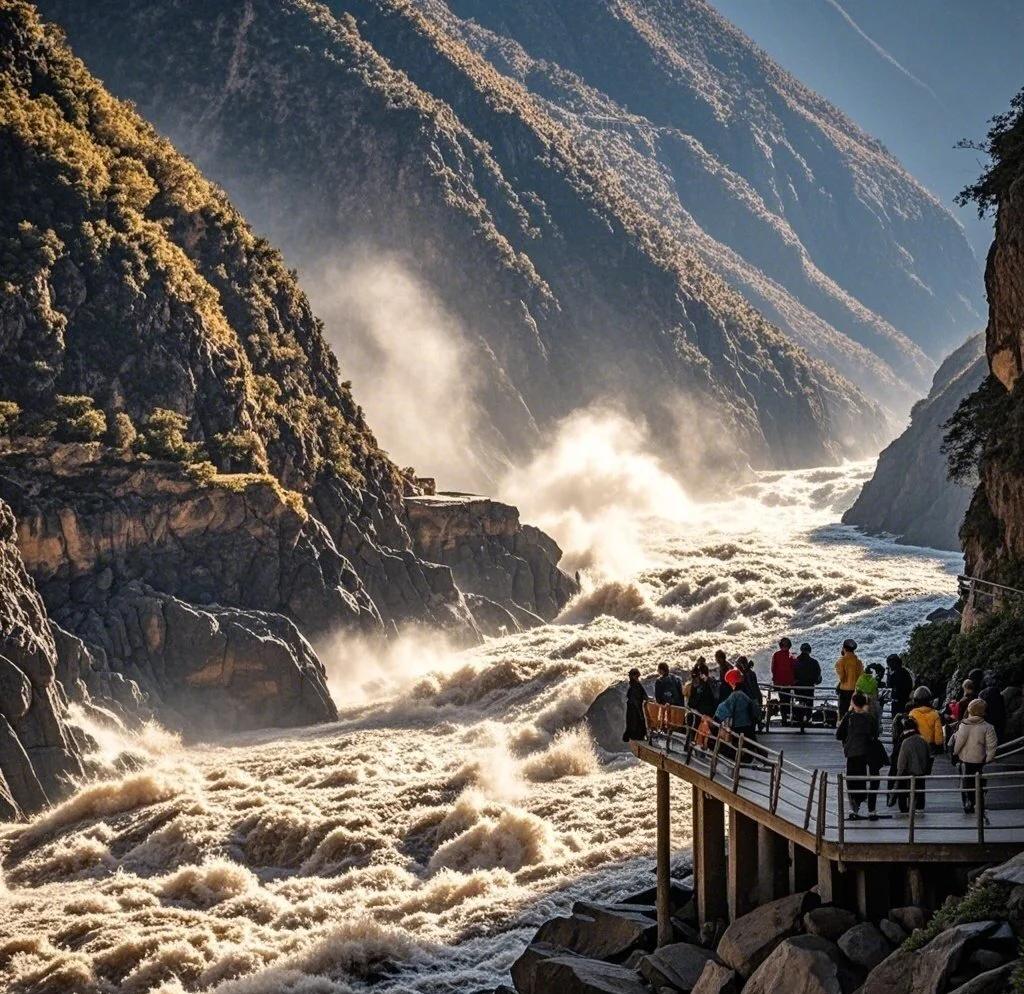
The Upper Gorge viewing platforms
Paved walkways and glass-deck viewing platforms positioned directly above the narrowest section of the gorge, where the Jinsha River thunders through rapids with incredible force. The roar of the water and the spray are visceral — you feel the power in your chest.
Even if you don't hike, this is genuinely impressive. The scale is hard to comprehend until you're standing there — mountains rising nearly 4,000 meters on both sides of a river squeezing through a 30-meter gap. The glass deck platforms add a thrill factor.
 Universal Appeal
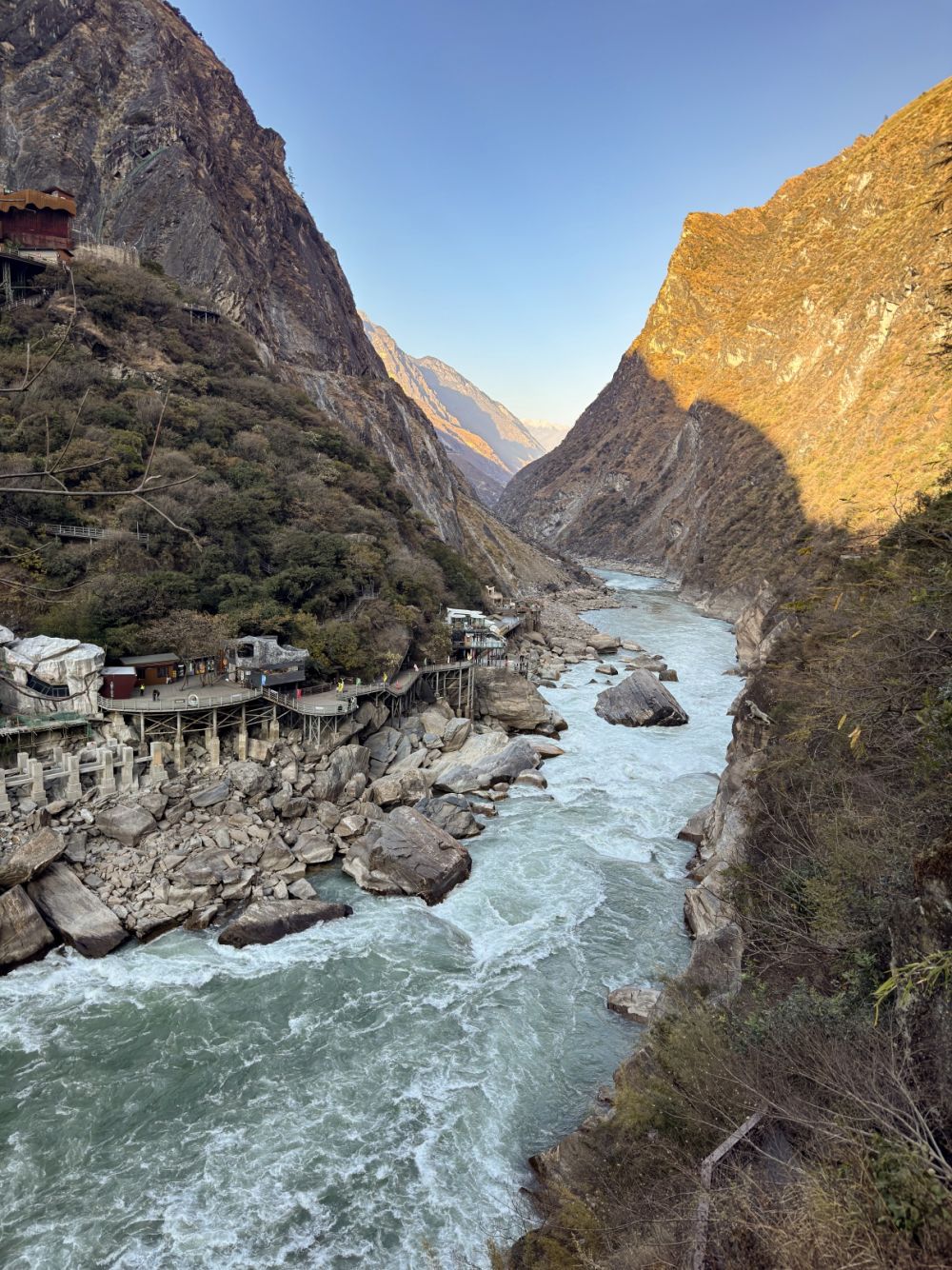
The 28 Bends (二十八拐)
The most challenging section of the High Trail trek — a steep zigzag ascent that gains significant elevation through 28 switchbacks. Grueling but rewa...
 Universal Appeal
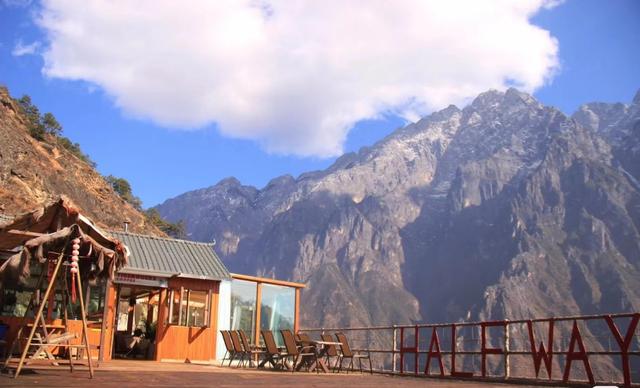
Halfway Guesthouse area views
The most popular overnight stop on the trek, perched on a cliff edge with panoramic views of the gorge, the river far below, and Jade Dragon Snow Moun...
What Most Visitors Miss
The 1-day hike option (Tea Horse to Halfway, 2 hours)
Most people think the trek is only for 2+ days. But the section from Tea Horse Guesthouse to Halfway Guesthouse (5 km, 2 hours) offers the most stunning scenery on mostly flat terrain — perfect for those with limited time who still want the hiking experience.
The cafes with gorge views
E Moment cafe at the Upper Gorge scenic area and various guesthouse terraces along the trek offer stunning coffee-with-a-view experiences that many rushed visitors skip.
Using the gorge as a transit between Lijiang and Shangri-La
The gorge sits perfectly between these two popular destinations. Instead of a boring bus transfer, stop at the gorge for a few hours (or a night) to break the journey with one of China's most spectacular natural sights.
Plan Your Visit
How Long to Visit
1.5-2 hours (Upper Gorge scenic spot with escalator access
s / 1 night (High Trail trek from Naxi Guesthouse to Tina's Guesthouse with overnight at Halfway Guesthouse
s / 2 nights (full trek including middle gorge descent to the river and Tiger Leaping Stone
Smart Route
FOR TOURIST VISIT: Drive from Lijiang (1.5 hours)
Park at Upper Gorge scenic spot
Buy escalator tickets (¥70)
Take escalator down
Walk viewing platforms and glass decks
Escalator back up
Drive to Shangri-La or return to Lijiang. FOR 2-DAY TREK: Bus from Lijiang to ticket office
Shared car to Naxi Family Guesthouse
Hike to Halfway Guesthouse (Day 1, 5-6 hours)
Hike to Tina's Guesthouse (Day 2, 4-5 hours)
Bus to Shangri-La or Lijiang from Tina's.
Best Time to Visit
For the tourist visit: morning for less crowds
June-August rainy season — landslides can close trails and visibility is reduced
By Season
Spring
Summer
Autumn
foliage. November-March is dry with clear snow-capped mountain views but cold (3-20°C).
Winter
Late September to mid-October is the sweet spot — warm enough for comfortable hiking, the river is at its most powerful from monsoon runoff, autumn colors dot the mountainsides, and crowds are manageable.
What to Skip
The Lower Gorge section — plain scenery and overgrown trails. The 'extra packages' that bus drivers try to sell at the scenic spot. The souvenir shops at the exit of the scenic area. If you're a serious hiker, skip the Upper Gorge tourist spot entirely and go straight to the High Trail trailhead.
Pro Tips
For the trek: arrange luggage transport from your starting guesthouse to your ending guesthouse so you can hike with just a daypack. Bring cash — guesthouses along the trail may not have reliable card/mobile payment. Keep your entrance ticket — you need to scan it again for the escalator return trip.
Photo Spots
Upper Gorge glass viewing platform
The glass deck extends over the gorge edge for a vertigo-inducing perspective. Visit in the morning for the best light and fewer people blocking your shot. The river spray creates rainbow effects in morning sun.
Between Tea Horse and Halfway Guesthouse
This section of the High Trail offers the most iconic panoramic views of the gorge. Late afternoon golden light illuminates the opposite mountain walls beautifully.
Guesthouse terraces at sunrise/sunset
Wake up early for sunrise over Jade Dragon Snow Mountain from any of the guesthouses along the High Trail. The alpenglow on the snow peaks is spectacular.
Pair With
Shangri-La (香格里拉)
3-hour drive north from the gorge
Tiger Leaping Gorge sits between Lijiang and Shangri-La — a natural waypoint. Continue north to experience Tibetan culture, Songzanlin Monastery, and the Pudacuo National Park.
Blue Moon Valley / Jade Dragon Snow Mountain (蓝月谷/玉龙雪山)
1.5-2 hours back to Lijiang, then 1 hour to the mountain
See the same Jade Dragon Snow Mountain from a completely different perspective — the turquoise glacier lakes at its base versus the thundering gorge on its flank.
Lijiang Old Town (丽江古城)
1.5-2 hour drive south
The cultural counterpart to the gorge's natural drama. Recover from the trek with cobblestone streets, Naxi music, and cold beer.
Tickets & Access
Upper Gorge scenic spot entrance
Half-price for students
Escalator (up and down)
Saves ~800 stairs — worth it for those with knee issues
Middle gorge descent (per trail)
Multiple access points, each charges separately
Guesthouse accommodation (trek)
Simple but comfortable, meals available
Opening Hours
8:30 AM - 5:30 PM for the Upper Gorge scenic spot. The hiking trail has no official hours — guesthouse check-in is flexible.
How to Buy
Walk-in for the scenic spot. Guesthouse booking via phone, WeChat, or Booking.com. Bus tickets from Lijiang to Qiaotou available at the bus station or via WeChat.
Passport: Yes — bring your passport for ticket purchase.
Queue Situation
Escalator queues can be 15-30 minutes during peak times. The scenic viewing platforms get crowded around midday. Trek trailheads have no queues.
Tips & Warnings
Trail closures and safety changes
As of 2025-2026, the side hike to Tiger Leaping Stone has been closed, and Middle Tiger Leaping Gorge access rules continue to change. Check current conditions with your guesthouse or local tour operators before committing to a specific route. Message our team before you go — we can check current trail conditions with the local guesthouses and give you an up-to-date status report.
The road to the gorge can be dangerous
The mountain road from Lijiang features sharp curves and steep drops. Multiple reviewers strongly advise against self-driving, especially for visitors unfamiliar with mountain roads. Take a bus or hire an experienced local driver. Our concierge can arrange an experienced local driver who knows these mountain roads well and can adjust timing based on weather conditions.
Extreme wind at the viewing platforms
The gorge funnels wind to alarming speeds at the viewing platforms. Secure loose items, hold children's hands, and grip your phone tightly when taking photos near the railings. The wind chill can make it feel much colder than the ambient temperature.
Altitude and weather unpredictability
The gorge ranges from 1,800m to 2,670m on the High Trail. Weather changes rapidly — sunshine can turn to rain within minutes. Pack layers and rain gear regardless of the forecast. The saying here is 'one mountain has four seasons, ten miles have different weather.'
What to Bring
Wear
Tourist visit: warm windproof jacket, comfortable shoes with good grip, layers. Trek: proper hiking boots/shoes with ankle support, moisture-wicking layers, rain jacket, sun protection. The temperature range in a single day can be 5-25°C.
Bring
Tourist visit: camera, warm jacket, water. Trek: 2L water, rain gear, snacks, headlamp, cash, phone charger, basic first aid, sun protection. Hiking poles helpful but not essential.
Don't Bring
Heavy luggage on the trek — arrange luggage transport between guesthouses. High heels or sandals (serious safety risk on wet surfaces).
Physical Reality
varies: light (scenic spot with escalator) to strenuous (full trek with 28 Bends)
Tourist visit: escalator access available, but still involves 200+ stairs between platforms. Without escalator: 800+ stairs each way. Trek Day 1: 15 km with significant elevation gain (the 28 Bends section is steep). Trek Day 2: 5 km, mostly downhill. Total trek elevation range: 2,200m to 2,670m.
Foreigners Watch Out
- Bring your passport — required for ticket purchase and guesthouse check-in along the trek.
- The toilets at the scenic spot and along the trekking route are basic squat-style and often not well maintained. Multiple reviewers note the strong smell. Bring your own tissue paper.
- Bus tickets from Lijiang may require WeChat booking. Have your hotel help you book, or arrive at the bus station early to buy in person. Buses run from Lijiang Bus Station starting at 7:30 AM. If you need help booking bus tickets, our concierge can handle it for you and send the confirmation.
- Phone signal can be spotty along the trek. Download offline maps (Baidu Maps) and bring cash in case mobile payment doesn't work.
- The trek is a popular route for international hikers, so you'll likely meet other English-speaking travelers at the guesthouses — it's a social experience.
If Things Go Wrong
Trails are closed due to landslides or safety concerns
→ The Upper Gorge scenic spot with escalator access is usually open even when hiking trails are closed. You can still experience the gorge's power from the viewing platforms.
Can't handle the 28 Bends or altitude on the trek
→ Go slowly, rest frequently, and drink water. You can always turn back — the trail is an out-and-back until you commit to going forward past certain points. Some trekkers arrange a car pick-up at an intermediate point.
Useful Chinese
Tap to reveal the English meaning