About Yu Garden / Yuyuan Garden
“A miniature world of refined tranquility surrounded by utter commercial chaos — the garden whispers while the bazaar shouts.”
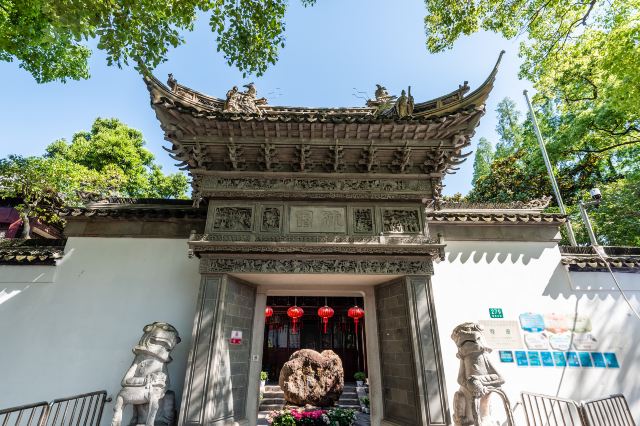
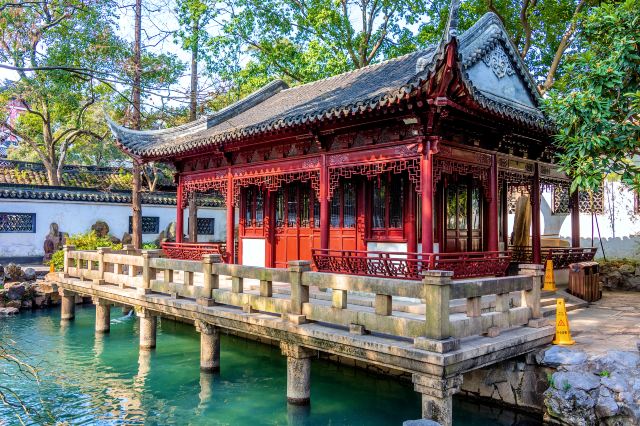
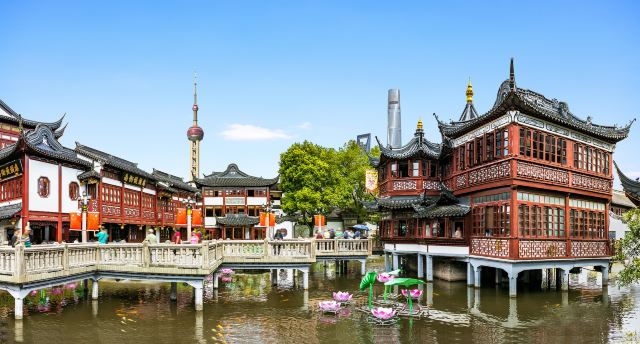
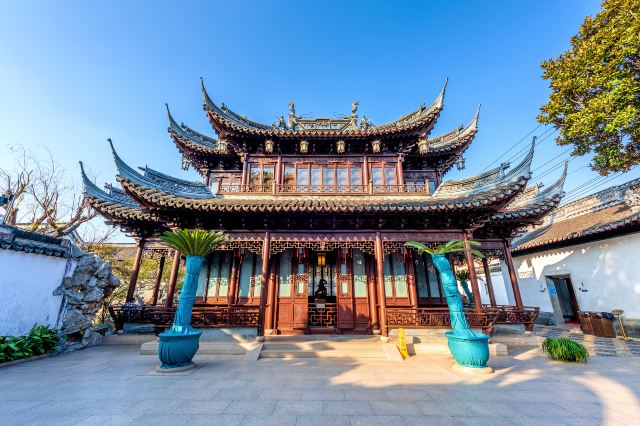
Yu Garden is one of China's finest surviving classical gardens — a compact but exquisitely designed Ming Dynasty landscape of pavilions, zigzag bridges, rockeries, and lotus ponds built in 1559 by a wealthy official as a retirement gift for his father. The garden itself is genuinely beautiful and worth the entry fee, especially the Grand Rockery, the Exquisite Jade Rock, and the intricate Dragon Walls. It's small (30 acres) and can feel cramped when crowded, which is most of the time. The surrounding Yuyuan Bazaar area is a separate free zone of traditional-style buildings packed with souvenir shops, restaurants, and the famous Nine-Bend Bridge and Huxinting Teahouse — these are iconic but extremely tourist-oriented with inflated prices. The garden itself is the real attraction; the bazaar is skippable unless you enjoy the atmosphere. New evening light show programs ('Yu Xiang Shan Lin') have added a separate nighttime dimension. Best for architecture and garden enthusiasts; skip it if you can't tolerate crowds.
Top Questions from Travelers
Why This Place Matters
Yu Garden's name means 'Garden of Peace and Comfort' — it was built over 20 years (1559-1577) by Pan Yunduan, a wealthy Ming Dynasty official, as a gift to bring 'peace and joy' (豫) to his aging father, Pan En, who had served as Minister of Justice. The garden was designed as a microcosm of nature — every rockery, pond, and pavilion placement follows principles of Chinese landscape philosophy where architecture exists in harmony with, not opposition to, the natural world. After the Pan family declined, the garden changed hands repeatedly, was damaged in the Opium Wars and Taiping Rebellion, and was painstakingly restored after 1949. The garden's survival through 450 years of upheaval makes it not just a beautiful space, but a physical record of Shanghai's tumultuous history.
Need help planning?
ChinaPal handles everything
- Book English-speaking guides
- Arrange transport & tickets
- Real-time help during your visit
- Restaurant reservations nearby
Highlights
4 iconic experiences that define a visit
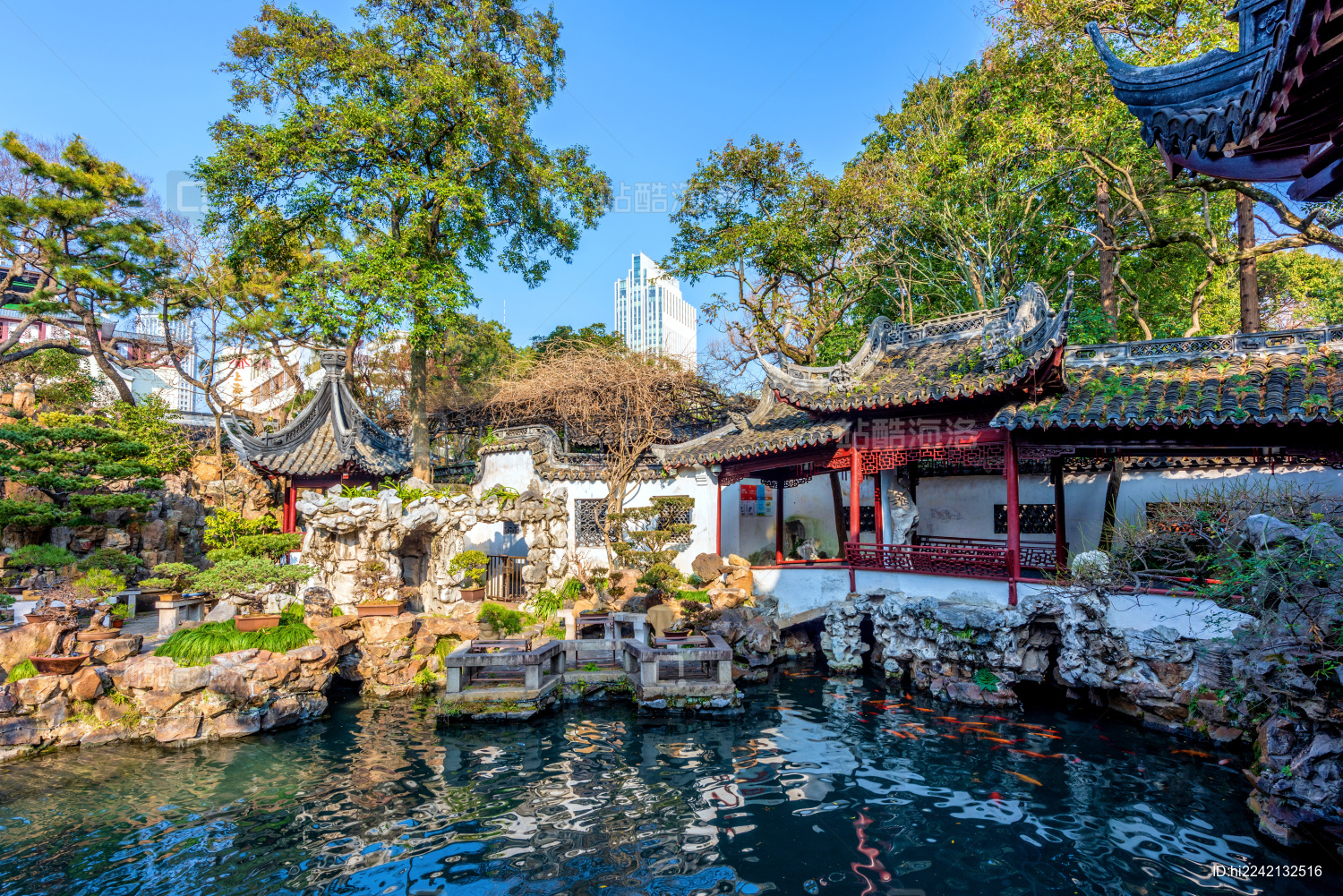
Grand Rockery (大假山)
A massive artificial mountain made from thousands of tons of yellow stone, designed by the legendary Ming Dynasty rock artist Zhang Nanyang. At 14 meters tall, it's the largest and oldest surviving yellow stone rockery in southern China. You can climb through its caves and tunnels to the summit.
Rockeries (artificial mountains) are a central art form in Chinese garden design — they represent nature in miniature. This one is considered a masterpiece of the genre and has survived over 400 years.
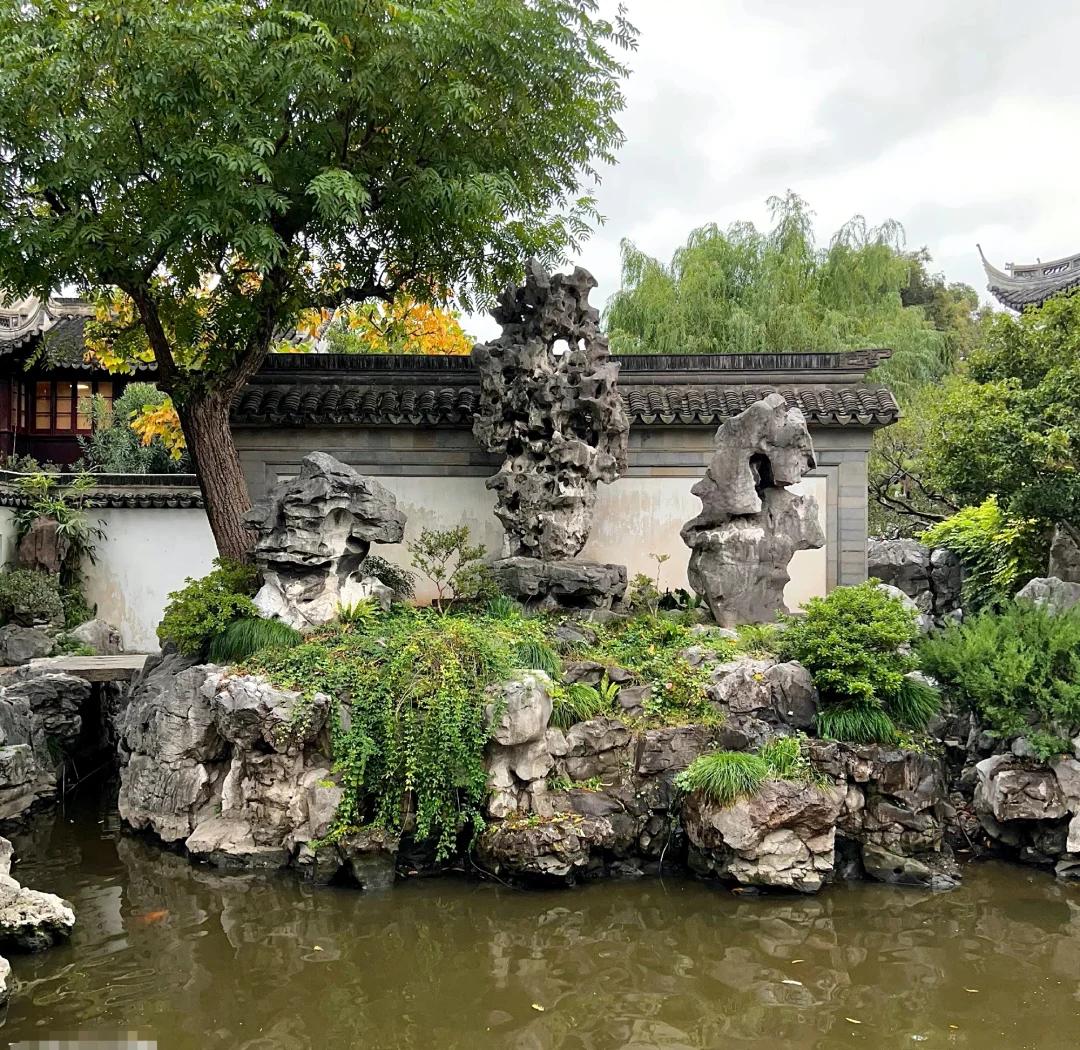 Culturally Interesting
Exquisite Jade Rock (玉玲珑)
A rare Taihu limestone stone prized for its natural perforations — water poured on top emerges from holes all over the surface, and incense burned at ...
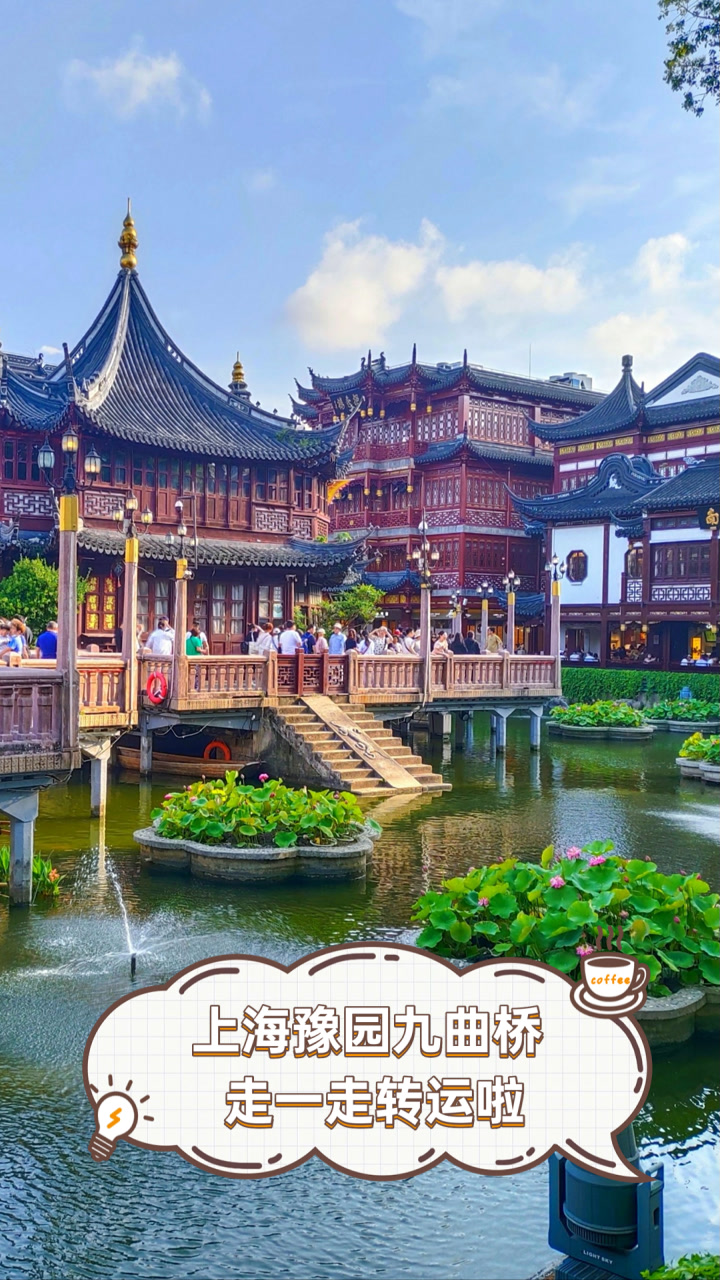 Universal Appeal
Nine-Bend Bridge and Huxinting Teahouse (九曲桥 & 湖心亭)
The iconic zigzag bridge crossing the lotus pond to Shanghai's oldest teahouse. The bridge has nine turns — designed to prevent evil spirits (who can ...
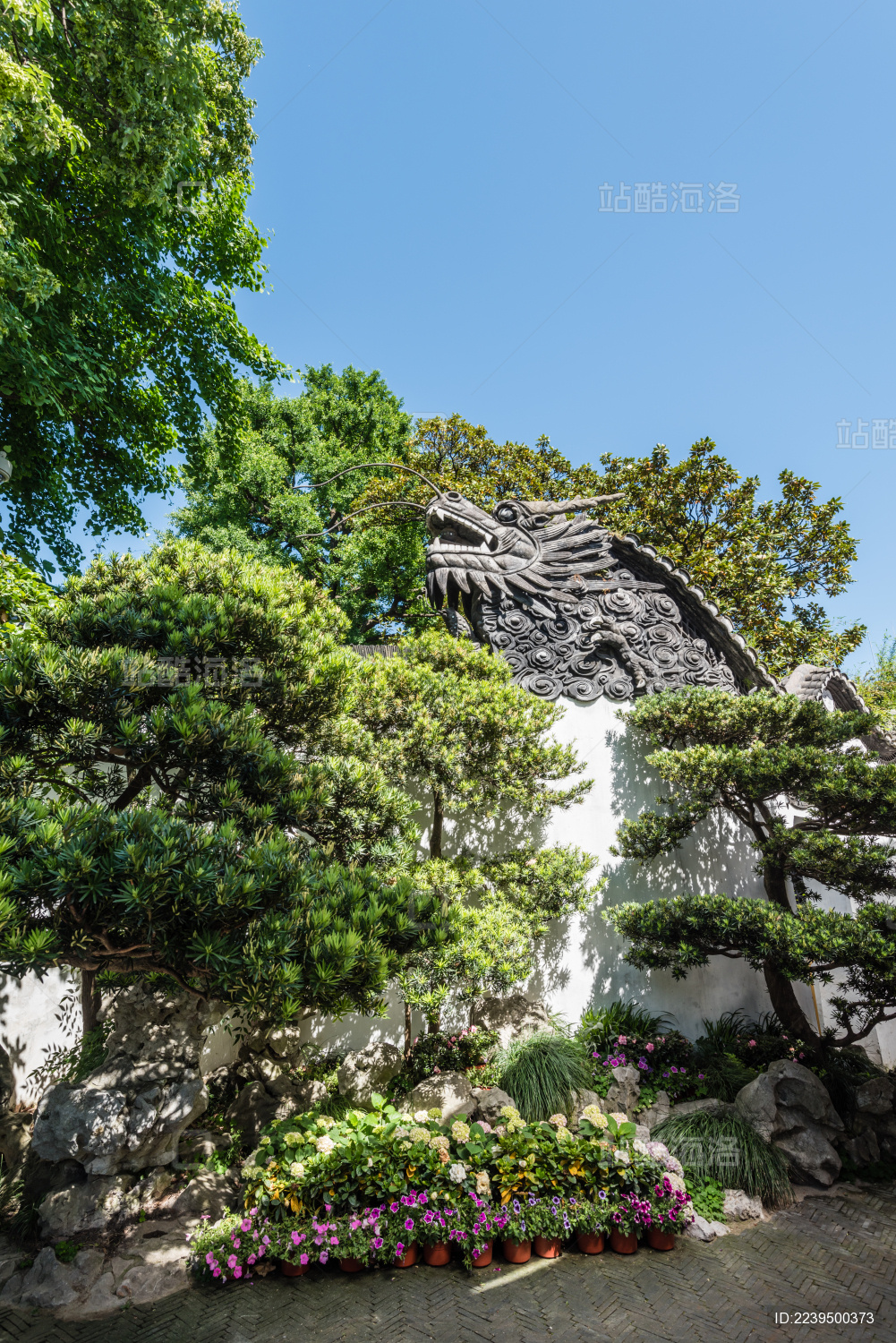 Universal Appeal
Dragon Walls (龙墙)
Five decorative walls throughout the garden topped with undulating dragon sculptures that appear to swim along the wall crests. Each dragon is slightl...
What Most Visitors Miss
The Inner Garden (内园)
A smaller, quieter section at the southeast corner of the main garden. It has its own miniature rockeries, pavilions, and a beautiful Phoenix Pavilion — but most visitors are tired by the time they reach it and rush through.
Tang and Song Dynasty-era stone inscriptions
The garden contains Yuan Dynasty iron lions and various historical inscriptions embedded in walls and rockeries. Most visitors walk past them without noticing — they're easy to miss without a guide or audio tour.
The free Chocolate Museum near the bazaar
A small free museum in the Yuyuan Bazaar area that most visitors don't know about — a pleasant surprise, especially with children.
Plan Your Visit
How Long to Visit
45 minutes (speed walk through the garden highlights
1.5-2 hours (garden tour plus bazaar stroll and Nine-Bend Bridge photos
morning garden visit, lunch at a traditional restaurant, return for evening light show
Smart Route
Take Metro Line 10 to Yuyuan Station (Exit 1)
Walk through the bazaar to the Nine-Bend Bridge for photos (free)
Enter the ticketed garden at opening time (9:00 AM)
Follow the winding path from the Grand Rockery through pavilions to the Exquisite Jade Rock
Don't skip the Inner Garden at the end
Exit and explore the bazaar for lunch
Return in the evening for the illuminated Nine-Bend Bridge and bazaar night atmosphere.
Best Time to Visit
Arrive when the garden opens (9:00 AM) for the most peaceful experience — crowds build significantly by 11:00 AM
Weekend afternoons and any Chinese public holiday — the garden paths become a slow shuffle
By Season
Spring
(March-May) brings magnolias, cherry blossoms, and plum blossoms against traditional architecture — the most photogenic season. Autumn (September-November) has the best weather and fall foliage.
Summer
Autumn
(September-November) has the best weather and fall foliage. The Chinese New Year Lantern Festival (January-March) transforms the bazaar into a stunning light display but attracts massive crowds.
Winter
Visit the garden on a Tuesday or Wednesday morning right at opening for the best experience. Then return in the evening for the bazaar's light show — the traditional buildings illuminated at night are genuinely spectacular and worth seeing as a separate experience.
What to Skip
Souvenir shops in the Yuyuan Bazaar are marked up 2-3x. The 'traditional snacks' at tourist-facing stalls are often mediocre and overpriced. The tea ceremony scam (strangers inviting foreigners for 'tea' nearby) is notorious — decline politely but firmly.
Pro Tips
Buy tickets online through Trip.com to skip the window queue. The garden is small enough that even on crowded days, patience and exploration of side paths yield quiet moments. For food, Nanxiang Steamed Bun Restaurant (南翔馒头店) is famous for xiaolongbao but always has a massive queue — the second floor sit-down service is faster than the ground-floor takeaway window. If you'd rather skip the queue entirely, message our team and we can recommend quieter xiaolongbao spots nearby that locals prefer. Consider wearing Hanfu (traditional Chinese clothing, available for rent nearby) — the garden is one of Shanghai's best Hanfu photography locations.
Photo Spots
Nine-Bend Bridge at night (free area)
The illuminated bridge with the glowing Huxinting Teahouse in the background is the quintessential Yuyuan shot. Visit after 6:00 PM for the best lighting.
Grand Rockery summit (inside garden)
Climb to the top for an elevated view looking down over the garden with city skyscrapers peeking over the walls — the perfect Shanghai past-meets-present shot.
Dragon Wall details
Use a telephoto lens to capture the dragon sculptures in detail. Morning light illuminates the eastern-facing walls best.
Lotus pond reflections (inside garden)
On a calm day, the pavilion reflections in the pond are stunning. Summer brings lotus blossoms for added color.
Pair With
The Bund (外滩)
15-minute walk
Shanghai's iconic waterfront promenade is a 15-minute walk from Yuyuan. The contrast between the ancient garden and the colonial-era waterfront captures Shanghai's split personality perfectly.
City God Temple (城隍庙)
2-minute walk
Adjacent to Yu Garden and shares the same traditional architectural area. A functioning Taoist temple that provides religious context to the garden's secular beauty. ¥10 entry.
Nanjing Road Pedestrian Street (南京路步行街)
20-minute walk via The Bund
Shanghai's main shopping street connects roughly to the Yuyuan area via The Bund. Walking from Yu Garden to Nanjing Road via the waterfront is a classic Shanghai half-day itinerary.
Tickets & Access
Daytime admission (peak season: Apr-Jun, Sep-Nov)
Standard adult entry to the classical garden
Daytime admission (off-peak: Jul-Aug, Dec-Mar)
Standard adult entry
Students / Seniors (60+)
With valid ID or passport showing age
Children under 1.3m or under 6 years
One adult may bring up to 3 children free
Evening light show (Yu Xiang Shan Lin)
Immersive nighttime garden experience with lighting and performances
Opening Hours
Daytime garden: 9:00 AM - 4:30 PM (last entry 4:00 PM), Tuesday-Sunday. Closed Mondays (except public holidays). Evening shows (Yu Xiang Shan Lin): Summer (May-Oct) Tue/Wed/Fri/Sat/Sun 18:30-21:50; Winter (Nov-Apr) Fri/Sat/Sun 18:00-21:20.
How to Buy
Buy online via Trip.com or at the ticket window with passport. Scan and enter.
Passport: Yes — foreigners can purchase tickets and enter with passport.
Queue Situation
Ticket window queues are short on weekdays, 15-30 minutes on weekends. Online pre-purchase eliminates the wait. Inside the garden, narrow paths create bottlenecks at popular spots.
Tips & Warnings
Closed every Monday
Yu Garden is closed on Mondays except during public holidays. Plan accordingly — this catches many visitors off guard.
The garden is much smaller than expected
At 30 acres, Yu Garden is compact. Some visitors expecting a sprawling estate are surprised by its size. The beauty is in the intricate details, not the scale — slow down and look closely at the carvings, rockeries, and architectural details.
Tea ceremony scam targets foreigners
In the Yuyuan area, friendly young people may approach you speaking English, inviting you for a 'traditional tea ceremony.' This is a well-known scam that ends with a bill for hundreds of dollars. Decline firmly. Legitimate tea experiences don't start with strangers approaching you on the street. If you want a genuine tea experience in Shanghai, message our team and we'll book you into a proper tea house where the pricing is transparent.
Paths are too narrow for strollers and wheelchairs
The garden's winding stone paths, high thresholds, and narrow corridors make strollers nearly impossible and wheelchairs extremely difficult. Use a baby carrier instead. The bazaar area outside is more accessible.
What to Bring
Wear
Comfortable walking shoes — paths are narrow, uneven stone. Hanfu (traditional Chinese clothing) is popular for photos and can be rented nearby. Dress for weather — limited shelter inside the garden.
Bring
Camera (the garden is extremely photogenic). Cash for bazaar snacks and souvenirs. Umbrella. Water bottle — limited vending inside the garden.
Don't Bring
Strollers (paths too narrow). Tripods (awkward in tight spaces with crowds). Drones (prohibited).
Physical Reality
easy
Mostly flat walking on stone paths. The Grand Rockery climb is optional and short. Main challenge is narrow paths and high thresholds between sections — not wheelchair accessible. Total walking distance is short (the garden is compact).
Foreigners Watch Out
- The tea ceremony scam is specifically targeted at foreigners in the Yuyuan area. If strangers approach you speaking English and suggest tea, it's almost certainly a scam. Real cultural experiences don't recruit participants off the street.
- The Yuyuan Bazaar looks 'ancient' but most buildings are reconstructions — don't mistake the bazaar for a historic site. The ticketed garden is the genuine 450-year-old attraction.
- Prices in the bazaar are significantly inflated (2-3x normal). Buy souvenirs and snacks elsewhere in Shanghai for better value.
- The garden closes at 4:30 PM (last entry 4:00 PM) — don't arrive late thinking it's open into the evening. The evening light shows are a separate ticketed event on specific days.
If Things Go Wrong
Arrived on a Monday and the garden is closed
→ The surrounding Yuyuan Bazaar is open daily. Walk the Nine-Bend Bridge, photograph the Huxinting Teahouse, explore the shops and food stalls — you can still enjoy much of the area without entering the garden.
Garden is too crowded to enjoy
→ Head to the Inner Garden section (southeast corner) which is always less crowded. The Grand Rockery caves and upper levels also thin out. Side corridors and smaller pavilions away from the main path offer breathing room.
Fell for the tea ceremony scam
→ If presented with an outrageous bill, firmly refuse to pay more than a reasonable amount (¥50-100 for tea). Call the police (110) if pressured. Document the location and report it.
Useful Chinese
Tap to reveal the English meaning