About Tianzifang
“A charming, chaotic maze where 1930s Shanghai lane life collides with tourist commerce — old brick walls and hanging laundry overhead, while below you squeeze past souvenir shops, tea vendors offering free samples, and foreigners nursing beers at tiny alley bars.”
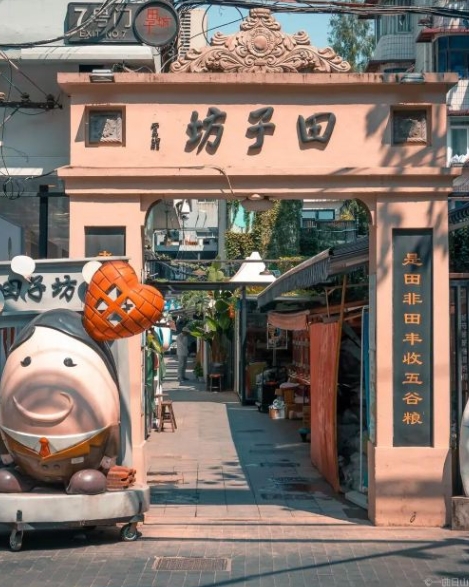
Tianzifang is a compact labyrinth of narrow alleyways carved out of a preserved Shikumen (stone-gate) residential neighborhood in Shanghai's former French Concession. Originally called Zhichengfang and built in the 1930s, it was renamed by painter Huang Yongyu after the ancient artist Tian Zifang. Starting in 1998, when artist Chen Yifei set up his studio here, the area gradually transformed from a working-class residential lane into a creative district packed with boutiques, galleries, cafes, bars, and souvenir shops. The big draw is the atmosphere: walking through these narrow lanes with their old brick walls, overhead laundry lines, and residents still living upstairs creates a feeling of stumbling into old Shanghai that no modern mall can replicate. However, honesty demands acknowledging that Tianzifang has become heavily commercialized. Many shops sell identical merchandise — White Rabbit candy, fridge magnets, flower tea, mass-produced scarves — and prices are inflated compared to elsewhere in Shanghai. The genuine art studios that once defined the area have largely been replaced by tourist-oriented retail. Multiple reviewers describe it as a tourist trap with repetitive shops. That said, gems remain if you explore the side alleys: original design studios, handmade leather goods, pottery workshops, and cozy bars with rooftop terraces. The street food is decent, the architecture is genuinely beautiful, and evening visits when the lanterns light up offer a completely different mood. Most visitors find it worth 1-2 hours, especially as a first-time visit. Repeat visitors and those expecting an authentic art enclave may be disappointed. Best for souvenir shopping, photography, casual browsing, and getting a taste of old Shanghai lane culture.
Top Questions from Travelers
Why This Place Matters
Tianzifang tells the story of Shanghai's layered identity. The neighborhood was built in the 1930s as Zhichengfang during the French Concession era, when this part of Shanghai was a transition zone between Chinese and Western communities. The Shikumen architecture itself is a hybrid — blending Western row-house construction with Chinese courtyard living. For decades it was an ordinary working-class neighborhood with small factories mixed among residences. In 1998, renowned Chinese-American painter Chen Yifei moved his studio into an abandoned factory at Lane 210, sparking an artist migration that echoed SoHo and Williamsburg in New York. Painter Huang Yongyu gave the area its current poetic name, a homophone of the ancient artist Tian Zifang from Zhuangzi's writings. By the mid-2000s, Tianzifang was recognized as one of Shanghai's first creative industry clusters. Unlike Xintiandi, which was demolished and rebuilt to look historic, Tianzifang was preserved organically — the original buildings remain, residents still live upstairs, and the development grew bottom-up rather than being planned top-down. This organic quality is both its charm and its challenge: the commercialization that many visitors now complain about is the inevitable result of success without master planning. The tension between preserving authentic lane culture and commercial pressure mirrors Shanghai's broader urban struggle between heritage and development.
Need help planning?
ChinaPal handles everything
- Book English-speaking guides
- Arrange transport & tickets
- Real-time help during your visit
- Restaurant reservations nearby
Highlights
5 iconic experiences that define a visit
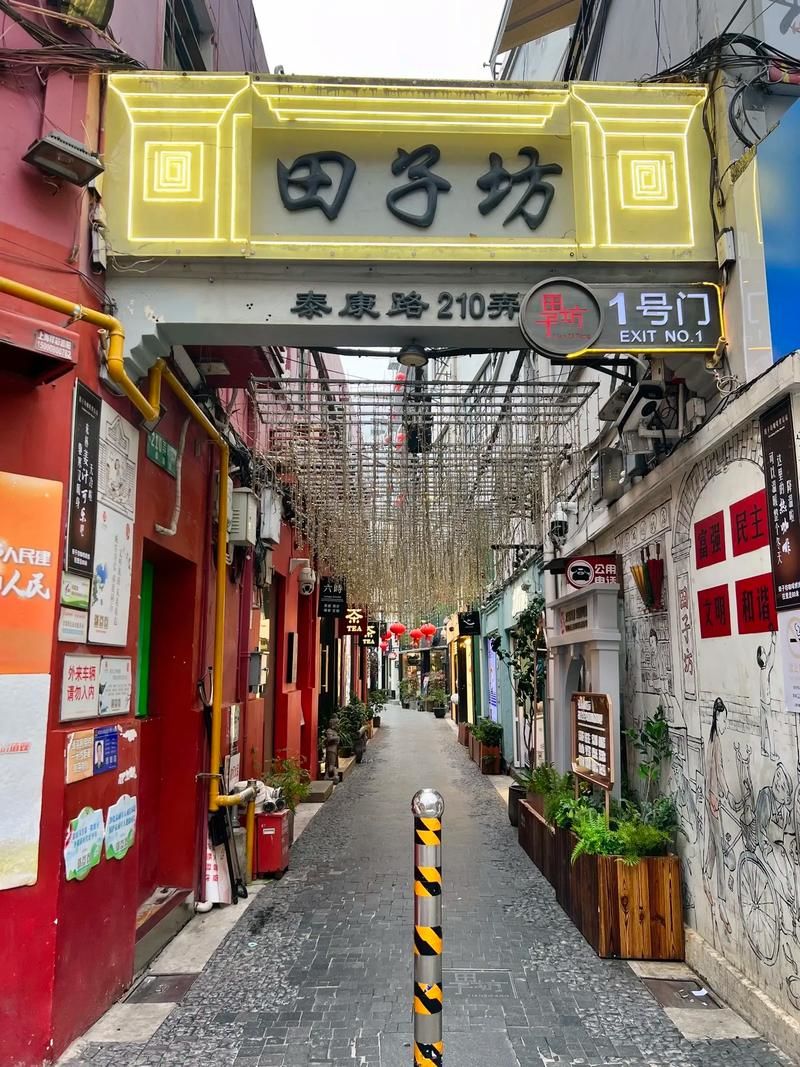
Shikumen architecture and lane atmosphere
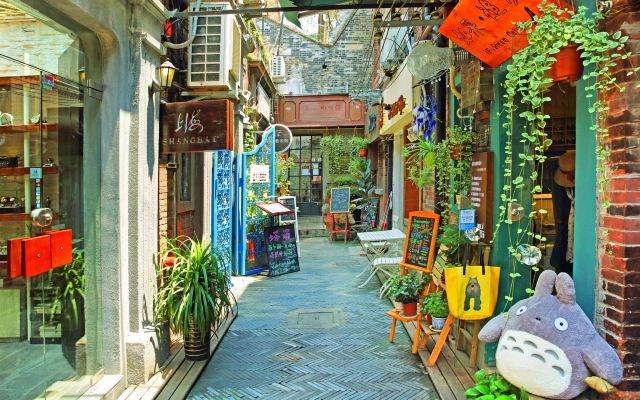
The preserved 1930s Shikumen (stone-gate) residential architecture is the real star — old brick walls, arched doorways, tiled roofs, narrow lanes with laundry hanging overhead, and the original 1930 signboard of Zhichengfang still standing. Residents still live on upper floors, adding genuine life to the scene.
This is what makes Tianzifang special and different from a generic shopping street. The architecture reflects Shanghai's unique history as a treaty port where Chinese and Western building styles merged. The contrast of daily life above and tourism below is fascinating.
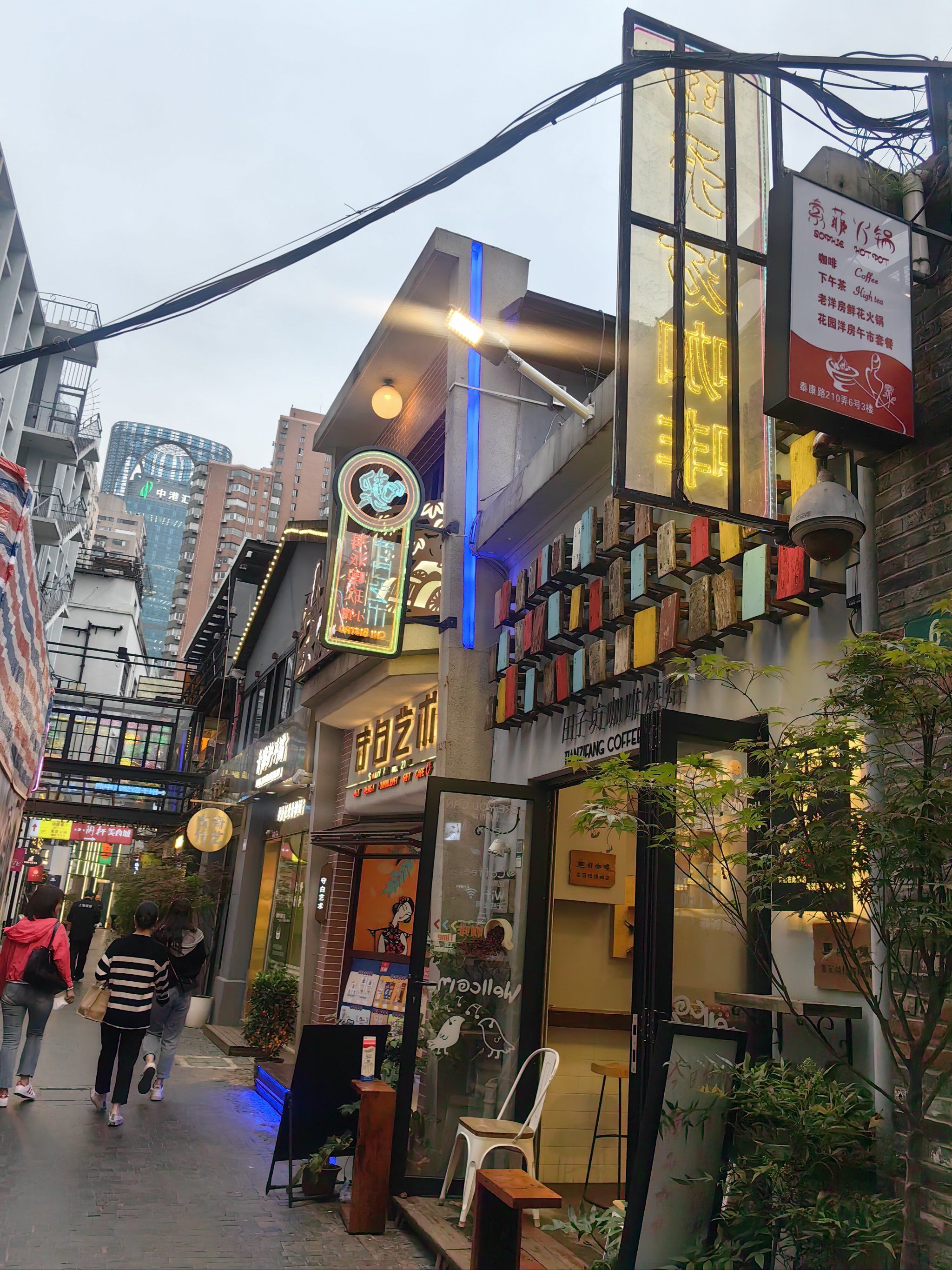 Culturally Interesting
Souvenir shopping and handicrafts
Hundreds of small shops sell everything from handmade jewelry, pottery, and leather goods to qipao dresses, paper-cut art, White Rabbit candy, fridge ...
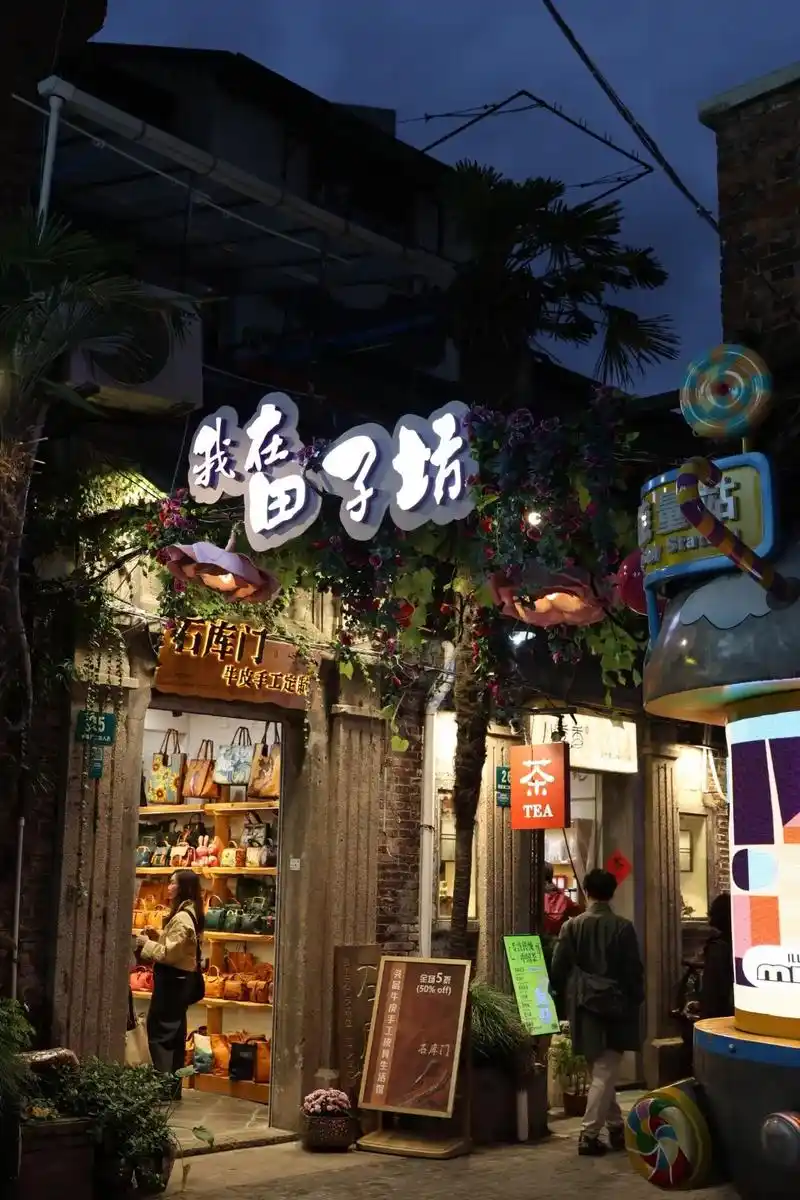 Universal Appeal
Street food and snacks
Food stalls and small restaurants throughout the lanes serve Shanghai street food: crispy pan-fried buns (shengjianbao), soup dumplings (xiaolongbao),...
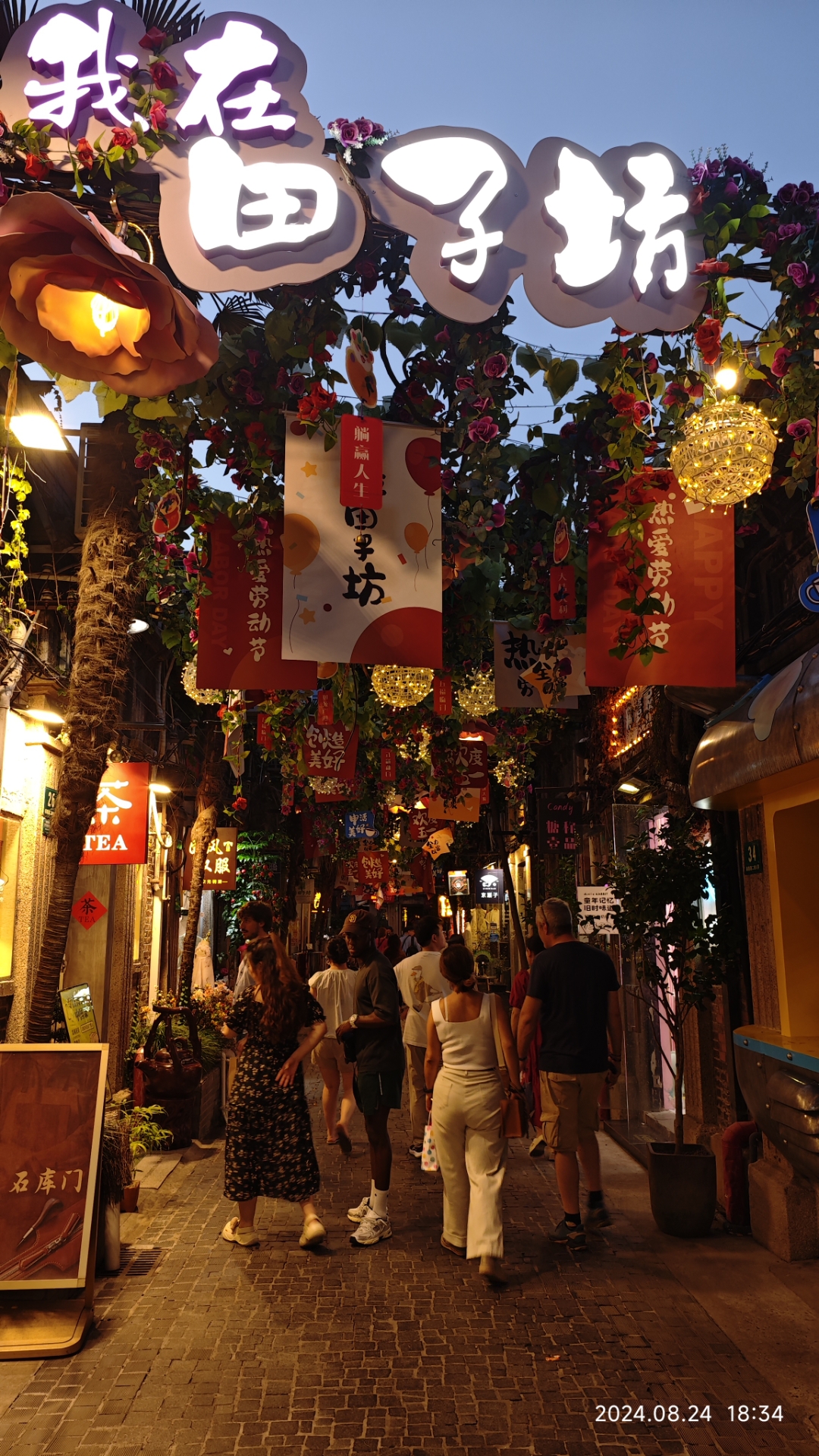 Universal Appeal
Evening atmosphere and bars
After dark, Tianzifang transforms as red lanterns and string lights illuminate the narrow lanes. Small bars, rooftop terraces, and cafes create a cozy...
 Culturally Interesting
Chen Yifei's Former Studio
Building 2, Lane 210 houses the former studio of famous Chinese painter Chen Yifei, who was the first artist to move into Tianzifang in 1998 and catal...
What Most Visitors Miss
The quieter side alleys and dead-end lanes
Most visitors stick to the main commercial lanes and miss the smaller passages where you can find genuine artist studios, quieter shops, and the most atmospheric architecture. The dead ends often have the most interesting hidden gems — a tiny pottery workshop, a vintage glasses shop, or a rooftop bar entrance.
Riyueguang (Sun Moon Light) shopping mall across the street
The massive modern mall directly opposite the Tianzifang entrance (above Dapuqiao metro station) has far better food options at lower prices than inside Tianzifang itself. Multiple reviewers say the best dining decision is to eat at the mall rather than overpaying inside the lanes.
The surrounding French Concession neighborhood
Tianzifang sits within Shanghai's former French Concession, and the tree-lined streets around it — especially along Taikang Road, Jianguo Road, and Sinan Road — are beautiful for walking. Most visitors take the metro directly to Tianzifang and leave without exploring the charming neighborhood context. A post office on Jianguo Road near Sinan Road lets you mail postcards bought inside.
Plan Your Visit
How Long to Visit
45 minutes to 1 hour (walk through the main lanes, snap photos, grab a snack
1.5-2 hours (explore side alleys, browse shops, try street food, have a coffee or beer
thorough exploration, sit-down meal, visit galleries, evening drinks at a rooftop bar
Smart Route
Enter from the main entrance on Taikang Road (directly across from Dapuqiao Metro Exit 1)
Walk the main Lane 210 to get oriented and see the busiest commercial section
Turn into the narrower side alleys for quieter browsing, better prices, and more interesting shops
Find Chen Yifei's Studio in Building 2
Work your way to the food stalls for snacks
If visiting in the evening, settle into a bar with a terrace. Exit via any of the three main exits and walk to the surrounding French Concession streets or cross to Riyueguang mall for dinner.
Best Time to Visit
Weekday mornings (10:00-12:00) for the quietest experience with shops open and good light for photography
Weekend afternoons and Chinese public holidays — the narrow alleys become impossibly crowded, turning a pleasant stroll into a slow shuffle
By Season
Spring
(April-May) and autumn (September-October) offer the most comfortable walking weather. Summer is hot and the narrow alleys trap heat with little airflow — multiple reviewers warn about this.
Summer
is hot and the narrow alleys trap heat with little airflow — multiple reviewers warn about this. Winter is manageable but cold.
Autumn
(September-October) offer the most comfortable walking weather. Summer is hot and the narrow alleys trap heat with little airflow — multiple reviewers warn about this.
Winter
Visit on a weekday around 10-11 AM for relaxed browsing and better photos. Then return in the evening after 7 PM if you want to experience the nighttime atmosphere with lanterns, bar crowds, and a more romantic mood. The two visits feel like completely different places.
What to Skip
The flower tea shops that aggressively offer free samples — they create pressure to buy expensive tea (¥100-300+ per bag). The generic souvenir shops on the main lane selling identical merchandise at inflated prices. Don't buy souvenirs at the first shop you see — compare prices as the same items vary significantly. The food inside Tianzifang is overpriced — eat at the mall across the street or in the surrounding neighborhood for better value.
Pro Tips
Many shops have fixed prices and won't bargain, but some will — it doesn't hurt to ask politely. Check if your credit card works before filling your basket — many small vendors only accept cash or Chinese mobile payment. For the best photography, come in the morning for soft light on the old architecture, or at night for the lantern-lit atmosphere. If you're buying a qipao, Fanny's (the owner designs her own range) and a shop called Wansu (挽苏) near the Taikang Road side offer better value than the generic options. If you'd like to secure a rooftop bar spot for the evening, message us in advance — we can make a reservation at one of the better terraces.
Photo Spots
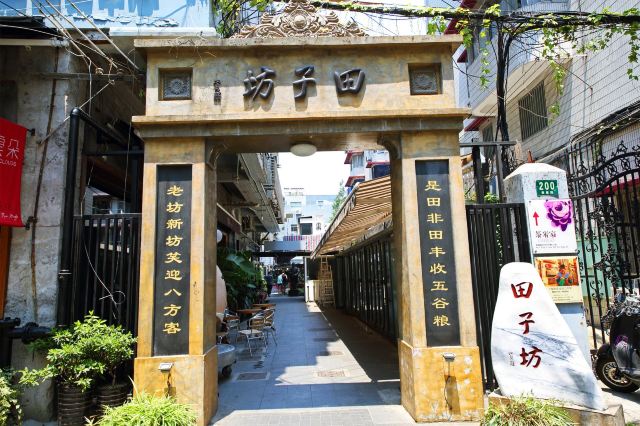
Main entrance with red lanterns on Taikang Road
The red lanterns framing the entrance are most photogenic at dusk when they're illuminated against the fading sky. Stand back across the street for the best framing.
Narrow alleys with overhead laundry and old brick walls
Look up for the most authentic shots — laundry lines, old power cables, and tiger-eye windows on the rooftops. Morning light creates beautiful shadows on the brick walls. The quieter back alleys have less foot traffic for cleaner compositions.
Colorful shop fronts and decorative alley walls
The lanes are decorated with plants, mini lanterns, and colorful signage that create vibrant photo opportunities. Late afternoon warm light makes the colors pop. Some graffiti walls and art installations change periodically.
Rooftop bar terraces overlooking the lanes
Several bars have small upstairs terraces — find one in the evening for an elevated perspective of the illuminated alleyways below. These spots fill up quickly on weekends, so arrive early.
Pair With
Xintiandi (新天地)
15-20 minute walk or 5-minute taxi
Shanghai's other famous Shikumen redevelopment — but polished, upscale, and spacious where Tianzifang is rustic, crowded, and organic. Visiting both gives a fascinating contrast in how the same historic architecture can be reimagined. Xintiandi has better dining and nightlife options.
French Concession walking tour
Immediately adjacent — start walking from any Tianzifang exit
Tianzifang sits within the former French Concession, and the surrounding streets — Sinan Road, Fuxing Road, Wukang Road — feature stunning tree-lined avenues, colonial architecture, historic mansions, and excellent independent cafes. A natural extension of the Tianzifang experience.
Fuxing Park (复兴公园)
10-minute walk north
A lovely French-style public park where locals practice tai chi, dance, and play cards under plane trees. A perfect green counterpoint to the commercial intensity of Tianzifang. Often uncrowded and very atmospheric.
Tickets & Access
District entry
No ticket needed — just walk in from any entrance
Street food
Pan-fried buns, candied hawthorn, soup dumplings, super fries
Coffee/drinks
Cafes and tea houses throughout the lanes
Souvenirs
Fridge magnets from ¥5, qipao from ¥200-300, flower tea from ¥100-300 per bag
Opening Hours
The district is open 24/7 as it's an open pedestrian area. Individual shops typically open 10:00-21:00 or 22:00. Bars may stay open later. Some shops close earlier (around 18:00), so don't arrive too late if shopping is your goal.
How to Buy
Just show up. No booking platform needed.
Passport: Not applicable — free entry with no tickets.
Queue Situation
No queue to enter. Individual popular food stalls may have short waits. The main challenge is crowd density in the narrow lanes on weekends, not queuing.
Tips & Warnings
Heavily commercialized — many shops sell identical tourist merchandise
Don't expect the artist enclave described in older guidebooks. Tianzifang has evolved into a primarily tourist shopping area. The genuine art studios are rare now. Adjust your expectations accordingly and you'll enjoy the atmosphere and architecture without the disappointment.
Oppressively crowded on weekends and holidays
The lanes are genuinely narrow — when packed with visitors, movement slows to a crawl and the experience becomes uncomfortable rather than charming. Visit on a weekday if at all possible. If you must go on a weekend, arrive by 10 AM before the crowds build.
Flower tea sampling scam is common
Multiple reviewers warn about tea shops offering free tastings. Staff will chat with you, pour multiple cups, then pack up bags of tea you didn't explicitly agree to buy — and the price can be ¥100-300+ for a small bag. If you want to sample, ask the price per gram upfront. If you don't want to buy, don't taste. If you feel pressured into an unwanted purchase at a tea shop, message our team — we can call the shop on your behalf to resolve it.
Overpriced food and drink compared to the rest of Shanghai
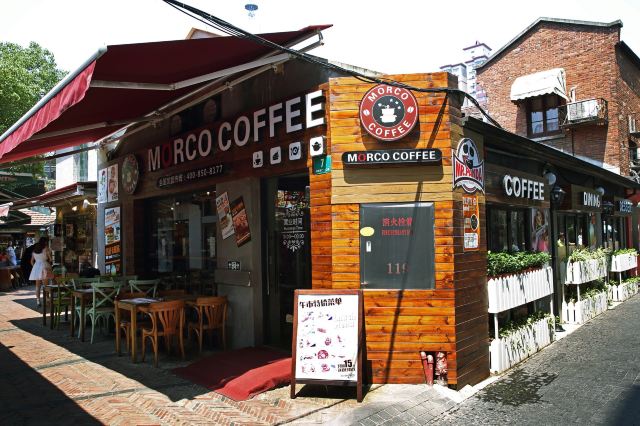
Everything inside Tianzifang carries a tourist premium. Budget ¥50-100 per person for snacks and drinks. For a proper meal, cross the street to Riyueguang (Sun Moon Light) mall where prices are normal and options are better. A ¥30 coffee inside Tianzifang costs ¥15-20 elsewhere.
Some shops close earlier than expected
While Tianzifang is technically open 24/7, many shops close by 18:00-19:00, not 21:00 as sometimes listed. If shopping is your main goal, arrive before 17:00 to have enough browsing time. Bars and restaurants stay open later.
What to Bring
Wear
Casual and comfortable — this is an informal neighborhood. Comfortable flat shoes are essential as you'll be walking on cobblestones and uneven surfaces in narrow spaces. In summer, wear light breathable clothing — the alleys trap heat and have poor airflow. For evening bar visits or photography, some visitors enjoy wearing something with a vintage or retro aesthetic to match the setting.
Bring
Cash (RMB) for small vendors. Camera or charged phone for photos. Tissue paper for bathrooms. Water bottle in summer. A translation app if you don't speak Chinese. A small bag for purchases — you'll likely buy something.
Don't Bring
Don't bring large backpacks or luggage — the lanes are too narrow and you'll constantly bump into people. Skip the umbrella if possible on rainy days (same reason). Don't bring high expectations of finding cutting-edge art.
Physical Reality
light
Flat walking on cobblestones and paved lanes. The total area is compact (about 2 hectares) so distances are short — expect 3,000-6,000 steps for a full exploration. No stairs required for street-level browsing. Some shops and bars on upper floors require climbing narrow stairs. The biggest physical challenge is navigating crowds in tight spaces on busy days.
Foreigners Watch Out
- Payment can be tricky — many smaller vendors don't accept international credit cards. Bring some cash (RMB) for small purchases. Alipay and WeChat Pay are widely accepted but require Chinese bank account setup for most foreigners. Some larger shops do accept Visa/Mastercard. If you're stuck without a way to pay, message our concierge — we can help you find the nearest ATM or arrange a workaround.
- Be cautious about pickpockets in the crowded lanes — one reviewer specifically warned about mobile phone theft targeting foreigners. Keep your phone and wallet secure, especially on busy weekends.
- The narrow alleys can feel disorienting — there's no clear grid pattern and some lanes are dead ends. Maps are posted at a few locations within the district. Don't worry about getting lost — the area is small enough that you'll always find an exit within a few minutes.
- English is more widely spoken here than at most Shanghai attractions, but it's still limited. A translation app on your phone is helpful for communicating with vendors. Price tags are usually displayed, reducing the need for language.
- Vendors are generally not aggressive, but some tea shop staff and a few stores will actively try to get you to sample products or enter their shops. A polite 'bu yao' (don't want) or simply walking past is fine.
If Things Go Wrong
Arrived and most shops are closed (too early, too late, or post-pandemic closures)
→ The architecture and atmosphere of the empty lanes can actually be more enjoyable than when crowded. Walk through and photograph the Shikumen buildings, old signboards, and lane details without the usual tourist crush. The morning calm with residents going about daily life is a special experience.
Too crowded to enjoy — can barely move through the lanes
→ Escape to the outermost alleys and dead-end lanes where crowds thin dramatically. Look for stairs going up to second-floor bars and cafes with terraces — you can enjoy the view from above while the crowds flow below. The area near Exit 3 tends to be quieter.
Feeling overwhelmed by vendors or spent too much on overpriced tea/souvenirs
→ Don't feel obligated to buy. If you've already made a purchase you regret, treat it as a travel lesson. For future purchases, always ask the price upfront before sampling anything, and compare prices at 2-3 shops before buying since markup varies significantly. Our team can also recommend specific shops worth visiting based on what you're looking for — just tell us your interests and budget.
Useful Chinese
Tap to reveal the English meaning