About Shanghai Museum East
“Spacious, modern, and quietly overwhelming — like walking through the entire history of Chinese civilization in a building that feels more like a cathedral of light than a museum.”
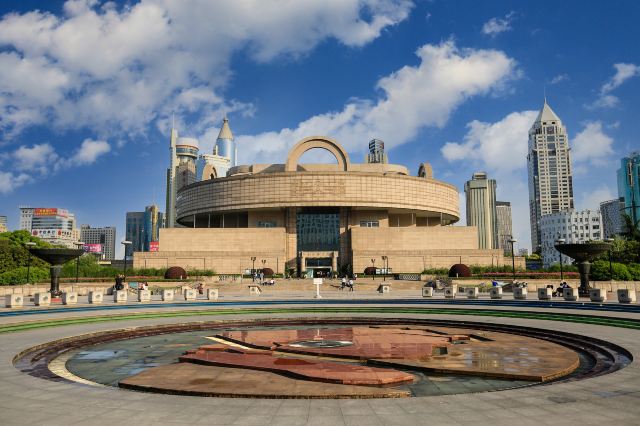
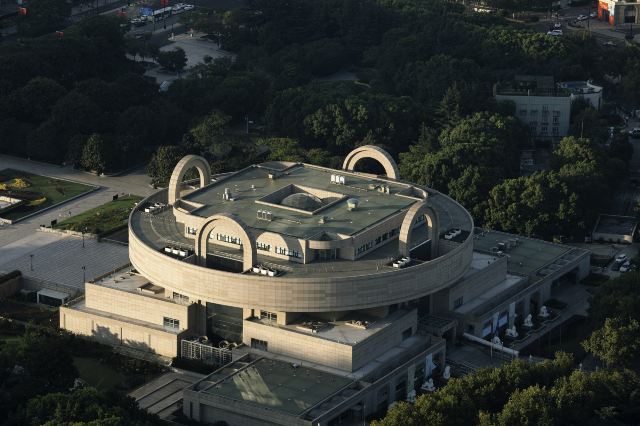
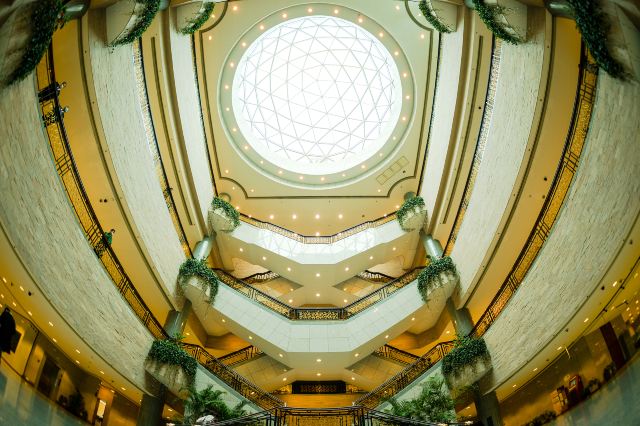
Shanghai Museum East is genuinely one of the best museums in China, and the fact that it's free makes it almost absurd. The bronze gallery alone rivals dedicated museums elsewhere, the ceramics collection traces an unbroken 6,000-year thread, and the calligraphy and painting galleries are the only permanent exhibitions in the world that present ancient Chinese brush arts as a complete chronological story. The building itself — a white jade-inspired tower that opened fully in late 2024 — is modern, spacious, and thoughtfully designed with natural light, spiral ramps, and even a rooftop garden. The downside is scale: 20 exhibition halls across multiple floors means you genuinely cannot see everything in one visit, and decision fatigue sets in after 3-4 hours. The digital gallery and AR experiences are impressive but require separate reservations. Best for art lovers, history buffs, and anyone who wants to understand Chinese civilization through its objects. Skip it if you need interactive entertainment — this is a traditional viewing museum, beautifully done.
Top Questions from Travelers
Why This Place Matters
The Shanghai Museum holds over 1 million artifacts, including 144,000 classified as rare national treasures — making it one of the most important repositories of Chinese civilization outside Beijing. The East Branch, which fully opened in December 2024, represents China's ambition to build world-class museum infrastructure. The building's design concept, 'Window to Shanghai,' reflects Pudong's role as China's gateway to the world. The collections span every major Chinese art form: bronzes that were vessels for speaking to the dead, calligraphy that was the highest measure of a person's character, ceramics that literally gave China its English name, and jade that was believed to grant immortality. Understanding that these objects were never 'decorative art' but had deep spiritual, political, and philosophical purposes transforms the viewing experience.
Need help planning?
ChinaPal handles everything
- Book English-speaking guides
- Arrange transport & tickets
- Real-time help during your visit
- Restaurant reservations nearby
Highlights
5 iconic experiences that define a visit
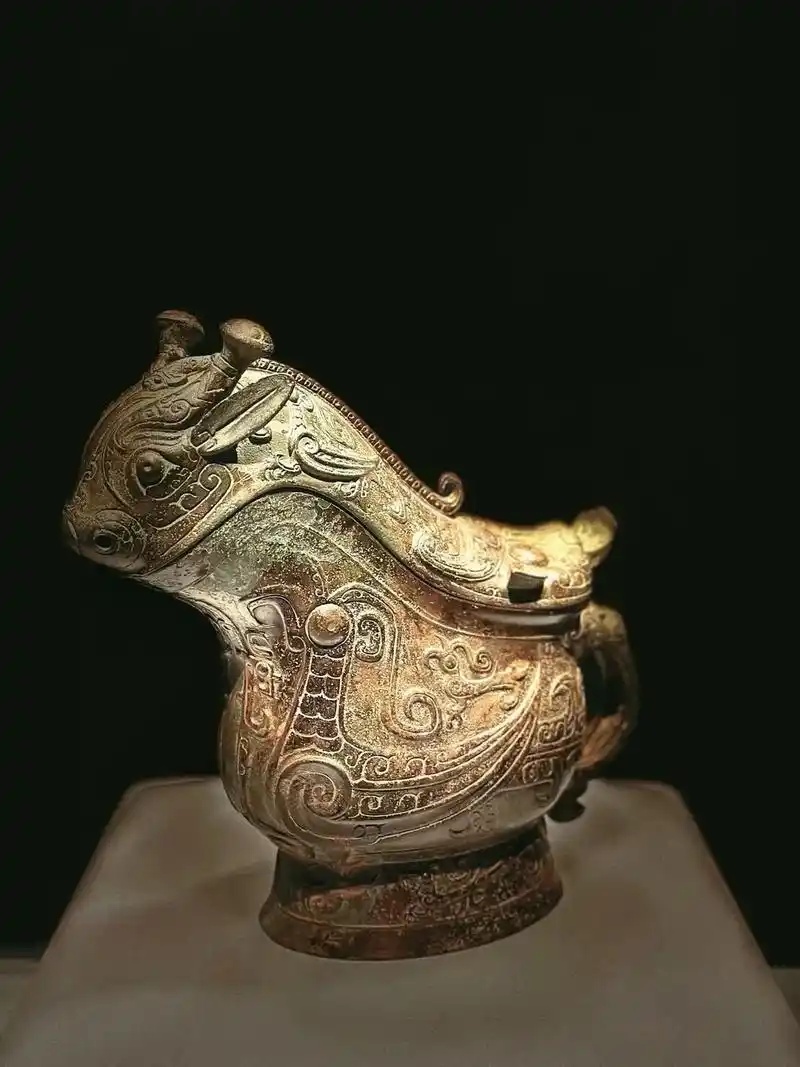
Bronze Gallery (中国古代青铜馆)
Over 500 masterpieces spanning 3,600 years of Chinese bronze art from the Xia Dynasty to the Qing Dynasty. The star piece is the Da Ke Ding, a massive Western Zhou ritual vessel and national treasure. The gallery traces the evolution from ritual objects to art forms.
Chinese bronzes are fundamentally different from Western bronze sculpture — these were ritual vessels for communicating with ancestors and gods. The intricate patterns (taotie masks, dragons) are symbolic, not decorative.
 Culturally Interesting
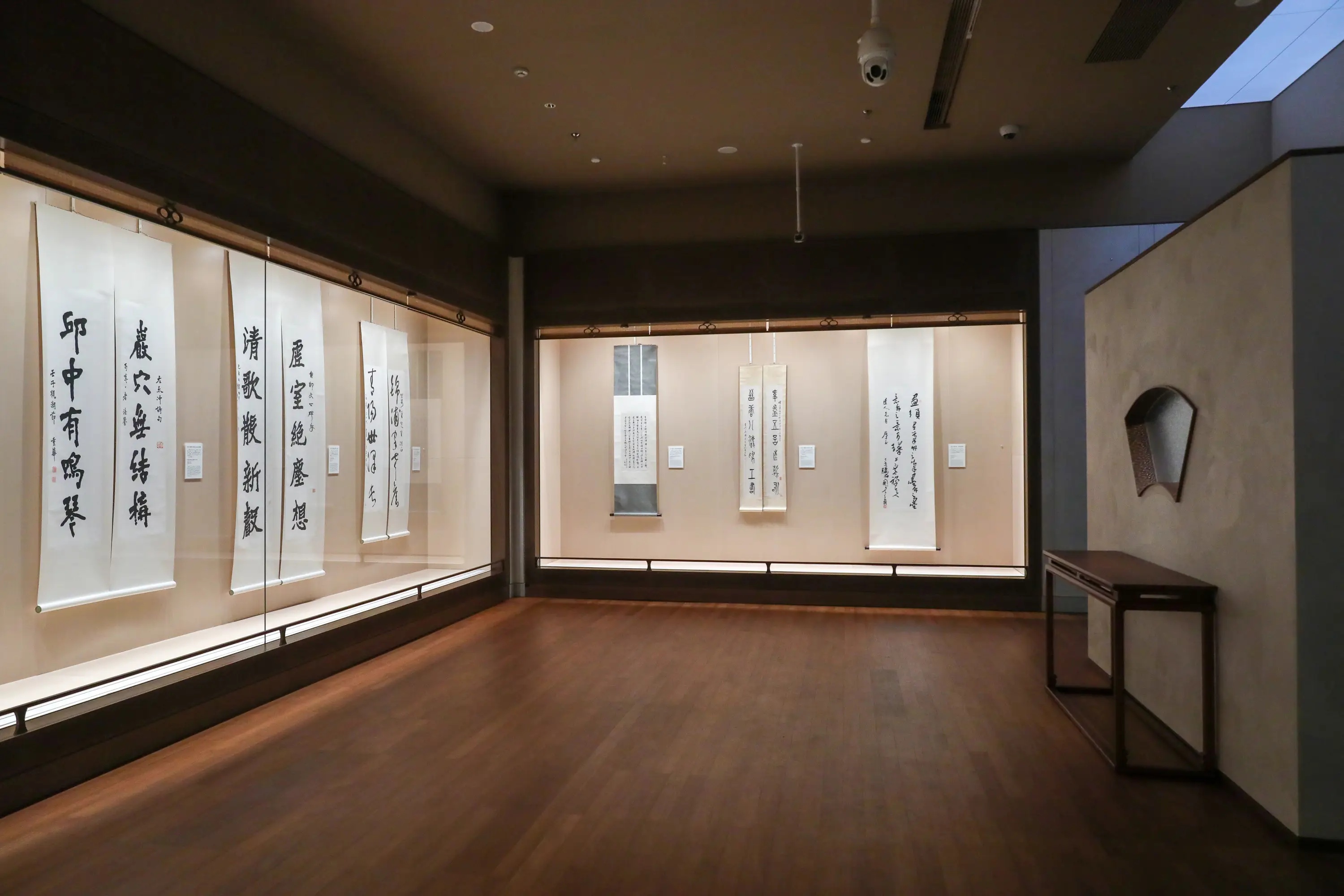
Calligraphy & Painting Galleries (中国历代书法馆/绘画馆)
The world's only permanent exhibitions presenting the complete history of Chinese calligraphy and painting separately. Works by Wang Xizhi, Song Dynas...
 Universal Appeal
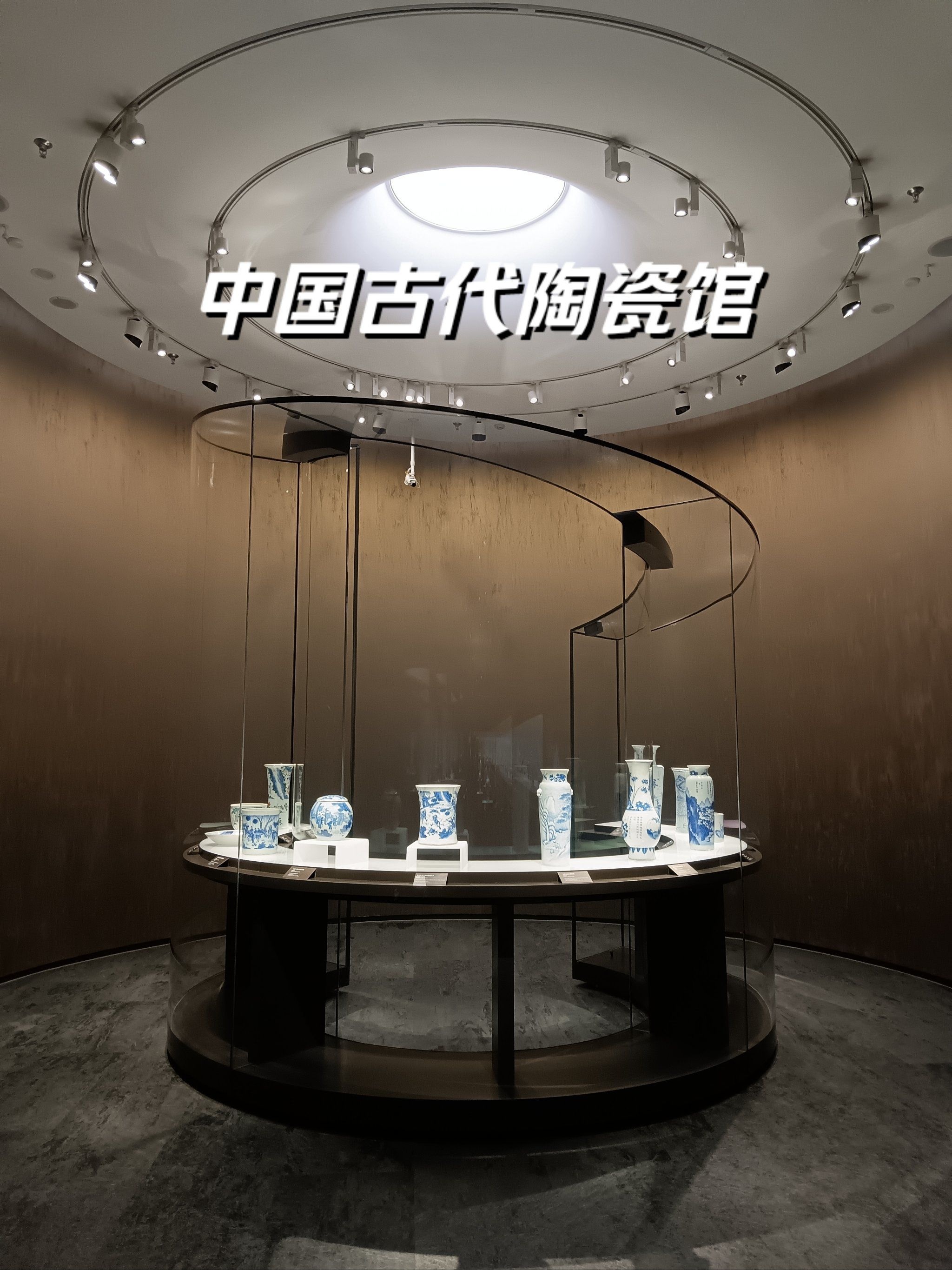
Ceramics Gallery (陶瓷馆)
A comprehensive journey through 6,000 years of Chinese ceramic history, with 558 pieces including nearly half displayed publicly for the first time. F...
 Culturally Interesting
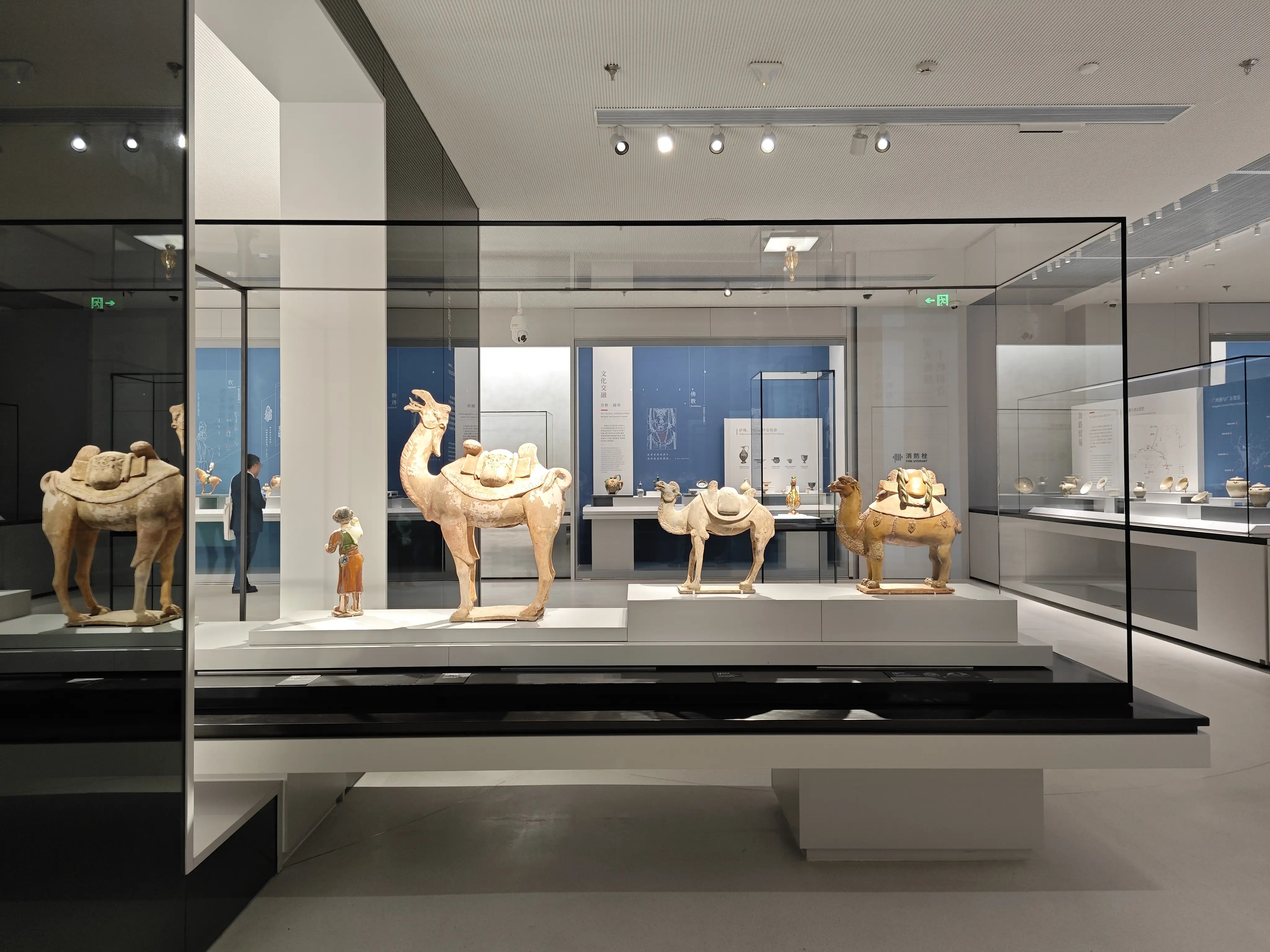
Archaeology Gallery (考古馆)
Over 2,000 archaeological relics illustrating Shanghai's 6,000-year urban evolution — surprising depth for a city most foreigners associate only with ...
 Universal Appeal
Digital Gallery & Spiral Ramp
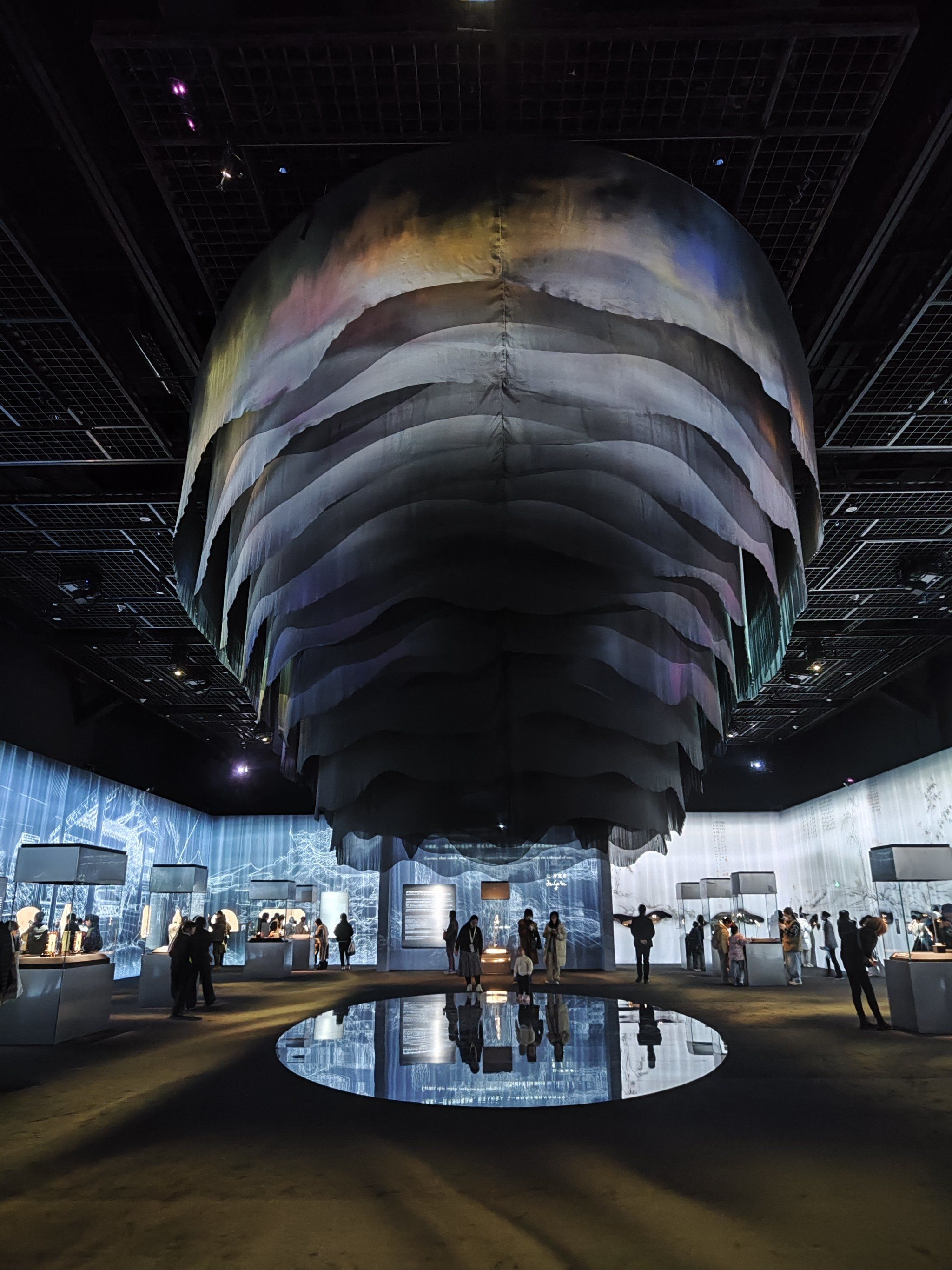
An immersive AI-powered audiovisual space that is considered among the best in China's museum world. The architectural spiral ramp descends through th...
What Most Visitors Miss
Rooftop Garden (屋顶花园)
Accessible via the elevator in the Jiangnan Gallery. An open-air classical garden with panoramic views — most visitors never find it because it's not on the standard floor plan. Perfect for a quiet break between galleries.
CeraMIX Gallery (陶瓷贸易馆)
A separate gallery from the main ceramics collection, chronicling how Chinese ceramics traveled the Silk Road and sea routes, influencing cultures from Persia to Portugal. Tells a global trade story that connects China to everywhere.
Jade Gallery (玉器馆)
Spans from Neolithic era to Qing Dynasty. Jade holds a spiritual significance in Chinese culture that has no Western equivalent — it was considered the flesh of immortality. Understanding jade changes how you see every Chinese artifact.
Plan Your Visit
How Long to Visit
pick 2-3 galleries — bronze, ceramics, and one painting gallery
all major permanent galleries plus the rooftop garden
or two visits (reviewers consistently say one day is not enough to see everything properly
Smart Route
Enter via B1 East Gate
grab a free map at 1F Information Centre
take the elevator to the top floor (4F) and work your way down: Archaeology Gallery and Restoration Gallery (4F)
Ceramics and Currency Galleries (3F)
Jade, Seal, and Painting Galleries (2F)
Bronze and Sculpture Galleries (1F). Visit the rooftop garden via the Jiangnan Gallery elevator for a mid-visit break. End with the gift shop on 1F.
Best Time to Visit
Arrive right at opening at 10:00 AM when crowds are smallest
Weekend afternoons, Chinese public holidays (National Day, May Day, Chinese New Year), and any period when a blockbuster special exhibition is running
By Season
Spring
Summer
visits are especially pleasant as the AC provides welcome relief from Shanghai's heat. The rooftop garden and surrounding grounds have flowering trees in spring.
Autumn
Winter
Visit on a Tuesday-Friday morning for the smallest crowds. Start from the top floor and work down — most visitors start at the bottom, so upper floors are emptier in the morning.
What to Skip
If pressed for time, the Currency Gallery and Seal Gallery are the most niche. Prioritize the Bronze Gallery, Ceramics Gallery, and one of the Painting/Calligraphy galleries. Skip the People's Square branch unless a specific special exhibition interests you — most permanent collections have moved to the East Branch.
Pro Tips
The guided tour lectures booked through Ctrip (around ¥138 for 1.5 hours in a group of 15) are highly praised by Chinese reviewers — guides like 'Sunyan teacher' and 'Liao teacher' are mentioned repeatedly for making bronzes and ceramics come alive. English guided tours start at ¥300 but transform the experience. The gift shop has excellent replicas and creative merchandise — Da Ke Ding miniatures and lotus-duck painting hairpins are popular.
Photo Spots
Spiral ramp with 'Eye of Shanghai Museum' skylight
Shoot looking straight up or down the spiral for the best geometric composition. Natural light changes throughout the day — afternoon creates the most dramatic shadows.
B1 entrance corridor with perforated ceiling casting artifact shadows
Visit when sunlight is strong (late morning) — the perforated ceiling projects silhouettes of famous artifacts onto the walkway. Stand at different angles to see different patterns.
Rooftop garden overlooking Pudong
Access via the Jiangnan Gallery elevator. The classical Chinese garden elements against the modern Pudong skyline create a striking contrast.
Da Ke Ding in the Bronze Gallery
The low-reflection glass display cases allow clean photos. Get close for inscription details. The museum's lighting is specifically designed to minimize glare.
Pair With
Shanghai Science and Technology Museum (上海科技馆)
5-minute walk from the same metro exit
Same metro station (Line 2, Exit 8). A more interactive, family-friendly museum that pairs well as a morning/afternoon split. East meets West — ancient art then modern science.
Century Park (世纪公园)
10-minute walk
Shanghai's largest park is a short walk away. Perfect for decompressing after museum overload — green space, lake views, and fresh air. Great for families.
Shanghai Museum People's Square Branch (上海博物馆人民广场馆)
20 minutes by Metro Line 2 or museum shuttle
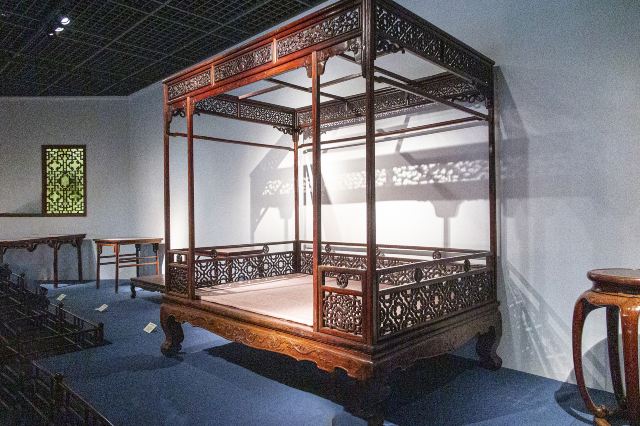
The original building still hosts rotating special exhibitions and the famous Ming-Qing furniture collection. Museum shuttle connects both branches (¥4). Combine for a full Shanghai Museum experience.
Tickets & Access
Permanent exhibitions (13 galleries)
No reservation needed for individual visitors — just bring valid ID
Special/temporary exhibitions
Varies by exhibition — some themed shows charge ¥68-88
Chinese audio guide
Available at 1F Information Centre
English audio guide
Available at 1F Information Centre
AR smart glasses
Enhanced interactive experience
English guided tour
Professional guided tours — highly recommended by reviewers for bringing context alive
Opening Hours
Wednesday to Monday, 10:00-18:00 (last entry at 17:00). Closed on Tuesdays (except national holidays).
How to Buy
Search 'Shanghai Museum' on WeChat to access the mini-program for special exhibition bookings. Individual visitors for permanent galleries just walk in. Groups of 20+ call 021-20729999 ext. 134, 7-14 days ahead. For special exhibitions that require the WeChat mini-program, our concierge team can book tickets on your behalf if you don't have a Chinese phone number.
Passport: Yes — foreigners enter with physical passport at B1 East Gate. Your passport serves as your entry ID.
Queue Situation
Generally smooth entry with short security lines. Weekend afternoons and holiday periods can see 15-30 minute waits. Arriving right at 10:00 AM on weekdays typically means walking straight in.
Tips & Warnings
The museum is enormous and you cannot see everything in one visit
Pick 4-5 galleries that interest you most rather than trying to rush through all 20 halls. Most reviewers who attempted everything in one day reported exhaustion and diminishing returns after 4 hours.
The AC is aggressive — dress warmly even in summer
Multiple reviewers warn about cold temperatures inside, especially in the painting and calligraphy galleries where climate control protects fragile works. Bring a light jacket or cardigan.
Special exhibitions require separate tickets and bookings
Blockbuster shows (like the Ancient Egypt exhibition) can sell out weeks ahead and create extreme crowding. Check the WeChat mini-program before your visit. The permanent galleries alone are worth the trip. If you can't navigate the WeChat booking system for a special exhibition, drop our team a message and we can secure tickets for you.
Limited food options inside but improving
There are cafes on multiple floors (1F-4F) and a restaurant on B1. Bring snacks if you plan a full-day visit. Free water is available on every floor.
What to Bring
Wear
Comfortable walking shoes — you'll cover significant ground across multiple floors. Bring a light jacket or sweater even in summer as the AC runs cold. Dressing in layers is the safest approach year-round.
Bring
Physical passport (mandatory). Light jacket. Water bottle (free refill stations on every floor). Portable charger. Cash for audio guides and cafe purchases.
Don't Bring
Tripods and professional photography equipment (restricted). Lighters (confiscated at security but returned at exit). Large bags (slows security screening — use the free cloakroom on 1F).
Physical Reality
easy
Fully accessible modern building with elevators to all floors. Flat surfaces throughout. Free wheelchairs and strollers available at the Visitor Service Centre with valid ID or ¥300 deposit. Accessible toilets on every floor. The spiral ramp between floors is gentle and stroller/wheelchair friendly.
Foreigners Watch Out
- You MUST carry your physical passport for entry — no exceptions. Photos and digital copies are not accepted.
- The People's Square branch (original building) still exists but most permanent collections have moved to the East Branch. Many foreign visitors go to the wrong location. The East Branch is in Pudong near Shanghai Science and Technology Museum metro station, NOT at People's Square.
- The WeChat mini-program for special exhibition booking requires a Chinese phone number, which most foreigners don't have. For special exhibitions, book through Trip.com or Klook instead, or ask our concierge team to handle the booking for you. Permanent galleries require no booking.
- Flash photography is strictly prohibited throughout the museum. Security will intervene. Non-flash photography is fine in most galleries.
- Payment for audio guides and cafe purchases may require WeChat Pay or Alipay. Bring cash as backup — some counters accept it but international credit cards are rarely accepted.
If Things Go Wrong
Can't book special exhibition tickets as a foreigner
→ Try Trip.com or Klook for packaged tickets. Some exhibitions sell walk-up tickets at the 1F Information Centre — ask at the counter with your passport.
Museum is too crowded on arrival
→ Head directly to upper floors (3F-4F) which are always less crowded. The Bronze Gallery on 1F draws the biggest crowds — save it for late afternoon when tour groups have left.
Went to the People's Square branch by mistake
→ Take Metro Line 2 directly from People's Square station to Shanghai Science and Technology Museum station (about 20 minutes). Exit Gate 8 and walk 500-700 meters to the East Branch.
Phone died and lost access to digital guides
→ Rent a physical audio guide at the 1F Information Centre (¥40 for English). Free paper guidebooks and maps are also available at the information desk.
Useful Chinese
Tap to reveal the English meaning