About Shanghai Jewish Refugees Museum
“Intimate, emotionally powerful, and profoundly human — a quiet counterpoint to Shanghai's relentless modernity that reminds you history is made of individual stories, not statistics.”
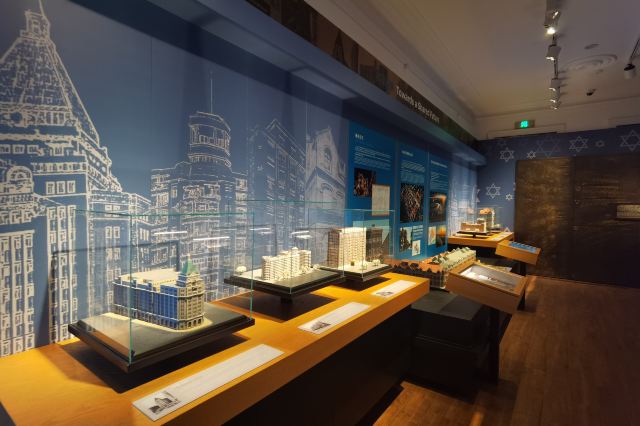
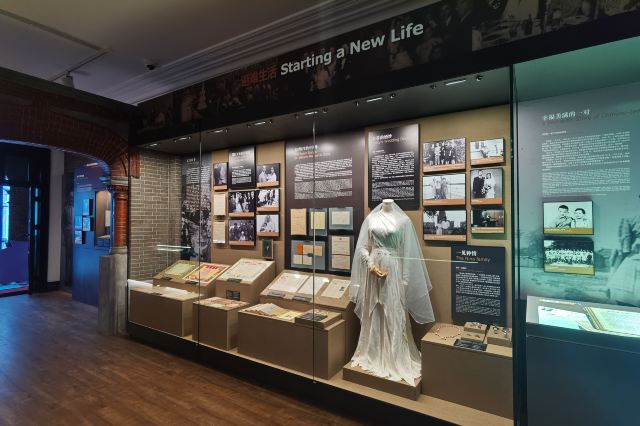
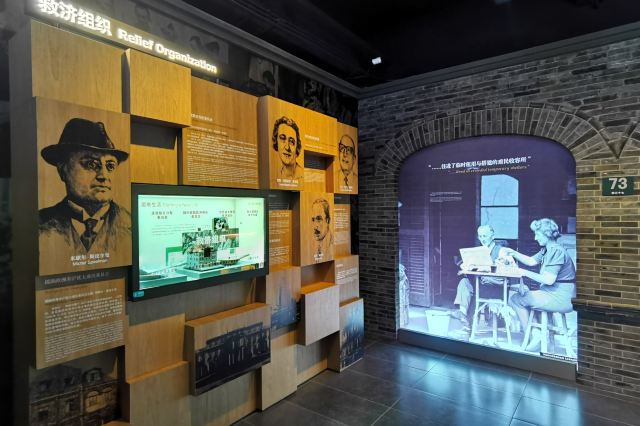
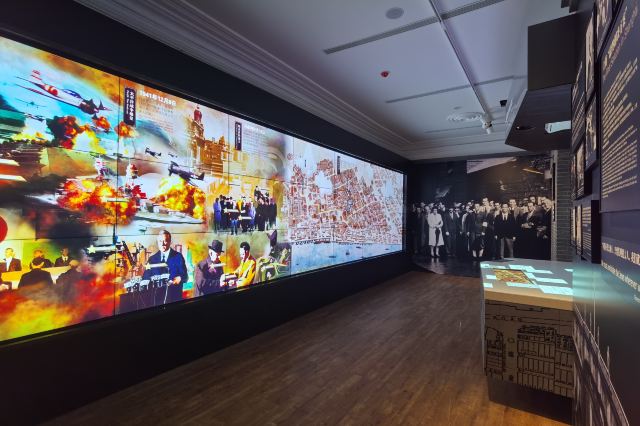
The Shanghai Jewish Refugees Museum is built around the Ohel Moshe Synagogue, a modest red-and-grey brick building that became a lifeline during history's darkest chapter. The museum tells the story of approximately 25,000 European Jews who found refuge in Shanghai's Hongkou district between 1937 and 1945, when most of the world had closed its doors. Three exhibition halls use original photographs, personal artifacts, reconstructed scenes, and video testimonies to bring this history to life. It's not a large museum — most visitors spend 1-2 hours — but the emotional impact is disproportionate to its size. The stories of individual refugees (Joseph's toy wheelbarrow, He Fengshan's 'visas for life,' the potato-carved passport stamps) are what make it memorable. Foreign visitors consistently say it exceeded expectations. The museum does lean into a patriotic narrative about China's benevolence, which some visitors find heavy-handed, but the core human story transcends politics. Best for history buffs, Jewish heritage travelers, and anyone interested in WWII history from a completely different perspective than Europe or the US. Walk the surrounding neighborhood afterward — the old buildings are part of the experience.
Top Questions from Travelers
Why This Place Matters
Between 1937 and 1941, when country after country closed its borders to Jewish refugees fleeing Nazi persecution, Shanghai was one of the only places on Earth that required no visa for entry. Approximately 25,000 European Jews — mostly from Germany, Austria, and Poland — made the harrowing journey to Shanghai's Hongkou district, where they formed a vibrant community alongside Chinese neighbors who were themselves suffering under Japanese occupation. The Chinese consul-general in Vienna, He Fengshan, personally issued thousands of visas against orders, earning the title 'China's Schindler.' After Pearl Harbor, the Japanese occupiers confined the refugees to a 'Designated Area' in Hongkou but did not deport or harm them. Chinese and Jewish families shared the same cramped streets, traded goods, and helped each other survive. After the war, most refugees emigrated to Israel, the US, or Australia, but many returned decades later to visit the place that saved them. This museum preserves that singular chapter — a moment when humanity prevailed in a city already under occupation.
Need help planning?
ChinaPal handles everything
- Book English-speaking guides
- Arrange transport & tickets
- Real-time help during your visit
- Restaurant reservations nearby
Highlights
5 iconic experiences that define a visit
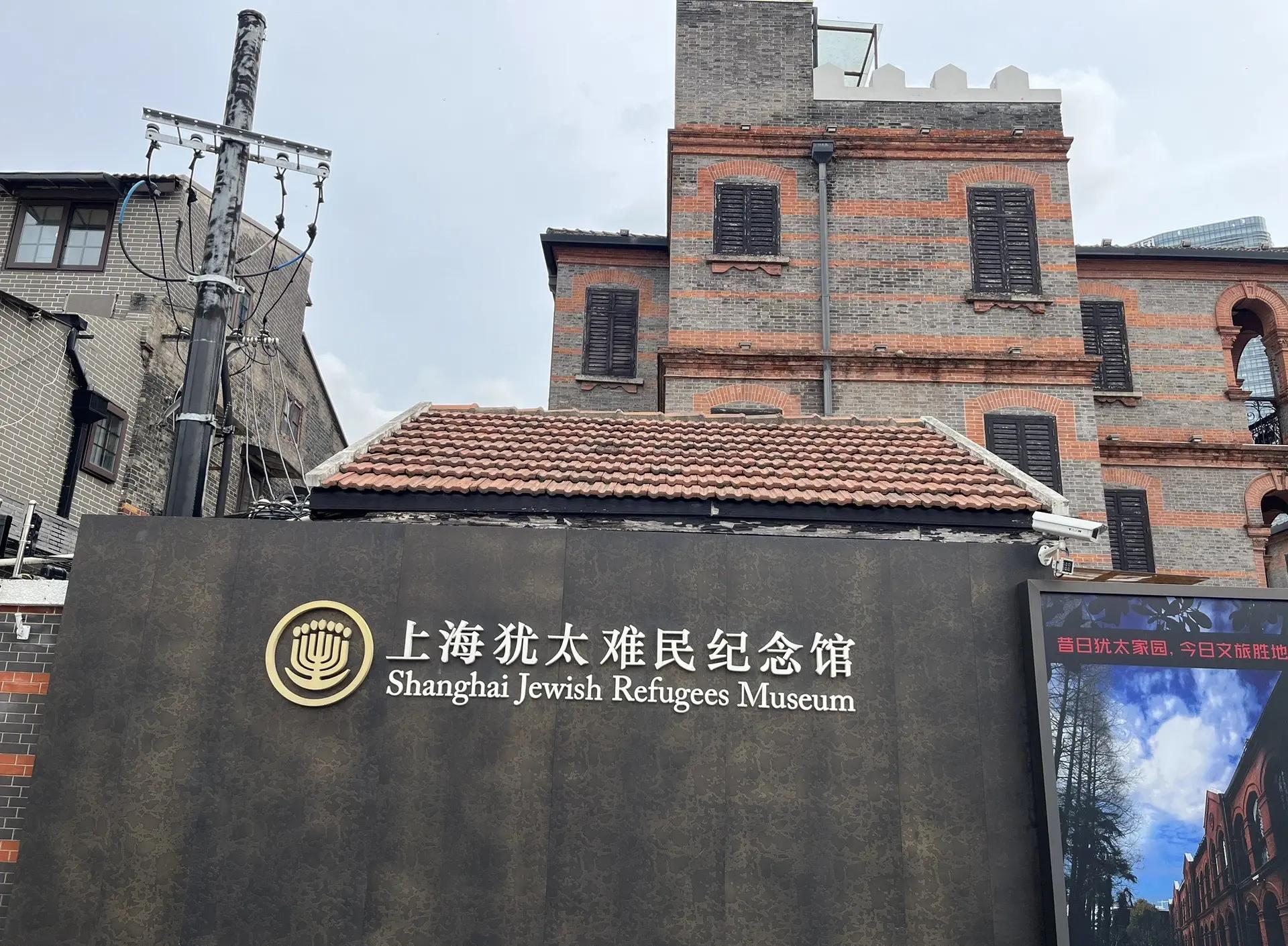
Ohel Moshe Synagogue (摩西会堂)
The core of the museum — a red brick synagogue originally built in 1927 by Russian Jewish immigrants, and the center of Jewish community life in wartime Shanghai. The ground floor has been restored to its synagogue configuration. This is where refugees gathered for worship, community meetings, and mutual support during their exile.
This is one of the only surviving synagogues from the wartime Jewish community in East Asia. The building itself is a poignant reminder that faith communities can take root anywhere.
 Universal Appeal
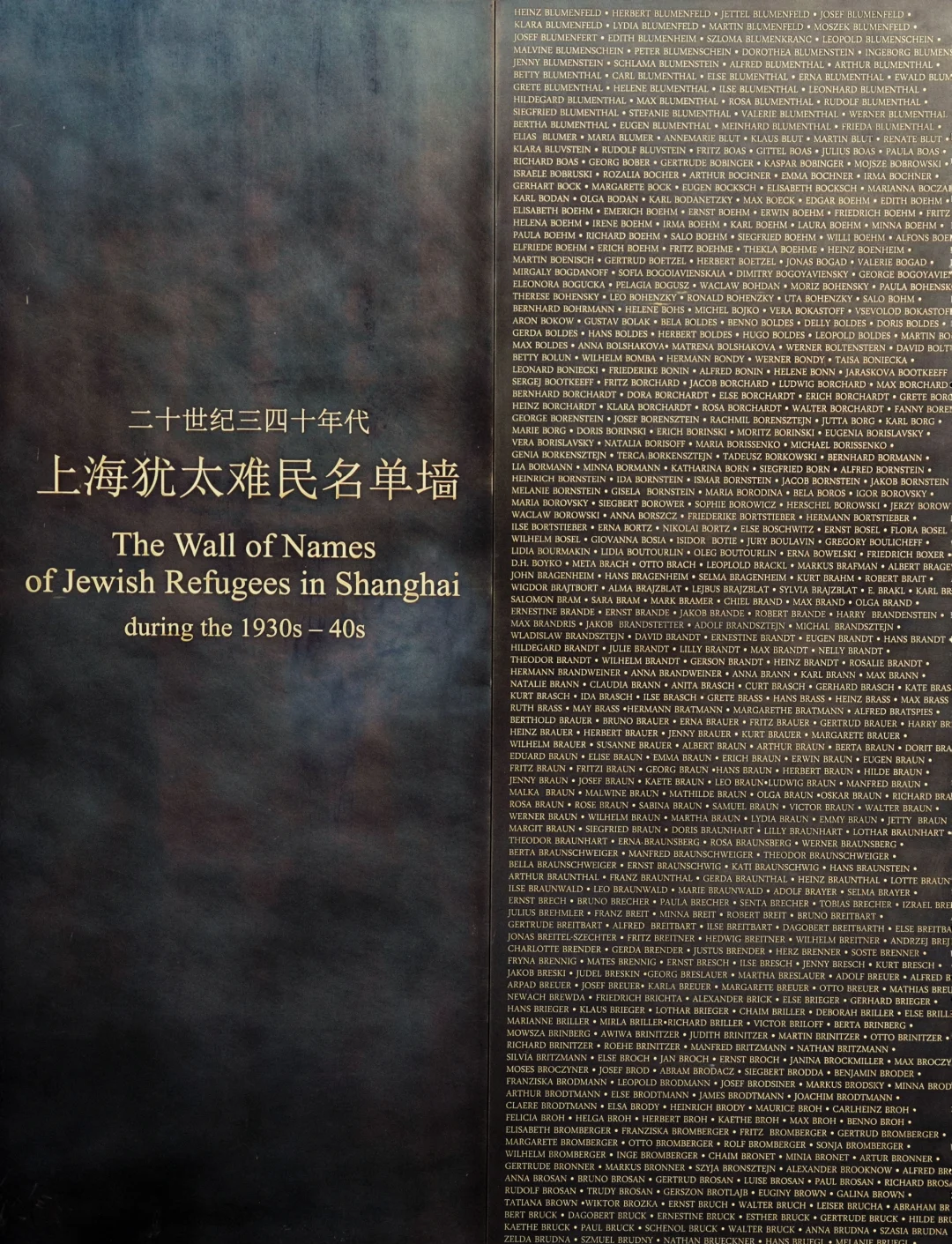
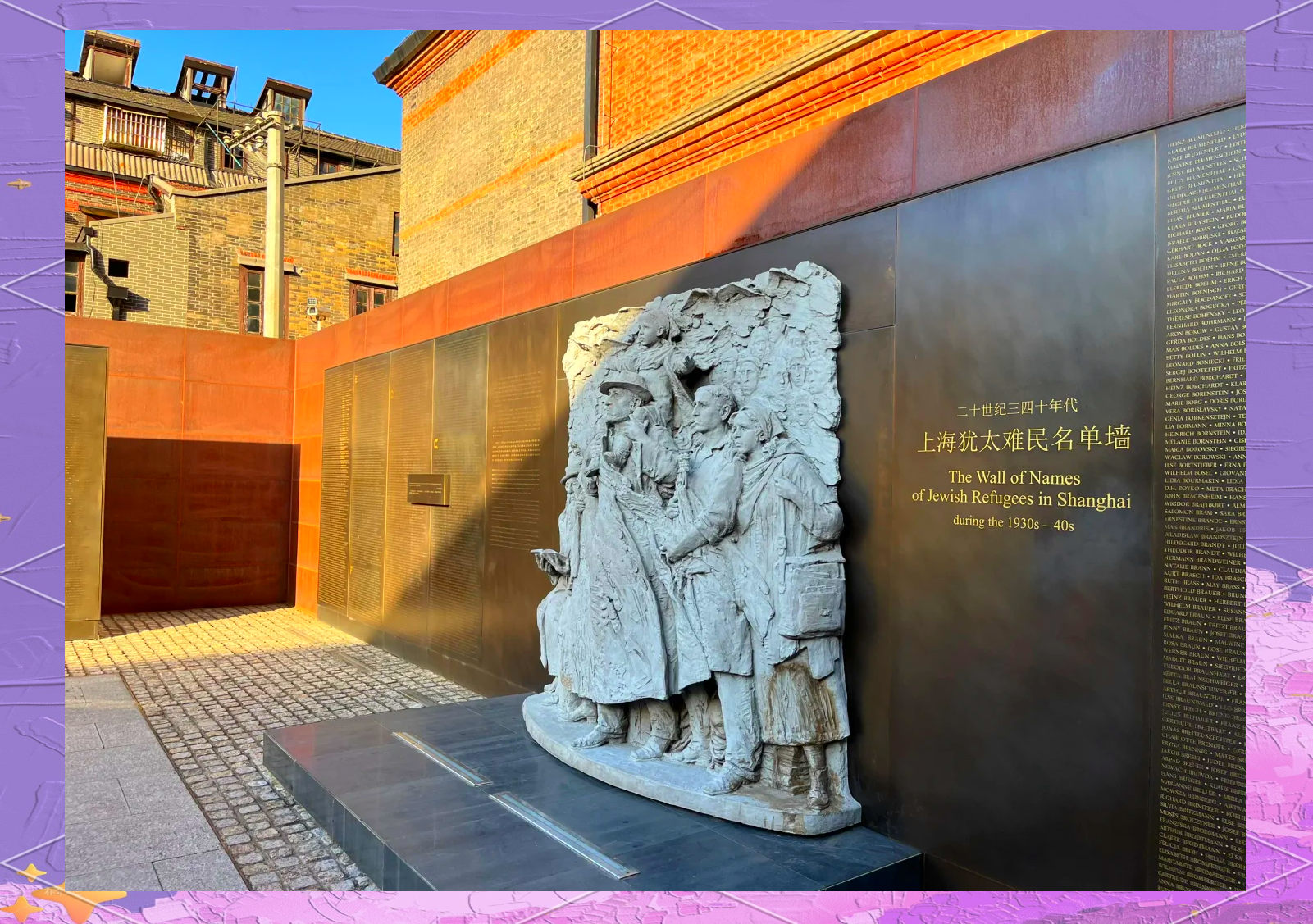
Wall of Names (犹太难民名单墙)
An outdoor memorial wall inscribed with 18,578 names of Jewish refugees who lived in Shanghai during WWII. Different metals are used to denote fates —...
 Universal Appeal
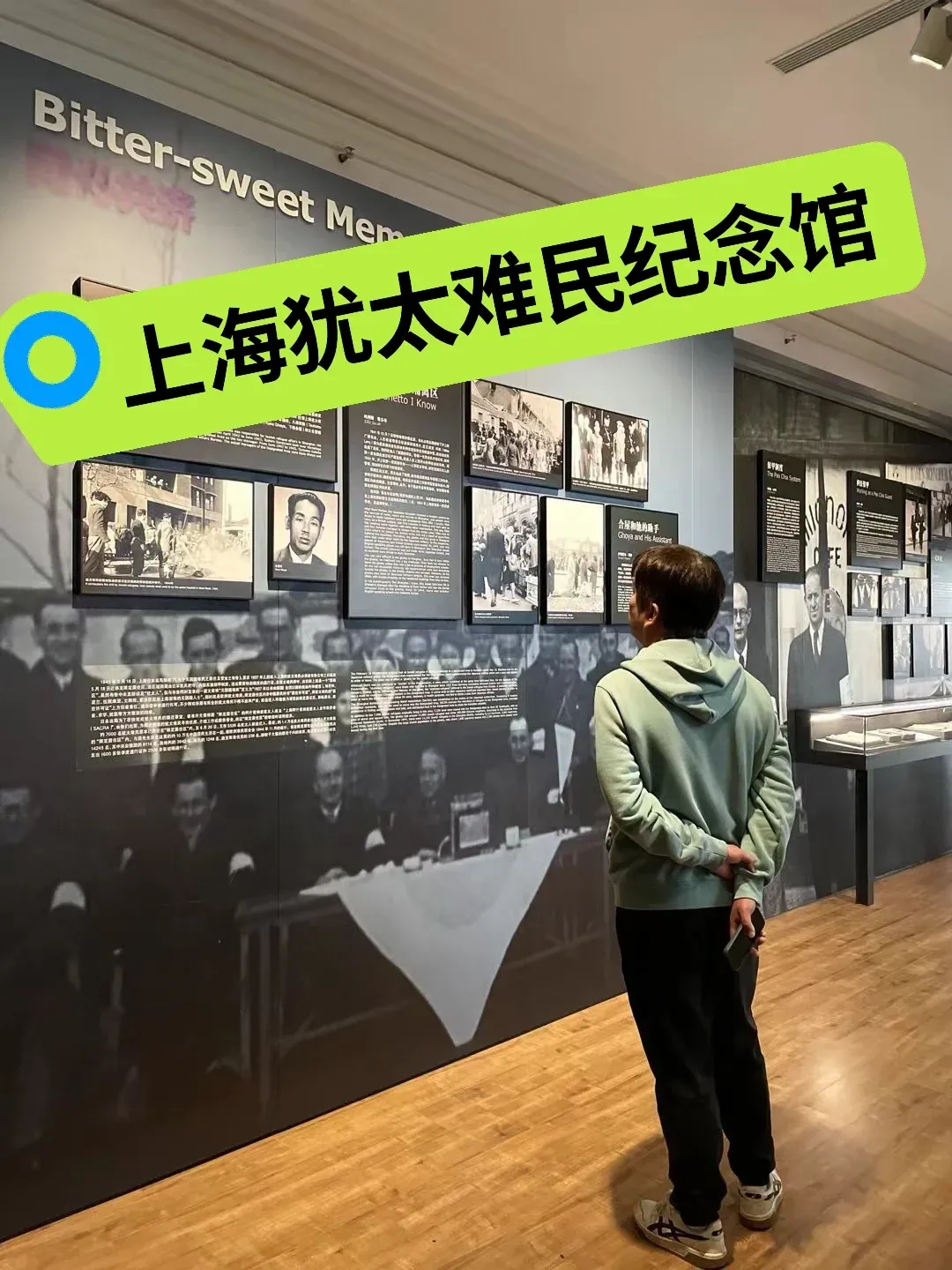
He Fengshan's 'Visas for Life' Exhibition
Dedicated to He Fengshan, the Chinese consul-general in Vienna who defied orders and issued approximately 2,000 visas to Jewish families, enabling the...
 Universal Appeal
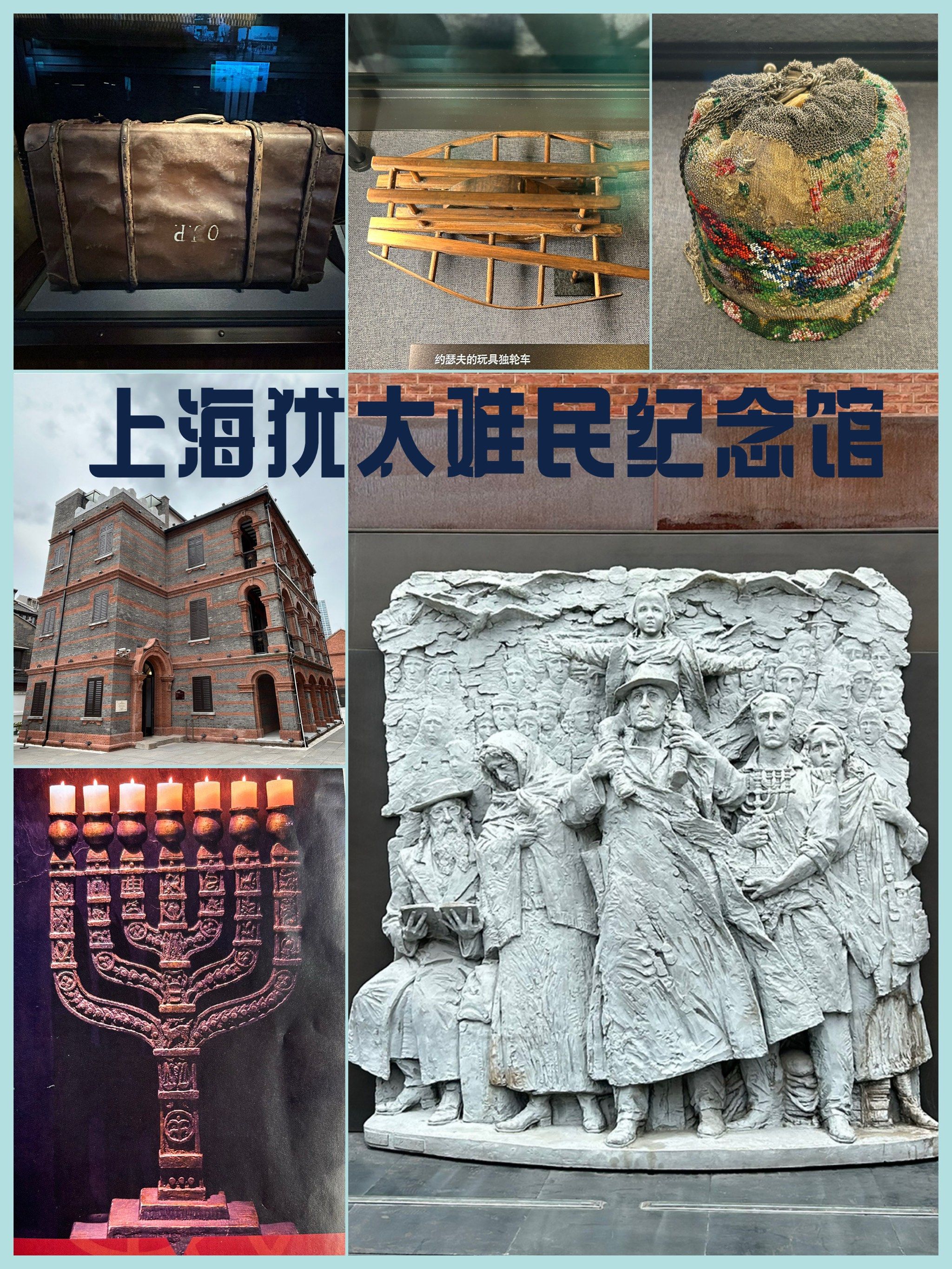
Personal Artifacts and Stories Collection
Over 1,000 artifacts donated by former refugees and their families — suitcases, passports with forged stamps (some carved from potatoes), toys, photog...
 Culturally Interesting
Reconstructed Street Scenes
Several areas recreate the daily life of the Jewish refugee community — their shops, cafes, schools, and communal spaces in Hongkou. The scenes show h...
What Most Visitors Miss
The surrounding Hongkou Jewish heritage neighborhood
Most visitors see the museum and leave. The streets around the museum — particularly Zhoushan Road and Huoshan Road — still have European-style buildings from the 1930s-40s refugee era. Huoshan Park nearby was a gathering place for refugees. Walking these streets extends the museum experience into the real world.
White Horse Cafe (白马咖啡馆) across the street
A reconstructed cafe that is part of the memorial complex, inspired by the cafes that Jewish refugees established in the neighborhood. Good coffee and a reflective atmosphere. Many visitors walk right past it.
The video room testimonies
First-person video testimonies from surviving refugees and their descendants are shown in a dedicated screening room. Many visitors skip the videos to save time but they are among the most emotionally impactful parts of the museum. English subtitles available.
Plan Your Visit
How Long to Visit
45 minutes (main exhibition halls only
1.5-2 hours (all three halls, synagogue, Wall of Names, and video presentations
museum plus walking the surrounding Hongkou Jewish heritage neighborhood — Zhoushan Road, Huoshan Park, preserved buildings
Smart Route
Arrive at 9:00 AM for the free guided tour
start on the 2nd floor for the historical timeline
descend to the 1st floor for personal stories and artifacts
visit the Ohel Moshe Synagogue
step outside to the Wall of Names and courtyard
watch the video testimonies
exit through the gift shop
cross the street to White Horse Cafe for coffee
walk Zhoushan Road and Huoshan Road to see surviving refugee-era buildings
end at Huoshan Park.
Best Time to Visit
Arrive at opening (9:00 AM) to catch the free morning guided tour and have the museum mostly to yourself
Weekday afternoons can be quiet to the point of feeling empty
By Season
Spring
and autumn. Summer can be hot for outdoor exploration.
Summer
Autumn
. Summer can be hot for outdoor exploration.
Winter
Combine with the free morning guided tour at 9:00 AM, then spend an hour walking the surrounding streets. Have coffee at the White Horse Cafe across the street to reflect on what you've seen.
What to Skip
Nothing — the museum is small enough to see everything in 1.5-2 hours. If truly short on time, prioritize the 2nd floor historical exhibition and the Wall of Names.
Pro Tips
The gift shop has postcards and the museum entrance has a memorial stamp — buy postcards first (the shop is near the exit), then walk back to the entrance to stamp them. The stamp and postcard stations are at opposite ends, which catches everyone off guard. The nearby Raffles City shopping mall (walking distance) has a basement food court with retro Shanghai-styled restaurants.
Photo Spots
Wall of Names (outdoor memorial)
The different metals (copper and iron) create subtle tonal differences in different lighting. Late afternoon light brings out the texture best.
Ohel Moshe Synagogue exterior
The red-and-grey brick facade is best photographed from across the street for the full building context. Morning light hits the facade directly.
Zhoushan Road (舟山路) historic buildings
Walk slowly and look up — the upper floors of the lane houses still show European architectural details from the refugee era. Frame the narrow lanes with the old buildings for atmospheric shots.
Pair With
Hongkou Jewish Heritage Neighborhood Walk (霍山路/舟山路)
0 minutes — starts immediately outside the museum
The streets immediately surrounding the museum still have 1930s-40s European-style buildings where refugees actually lived. Huoshan Park was their gathering place. Walking these streets extends the museum into a living history experience.
The Bund (外滩)
15-minute taxi or 20-minute metro ride
The Bund's grand colonial buildings were built by some of the same Sephardic Jewish families (especially the Sassoon family) who later helped wartime refugees. Seeing the Bund after the museum adds a different layer to Shanghai's Jewish history.
1933 Old Millfun (1933老场坊)
10-minute walk or short taxi
A striking converted slaughterhouse from the same era, now an art and culture complex. Located in the same Hongkou district and makes for an interesting architectural counterpoint. Combines well for a Hongkou half-day.
Tickets & Access
Adult admission
Includes access to all three exhibition halls, synagogue, and outdoor memorial areas
Student admission
Full-time students under 23 with valid student ID
Free admission categories
Children under 1.3m, seniors 60+, military, disabled — bring relevant ID to the visitor center for free ticket
Guided tour
Free tours at 9:00 AM and 3:00 PM — English guides available
Opening Hours
Tuesday to Sunday, 09:00-17:00 (last ticket sales and last entry at 16:00). Closed on Mondays (except for some public holidays — check ahead).
How to Buy
Walk up to the ticket counter with your passport, or pre-book through Trip.com. WeChat and Alipay QR code payment available at the entrance for those with Chinese payment apps.
Passport: Yes — foreigners can purchase tickets directly at the counter with a physical passport. Staff will photograph your passport for records.
Queue Situation
Virtually no queues. This is a small, under-visited museum. Even on weekends you can walk right in.
Tips & Warnings
The museum has a strong patriotic narrative lens
The exhibitions emphasize China's generosity and humanitarianism, which some foreign visitors feel is heavy-handed or politically motivated. The core historical story is accurate and powerful regardless — focus on the personal stories and artifacts.
Some areas are dimly lit and can feel eerie
The atmospheric lighting is intentional for emotional effect but some visitors (especially children) find certain reconstructed scenes unsettling. Young children may not connect with the content — this is best suited for older children and adults.
Photography restrictions inside the synagogue
Indoor photography may be restricted in certain exhibition areas. Check signs at each section. The outdoor courtyard and Wall of Names allow photography.
The surrounding neighborhood is being redeveloped
Some of the historic buildings around the museum are in areas undergoing demolition and redevelopment. The neighborhood may feel sparse in some areas. This is actually part of the experience — the layers of time are visible.
What to Bring
Wear
Casual and comfortable. Walking shoes recommended if you plan to explore the surrounding neighborhood after the museum visit. The museum itself is small and doesn't require extensive walking.
Bring
Physical passport (for ticket purchase). Cash (¥20-50 per person). Tissues (emotional visitors may appreciate them — the stories are genuinely moving). Comfortable shoes for neighborhood walk.
Don't Bring
No special restrictions. The museum is low-security compared to most Shanghai attractions. Small bags are fine.
Physical Reality
easy
The museum is compact — three exhibition halls plus a synagogue, spread across 2-3 floors of a small building. Stairs are involved between floors. The outdoor memorial areas are flat. The surrounding neighborhood walk involves regular sidewalks.
Foreigners Watch Out
- This museum is unusually foreigner-friendly for Shanghai — full English translations, English-speaking guides, and English video subtitles. It's specifically designed for an international audience given the subject matter.
- Ticket prices may differ from what's posted online — some foreign visitors report paying ¥50 instead of ¥20. Bring extra cash just in case. The pricing structure for foreigners is not always clearly posted. If you want to sort out tickets and pricing before you arrive, drop us a message and our team can confirm the current foreigner rate and pre-arrange your entry.
- The museum is in the Hongkou district, away from the main tourist areas. It's about 5 minutes from Tilanqiao metro station (Line 12, Exit 2) or Dalian Road station (Line 4, Exit 6). Don't confuse it with other museums in central Shanghai.
- If you're visiting with Jewish heritage and want to find specific family names on the Wall of Names, inform the staff — they are experienced in helping visitors locate names and are genuinely helpful.
- The museum occasionally closes for special events without online notice. One Google reviewer was turned away for an unannounced closure. Call ahead if visiting on a tight schedule: the ticket office can confirm hours. Our concierge can call the museum for you to confirm they're open on your planned date — saves you the hassle of navigating a Chinese-language phone call.
If Things Go Wrong
Museum is unexpectedly closed
→ Check that it's not a Monday (regular closing day). If closed for a special event, ask staff when it will reopen — some events only last a few hours.
Can't pay for tickets (no WeChat/Alipay/cash)
→ The ticket counter accepts cash (RMB). There's an ATM at nearby Raffles City mall (5-minute walk). Staff are reportedly very patient and helpful with foreign visitors.
No English guide available during your visit
→ Free guided tours run at 9:00 AM and 3:00 PM. All exhibit text is in English, so a self-guided visit is fully possible. Ask at the front desk if any English-speaking volunteers are available.
Useful Chinese
Tap to reveal the English meaning