About M50 Creative Park / M50 Art District
“A quiet artistic village hidden inside a sprawling city — the kind of place where you turn a corner and discover a painter at work, duck into a gallery showing something extraordinary, then sit by the creek with a handmade coffee while the chaos of Shanghai feels wonderfully far away.”
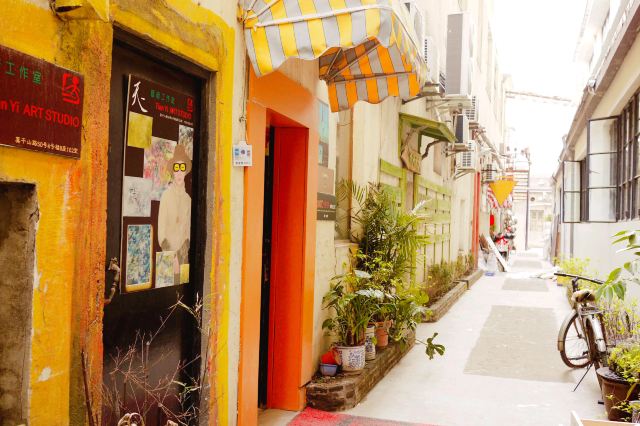
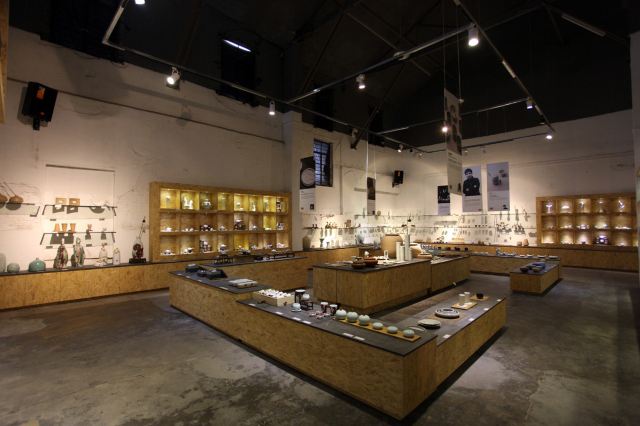
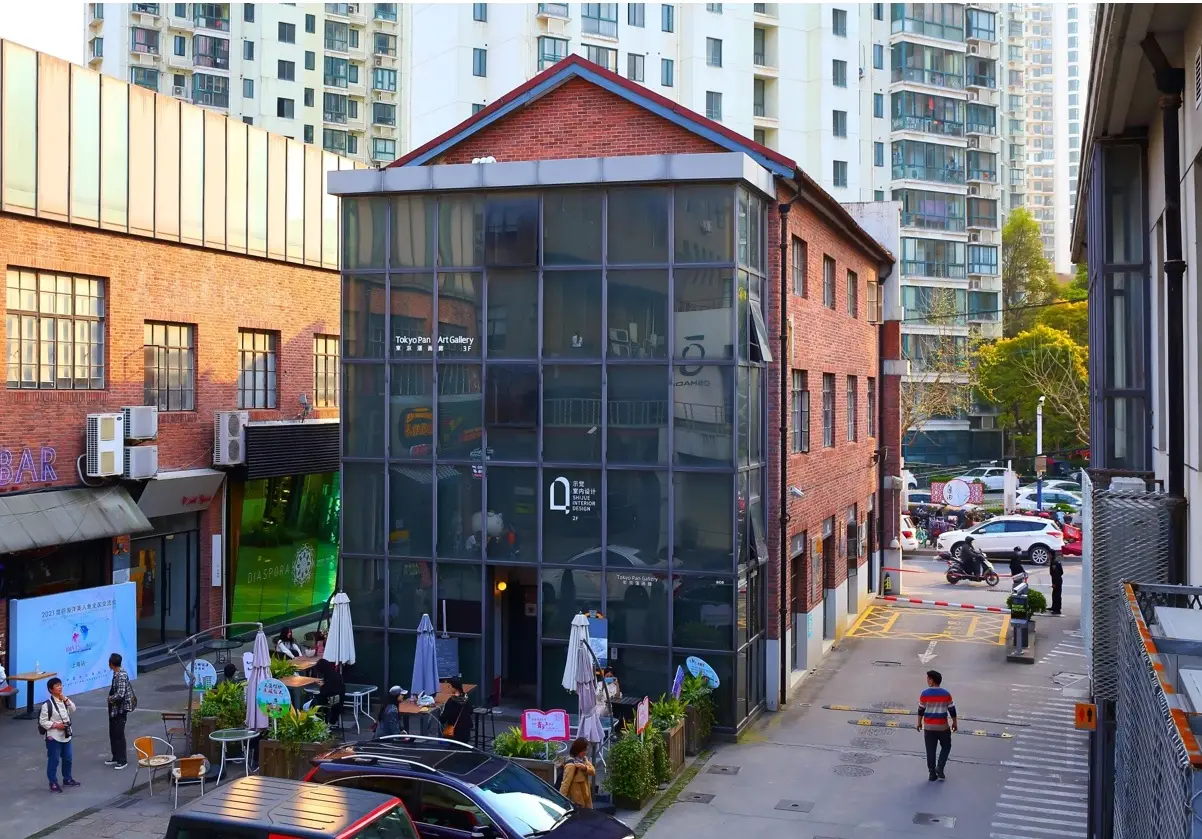
M50 is a compact, organically-grown art district housed in a former cotton spinning factory on the banks of Suzhou Creek. Unlike the more polished and government-developed 798 in Beijing, M50 feels genuinely grassroots — artists moved in for cheap rent in 2000 and built the community from scratch. The result is an intimate maze of narrow alleys connecting 140+ galleries, working studios, cafes, and craft shops across 50-odd factory buildings spanning the 1930s to 1990s. The standout galleries include ShanghArt (one of the world's top 75 galleries), Island6 Arts Center (LED and digital art), and numerous smaller spaces that rotate exhibitions frequently. Most galleries are free. The graffiti-covered outer wall on Moganshan Road is iconic. It's a quieter, more contemplative experience than 798 — you might be the only visitor in a gallery, and artists are often working in their studios and happy to chat. The downside: it's past its peak cultural moment, some galleries have closed, food options are limited, and the location requires a walk from the metro. But for art lovers, it remains Shanghai's most rewarding creative space — low-key, authentic, and refreshingly uncrowded.
Top Questions from Travelers
Why This Place Matters
M50 represents the organic side of China's creative economy. While Beijing's 798 was shaped by government planning and international attention, M50 grew bottom-up: artist Xue Song moved into a derelict textile factory in 2000 because the rent was cheap, others followed, and a community emerged. The factory itself — originally the Xinhe Yarn Factory founded by Hui merchants in the 1930s — embodies Shanghai's industrial heritage on Suzhou Creek, where textile mills once powered the city's economy. M50's evolution from cotton production to art production mirrors Shanghai's broader transformation from manufacturing hub to creative capital. The district is also a living example of China's 'creative park' movement, where hundreds of old factories nationwide have been converted to cultural uses — M50 was among the very first and remains one of the most authentic.
Need help planning?
ChinaPal handles everything
- Book English-speaking guides
- Arrange transport & tickets
- Real-time help during your visit
- Restaurant reservations nearby
Highlights
5 iconic experiences that define a visit
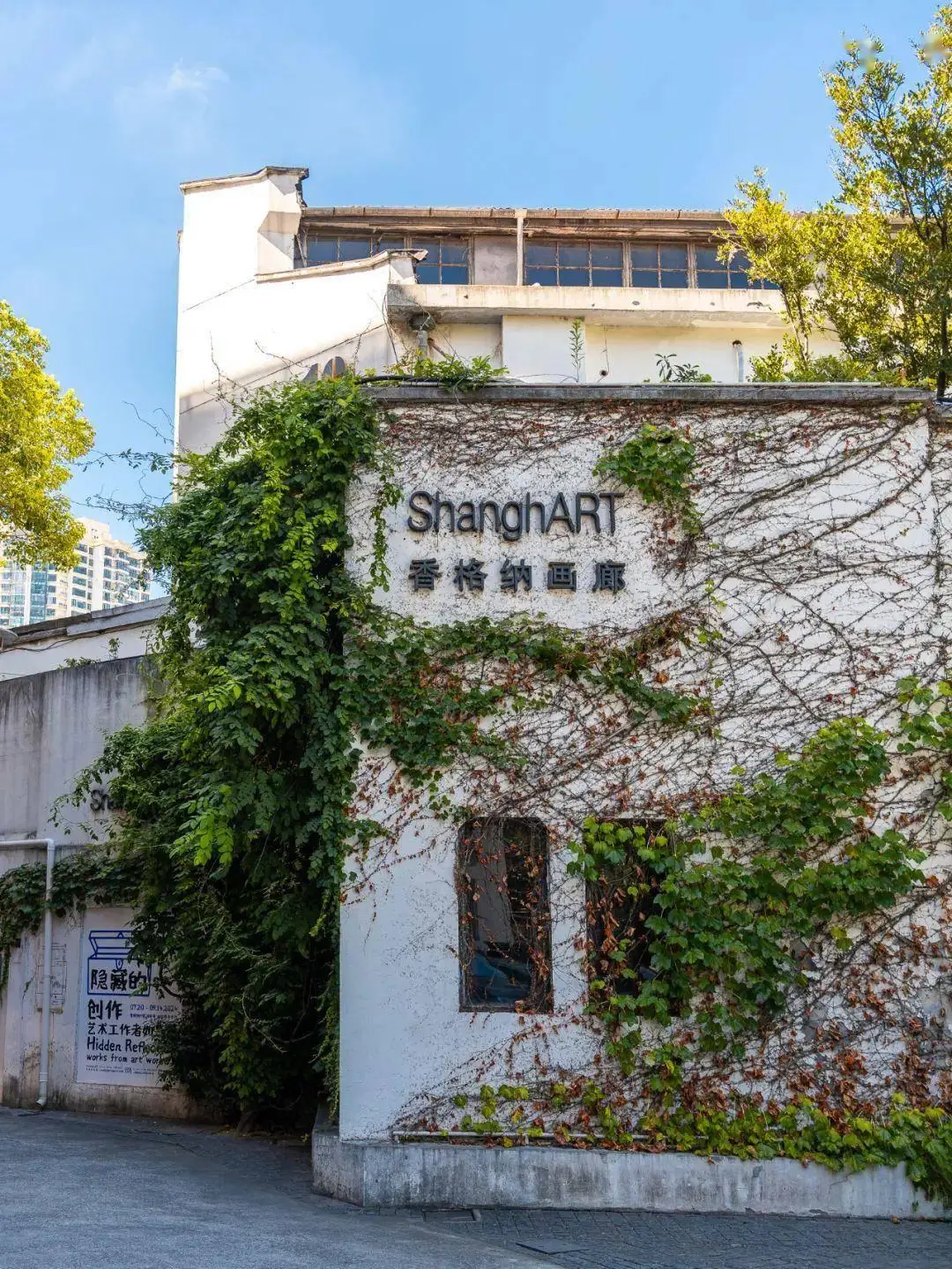
ShanghArt Gallery (香格纳画廊)
One of China's most important contemporary art galleries, founded by Swiss gallerist Lorenz Helbling in 1996. Listed by Thames & Hudson as one of the world's top 75 most influential galleries. Represents about 40 primarily Chinese artists across Buildings 16 and 18.
Founded and run by a European, ShanghArt bridges Chinese and Western art worlds. The gallery represents major names in Chinese contemporary art and is the most internationally recognized space in M50.
 Universal Appeal
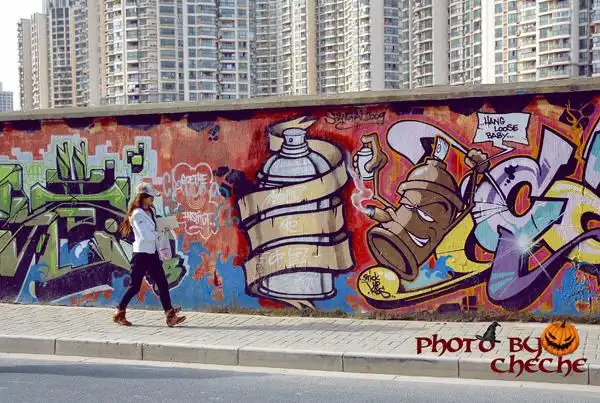
Graffiti wall on Moganshan Road (莫干山路涂鸦墙)
A 600-meter stretch of street art covering the exterior walls along Moganshan Road — M50's most iconic visual feature. Artists from around the world c...
 Universal Appeal
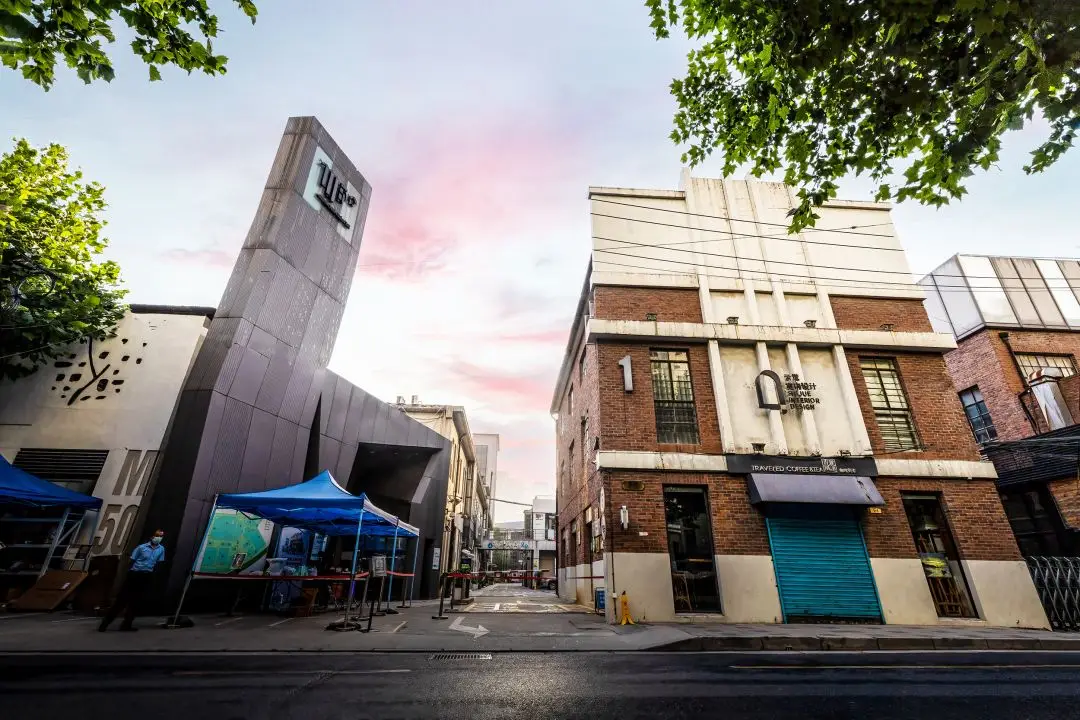
Island6 Arts Center
An innovative gallery known for LED art and digital installations — a refreshing contrast to the traditional paintings in other galleries. Interactive...
 Culturally Interesting
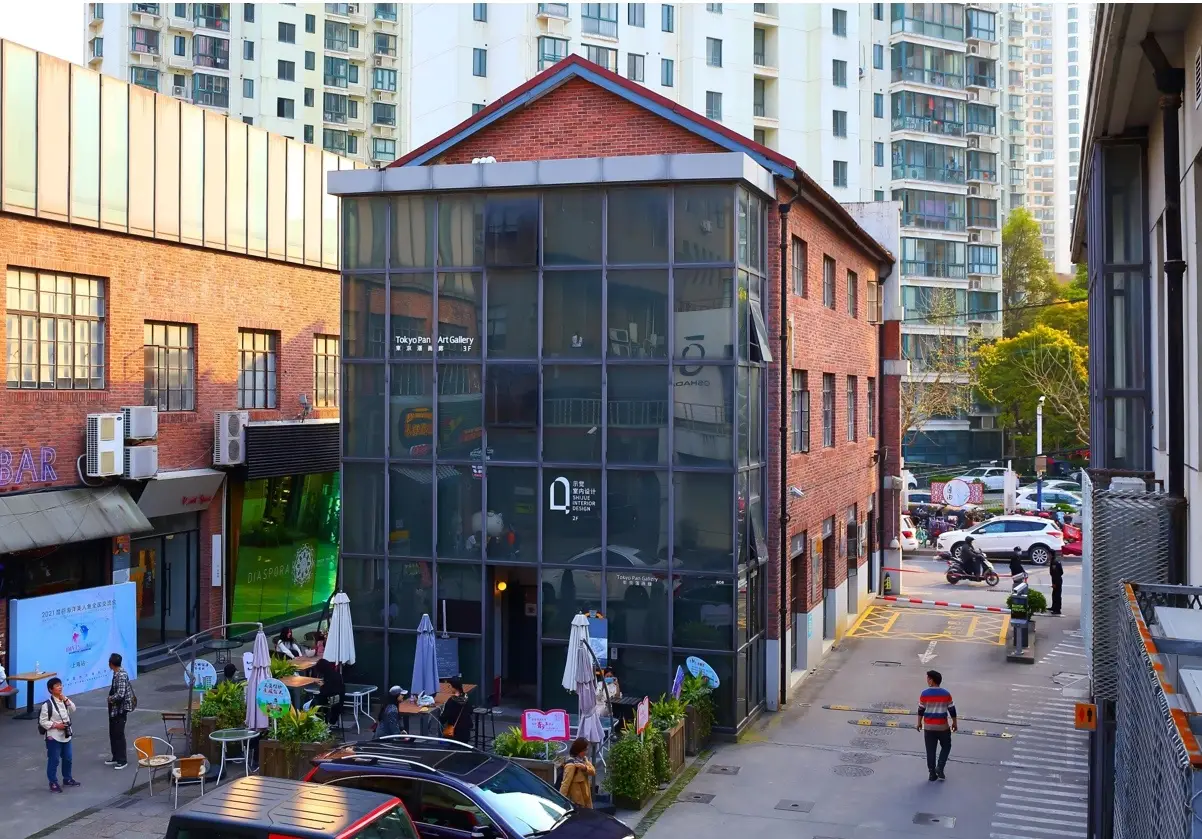
Working artist studios
Unlike polished galleries, many spaces in M50 are actual working studios where artists create, display, and sell. You can watch painters at their ease...
 Culturally Interesting
DIY craft workshops
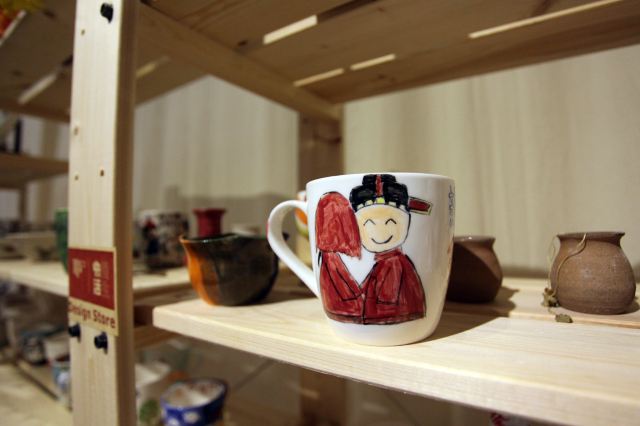
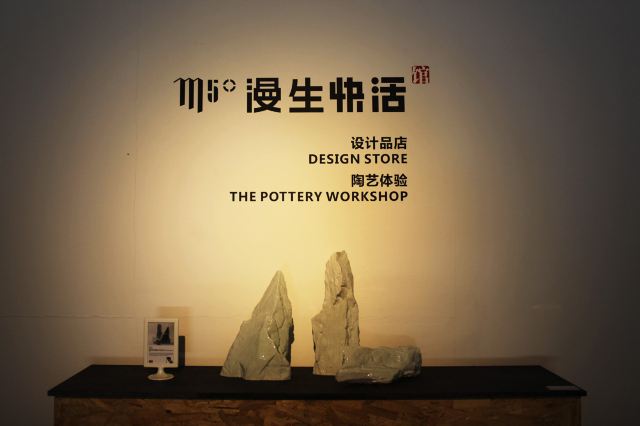
Multiple studios offer hands-on creative experiences: pottery making, silver jewelry crafting, bamboo art, oil painting, and accessory making. Session...
What Most Visitors Miss
Tian'an Qianshu (天安千树) — the 'Babylonian Gardens' building
A spectacular new building just 300 meters west of M50 with a facade covered in 1,000 pillars with trees growing from them — it looks like the Hanging Gardens of Babylon. Most M50 visitors don't realize it's right next door. Has rooftop restaurants with excellent views.
Suzhou Creek riverside walk
A newly built walking path runs along the creek adjacent to M50. Perfect for a peaceful stroll after gallery-hopping, especially at sunset when the light on the water is beautiful. Most visitors stay inside the park and miss the riverfront.
The upper floors and hidden courtyards
Many visitors stick to the ground floor and main alleys. Some of the most interesting galleries and studios are on second and third floors accessed by industrial staircases, or tucked behind buildings in inner courtyards. The maze-like layout rewards exploration.
Plan Your Visit
How Long to Visit
1-1.5 hours (walk the main paths, photograph the graffiti wall, peek into a few galleries
explore most galleries, have coffee, browse shops, possibly do a craft workshop
see every gallery, attend a workshop, have lunch, walk along Suzhou Creek, visit adjacent Tian'an Qianshu shopping center
Smart Route
Start at the Moganshan Road graffiti wall (photograph on your way in)
Enter the park and pick up a free map at the entrance
Head to ShanghArt Gallery first (Building 16/18)
Wander through the alleys discovering smaller galleries
Visit Island6 Arts Center
Browse the craft and design shops
Have coffee at Shuita Cafe (in the old water tower) or LINsCafe
Walk along Suzhou Creek
Exit and visit Tian'an Qianshu next door.
Best Time to Visit
Arrive around 1:00-2:00 PM — most galleries open by 11 AM, and soft afternoon light is ideal for photography in the narrow alleys
Monday — many galleries close
By Season
Spring
is also pleasant. Summer can be hot and humid but galleries are air-conditioned.
Summer
can be hot and humid but galleries are air-conditioned. Winter afternoons on a clear day can be atmospheric.
Autumn
(September-October) is the best season — comfortable weather, M50 Art Season runs July through September with 130+ exhibitions. Spring is also pleasant.
Winter
Check M50's WeChat account or Xiaohongshu before visiting to see which exhibitions are currently running. The gallery roster changes frequently and some of the best shows are only up for a few weeks.
What to Skip
Don't waste time on galleries that feel empty or abandoned — some spaces are between exhibitions or defunct. If a gallery looks closed or bare, move on. The food options inside M50 are limited and mediocre — eat before you come or save your appetite for Tian'an Qianshu's restaurants next door.
Pro Tips
Free maps at the entrance help navigate the maze. Photographs are generally allowed but always check for no-photography signs — some galleries strictly prohibit it. If you see art you love, ask about the price — emerging artist work in M50 is often surprisingly affordable. Visit on the same day as Tian'an Qianshu for a full arts-and-architecture half-day.
Photo Spots
Moganshan Road graffiti wall (exterior approach)
The 600-meter wall runs along the street before you enter M50. Wear bright clothing for contrast. Best light in the afternoon when the wall is not in shadow.
Industrial alleys between factory buildings
Explore the narrow passages between buildings — rusted pipes, old machinery, ivy-covered walls, and unexpected art create moody, atmospheric shots. Best with soft light (overcast days or late afternoon).
Suzhou Creek riverside from M50
Walk to the northern edge of the park for views along the creek. Sunset timing makes the water glow. Include the old factory buildings in the frame for context.
Building 3 heart graffiti wall and Building 4 neon corridor
These are popular selfie spots within the park. Visit on a weekday to avoid waiting for a clear shot.
Pair With
Tian'an Qianshu (天安千树) — '1000 Trees' building
5-minute walk west from M50
A jaw-dropping architectural landmark right next to M50 — a building with 1,000 concrete pillars sprouting trees, designed by Thomas Heatherwick. Great restaurants inside, including rooftop dining with views. A perfect visual complement to M50's industrial aesthetic.
Suzhou Creek walking path
0 minutes — adjacent to M50's northern edge
A newly developed riverside promenade running along M50's edge. Peaceful, scenic, and a beautiful way to decompress after gallery-hopping. Connects to a longer walk along the creek.
The Bund (外滩) or Jing'an Temple (静安寺)
25-30 minutes by taxi to the Bund; 15 minutes by metro to Jing'an Temple
Pair the intimate, contemporary art experience of M50 with Shanghai's iconic historical waterfront or the serene Buddhist temple for a day that spans old and new Shanghai.
Tickets & Access
Park entry
No ticket needed — completely open access
Most galleries and exhibitions
The vast majority of the 140+ spaces are free to enter
Special/ticketed exhibitions
Occasional paid shows — usually well worth it
DIY workshops (pottery, jewelry, painting)
Hands-on creative experiences — take your creation home
Opening Hours
Park grounds: 08:00-22:00 daily. Most galleries: 10:00/11:00-18:00, Tuesday-Sunday. Many galleries close on Mondays. Cafes and restaurants may have different hours.
How to Buy
Walk-in for everything except workshops. For workshops, book via the individual studio's WeChat account or inquire on-site. Special exhibitions occasionally use Damai or Maoyan ticketing. If you don't have WeChat set up, our concierge team can book workshops on your behalf — just send us the studio name and your preferred time.
Passport: Not applicable — free entry. For any ticketed events, passport is generally accepted.
Queue Situation
No queues — M50 rarely gets crowded. Even on weekends, you'll have most galleries largely to yourself. This is one of its best features compared to other Shanghai attractions.
Tips & Warnings
M50 is past its peak — some visitors find it quiet or faded
Set expectations for an intimate, low-key art experience rather than a buzzing cultural destination. The art is still excellent, but the crowds and energy of its heyday have faded. This can be a positive — you get galleries almost to yourself — but some visitors expecting a vibrant scene are disappointed.
Food options inside are limited and not great
There are a few cafes but restaurants are scarce and mediocre. Eat before visiting or plan to eat at Tian'an Qianshu (5-minute walk) afterward, which has excellent restaurants including rooftop options. If you're stuck and hungry, message our team and we can arrange food delivery to the M50 entrance area.
Not directly at a metro station — requires a walk
The closest metro is Jiangning Road on Line 13 (8-10 minute walk) or Shanghai Railway Station on Lines 1/3/4 (15-17 minute walk). The walk is not scenic. Consider a shared bike or taxi for the last stretch, especially in summer heat.
Many galleries close on Mondays
Avoid Monday visits. Some galleries also have irregular hours or close between exhibitions. Weekday afternoons (Tuesday-Friday) offer the best gallery availability and fewest crowds.
The famous graffiti wall has been partially affected by construction
Nearby development has covered some sections. The wall is still worth seeing but may not be as extensive as older photos suggest. New murals regularly appear though, so it's always evolving.
What to Bring
Wear
Comfortable walking shoes for concrete and cobblestones. Bright or solid-colored clothing photographs well against the colorful graffiti walls and industrial backdrops. Dress casually — this is a creative, relaxed space. In summer, the walking between buildings is hot; in winter, galleries may not be well-heated.
Bring
Camera or charged phone. Portable charger. Water bottle. Cash for small craft purchases and market stalls. WeChat for any bookings. An open mind — some contemporary art here is deliberately challenging.
Don't Bring
No need for any special equipment or formal attire. Don't bring large bags as narrow alleys and small gallery spaces make them cumbersome.
Physical Reality
light
Compact area — about 36 acres total, but the actual walking paths are short. Most visitors cover 5,000-8,000 steps. Flat terrain on the ground level. Some galleries are on upper floors reached by industrial staircases without elevators. Main alleys are wheelchair-accessible but some narrower passages and gallery entrances may have steps or tight doorways.
Foreigners Watch Out
- Getting to M50 requires a 10-15 minute walk from the nearest metro. Use Baidu Maps or Amap for directions — Google Maps works poorly in China. Alternatively, take a taxi directly (about ¥20-30 from the Bund, 25-30 minutes). Our concierge can pre-book a taxi for you and send walking directions from the drop-off point, so you're not wandering around trying to find the entrance.
- No-photography rules in some galleries are strictly enforced. Always check before taking photos of artwork. Outdoor areas, buildings, and graffiti are fair game.
- M50 is one of Shanghai's more foreigner-friendly spots — about 22% of visitors are international. Gallery staff are accustomed to non-Chinese visitors and some speak English. You'll feel comfortable here.
- If you want to buy art, prices are often not displayed. Ask '这个多少钱?' (zhè ge duōshǎo qián? — how much is this?). Prices for original art are somewhat negotiable, especially if buying directly from the artist.
- Avoid rush hours (7:30-9:30 AM and 4:30-6:30 PM) for taxi rides to and from M50 — Shanghai traffic can double your travel time.
If Things Go Wrong
Most galleries are closed (Monday visit or holiday)
→ The outdoor spaces, graffiti walls, industrial architecture, and Suzhou Creek path are always accessible. Some cafes stay open on Mondays. The atmosphere alone is worth experiencing.
Can't find M50 or got lost in the area
→ Look for the graffiti-covered walls on Moganshan Road — that's the main entrance. In Chinese, tell anyone: '莫干山路50号' (Mògānshān Lù wǔshí hào). The park is well-known locally.
Hungry but no good food options inside
→ The cafes inside M50 serve coffee, light snacks, and basic meals. Shuita Cafe in the old water tower is the most atmospheric option.
Rain makes outdoor exploration unpleasant
→ Most of the interesting content is indoors — galleries, studios, and cafes. Use rain as an excuse to spend more time inside each space rather than rushing between buildings.
Useful Chinese
Tap to reveal the English meaning