About Baisha Ancient Town
“A sleepy Naxi village slowly waking up to tourism — where rooftop coffee shops face a glacier, grandmothers still sell vegetables at the ancient square, and the loudest sound is a copper smith's hammer echoing down a stone alley.”
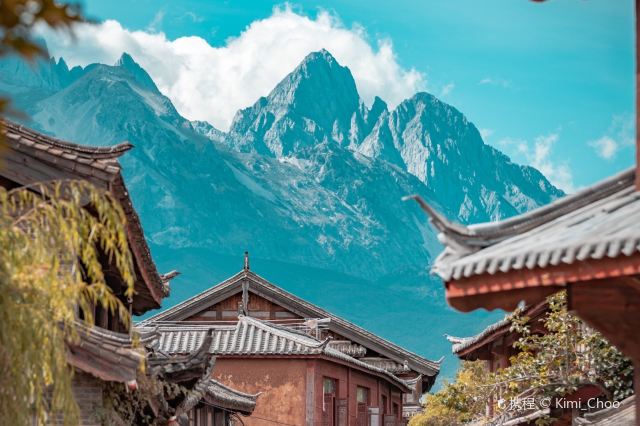
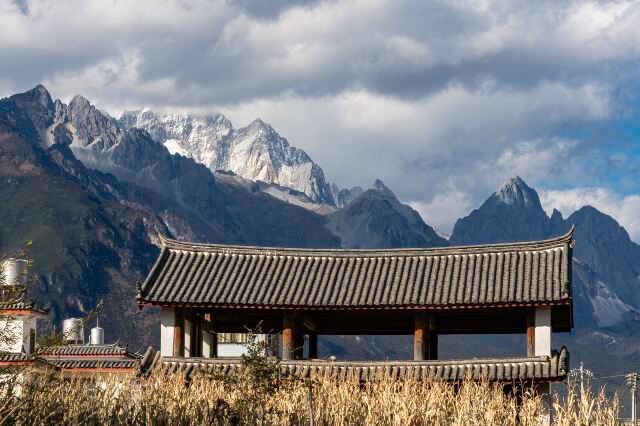
Baisha Ancient Town is the quiet, understated sibling of Lijiang's famous old town — smaller, slower, and genuinely more authentic. As the original seat of the Mu clan rulers and the birthplace of Naxi civilization, it carries real historical weight: the Baisha Murals in Dabaoji Palace are 500-year-old masterworks blending Buddhist, Taoist, and Tibetan imagery in a single composition found almost nowhere else in China. The main street is walkable in 30 minutes, lined with coffee shops, tie-dye workshops, copper artisan studios, and small restaurants rather than the wall-to-wall souvenir shops of Dayan. The magic is in the details — looking up from any alley to see Jade Dragon Snow Mountain towering behind traditional rooftops, encountering Naxi grandmothers in '披星戴月' shawls selling vegetables at the square, or stumbling into a courtyard where someone is hand-stitching embroidery passed down for generations. That said, the town is rapidly changing: recent years have brought a surge of tourists, construction dust from renovations, some overpriced food stalls, and a growing number of Instagram-bait shops. Several visitors note it is becoming what Shuhe was five years ago. Come now before it changes further, but manage expectations — it is no longer an untouched village, just a far more pleasant and authentic version of the Lijiang ancient town experience.
Top Questions from Travelers
Why This Place Matters
Baisha is where Naxi civilization began. From 658 AD, the Mu clan — hereditary rulers of the Naxi people — established their capital here, making it the political, economic, and cultural heart of the region for over 400 years before relocating to what is now Lijiang Old Town in 1383. The town sits on the Ancient Southern Silk Road and the Tea Horse Road, positioning it as a crucial multicultural trading hub. The Baisha Murals represent a remarkable period of cultural openness under the Naxi rulers — commissioning Han, Tibetan, and Naxi artists to paint Buddhist, Taoist, and Lamaist deities side by side on the same walls, an artistic fusion that reflects the tolerant, syncretic worldview of the Naxi people. The Naxi maintain the Dongba culture with the world's only still-used pictographic writing system, visible throughout the town. Baisha was also historically famous for its copper-smithing (once 150+ workshops) and its Naxi embroidery tradition — both now critically endangered crafts being preserved by a handful of dedicated artisans.
Need help planning?
ChinaPal handles everything
- Book English-speaking guides
- Arrange transport & tickets
- Real-time help during your visit
- Restaurant reservations nearby
Highlights
4 iconic experiences that define a visit
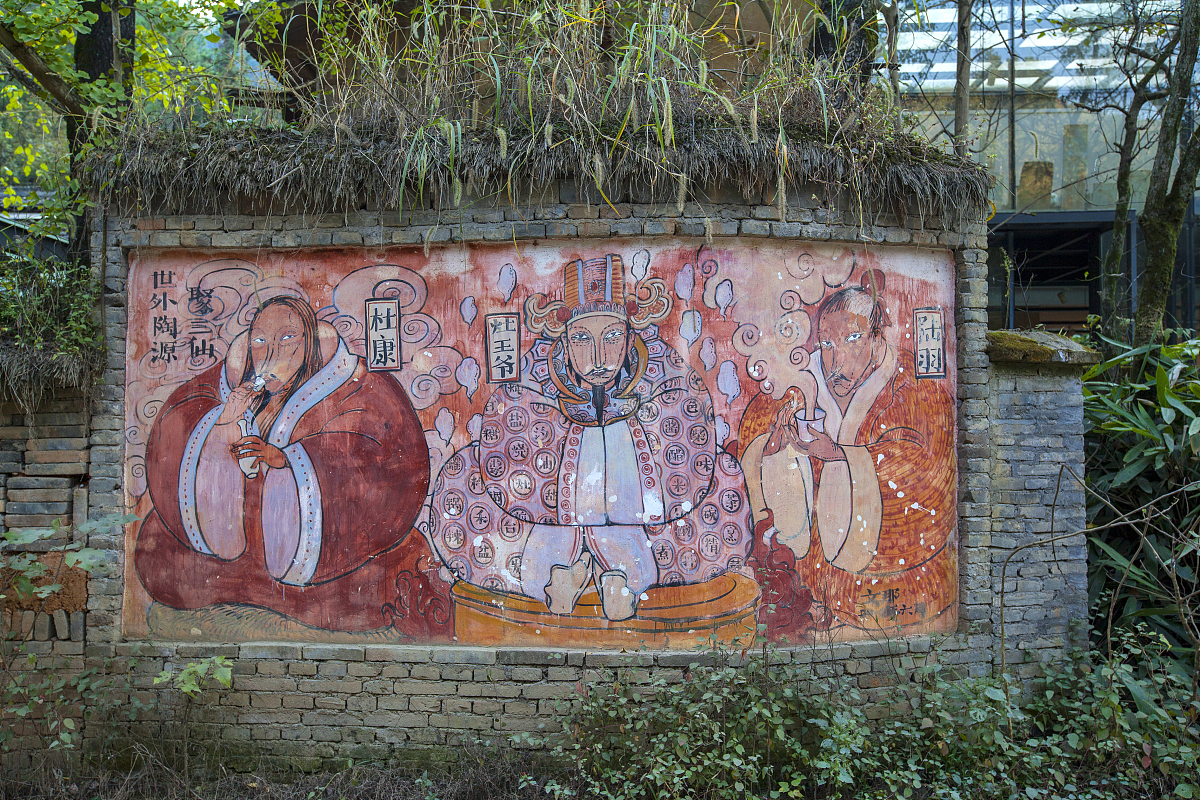
Baisha Murals (白沙壁画 / Dabaoji Palace)
A collection of 55 religious frescoes in Dabaoji Palace and surrounding temples, painted from the early Ming to early Qing dynasties (spanning 300+ years). These murals uniquely blend Buddhist, Taoist, and Tibetan Lamaist imagery in single compositions — a rarity in Chinese art history, using mineral pigments that retain vivid colors after 500 years.
The fusion of three distinct religious traditions in a single painting is extraordinary and practically unique in Chinese art. Volunteer guides offer 50-minute explanations at set times — highly recommended for understanding the cultural significance.
 Universal Appeal
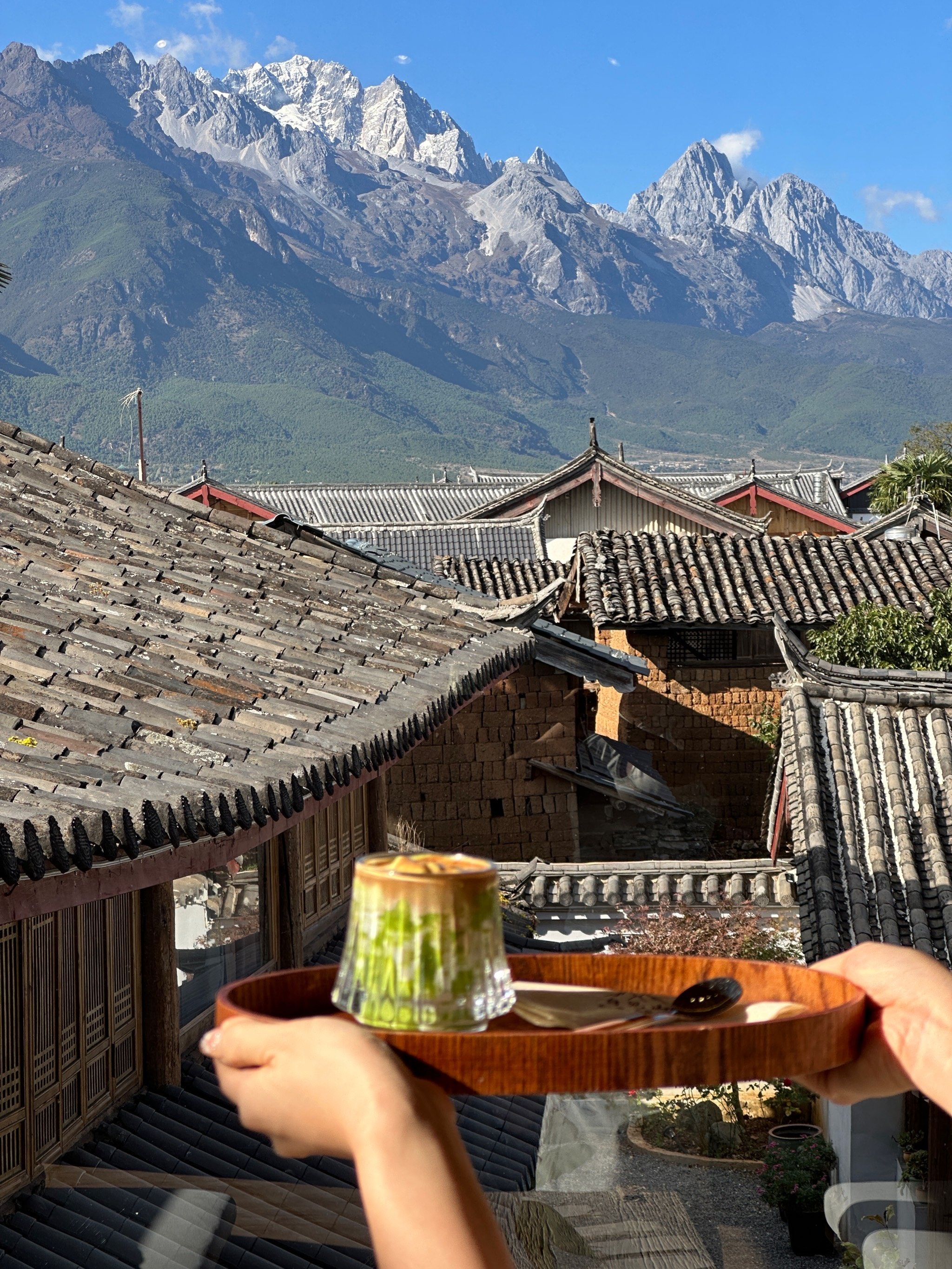
Snow Mountain Views from Rooftop Cafes
Baisha's proximity to Jade Dragon Snow Mountain means the 5,596m peak looms directly above the town. Dozens of cafes have second and third-floor terra...
 Universal Appeal
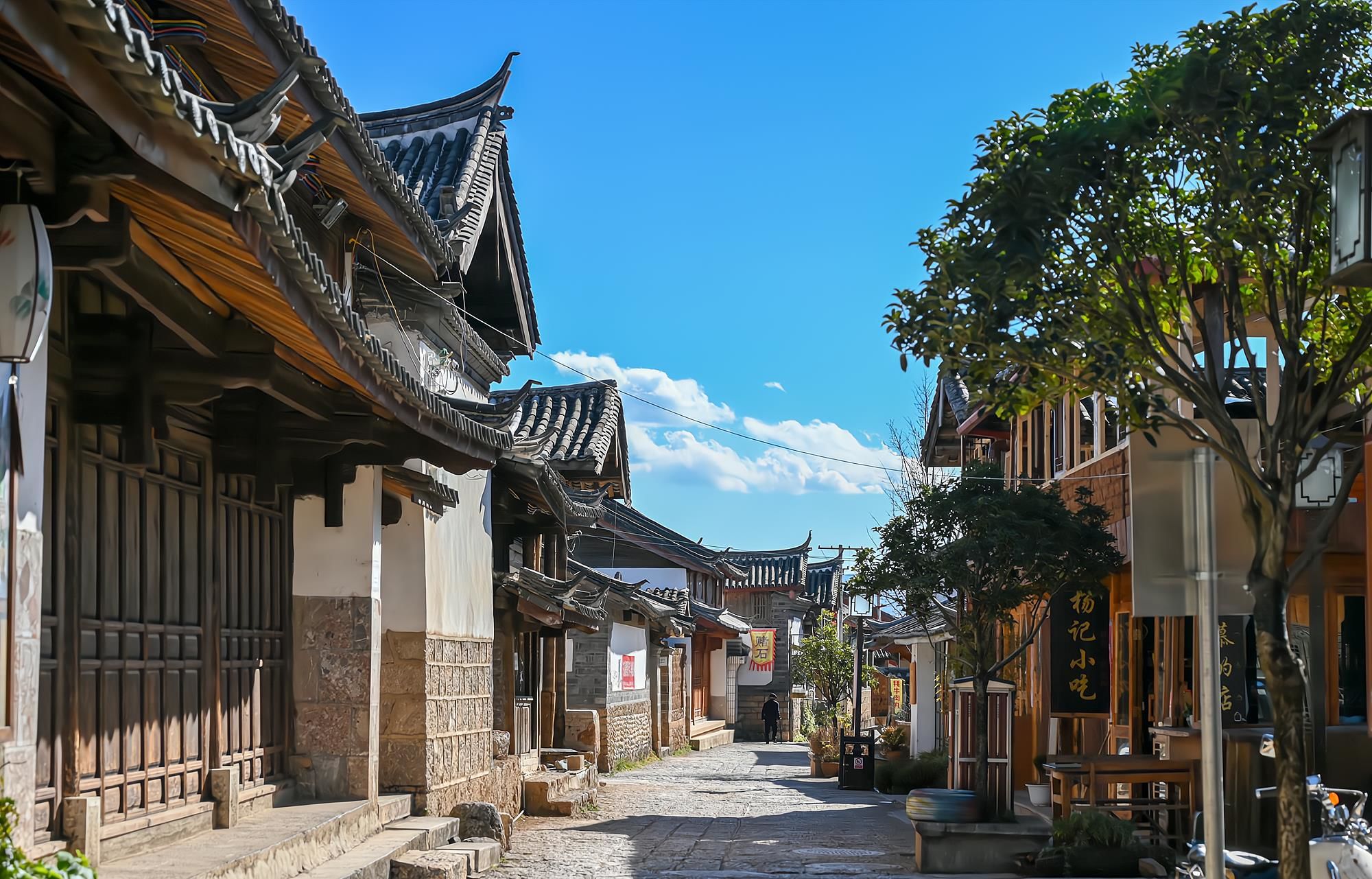
Sifang Street and Ancient Gate (四方街/牌楼)
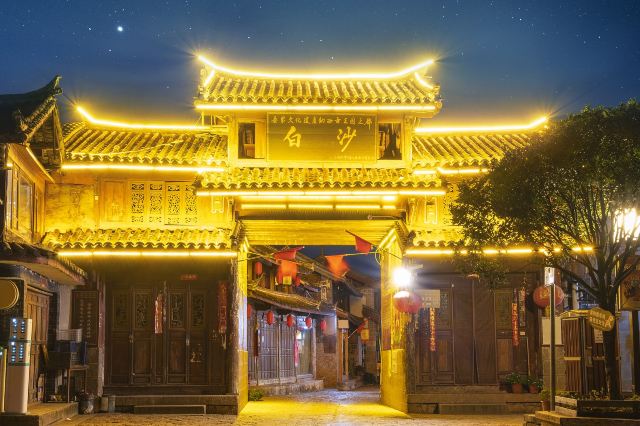
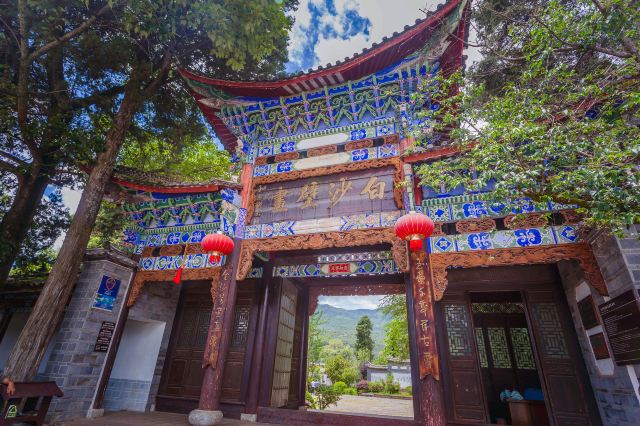
The original prototype for both Shuhe and Lijiang's famous Sifang Squares. The ancient gate bears the inscription 'UNESCO World Heritage — Capital of ...
 Culturally Interesting
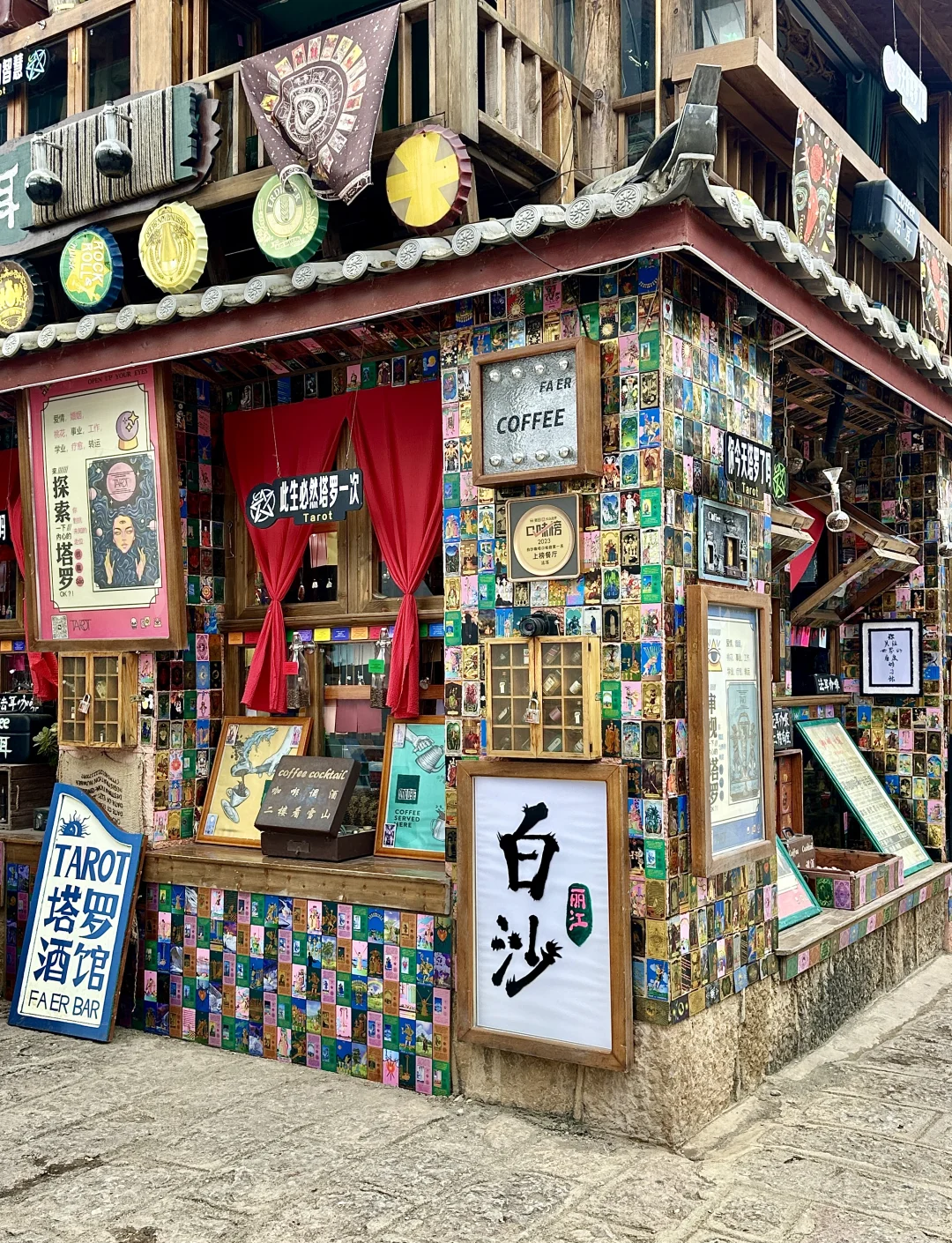
Traditional Craft Workshops
Baisha preserves living craft traditions that have largely vanished elsewhere: the Naxi Embroidery Institute (白沙锦绣艺术院) showcases intricate Naxi needle...
What Most Visitors Miss
The back alleys beyond the main commercial street
Most tourists walk the T-shaped main street and leave. Turn into any side alley and you'll find the real Baisha — genuine Naxi family courtyards, dogs sleeping in doorways, zero shops, and unobstructed snow mountain views from between the rooftops. The contrast with the main street is striking.
Chicken-bean jelly (鸡豆凉粉) from the unmarked 30-year-old stall
Baisha's signature street food is this cold jelly made from a local bean variety, served with a spicy-sour sauce containing wild mountain pepper that makes your tongue tingle. The best stall has no sign and has been operating for over 30 years — ask locals to point you to it. Only ¥5 a bowl.
The WWII Flying Tigers airfield site
Five kilometers east of the ancient town lies the remains of a WWII-era airfield used by the American Flying Tigers volunteer squadron — a fascinating piece of Sino-American wartime history that almost no tourist visits or even knows about.
Plan Your Visit
How Long to Visit
1-1.5 hours (walk the main street end to end, snap photos of the snow mountain framed by the gate, grab a chicken-bean jelly snack
explore the main street, visit the Baisha Murals, try a rooftop coffee shop with snow mountain views, browse tie-dye and embroidery workshops
Half day to full day (linger in cafes, try DIY tie-dye experience, visit the Naxi Embroidery Institute, eat a proper Naxi meal, explore quiet back alleys, combine with nearby Yuhu Village or Shuhe
Smart Route
Start early morning at the main gate (牌楼) for the iconic snow-mountain-through-gate photo while the light is golden and crowds are thin. Walk through Sifang Street to see Naxi grandmothers setting up their vegetable stalls. Head to the Baisha Murals in Dabaoji Palace (open from 8:30) — spend an hour with the guided explanation. Return to the main street and find a second-floor cafe (Yi Wa Tang or 7 Sea Bar) for coffee with the snow mountain view. After coffee, browse the Naxi Embroidery Institute and tie-dye workshops. For lunch, try the local chicken-bean jelly, hand-made tofu, and Naxi baba bread. Afternoon: wander the quiet back alleys for authentic village atmosphere, then return to a rooftop terrace for the softening afternoon light on the peaks.
Best Time to Visit
Early morning (before 9 AM) for an almost empty town with golden light on the snow mountain — perfect for photography and experiencing the authentic village atmosphere
Chinese public holidays (National Day, May Day, Chinese New Year) and summer weekends bring overwhelming crowds to this small town
By Season
Spring
(March-April) brings cherry blossoms and clear skies with excellent snow mountain visibility. Autumn (October-November) offers the clearest air and best mountain views.
Summer
Autumn
(October-November) offers the clearest air and best mountain views. Winter (December-February) is cold but peaceful with the best chances of seeing 'golden mountain' sunrise on the snow peaks.
Winter
(December-February) is cold but peaceful with the best chances of seeing 'golden mountain' sunrise on the snow peaks. Summer brings rain and peak domestic tourism.
Visit on a weekday morning in late October or early March for the best combination of clear skies, visible snow on Jade Dragon, minimal crowds, and comfortable temperatures. If you want the iconic snow mountain shot behind the ancient gate, come before 9 AM when the light hits the peaks.
What to Skip
The photo-op lambs/alpacas at the gate entrance (mildly exploitative and the fee adds up). Overpriced 'Jade Dragon Snow Mountain cake' at ¥58 — it's just a novelty pastry. Any shop that aggressively pushes you to buy before letting you leave. The main street at midday during holidays when it becomes shoulder-to-shoulder.
Pro Tips
Rent a bicycle from Shuhe Ancient Town (¥30/day) and ride to Baisha — the 3km route has stunning snow mountain views the entire way and takes about 15-20 minutes. For the best photos, wear light-colored or ethnic-style clothing to complement the ancient town aesthetic. If staying in Baisha overnight, the northern-end guesthouses have direct snow mountain views from their balconies for ¥150-250/night — dramatically cheaper than equivalent views in Lijiang Old Town.
Photo Spots
Main Gate (牌楼) with Jade Dragon Snow Mountain
Shoot before 9 AM for clean golden light. Stand back far enough to frame the gate with the mountain behind. Early morning also means no tourist crowds blocking the shot.
Rooftop cafe terraces (Yi Wa Tang / 7 Sea Bar second floor)
Go in the morning for clearest mountain views, or late afternoon for warm golden light on the traditional rooftops. Order a coffee and take your time composing shots.
Back alleys with mountain backdrop
Wander off the main street into any north-south alley. Frame the narrow lane between white walls with the snow mountain visible at the end. Morning light is best.
Sifang Street with Naxi grandmothers
Early morning (7-9 AM) when local Naxi women in traditional '披星戴月' dress gather to sell vegetables and chat. Always ask permission before photographing people.
Pair With
Shuhe Ancient Town (束河古镇)
5-minute taxi or 15-minute bicycle ride
Just 3km south and a 5-minute taxi ride — Shuhe is the middle-ground between commercial Dayan and quiet Baisha. Better restaurant and nightlife options, good cafes, and still part of the UNESCO designation. Perfect to combine with Baisha in a single day.
Jade Dragon Snow Mountain and Blue Moon Valley (玉龙雪山/蓝月谷)
20-minute drive to the mountain park entrance
The snow-capped mountain you've been admiring from Baisha's rooftop cafes is even more spectacular up close. Blue Moon Valley's turquoise lakes at the mountain's base are surreal. Baisha is the closest ancient town to the mountain entrance.
Yuhu Village (玉湖村)
10-minute taxi ride north from Baisha
An even smaller, more remote Naxi stone village at the very base of the snow mountain. Features the former home of Austrian-American botanist Joseph Rock who lived among the Naxi in the 1920s-40s. Horseback riding available. Almost zero tourists.
Tickets & Access
Baisha Ancient Town entry
No entrance fee — one of the few genuinely free ancient towns in Yunnan
Baisha Murals (白沙壁画 / Dabaoji Palace)
500-year-old Ming Dynasty frescoes blending Buddhist, Taoist, and Tibetan art — unique in China
Tie-dye DIY experience
Make your own traditional Naxi tie-dye cloth to take home as a souvenir
Opening Hours
Ancient town: open 24 hours, free entry year-round. Baisha Murals (Dabaoji Palace): approximately 8:30-17:00, closed during renovation periods. Most shops/cafes: 9:00-19:00 or later.
How to Buy
Walk-in for everything. Pay with WeChat/Alipay at shops and the mural entrance. Some smaller vendors accept cash.
Passport: Yes — foreigners can enter freely with passport. No special requirements.
Queue Situation
Generally no queues except during peak holidays when the main street can get congested. The Baisha Murals rarely have significant waits.
Tips & Warnings
The town is rapidly commercializing and may not match older 'untouched village' descriptions
Multiple recent visitors (2024-2025) note increasing construction, more tourist shops, and rising prices. Baisha is still significantly calmer than Dayan or Shuhe, but the 'hidden gem' window is closing. Come sooner rather than later, and wander off the main street to find the genuine atmosphere.
Vehicles including cars still drive through the narrow main street
Unlike fully pedestrianized Lijiang Old Town, Baisha's main path is shared with vehicles. Watch for cars squeezing past, especially around the main street's narrower sections. Several reviewers flag this as unpleasant and potentially dangerous.
Altitude and extreme UV radiation
At 2,400m with thin, clear air, sunburn happens alarmingly fast — even on cloudy days. Apply SPF 50+ sunscreen, wear a hat and sunglasses. One reviewer reported painful sunburn after just one afternoon of forgetting sunscreen. The altitude can also cause mild breathlessness on arrival.
Limited food options and potentially inflated tourist prices
Some visitors report food prices higher than in Lijiang city — especially fruit and snacks near the main gate. The town has fewer restaurant options than Dayan or Shuhe. Eat in Lijiang before coming, or seek out the local stalls (chicken-bean jelly, hand-made tofu) rather than tourist-oriented restaurants for better value. If you’re stuck and hungry, our team can arrange food delivery from Lijiang to the town entrance area.
Getting back to Lijiang after dark is difficult
Bus No. 6 stops running around 8 PM, and taxis/Didi cars are scarce in Baisha at night. Plan your return trip before sunset, or arrange accommodation in Baisha. Shared minivans near the gate can take you back for ¥10/person but are also unreliable late.
What to Bring
Wear
Comfortable walking shoes with some grip for cobblestone paths. Layers — the temperature swing between shade and sun, and between day and evening, can be 15°C+. Sunscreen is non-negotiable. Light or ethnic-style clothing photographs beautifully against the ancient town backdrop if you care about photos.
Bring
SPF 50+ sunscreen (reapply frequently at altitude). Hat and sunglasses. Translation app with offline Chinese. Portable charger. A zoom lens for dramatic snow mountain shots. Cash as backup. Water bottle — the dry mountain air dehydrates quickly.
Don't Bring
Rolling luggage (cobblestone paths). Heavy winter coats in summer (layers work better). High expectations of a 'pristine untouched village' — it's authentic but evolving.
Physical Reality
easy
The town is small and mostly flat along the main street, walkable end-to-end in 30 minutes. Stone-paved paths are uneven in places but generally easy to navigate. No significant hills unless you venture into surrounding areas. The total walking area is much smaller than Lijiang Old Town.
Foreigners Watch Out
- Payment is predominantly WeChat/Alipay — set up mobile payment before arriving. Cash is accepted at some stalls but not guaranteed at all shops.
- Google Maps works poorly here — use Baidu Maps or Gaode Maps (Amap) for navigation. The town is small enough that you're unlikely to get lost, but finding specific cafes requires a Chinese map app.
- Very few people speak English, though Baisha's small expat community means you might encounter English-speaking cafe owners. A translation app is essential for most interactions.
- The Baisha Murals have strict no-photography rules — your phone/camera will be watched. Do not try to sneak photos; the mineral pigments are genuinely fragile and flash damages them.
- Prices for tourists may be quoted higher than for locals — some reviewers recommend acting casual about prices. Learn '多少钱' (how much?) and '太贵了' (too expensive) before shopping.
If Things Go Wrong
Baisha Murals are closed for renovation
→ This happens frequently — Dabaoji Palace has been partially or fully closed for restoration multiple times in recent years. Check before making the trip by asking your hotel or calling ahead.
Stranded in Baisha after dark with no transport back
→ Try the Didi ride-hailing app first — drivers sometimes come from Lijiang or Shuhe. Walk to the main gate/牌楼area where minivans sometimes wait. Ask your cafe or restaurant staff to help call a car. You can also message our concierge — we can call a driver for you and negotiate the fare in Chinese.
Feeling unwell from altitude or sun exposure
→ Rest in the shade at any cafe, drink plenty of water, and avoid further sun exposure. Small pharmacies in the town sell altitude sickness medication (高原安) and sunburn relief. The altitude here (2,400m) is moderate and symptoms usually resolve with rest.
Useful Chinese
Tap to reveal the English meaning