About Yunnan Nationalities Museum
“Quiet, educational, and surprisingly rich — like a cultural encyclopedia you can walk through, with moments of genuine wonder in the costume and craft halls.”
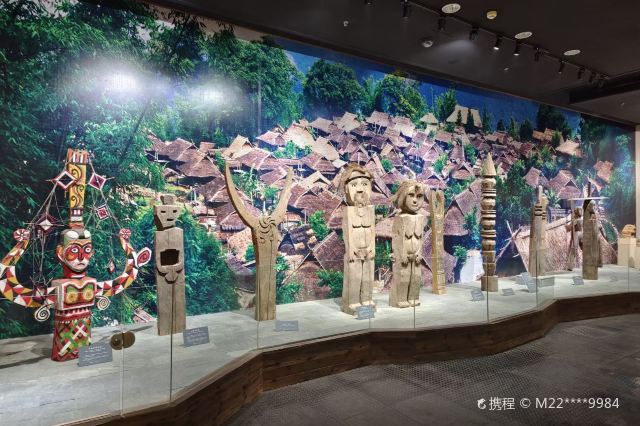
The Yunnan Nationalities Museum is a solid cultural stop if you want a crash course on China's ethnic diversity — 26 minorities represented across 11 exhibition halls covering costumes, musical instruments, masks, manuscripts, and daily life artifacts. The costume halls are genuinely impressive, with intricate embroidery and silver work that rivals dedicated craft museums. That said, it's more of a surface-level overview than a deep dive — you'll see beautiful objects but won't fully understand the living cultures behind them. The museum is free, uncrowded, and pairs perfectly with the adjacent Yunnan Nationalities Village. Best for culture-curious travelers who want context before visiting minority areas in Yunnan; skip it if you prefer immersive experiences over glass-case exhibits.
Top Questions from Travelers
Why This Place Matters
Yunnan is China's most ethnically diverse province — home to 26 of the country's 56 recognized ethnic groups, more than any other region. Each group maintains distinct languages, costumes, festivals, and spiritual practices. This museum exists because China's approach to ethnic minorities is complex: officially celebrating diversity while promoting national unity. For foreign visitors, it's a rare opportunity to see just how many distinct ethnic groups China actually has in one place — from the matrilineal Mosuo 'walking marriages' to the Dongba pictographic script of the Naxi people, traditions that are genuinely unique and, in many cases, under pressure from modernization.
Need help planning?
ChinaPal handles everything
- Book English-speaking guides
- Arrange transport & tickets
- Real-time help during your visit
- Restaurant reservations nearby
Highlights
4 iconic experiences that define a visit
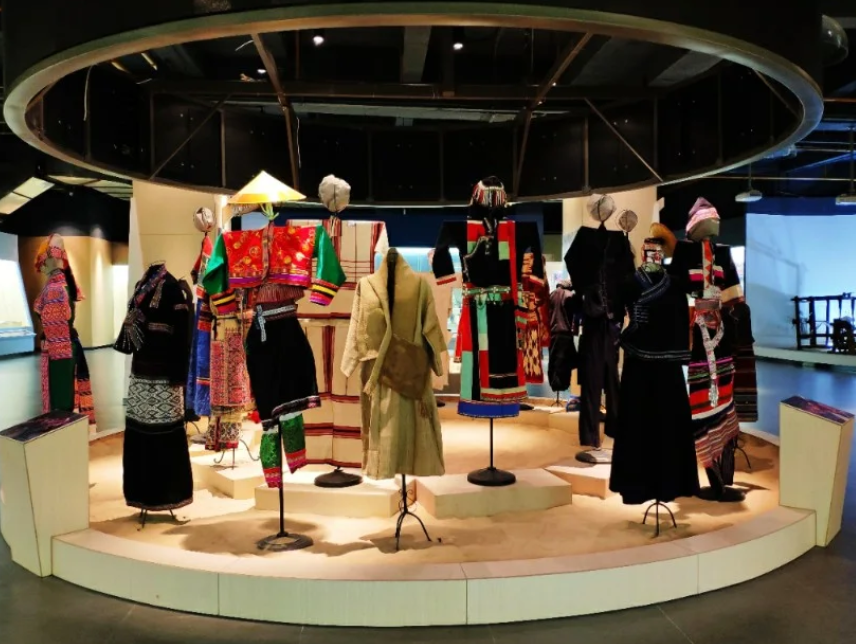
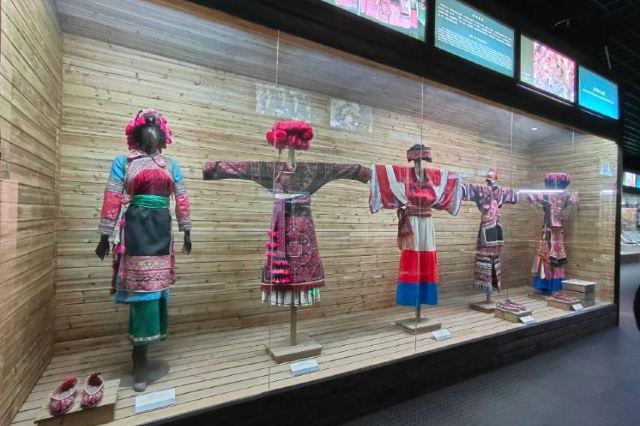
Ethnic Costume Halls (民族服饰展厅)
Two interconnected halls displaying the traditional dress of all 26 Yunnan ethnic groups — from Miao silver headdresses weighing several kilograms to Yi fire-grass cloaks, Bai tie-dye textiles, and Dai peacock-pattern brocade. The craftsmanship is extraordinary.
The sheer variety is stunning — each minority has completely distinct aesthetics. The silver work rivals anything you'd see in Southeast Asian craft museums.
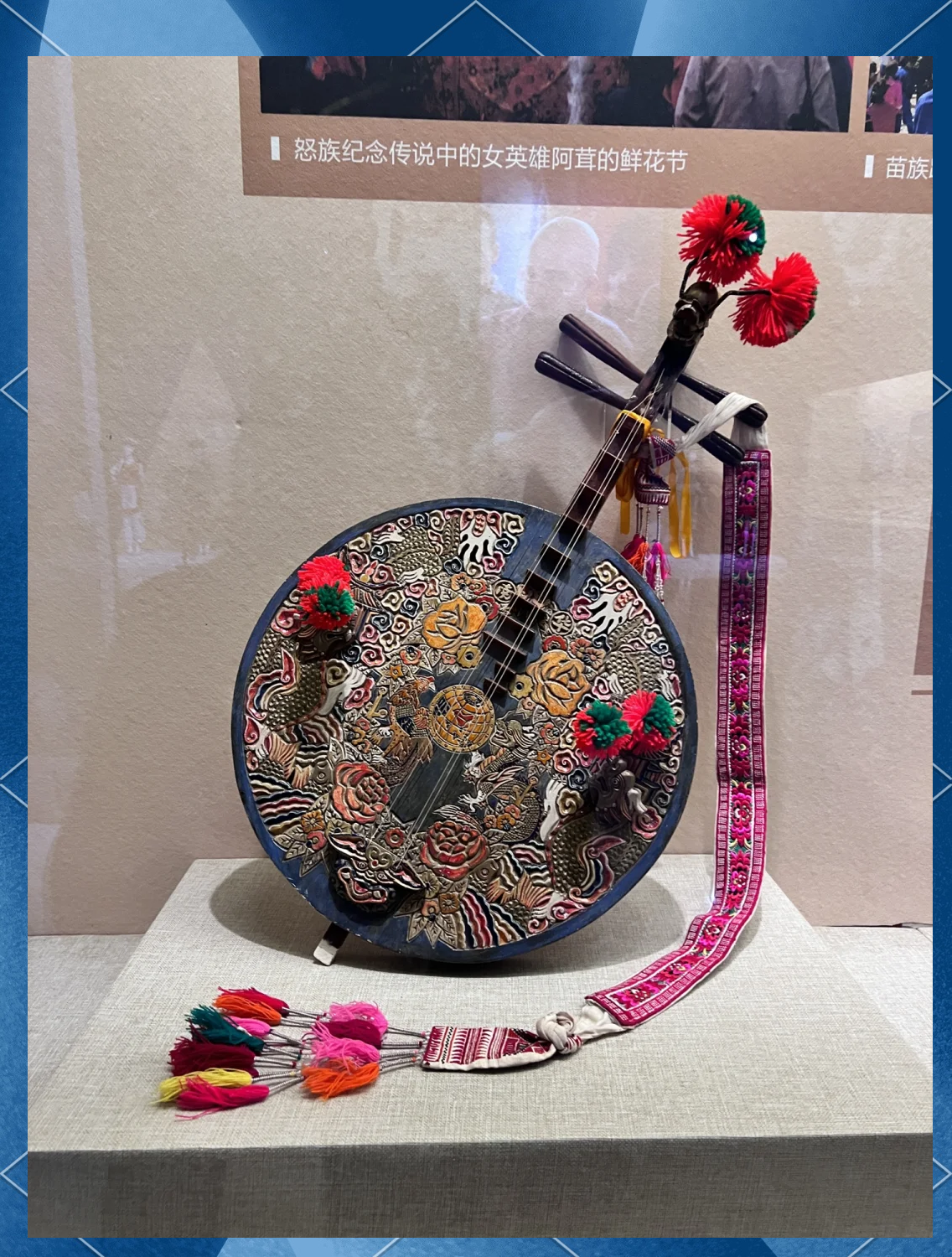 Culturally Interesting
Ethnic Musical Instruments Hall (民族乐器展厅)
A collection of traditional instruments from across Yunnan's ethnic groups, many of which you won't see anywhere else. Bamboo flutes, bronze drums, go...
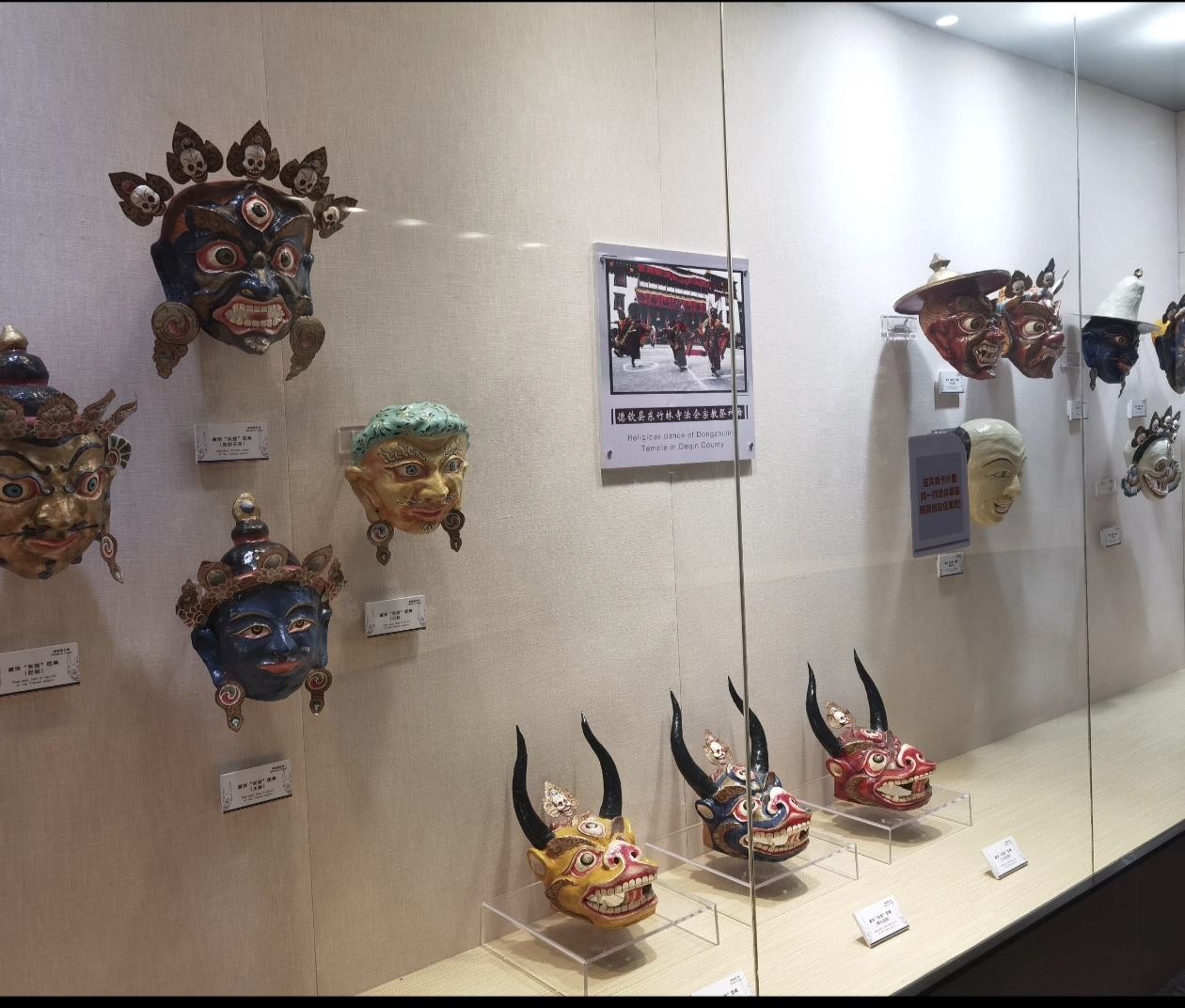 Universal Appeal
Ethnic Masks Hall (民族面具展厅)
A striking collection of ceremonial and theatrical masks used in religious rituals, festivals, and traditional performances. The range of styles — fro...
 Culturally Interesting
Marriage Customs and Tea Horse Road Exhibits (3rd Floor)
Exhibits on traditional wedding customs across different minorities and a sand table model of the ancient Tea Horse Road trade route connecting Yunnan...
What Most Visitors Miss
The Naxi Dongba script and manuscript collection
Tucked in the ancient texts hall, these are examples of the world's only living pictographic writing system — genuinely unique and fascinating, but most visitors walk past without realizing their significance.
Combining with Yunnan Nationalities Village next door
The museum provides intellectual context that transforms the adjacent village from a tourist attraction into a meaningful cultural experience. Most visitors do one or the other but not both.
Plan Your Visit
How Long to Visit
1.5 hours (hit the costume hall and musical instruments, skip the rest
cover all major halls with audio guide
every hall plus the adjacent Nationalities Village
Smart Route
Enter
rent audio guide at reception
Floor 1: Ethnic Costumes halls (the highlight, spend most time here)
Masks hall
Floor 2: Musical Instruments
Ancient Texts/Manuscripts
Traditional Crafts
exit through gift shop
walk next door to Nationalities Village if time permits.
Best Time to Visit
Morning arrival (9:00-10:00 AM) when the museum is nearly empty
Chinese public holidays when tour groups from the adjacent Nationalities Village spill over
By Season
Spring
City' climate means any season works. The museum is fully indoor and climate-controlled.
Summer
Autumn
Winter
Visit the museum first for context, then walk next door to the Yunnan Nationalities Village to see recreated minority architecture and cultural performances — the museum knowledge makes the village experience much more meaningful.
What to Skip
The general overview/statistics panels at the entrance can be skimmed quickly. The souvenir shop has generic items — better ethnic crafts can be found in the actual minority regions.
Pro Tips
The museum is rarely crowded, so take your time. Photography is allowed in most halls without flash. If you're visiting multiple Yunnan destinations, come here first — the context enhances every subsequent minority village and market you'll visit.
Photo Spots
Ethnic Costume Hall — silver headdress displays
The glass cases reflect overhead lighting — angle your phone slightly to avoid glare. The Miao silver headdresses are the most photogenic.
Mask Hall — ceremonial mask wall
Shoot from below for a dramatic perspective. The variety of expressions creates a powerful grid composition.
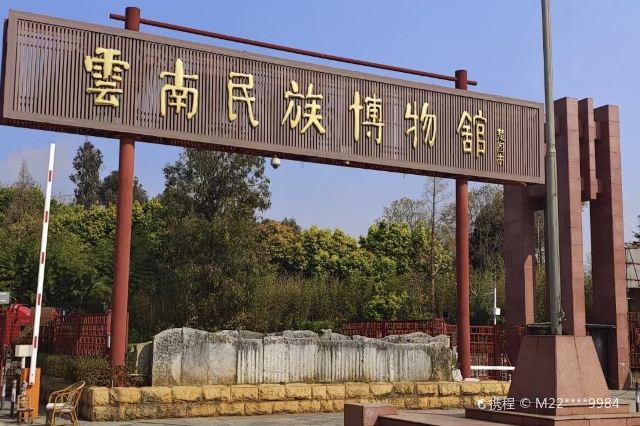
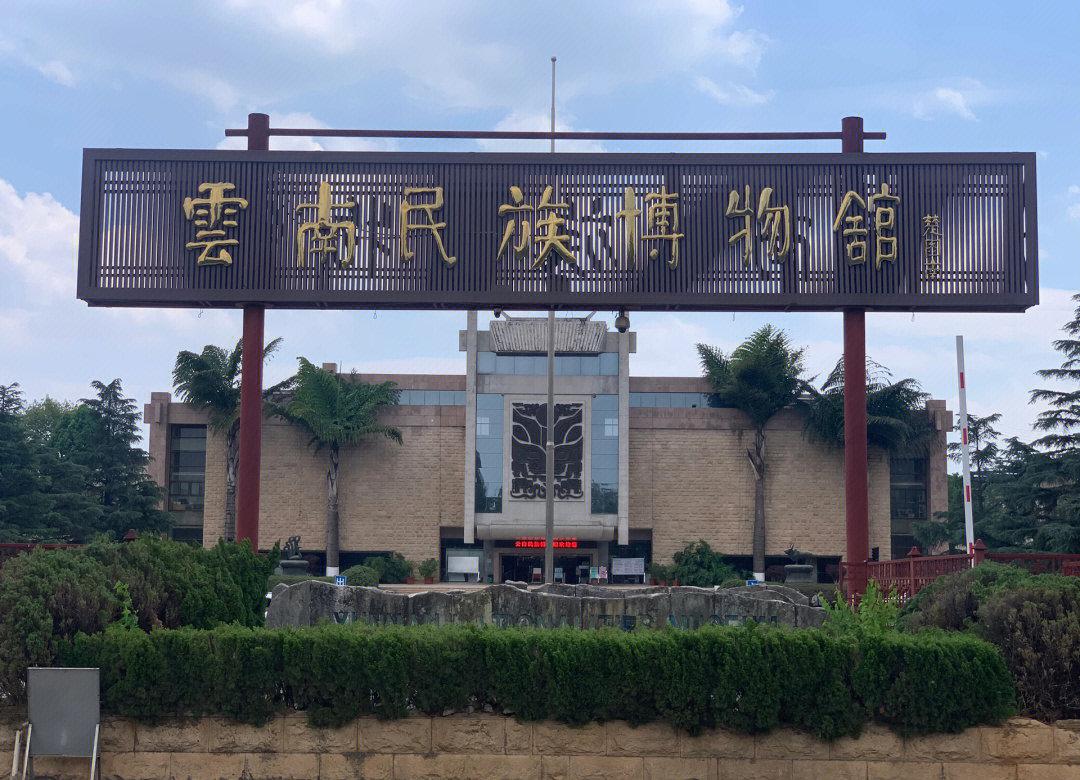
Museum exterior with Dianchi Lake backdrop
From the museum entrance plaza, you can frame the traditional-style museum building with the lake and Western Hills in the background.
Pair With
Yunnan Nationalities Village (云南民族村)
5-minute walk (adjacent)
Right next door — an outdoor park with recreated architecture and cultural performances from Yunnan's ethnic groups. The museum gives you context; the village brings it to life.
Dianchi Lake (滇池)
10-minute walk to the waterfront
A short walk from the museum to the lakeside promenade. Kunming's largest lake with mountain views, especially beautiful at sunset. In winter, thousands of red-billed gulls migrate here.
Western Hills (西山)
20-minute drive or cable car from Dianchi Lake area
Take the cable car across Dianchi Lake for panoramic views and ancient cliff-side temples. A dramatic half-day add-on to the museum visit.
Tickets & Access
Museum admission
Free entry with valid ID/passport
Audio guide rental
Highly recommended — brings the exhibits alive with context
Yunnan Nationalities Village (adjacent)
Separate attraction next door with outdoor cultural exhibits and performances
Opening Hours
Tuesday–Sunday 9:00 AM–4:30 PM (last entry 4:00 PM). Closed Mondays.
How to Buy
No advance booking needed. Present passport at the entrance for a free ticket.
Passport: Yes — foreigners enter with passport.
Queue Situation
Virtually no queues. Even during peak periods, entry is quick and straightforward.
Tips & Warnings
Limited English depth beyond basic signage
The audio guide is essential for non-Chinese speakers. Without it, you're admiring beautiful objects but missing the stories and cultural significance. Budget the extra rental cost. If you want more context as you explore, message our team — we can translate specific exhibit descriptions or answer questions about the cultures represented in real time.
The museum is far from Kunming city center
Located about 9 km south of downtown near Dianchi Lake. Plan to combine it with the Nationalities Village and possibly Dianchi Lake for a full half-day excursion. Take a taxi or ride-hail — public transport options are limited. We can arrange a round-trip car for the day so you do not have to worry about finding a ride back.
Some halls may be under renovation
The museum occasionally closes individual halls for updates. This doesn't significantly impact the overall experience as there are 11 halls total.
What to Bring
Wear
Comfortable walking shoes — the museum is large and you'll be on your feet for 2-4 hours. Indoor and climate-controlled, so dress for Kunming's mild weather rather than museum conditions.
Bring
Passport (required for free entry ticket). Phone for photos and QR code scanning. Portable charger. Cash for audio guide rental.
Don't Bring
No restrictions on bags or cameras. Flash photography may be restricted in certain halls — watch for signs.
Physical Reality
easy
Flat, indoor museum with elevators between floors. Fully accessible for wheelchairs and strollers. Air-conditioned throughout. Benches available in most halls.
Foreigners Watch Out
- The museum is free but you still need to collect a ticket at the entrance — bring your passport. No ticket, no entry.
- Don't confuse this museum with the adjacent Yunnan Nationalities Village (云南民族村) — they're separate attractions with separate entrances. The village costs ¥90 and is an outdoor theme park; the museum is free and indoor.
- Payment for audio guides and the adjacent village may require WeChat/Alipay. Bring cash as backup. If you are having trouble with payments anywhere in Kunming, message us and we can help sort it out or make purchases on your behalf.
- The area around the museum has limited food options. Eat before coming or bring snacks for a full-day visit combining museum and village.
If Things Go Wrong
Museum is closed (Monday or holiday)
→ Check the schedule before visiting — closed every Monday. If you arrive on a closure day, the Nationalities Village next door is open daily.
Specific halls closed for renovation
→ Ask at the front desk which halls are currently open and adjust your route. With 11 halls, there's always plenty to see.
Can't get a taxi/ride back to the city
→ Use DiDi (China's Uber) — the app works well in Kunming. The museum entrance is a known pickup point. Or message our concierge and we can dispatch a car to pick you up at the museum entrance.
Useful Chinese
Tap to reveal the English meaning