About Yuantong Temple
“A quiet pocket of incense-scented serenity in the middle of a busy city — stone bridges arching over a lotus pond, monks in robes crossing garden paths, and the gentle sound of bells drifting from ancient halls that somehow unite three Buddhist worlds.”
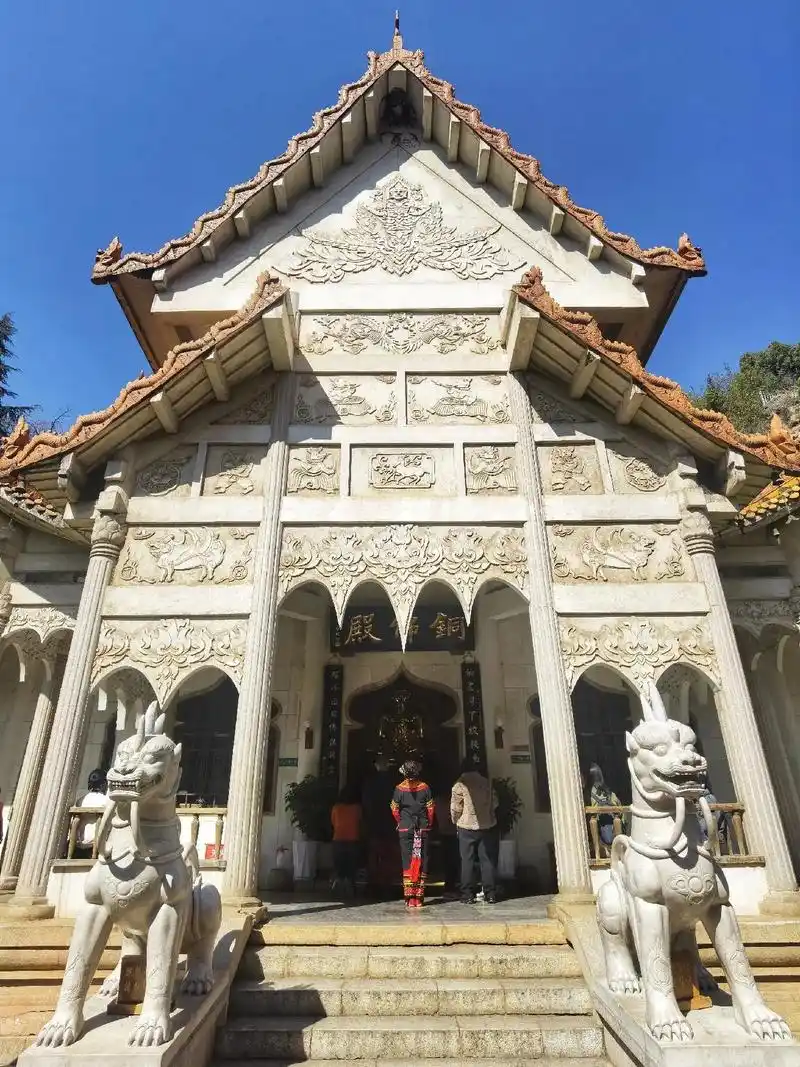
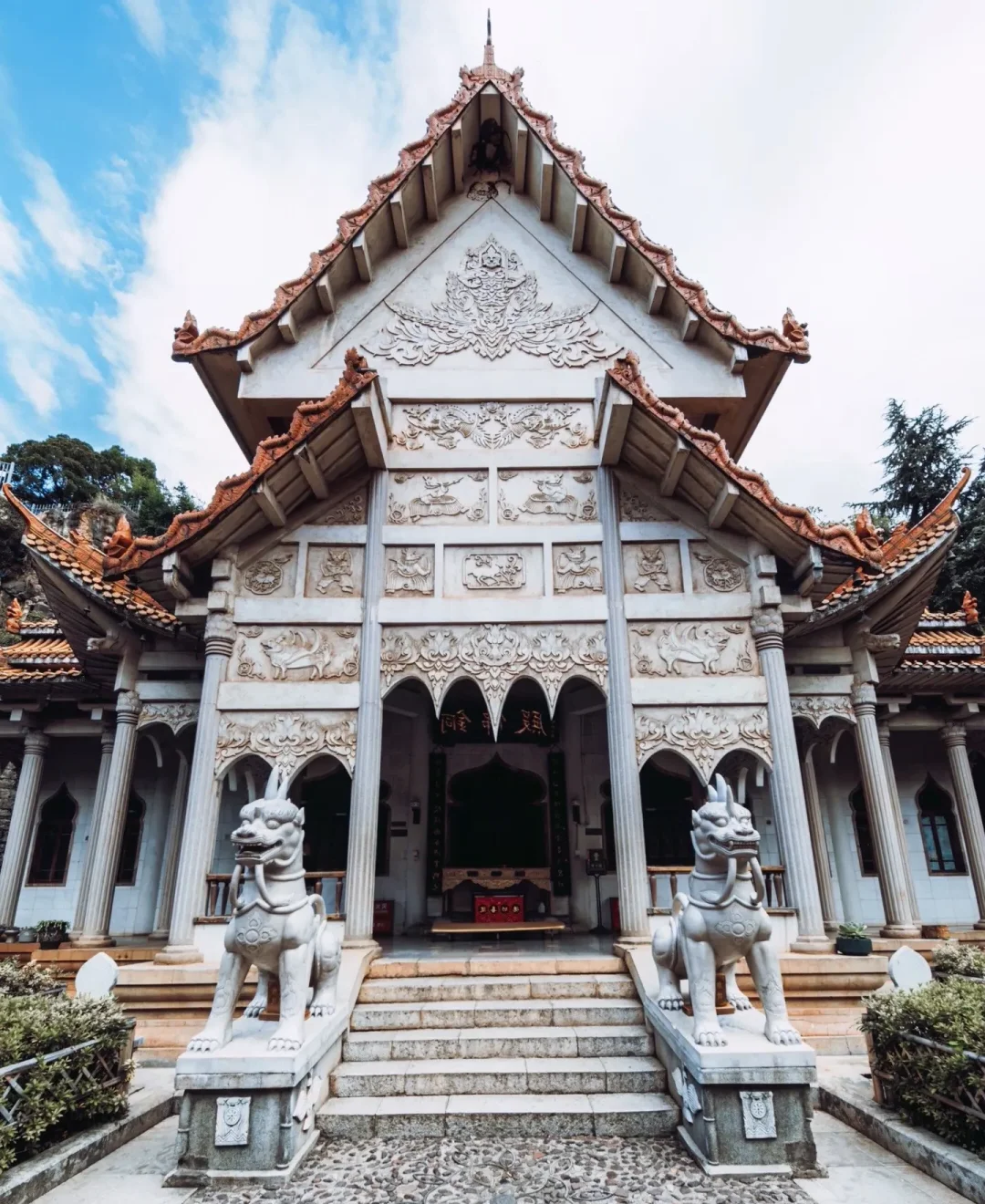
Yuantong Temple sits at the foot of Yuantong Hill in central Kunming, easily accessible by metro and surrounded by the city. With over 1,200 years of history dating to the Tang Dynasty Nanzhao Kingdom period, it is the largest and most active Buddhist temple in Yunnan Province. What makes Yuantong unique among Chinese temples is threefold: its unusual downhill layout (you enter from above and descend into the temple, the reverse of nearly every other Buddhist temple in China), its integration of three Buddhist traditions (Mahayana, Theravada, and Tibetan) in a single complex, and its beautiful garden setting centered on a pond with an octagonal pavilion connected by stone bridges. The main Yuantong Hall features impressive dragon-wrapped columns and Yuan Dynasty Buddhist sculptures. A Thai-style Copper Buddha Hall, built in 1985 with a bronze Buddha donated by the Thai King, adds a Southeast Asian dimension unique in Chinese temples. Every spring, the temple grounds and adjacent Yuantong Hill erupt in cherry blossoms, drawing enormous crowds. Honest downsides: the temple is relatively compact and can be toured in under an hour. The adjacent Yuantong Hill is actually the Kunming Zoo, which is a separate attraction (20 RMB) with mixed reviews on animal welfare. The temple can be crowded during Buddhist festival days and cherry blossom season. Some visitors expecting a grand temple complex may find it modest in scale compared to famous temples elsewhere. But as a peaceful urban retreat with genuine religious atmosphere, beautiful architecture, and extraordinary cultural diversity, Yuantong Temple punches well above its modest 6 RMB entrance fee.
Top Questions from Travelers
Why This Place Matters
Yuantong Temple was established during the Nanzhao Kingdom period (8th century) when King Yimouxun built 'Butara Temple' — a name derived from Potalaka, the mythical abode of Guanyin Bodhisattva, making it one of China's earliest Guanyin worship sites. The temple was destroyed in warfare and rebuilt during the Yuan Dynasty (1301-1320) under its current name, which references one of Guanyin's titles. The Ming Dynasty general Wu Sangui expanded it significantly in 1668, adding the iconic octagonal pavilion and archway. Yunnan's unique position — bordering Myanmar, Laos, and Vietnam, and historically connected to Tibet — explains the extraordinary coexistence of three Buddhist traditions here. The Thai Copper Buddha Hall, added in 1985 with a bronze statue donated by King Bhumibol of Thailand, reflects the strong Buddhist ties between Yunnan and Southeast Asia. The temple serves as the headquarters of the Buddhist Association of Yunnan Province and hosts active religious services twice monthly. The surrounding Yuantong Hill has been a beloved Kunming landmark for centuries, with the spring 'Flower Tide' festival drawing hundreds of thousands of visitors to see the native Yunnan cherry blossoms — a species distinct from Japanese varieties, blooming earlier and in deeper pink hues.
Need help planning?
ChinaPal handles everything
- Book English-speaking guides
- Arrange transport & tickets
- Real-time help during your visit
- Restaurant reservations nearby
Highlights
4 iconic experiences that define a visit
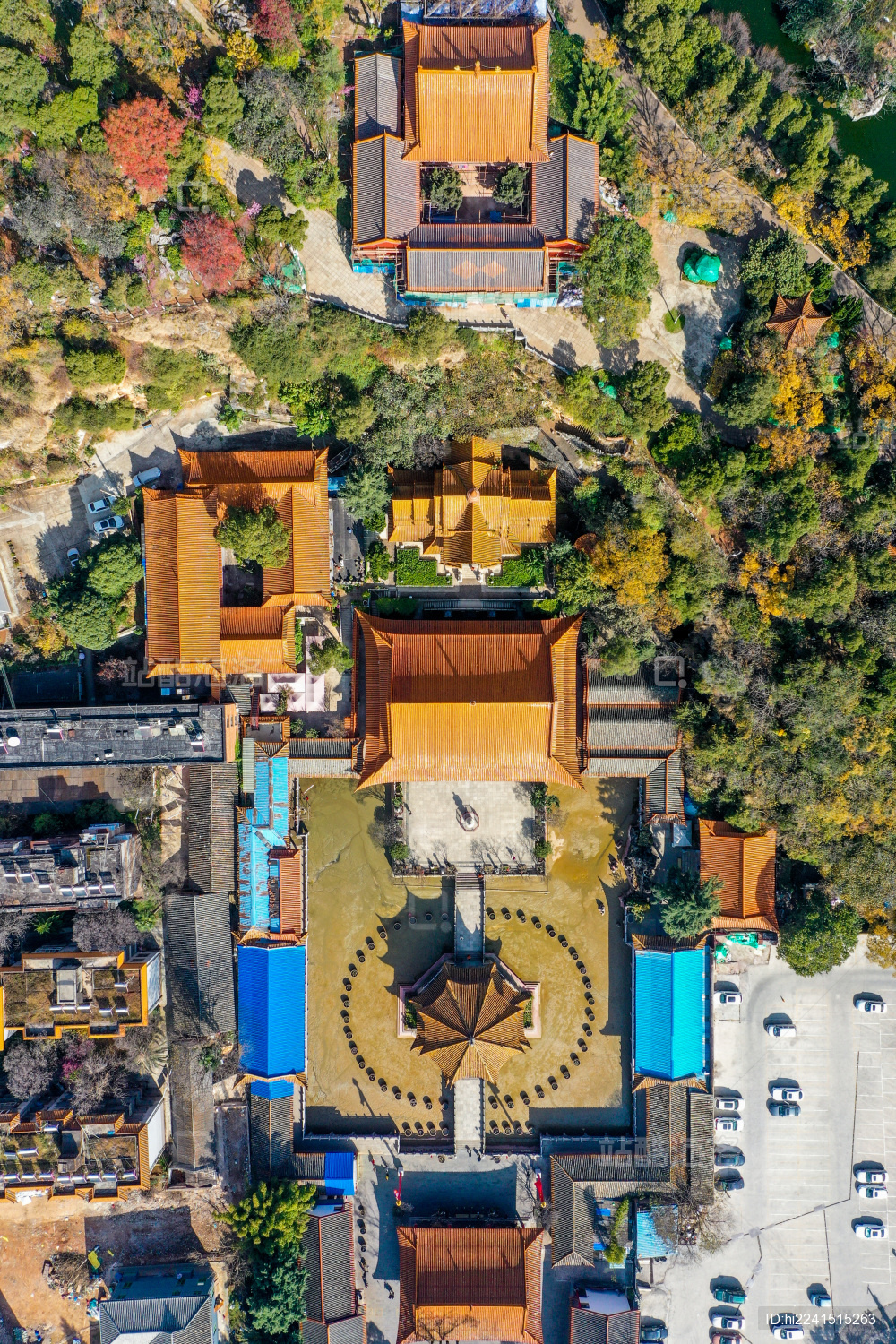
The Unique Downhill Layout
Unlike virtually every other Buddhist temple in China, Yuantong Temple is built on a descending slope — you enter from above and walk downhill into the temple complex. This creates an unusual experience of the temple gradually revealing itself as you descend, with the central pond and octagonal pavilion appearing below you.
In Chinese temple architecture, ascending toward the main hall symbolizes spiritual elevation. Yuantong reverses this, creating a feeling of descending into a sacred valley — a design choice that architects and temple enthusiasts find fascinating.
 Universal Appeal
Three Buddhist Traditions in One Temple
Yuantong Temple uniquely houses Mahayana Buddhism (the dominant Chinese tradition, represented in the main halls), Theravada Buddhism (the Southeast A...
 Universal Appeal
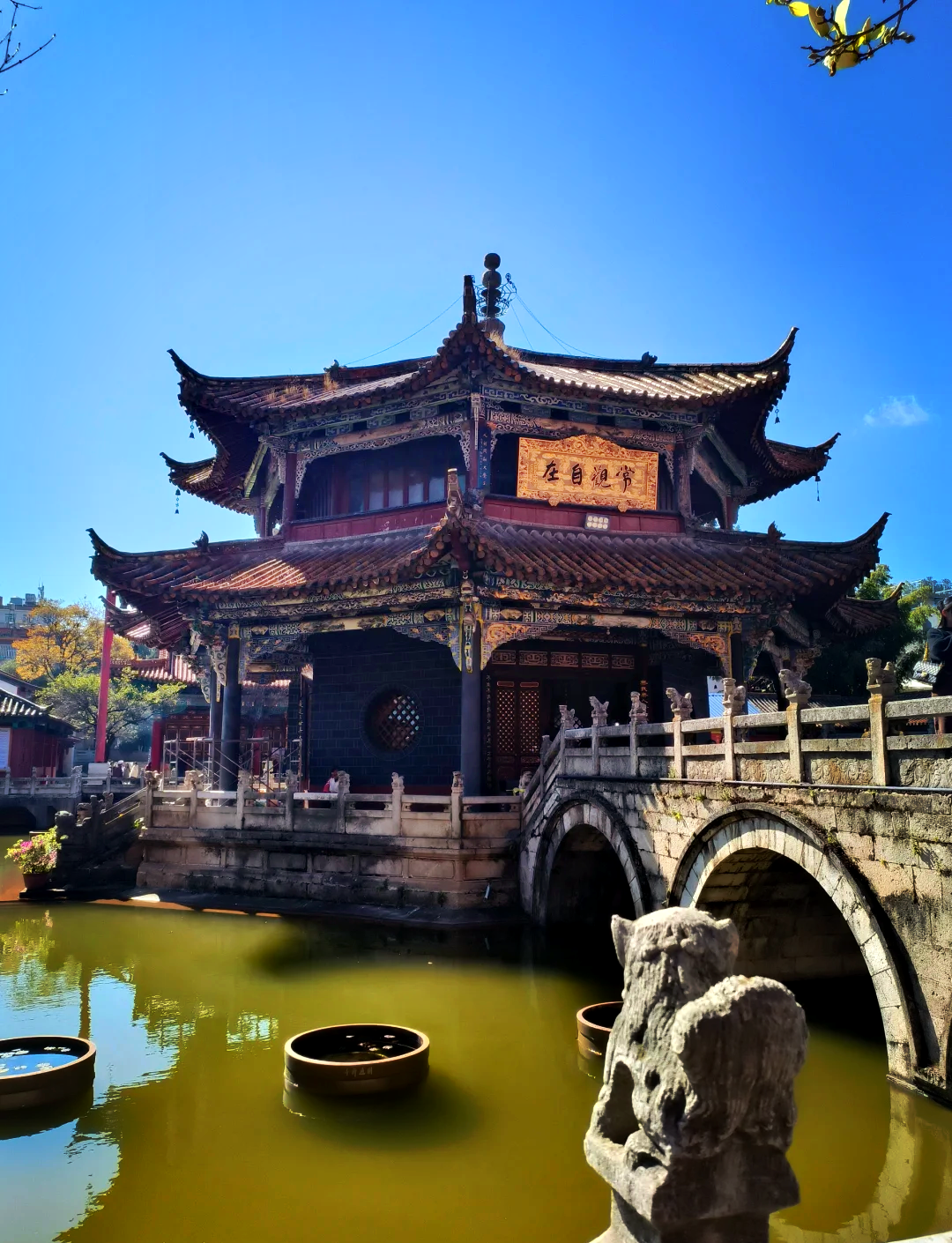
Central Pond & Octagonal Pavilion
The heart of the temple is a large pond with a Qing Dynasty octagonal pavilion (八角亭) at its center, housing a statue of Thousand-Armed Guanyin. Stone ...
 Unique
Yuantong Hall — Dragon Columns
The main hall features two 15-meter columns with carved green and red dragons spiraling around them — a masterwork of Ming Dynasty craftsmanship. Insi...
What Most Visitors Miss
The cliff inscriptions (摩崖石刻) around the temple
The rock faces around the temple preserve calligraphy and carvings dating from the Nanzhao Kingdom (8th century) through the Qing Dynasty. Most visitors rush through without noticing these historical treasures on the surrounding cliff walls.
The Guanyin statue in the rear hall — a rare male depiction
The rear hall features a rare male-form Guanyin Bodhisattva, uncommon in Yunnan temples where female Guanyin is standard. This reflects older Buddhist iconographic traditions.
Cherry blossom season at Yuantong Hill
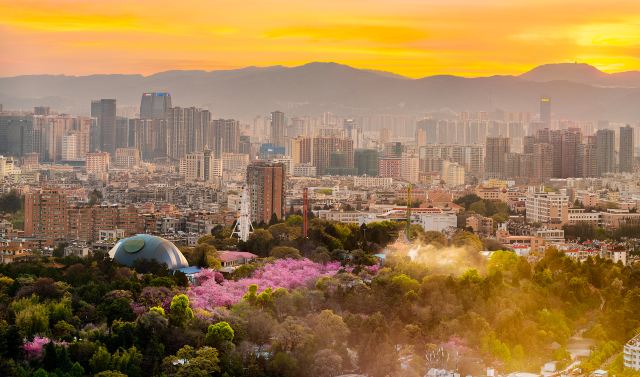
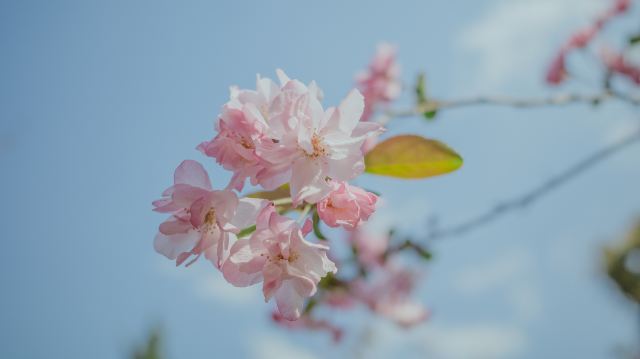
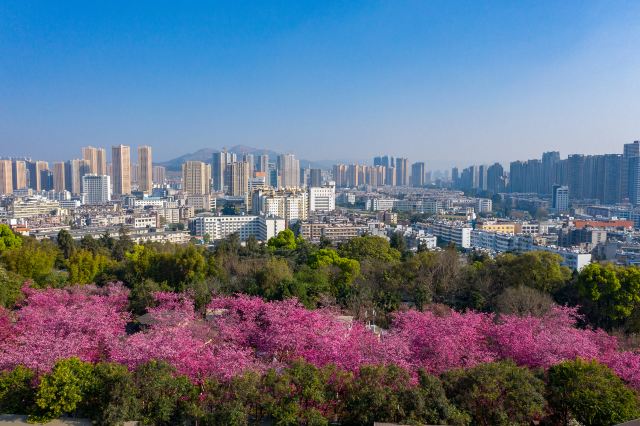
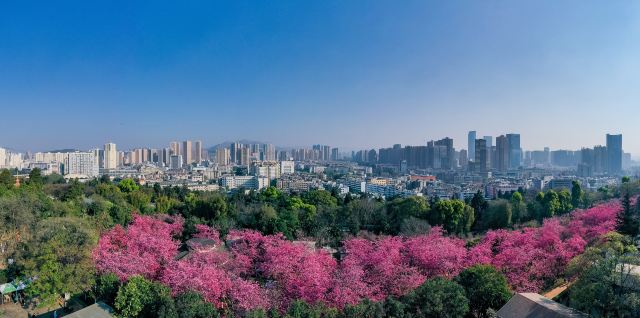
While the temple itself has some cherry trees, the adjacent Yuantong Hill (Kunming Zoo) has massive displays of Yunnan cherry blossoms and weeping crabapple flowers in late February-March, creating the famous 'Yuantong Flower Tide' (圆通花潮).
Plan Your Visit
How Long to Visit
30-45 minutes (walk through the main halls, circle the pond, see the Copper Buddha Hall
explore all halls, sit by the pond, light incense, appreciate the architecture and atmosphere
combine with Yuantong Hill/Zoo, cherry blossom viewing in spring, attend a prayer service
Smart Route
Take Metro Line 2 to Yuantong Station, walk 5 minutes to the temple entrance. Enter from the main gate, pause to appreciate the downhill view. Descend past the 'Yuantong Sheng Jing' archway. Circle the central pond clockwise, crossing the stone bridges to the octagonal pavilion. Enter the main Yuantong Hall to see the dragon columns and Buddha statues. Continue to the rear hall for the Guanyin statue. Finish at the Copper Buddha Hall (Thai-style) at the back. Total time: 1-1.5 hours.
Best Time to Visit
Morning (8-10 AM) for the most peaceful atmosphere with fewer visitors and active morning prayers
Buddhist festival days (Buddha's birthday, Guanyin festivals) when the temple is packed with worshippers
By Season
Spring
(late February-March) is spectacular for cherry blossoms on Yuantong Hill — the temple grounds are framed by pink and white blossoms. Kunming's 'spring city' climate means comfortable temperatures year-round.
Summer
is rainy season with afternoon showers. Autumn and winter are mild and pleasant.
Autumn
Winter
Visit in late February or early March on a weekday morning to see the cherry blossoms without crushing crowds. The blossoms combined with the traditional temple architecture create extraordinary photographs.
What to Skip
The adjacent Kunming Zoo is skippable unless you are specifically interested — animal welfare concerns have been raised by some visitors. The souvenir shops inside the temple sell generic Buddhist items available cheaper elsewhere.
Pro Tips
The 6 RMB ticket includes incense and candles. Participate in the incense-lighting ritual even as a non-Buddhist — it is a meditative experience and culturally appropriate. Buddhist services are held twice monthly and are open to observe respectfully.
Photo Spots
Entrance gate — looking down into the temple complex
Stand at the main gate after entering and photograph the full downhill view of the temple: archway, pond, pavilion, and main hall in one descending composition.
Stone bridges crossing the central pond
Photograph the octagonal pavilion reflected in the pond water. In spring, cherry blossom petals on the water add color. Morning offers the stillest reflections.
Copper Buddha Hall — Thai-style architecture
The fusion of Thai and Chinese architectural elements is visually striking. Photograph the exterior with its distinctive roof line against the Yunnan blue sky.
Pair With
Green Lake Park (翠湖公园)
15 minutes walking
Kunming's most beloved urban park, a 15-minute walk from Yuantong Temple. Free entry. In winter, thousands of black-headed gulls migrate here from Siberia.
Kunming Old Streets (南屏街/金马碧鸡坊)
15-20 minutes by metro or taxi
Kunming's historic commercial center with the iconic Golden Horse and Jade Rooster archways. Good for dining and shopping after the temple visit.
Western Hills & Dragon Gate (西山/龙门)
30-40 minutes by taxi or bus
Dramatic cliff-side grottoes and temples overlooking Dianchi Lake, about 15 km southwest. A half-day excursion that pairs well with an morning temple visit.
Tickets & Access
Temple admission
Includes incense and candles — one of China's cheapest temple admissions
Yuantong Hill / Kunming Zoo (adjacent, separate)
Separate attraction — the zoo, not the temple. Cherry blossoms viewable from both.
Opening Hours
Daily 08:00-18:00.
How to Buy
Purchase at the gate. Cash and mobile payment accepted.
Passport: Yes — foreigners can purchase tickets at the gate.
Queue Situation
Minimal wait times except during cherry blossom season and Buddhist festivals.
Tips & Warnings
Photography restrictions inside main halls
Do not photograph inside the Buddha halls — signs indicate restrictions and monks will remind you. Exterior and garden photography is unrestricted.
Cherry blossom season crowds
Late February to mid-March brings enormous crowds, especially on weekends. Visit on a weekday morning for the best experience. If you want to time your visit for peak blossoms, message our team — we track the bloom progress and can tell you the best day to go.
The temple is compact — manage expectations
This is not a sprawling temple complex. It can be toured in under an hour. Combine it with other Kunming attractions for a full day.
What to Bring
Wear
Modest clothing covering shoulders and knees. Comfortable shoes — the temple involves descending and climbing some steps. Layers — Kunming weather can change quickly.
Bring
Camera for exterior shots. A light jacket (temple halls can be cool). Small cash for the 6 RMB ticket if mobile payment is not set up. If you forget sunscreen or a jacket, message us and we can arrange delivery to your hotel or a nearby pickup point.
Don't Bring
No special restrictions. Leave large bags at your hotel — the temple is compact.
Physical Reality
low
The downhill layout means descending steps at the entrance and ascending steps to exit. The main paths are paved. Stone bridges over the pond have steps. Not fully wheelchair accessible due to multiple staircases, but manageable for most mobility levels.
Foreigners Watch Out
- Remove shoes before entering any hall with a shoe rack at the door.
- Dress modestly — cover shoulders and knees out of respect.
- The temple is an active religious site — be quiet and respectful, especially during prayer times.
- Many Google reviews confuse the temple with the adjacent Kunming Zoo (Yuantong Hill) — they are separate attractions.
If Things Go Wrong
Temple is too crowded to enjoy
→ Visit early morning (8-9 AM) when crowds are minimal. If already there during peak time, focus on the side courtyards and cliff inscriptions, which most crowds skip.
Confusion between temple and zoo
→ The temple entrance is on Yuantong Street (圆通街). The zoo entrance is separate, accessed from a different gate on Yuantong Hill. They share the hill but are different attractions with different tickets.
Useful Chinese
Tap to reveal the English meaning