About Six Harmonies Pagoda / Liuhe Pagoda
“Quietly majestic and refreshingly uncrowded — an ancient tower perched on a hillside above a wide river, with a meditative Buddhist history and surprisingly fun pagoda miniatures in the garden.”
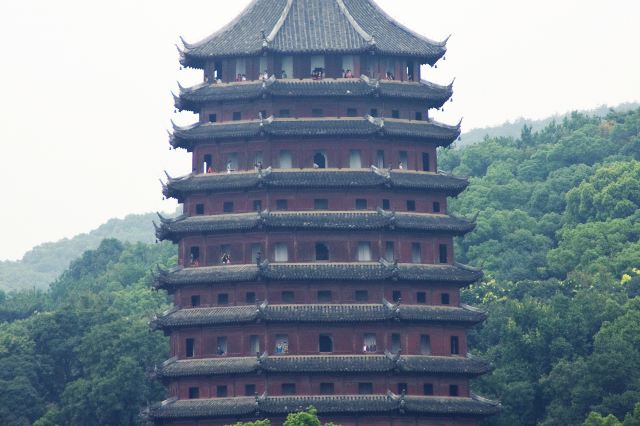
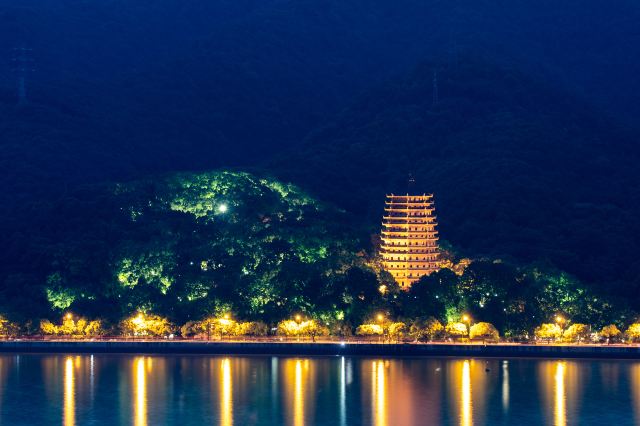
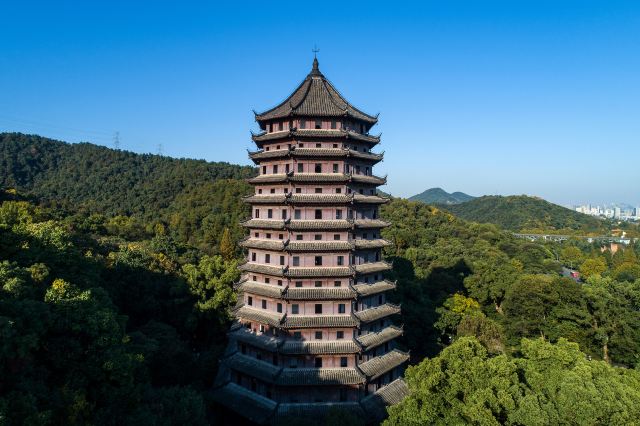
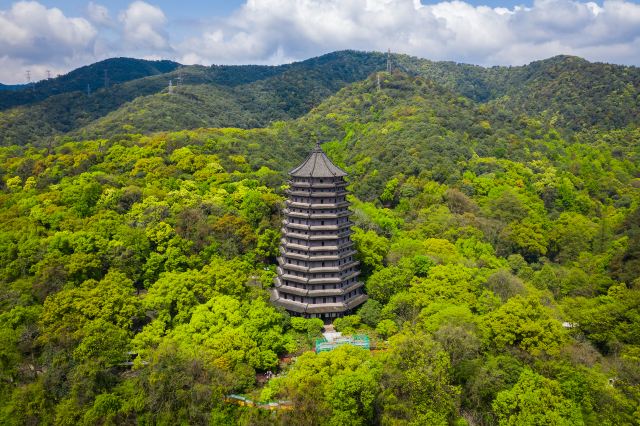
Six Harmonies Pagoda is a charming historical site that rewards a short visit rather than a full day. The pagoda itself is fascinating — originally built in 970 AD to suppress the Qiantang River's famously dangerous tidal bore, it's a clever structure with seven interior stone stories wrapped in a thirteen-story wooden exterior. Climbing to the top via a dark spiral staircase reveals progressively better views of the Qiantang River and the modern Qiantang Bridge below. The surrounding hillside park includes an outdoor gallery of over 100 miniature replica pagodas from across China, which is surprisingly interesting. That said, it's a relatively small attraction — 1-2 hours is plenty. Best for architecture enthusiasts, photography lovers, and anyone who appreciates the idea of building a lighthouse-pagoda to fight river demons. Time your visit with the autumn tidal bore (mid-September to October) for the most dramatic Qiantang River experience.
Top Questions from Travelers
Why This Place Matters
The Six Harmonies Pagoda takes its name from the Buddhist concept of 'six harmonies of respect' — a set of principles for monastic community living. But its construction in 970 AD had a very practical purpose: the Qiantang River's tidal bore was genuinely dangerous, destroying boats and flooding communities. Ancient Chinese believed a pagoda could suppress the water spirits causing the tides, while the structure also served as a lighthouse for river navigation. The current stone interior dates to the Southern Song Dynasty (1127-1279), making it one of Hangzhou's oldest surviving structures. The concept of building sacred architecture to control natural forces reveals a fascinating intersection of Chinese religion, science, and engineering — they weren't just building a tower, they were trying to negotiate with nature.
Need help planning?
ChinaPal handles everything
- Book English-speaking guides
- Arrange transport & tickets
- Real-time help during your visit
- Restaurant reservations nearby
Highlights
4 iconic experiences that define a visit
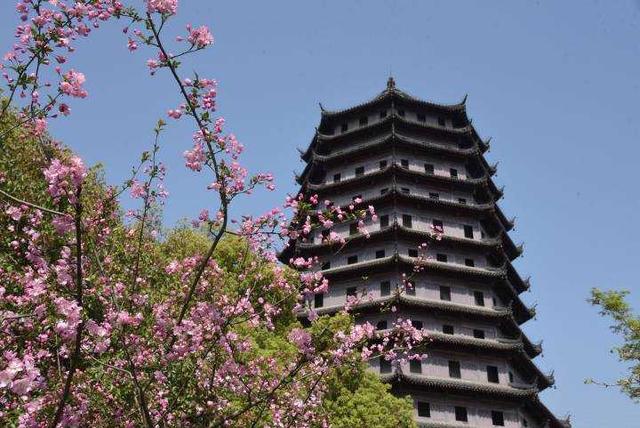
Pagoda Interior Climb
A dark, narrow spiral stone staircase winds through seven interior stories. Each floor has small windows that frame increasingly dramatic views of the Qiantang River. The top floor opens to a panoramic vista of the river, the Qiantang Bridge, and Hangzhou's skyline.
The staircase feels genuinely ancient — worn stone steps, low ceilings, minimal lighting. It's a physical connection to the Song Dynasty craftsmen who built this over 800 years ago. The view from the top is the reward.
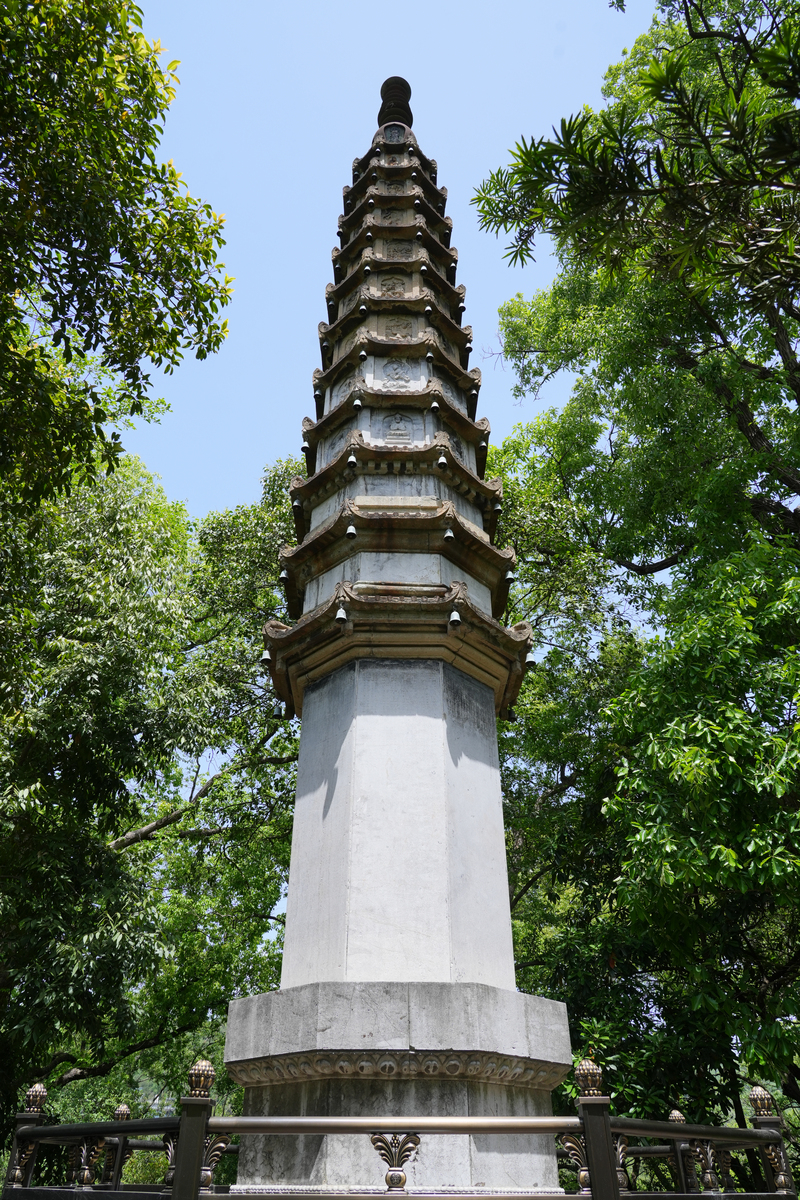 Universal Appeal
Qiantang River Panoramic View
From the top of the pagoda and the surrounding hillside, you get sweeping views of the Qiantang River, the Qiantang Bridge (China's first modern highw...
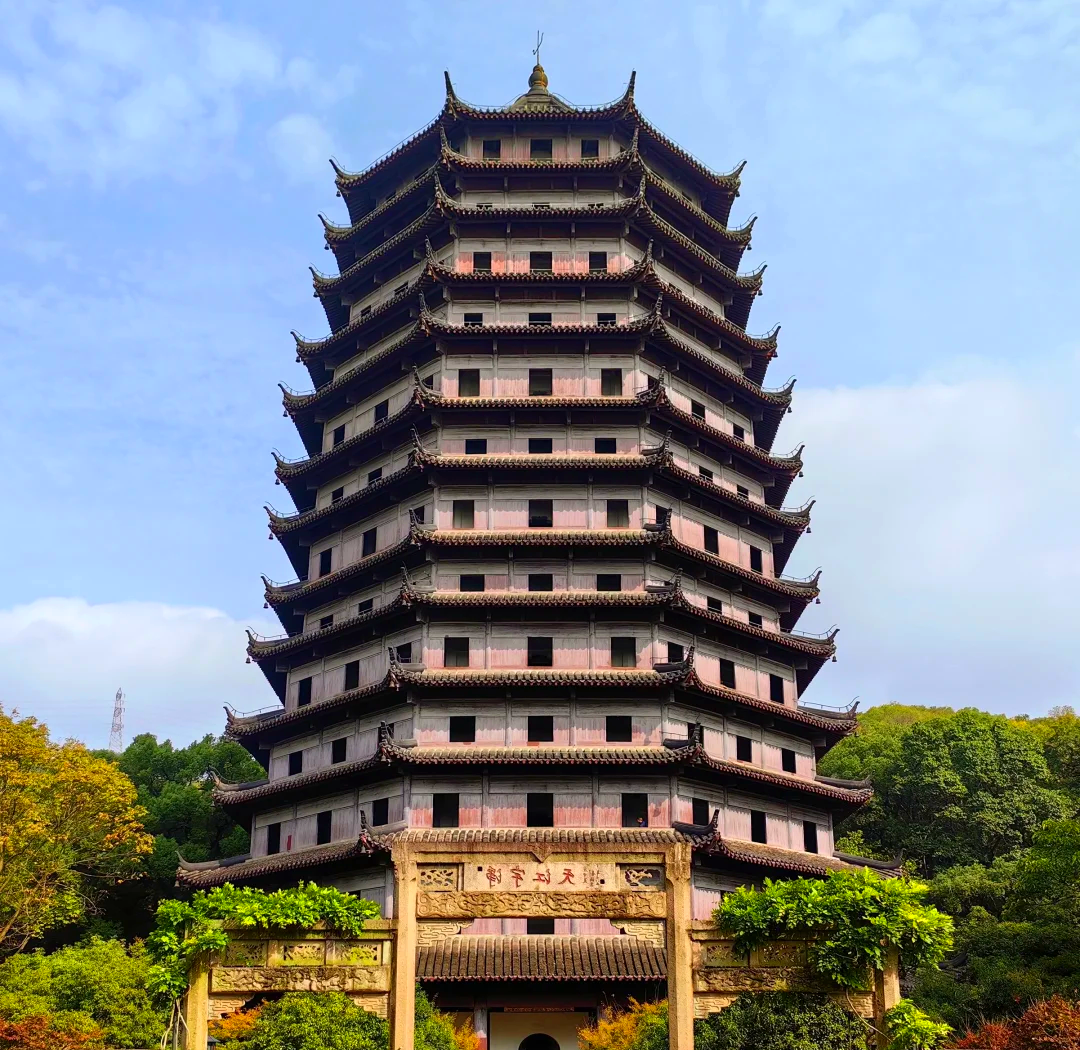 Culturally Interesting
Miniature Pagoda Garden (中华古塔苑)
An outdoor hillside gallery featuring over 100 scaled replicas of famous pagodas from across China. Each model is historically accurate and accompanie...
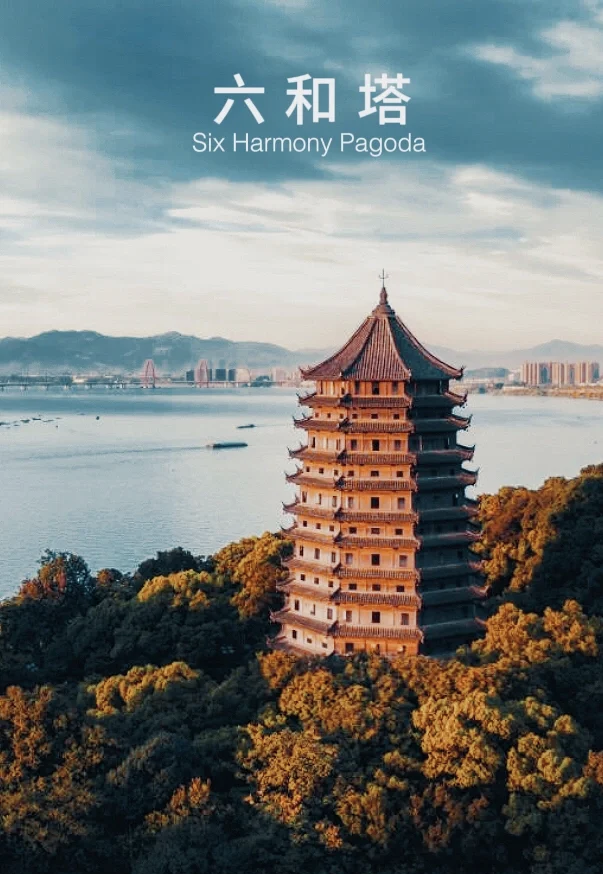 Culturally Interesting
Pagoda Exterior Architecture
The 60-meter octagonal structure is a masterpiece of Song Dynasty architecture — the thirteen-story wooden exterior wrapping seven interior stone stor...
What Most Visitors Miss
The tidal bore viewing during autumn
The pagoda was literally built because of the Qiantang tidal bore, but most visitors come at random times. During September/October, you can watch one of the world's largest tidal bores from the very structure built to 'suppress' it — a poetically perfect experience.
The miniature pagoda garden
Many visitors climb the main pagoda and leave, missing the charming hillside garden of 100+ pagoda replicas from across China. It's included in the ticket and takes 20-30 minutes.
Plan Your Visit
How Long to Visit
45 minutes (climb the pagoda, enjoy the view, leave
1.5 hours (pagoda climb, outdoor pagoda gallery, riverside views
2.5 hours (everything plus the tidal bore viewing during autumn season
Smart Route
Enter the park
walk uphill to the pagoda
buy the extra ¥10 climbing ticket
climb to the top and enjoy views from each floor
circle the pagoda exterior
wander through the miniature pagoda garden on the hillside
walk to the riverside viewpoint for Qiantang Bridge views
exit.
Best Time to Visit
Late afternoon for the best light on the river and golden hour views from the top of the pagoda
Midday in summer when the exposed hillside walk is hot
By Season
Spring
has pleasant temperatures and blooming flowers on the hillside. Winter is cold but clear with good visibility.
Summer
Autumn
(mid-September to October) is the prime season — the Qiantang River tidal bore reaches its peak around the Mid-Autumn Festival, and watching it from the pagoda or riverside is spectacular. Spring has pleasant temperatures and blooming flowers on the hillside.
Winter
If visiting during tidal bore season (typically around the 18th day of the 8th lunar month, usually September/October), the pagoda and riverside areas offer excellent viewing of this natural phenomenon. Check local tide schedules for exact timing.
What to Skip
The small souvenir stands near the entrance sell generic items. The hillside paths beyond the pagoda garden lead to less interesting areas — stick to the main pagoda and garden loop.
Pro Tips
This pairs beautifully with a visit to the Qiantang River bridge area or a trip to the nearby Longjing Tea Plantations (20-minute drive). It's a quick, satisfying stop rather than an all-day destination.
Photo Spots
Top floor of the pagoda looking at Qiantang Bridge
Shoot through the window frames for a natural border. The bridge stretching across the wide river creates a strong leading line. Best in afternoon light.
Pagoda exterior from the hillside garden
Step back into the miniature pagoda garden for a clear view of the full 60-meter tower. Morning light hits the east-facing side best.
Riverside path below the pagoda
Walk to the riverside for a classic upward shot of the pagoda rising above the treeline. During tidal bore season, combine with action shots of the wave.
Pair With
Longjing Tea Plantations (龙井茶园)
20 minutes by car/taxi
Just a 20-minute drive southwest — walk through terraced tea fields, visit a tea farmer's home, and taste freshly picked Longjing green tea. One of Hangzhou's most distinctive experiences.
West Lake (西湖)
25-30 minutes by bus or taxi
Hangzhou's centerpiece UNESCO site — completely different atmosphere from the pagoda's riverside setting. The two sites together cover Hangzhou's most important historical landmarks.
Nine Creeks and Eighteen Gullies (九溪十八涧)
15 minutes by bus or taxi
A beautiful forested walking trail through tea plantations and creeks, accessible from the pagoda area. Perfect for nature lovers who want to extend their time on Hangzhou's south side.
Tickets & Access
Park and pagoda grounds entry
Access to the pagoda exterior, gardens, and miniature pagoda gallery
Pagoda climbing (interior)
Climb the seven interior stone stories for panoramic river views — don't skip this
Student / senior discount
With valid student ID or senior card
Opening Hours
April–October: 6:30 AM–5:30 PM. November–March: 7:00 AM–5:00 PM (approximately 4:55 PM last entry).
How to Buy
Buy tickets at the entrance gate. Cash or mobile payment accepted.
Passport: Yes — foreigners can enter with passport.
Queue Situation
Virtually no queues — this is not a heavily touristed attraction. Even on weekends, entry is immediate.
Tips & Warnings
The interior staircase is dark and steep
Bring a phone flashlight. The stone steps are worn smooth and can be slippery. Handrails exist but the space is tight. Not recommended for those with claustrophobia or severe mobility issues.
The site requires uphill walking
From the entrance to the pagoda involves a gentle but noticeable uphill walk. It's not difficult but worth knowing if you have mobility concerns. Wear comfortable shoes.
Limited food and drink options on-site
Bring water and snacks. The nearest restaurants are outside the park area. This is a relatively short visit, so eat before or after. If you arrive unprepared, drop us a message and we can recommend the nearest good restaurant or arrange a taxi to take you somewhere nearby for lunch.
What to Bring
Wear
Comfortable walking shoes with grip — needed for the uphill path and worn stone staircase inside the pagoda. Layers in spring/autumn as the hilltop is windier than the city.
Bring
Phone with flashlight app (essential for dark staircase). Camera with zoom lens for river and bridge details. Water bottle. Small cash for tickets.
Don't Bring
Large bags are cumbersome on the narrow interior staircase. Leave heavy packs at your hotel.
Physical Reality
moderate
Uphill walk from entrance to pagoda (gentle slope, about 10 minutes). Interior staircase is steep, narrow, and dark — 7 stories of worn stone steps in a confined space. The outdoor garden is on a hillside with paths and some stairs. The riverside viewpoint is accessible without climbing the pagoda.
Foreigners Watch Out
- The pagoda climbing ticket (¥10) is sold separately from the park entry (¥20) — buy both at the entrance or you'll have to go back for the climbing ticket.
- Information boards inside the pagoda gallery are predominantly Chinese. Consider reading about the pagoda's history beforehand to enhance your understanding. Alternatively, send us photos of any signs you want translated and our team can respond in real time.
- The site closes relatively early (5:00-5:30 PM) — don't arrive too late in the afternoon.
- During tidal bore season, the riverside areas near the pagoda can get very crowded with local spectators. The pagoda provides an elevated viewing alternative.
If Things Go Wrong
Pagoda interior closed for maintenance
→ The exterior, grounds, and miniature pagoda garden are still worth visiting. The riverside viewpoint offers similar views to the pagoda top, just from a lower elevation.
Poor visibility from the top (haze or rain)
→ The pagoda interior architecture is still impressive regardless of outside visibility. Focus on the staircase experience and the miniature pagoda garden.
Physical difficulty with the steep interior stairs
→ Each floor has a landing where you can rest or turn back. The first 2-3 floors still offer good views. There's no obligation to reach the top.
Useful Chinese
Tap to reveal the English meaning