


About Longjing Tea Plantation / Dragon Well Tea Village
“Serene, green, and fragrant — a living landscape where centuries-old tea traditions continue in the shadow of a modern city, and every conversation eventually leads to a cup of tea.”
Longjing Tea Plantation covers the broader tea-growing region southwest of West Lake, encompassing several villages including Longjing Village, Meijiawu, and surrounding hillside plantations. It's a genuinely beautiful area — rolling hills blanketed in perfectly manicured rows of tea bushes, clean air, and a slower pace of life that feels miles from the city. The main experience is wandering through the plantations, visiting farmhouses for tea tasting, and optionally participating in tea picking or watching the traditional hand-frying process. However, virtually every interaction with locals ends in a tea sales pitch, and prices are steep (premium Longjing runs ¥1600+ per jin/500g). The area is free to enter and open all day, with no formal structure — you set your own pace. Spring (March-April) is magical during the harvest, but also the most crowded. In summer it's searingly hot with aggressive mosquitoes. The villages are a bit spread out and public transport is limited, so plan your logistics. Best for tea enthusiasts, photographers, and anyone wanting a half-day escape from West Lake's crowds into the peaceful green hills.
Top Questions from Travelers
Why This Place Matters
Longjing tea has been grown in these specific hills for over 1,200 years, making this one of the world's oldest continuously cultivated tea regions. The tea's fame skyrocketed when Qing Dynasty Emperor Qianlong visited, declared it the finest tea in China, and granted 'imperial' status to eighteen specific bushes — still alive today. West Lake Longjing is a protected geographical indication: only tea from these designated areas can legally carry the name, similar to Champagne. The traditional hand-frying technique (using bare hands on a 300°C wok) was recognized as national intangible cultural heritage in 2008. For Chinese visitors, drinking fresh Longjing at its source is a culturally loaded experience — it connects them to 1,200 years of literati, emperors, and Buddhist monks who sat in these same hills and drank the same tea.
Need help planning?
ChinaPal handles everything
- Book English-speaking guides
- Arrange transport & tickets
- Real-time help during your visit
- Restaurant reservations nearby
Highlights
4 iconic experiences that define a visit
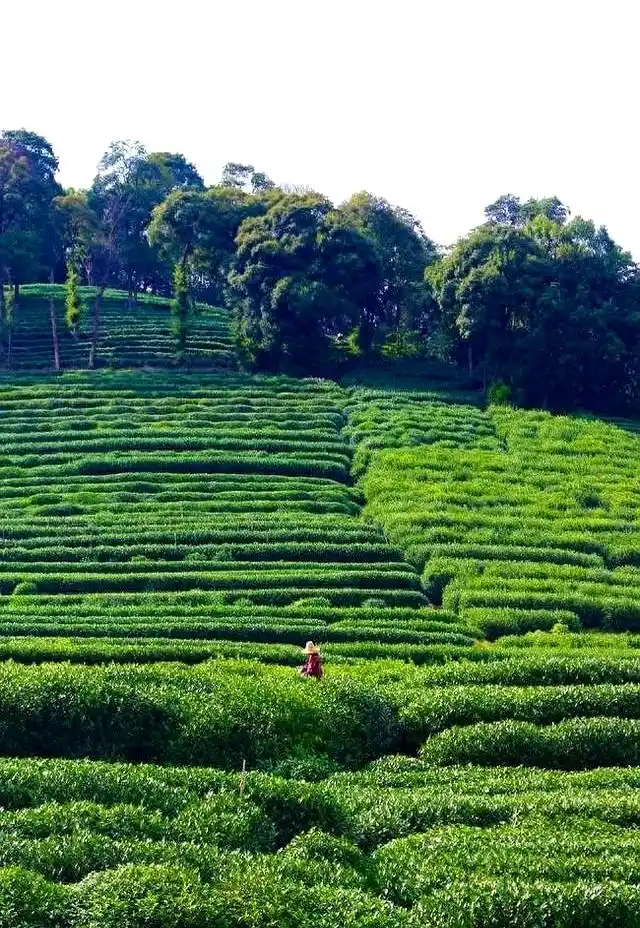
Tea Terraces and Plantation Walks
Thousands of acres of precisely manicured tea bushes blanketing the hillsides in rows that follow the terrain's contours. In spring, straw-hatted workers move through the rows hand-picking leaves. The visual effect — endless rolling green — is genuinely stunning.
Multiple Google reviewers describe this as 'zen,' 'serene,' and 'like walking through a painting.' Even non-tea-drinkers are moved by the landscape beauty.
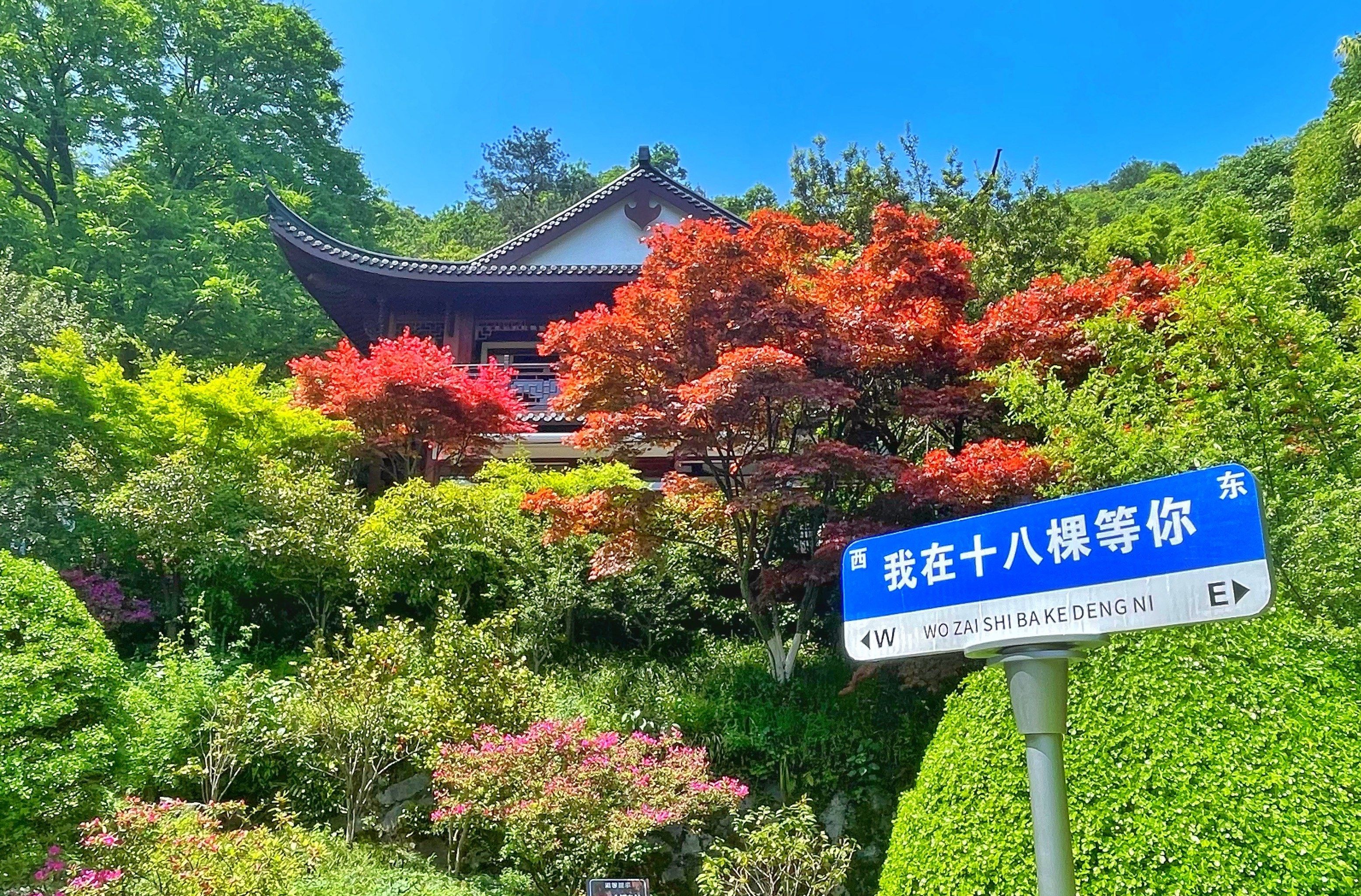 Culturally Interesting
Eighteen Imperial Tea Trees (十八棵御茶)
The legendary tea bushes personally designated by Emperor Qianlong during his visit in the Qing Dynasty. According to legend, tea from these specific ...
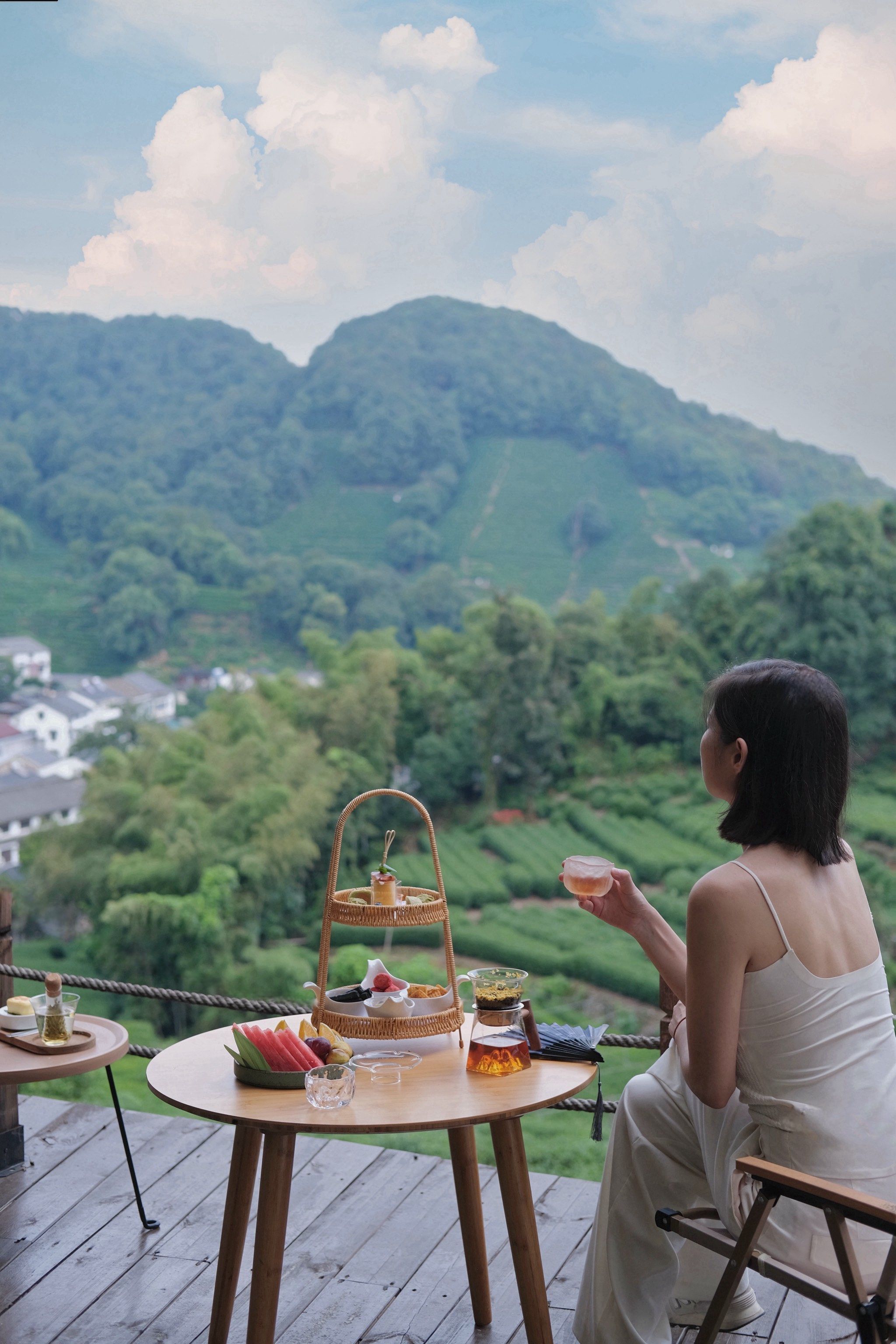 Universal Appeal
Farmhouse Tea Tasting Experience
Local families invite visitors into their homes to sit around a tea table while they brew multiple grades of Longjing tea, explaining the differences....
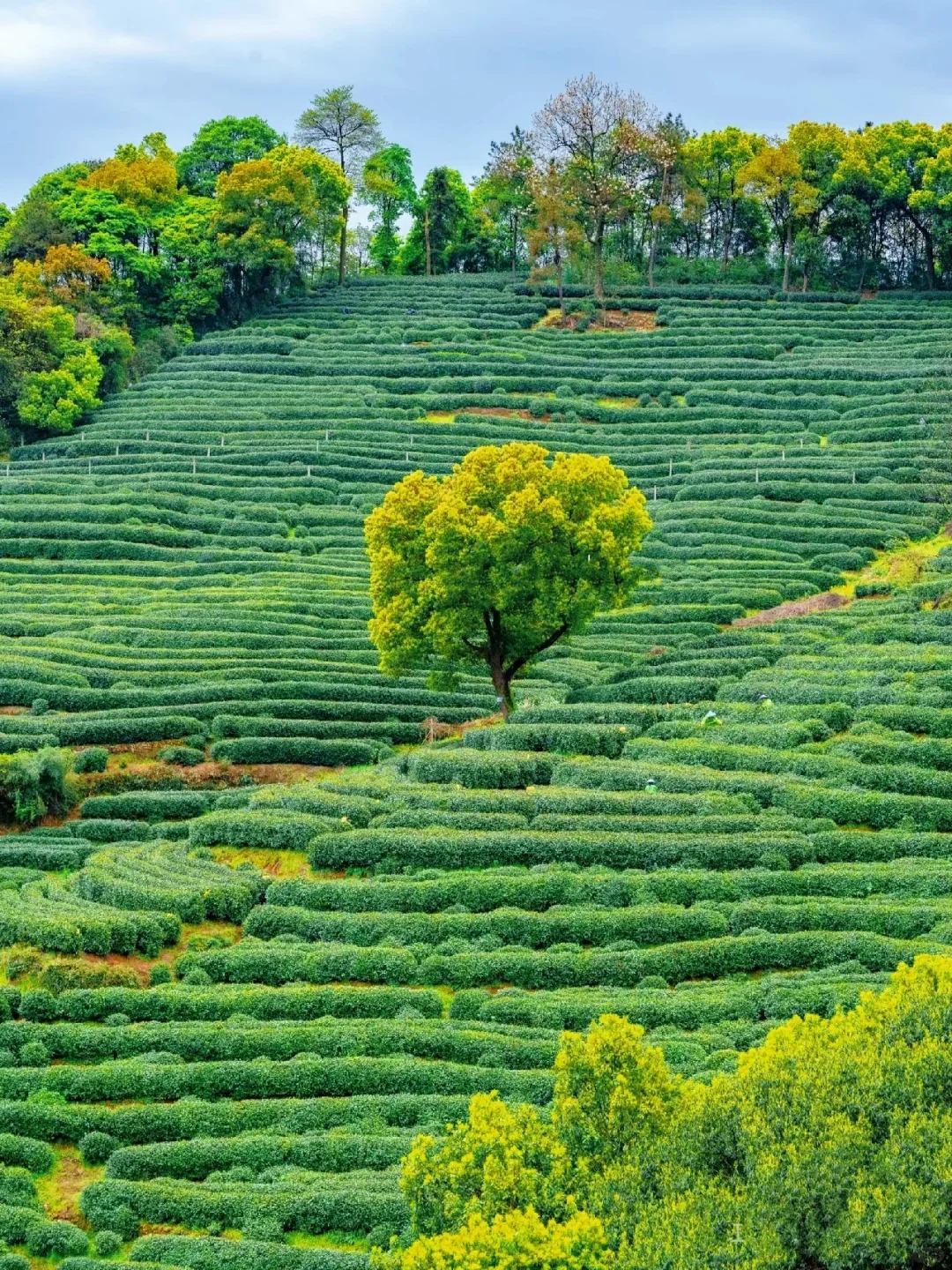 Culturally Interesting
Meijiawu Tea Village (梅家坞)
A separate village 13km west of West Lake with 600+ years of tea history, visited by Queen Elizabeth and Premier Zhou Enlai. More spread out and rural...
What Most Visitors Miss
China National Tea Museum (中国茶叶博物馆)
Free, well-curated museum covering the full history and culture of Chinese tea. Most visitors go straight to the villages and skip this — but visiting the museum first gives you the knowledge to appreciate the tea tasting much more, and their tea shop has fair, fixed pricing.
The traditional hand-frying process (炒茶)
Longjing tea's flat leaf shape comes from being hand-pressed in a 240-300°C wok — a UNESCO-recognized skill. Skilled workers can only produce about 1kg of finished tea per day. Most tourists just taste the end product without seeing this incredible process. Ask at farmhouses during spring season.
Biking back to West Lake
The ride from the tea villages back to West Lake is mostly downhill through beautiful scenery. Shared bikes (Mobike, Hellobike) are cheap and available — multiple reviewers recommend this as a highlight. Much more enjoyable than waiting for an infrequent bus.
Plan Your Visit
How Long to Visit
bus to Longjing Village, walk through main tea fields, one tea tasting
explore tea terraces, tea tasting, visit Eighteen Imperial Tea Trees, walk to Nine Creeks trail
Full day (combine Longjing Village, Meijiawu Tea Village, China National Tea Museum, Nine Creeks hike, and Hupao Spring
Smart Route
Take bus 27 from the north shore of West Lake to Longjing Tea Village stop (¥2, 25 min)
walk through the main tea fields
visit Old Longjing Imperial Tea Garden (¥10) to see the Eighteen Imperial Tea Trees
accept a farmhouse tea tasting
walk or take a Didi to Meijiawu for lunch
visit the China National Tea Museum (free) on the way back
bike or bus back to West Lake.
Best Time to Visit
Early morning (7-9 AM) when tea farmers are actively picking, the light is golden on the fields, and tourist crowds haven't arrived yet
Midday in July-August — temperatures exceed 40°C with virtually no shade on the exposed hillside paths
By Season
Spring
(March-May) is the absolute peak: tea picking is underway, the fields are luminous green, and you can taste the freshest possible Longjing. The prized Mingqian tea is picked before Qingming Festival (early April).
Summer
is green but brutally hot. Autumn (September-November) has comfortable weather and osmanthus fragrance mixing with tea scent.
Autumn
(September-November) has comfortable weather and osmanthus fragrance mixing with tea scent. Winter is quiet and dormant — peaceful but less scenic.
Winter
Visit in mid-March on a weekday to catch the very first spring harvest (the earliest, most prized 'first flush' leaves). The village is busy but not packed, and farmers are in the best mood after a good crop.
What to Skip
Skip the overpriced tea shops right at the bus stop — walk further in for better prices and more authentic experiences. Skip Longjing Village on weekends during March-April peak season — go to the quieter Meijiawu instead.
Pro Tips
Download a translation app before visiting — it makes tea tasting and bargaining infinitely easier. Bring a refillable water bottle — locals insist the best Longjing must be brewed with local spring water, and several springs are accessible. For the best souvenir, buy 50-100g of mid-grade Yuqian tea — it's half the price of Mingqian and still excellent.
Photo Spots
Hillside tea rows above Longjing Village
Walk uphill from the village until you can see rows stretching in multiple directions. Early morning light (7-8 AM) creates the best contrast between the bright green leaves and misty hills behind.
Tea pickers at work (spring only)
March-April mornings — look for workers in traditional straw hats and blue clothing among the bushes. Ask permission before photographing closely. A telephoto lens helps capture candid moments without intruding.
Eighteen Imperial Tea Trees (十八棵御茶)
The trees are small and fenced — get low and shoot upward to include the hillside behind. A sign with the history makes a good establishing shot.
Tea terraces with village houses below
Find a high vantage point where white-walled, dark-roofed village houses sit among the green tea rows. Overcast or misty days create an ethereal Chinese painting aesthetic.
Pair With
China National Tea Museum (中国茶叶博物馆)
10-minute drive from Longjing Village
Free museum dedicated to Chinese tea history and culture — provides the knowledge foundation that makes the tea village tasting much richer. Their gift shop sells authenticated tea at fair prices.
Nine Creeks and Eighteen Gullies (九溪十八涧)
15-20 minute walk from Longjing Village
One of Hangzhou's most peaceful nature walks — a creek-side trail through bamboo forests that connects to the tea plantation area. Perfect cool-down after a hot hillside walk.
West Lake (西湖)
20 minutes by bus 27 or 25 minutes by bike (downhill)
The tea villages are just 20-30 minutes from West Lake's south shore. A morning at the tea plantation followed by an afternoon lakeside walk makes an ideal full day.
Tickets & Access
Longjing Village and tea fields access
Walk freely through all public tea fields and village paths
Old Longjing Imperial Tea Garden (老龙井御茶园)
Includes the Eighteen Imperial Tea Trees, Longquan spring, and Song Dynasty temple ruins
China National Tea Museum
Main branch free; Upper Branch ¥10
Tea tasting at farmhouses
You'll be offered free cups but expected to purchase tea — ¥50-500+ depending on grade and quantity
Opening Hours
Open all day, year-round. No gates or closing times. Individual farmhouses keep their own hours but most welcome visitors from sunrise to evening.
How to Buy
Walk-in for self-guided visits. Klook, Trip.com, or GetYourGuide for guided experiences with transport.
Passport: N/A — no formal ticketing. The Imperial Tea Garden accepts cash at the gate.
Queue Situation
No queues in the tea fields. Bus 27 can be crowded during spring weekends. Farmhouse tea tastings have no wait.
Tips & Warnings
Every interaction eventually becomes a tea sales pitch
This is the culture here — hospitality and commerce are intertwined. Enjoy the tea tasting, learn something, and either buy a small amount or politely decline. Don't let the commercial aspect ruin what's genuinely a beautiful experience. Set a budget before you start.
Tea prices are not standardized and tourists get overcharged
Bargaining is expected and necessary — multiple Chinese reviewers confirm you should negotiate to 50-60% of the asking price. If a farmer quotes ¥800 for a small packet, counter with ¥400. Walk away if they won't budge — the next house will. If you want a second opinion mid-negotiation, send us a photo of the tea and the asking price — our team can tell you instantly whether it's fair.
The area is spread out with limited transport between villages
Longjing Village and Meijiawu are not within walking distance of each other. Plan your transport: bus 27 serves Longjing Village; bus 28 serves Meijiawu. Didi works but signal can be patchy in the hills. A guided tour solves all transport headaches. We can also arrange a private car for a half-day tea village tour — the driver waits while you explore each stop, which makes covering both villages stress-free.
Noisy vehicles on village roads can disrupt the peace
Tour buses and cars with honking horns share the narrow village roads. Walk the smaller footpaths between tea rows rather than along the main road for a quieter experience.
What to Bring
Wear
Comfortable walking shoes with good grip — paths can be slippery, especially on damp tea terraces. Long sleeves and pants help against mosquitoes and sun. Layers in spring and autumn — it can be cool in the hills in the morning.
Bring
Mosquito repellent (essential in warmer months). Water bottle. Cash (¥200-500 depending on how much tea you plan to buy). Phone with translation app and Didi installed. Sunscreen and hat. A small bag to carry tea purchases.
Don't Bring
Heavy luggage — this is a walking experience on hilly terrain. Expectations of air conditioning or Western food.
Physical Reality
easy-moderate
Main village roads are paved and relatively flat. Tea terraces involve hilly terrain with narrow paths and some uneven surfaces. The walk from bus stop to tea fields is about 1-2km. Total walking for a typical visit is 3-6km with moderate elevation changes.
Foreigners Watch Out
- No English signage or English speakers anywhere in the villages. A translation app is essential for meaningful interaction. Even the Google Maps labeling in this area can be inconsistent. If you're struggling with communication at any point, message our concierge team — we can translate via chat, call a farmer on your behalf, or send you voice notes in Mandarin to play for the person you're talking to.
- Hotel drivers may offer to 'take you to the tea village' — this is common and usually involves them taking you to a specific farmhouse where they get a commission, resulting in higher prices for you. Take the bus or Didi independently instead.
- Payment is cash or WeChat/Alipay only. No foreign credit cards are accepted at farmhouses, small restaurants, or the Imperial Tea Garden. Bring Chinese cash.
- The tea-picking experience requires bare hands on delicate plants — some farms may be hesitant to let clumsy visitors pick from their best bushes. Be gentle and follow instructions, or book a tourist-oriented picking experience through a tour company.
If Things Go Wrong
Can't find transport back to the city center
→ Head to the main Longjing Village bus stop for bus 27, which runs frequently. If no bus, try Didi — walk to the village center for better phone signal.
Bought expensive tea and not sure if it's genuine
→ If you purchased from a farmhouse in the designated West Lake Longjing growing area, it's almost certainly genuine — the concern is more about overpaying than fake tea. Real Longjing leaves are flat, smooth, and uniformly green.
Weather turns rainy during your visit
→ Rain actually enhances the atmosphere — misty tea terraces are incredibly photogenic and the air smells amazing. Farmers continue working in light rain. Bring a rain jacket or compact umbrella.
Useful Chinese
Tap to reveal the English meaning