About Hefang Street (Qinghefang Historical Block)
“A bustling pedestrian street caught between authentic Hangzhou heritage and Chinese tourist-town commercialism — red lanterns, medicine-scented pharmacies, and dragon beard candy demonstrations on the main drag, with genuine old-city life hiding in the back alleys.”
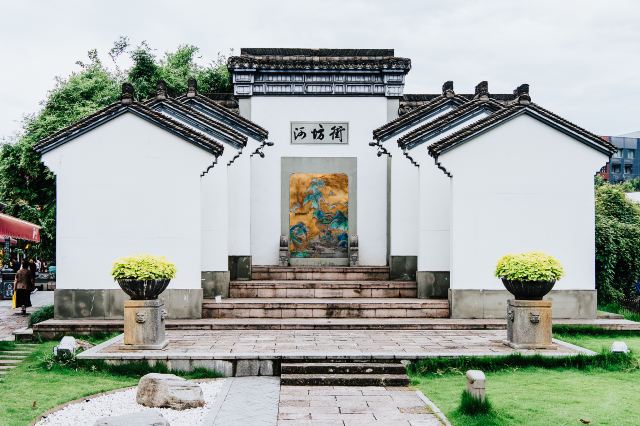
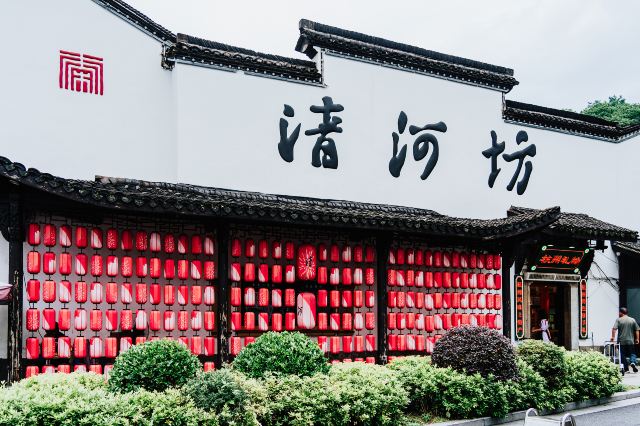
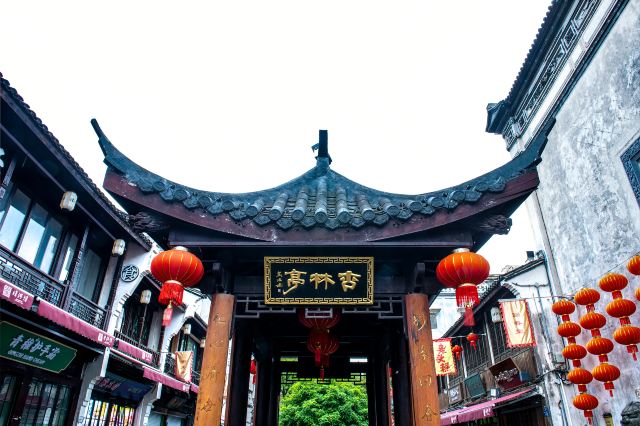
Hefang Street is Hangzhou's most famous historic pedestrian street, dating back to the Southern Song Dynasty when Hangzhou was China's imperial capital. The street genuinely delivers on its promise of old Hangzhou character — Hu Qingyu Tang pharmacy (founded 1874) still operates as a traditional Chinese medicine dispensary, century-old scissors shops and fan makers continue their craft, and the architectural preservation of green-tiled roofs and carved wooden facades is better than most Chinese 'ancient streets.' That said, this is firmly a tourist street: the main drag is packed with souvenir shops, chain snack stalls, and costume rental places that could be in any Chinese tourist town. The magic is in the side alleys and cross-streets — particularly where Hefang Street intersects with Southern Song Imperial Street (南宋御街) and the quieter lanes behind the main thoroughfare where actual old-Hangzhou life continues. The food scene ranges from touristy skewers to genuinely excellent local specialties if you know where to look. Best combined with nearby attractions (Drum Tower, Hu Xueyan's Former Residence, Wushan Square) for a half-day of old Hangzhou exploration.
Top Questions from Travelers
Why This Place Matters
Hefang Street sits at the historical heart of Hangzhou's identity. During the Southern Song Dynasty (1127-1279), Hangzhou (then called Lin'an) served as China's capital after the Song court fled south from the Jurchen invasion. This area was the commercial and residential center of the imperial city — the 'back market' to the palace's 'front court.' The street's heritage businesses represent continuity across centuries: Hu Qingyu Tang pharmacy has dispensed traditional medicine since 1874 under its founding principle of 'Jie Qi' (戒欺, 'no deception'); Zhang Xiaoquan scissors (founded 1663) are still considered the finest in China; Wang Xingji fans (founded 1875) continue a craft tradition older than the brand itself. The intersection with Southern Song Imperial Street (the actual processional road of Song emperors) gives the area a layered historical depth. Hefang Street's preservation represents Hangzhou's broader effort to maintain connection with its identity as a former imperial capital and cultural center.
Need help planning?
ChinaPal handles everything
- Book English-speaking guides
- Arrange transport & tickets
- Real-time help during your visit
- Restaurant reservations nearby
Highlights
4 iconic experiences that define a visit
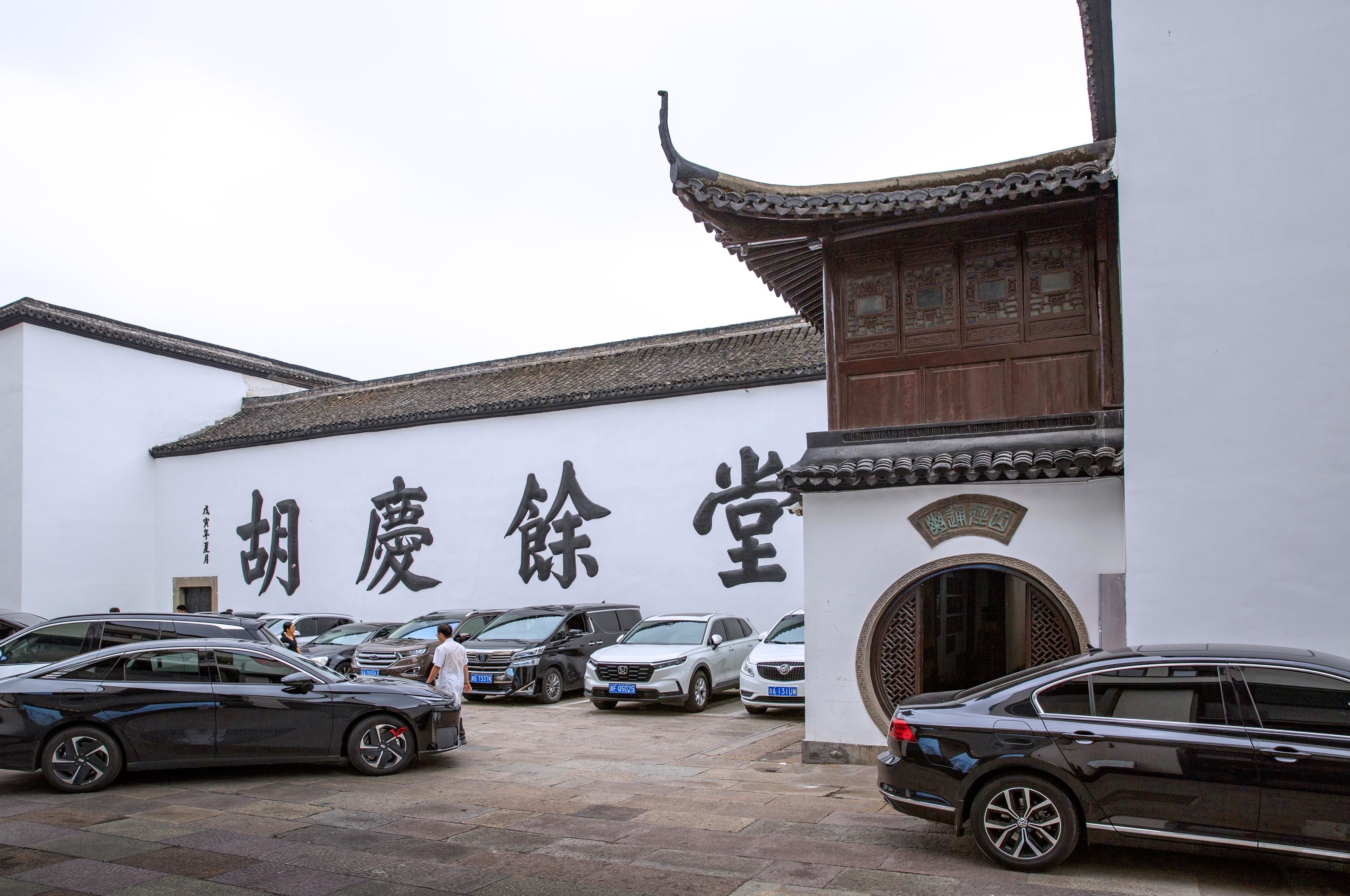
Hu Qingyu Tang Pharmacy (胡庆余堂)
A 150-year-old traditional Chinese medicine pharmacy founded by the Qing Dynasty merchant Hu Xueyan in 1874. The ornate building houses an operating pharmacy where traditional herbal prescriptions are still filled, plus a Chinese medicine museum upstairs.
This is not a museum pretending to be a pharmacy — it's an actual pharmacy that happens to be a historical landmark. Watching staff weigh herbs on traditional scales and fill prescriptions from centuries-old wooden cabinets is fascinating regardless of your interest in Chinese medicine. The building architecture alone (a national-level cultural relic) is worth the visit.
 Culturally Interesting
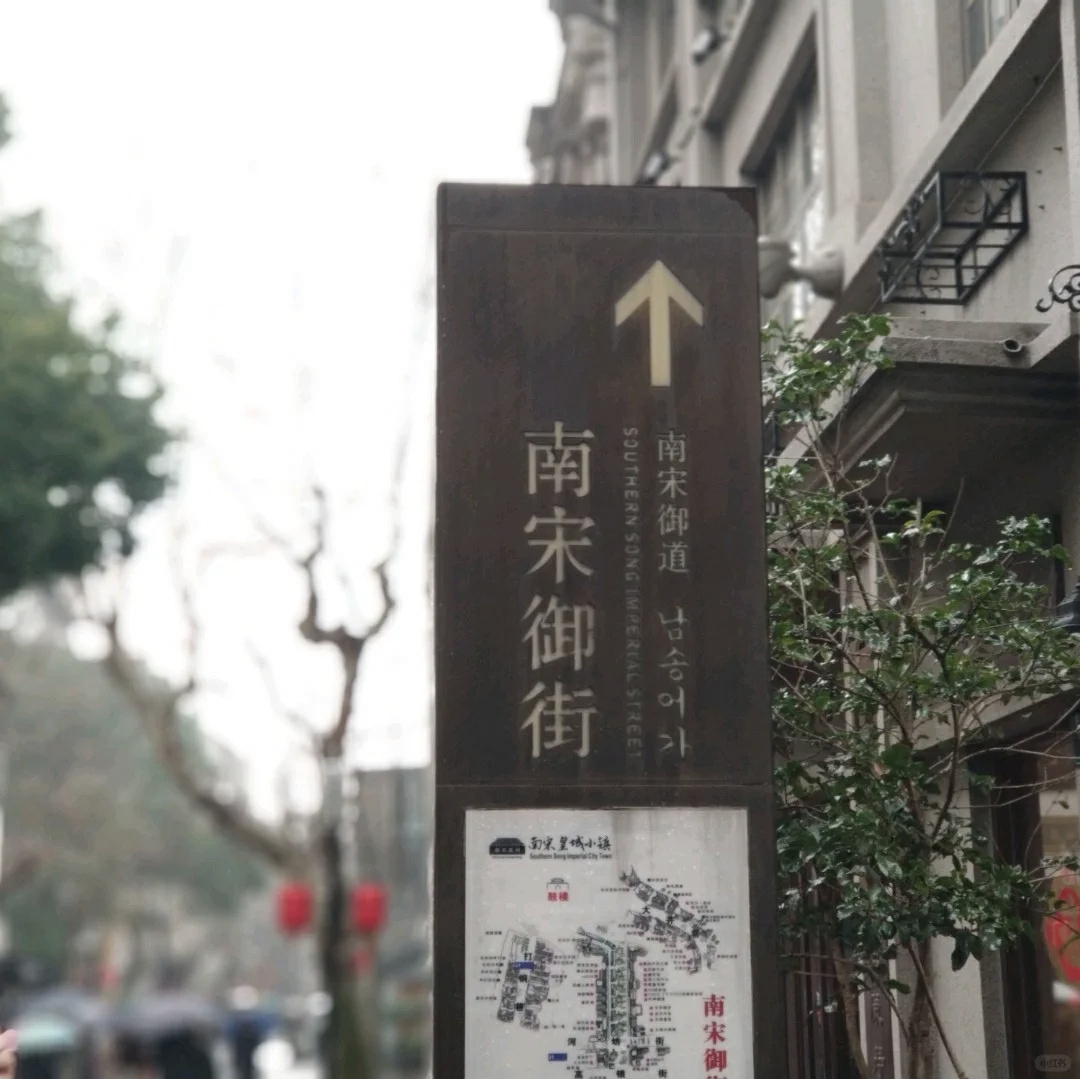
Southern Song Imperial Street Intersection (南宋御街)
Where Hefang Street crosses the ancient imperial processional road of the Southern Song capital. This north-south street has been partially restored w...
 Universal Appeal
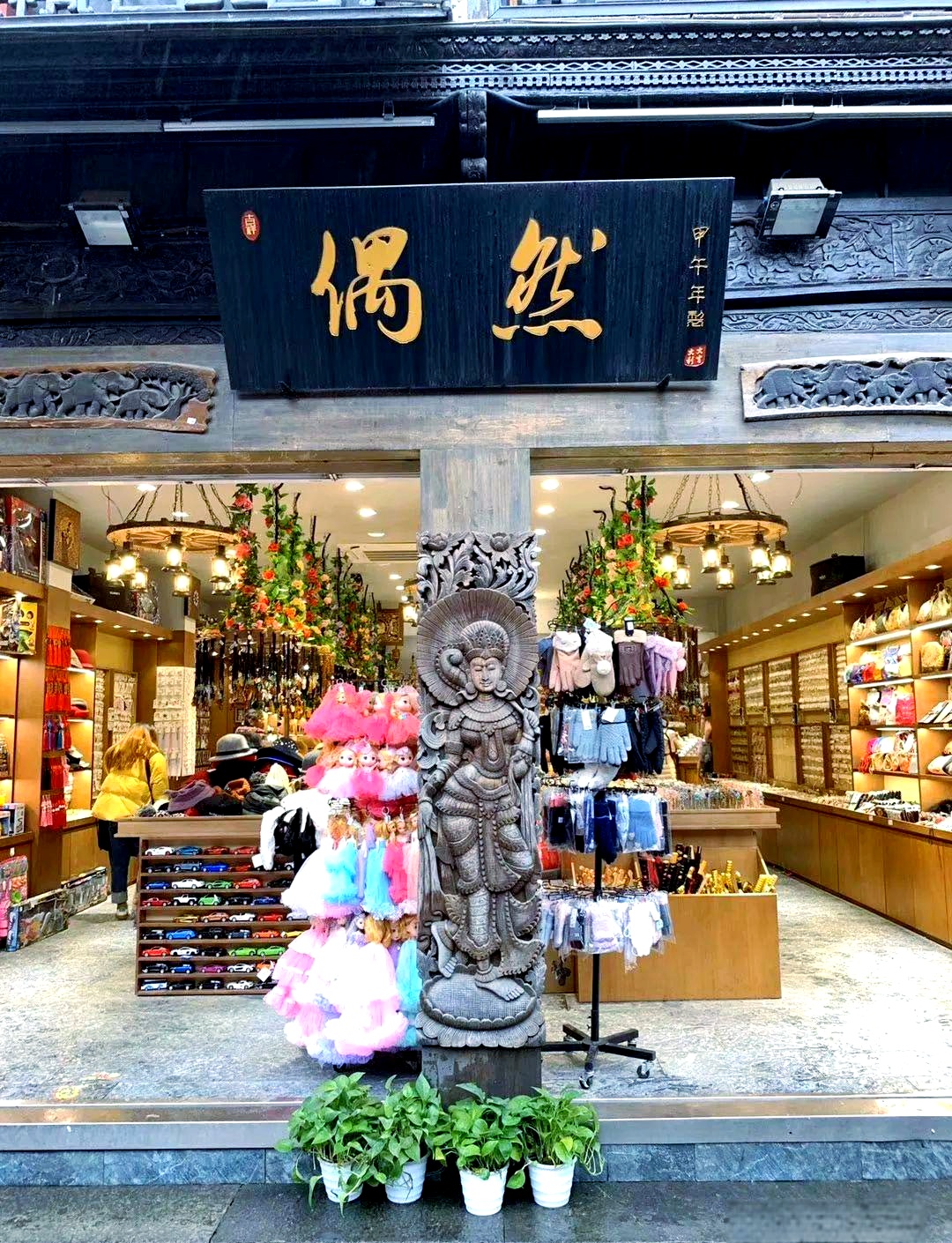
Traditional Craft Demonstrations
Street-side artisans perform traditional crafts including dragon beard candy pulling, sugar painting, shadow puppetry, and dough figurine sculpting. T...
 Universal Appeal
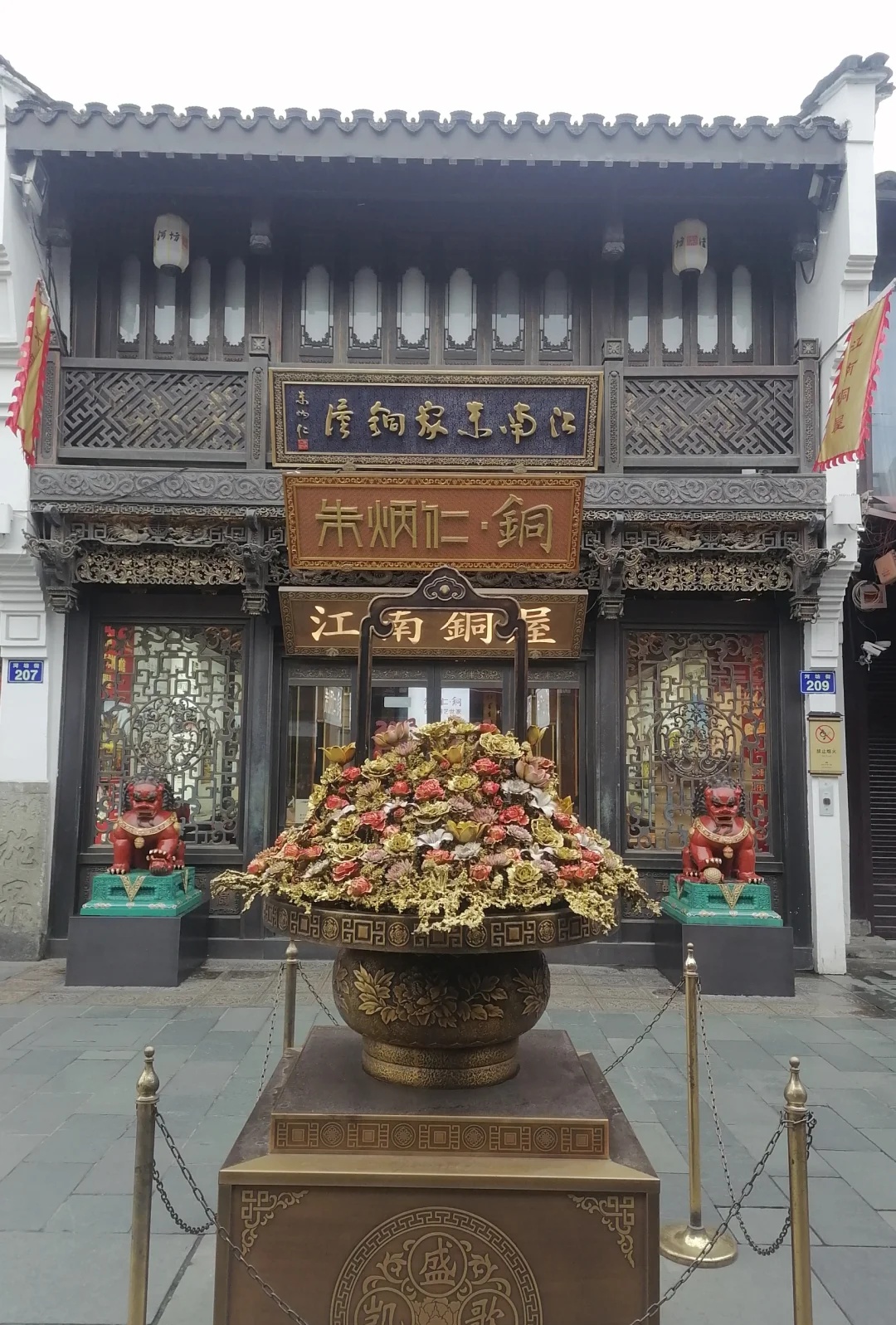
Zhu Bingren Copper Art Museum (朱炳仁铜雕艺术博物馆)
A free museum dedicated to the work of Zhu Bingren, a nationally recognized master of copper art. The entire building — walls, roof, sculptures — is c...
What Most Visitors Miss
The back alleys and side streets
Most visitors stick to the main east-west drag. The lanes running off Hefang Street — particularly Da Jing Xiang (大井巷) and Shi Wu Kui Xiang (十五奎巷) — have genuine old-Hangzhou residential character with grandmothers hanging laundry and neighbors chatting in doorways.
Gaoyin Street (高银街) for real food
Running parallel to Hefang Street, this is where locals and food-savvy visitors eat. Sit-down restaurants here serve authentic Hangzhou cuisine (West Lake fish, Dong Po pork, Longjing shrimp) at reasonable prices — far better than the tourist snack stalls on the main street.
The tea culture
Hangzhou is the home of Longjing (Dragon Well) tea, and several traditional tea shops on Hefang Street offer proper tastings. Sitting down for a tea ceremony is a far more meaningful souvenir experience than buying packaged tea from a street vendor. Our concierge can recommend a reputable tea shop and let them know you're coming, so you get a proper tasting without the hard sell.
Plan Your Visit
How Long to Visit
1-1.5 hours (walk the main street, visit one old brand shop, try a few snacks
explore main street plus Southern Song Imperial Street, visit Hu Qingyu Tang pharmacy, eat at Gaoyin Street
Half day (everything above plus Hu Xueyan's Former Residence, Drum Tower, side alleys, tea at a traditional teahouse, and evening lantern atmosphere
Smart Route
Enter from the east end near Drum Tower
walk west along Hefang Street's main drag for the overview
turn south onto Southern Song Imperial Street for the quieter heritage experience
visit Zhu Bingren Copper Museum (free)
double back to Hu Qingyu Tang pharmacy
explore a back alley or two
eat at Gaoyin Street for real Hangzhou food
return to Hefang in the evening for the lantern atmosphere.
Best Time to Visit
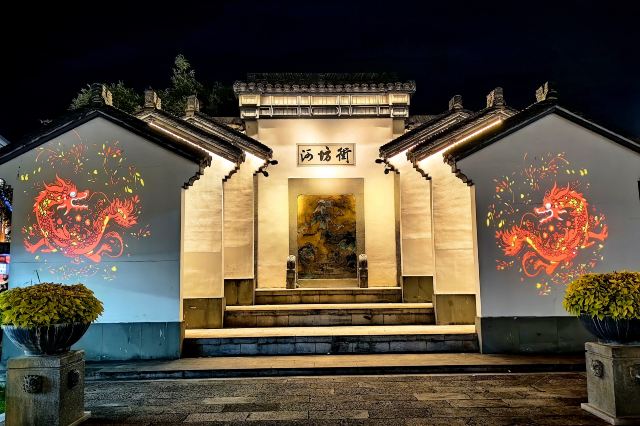
Late afternoon to evening (4:00-9:00 PM) when the red lanterns light up and the street takes on its most atmospheric character
National holidays and weekends when the street becomes shoulder-to-shoulder packed
By Season
Spring
and autumn are most comfortable for walking. Summer evenings are pleasant.
Summer
evenings are pleasant. Winter can be cold but the street has good atmosphere with fewer crowds.
Autumn
are most comfortable for walking. Summer evenings are pleasant.
Winter
can be cold but the street has good atmosphere with fewer crowds. Chinese New Year period features special decorations and performances but extreme crowds.
Come in the evening when the lanterns are lit, start from the quieter eastern end (near Drum Tower), and work your way west. The lighting transforms the street from a daytime shopping area into a genuinely atmospheric old-city scene.
What to Skip
The generic BBQ skewer stalls and identical souvenir shops selling mass-produced 'ethnic' jewelry — these exist on every Chinese tourist street. Skip the overpriced silk scarves on the main drag (better prices at the Silk Market elsewhere in Hangzhou).
Pro Tips
The best food is NOT on the main street — Gaoyin Street (one block south) has the real restaurants. For tea purchases, buy directly from a tea shop that lets you taste first, not from a pre-packaged vendor. The Drum Tower (鼓楼) at the east end offers a good elevated view of the street area and is worth a quick stop. If you want a sit-down Hangzhou meal but can't navigate the Chinese-only menus on Gaoyin Street, message us — we can make a reservation and help you order the best local dishes.
Photo Spots
Hu Qingyu Tang pharmacy facade
The ornate traditional building facade is most photogenic in the late afternoon when warm light hits the carved wooden details. Include the traditional signage and lanterns.
Hefang Street at night with red lanterns
After 6 PM when the lanterns are lit, the street takes on a warm glow. Shoot from a slightly elevated position (the entrance steps work) looking down the lantern-lined street.
Southern Song Imperial Street — glass floor archaeological display
The sections with glass floors showing archaeological remains beneath create unique shots. Visit when the street is less crowded for unobstructed views.
Pair With
West Lake (西湖)
15-minute walk
Hangzhou's defining attraction — a 15-minute walk north from Hefang Street. Do the lake in the morning/afternoon, Hefang Street in the evening.
Hu Xueyan's Former Residence (胡雪岩故居)
5-minute walk
A stunning Qing Dynasty merchant mansion belonging to the founder of Hu Qingyu Tang pharmacy. Directly adjacent to Hefang Street.
Wushan Night Market / City God Pavilion (吴山广场/城隍阁)
5-10 minute walk uphill
The hill at the south end of Hefang Street offers panoramic city and West Lake views from the City God Pavilion.
Tickets & Access
Hefang Street access
Open pedestrian street — no ticket needed
Hu Xueyan's Former Residence
Nearby attraction — beautiful late-Qing merchant's mansion
Zhu Bingren Copper Art Museum
On the street — showcases a living National Heritage master's copper art
Opening Hours
Street accessible 24/7. Shops typically 10:00 AM - 10:00 PM. Museums and heritage sites within the area: generally 08:30-17:00.
How to Buy
No booking needed for anything on the street.
Passport: N/A — the street is free.
Queue Situation
No queue to enter the street. Popular food stalls may have short waits during peak hours. The famous snack vendors near the middle of the street draw the longest lines.
Tips & Warnings
Heavy tourist commercialization on the main drag
The main east-west street is firmly a tourist zone — similar to walking streets in every Chinese city. The unique value is in the century-old brands (Hu Qingyu Tang, Zhang Xiaoquan, Wang Xingji) and the side streets. Don't judge the whole area by the main strip.
Food quality varies dramatically
Street food stalls on the main drag range from genuinely traditional (dragon beard candy, ding sheng gao) to generic mass-produced tourist fare. Look for stalls with actual preparation happening in front of you, not pre-made items sitting in warmers.
Crowded evenings and weekends
Peak hours (6-9 PM on weekends) make the main street uncomfortably packed. Come on weekday evenings for atmosphere without the crush, or morning for a calm browse.
What to Bring
Wear
Comfortable walking shoes. Casual clothing. Layers in spring/autumn as Hangzhou evenings can cool down.
Bring
Cash in small bills. Phone for photos and navigation. Appetite. A shopping bag if you plan to buy souvenirs or tea.
Don't Bring
Nothing specific to avoid.
Physical Reality
easy
Flat pedestrian street, entirely paved. Total walking distance for a full exploration is about 2-3km. Wheelchair and stroller accessible on the main street. Side alleys may have uneven stone paving.
Foreigners Watch Out
- Many small food vendors are cash-only or use Chinese mobile payment only — bring cash (¥100-200 in small bills is plenty). If you run into payment issues, message our team — we can help you locate the nearest ATM or even order food delivery to a nearby pickup point.
- Tea shop owners may invite you in for a 'free tasting' that turns into a high-pressure sales situation — enjoyable if you want tea, but feel free to leave without buying.
- The halal food section near the west end offers Muslim-friendly options including lamb skewers and hand-pulled noodles.
- Metro Line 1 to Ding'an Road Station or Line 7 to Wushan Square Station — both within 5-10 minute walk of the street.
If Things Go Wrong
Too crowded and commercial to enjoy
→ Escape into the side alleys — Da Jing Xiang and the lanes behind the main street are immediately quieter and more authentic. Or walk south along Southern Song Imperial Street for a different atmosphere.
Can't find good food among the tourist stalls
→ Walk one block south to Gaoyin Street (高银街) for proper Hangzhou restaurants. Look for restaurants with Chinese diners, not ones with English menus displayed outside. Or message our team for a specific restaurant recommendation based on what you're in the mood for — we know which spots are worth it and which are tourist traps.
Useful Chinese
Tap to reveal the English meaning