About Grand Canal Hangzhou Section
“Tranquil, historical, and unexpectedly alive — ancient stone bridges and modern cargo boats sharing the same waterway, with quiet museum alleys and bustling night markets on either bank.”
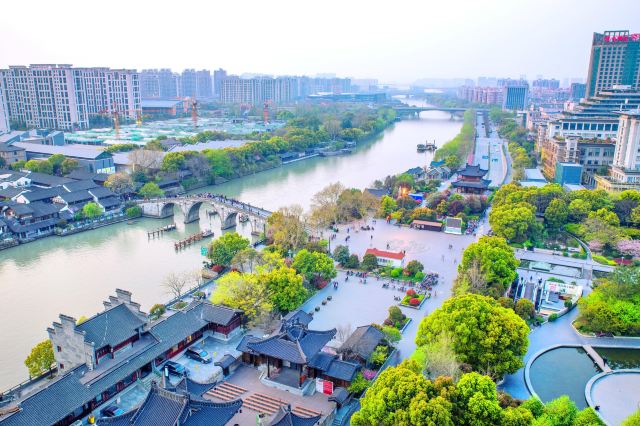
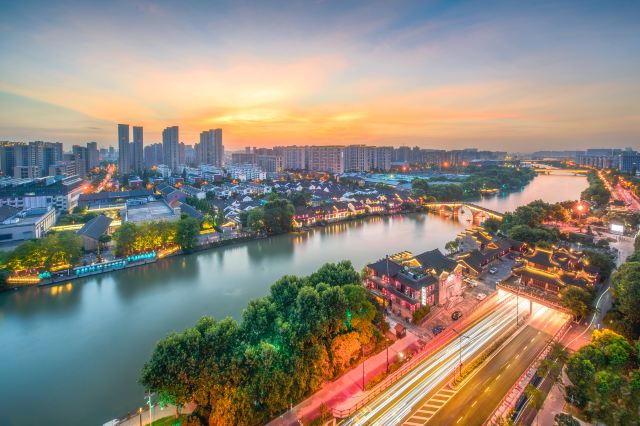
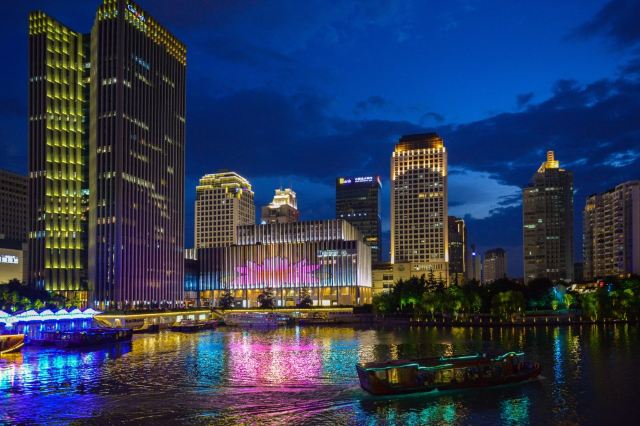
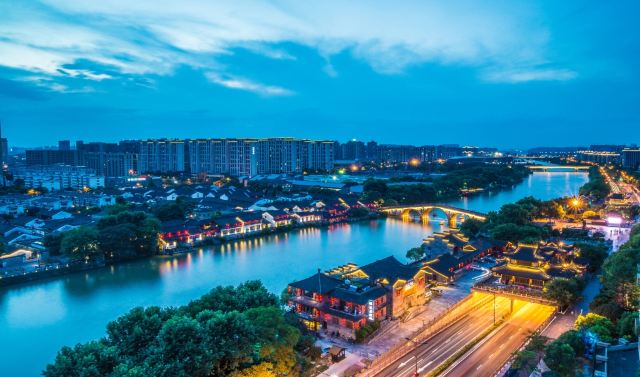
The Grand Canal in Hangzhou is a UNESCO World Heritage site that rewards slow exploration. The best experience is taking a boat ride from Wulin Gate pier north to Gongchen Bridge, watching traditional architecture slide past while understanding you're floating on a waterway that connected empires. The Qiaoxi Historic District near Gongchen Bridge is the highlight — a cluster of free museums (fans, umbrellas, knives and scissors) in beautifully restored canal-side buildings. The canal itself is still a working waterway with cargo boats alongside tourist vessels, giving it an authentic feel. Night cruises are popular for the illuminated bridges and reflections. The main downside: without context, it can feel like 'just a canal' — having a basic understanding of its historical significance transforms the experience. Best for history lovers and photographers; skip if you need constant action.
Top Questions from Travelers
Why This Place Matters
The Grand Canal is arguably China's greatest engineering achievement — more practically transformative than the Great Wall. Starting in 486 BC and expanded massively during the Sui Dynasty (605 AD), it connected China's agricultural south with its political north, enabling the transportation of grain, silk, and armies across 1,794 km. Hangzhou sits at its southern terminus and prospered enormously as a result — becoming one of the world's largest and wealthiest cities by the Song Dynasty. When Marco Polo visited in the 13th century, he called Hangzhou 'the finest and noblest city in the world,' a status directly enabled by the canal. Today it remains a working waterway — one of the few ancient mega-projects still in daily commercial use.
Need help planning?
ChinaPal handles everything
- Book English-speaking guides
- Arrange transport & tickets
- Real-time help during your visit
- Restaurant reservations nearby
Highlights
4 iconic experiences that define a visit
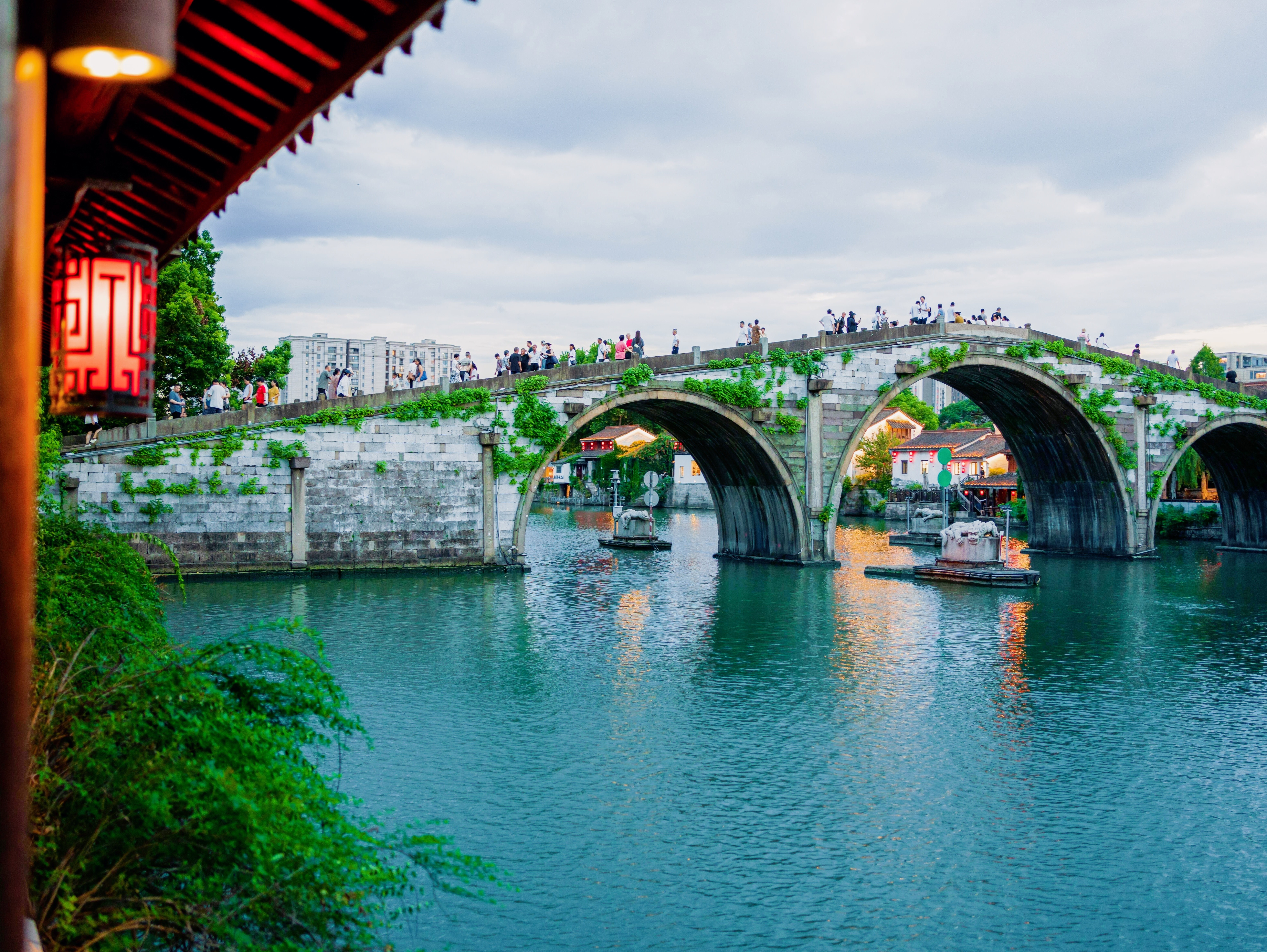
Gongchen Bridge (拱宸桥)
A magnificent 400-year-old triple-arch stone bridge that historically marked the arrival point for travelers coming to Hangzhou from the north via the Grand Canal. It's the symbolic gateway to Hangzhou and the canal's most impressive architectural landmark.
Standing on this bridge, you're literally at the endpoint of the world's longest canal. Look both directions — south into the city, north toward Beijing 1,794 km away. The scale of this engineering project becomes tangible.
 Universal Appeal
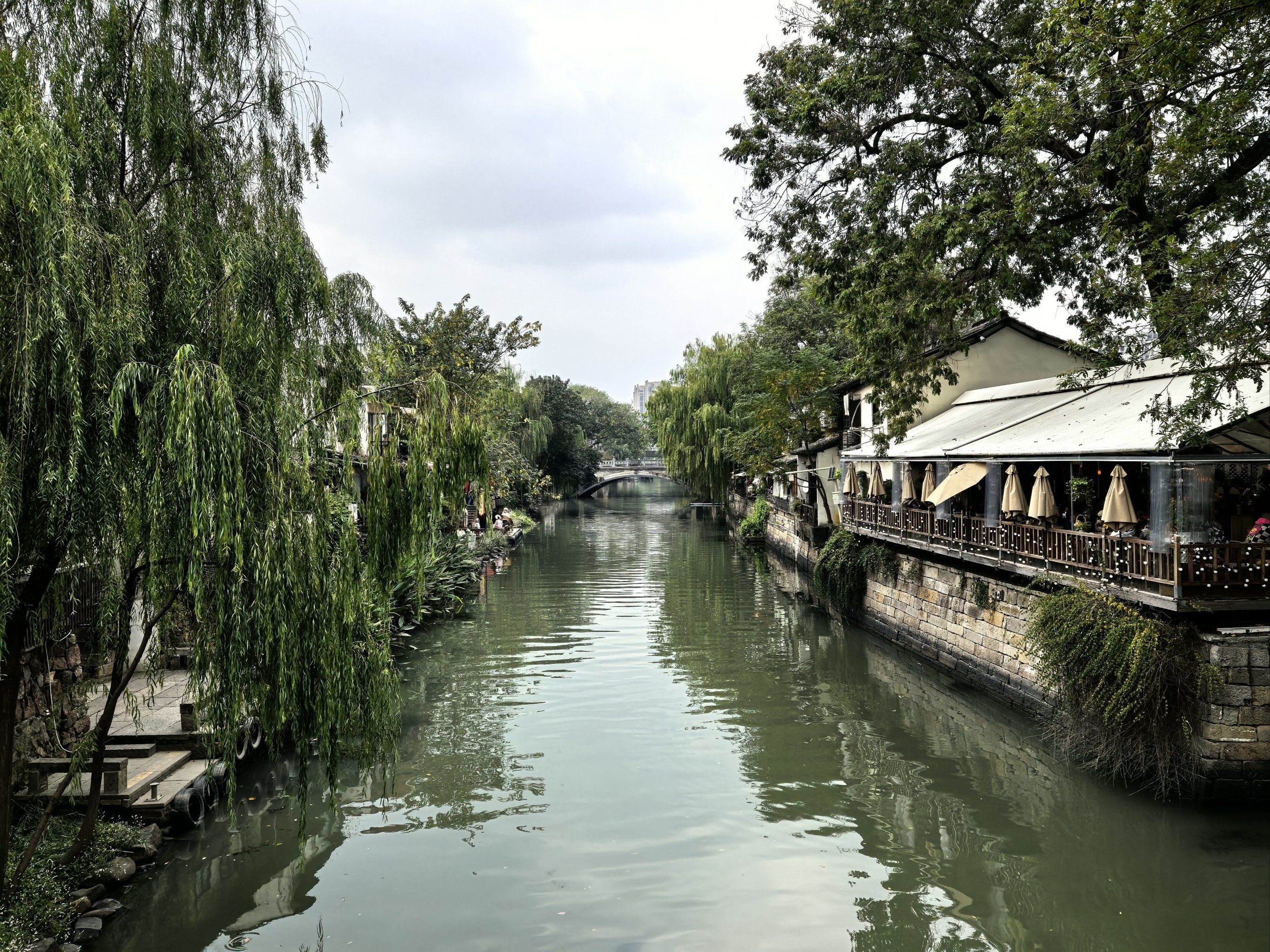
Qiaoxi Historic District (桥西历史街区)
A beautifully restored canal-side neighborhood just west of Gongchen Bridge, housing four free museums (China Fan Museum, China Umbrella Museum, China...
 Universal Appeal
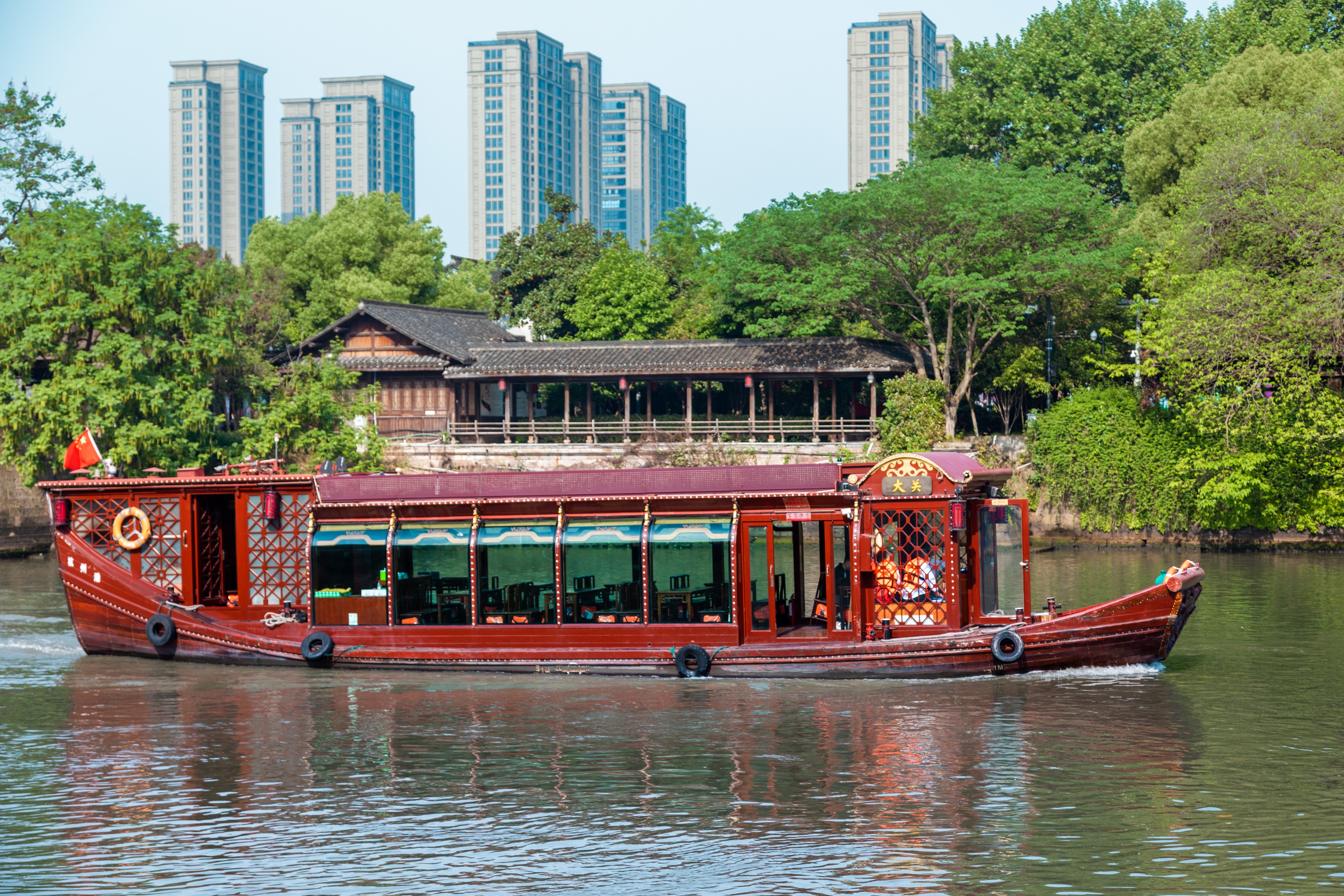
Canal Boat Cruise (漕舫船)
A heritage-style wooden boat cruise from Wulin Gate pier north along the canal, passing under historic bridges and past traditional canal-side archite...
 Culturally Interesting
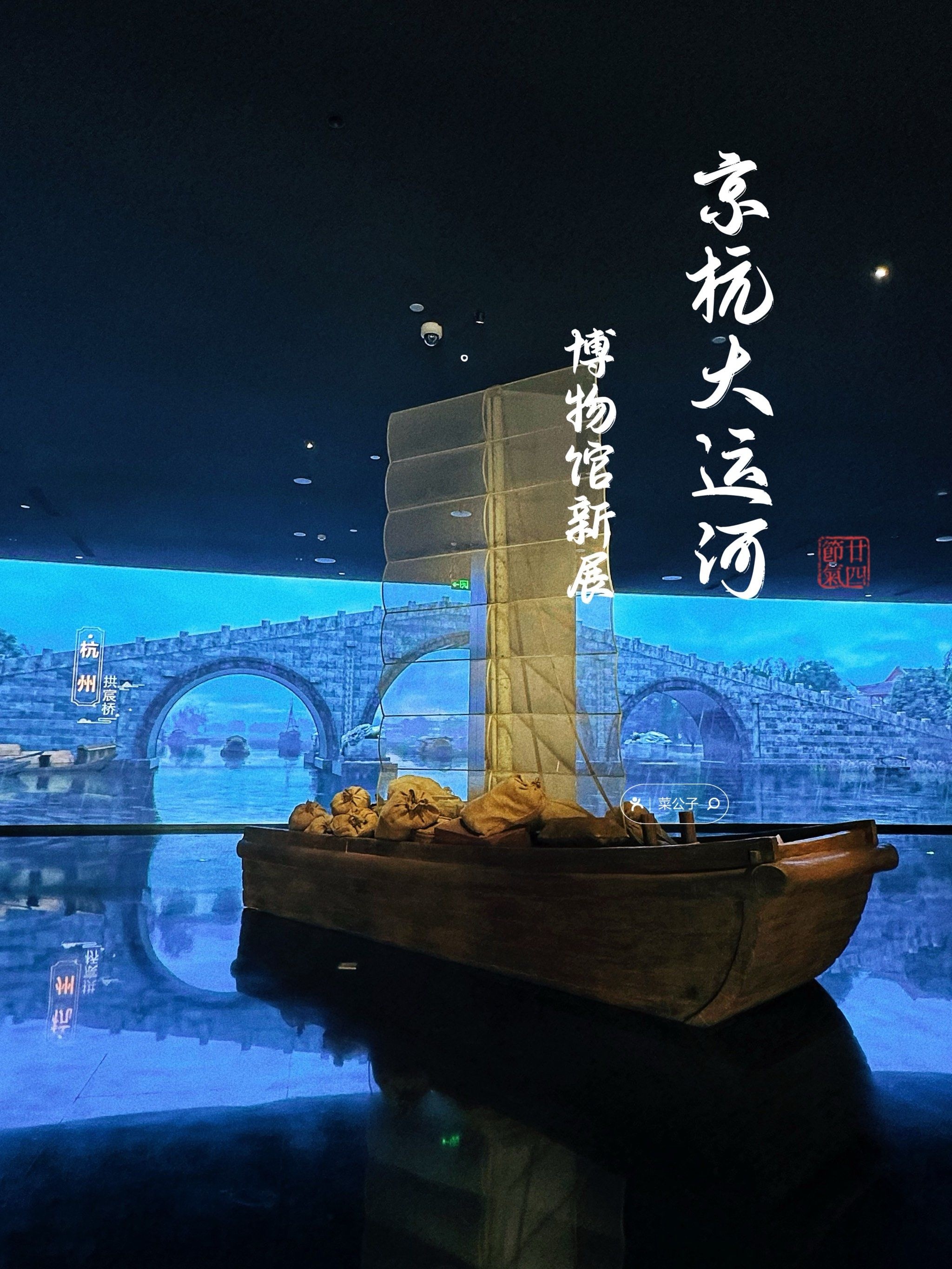
Grand Canal Museum (京杭大运河博物馆)
Located near Gongchen Bridge, this museum tells the complete 2,500-year story of the canal's construction, expansion, and cultural impact. Scale model...
What Most Visitors Miss
The water bus (公交船) experience
Most tourists take the expensive tourist boat, but the water bus runs the same route for ¥3-5. You sit with commuting locals, there's no commentary but plenty of atmosphere, and it runs every 15 minutes. It's one of the most authentic local experiences in Hangzhou.
Evening canal-side dining at Shengli River Food Street
Near Gongchen Bridge, this small street has local restaurants with canal-view seating. After exploring the museums, settling into a canal-side table for dinner as the lights come on is the perfect ending.
Plan Your Visit
How Long to Visit
1.5 hours (one-way boat ride from Wulin Gate to Gongchen Bridge
boat ride plus Qiaoxi Historic District museums and Gongchen Bridge exploration
full canal walk, all museums, boat ride, and evening night cruise
Smart Route
Start at Wulin Gate (Metro Line 1, Wulin Square station)
take the water bus or tourist boat north to Gongchen Bridge
explore Gongchen Bridge
walk into Qiaoxi Historic District
visit free museums (Fan
Umbrella
Knife & Scissors)
dinner at a canal-side restaurant
optional: take the night cruise back to Wulin Gate for illuminated views.
Best Time to Visit
Late afternoon arrival (3-4 PM) lets you explore the Qiaoxi District in daylight, then take an evening boat back for the illuminated night views — the best of both worlds
National Day (October 1-7) and major holidays when the boat queues become substantial
By Season
Spring
(March-April) has blooming willows. Winter is cold but atmospheric with misty mornings.
Summer
Autumn
(October-November) brings the best scenery — red maples along the canal and pleasant temperatures. Spring (March-April) has blooming willows.
Winter
is cold but atmospheric with misty mornings. Summer evenings are pleasant for night cruises.
Take the water bus (公交船) instead of the tourist boat — it's ¥3-5 instead of ¥100+, runs every 15 minutes, and the route is essentially the same. Board at the Wulin Gate water bus pier. It's what locals use and feels far more authentic.
What to Skip
The canal south of Wulin Gate is less scenic and more modern. Focus on the Wulin Gate to Gongchen Bridge section. The overpriced souvenir shops near the bridges sell generic tourist goods.
Pro Tips
The water bus departs from a different pier than the tourist boats — look for the 水上巴士 sign near Wulin Gate. Bring a Hangzhou T-Card (杭州通卡) or use Alipay for the water bus. The Qiaoxi museums are all within 5 minutes of each other, making them very efficient to visit. If you need help navigating the water bus or figuring out which stop to get off at, drop us a message and we can guide you step by step.
Photo Spots
Gongchen Bridge — from the towpath below
Shoot from the east bank towpath looking west at sunset for golden light on the triple arches. The reflection in calm water doubles the beauty.
Canal cruise — from the boat deck
Sit on the right (east) side heading north. Bridges passing overhead create natural framing opportunities. Slow shutter for smooth water effects.
Qiaoxi Historic District alleys
Early morning or late afternoon light filtering through the narrow lanes. The contrast between white walls and grey stone is quintessentially Jiangnan.
Pair With
West Lake (西湖)
20 minutes by metro from Wulin Gate area
Hangzhou's two UNESCO World Heritage water landmarks in one day — the canal represents engineering achievement, West Lake represents natural beauty. Completely different but complementary experiences.
Hefang Street (河坊街)
25 minutes by metro
A lively historical pedestrian street with traditional crafts, snacks, and shops. A good contrast to the canal's quiet museums — more bustling and commercial but culturally rich.
Xixi Wetland Park (西溪国家湿地公园)
30 minutes by taxi from Gongchen Bridge area
Another water-based Hangzhou experience — a vast natural wetland with boat rides through persimmon groves and fishing villages. The urban canal and wild wetland make a great day of contrasts.
Tickets & Access
Canal towpath walking/cycling
Open 24 hours, the most flexible way to explore
Tourist boat (漕舫船) — Wulin Gate to Gongchen Bridge
Scenic cruise with commentary, about 1 hour
Water bus (公交船)
Same route as tourist boat at a fraction of the price — local commuter vessel
Night cruise
Illuminated bridges and canal-side buildings create magical nighttime atmosphere
Qiaoxi District museums (Fan, Umbrella, Knife & Scissors, Crafts)
Four excellent free museums in restored canal-side heritage buildings
Opening Hours
Canal banks and towpaths: 24 hours, free access. Tourist boats (漕舫船): typically 9:00 AM–9:00 PM (seasonal variations). Water bus: 7:00 AM–6:00 PM approximately. Qiaoxi museums: 9:00 AM–4:30 PM, closed Mondays.
How to Buy
Walk-up for most activities. For tourist boats on busy days, buy at the Wulin Gate ticket office or via Trip.com/Klook.
Passport: Yes — no specific ID requirements for canal access or boats. Museums require ID/passport for free entry.
Queue Situation
Minimal for the water bus and museums. Tourist boats can have 30-minute waits on weekends and holidays. Night cruise queues are longest on summer weekend evenings.
Tips & Warnings
Without historical context, the canal can feel underwhelming
Visit the Grand Canal Museum first, or at minimum read about the canal's 2,500-year history beforehand. Knowing you're looking at the world's longest canal that moved empires transforms the experience.
The canal area is spread out
The walking distance from Wulin Gate to Gongchen Bridge is about 5 km. The boat eliminates this but you still need to walk between museums and back. Wear comfortable shoes and plan for a half-day commitment.
Night cruise tickets can sell out
Weekend summer evenings are the busiest. Book in advance through Trip.com if you specifically want the night cruise. Or simply walk the towpath at night for free — the illuminated bridges are visible from the bank. Our concierge can book the night cruise for you and send the confirmation details to your phone.
What to Bring
Wear
Comfortable walking shoes — expect 5+ km of walking. Layers for boat rides as it's cooler on the water. Sun protection in summer for the open towpath sections.
Bring
Camera (the canal is extremely photogenic at all times of day). Portable charger. Small cash for water bus. Umbrella. Phone with maps for navigating between museums.
Don't Bring
No specific restrictions. Leave heavy luggage at your hotel — the towpaths and museum spaces aren't designed for wheeled bags.
Physical Reality
easy-to-moderate
Flat towpaths along the canal are fully accessible. Boat boarding may require stepping down into the vessel. Museum buildings are generally accessible with ramps. Walking the full Wulin Gate to Gongchen Bridge section is about 5 km on flat ground.
Foreigners Watch Out
- The water bus payment system may not accept foreign cards — have Alipay, WeChat Pay, or exact change (¥3-5) ready. If you cannot pay at the pier, message us — we can walk you through the options or help arrange an alternative.
- Tourist boat commentary is typically in Chinese only. Download a translation app or ask if English audio is available before boarding. Our team can also send you a brief English summary of the key landmarks along the route so you know what you are passing.
- The Qiaoxi museums close at 4:30 PM and are closed Mondays — plan your timing around this if the museums are a priority.
- Don't expect a Venice-like gondola experience — this is a working canal with barges and practical infrastructure alongside the heritage sites. That's actually part of its charm, but manage expectations.
If Things Go Wrong
Tourist boat fully booked or not running
→ Take the water bus instead (¥3-5, every 15 minutes) — same route, fraction of the price, more authentic.
Museums closed (Monday or arrived after 4:30 PM)
→ The Qiaoxi Historic District streets and Gongchen Bridge are open 24 hours and atmospheric to explore without entering the museums.
Bad weather / rainy day
→ The museums are indoor and the boat rides have covered seating. A misty canal is actually incredibly photogenic in Chinese aesthetic tradition.
Useful Chinese
Tap to reveal the English meaning