About Xizhou Ancient Town
“Unhurried and genuine — stone lanes winding between whitewashed Bai courtyards with carved wooden doors, old men playing chess under banyan trees, the smell of baking flatbread drifting from corner ovens, and golden rice paddies stretching to the mountains beyond.”
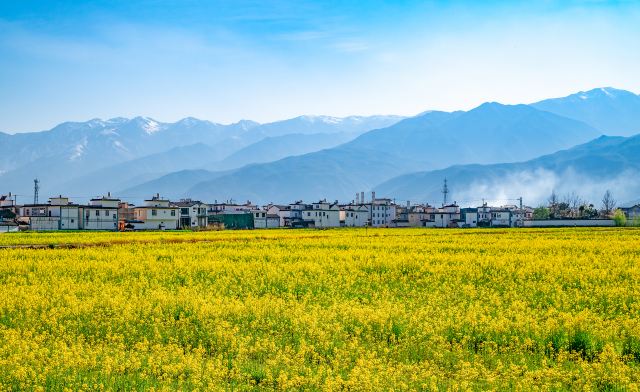
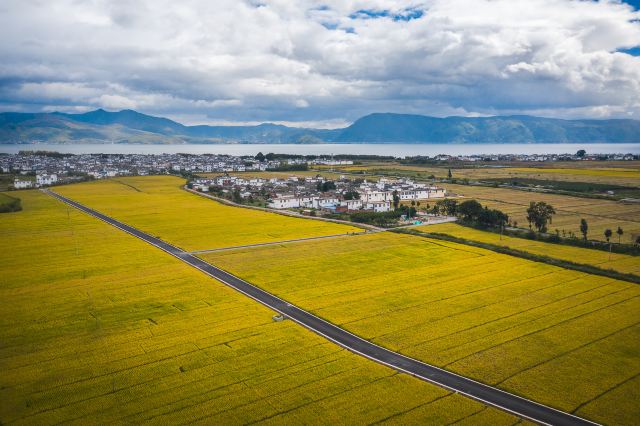
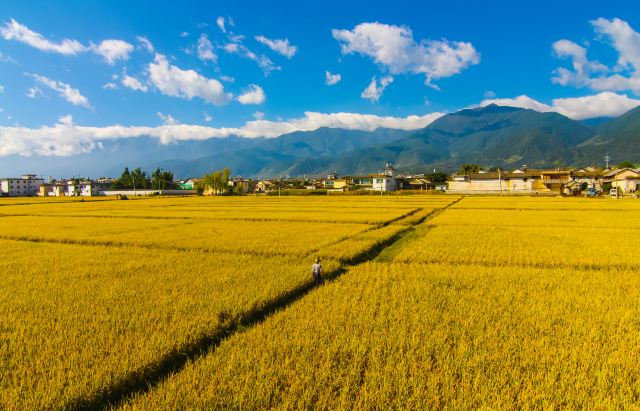
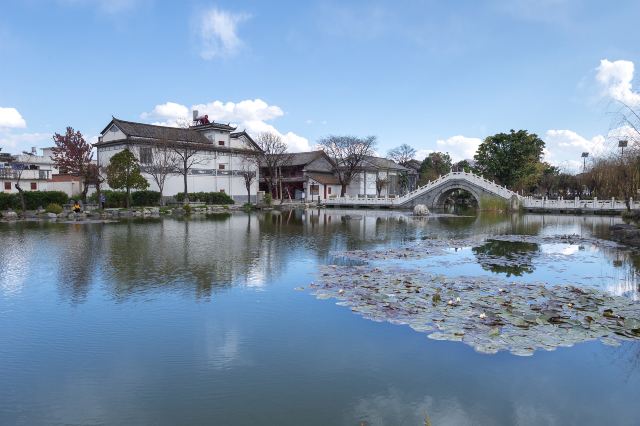
Xizhou Ancient Town sits 18 km north of Dali Old Town on a strip of fertile land between Cangshan Mountain to the west and Erhai Lake to the east. Unlike the heavily commercialized Dali and Lijiang old towns, Xizhou remains a living Bai ethnic community where traditional architecture, daily markets, and cultural practices coexist with tourism. The town preserves over 110 traditional Bai-style courtyard homes from the Ming, Qing, and Republican eras, featuring the iconic 'three courtyards and one screen wall' (三坊一照壁) and 'four houses and five courtyards' (四合五天井) layouts. The Yan Family Mansion (1906) is the finest example — a wealthy merchant's estate with exquisite woodcarving, painting, and stone work. Beyond architecture, Xizhou offers hands-on tie-dye workshops, the Three-Course Tea Ceremony, morning markets with local produce, and the famous Xizhou baba (flatbread). The surrounding golden rice paddies and coffee shops at their edge have become wildly popular for photography, especially at sunset. Honest downsides: the town is becoming increasingly commercialized, with tourist shops crowding out local businesses on the main streets. The Yan Family Mansion tour often involves a guided group experience with commercial tea-selling pressure. Side streets are more authentic but less maintained. On busy days, the narrow streets feel crowded. But compared to Lijiang's complete transformation into a shopping mall, Xizhou retains genuine Bai cultural life and offers one of the most rewarding cultural experiences in Yunnan.
Top Questions from Travelers
Why This Place Matters
Xizhou was historically one of the most important towns in the Dali region, serving as a military stronghold for the Nanzhao Kingdom (8th-9th century) and later as a commercial hub on the Tea Horse Road trading route. The town's wealth came from its merchant families who traded across Southeast Asia — the Yan and Dong families amassed fortunes in the early 20th century and built the lavish courtyard mansions that survive today. The Bai ethnic minority, who make up the majority of Xizhou's population, have a rich cultural tradition distinct from Han Chinese culture, including their own language, architecture, textiles (tie-dye), and tea ceremonies. The town was designated a provincial-level heritage site and has been developed as a model for cultural tourism that preserves ethnic traditions. The surrounding rice paddies are not just scenic — they represent a centuries-old agricultural practice that sustains the local community. The tie-dye industry, centered in nearby Zhoucheng, generates over 70 million RMB annually and has been listed as national intangible cultural heritage.
Need help planning?
ChinaPal handles everything
- Book English-speaking guides
- Arrange transport & tickets
- Real-time help during your visit
- Restaurant reservations nearby
Highlights
4 iconic experiences that define a visit
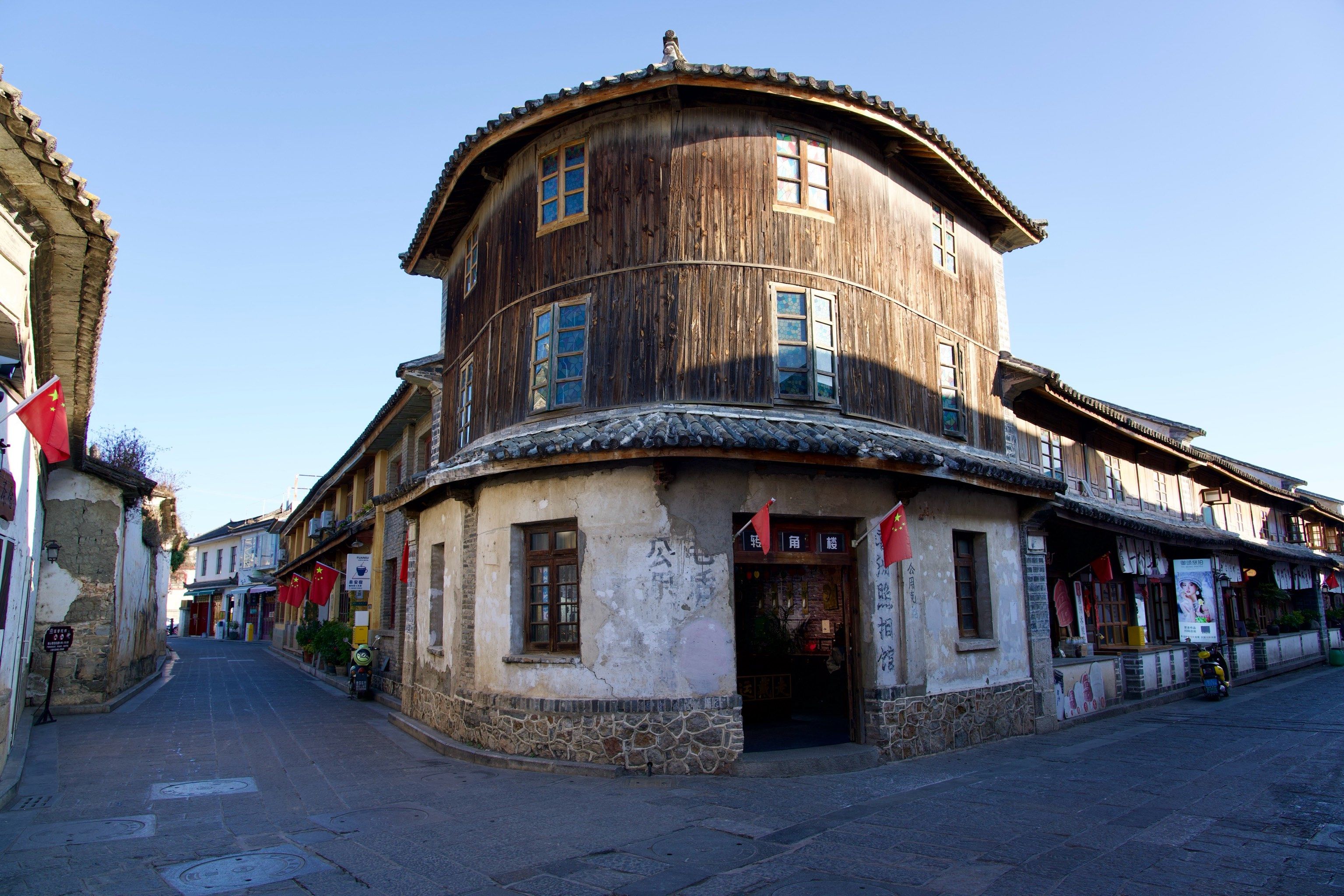
Traditional Bai Architecture
Xizhou preserves over 110 traditional Bai courtyard homes, earning it the title 'Museum of Bai Residence Architecture.' The classic layouts feature intricately carved wooden beams, painted walls with folk motifs, elaborate screen walls (照壁), and cobblestone courtyards. The Yan Family Mansion (1906) and Dong Family Mansion are the most impressive examples.
The architecture combines Han Chinese, Bai ethnic, and even some Western influences (brought back by merchants trading on the Tea Horse Road). The level of craftsmanship in the woodcarving and painting is extraordinary.
 Universal Appeal
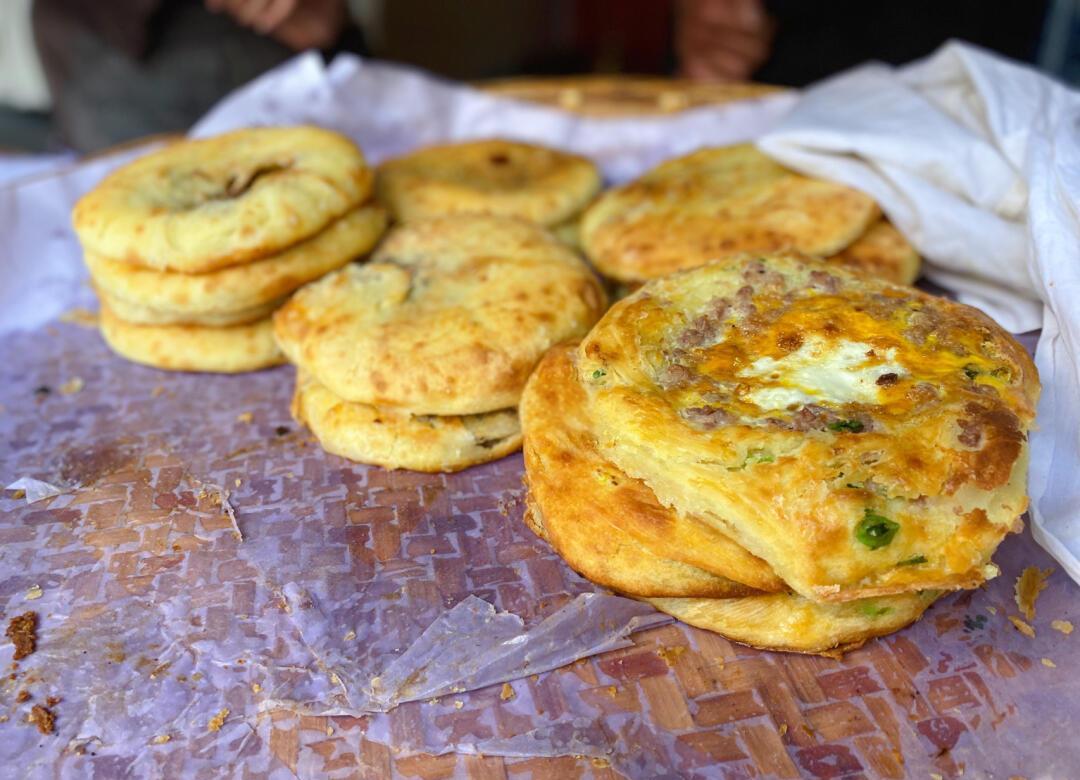
Xizhou Baba (喜洲粑粑)
A traditional Bai flatbread baked between two hot pans with charcoal, available in sweet (with brown sugar and sesame) or savory (with minced pork, gr...
 Universal Appeal
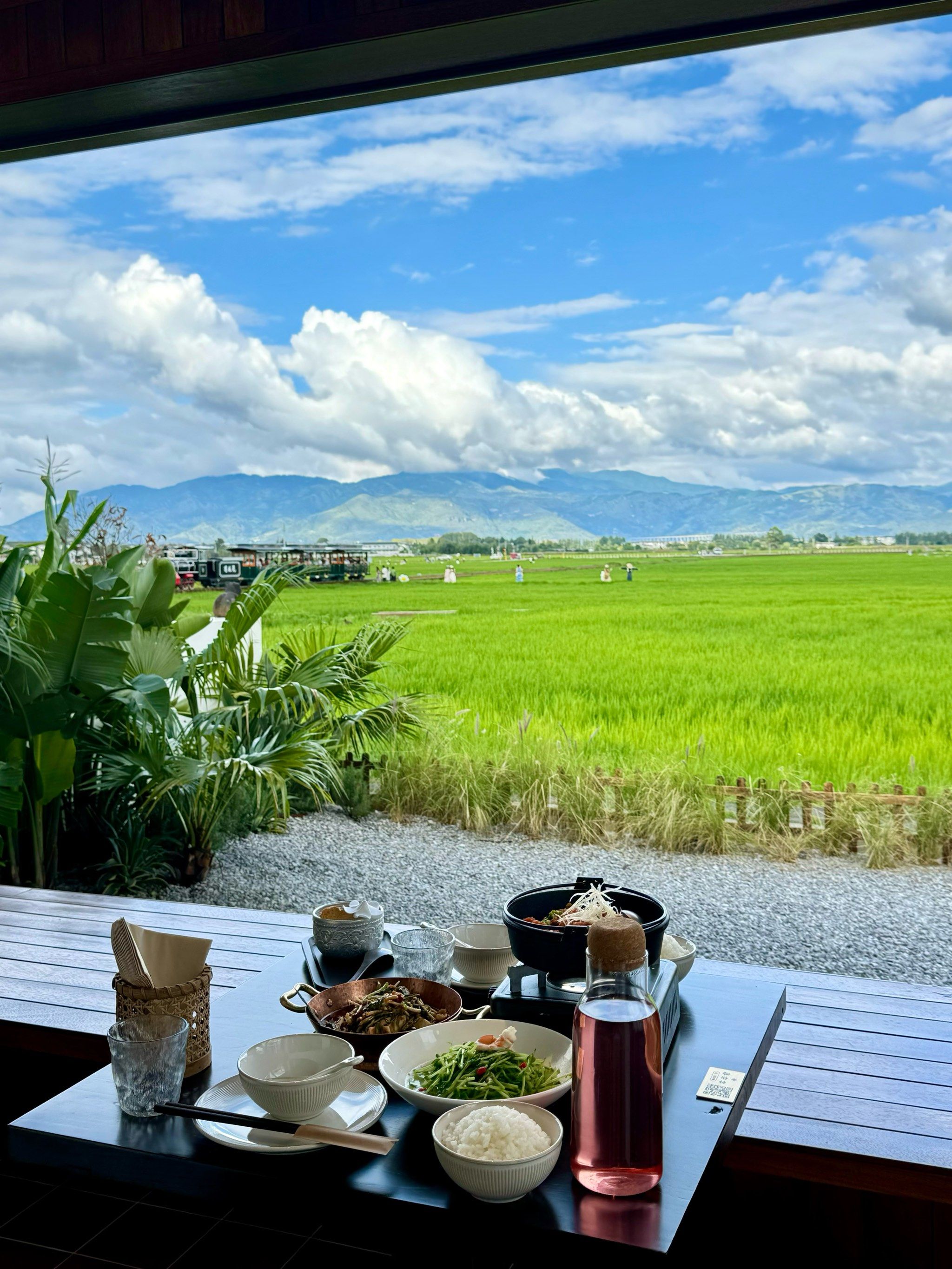
Rice Paddy Views & Coffee Shops
The rice paddies surrounding the town, especially to the east toward Erhai Lake, have become a destination in themselves. Several coffee shops and caf...
 Universal Appeal
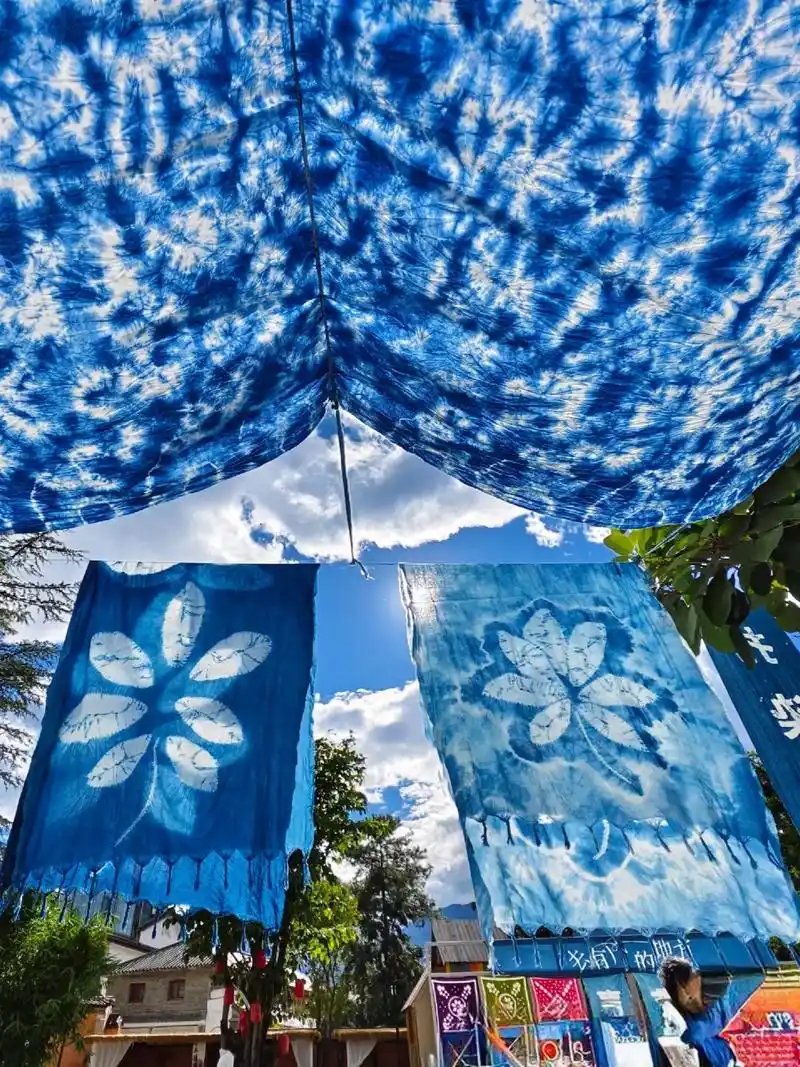
Tie-Dye Workshops (扎染)
Zhoucheng village, adjacent to Xizhou, is the center of Bai tie-dye tradition — a craft listed as national intangible cultural heritage. Several works...
What Most Visitors Miss
The morning market at Sifang Street
Before 10 AM, local Bai residents sell fresh produce, herbs, flowers, and handmade goods at the central square. This is the most authentic slice of daily life in Xizhou. Most tourists arrive after the market packs up.
Haishe Park (海舌公园) peninsula
A narrow peninsula jutting into Erhai Lake, about 5 km from Xizhou. Ancient trees, lake views, and Cangshan panoramas make it a peaceful escape from the town crowds. Reachable by e-bike or local taxi.
The Three-Course Tea Ceremony (三道茶)
A traditional Bai hospitality ritual: first cup is bitter (representing hardship), second is sweet (representing joy), third is mixed (representing reflection). Several teahouses in town offer the ceremony, but few tourists seek it out.
Plan Your Visit
How Long to Visit
walk Sifang Street, peek into a courtyard or two, eat a Xizhou baba, take some photos
Half day / 4-5 hours (explore the architecture, visit Yan Family Mansion, try tie-dye workshop, snack through the food streets, walk to the rice paddies
Full day or overnight (morning market, courtyard exploration, tie-dye workshop, Three-Course Tea Ceremony, rice paddy sunset, nearby Haishe Park peninsula
Smart Route
Take the minibus from Dali Old Town (8 RMB, 30 minutes). Enter from the south gate, walk through the main commercial street to Sifang Street. Turn right to visit the Yan Family Mansion. Loop through the quieter western side streets for authentic Bai architecture. Exit the north side and walk or take a mini train to the rice paddies. End with a coffee at a paddy-edge cafe and watch the sunset over Cangshan. Return to Dali by minibus (last bus around 7 PM).
Best Time to Visit
Morning (8-10 AM) for the local market atmosphere and best light on the white courtyard walls
Major holidays when tour groups flood the narrow streets
By Season
Spring
(green seedlings, April-May), summer (lush green paddies), autumn (golden harvest, September-October), and winter (bare fields). The golden autumn rice paddies are the most photogenic.
Summer
(lush green paddies), autumn (golden harvest, September-October), and winter (bare fields). The golden autumn rice paddies are the most photogenic.
Autumn
(golden harvest, September-October), and winter (bare fields). The golden autumn rice paddies are the most photogenic.
Winter
(bare fields). The golden autumn rice paddies are the most photogenic.
Visit in late September during the rice harvest — the golden paddies stretching toward Cangshan Mountain create some of Yunnan's most iconic photographs.
What to Skip
The aggressive guided tours that funnel you into commercial tea-buying sessions. The main tourist shopping street has mostly generic souvenirs — skip it in favor of the side streets. Skip the tourist-priced restaurants on the main road; eat at smaller local spots.
Pro Tips
Rent an e-bike in Dali Old Town and ride to Xizhou along the scenic lakeside road — the journey itself is beautiful and gives you flexibility to explore nearby Zhoucheng (tie-dye village) and Haishe Park. The bike ride takes about 45 minutes each way.
Photo Spots
Rice paddies east of town — facing Cangshan Mountain at sunset
Walk past the tourist mini train area to find quieter spots along the paddy paths. A wide-angle lens captures the sweep of golden rice with snow-capped Cangshan behind.
Sifang Street — the central square with the Tifang stone archway
Visit early morning when local vendors set up the market. The archway frames nicely against the sky.
Side alleys with whitewashed walls and wooden doors
Wander the residential streets west of Sifang Street. The contrast of white walls, gray tiles, and colorful door paintings is striking in morning light.
Pair With
Dali Old Town (大理古城)
30 minutes by minibus, 45 minutes by e-bike
The natural base for visiting Xizhou. Dali Old Town has more restaurants, bars, and accommodation options. Visit Xizhou as a half-day or full-day trip from Dali.
Zhoucheng Tie-Dye Village (周城)
10 minutes by taxi or e-bike
The center of Bai tie-dye tradition, just 5 km north of Xizhou. More authentic workshops than in Xizhou itself.
Haishe Park (海舌公园)
15 minutes by e-bike or taxi
A serene peninsula jutting into Erhai Lake, with ancient trees and panoramic lake/mountain views. Perfect for a peaceful end to a Xizhou day.
Tickets & Access
Town entry
No ticket needed to walk the streets
Yan Family Mansion
The finest Bai courtyard house — worth the entrance fee
Combined tour package
Includes transport from Erhai bus stop, guide, mansion, and mini train through rice paddies
Xizhou Baba (flatbread)
The must-try local snack — sweet or savory
Opening Hours
Town is open 24/7 (public streets). Yan Family Mansion and other paid attractions: approximately 08:30-17:30. Shops and restaurants: approximately 09:00-18:00.
How to Buy
No booking needed for the town. Tie-dye workshops can be arranged on arrival at various shops. Tour packages available on Trip.com or at the Erhai bus stops.
Passport: N/A — free public town. Paid attractions accept foreigners.
Queue Situation
No entry queues. The Yan Family Mansion can have brief waits when tour groups arrive. Food stalls for popular items (Xizhou baba) may have short queues.
Tips & Warnings
Commercial pressure at guided tours
Some guided tours of the Yan Family Mansion include a tea ceremony that turns into a hard sell for expensive tea. Politely decline and move on — the architecture is worth seeing regardless.
Limited evening options
Unlike Dali Old Town, Xizhou largely shuts down after 6-7 PM. Plan to return to Dali for dinner and nightlife, or book a guesthouse and enjoy the quiet evening atmosphere.
Increasing commercialization
The main streets are filling up with tourist shops. For the authentic Xizhou experience, explore the side streets, back alleys, and residential areas where daily life continues unaffected.
What to Bring
Wear
Comfortable walking shoes (cobblestone streets). Light layers — Dali has pleasant but variable weather. Sun protection — the altitude means strong UV even on cloudy days.
Bring
Camera. Cash for small food vendors. Sunscreen and hat. Water bottle. Translation app.
Don't Bring
Heavy luggage if just visiting for the day. Heels or dress shoes — the streets are uneven cobblestone.
Physical Reality
low
The town is mostly flat with cobblestone streets. Some courtyard homes have steps at thresholds. The rice paddy paths are flat but unpaved. Wheelchair access is limited due to cobblestones and narrow alleys.
Foreigners Watch Out
- The last minibus back to Dali Old Town departs around 7 PM — do not miss it or you will need to arrange a taxi. If you do get stranded, message our concierge team and we can arrange a car back to Dali.
- Some smaller food stalls only accept cash — bring small bills.
- E-bike rental requires a Chinese phone number for most apps. Rent directly from guesthouses in Dali Old Town instead. Our team can also help arrange an e-bike or car rental if the guesthouse options don't work out.
- The Yan Family Mansion guided tour may include a tea-selling session — you are not obligated to buy anything.
If Things Go Wrong
Missed the last bus back to Dali
→ Use Didi to call a taxi (40-60 RMB to Dali Old Town). Or book a guesthouse in Xizhou for the night — there are several charming options.
Rain spoils the rice paddy visit
→ Explore the covered courtyard homes and indoor tie-dye workshops instead. The wet cobblestone streets and misty mountain backdrop actually create beautiful photography conditions.
Useful Chinese
Tap to reveal the English meaning