About Three Gorges Museum
“Scholarly yet accessible — a modern, well-organized museum that takes its mission seriously, with moments of genuine awe (the Three Gorges hall) and quiet emotion (the wartime exhibits).”
The Three Gorges Museum is much more than its name suggests. Yes, there's a spectacular ground-floor hall with a massive Three Gorges model, projection-mapped water, and a free 360-degree panoramic film, but the real depth is in the Ba-Yu ancient civilization galleries, the sobering WWII Chongqing wartime exhibits, and a surprisingly good ceramics and calligraphy collection upstairs. The museum is well-curated and genuinely engaging — reviewers consistently say they underestimated how much time they'd need. The biggest downside is that English translations are limited to major exhibits; most detailed descriptions are Chinese-only, so bring a translation app or rent an audio guide. It gets extremely crowded on weekends and holidays (some visitors report being unable to get in during Chinese New Year). Best for history lovers and anyone wanting to understand Chongqing beyond hotpot and nightlife; skip it if you need everything in English and won't use a guide.
Top Questions from Travelers
Why This Place Matters
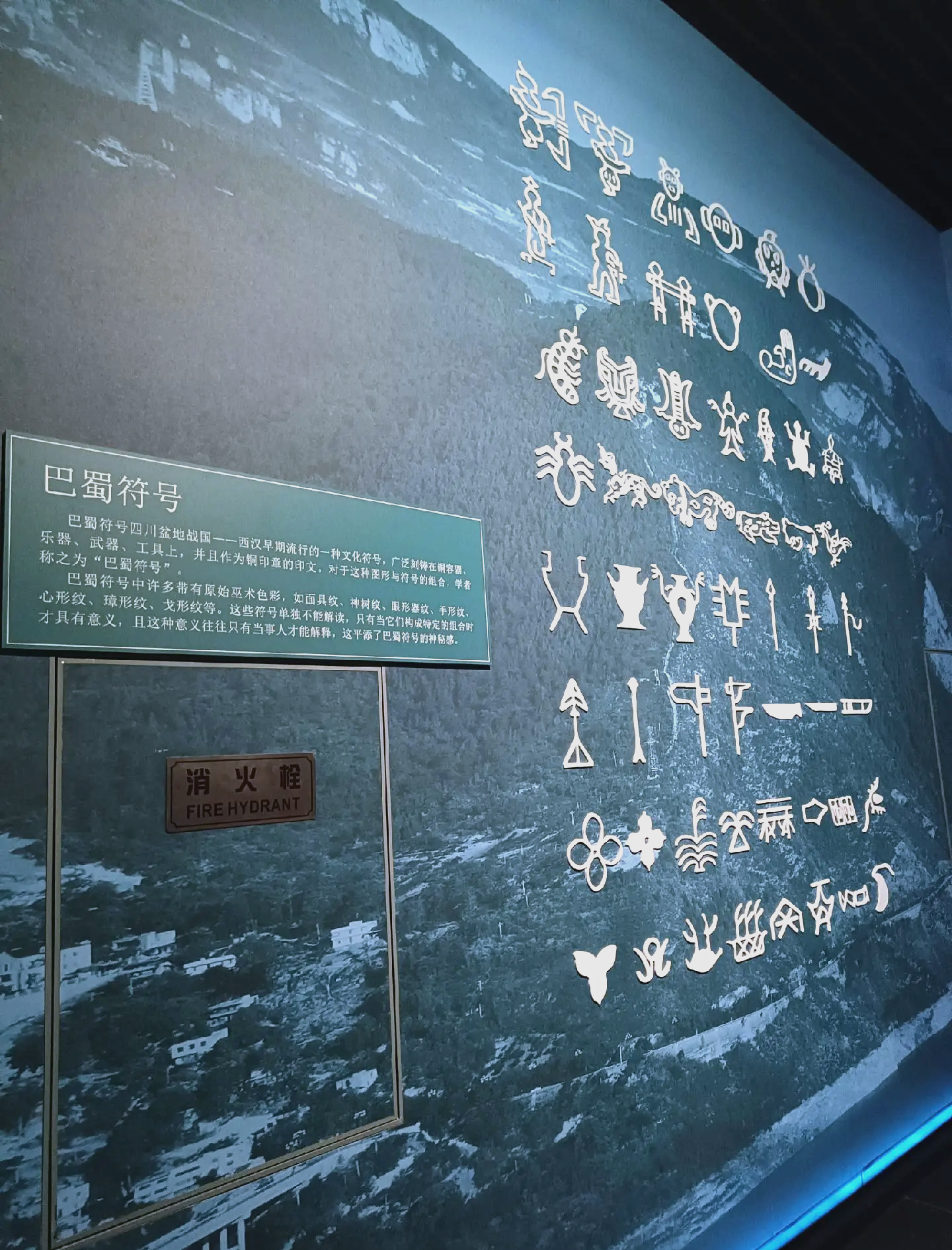
The Three Gorges Museum tells a story most foreigners don't know: the Yangtze River's Three Gorges region was home to one of China's oldest civilizations — the Ba kingdom, which thrived for over a millennium before being absorbed by the Qin dynasty. When the Three Gorges Dam was built (completed 2006), hundreds of towns and villages were submerged, displacing over 1.3 million people and drowning irreplaceable archaeological sites. This museum was specifically created to preserve what could be saved — many artifacts were rescued from the rising waters. Understanding this gives the museum's mission a poignancy that goes beyond typical museum displays.
Need help planning?
ChinaPal handles everything
- Book English-speaking guides
- Arrange transport & tickets
- Real-time help during your visit
- Restaurant reservations nearby
Highlights
5 iconic experiences that define a visit
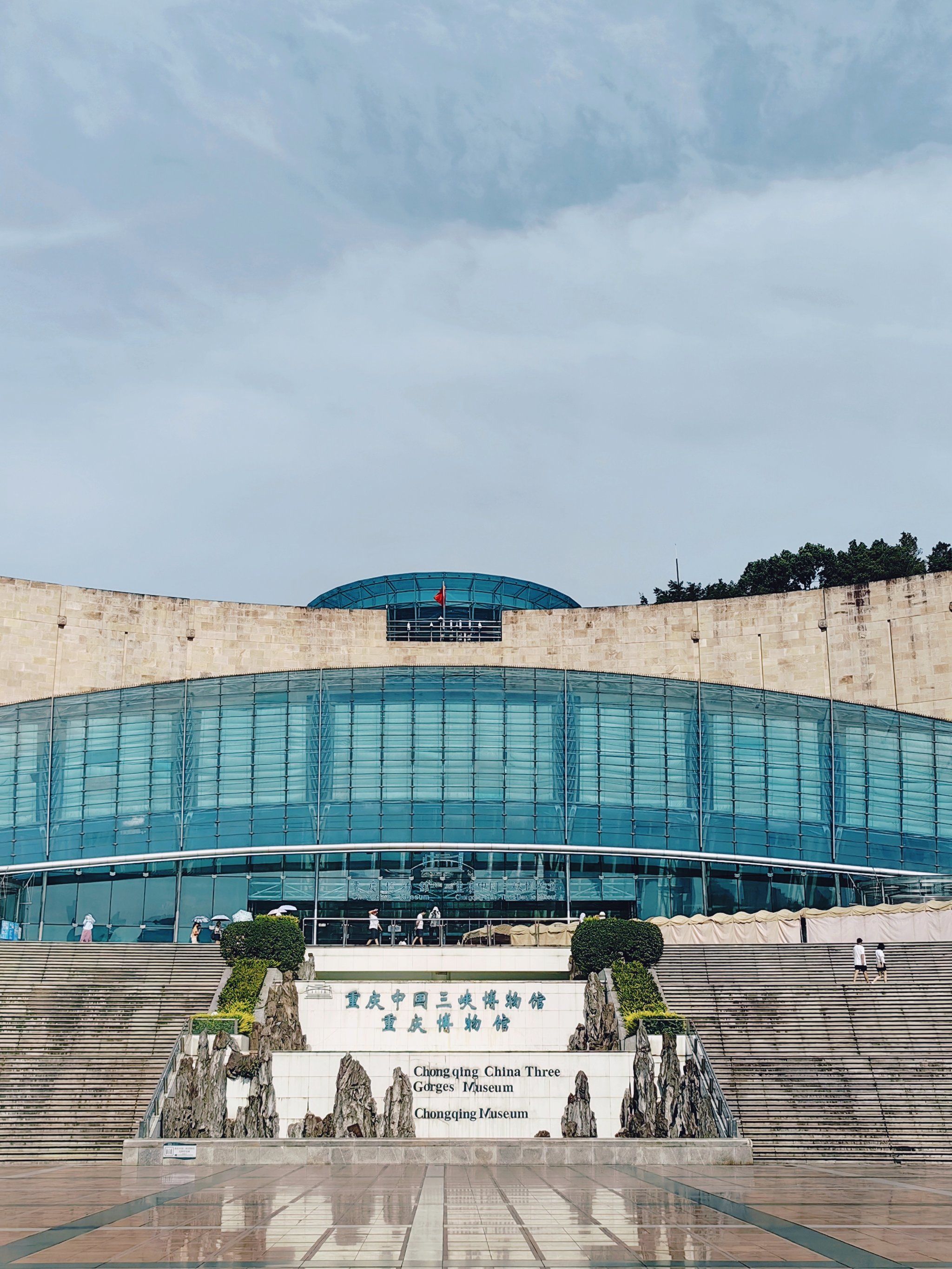
Magnificent Three Gorges Hall (壮丽三峡)
The ground-floor showpiece — a massive hall with a life-sized Three Gorges landscape model, projection-mapped flowing water, relocated riverside dwellings from the dam reservoir area, and a free 360-degree panoramic film that recreates the gorges before the dam was built.
The 360-degree film is a genuine substitute for the expensive Yangtze River cruise — it shows the original Three Gorges landscape that no longer exists. Don't miss it.
 Culturally Interesting
Ancient Ba-Yu Civilization (远古巴渝)
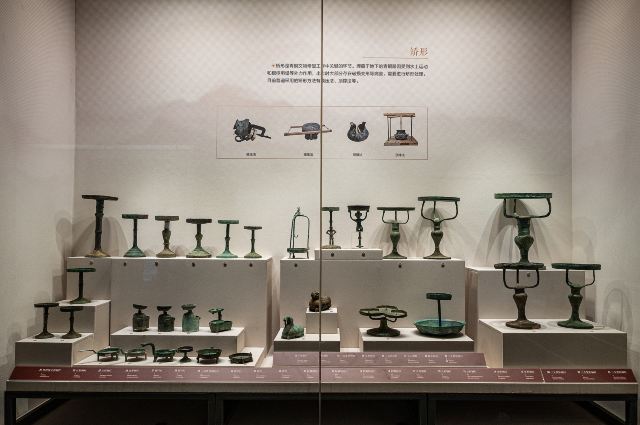
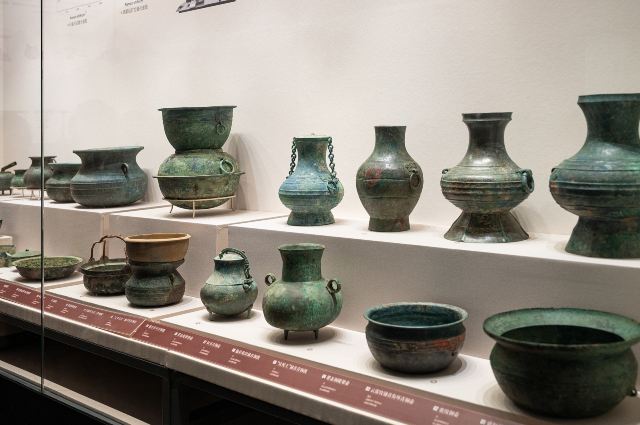
Second-floor gallery showcasing the mysterious Ba kingdom that predated modern Chongqing, with stunning bronze artifacts including the famous tiger-kn...
 Culturally Interesting
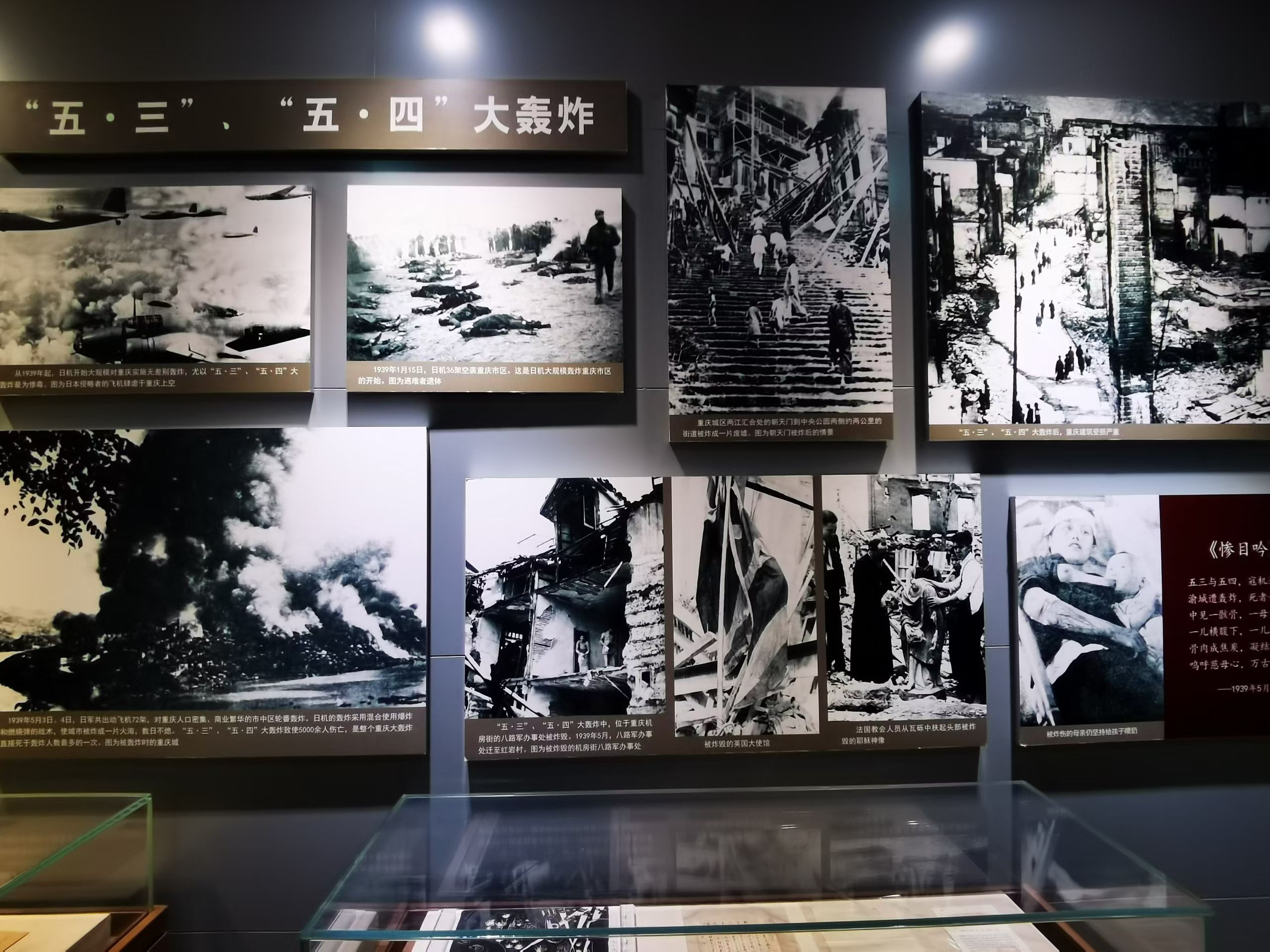
Anti-Japanese War Years (抗战岁月)
Third-floor exhibition covering Chongqing's role as China's wartime capital during WWII, with original documents, yellowed family letters, weapons, an...
 Culturally Interesting
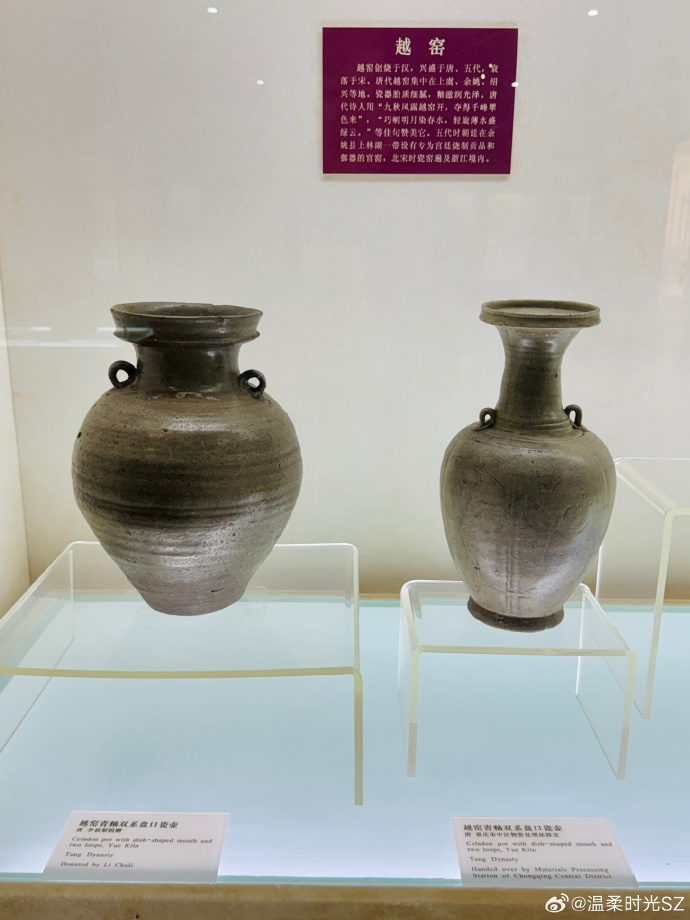
Ceramics and Calligraphy Collections (历代瓷器 / 历代书画)
Fourth-floor galleries housing a refined collection of ancient porcelain spanning Chinese dynasties and a calligraphy collection that includes the cel...
 Universal Appeal
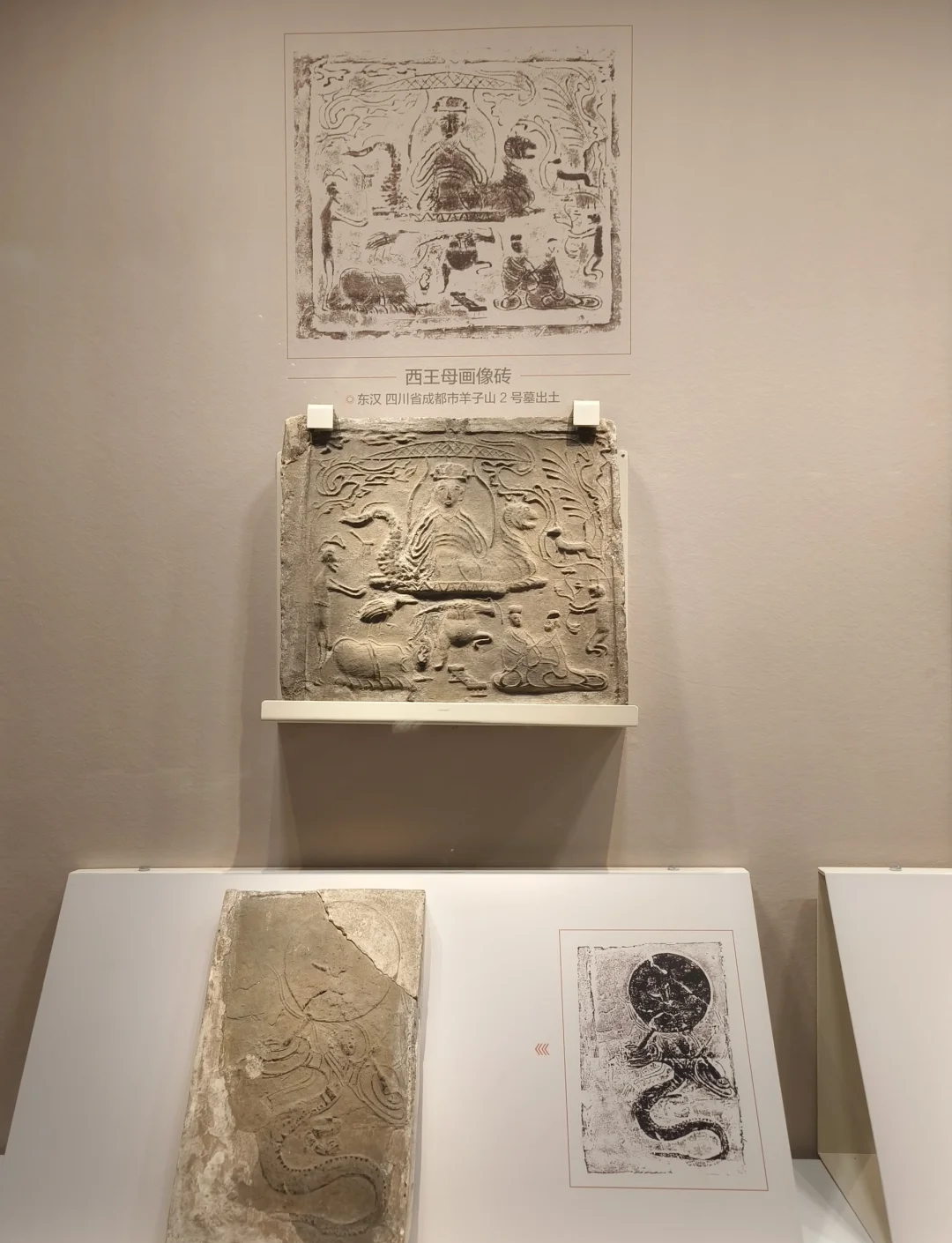
Han Dynasty Sculpture Art (汉代雕塑艺术)
Third-floor gallery featuring an exceptional collection of Han Dynasty stone carvings, tomb figurines, and the beloved bronze horse-leading figure (铜牵...
What Most Visitors Miss
The 46 free commemorative stamps scattered across all floors
The museum has stamp stations on every floor — collecting all 46 is a popular activity that gives structure to your visit and makes a unique free souvenir. Bring a notebook or buy the museum's stamp book at the gift shop.
The Southwest Ethnic Minorities exhibit (西南民族民俗风情)
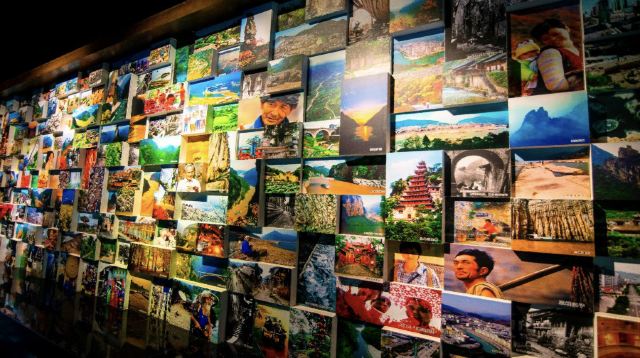
Tucked away on the third floor, this gallery covers the diverse ethnic cultures of China's southwest — costumes, rituals, and daily life of groups like the Miao, Tujia, and Yi people. Most tourists rush past it to the more famous halls.
The gift shop and antique store on the first floor
Behind the main gift shop is an antique section where you can actually touch and purchase real antiques. The museum's creative merchandise (文创) is also well-regarded — better quality than typical tourist shop items.
Plan Your Visit
How Long to Visit
ground floor Three Gorges hall and one or two galleries — you'll get the highlights but miss the depth
all four floors including the panoramic film and main permanent exhibitions
or a full day (every exhibition plus temporary shows, stamp collecting across all floors, and the gift shop
Smart Route
Start on the ground floor with the Magnificent Three Gorges hall and catch the first screening of the 360-degree panoramic film. Work your way up: second floor for Ba-Yu civilization and city history, third floor for wartime exhibits and Han sculptures, fourth floor for ceramics, calligraphy, and donated collections. Collect stamps as you go. Finish at the first-floor gift shop.
Best Time to Visit
Arrive at 9:00 AM when doors open — the museum is noticeably less crowded before 10:30 AM
Weekends, Chinese public holidays (especially National Day week, Chinese New Year, and Labor Day) — reviewers describe 'seas of people' making it impossible to see exhibits properly
By Season
Spring
Summer
heat (multiple reviewers specifically praise it as a cool retreat in August). Equally good on rainy days.
Autumn
Winter
Visit on a Tuesday or Wednesday morning for the emptiest experience. Combine with the People's Great Hall directly across the square, then walk to Zhongshan Si Road and Jiefangbei — a full Chongqing cultural morning.
What to Skip
The paid temporary exhibitions are hit-or-miss — check what's currently showing before paying. If short on time, the Historical Coins exhibit is the most skippable permanent gallery for casual visitors.
Pro Tips
Rent the audio guide at the entrance — it's only CNY 20 and makes Chinese-only exhibits accessible. The coffee shop near the entrance is surprisingly good and cheap. After visiting, walk directly across to the People's Great Hall for the iconic photo op.
Photo Spots
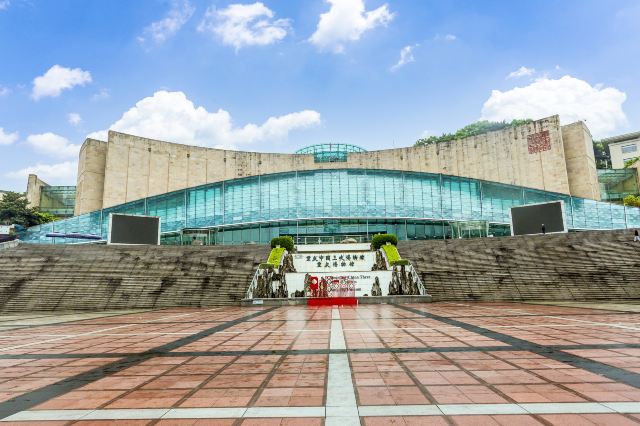
Museum entrance with the People's Great Hall in the background
Stand at the museum's front entrance facing south — the Great Hall's distinctive dome fills the background across People's Square.
Magnificent Three Gorges Hall (ground floor)
The large-scale Three Gorges model with projection-mapped water creates dramatic wide-angle shots. Visit when the projections are running.
Ba-Yu bronze artifacts display (second floor)
The tiger-knob chunyu bell (虎钮錞于) and bronze masks are the most photogenic artifacts. No flash allowed — use natural lighting.
Pair With
People's Great Hall (人民大礼堂)
5-minute walk across People's Square
Directly across the square — Chongqing's most iconic building, modeled after Beijing's Temple of Heaven. The museum and Great Hall together form the city's landmark cultural trio with People's Square.
Zhongshan Si Road (中山四路)
10-minute walk north from the museum
A beautiful tree-lined historic street with Republican-era buildings, former embassies, and quiet cafes — the opposite mood from bustling Chongqing. Includes Zhou Enlai's former residence and the Dai Li Mansion.
Jiefangbei Pedestrian Street (解放碑步行街)
15-minute walk or one metro stop
Chongqing's main commercial district for shopping, street food, and people-watching. A natural post-museum lunch stop with endless restaurant options.
Tickets & Access
General admission (permanent exhibitions)
Includes all 10 permanent exhibition halls and the 360-degree panoramic film
Temporary/special exhibitions
Rotating exhibitions like Dunhuang art or Dazu Rock Carvings reproductions may charge separately
Audio guide (multilingual)
Available in Chinese, English, Japanese, Korean — strongly recommended for foreigners
3D interactive audio guide
More engaging for children — uses AR/interactive elements
English-speaking guided tour
Requires 48-hour advance booking — transforms the experience for non-Chinese speakers
Opening Hours
Tuesday to Sunday: 9:00 AM - 5:00 PM (last entry 4:30 PM). Closed every Monday except public holidays. Open on public holidays including National Day, Spring Festival, Qingming, Labor Day, Dragon Boat Festival, and Mid-Autumn Festival.
How to Buy
Register via the museum's official WeChat mini-program (search '重庆中国三峡博物馆'). Foreigners without WeChat can try showing their passport directly at the entrance — staff have been accommodating. No third-party booking platform currently handles museum reservations. If you're having trouble with the WeChat system, message our concierge team — we can register on your behalf and confirm your entry slot.
Passport: Yes — foreigners can enter with a physical passport. Staff at the entrance will assist with registration if you cannot use the WeChat system.
Queue Situation
Weekday mornings: minimal wait (5-10 minutes for security). Weekend afternoons: expect 20-30 minute security queues. Major holidays: queues can exceed 1 hour and the museum may reach capacity. Security screening includes bag check.
Tips & Warnings
Most exhibit descriptions are in Chinese only
Rent the multilingual audio guide (CNY 20) or book an English-speaking guide in advance (CNY 150-300, 48-hour notice). At minimum, bring a phone with a translation app — camera-based translation works on exhibit text. Our concierge team can arrange an English-speaking guide for you with the required 48-hour notice — just send us your visit date.
Extremely crowded during holidays and weekends
Visit on a weekday morning if at all possible. During peak periods (National Day, Chinese New Year), the museum may reach capacity and turn people away. Some visitors during Spring Festival 2026 could not get in at all.
WeChat registration can be a barrier for foreigners
If you can't register via WeChat, go directly to the entrance with your passport. Staff have consistently helped foreign visitors bypass the digital system. Arrive early to allow time for any registration issues.
The museum is bigger than it looks — visitor fatigue is real
With 10 permanent exhibitions across four floors, many visitors report rushing through the later galleries out of exhaustion. Pace yourself, take breaks, and prioritize the halls that interest you most.
What to Bring
Wear
Comfortable walking shoes — the museum spans four large floors and you'll be on your feet for hours. Indoor climate-controlled environment, so dress comfortably. In summer, the museum is a welcome escape from Chongqing's extreme heat.
Bring
Physical passport for entry. Phone with translation app (Google Translate camera mode works well). Portable charger. A notebook for collecting the 46 commemorative stamps. Cash for audio guide and gift shop purchases.
Don't Bring
Flash photography equipment (flash is prohibited). Food and drinks (not allowed in exhibition halls). Large bags (will slow you down at security).
Physical Reality
easy
Fully indoor museum with elevators between all four floors. Flat surfaces throughout with no stairs required. Wheelchair accessible. Climate-controlled. Expect to walk 5,000-8,000 steps over a full visit.
Foreigners Watch Out
- WeChat registration officially requires a Chinese phone number. Show your passport at the entrance and ask staff for help — they've consistently assisted foreign visitors with manual entry or bypass.
- English translations are sparse beyond major exhibit titles. Without an audio guide or translation app, you'll be looking at artifacts with minimal context. The CNY 20 audio guide is the single best investment for your visit.
- No food or drinks are allowed inside exhibition halls — eat before you enter or use the first-floor café area.
- Payment at the gift shop and for audio guides may require WeChat Pay or Alipay. Bring cash as a backup — some counters accept it. If you're having trouble paying, message our team and we can help sort it out or arrange what you need.
- The museum is closed every Monday (except when a public holiday falls on Monday). Don't make a special trip without checking the day.
If Things Go Wrong
Can't register via WeChat and worried about being turned away
→ Go directly to the entrance with your physical passport. Explain to the security staff that you're a foreign tourist. Multiple reviewers confirm staff will help you register or let you in manually.
Museum is at capacity and not accepting more visitors
→ This mainly happens during major holidays. Wait 30-60 minutes — capacity opens up as people leave. The queue moves, just slowly.
Arrived on a Monday and found it closed
→ Check the museum's WeChat account for any holiday exceptions. During public holiday weeks, the museum may open on Monday and close on a different day instead.
Useful Chinese
Tap to reveal the English meaning