About Ciqikou Ancient Town
“Organized chaos with ancient bones — imagine a massive open-air food market built into a mountainside, wrapped in Ming Dynasty architecture, and powered by chili-fueled energy. The main streets throb with vendor shouts and speaker systems, but turn any corner and you might find a quiet tea master, a cat cafe, or a solitary stairway down to the river.”
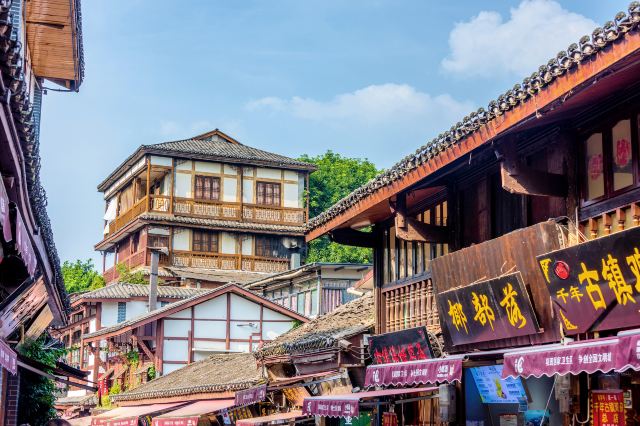
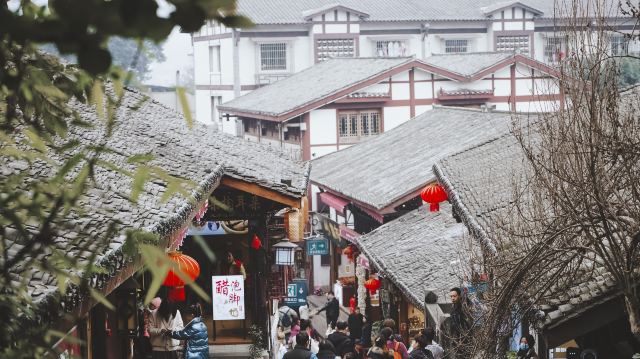
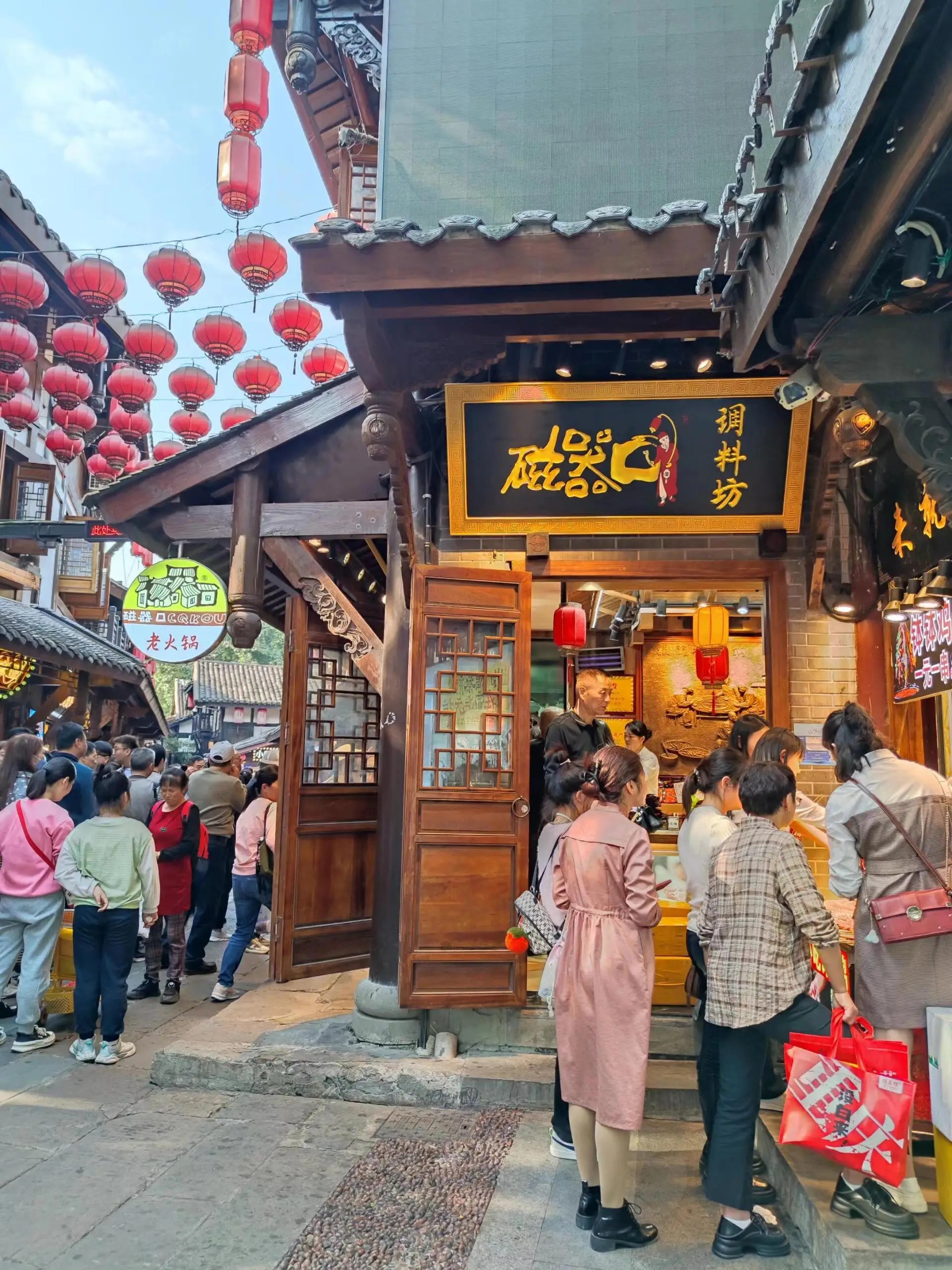
Ciqikou is Chongqing's living time capsule — a Song Dynasty river port turned AAAA scenic area that locals call 'Little Chongqing.' The ancient town sprawls across 325,000 square meters of hillside above the Jialing River, with 12 streets and 42 branching alleyways built in a tree-like pattern along three mountains. Founded around 998-1003 AD as Baiyanchang, it later became a porcelain distribution hub (hence 'Porcelain Port') and a bustling commercial center where 300+ cargo ships docked daily during the Republic era. The Ming and Qing dynasty architecture is genuine in places — Zhong Family Courtyard and Baolun Temple date back centuries — but much of what you see has been renovated or rebuilt in traditional style. Let's be honest: the main street is heavily commercialized. You'll pass dozens of shops selling identical fire pot base, twisted dough strips (mahua), and spicy snacks, with amplified sales pitches competing for attention. But this is also what gives the place its raucous, unapologetic energy. The trick is knowing where to look: duck into the side alleys to find genuine old teahouses with Sichuan opera performances, climb to Baolun Temple for panoramic views and genuine serenity, and walk down to the old dock at Yinglong Gate for riverside atmosphere. Evening transforms the town — red lanterns glow, small bars with live singers open their windows to the cobblestone streets, and the commercial edges soften into something genuinely atmospheric. Come expecting a massive, loud, spicy Chinese market town built on ancient bones rather than a preserved museum piece, and you'll have a great time.
Top Questions from Travelers
Why This Place Matters
Ciqikou's history reads like a compressed version of Chongqing's own story. Founded in the Song Dynasty (998-1003 AD) as Baiyanchang, it was renamed Longyin ('Dragon Hidden') after the deposed Jianwen Emperor supposedly hid in its temple. When porcelain manufacturing boomed in the early Qing Dynasty (with over 70 kilns operating at peak), the town became known as 'Porcelain Port' — later written as Ciqikou. During the Republic era and WWII, when Chongqing served as China's wartime capital, Ciqikou was a crucial commercial hub where 300+ cargo ships docked daily and cultural luminaries like Guo Moruo, Xu Beihong, and Ba Jin gathered. The famous novel 'Red Crag' (红岩) brought Ciqikou national attention through its depiction of revolutionary martyrs. The town's decline came with the shift from water to road transport after 1958, but tourism revival in the late 20th century gave it new life. Today it represents a living tension between preservation and commercialization that defines Chinese heritage tourism — authentic bones wrapped in commercial skin, with genuine culture hiding in the spaces between the shops.
Need help planning?
ChinaPal handles everything
- Book English-speaking guides
- Arrange transport & tickets
- Real-time help during your visit
- Restaurant reservations nearby
Highlights
5 iconic experiences that define a visit
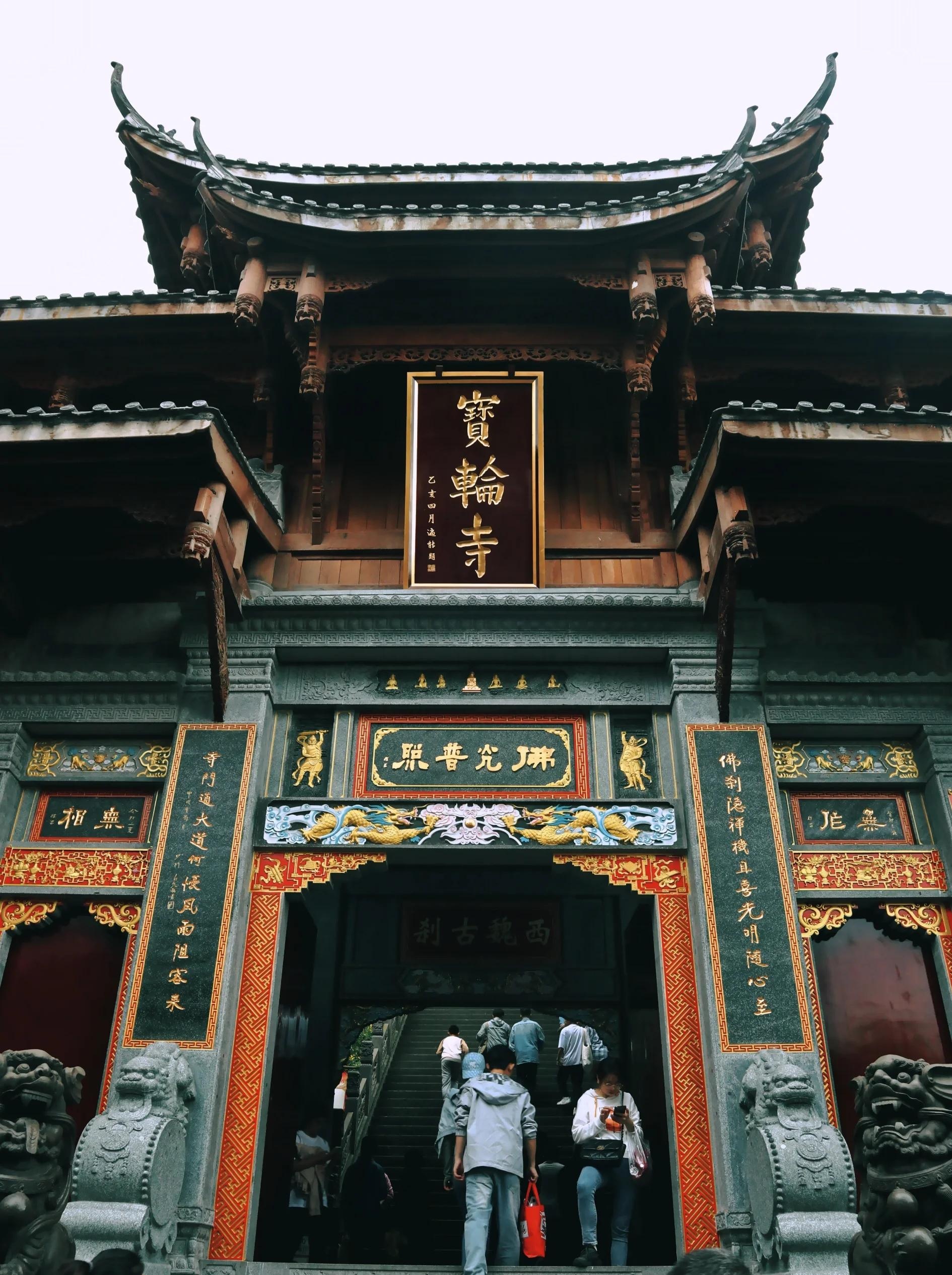
Baolun Temple (宝轮寺)
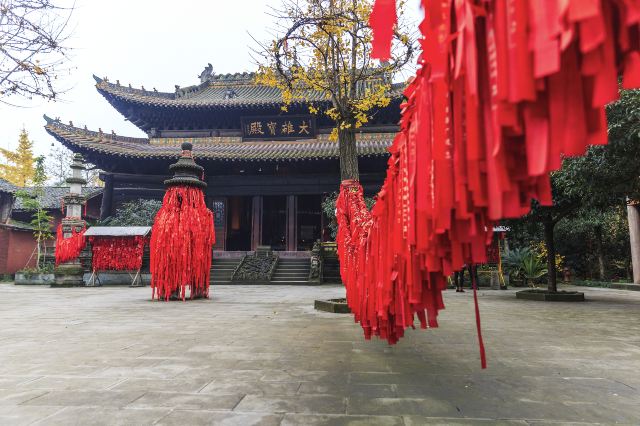
A thousand-year-old Buddhist temple perched on the hilltop of the ancient town, originally built in the early Tang Dynasty. Legend holds that the Jianwen Emperor hid here after being deposed, leading to the town's former name 'Longyin' (Dragon Hidden). The temple offers panoramic views over the ancient town rooftops and down to the Jialing River.
One of the few genuinely ancient structures in Ciqikou. The hilltop position provides the best overview of the town's layout and river setting. Free entry, no crowds, and an oasis of calm above the commercial frenzy below.
 Universal Appeal
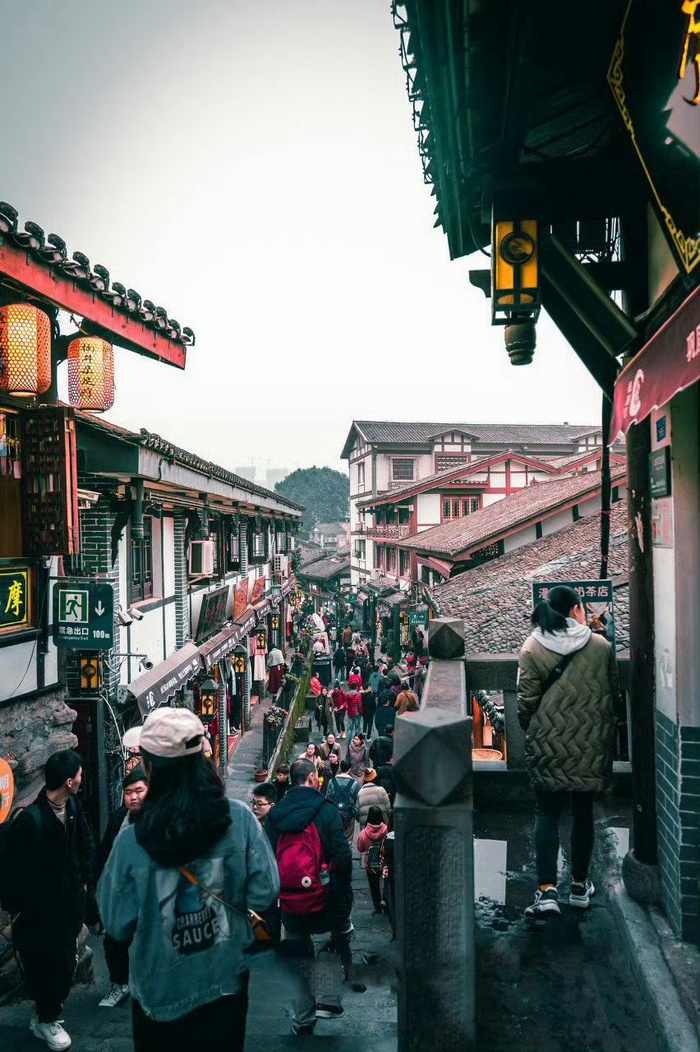
Side Alleys and Back Streets (小巷深处)
The 42 branching alleyways that extend off the main commercial streets, where the real character of Ciqikou lives. Here you'll find old residents goin...
 Universal Appeal
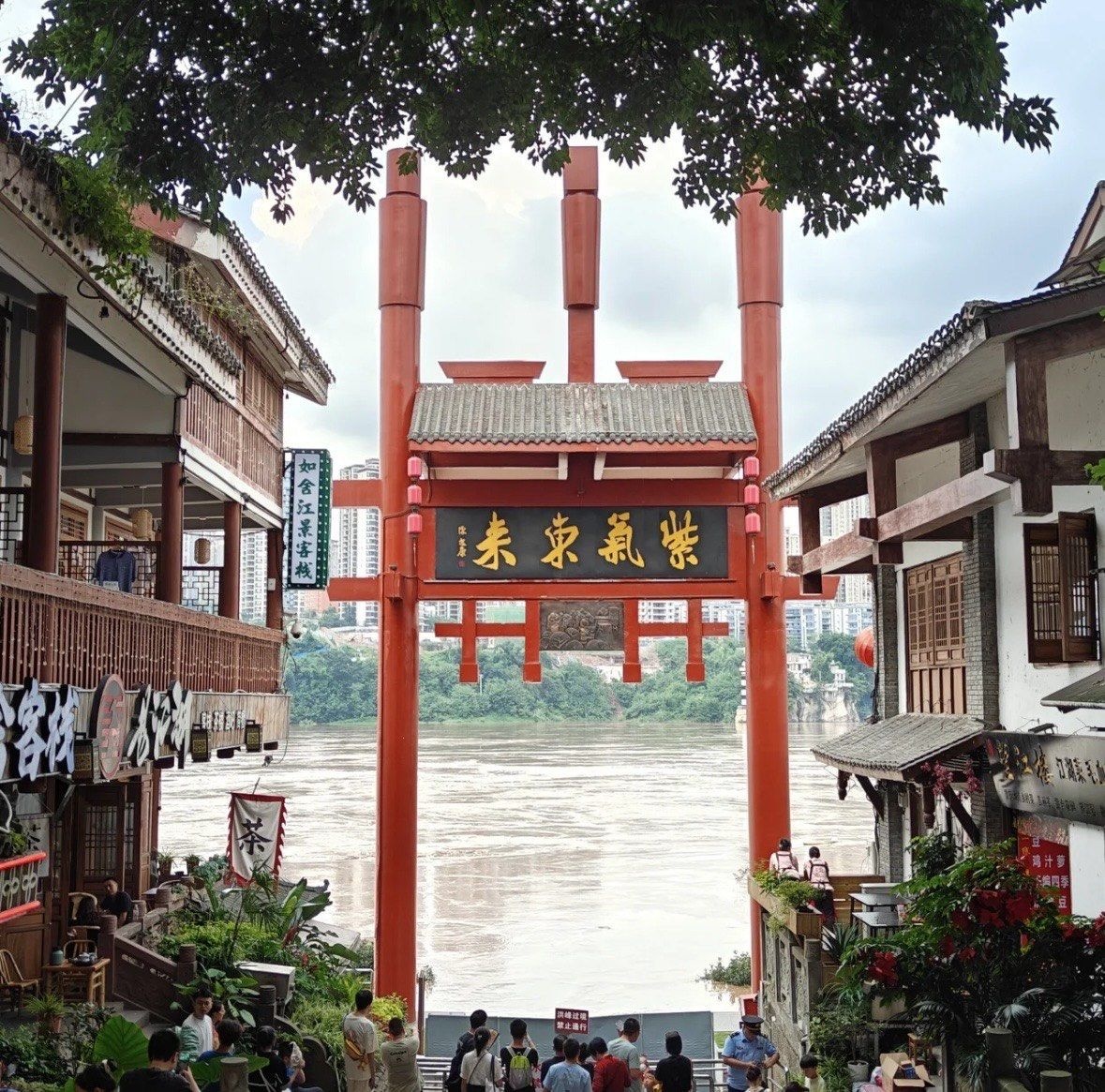
Yinglong Gate and Riverside Dock (迎龙门/码头)
The historic riverside dock area at the bottom of the town, where cargo ships once loaded porcelain for transport along the Jialing River. Features di...
 Universal Appeal
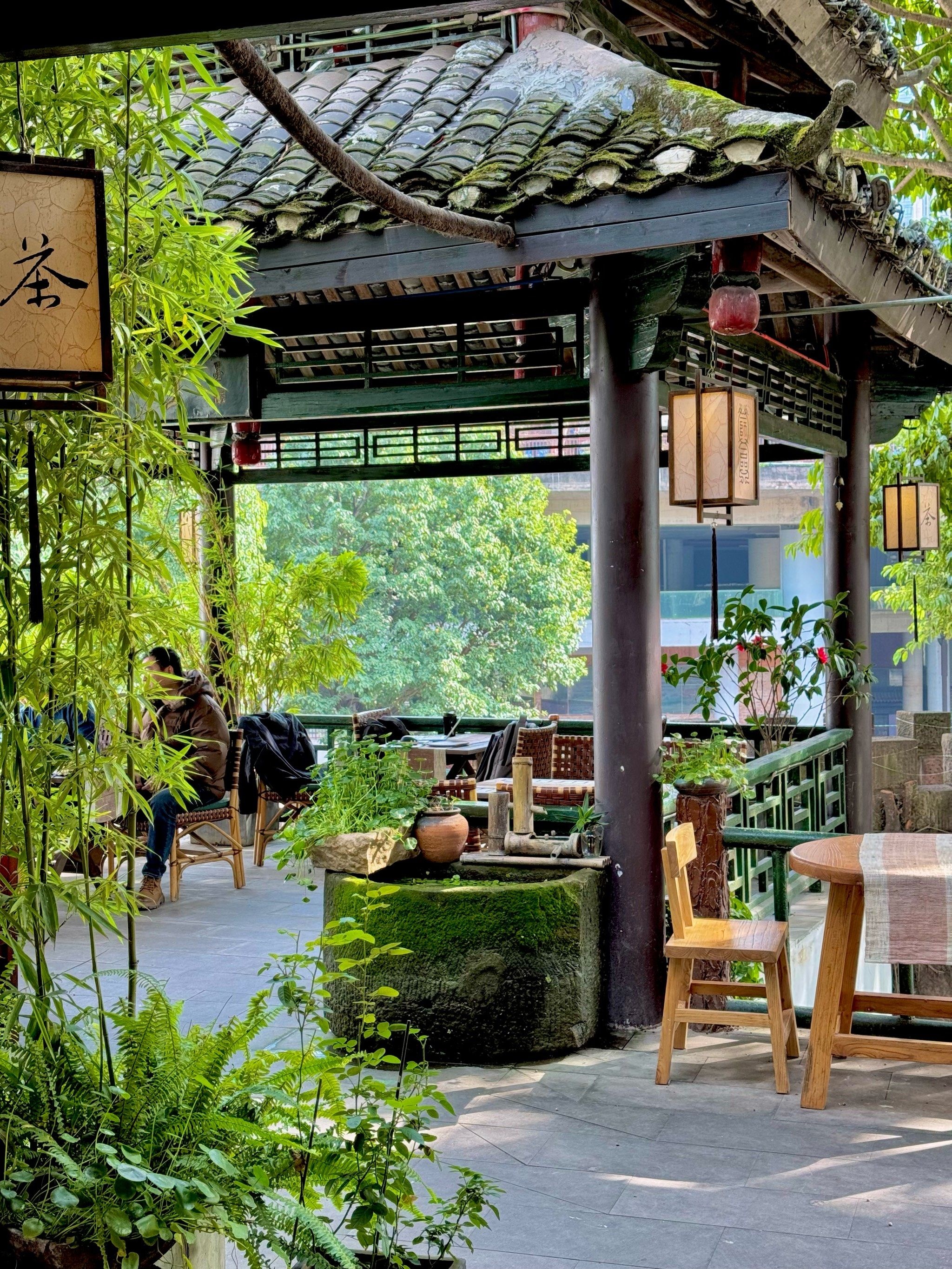
Teahouse Culture and Sichuan Opera (茶馆/川剧变脸)
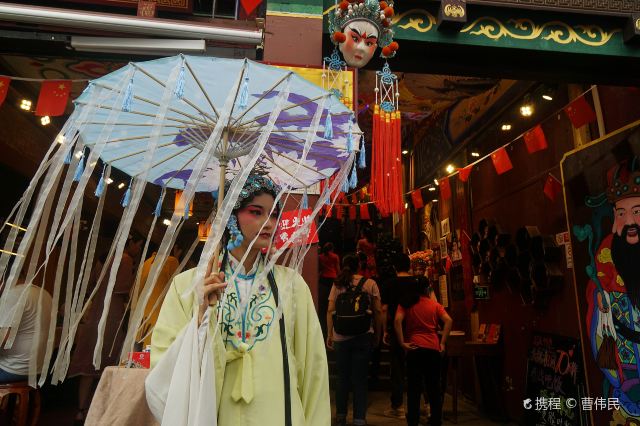
Traditional teahouses scattered throughout the town offer covered-bowl tea (gaiwan cha) and live performances including Sichuan opera face-changing (b...
 Universal Appeal
Street Food Trail (小吃一条街)
Ciqikou's main streets are effectively a kilometer-long open-air food market specializing in Chongqing's signature flavors: mahua (twisted fried dough...
What Most Visitors Miss
Mahjong Museum (麻将博物馆)
A small museum inside the ancient town showing early forms of mahjong tiles and the history of the game. Free or low-cost entry. Multiple visitors mention it as a pleasant surprise — especially given that mahjong is one of China's most iconic cultural exports.
The Ciqikou Back Street (磁器口后街)
A newly developed extension of the ancient town on Ma'an Mountain, blending traditional and modern elements with creative shops, boutique hotels, and 24-hour venues. Less crowded and more contemporary in feel than the old town — a good complement.
Zhong Family Courtyard (钟家院)
One of the best-preserved Qing Dynasty (Guangxu era) quadrangle residences in Ciqikou. Typical Sichuan-style mountain courtyard architecture. Overlooked by most visitors rushing through the commercial streets — it's a genuine piece of history.
Plan Your Visit
How Long to Visit
1-1.5 hours (walk the main T-shaped street, sample some mahua and snacks, take photos
explore main streets plus side alleys, visit Baolun Temple, sit in a teahouse, walk down to the riverside dock
Half day to full day (deep exploration of all 42 alleys, teahouse with Sichuan opera, bar street in the evening, boat trip connection to Hongyadong
Smart Route
Metro Line 1 to Ciqikou Station, Exit 1
enter via the back (hilltop) entrance
walk through the quiet back alleys first
visit Baolun Temple for hilltop panorama
descend through the main street (zheng jie), sampling food along the way
turn right at the T-junction onto the horizontal street (heng jie)
continue down to Yinglong Gate and the riverside dock
exit via the main gate (Huangjueping Archway). This top-down route uses gravity in your favor and saves the commercial main street for last when you're ready for the energy.
Best Time to Visit
Early morning (before 10:00 AM) for peaceful cobblestone streets and uncrowded photography, or evening (after 5:00 PM) when red lanterns light up, bar singers open their windows, and the commercial intensity gives way to atmospheric charm
Weekend afternoons and any national holiday — the narrow streets become literally shoulder-to-shoulder, with reports of being unable to stop walking because the crowd pushes you forward
By Season
Spring
and autumn are most comfortable. Summer in Chongqing is brutally hot (40°C+) — multiple reviewers describe midday Ciqikou as 'a desert' in summer.
Summer
in Chongqing is brutally hot (40°C+) — multiple reviewers describe midday Ciqikou as 'a desert' in summer. Winter is mild but damp.
Autumn
are most comfortable. Summer in Chongqing is brutally hot (40°C+) — multiple reviewers describe midday Ciqikou as 'a desert' in summer.
Winter
is mild but damp. Rainy days thin the crowds but make the stone steps slippery.
The best strategy is to arrive around 8:00 AM when the streets are nearly empty, explore the quiet alleys and temple, then leave before the crowds peak. Alternatively, come in the evening for the bar and music atmosphere — a completely different experience from daytime.
What to Skip
Don't queue 30 minutes for the 'original' Chen Mahua — identical mahua is available at dozens of shops with no wait. Skip the main-street fire pot base shops — supermarkets like Yonghui sell the same brands for half the price. Avoid buying fruit from street carts (reports of inflated prices and dyed coloring).
Pro Tips
The escalators installed inside the town are a godsend for tired legs — use them. If you're short on time, the back alleys and Baolun Temple offer more authentic experiences per minute than the main commercial street. For evening atmosphere, the bar street on the second floors has live singers performing in windows — grab a drink and people-watch. A river ferry to Hongyadong departs from the Ciqikou dock (check current schedules, ends around 4 PM) — an excellent way to combine two major attractions while seeing the city from the water.
Photo Spots
Hilltop view from Baolun Temple
Late afternoon golden light illuminates the layered rooftops below. Wide angle captures the full sweep of traditional roofs descending to the river.
Red lantern alleys at dusk
The side alleys between the main streets are strung with red lanterns that glow beautifully at dusk. Visit during the blue hour (30 minutes after sunset) for the best balance of natural and lantern light.
Diaojiao Building Square (吊脚楼广场)
The stilt houses extending out over the hillside photograph best from below or from across the river. Include the Jialing River in the frame for context.
Bar street windows at night
The upper-floor bars have singers performing in open windows above the cobblestone streets. Photograph from below looking up for a uniquely cinematic composition — warm interior light, performer silhouette, ancient architecture framing.
Pair With
Hongyadong (洪崖洞)
30-40 minutes by metro, or ~1 hour by river ferry (scenic route)
Chongqing's other iconic ancient-meets-modern site — a stilt house complex lit up spectacularly at night. Can be reached by river ferry directly from Ciqikou dock for a scenic connection.
Zhazidong & Baigongguan Revolutionary Sites (渣滓洞/白公馆)
20-30 minutes by bus or taxi
Famous Red Rock revolutionary sites on nearby Gele Mountain, closely associated with Ciqikou historically. Combine for a morning of history followed by an afternoon of food and atmosphere.
Shapingba Three Gorges Square Area (三峡广场)
10 minutes by metro (Line 1)
Nearby commercial district for a modern contrast. Good fallback if Ciqikou crowds are extreme — come here first, then return to Ciqikou in the evening.
Tickets & Access
Ancient town entry
No ticket needed — open access from all entrances
Baolun Temple
Thousand-year-old temple on the hilltop with panoramic views
Sichuan opera / teahouse performance
Entry fee as low as ¥18 plus tea purchase (¥38-98) for intimate face-changing shows
Opening Hours
Open 24 hours, year-round. Most shops operate approximately 9:00 AM to 10:00 PM. Bars and music venues stay open later.
How to Buy
Walk in freely on normal days. During holidays, scan QR code at entrance or book via the official Ciqikou WeChat mini-program. On-site reservation is also possible.
Passport: Not applicable — no ticket purchase needed.
Queue Situation
No queues for entry on normal days. During major holidays, a brief wait (15 minutes) may occur at the entrance for crowd management. Individual shops like Chen Mahua can have 20-30 minute queues.
Tips & Warnings
Aggressive sales tactics in some tea shops
Multiple reviewers report being invited into tea tasting shops for 'free samples,' then pressured with bills of several hundred yuan. Never enter a private tea shop alone. If pressured, calmly take out your phone and say you'll record the conversation — this usually resolves the situation. Stick to the open-front teahouses with visible pricing. If you do get pressured into an uncomfortable situation, message our team immediately — we can call the vendor on your behalf or help you reach the tourist complaint hotline.
Extremely crowded on weekends and holidays
This is not an exaggeration — the narrow streets become a human river where you cannot stop walking or change direction. If you have claustrophobia or are traveling with small children or elderly family, visit on a weekday morning. During Golden Week, the town implements crowd control and reservation requirements. If you’re visiting with young children or elderly family and want to avoid the worst of it, message us for a recommended time slot based on current conditions.
Significant stair climbing required
Ciqikou is built on a mountainside with constant elevation changes. Cobblestone paths are beautiful but uneven. High heels are impractical. People with knee problems should enter from the main gate (bottom) and stick to the flat main street rather than climbing to the temple. Escalators are available in some sections.
Toilets are scarce and often dirty
Public restrooms exist but are limited, hard to find, and frequently unpleasant. Some require climbing stairs to reach. Many private businesses offer paid toilet access (¥1-2). Use restrooms at the metro station before entering, or at restaurants/teahouses during your visit.
What to Bring
Wear
Comfortable flat walking shoes with good grip (essential for cobblestones and wet stone stairs). Casual clothing. In summer, light and breathable fabrics — Chongqing heat is intense. Rain jacket or umbrella in spring/autumn.
Bring
Phone with WeChat/Alipay set up. Portable water bottle (critical in summer). Small backpack for souvenirs. Cash as backup. Tissues/wet wipes (useful after sampling spicy street food).
Don't Bring
Large suitcases (cobblestones make rolling bags impossible — leave luggage at hotel or in station lockers). High heels. Anything white if you plan to eat maoxuewang.
Physical Reality
moderate
The ancient town is built on a mountainside with constant stair climbing between levels. The main street is relatively flat but narrow. Side alleys involve steep stairs. Total walking distance for a full visit is 3-5 km with significant elevation changes. Escalators have been installed in some sections. The flat main street from the bottom entrance to the T-junction is the most accessible route.
Foreigners Watch Out
- No passport needed — free entry with no ticket. During peak holidays, scan QR code for reservation (WeChat required).
- Metro Line 1 to Ciqikou Station is the easiest access. Exit 1 drops you at the back/hilltop entrance (recommended); the main gate is a 10-minute walk from the station.
- Wear comfortable flat shoes — cobblestones and stairs are unavoidable. Flip-flops and heels are a bad idea.
- WeChat Pay or Alipay is nearly universal. Cash works at most places but having mobile payment makes life much easier.
- The 'spicy' here is real Chongqing spicy — even items labeled 'mildly spicy' (微辣) can be very hot for unaccustomed palates. The famous weixin liangfen (slightly spicy cold noodles) has made visitors cry.
- Buying fire pot base and mahua as souvenirs is very common — some shops offer shipping services so you don't have to carry heavy packages.
If Things Go Wrong
The crowds are overwhelming
→ Immediately turn into any side alley and head uphill toward Baolun Temple. The back streets and hilltop area have a fraction of the main-street traffic. The park area behind the temple is genuinely peaceful.
Can't find anything to eat without extreme spice
→ Look for sweet mahua (honey or brown sugar flavor), handmade sticky rice cakes (ciba), yogurt drinks, fruit tea, or the various bakery items. Indian roti is reportedly available at one stall for those avoiding Chinese spice entirely.
Got pressured into an expensive tea tasting
→ Stay calm and do not pay inflated prices. Take out your phone and say you'll report to the tourist complaint hotline (12301). Security guards and police are stationed at regular intervals throughout the town — find one if needed.
Useful Chinese
Tap to reveal the English meaning