About Wuhou Shrine (Zhuge Liang Memorial Temple)
“A place of quiet reverence beneath ancient cypress trees — where Chinese visitors grow contemplative before statues of men who lived 1,800 years ago, and where loyalty and strategic genius are honored as the highest virtues.”
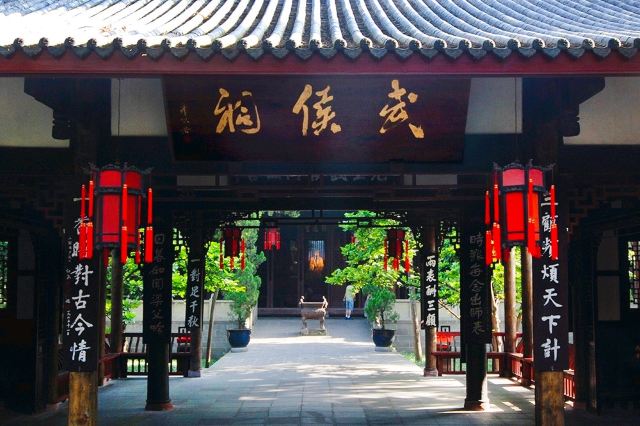
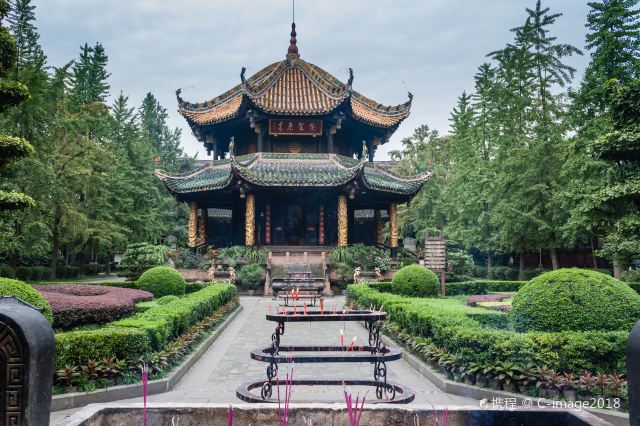
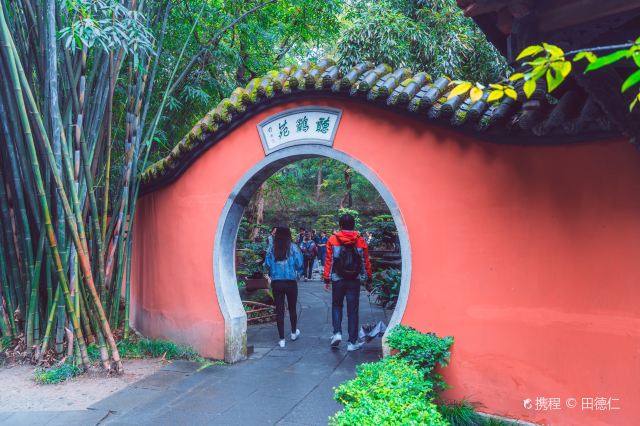
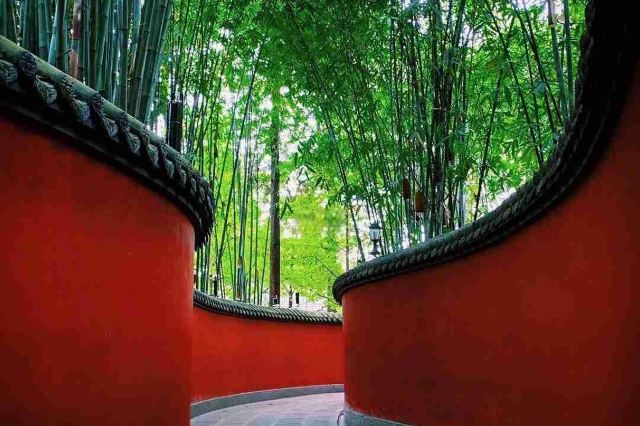
Wuhou Shrine is sacred ground for anyone who grew up with the Romance of the Three Kingdoms — which is basically every Chinese person. The complex commemorates the Shu Han kingdom (221-263 AD), combining the tomb of Emperor Liu Bei with the memorial hall of his brilliant chancellor Zhuge Liang (known by his posthumous title 'Wuhou'). It's the only temple in China that enshrines both a ruler and his minister together, reflecting the deep cultural resonance of their partnership. The site features statues of famous Three Kingdoms generals and ministers, ancient cypress trees, calligraphy-covered steles, and Liu Bei's actual tomb (unexcavated). The recently expanded complex now includes three sections: the historical shrine area, a cultural experience zone, and the adjacent Jinli Ancient Street. For Three Kingdoms fans, this is an absolute must-visit. For those unfamiliar with the history, it can feel like 'just another Chinese temple' without context — hiring a guide or renting an audio device (¥20) dramatically improves the experience. The red-wall bamboo corridor here rivals Du Fu's Cottage for Instagram-worthy shots. Jinli Street right next door provides food, shopping, and evening atmosphere.
Top Questions from Travelers
Why This Place Matters
The Three Kingdoms period (220-280 AD) saw China fracture into three competing states after the collapse of the Han Dynasty. Chengdu was the capital of Shu Han, founded by Liu Bei, who famously recruited Zhuge Liang from his thatched hut ('three visits to the thatched cottage' — one of the most iconic stories in Chinese culture). Zhuge Liang served as chancellor and military strategist, keeping the weaker Shu kingdom alive through brilliant diplomacy and tactics. His deathbed memorial 'Chu Shi Biao' (Letter Before Going to War) — expressing his determination to serve his lord until death — is one of the most quoted texts in Chinese literature and is said to bring tears to anyone who reads it. The shrine was first built in 223 AD and represents continuous veneration of these figures for 1,800 years. The Romance of the Three Kingdoms, one of China's 'Four Classic Novels,' immortalized these stories and made them foundational to Chinese cultural identity. Understanding the Three Kingdoms is understanding a cornerstone of Chinese civilization.
Need help planning?
ChinaPal handles everything
- Book English-speaking guides
- Arrange transport & tickets
- Real-time help during your visit
- Restaurant reservations nearby
Highlights
4 iconic experiences that define a visit
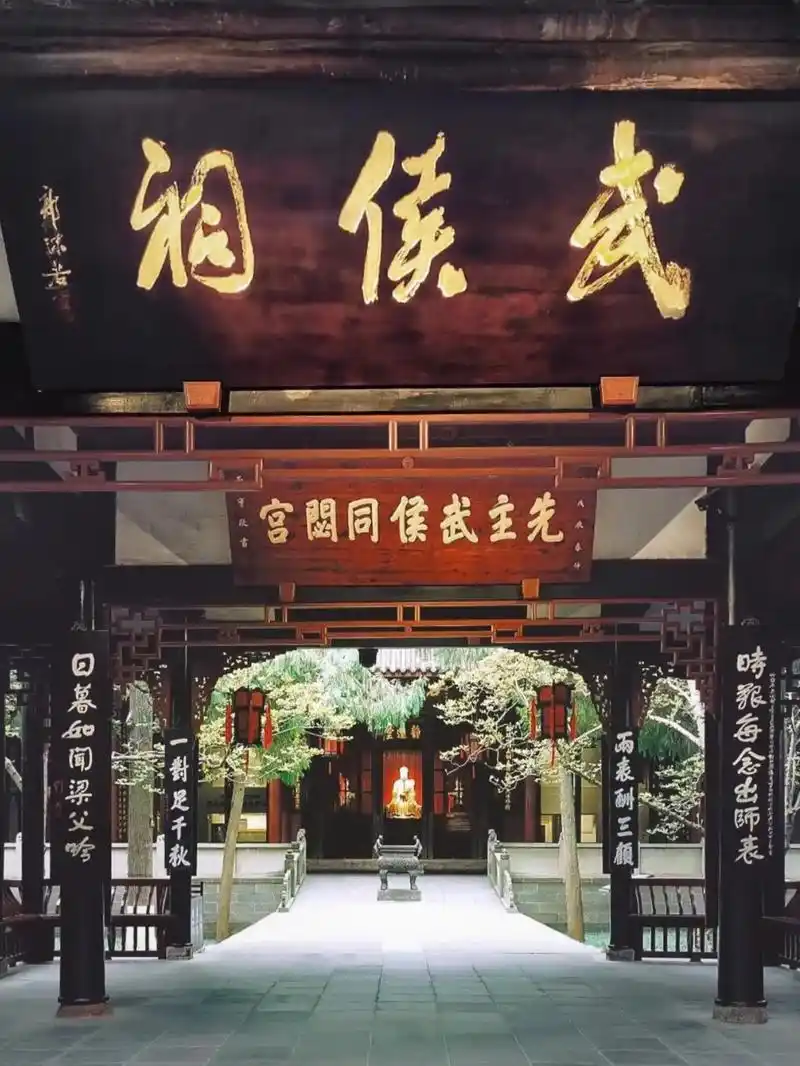
Zhuge Liang Hall (武侯祠)
The primary temple featuring a gilded statue of Zhuge Liang, the legendary strategist of the Shu Kingdom. Flanking halls display statues of his key subordinates. The hall represents 1,800 years of veneration for China's most famous chancellor.
Zhuge Liang is the Chinese equivalent of a combined Sun Tzu, Merlin, and Abraham Lincoln — a strategic genius, inventor (credited with the wheelbarrow and repeating crossbow), and symbol of selfless service. His 'Chu Shi Biao' (Letter Before Going to War) is one of the most quoted texts in Chinese literature.
 Culturally Interesting
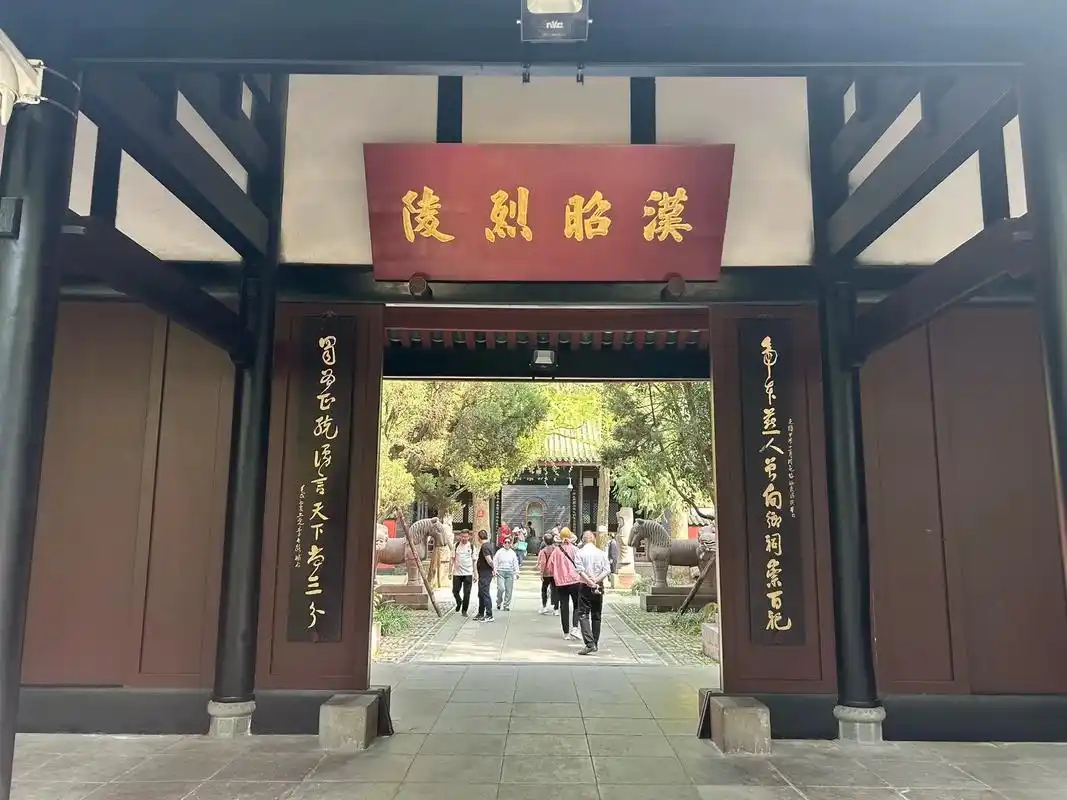
Liu Bei's Tomb (惠陵)
The actual burial mound of Liu Bei, the founding emperor of the Shu Han kingdom. Remarkably, the tomb has never been excavated or robbed — a rarity fo...
 Universal Appeal
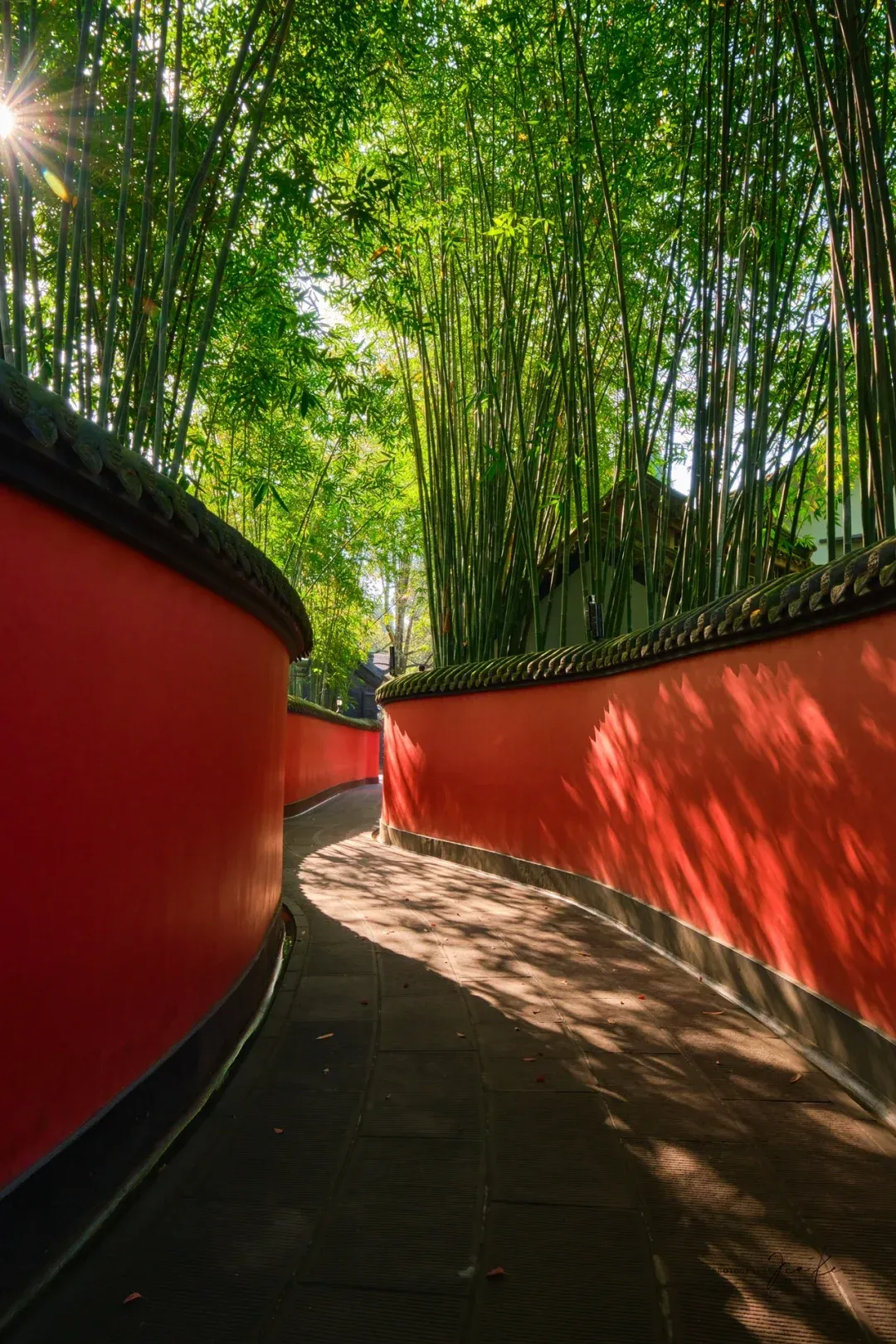
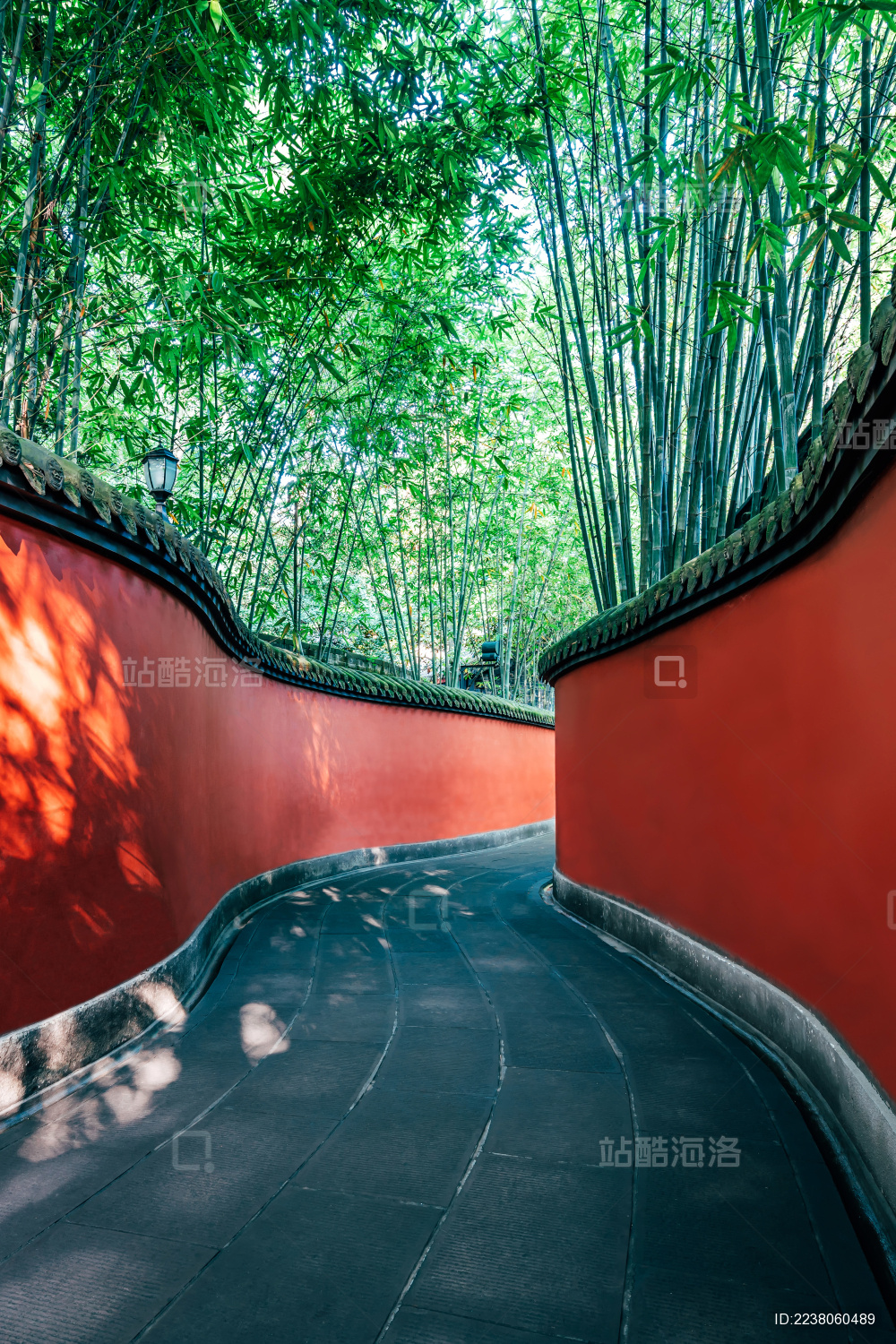
Red-Wall Bamboo Corridor (红墙竹影)
A photogenic walkway lined with crimson walls and overhanging bamboo, very similar to Du Fu's Cottage corridor. This has become one of Chengdu's most ...
 Culturally Interesting
Wen and Wu Corridors (文武廊)
Two covered walkways displaying 28 statues of important Shu Kingdom figures — civil officials on one side, military generals on the other. Includes fa...
What Most Visitors Miss
The Tang Dynasty stele (唐碑)
A stele from 809 AD with calligraphy praising Zhuge Liang's achievements — one of the most important historical artifacts in the complex, often walked past without notice.
The Three Kingdoms culture gift shop
The museum shop sells creative Three Kingdoms-themed merchandise including miniature figurines, calligraphy sets, and strategy game sets. Much better quality than street vendors.
The western cultural experience zone
The recently expanded western section offers immersive Three Kingdoms cultural experiences and rotating exhibitions that most visitors skip in favor of the historical core.
Plan Your Visit
How Long to Visit
1-1.5 hours (central axis main halls and Liu Bei's tomb
full shrine exploration with audio guide, red-wall corridor, garden areas
Half day (shrine + Jinli Ancient Street for food and evening atmosphere
Smart Route
Enter via the main gate
rent audio guide (¥20)
follow the central axis (Liu Bei Hall
Zhuge Liang Hall
Wen and Wu Corridors)
walk to Liu Bei's Tomb
red-wall bamboo corridor
western garden section
exit via the side gate directly into Jinli Ancient Street for lunch.
Best Time to Visit
Early morning (9:00-10:30 AM) when the shrine is peaceful and uncrowded, or late afternoon (3:30-5:00 PM) for golden light through the cypress trees and thinning crowds
National holidays and weekends, especially spring festival period and the October Golden Week, when the shrine and Jinli Street are extremely crowded
By Season
Spring
: most beautiful with flowers blooming in the gardens. Summer: lush but hot and humid.
Summer
: lush but hot and humid. Autumn: golden ginkgo leaves create beautiful scenes.
Autumn
: golden ginkgo leaves create beautiful scenes. Winter: quieter, atmospheric with bare cypress branches against gray sky.
Winter
: quieter, atmospheric with bare cypress branches against gray sky. The red-wall corridor photographs well in all seasons.
Visit the shrine in the early morning, exit through the side gate to Jinli Street for lunch, then return to Jinli in the evening when the lanterns light up for the best atmosphere.
What to Skip
The souvenir stalls outside the main gate — the internal gift shop has much better merchandise. Skip Jinli's most crowded food stalls (overpriced) — walk one block behind for better local food.
Pro Tips
Guides standing near the entrance rent earpiece audio systems for ¥20 — excellent value and transforms the visit. If you're visiting both Wuhou Shrine and Du Fu's Cottage, buy the annual pass (¥100) which covers both. The side exit to Jinli Street saves you walking back around — use it.
Photo Spots
Red-wall bamboo corridor
Early morning (9:00-10:00 AM) for the best light and fewest people. The corridor runs roughly north-south — afternoon light creates dramatic shadows.
Ancient cypress tree-lined path to Liu Bei's tomb
Wide-angle lens captures the soaring tree canopy. Overcast days add mood. A person walking alone down the path provides excellent scale.
Liu Bei Hall with golden statue
Photography is typically allowed in the main halls. Use natural light from the doorway to illuminate the gilded statue. Low angle emphasizes the statue's grandeur.
Pair With
Jinli Ancient Street (锦里)
0 minutes — directly connected via side exit
Directly adjacent — Chengdu's most famous commercial ancient street with food stalls, tea houses, and Sichuan opera performances. Exit the shrine's side gate and you're there.
Du Fu's Thatched Cottage (杜甫草堂)
15-minute taxi ride
Chengdu's other major cultural landmark — together they cover Chengdu's two greatest historical legacies (Three Kingdoms and Tang poetry).
Wide and Narrow Alleys (宽窄巷子)
15-minute taxi ride
Qing Dynasty alley district with tea houses, restaurants, and cultural performances — a livelier contrast to the shrine's contemplative atmosphere.
Tickets & Access
Full-price admission
Includes all three sections of the complex
Student admission
With valid student ID
Audio guide rental
With dedicated earpiece — highly recommended for understanding the Three Kingdoms context
Opening Hours
09:00-18:00 daily (last ticket sold at 17:00). Hours consistent year-round.
How to Buy
Buy at the gate with passport. Online via Ctrip/Trip.com. Present QR code or passport at entrance.
Passport: Yes — physical passport must be scanned at entry for foreigners.
Queue Situation
Under 5 minutes on weekdays. 15-30 minute waits possible on weekends and holidays at the ticket window.
Tips & Warnings
Without context, this can feel like 'just another Chinese temple'
The Three Kingdoms period is to Chinese culture what the Arthurian legends are to British culture — but real. Invest 20 minutes reading about it beforehand, or rent the audio guide. The emotional resonance that makes Chinese visitors deeply moved here is accessible with even basic context.
Scam alert near the entrance
Multiple reviewers report scam touts near the main entrance who pretend to be taxi drivers and lure visitors into overpriced calligraphy/art shops. Use Didi for taxis, and decline any 'free' offers from strangers outside the shrine. If you're unsure about a situation or need a reliable taxi, message us — we can book you a verified car or help sort out any issues near the entrance.
Jinli Street gets very crowded in the evening
Jinli is best experienced in the late afternoon (4-6 PM) as a transition from the shrine. After 7 PM on weekends, it becomes uncomfortably packed.
What to Bring
Wear
Comfortable walking shoes. Casual clothing is fine — no dress code. Layers in spring/autumn as Chengdu weather changes quickly.
Bring
Passport (required). Camera. Cash or mobile payment. An umbrella (Chengdu is frequently drizzly).
Don't Bring
Nothing specific to avoid.
Physical Reality
easy
Mostly flat terrain across the complex. Paved paths throughout. Wheelchair accessible on main routes. Total walking distance for a full visit is about 2-3km at a leisurely pace.
Foreigners Watch Out
- Physical passport is required at entry — photo copies may not be accepted. Bring it.
- Free senior admission for Chinese citizens 60+ does NOT apply to foreign passport holders — foreigners pay ¥50 regardless of age.
- The audio guide (¥20) is available in English and worth every yuan — the historical context is essential.
- Metro Line 3 or 5 to Gaoshengqiao Station (Exit D), then 10-minute walk. Or taxi/Didi for ¥15-20 from central Chengdu.
- The side exit connects directly to Jinli Ancient Street — use this to combine both in one visit without backtracking.
If Things Go Wrong
Arrived without understanding the Three Kingdoms history
→ Rent the audio guide (¥20, English available) at the entrance — it provides the narrative context that transforms the visit. Alternatively, find a guide near the entrance (¥50-100 for a group tour). You can also message our concierge — we can send you a quick English primer on the key stories and characters while you're still at the entrance.
Too crowded inside the main halls
→ Head to the western section and garden areas where most tourists don't venture. The area around Liu Bei's tomb is typically quieter than the main halls.
Useful Chinese
Tap to reveal the English meaning