About Wenshu Monastery
“Tranquil and grounding — ancient wood and incense and chanting in the middle of a modern city, with just enough local life (tea drinkers, praying grandmothers, wandering cats) to feel alive rather than preserved.”
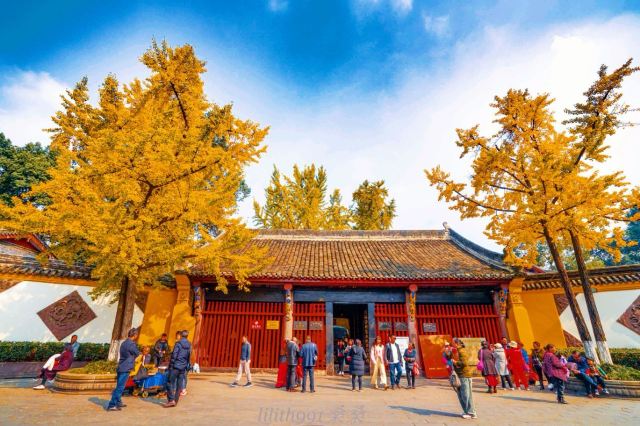
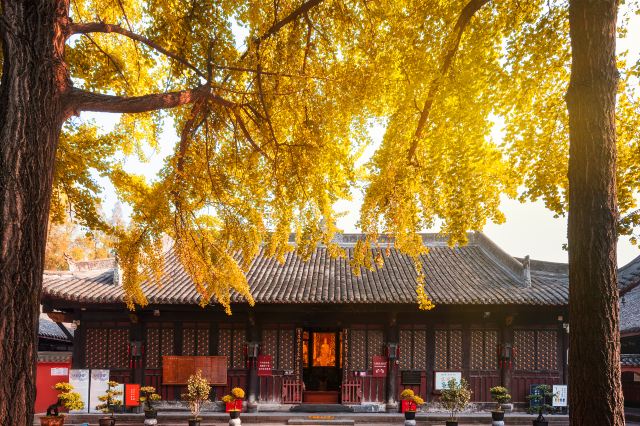
Wenshu Monastery is Chengdu's best-preserved Buddhist temple and a genuinely active place of worship — not a museum piece. Founded in the Sui Dynasty (7th century) and rebuilt during the Qing, it houses over 300 Buddha statues, rare relics including alleged fragments of Xuanzang's skull, and a peaceful garden that feels worlds away from the city outside. The atmosphere is authentic: monks chant in the mornings, locals burn incense and pray, and the tea garden inside is a beloved neighborhood hangout. Free incense sticks and hot tea are offered at the entrance. The surrounding Wenshufang pedestrian street adds restaurants, tea houses, and shops to the experience. The downsides: photography is restricted or forbidden inside many halls (volunteers can be overly aggressive about enforcement), there's almost no English signage, and the vegetarian restaurant has received mixed reports (some say it's been outsourced and quality has dropped). The monastery is compact — you can see everything in 1-2 hours. Best for anyone seeking a peaceful, spiritual counterpoint to Chengdu's bustling food-and-nightlife scene.
Top Questions from Travelers
Why This Place Matters
Wenshu Monastery is named after Manjushri (文殊菩萨), the Bodhisattva of Wisdom in Buddhism — which is why many visitors come to pray for academic success and career advancement. The monastery's Sichuan-style Buddhist chanting (川腔梵呗) is a distinct regional tradition that blends Han Chinese Buddhist liturgy with local Sichuan musical elements, recognized as an intangible cultural heritage. The temple represents 1,400 years of continuous Buddhist practice in Chengdu, surviving wars, revolutions, and the Cultural Revolution. It remains one of China's most important Han Buddhist monasteries and a genuine center of learning and practice, not merely a tourist site.
Need help planning?
ChinaPal handles everything
- Book English-speaking guides
- Arrange transport & tickets
- Real-time help during your visit
- Restaurant reservations nearby
Highlights
4 iconic experiences that define a visit
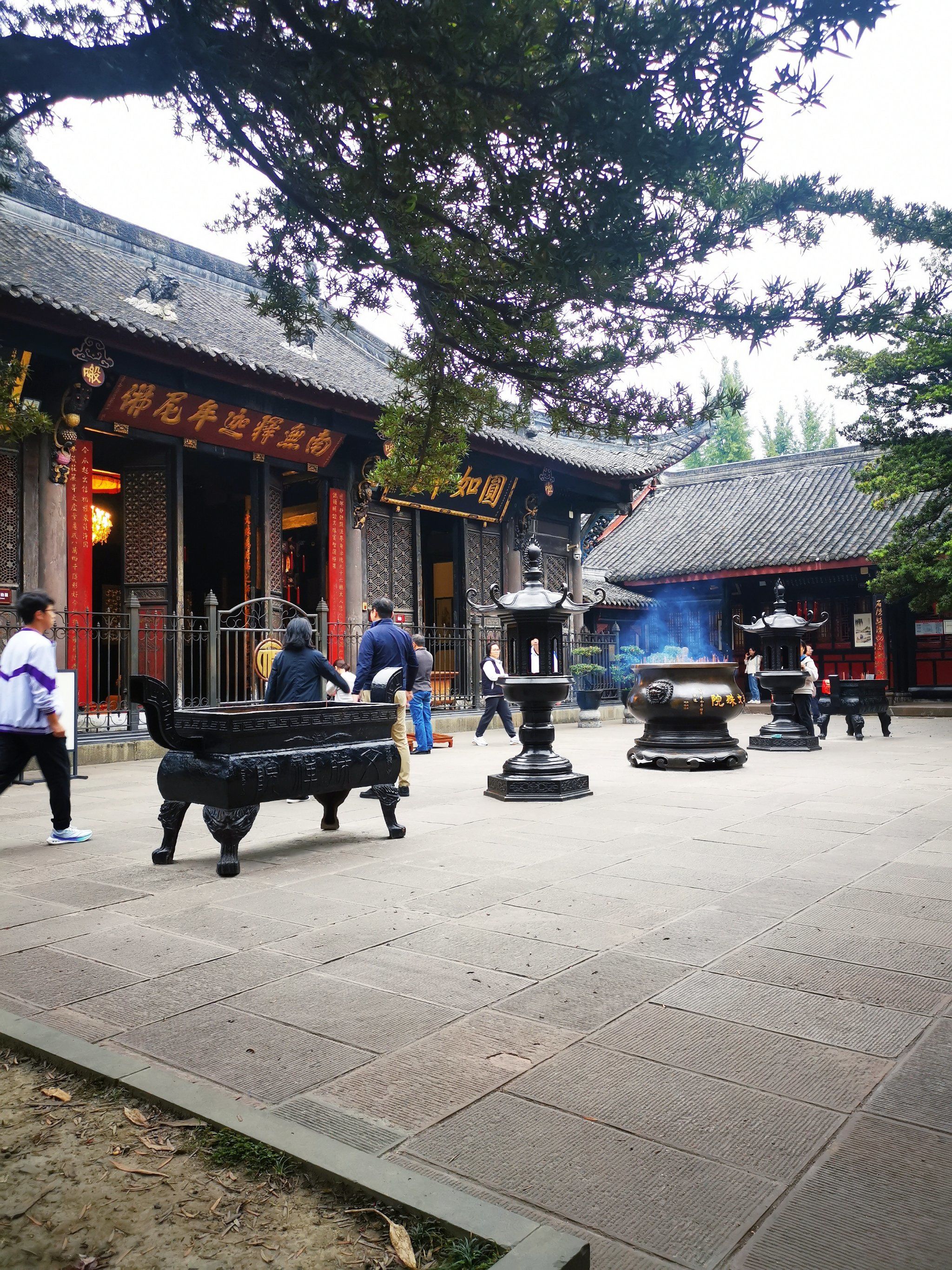
Morning Chanting (早课)
Monks gather at 8 AM for morning chanting in the main halls — a deeply atmospheric ritual with rhythmic Sichuan-style Buddhist chanting (川腔梵呗) that has been designated an intangible cultural heritage. The sound echoes through incense-filled halls.
You don't need to be Buddhist to appreciate this. The chanting has a musical quality that transcends religion. Stand quietly at the back of the hall and observe.
 Culturally Interesting
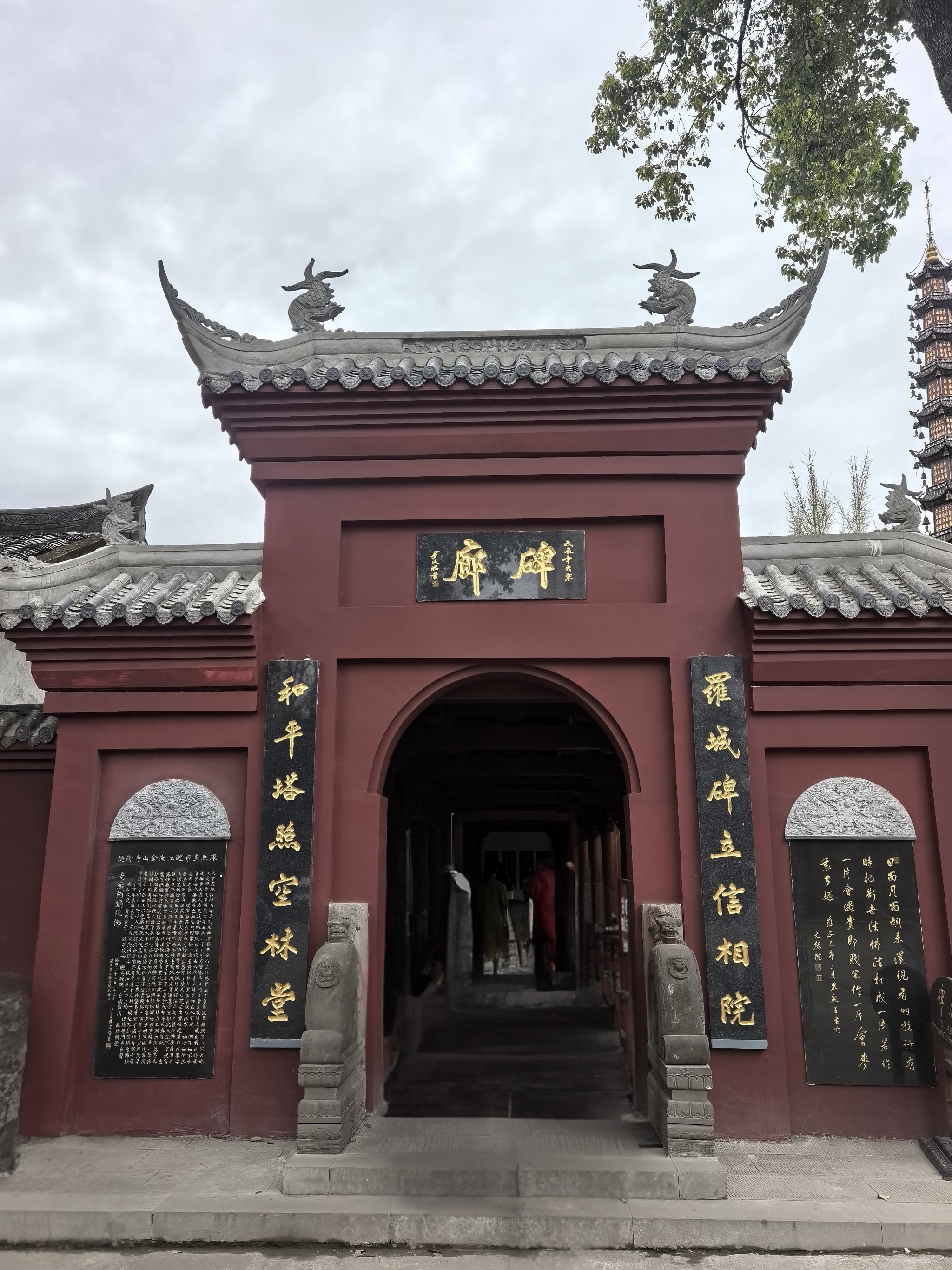
The Six Main Halls (Central Axis)
Six halls along the north-south axis: Heavenly Kings Hall, Three Great Beings Hall, Great Hero Hall (main shrine with bronze Shakyamuni Buddha), Dharm...
 Universal Appeal
Monastery Gardens
Quiet gardens with ancient trees, rock formations, and peaceful paths surrounding the main halls. The tea garden (香园) offers gaiwan tea under old tree...
 Universal Appeal
Wenshufang Pedestrian Street (文殊坊)
The streets surrounding the monastery are lined with traditional-style buildings housing tea houses, restaurants, souvenir shops, and local eateries. ...
What Most Visitors Miss
The rare relics in the Sutra Library (宸经楼)
The monastery houses two sacred Buddhist relics: fragments attributed to the historical Buddha and to Xuanzang (the famous Tang dynasty monk who traveled to India). Most visitors walk right past the building.
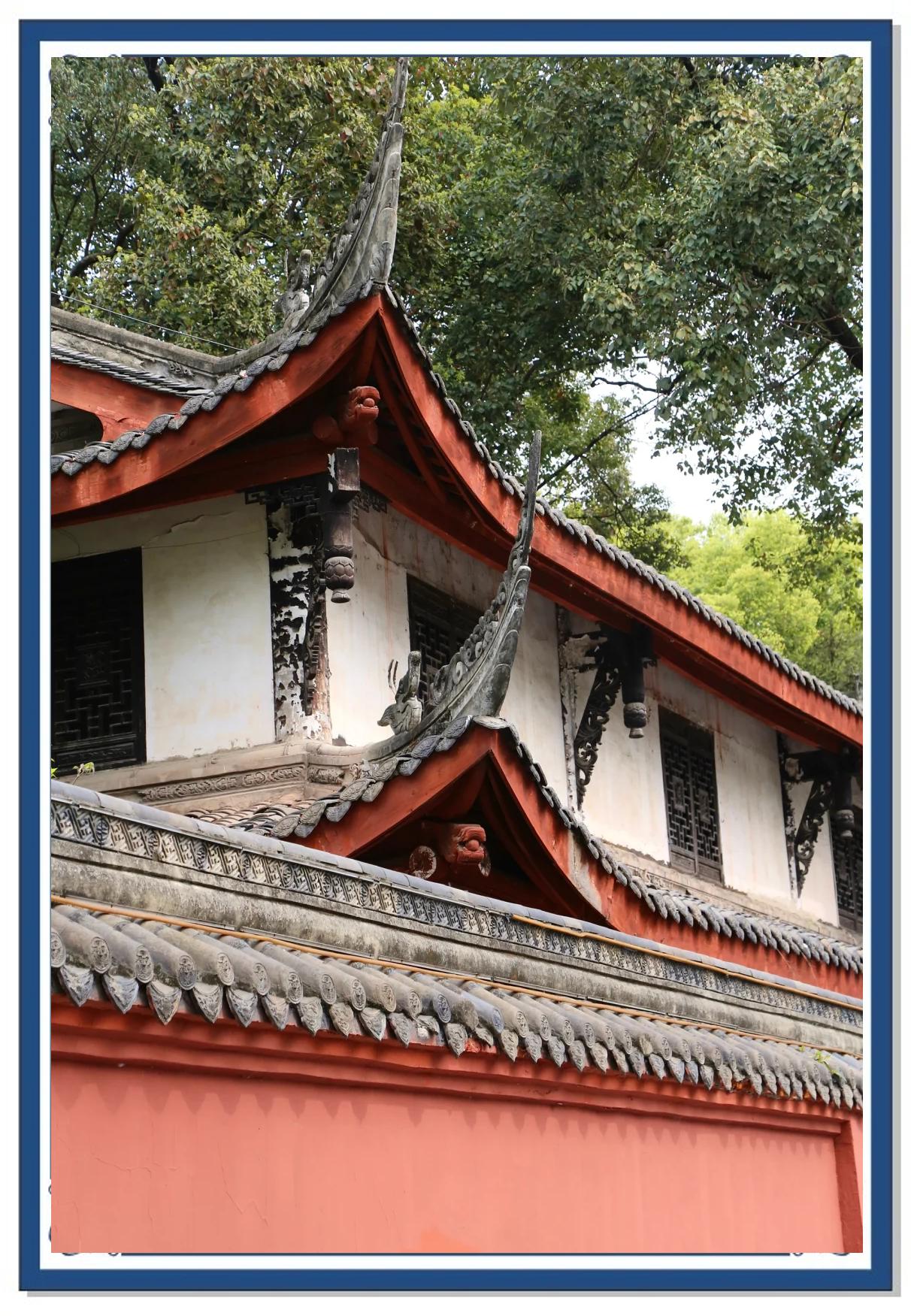
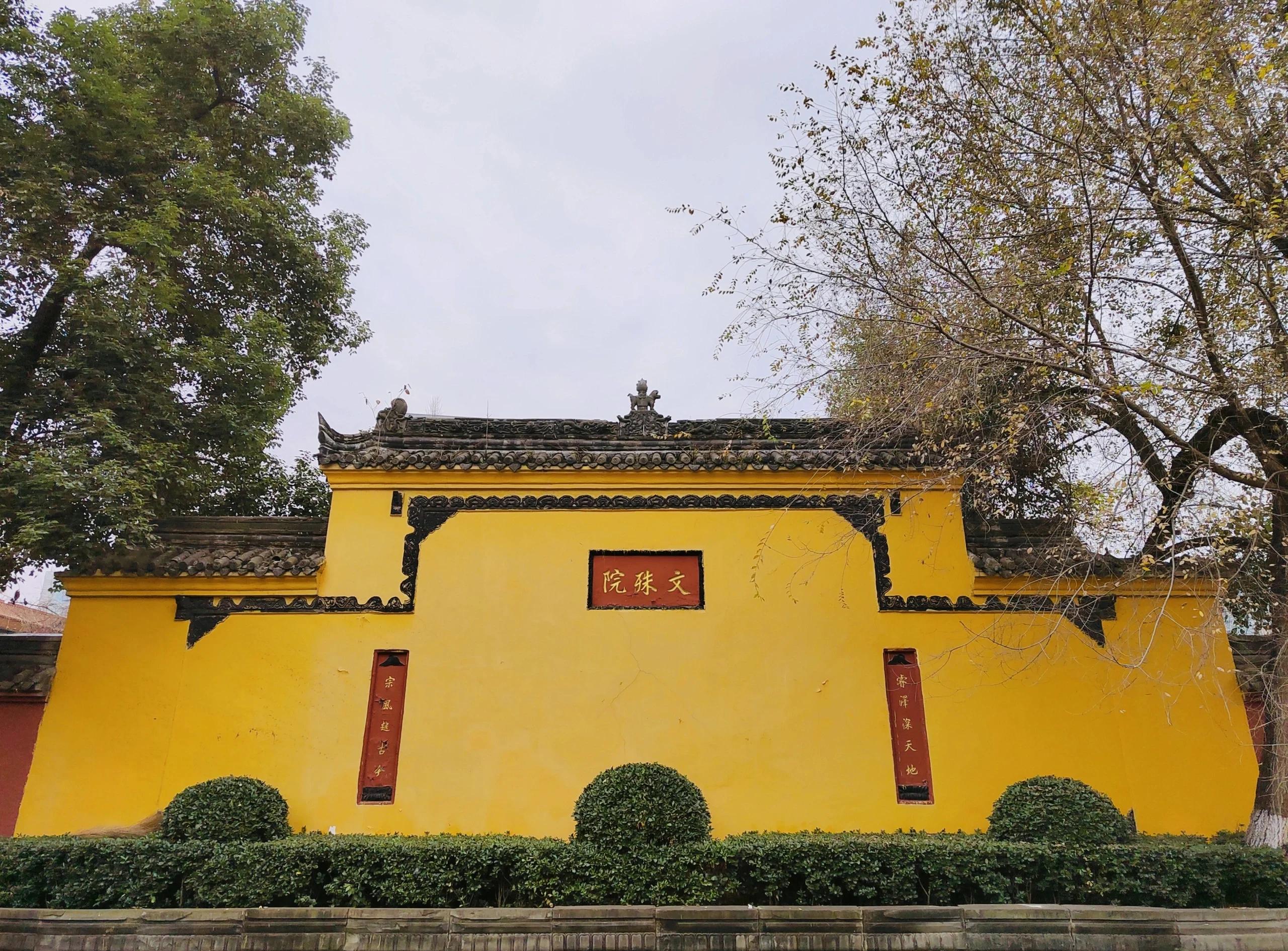
The 'Instagrammable' exterior walls
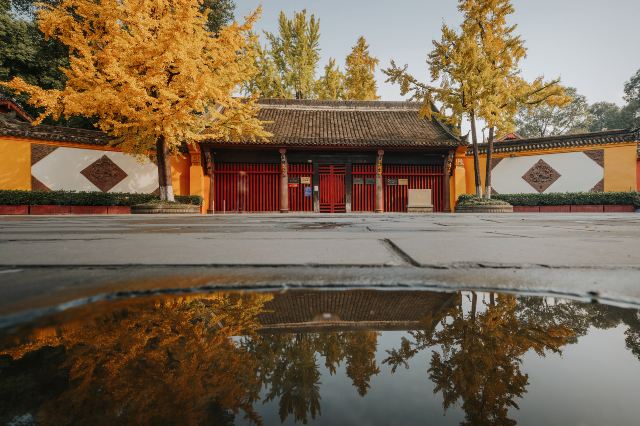
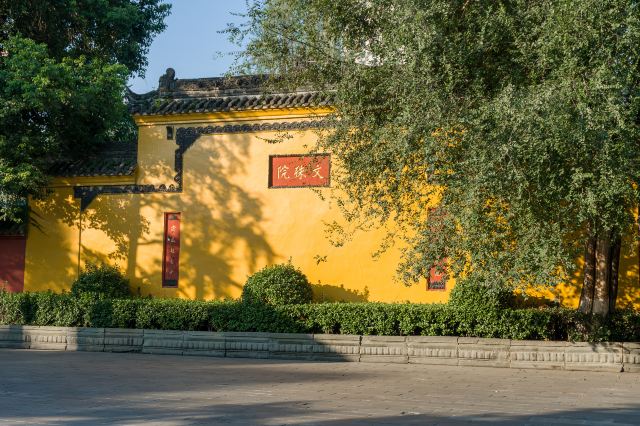
The orange/red monastery walls with traditional architectural details create stunning photo compositions, especially in morning or late afternoon light. Most visitors only photograph inside the complex.
Free guided tours from monastery volunteers
Chinese-speaking volunteer guides sometimes offer free tours — look for organized groups forming near the entrance. The guided experience adds enormous context, though tours are in Chinese only.
Plan Your Visit
How Long to Visit
45 minutes (walk the central axis, see the main halls
1.5-2 hours (all halls, garden, tea garden rest, Wenshufang street
attend morning chanting at 8 AM, explore all buildings, vegetarian lunch, browse Wenshufang shops
Smart Route
Arrive at 7:50 AM
attend morning chanting in the Great Hero Hall
walk the central axis through all six halls
explore the gardens and tea garden
exit through the south gate
browse Wenshufang street for breakfast or shopping
Metro Line 1 to your next destination.
Best Time to Visit
Early morning (before 9 AM) for morning chanting and peaceful atmosphere
Chinese New Year and major Buddhist holidays — the monastery is packed with worshippers and incense smoke is overwhelming
By Season
Spring
Year-round destination — the monastery's indoor halls and covered corridors make it comfortable in any weather
Summer
The annual Laba Festival (腊八节) porridge distribution in January is a beloved tradition dating back 300 years
Autumn
Winter
Arrive at 8 AM to hear the monks' morning chanting — it's a hauntingly beautiful experience that most tourists miss. After the monastery, walk through Wenshufang street for breakfast or tea.
What to Skip
The vegetarian restaurant has received mixed recent reviews — some visitors report the quality has declined since it was outsourced to a private operator. The souvenir shops on Wenshufang street sell mostly generic tourist items. If you're looking for a good vegetarian meal nearby instead, message our team — we know several local spots on the surrounding streets that serve better Buddhist vegetarian cuisine.
Pro Tips
Accept the free incense sticks at the entrance and light them at the main incense burner — it's part of the experience regardless of your beliefs. Be aware that some enthusiastic 'fortune tellers' outside the temple entrance are scammers — ignore them politely.
Photo Spots
Monastery exterior walls with traditional architecture
Morning light creates warm tones on the orange/red walls. Frame with overhanging tree branches for depth.
Incense smoke spiraling through courtyard trees
Position yourself downwind from the incense burners. Use slow shutter or let natural light create atmospheric effects.
Pair With
People's Park (人民公园)
15-minute walk or 5 minutes by metro (Line 1)
15-minute walk or one metro stop south. The park's tea culture and matchmaking corner complement the monastery's spiritual calm — two very different Chengdu experiences in one morning.
Kuanzhai Alley (宽窄巷子)
15-minute walk
A 15-minute walk west. The commercial alley makes an interesting contrast to the authentic monastery neighborhood. Best visited after the monastery for a change of pace.
Tickets & Access
Monastery admission
Free incense sticks and hot tea provided at entrance
Vegetarian restaurant (inside monastery)
Buddhist vegetarian cuisine — quality varies
Tea garden (inside monastery)
Peaceful outdoor tea under ancient trees
Opening Hours
Daily 08:00–17:00. Year-round.
How to Buy
No booking needed.
Passport: Not applicable — free entry, no ID needed.
Queue Situation
No queues except during major holidays (Chinese New Year, Buddhist festivals).
Tips & Warnings
Photography is restricted or forbidden inside many halls
Check for signs before photographing inside any building. Volunteer temple guardians can be strict about enforcement — some visitors report being physically stopped. Exterior photography is generally fine. When in doubt, don't photograph.
Scammers outside the entrance
People outside the temple gate may offer 'fortune telling' or 'blessing' services for money — these are not affiliated with the monastery. Politely decline and walk in. The monastery itself is free and does not charge for any religious services. If anyone approaches you with confusing demands for money or you're unsure whether something is legitimate, message us — we can clarify the situation in real time.
What to Bring
Wear
Modest clothing covering shoulders and knees. Comfortable shoes for walking.
Bring
Small cash for tea or food. Camera (but respect photography restrictions). Quiet, respectful demeanor.
Don't Bring
Nothing specific to avoid.
Physical Reality
easy
Flat, paved paths throughout the monastery complex. Some doorway thresholds to step over. Compact area — total walking distance under 1 km. Wheelchair accessible on main paths though some halls have steps at entrances.
Foreigners Watch Out
- Dress modestly — cover shoulders and knees. This is an active place of worship, not a museum.
- Photography rules vary by building. When in doubt, don't photograph inside the halls. Exterior shots are generally fine.
- No English signage anywhere. Pre-read about the monastery's history or bring a guide to get the most from the visit.
- Beware of 'fortune tellers' and 'blessing' sellers outside the entrance gate — they are scammers unaffiliated with the monastery.
- The monastery is free. If anyone asks you to pay for 'blessings' or 'special access,' it's a scam.
If Things Go Wrong
Arrived too late for morning chanting
→ The monastery is still beautiful and atmospheric throughout the day. The chanting happens daily — come back tomorrow morning if your schedule allows.
Useful Chinese
Tap to reveal the English meaning