About Mount Qingcheng
“A misty Taoist dreamscape -- ancient temples emerging from clouds of green bamboo, stone steps worn smooth by centuries of pilgrims, and the profound serenity that gave this mountain its name as 'the most secluded place under heaven.'”
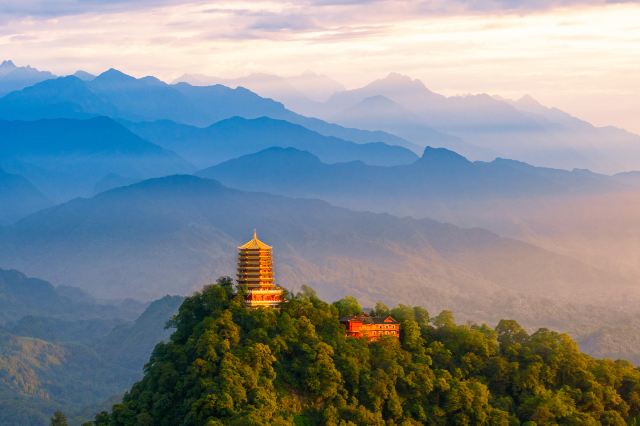
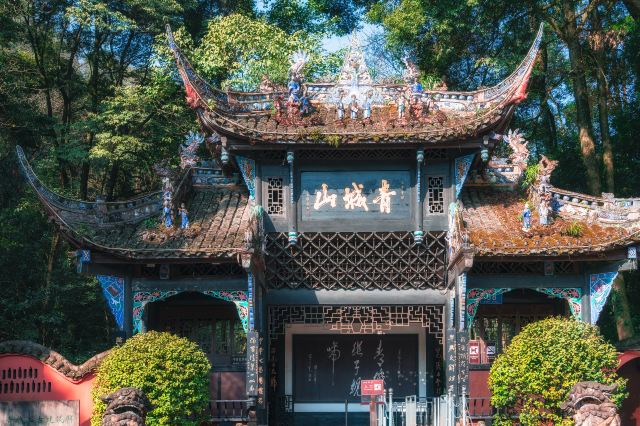
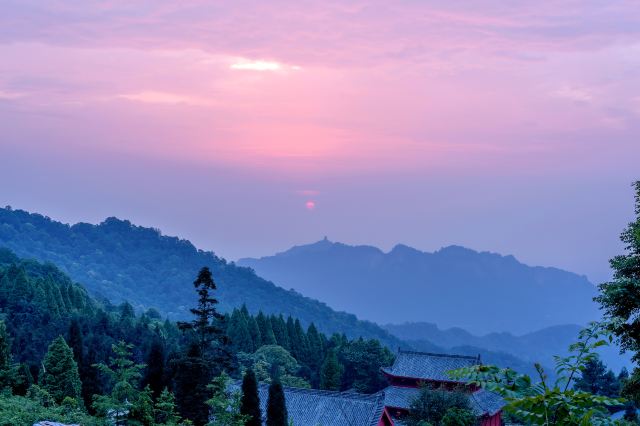
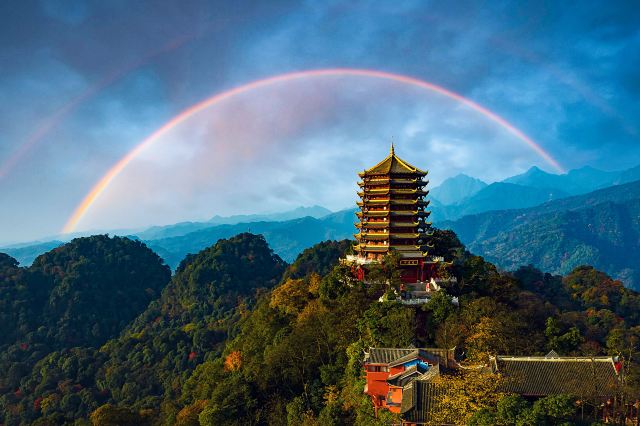
Mount Qingcheng is one of China's Four Sacred Taoist Mountains and a UNESCO World Heritage Site, located about 68 km west of Chengdu. The mountain is divided into Front Mountain (前山) and Back Mountain (后山). Front Mountain is the main attraction for most visitors -- a moderately challenging climb through dense forest past ancient Taoist temples, culminating at the Old Lord's Pavilion (老君阁) at 1,260 meters. The experience is genuinely atmospheric: the Chinese phrase 'Qingcheng tianxia you' ('Qingcheng is the most serene place under heaven') is well-earned. Dense canopy keeps the trails cool and shaded, misty clouds drift through the trees, and Taoist priests in traditional robes go about their meditative routines in ancient temples. However, honest caveats: the trails involve significant stair-climbing (expect 3-4 hours round trip on foot), it's humid year-round, steps can be slippery when wet, and it gets crowded on weekends and holidays. There's a cable car option that eliminates much of the climb. The Back Mountain is wilder, more physically demanding, and less visited -- better for experienced hikers. Some visitors find the Front Mountain overpriced (80 RMB) and over-commercialized compared to expectations. But for anyone interested in Taoism, Chinese sacred mountains, or a half-day escape from Chengdu into genuine mountain scenery, Qingcheng delivers.
Top Questions from Travelers
Why This Place Matters
Mount Qingcheng holds a unique place in Chinese civilization as the birthplace of Taoism -- one of the three great philosophical/religious traditions of China alongside Confucianism and Buddhism. In 142 AD, Zhang Daoling came to this mountain and established the Way of the Celestial Masters, the first organized Taoist religious movement. For nearly 2,000 years since, the mountain has been continuously inhabited by Taoist priests and has served as a center of Taoist learning and practice. The mountain's famous epithet 'Qingcheng tianxia you' (Qingcheng is the most serene place under heaven) reflects the Taoist ideal of harmony between humans and nature -- the temples are built to complement rather than dominate the landscape, and the forested trails embody the Taoist principle of 'wu wei' (effortless action, going with nature's flow). The mountain also features in Chinese popular culture -- it appears in martial arts novels as the home of the 'Qingcheng School' of sword fighting, and the famous opening line of the TV drama New Legend of the White Snake ('Under Qingcheng Mountain, Bai Suzhen...') made it known to every Chinese household.
Need help planning?
ChinaPal handles everything
- Book English-speaking guides
- Arrange transport & tickets
- Real-time help during your visit
- Restaurant reservations nearby
Highlights
4 iconic experiences that define a visit
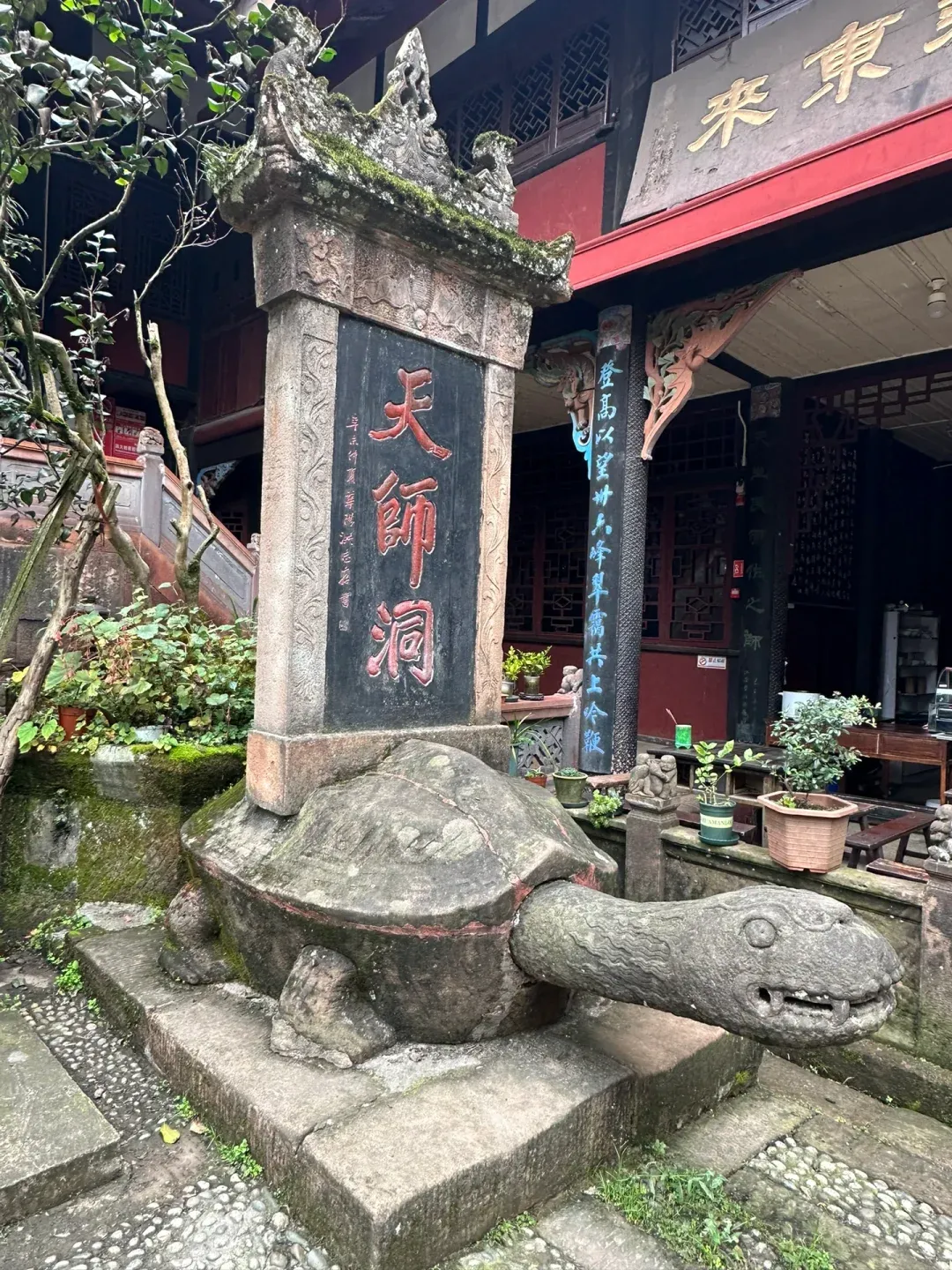
Tianshi Cave (天师洞)
The most important Taoist temple on the mountain, located midway up. This is where Zhang Daoling, the founder of Taoism, taught and practiced 2,000 years ago. The temple complex is built into the mountainside with courtyards shaded by ancient trees, including a famous 1,800-year-old ginkgo tree.
This is literally where Taoism began. Zhang Daoling established the Way of the Celestial Masters here in 142 AD, making this site one of the most significant in Chinese religious history. The ancient ginkgo tree is reportedly planted by Zhang Daoling himself.
 Universal Appeal
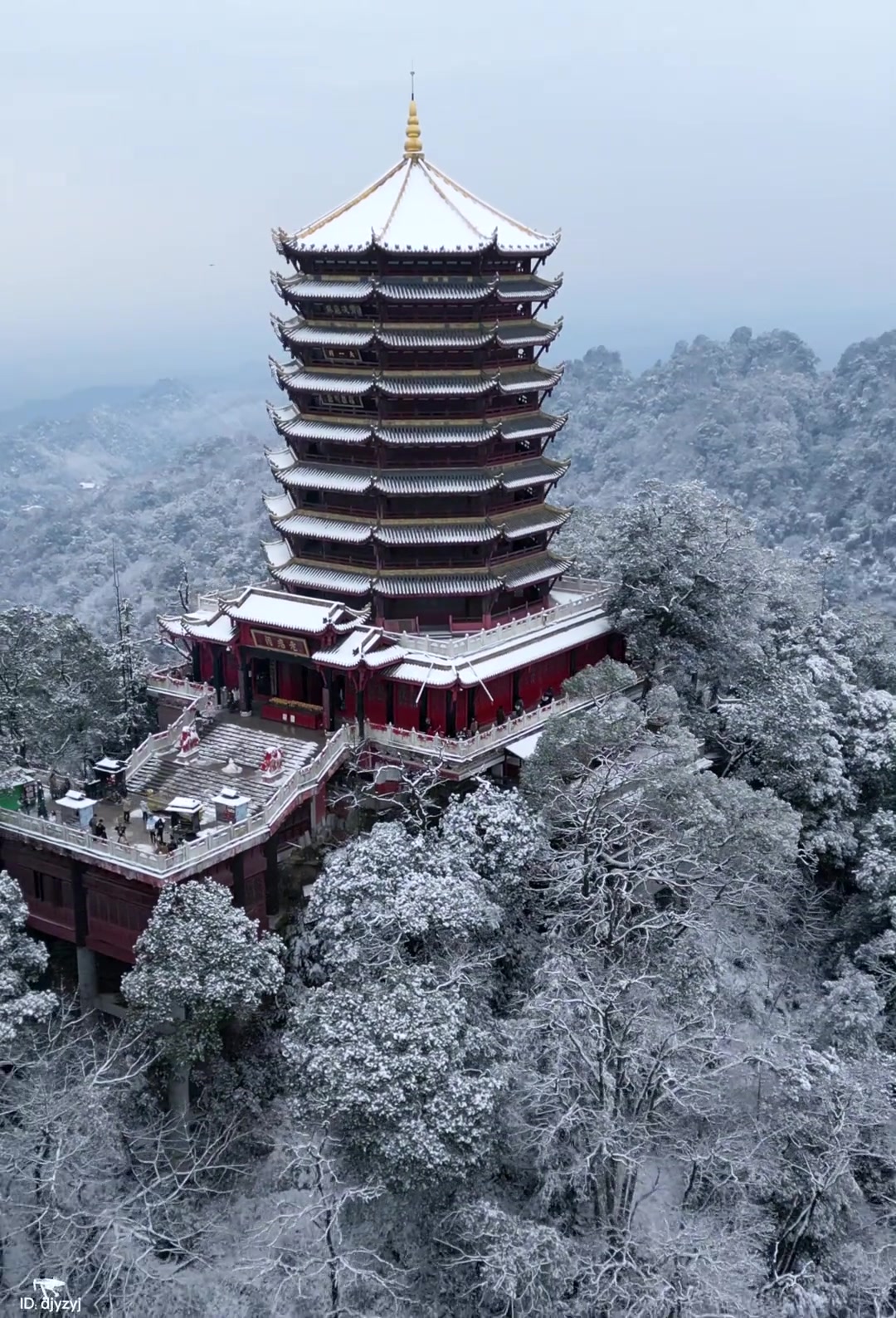
Old Lord's Pavilion (老君阁) at the summit
The peak of Front Mountain at 1,260 meters, featuring a multi-story pavilion dedicated to Laozi (the Old Lord), the legendary founder of Taoist philos...
 Universal Appeal
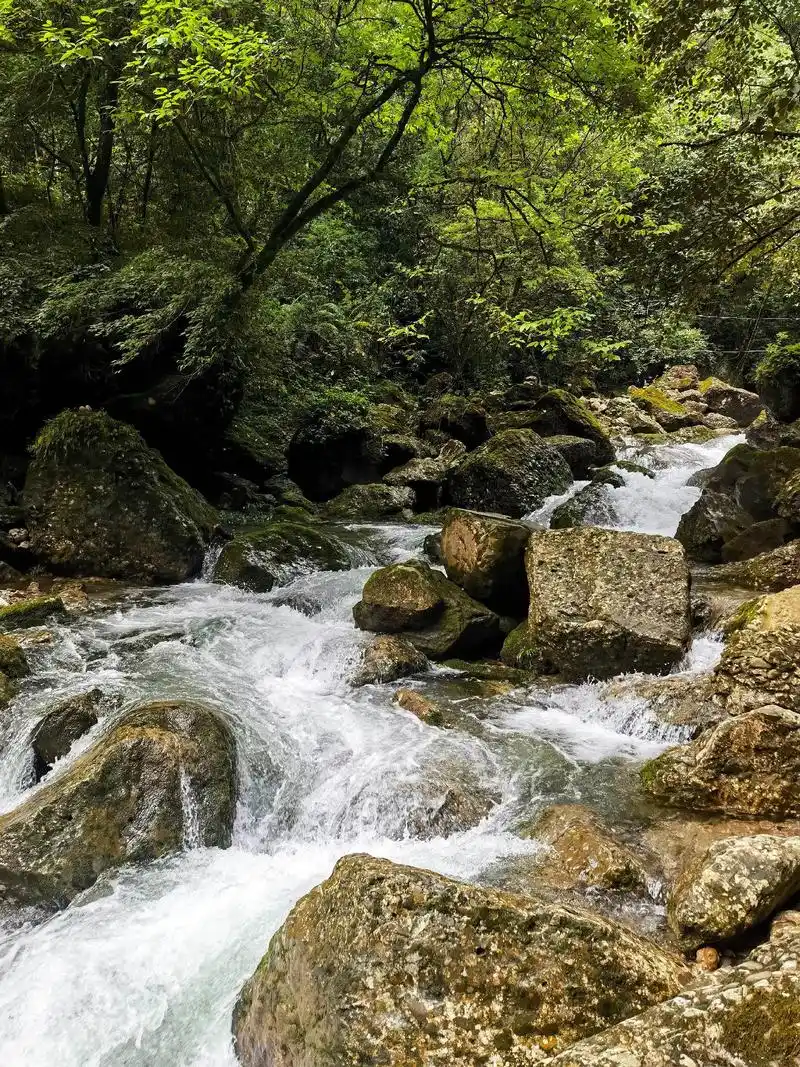
The forest trail itself
The hiking path winds through dense subtropical forest -- towering trees, thick bamboo groves, ferns, moss-covered rocks, and streams. The canopy keep...
 Culturally Interesting
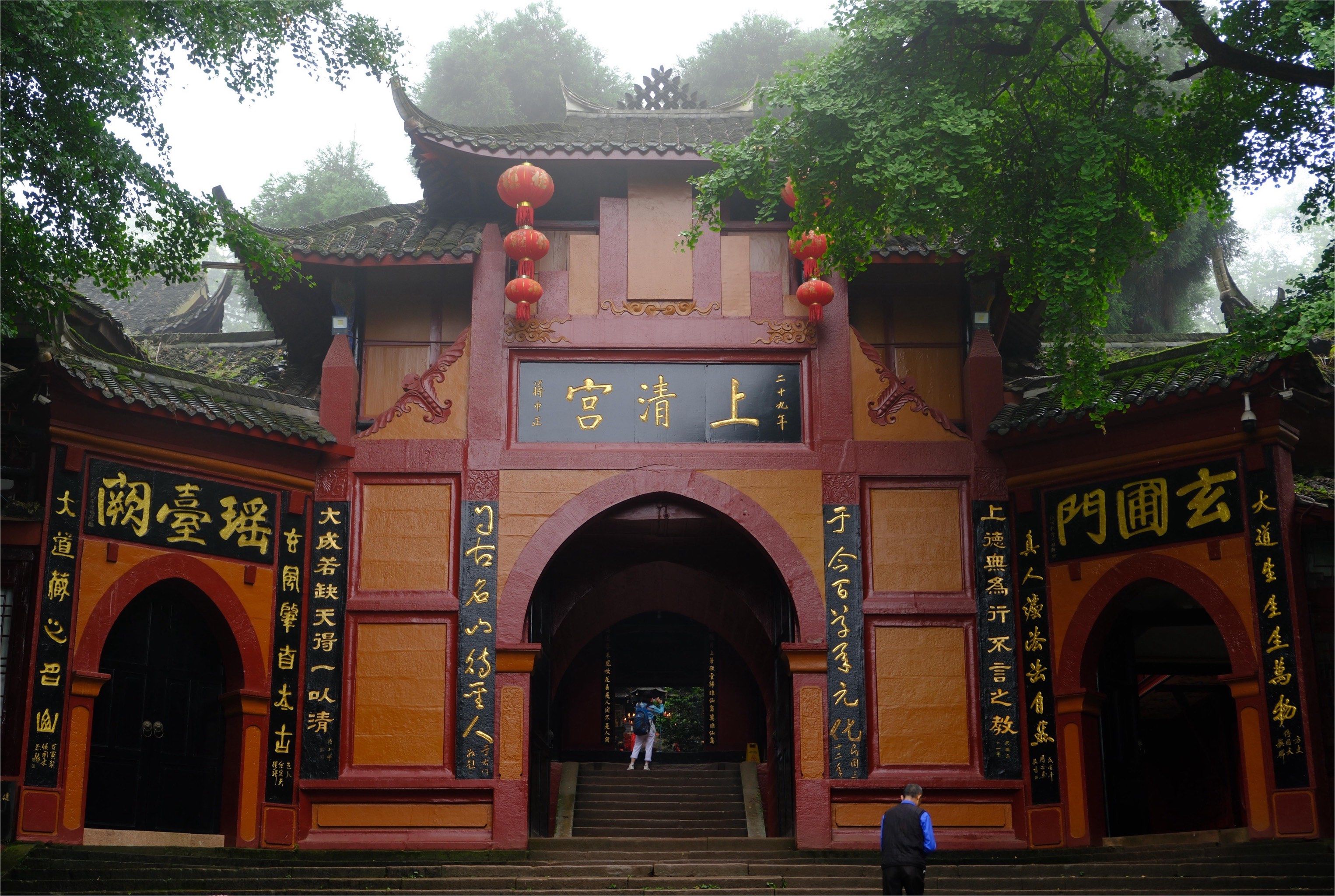
Shangqing Palace (上清宫)
Near the summit, this Taoist temple dates to the Jin Dynasty (265-420 AD) with current buildings from the Qing Dynasty. It houses important Taoist sta...
What Most Visitors Miss
Combining with Dujiangyan Irrigation System
Only 10 km away, this 2,300-year-old irrigation system is equally UNESCO-listed and equally impressive. The classic day trip from Chengdu covers both sites. Doing Qingcheng alone is only half the experience.
Back Mountain (后山) for serious hikers
Most tourists only visit Front Mountain. Back Mountain has more dramatic natural scenery -- waterfalls, deep pools, suspension bridges, and original forest -- with a fraction of the crowds. Entrance is only 20 RMB. It's more physically demanding but far more rewarding for nature lovers.
Temple teahouses and Taoist cuisine
Several temples serve simple vegetarian food and local tea in atmospheric settings. Most tourists rush past these -- sitting in a temple courtyard drinking tea while mist swirls through ancient trees is the quintessential Qingcheng experience.
Plan Your Visit
How Long to Visit
cable car up, walk through summit temples, cable car down
hike up through temples, explore summit, cable car or hike down
Full day (thorough exploration of Front Mountain on foot, or Front + Back Mountain over 2 days
Smart Route
Take early train from Xipu Station to Qingchengshan Station -> Shuttle/DiDi to entrance -> Buy ticket -> Walk through Jianfu Temple -> Ferry across Moon City Lake (10 RMB) -> Hike through the forest trail to Tianshi Cave (spend time here) -> Continue to Shangqing Palace and Old Lord's Pavilion at the summit -> Take cable car down (60 RMB) to save your knees -> Shuttle to Dujiangyan for afternoon visit -> Train back to Chengdu.
Best Time to Visit
Arrive at opening (8:00-8:30 AM) for the coolest temperatures, thinnest crowds, and the best chance of atmospheric morning mist in the forest
Chinese public holidays (especially National Day and May Day) when the narrow trails become uncomfortably packed
By Season
Spring
(March-May) and autumn (September-November) are ideal -- comfortable temperatures, beautiful foliage, and manageable crowds. Summer is lush and green but hot and humid.
Summer
is lush and green but hot and humid. Winter brings occasional snow at higher elevations and very few tourists -- atmospheric but cold.
Autumn
(September-November) are ideal -- comfortable temperatures, beautiful foliage, and manageable crowds. Summer is lush and green but hot and humid.
Winter
Visit on a misty day -- it sounds counterintuitive, but the light fog drifting through the ancient trees creates the exact ethereal atmosphere that has inspired Chinese poets and painters for millennia. This is when Qingcheng looks most like its reputation.
What to Skip
The overpriced food stalls on the mountain (bring your own snacks and water). The sedan chair porters who aggressively solicit business near the start -- they're expensive (200+ RMB) and the hike is manageable for most fit adults. The souvenir shops at the base.
Pro Tips
Download offline maps before going -- cell reception is spotty on the mountain. Bring a rain poncho (cheap ones sold at the base) -- mountain weather is unpredictable. The traditional Sichuan-style bamboo sedan chairs (滑竿) are a cultural experience if you want to try them, but negotiate the price firmly before starting. Train from Xipu runs frequently -- book tickets via the 12306 app or buy at the station.
Photo Spots
Misty forest trail with stone steps
Best in early morning when mist drifts through the trees. Shoot from a low angle looking up the stone stairs disappearing into fog.
Tianshi Cave temple courtyards
The 1,800-year-old ginkgo tree in the courtyard is a magnificent subject, especially in autumn when it turns golden. Frame it against the temple architecture.
Old Lord's Pavilion summit panorama
On clear days, use a telephoto lens to capture the distant snow-capped peaks. The pavilion itself photographs well against mountain backdrop.
Pair With
Dujiangyan Irrigation System (都江堰)
20-minute drive or bus ride
The classic pairing -- this 2,300-year-old UNESCO World Heritage irrigation system is only 10 km away. It's an engineering marvel that still functions today, controlling the Min River to irrigate the Chengdu Plain. Do both in one day trip from Chengdu.
Chengdu Panda Base (成都大熊猫繁育研究基地)
Separate day trip from Chengdu
If you have two days for Chengdu day trips, combine a morning panda visit (go early for active pandas) with an afternoon Qingcheng Mountain hike on different days.
Tickets & Access
Front Mountain entrance
The main Taoist heritage area with temples and summit
Back Mountain entrance
Natural scenery, fewer crowds, longer hikes
Cable car (one-way)
Saves ~1 hour of climbing; scenic ride
Moon City Lake ferry
Short scenic boat ride across the lake
Shuttle bus/golf cart
Various transport within the scenic area
Opening Hours
Daily. April 1 - October 31: 8:00 AM - 5:30 PM (last ticket 5:00 PM). November 1 - March 31: 8:30 AM - 5:00 PM (last ticket 4:30 PM).
How to Buy
Buy at entrance or online via Ctrip/Meituan. Scan Chinese ID or show passport to enter.
Passport: Yes -- foreigners can purchase tickets with passport.
Queue Situation
Ticket queues are usually short. Cable car queues can be 30-60 minutes on weekends and holidays. The trails themselves get crowded on peak days with bottlenecks at narrow sections.
Tips & Warnings
Significant physical exertion required
The hike involves 2-3 hours of continuous stair-climbing. While not technically difficult, it's tiring, especially in humid conditions. People who don't exercise regularly will find it challenging. The cable car eliminates most of the difficulty -- no shame in using it.
Trails can be slippery when wet
The stone steps get very slick in rain, and rain is common on the mountain. Wear shoes with good traction. Bring a rain jacket. Hiking poles or a walking stick (available for purchase at the base) help significantly.
Overpriced food and drinks on the mountain
Water that costs 2 RMB in the city costs 10-15 RMB on the mountain. Pack your own water and snacks. If you must buy on the mountain, prices increase with altitude. If you forgot to stock up, message us and we can arrange delivery of water and snacks to the mountain entrance area for when you descend.
Taoist priests don't want to be photographed
Multiple visitors report that Taoist priests become upset when tourists photograph them without permission. Always ask before photographing a person. Some priests will delete photos from your phone if they catch you. Respect their privacy.
What to Bring
Wear
Comfortable hiking shoes with good traction (most important item). Light layers -- cool on the mountain even when Chengdu is hot. Quick-dry clothing in summer. Rain jacket or poncho.
Bring
At least 1 liter of water per person. Snacks/energy bars. Rain poncho. Light jacket. Portable charger. Cash for small purchases on the mountain. Sunscreen.
Don't Bring
Heavy bags, high heels, flip-flops. Don't overpack -- you're carrying everything up the mountain.
Physical Reality
moderate-strenuous
Front Mountain involves 2-3 hours of continuous stair-climbing on stone steps. Total elevation gain is approximately 800 meters. The cable car reduces this significantly but doesn't eliminate all walking. Trails are well-maintained but narrow and steep in places. Not wheelchair accessible beyond the base area.
Foreigners Watch Out
- Buy your train ticket at Xipu Station (犀浦站), NOT Chengdu Station -- this is the correct departure point with frequent intercity trains. Search '犀浦 to 青城山' in the 12306 app or buy at the station. If you cannot figure out the 12306 app, message our concierge and we can book your round-trip train tickets for you — just tell us your travel date and preferred times.
- The mountain is 5-8 degrees Celsius cooler than Chengdu -- bring a light jacket even in summer.
- Cell phone reception and mobile data can be unreliable on the mountain. Download offline maps and have your return train info saved beforehand.
- The mountain is a living Taoist site, not a theme park. Priests are real practitioners -- treat temples and sacred spaces with respect. Don't touch religious objects or sit on altars.
- If it starts raining heavily, the trails become genuinely hazardous. Consider postponing the hike or using the cable car rather than risking slippery stone stairs. If conditions turn dangerous mid-hike, message our team and we can check the cable car status and help you find the safest route down.
If Things Go Wrong
Too tired to complete the hike to the summit
→ Take the cable car from the midway point to the summit area. There are multiple rest stops and teahouses along the trail where you can recover. If you are feeling wrecked after the hike, message us and we can book a massage near the mountain base or arrange a comfortable ride back to Chengdu.
Heavy rain makes trails dangerous
→ Use the cable car instead of hiking. The temples at the base (Jianfu Temple) are still accessible and atmospheric in rain.
Missed the last train back to Chengdu
→ Take a DiDi/taxi from Qingchengshan Station to Chengdu -- it's about 1-1.5 hours and costs approximately 150-200 RMB. Our team can arrange this for you instantly — just send us a message and we will have a car dispatched to pick you up.
Useful Chinese
Tap to reveal the English meaning