About Kuanzhai Alley / Wide and Narrow Alleys
“A curated courtyard stroll through Chengdu's greatest hits — from the gentle clinking of tea cups to the dramatic swirl of opera masks, all at a pace that's aggressively relaxed because this is Chengdu and rushing is fundamentally against the local religion.”
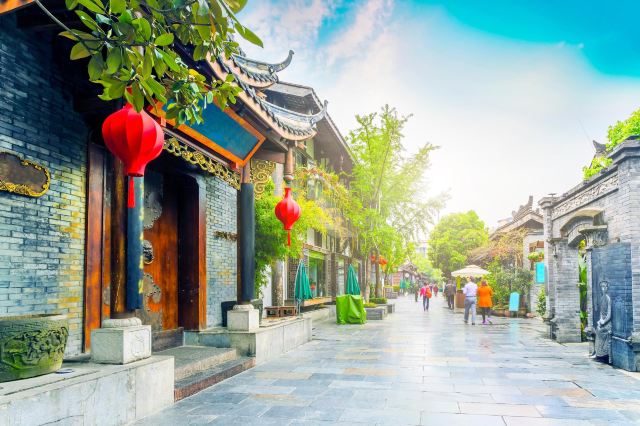
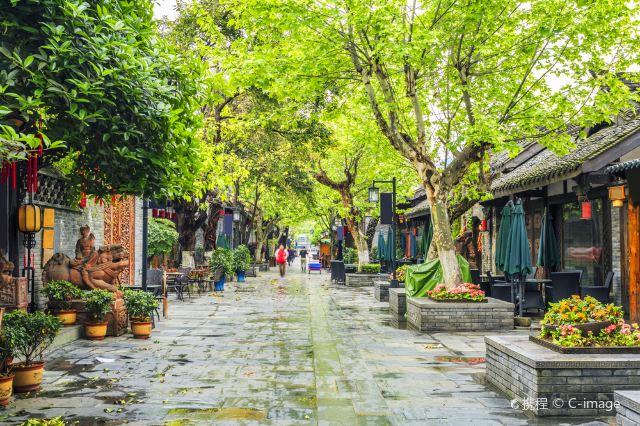
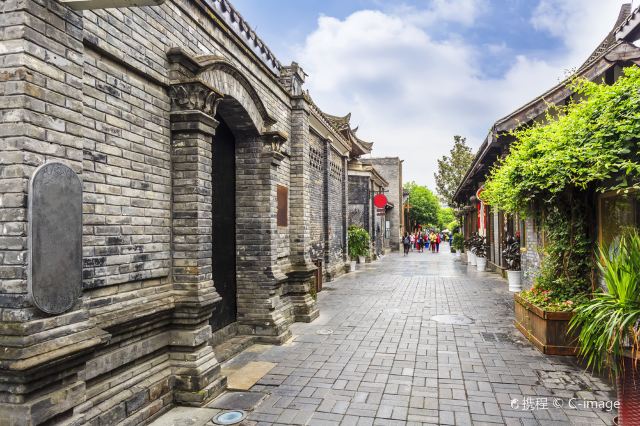
Kuanzhai Alley is Chengdu's most famous cultural street and a concentrated dose of the city's signature lifestyle. The three parallel alleys — Wide Alley (leisurely, traditional), Narrow Alley (refined, boutique), and Well Alley (modern, young) — showcase Qing Dynasty courtyard architecture adapted into tea houses, Sichuan snack stalls, craft shops, and performance spaces. The Sichuan opera face-changing shows, traditional ear cleaning (采耳), and endless street food are genuinely entertaining. However, it IS heavily commercialized — the same souvenir shops repeat across all three alleys, the food is more expensive and less authentic than neighborhood restaurants, and weekend crowds are intense. The magic is in slowing down: sit in a courtyard tea house, watch a Sichuan opera performance, get your ears cleaned, and embrace the Chengdu philosophy of 'basking in leisure' (巴适). Many reviewers note that ducking into the hidden courtyards off the main path reveals the real charm. Best for first-time Chengdu visitors wanting a curated cultural sampler; pair with nearby People's Park and Kuixinglou Food Street for a more authentic experience.
Top Questions from Travelers
Why This Place Matters
Kuanzhai Alley dates to 1718 when the Qing Dynasty's Kangxi Emperor stationed Manchu Eight Banner soldiers here after defeating a Mongol rebellion. The garrison settlement ('Shaocheng' or 'Little City') was exclusively Manchu — Han Chinese were forbidden from entering until the Republic era in 1912. The courtyard houses blend northern Chinese hutong architecture with Sichuan's courtyard traditions — an architectural 'orphan' unique in southern China. The three alleys represent different facets of Chengdu identity: Wide Alley is 'leisure life' (闲生活), Narrow Alley is 'slow life' (慢生活), and Well Alley is 'new life' (新生活) — together forming a philosophical statement about what it means to be from Chengdu.
Need help planning?
ChinaPal handles everything
- Book English-speaking guides
- Arrange transport & tickets
- Real-time help during your visit
- Restaurant reservations nearby
Highlights
4 iconic experiences that define a visit
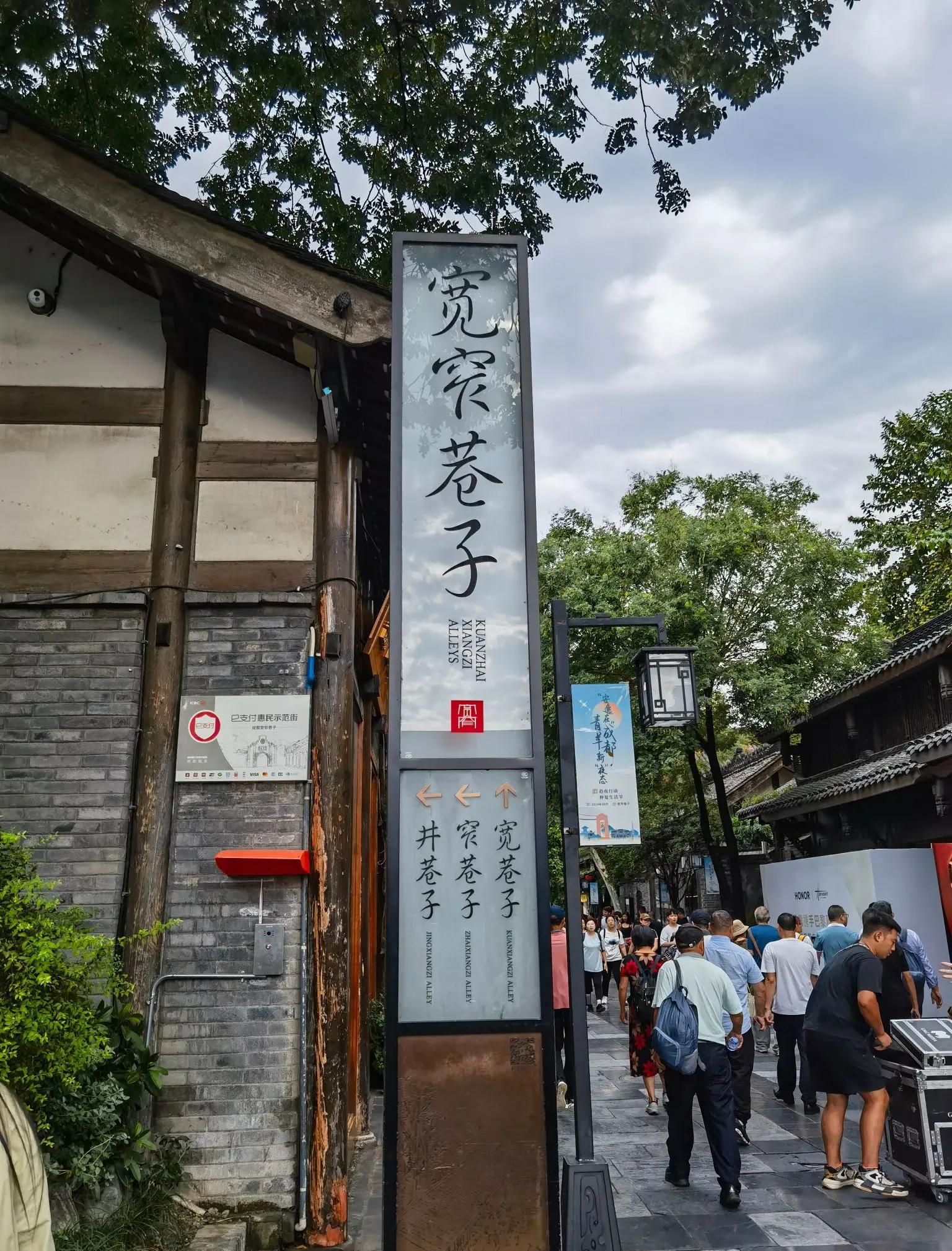
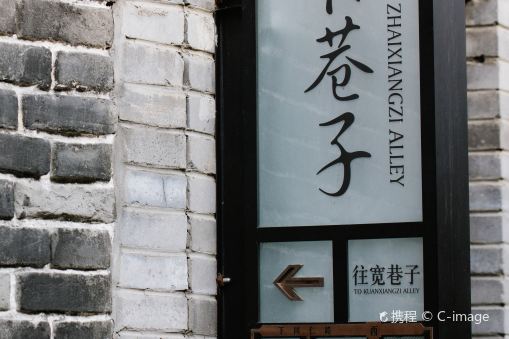
Wide Alley (宽巷子) — Leisure Life
The best-preserved of the three alleys, featuring over 20 original Qing Dynasty courtyard houses. Tea houses with covered-bowl tea service, traditional handicraft demonstrations, and the most architecturally authentic atmosphere. This is where the 'old Chengdu' vibe is strongest.
The courtyards are the key — don't just walk the alley, peek into (or enter) the courtyard houses. Many have been converted into tea houses, galleries, or boutique shops, each with unique character.
 Universal Appeal
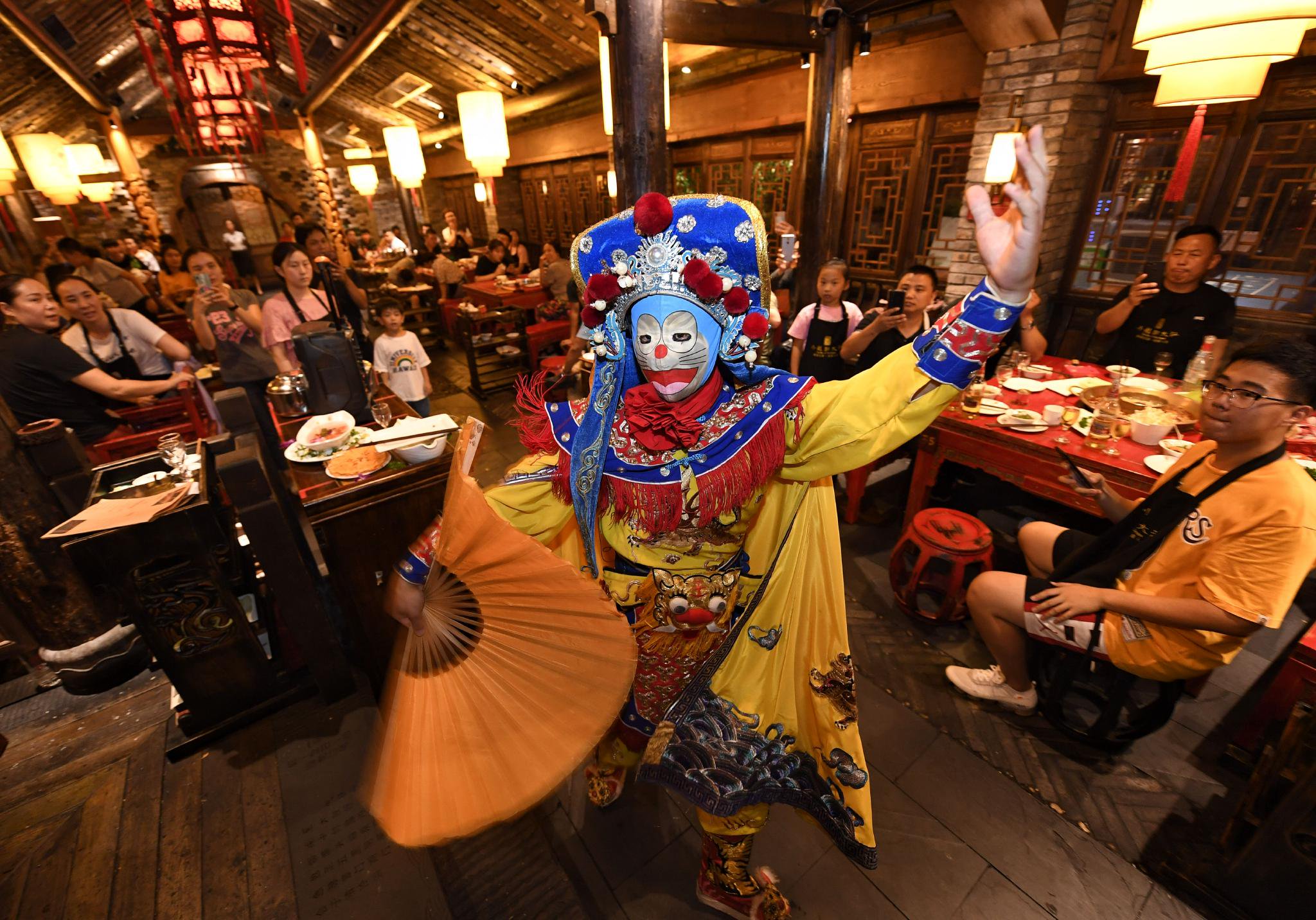
Sichuan Opera Face-Changing (变脸)
A free open-air performance every evening at 7:30 PM where performers rapidly change colorful opera masks in the blink of an eye — one of Sichuan's mo...
 Universal Appeal
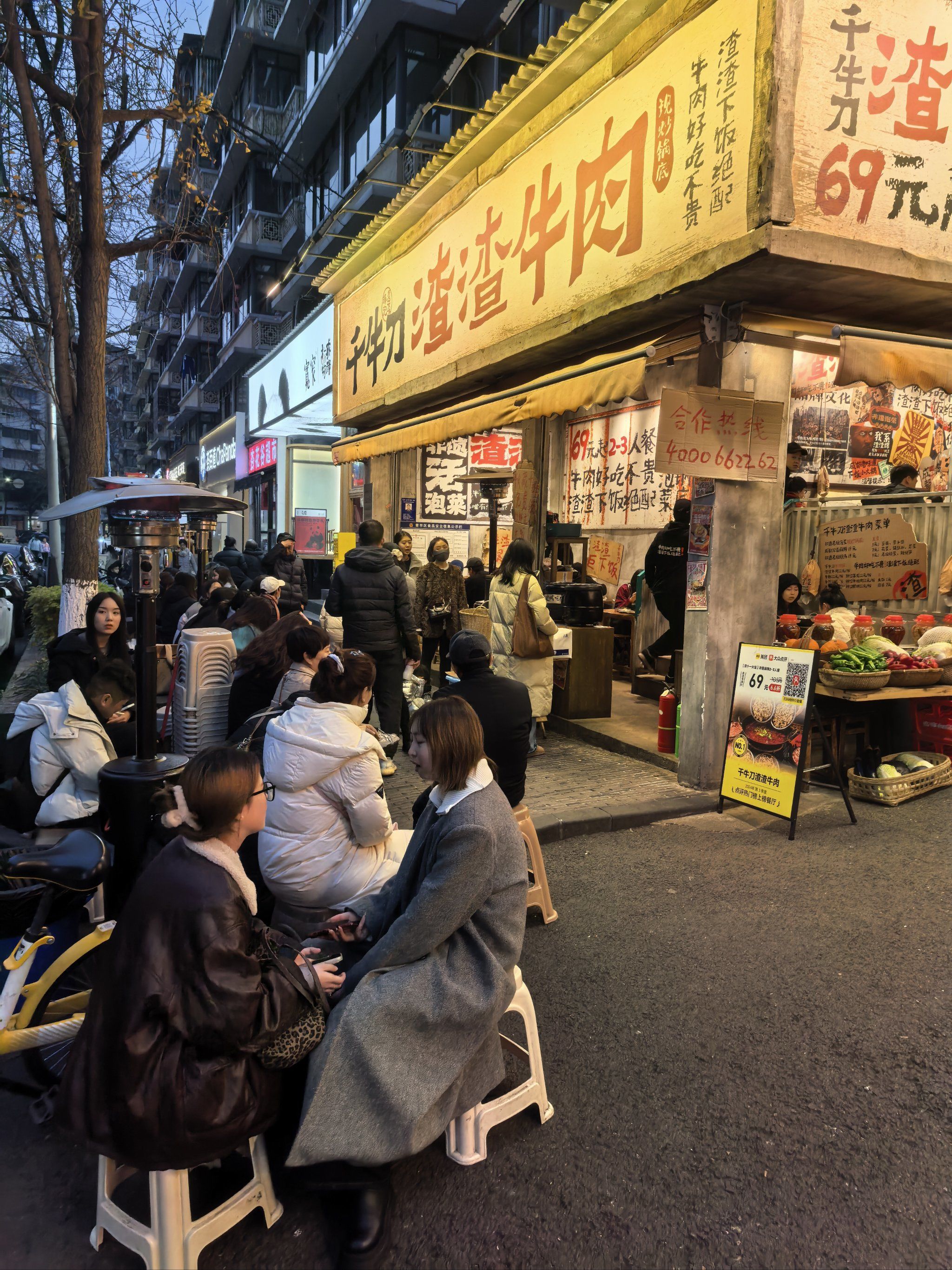
Street Food Crawl
All three alleys are lined with Chengdu's signature street snacks: tangyou guozi (sweet rice balls), bobo chicken (cold spiced skewers), san da pao (r...
 Culturally Interesting
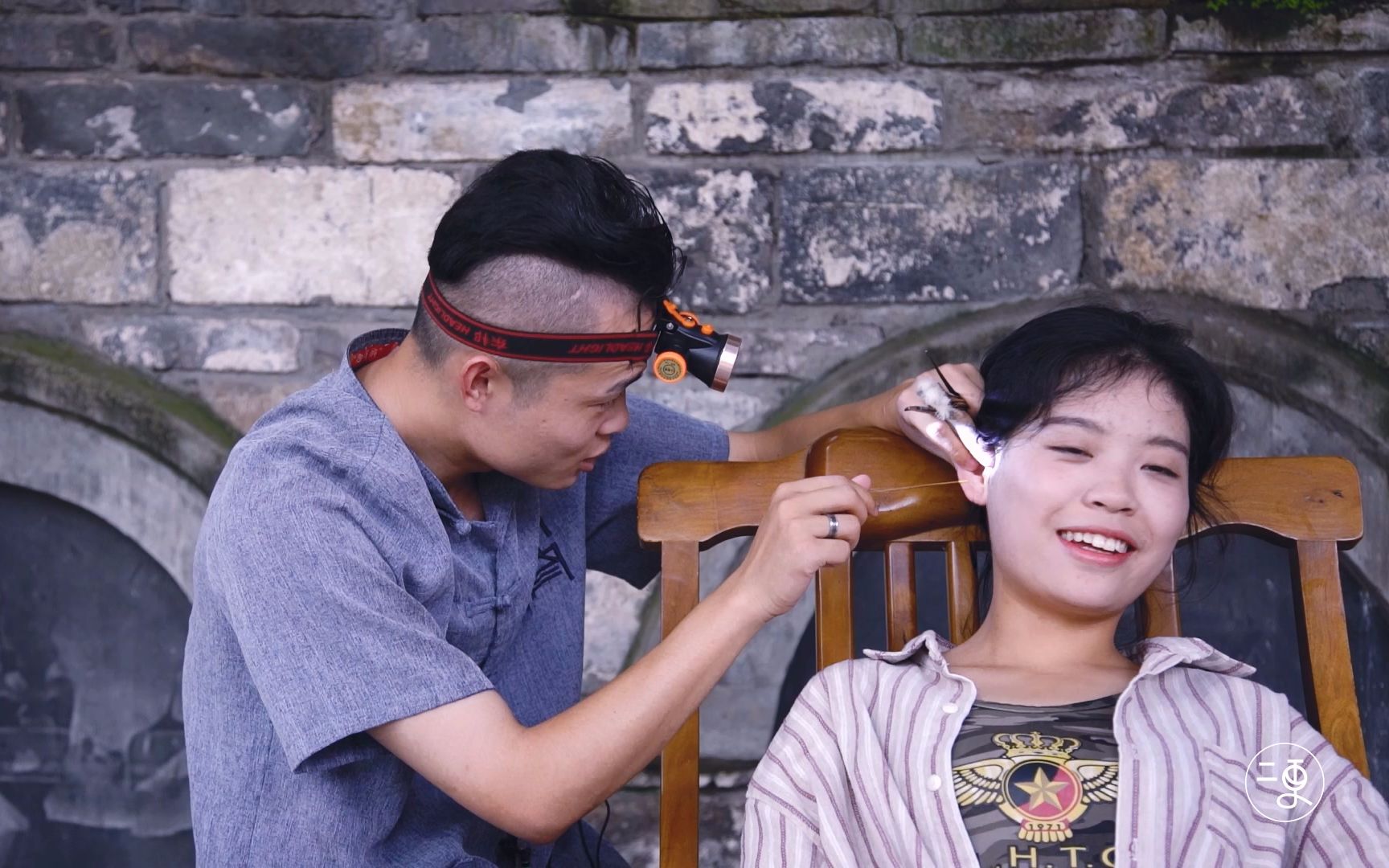
Traditional Ear Cleaning (采耳)
A unique Chengdu cultural experience where skilled practitioners use tiny specialized tools to clean and massage your ear canals. Done in the open air...
What Most Visitors Miss
The hidden courtyards behind the main alley facades
Most visitors walk the main path and don't enter the courtyard houses. Behind the shop fronts, many courtyards contain galleries, tea ceremonies, artisan workshops, and cultural exhibitions that are far more interesting than the souvenir shops. Several reviewers note that 'not entering the five key courtyards means you haven't really visited Kuanzhai.'
Well Alley's (井巷子) History Wall
A 400-meter wall made from reclaimed architectural debris that tells the 300-year history of the alleys in tactile relief. Most visitors skip Well Alley entirely because it's the least commercial, but this art installation is genuinely impressive.
Kuixinglou Food Street (奎星楼街) — 10 minutes away
Where Chengdu locals actually eat. Better food, bigger portions, lower prices than inside the alleys. The rabbit heads, maocai, and string barbecue here are the real deal.
Plan Your Visit
How Long to Visit
1-1.5 hours (walk through all three alleys, sample a few snacks
walk the alleys, sit in a tea house, watch opera performance, try street food, explore hidden courtyards
Half day (immersive experience including tea ceremony, ear cleaning, Sichuan opera, street food tasting, plus nearby People's Park and Kuixinglou food street
Smart Route
Metro Line 4 to Kuanzhai Alley Station (B exit)
start at Wide Alley for architecture and tea culture (peek into courtyards!)
cross to Narrow Alley for boutique shopping and a slower pace
finish at Well Alley for the History Wall and modern vibe
7:30 PM: watch the free Sichuan opera performance
walk 10 minutes to Kuixinglou Street for authentic dinner
optionally continue to People's Park (15-minute walk) for the Heming Tea House experience.
Best Time to Visit
Early morning (8:00-9:00 AM) for near-empty alleys and authentic local atmosphere
Weekend afternoons and Chinese holidays when the narrow alleys become uncomfortably packed
By Season
Spring
offer the most comfortable weather. The autumn ginkgo trees turning golden along the alleys are particularly photogenic (November-December).
Summer
is hot and humid. Winter is mild by Chinese standards but damp.
Autumn
and spring offer the most comfortable weather. The autumn ginkgo trees turning golden along the alleys are particularly photogenic (November-December).
Winter
The free Sichuan opera show at 7:30 PM every evening is the single best timed experience — arrive by 7:00 PM to get a good viewing spot in the main courtyard.
What to Skip
The identical panda souvenir shops (there are cheaper options elsewhere in Chengdu). The overpriced 'Chengdu local cuisine' sit-down restaurants inside the alleys — eat at Kuixinglou Street instead. The cosplay photo booths charging ¥100+ for generic photos.
Pro Tips
The tea house experience is the most authentically Chengdu thing you can do here — sit for at least 30 minutes with covered-bowl tea (盖碗茶) and soak in the courtyard atmosphere. For the best food value, use the alleys for small snacks (¥5-15 items) and save your main meal for Kuixinglou Street. The paper-cut portrait artists (¥20-30) make unique, lightweight souvenirs.
Photo Spots
Wide Alley courtyard entrances with carved stone gates
Morning light is softest. The gate of Courtyard #1 (恺庐) is the most photographed architectural detail. Autumn brings golden ginkgo leaves framing the traditional gates.
Well Alley History Wall
The 400-meter relief wall is best photographed in sections. Afternoon side-lighting brings out the texture of the reclaimed materials.
Tea house courtyard with bamboo chairs
Photograph the scene from the tea table: covered-bowl tea in the foreground, courtyard architecture in the background, dappled light through trees above.
Pair With
People's Park (人民公园) and Heming Tea House
15-minute walk south
The authentic Chengdu tea house experience — locals spend entire afternoons sipping tea, playing mahjong, and getting ear cleanings under ancient trees. More genuine than the tea houses in Kuanzhai. Free park entry.
Kuixinglou Food Street (奎星楼街)
10-minute walk
Where Chengdu locals actually eat — better food, bigger portions, real prices. The perfect complement to the tourist snacks in the alleys.
Jinli Ancient Street (锦里古街)
15 minutes by taxi or 25 minutes by metro
Chengdu's other famous tourist alley, adjacent to Wuhou Temple. More Three Kingdoms history theme versus Kuanzhai's Qing Dynasty character. Similar commercialization but different atmosphere.
Tickets & Access
Alley entrance
Open access 24/7
Sichuan opera face-changing show
Nightly at 7:30 PM in the main courtyard
Tea house experience
Covered-bowl tea with traditional service in courtyard setting
Traditional ear cleaning (采耳)
Unique Chengdu experience — surprisingly relaxing
Street food snacks
Tangyou guozi, bobo chicken, san da pao, and more
Opening Hours
Open 24/7 year-round. Free admission. Shops and restaurants typically open 10:00 AM - 10:00 PM. Sichuan opera: nightly at 7:30 PM.
How to Buy
Walk-in for everything. Restaurants can be booked via Dianping (大众点评) or Trip.com.
Passport: Not applicable — no tickets needed.
Queue Situation
No entrance queue. Popular food stalls may have 5-15 minute waits during peak times. Tea houses rarely have waits — just walk in and sit down.
Tips & Warnings
Heavily commercialized with repetitive shops
The main alley frontages are dominated by identical souvenir shops. The real charm is in the courtyards, tea houses, and cultural experiences. Manage expectations — this is a curated tourist experience, not an undiscovered gem.
Very crowded on weekends and holidays
Weekend afternoon crowds make the narrow alleys barely walkable. Visit on a weekday or come early morning for a peaceful experience. The evening is busy but more atmospheric than claustrophobic midday crowds.
Food is overpriced compared to the rest of Chengdu
Expect to pay 30-50% more than neighborhood prices. Use the alleys for small tastings and save serious eating for the surrounding streets. Kuixinglou Street (奎星楼街) is a 10-minute walk with dramatically better food value. If you want to find the best local restaurants without the tourist markup, message our team — we can recommend spots nearby based on what you're in the mood for, or even make a reservation on your behalf.
What to Bring
Wear
Comfortable walking shoes. Casual clothing. In summer, light and breathable fabrics (Chengdu is hot and humid). In winter, warm layers (damp cold).
Bring
Cash (some small vendors are cash-only). Camera. Appetite. Translation app if you want to read menus.
Don't Bring
Large bags (alleys are narrow and crowded). Full stomach (come hungry for the food experience).
Physical Reality
easy
Completely flat walking on paved alley surfaces. Total walking distance across all three alleys is about 1.5 km. No stairs or elevation changes. Wheelchair accessible on the main paths (some courtyard entrances have steps).
Foreigners Watch Out
- Sichuan food is genuinely spicy — even 'mild' (微辣) options pack heat. If you can't handle spice, look for 'not spicy' (不辣) options or stick to sweet snacks like tangyou guozi. If you need help communicating your spice tolerance to a restaurant, message us and we can call or text them on your behalf.
- The traditional ear cleaning is hygienically safe when done by experienced practitioners in established tea houses, but avoid random street vendors with dubious sterilization practices.
- Chengdu's signature rabbit head (兔头) is an acquired taste — the meat is minimal and the experience is more cultural than culinary. Worth trying once if you're adventurous.
- Google Maps works poorly in China. Use Apple Maps or Amap (高德地图) for navigation.
If Things Go Wrong
The alleys are too crowded to enjoy
→ Enter the courtyard tea houses — they're calm oases behind the crowded facades. Or walk to the less-visited Well Alley (井巷子) at the south end.
Everything seems too touristy and overpriced
→ Walk 10 minutes to Kuixinglou Food Street (奎星楼街) for authentic, local-priced Chengdu food. The transformation from tourist pricing to local pricing is dramatic.
Useful Chinese
Tap to reveal the English meaning