About Jinli Ancient Street
“A buzzing, lantern-lit carnival of Sichuan culture — equal parts beautiful and commercial, best embraced with a full stomach and a willingness to be entertained.”
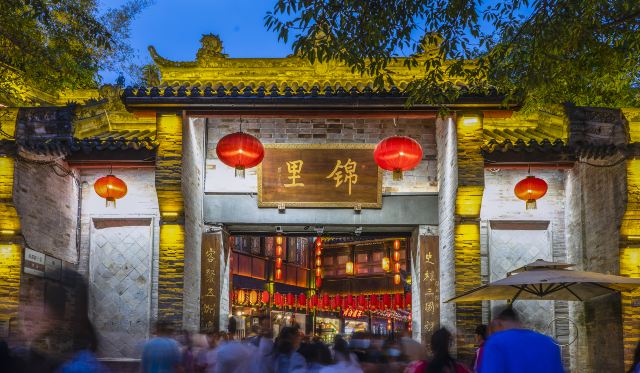
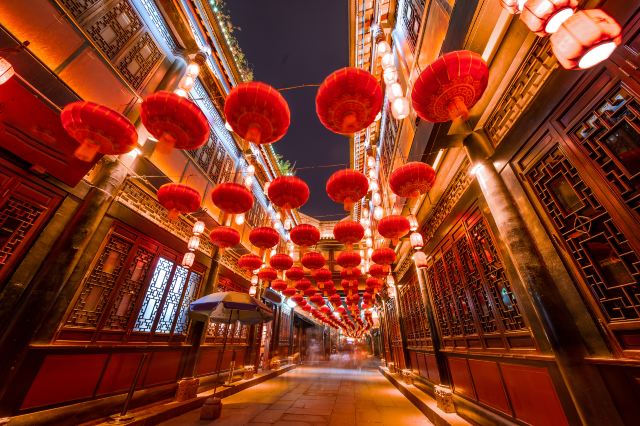
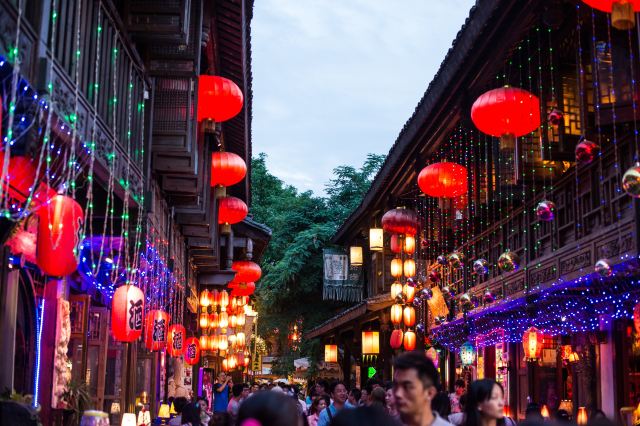
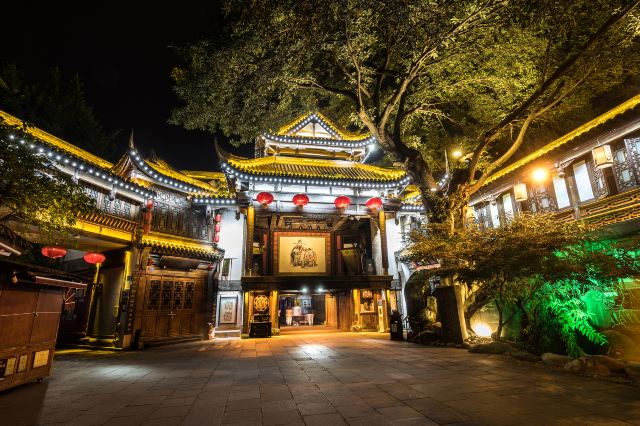
Jinli is unapologetically touristy and it knows it. The 550-meter street is packed with souvenir shops selling the same panda merchandise, overpriced street food stalls, and crowds that can feel suffocating during holidays. But here's the thing — it works. The Qing Dynasty-style architecture is genuinely attractive, the red lanterns after dark create a magical atmosphere, the free Sichuan Opera face-changing performances are legitimately thrilling, and the food, while tourist-priced, includes some authentic Sichuan classics (zhong dumplings, sweet water noodles, sugar-painted candy art). Come in the evening when the lanterns light up, manage your expectations about authenticity, and treat it as atmospheric entertainment rather than a deep cultural experience. Pair it with the adjacent Wuhou Temple for the Three Kingdoms history context.
Top Questions from Travelers
Why This Place Matters
Jinli's name comes from the brocade (锦 / jǐn) industry that flourished here during the Shu Han kingdom (221-263 AD), when Zhuge Liang organized silk production to fund his military campaigns. The original Jinli was the most important commercial street in ancient Shu, and the modern reconstruction deliberately channels that mercantile energy. The Three Kingdoms connection is deeply meaningful in Chinese culture — Zhuge Liang represents the ideal of the loyal, brilliant strategist, and Chengdu (as the capital of Shu Han) claims him as their own. Even the street food culture here echoes Chengdu's identity as China's 'leisure capital' (休闲之都) — the city where people take life slowly, eat well, and sit for hours over tea.
Need help planning?
ChinaPal handles everything
- Book English-speaking guides
- Arrange transport & tickets
- Real-time help during your visit
- Restaurant reservations nearby
Highlights
4 iconic experiences that define a visit
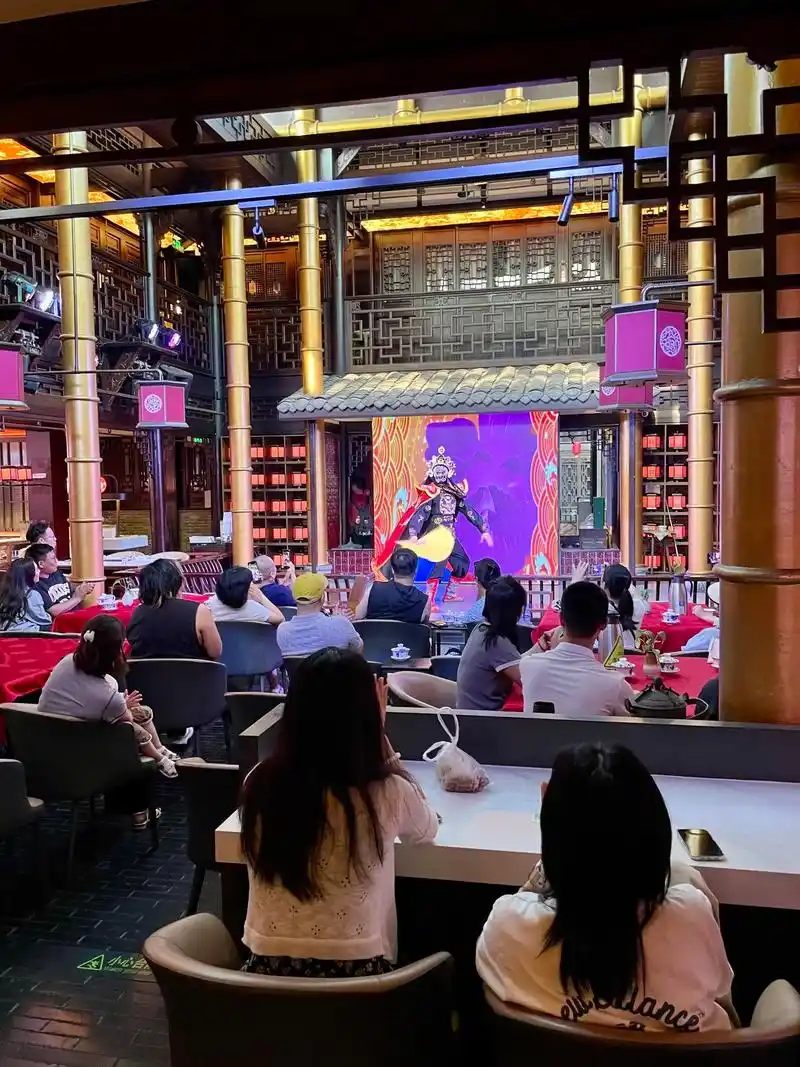
Sichuan Opera Face-Changing Performance (川剧变脸)
Free performances on the small street stage where performers change painted masks in the blink of an eye — up to 7 masks in seconds. It's the signature art form of Sichuan and genuinely jaw-dropping even if you've seen it on video.
The face-changing technique (变脸 / biànliǎn) is a closely guarded secret — performers train for years and the method has never been publicly revealed. Sit in the front rows for maximum impact.
 Universal Appeal
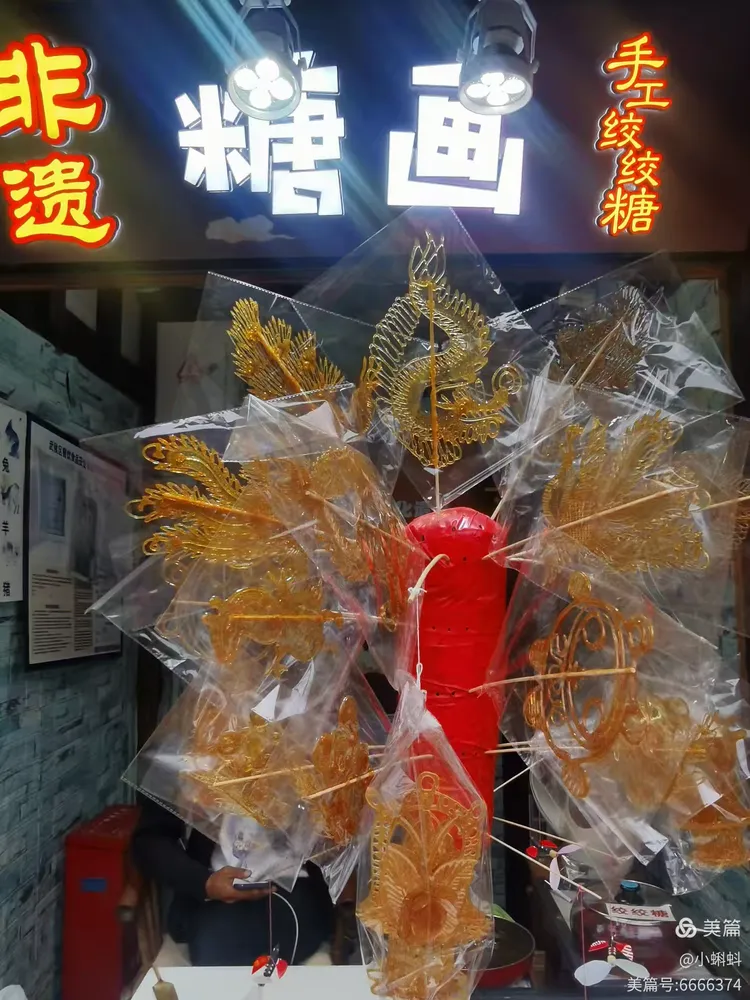
Sugar Painting Artisans (糖画)
Master sugar artists draw intricate animals and characters using molten sugar syrup on a marble slab — you spin a wheel to determine your design. This...
 Universal Appeal
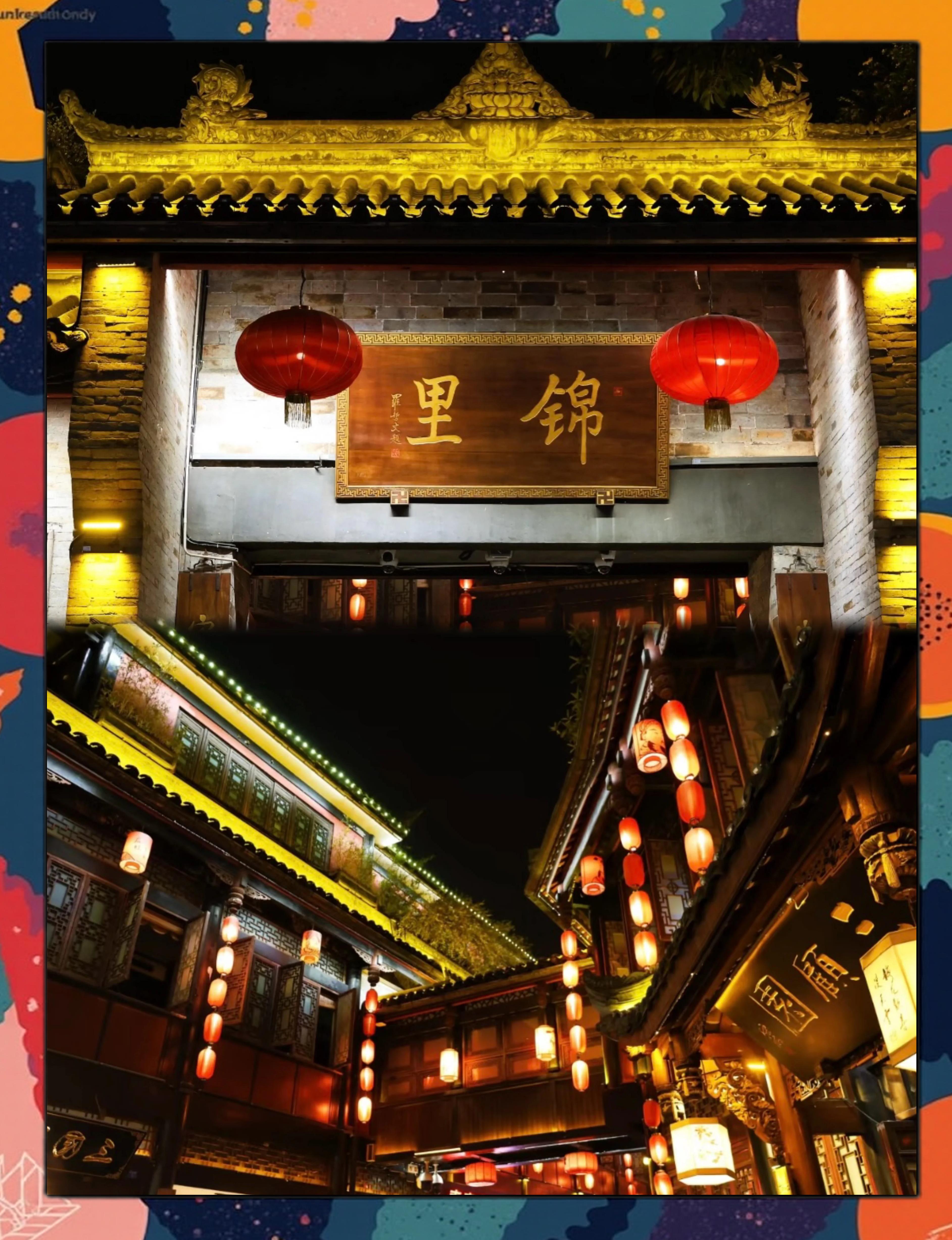
Lantern-Lit Night Atmosphere
After dark, hundreds of red lanterns illuminate the entire street, casting a warm glow over the Qing Dynasty-style buildings. The reflection of lanter...
 Culturally Interesting
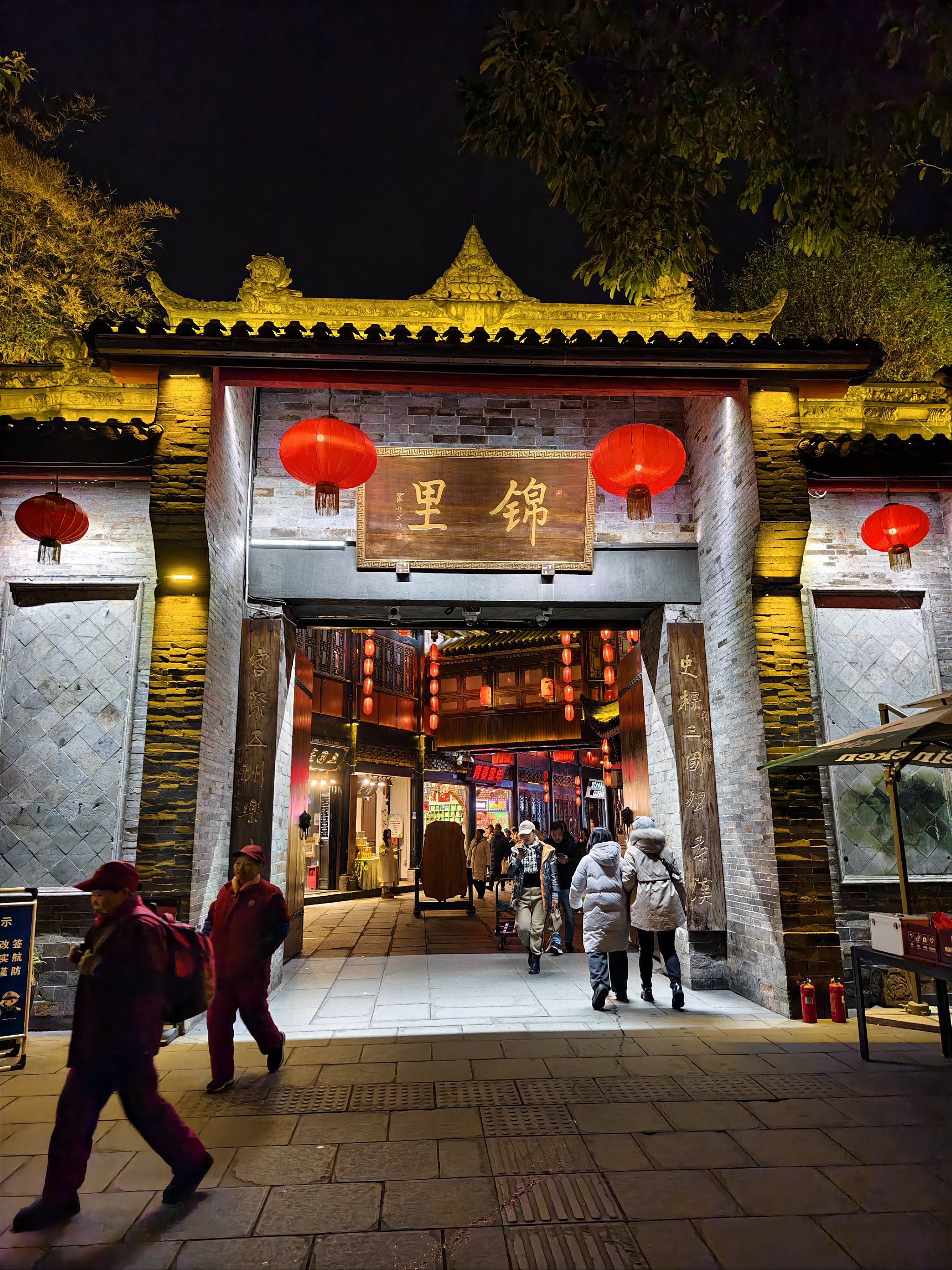
Three Kingdoms Cultural Zone
The northern section of Jinli connects to Wuhou Temple and features Three Kingdoms-themed shops, statues, and references to Zhuge Liang and Liu Bei. F...
What Most Visitors Miss
The teahouse experience on Jinli's upper floors
Several traditional teahouses on the second floor of Jinli buildings offer gaiwan (covered bowl) tea service with a view down onto the street. It's a peaceful counterpoint to the chaos below and a genuine Chengdu cultural experience — locals spend hours here.
Bamboo weaving artisans in the back alleys
Away from the main drag, skilled craftspeople create intricate panda figures and traditional items from bamboo strips. The craftsmanship is real and the pieces make unique souvenirs — far better than the mass-produced panda plush toys on the main street.
Wuhouci Street outside Jinli for real food at real prices
The restaurants lining Wuhouci Street just outside Jinli's entrance serve the same Sichuan dishes at half the price with double the quality. Most tourists eat inside Jinli and miss this obvious alternative steps away.
Plan Your Visit
How Long to Visit
30-45 minutes (walk the length, take photos, grab one snack
1.5-2 hours (browse shops, eat multiple street foods, catch a face-changing performance, photograph the lanterns after dark
combined with Wuhou Temple visit, tea house sitting, and a proper meal
Smart Route
Take Metro Line 3 to Gaoshengqiao Station (Exit A or C)
10-minute walk to Jinli
enter from the main (east) entrance
walk the full 550m street browsing and snacking
catch a face-changing performance (check times first)
explore the side alleys
exit the west end near the Wuhou Temple entrance
visit Wuhou Temple if interested
eat dinner on Wuhouci Street outside (better value than inside Jinli).
Best Time to Visit
Evening after 6 PM when the red lanterns light up — this is when Jinli transforms from a daytime shopping street into something genuinely atmospheric
National Day (Oct 1-7), Chinese New Year, and May Day holidays — the 550-meter street gets shoulder-to-shoulder crowded with 100,000+ daily visitors
By Season
Spring
and autumn are ideal. Summer is hot and humid but evenings are pleasant.
Summer
is hot and humid but evenings are pleasant. Winter is mild in Chengdu (rarely below freezing) and the Chinese New Year decorations are spectacular — if you can handle the crowds.
Autumn
are ideal. Summer is hot and humid but evenings are pleasant.
Winter
Visit on a weekday morning (before 11 AM) for photos of the architecture without crowds — shops are just opening and the street is peaceful. Then come back in the evening for the full lantern experience.
What to Skip
The generic souvenir shops (every Chinese tourist street has identical ones). The overpriced sit-down restaurants inside Jinli — eat street snacks inside, proper meals outside. The 'ancient well' and 'wishing tree' tourist traps.
Pro Tips
The face-changing show is the single best free experience in Jinli — build your visit around the schedule. For street food, focus on items unique to Sichuan: zhong dumplings, san da pao, sugar painting, and sweet water noodles. Skip anything you can get in any Chinese city (grilled squid, bubble tea, stinky tofu).
Photo Spots
Main street under the red lanterns after 8 PM
Shoot from the far end of the street using a telephoto/zoom to compress the lanterns into a dense canopy of red light. The side alleys are less crowded for cleaner shots.
Dyeing Workshop Lane (染坊巷) side alley
The narrow alley with hanging fabric and lanterns is more photogenic and less crowded than the main street. Best shot looking upward at the lanterns framed by rooftops.
Second-floor teahouse balcony overlooking the street
Order tea, sit on the balcony, and shoot downward onto the river of people and lanterns below. The overhead perspective is unique.
Pair With
Wuhou Temple (武侯祠)
0 minutes — connected at the back entrance
Directly adjacent — the Three Kingdoms shrine and museum provides historical context for Jinli's cultural theme. Visit the temple first, then exit through the back gate into Jinli for the atmospheric payoff.
Kuanzhai Alley (宽窄巷子)
15-minute taxi or 25 minutes by metro (Line 3 → Line 4)
Chengdu's other famous pedestrian street — wider, more spread out, with a different vibe (more upscale, courtyard houses). Visiting both gives you the full Chengdu pedestrian street experience.
Chengdu Research Base of Giant Panda Breeding
30-40 minutes by taxi from Jinli
Visit the pandas in the morning (they're most active before 10 AM), then head to Jinli in the evening for the night market atmosphere — a perfect Chengdu day.
Tickets & Access
Jinli Ancient Street entry
No ticket required
Wuhou Temple (adjacent)
Three Kingdoms museum and shrine — enters Jinli from the back
Street food budget
Individual items ¥5-25 each; expect to spend ¥30-80 for a satisfying street food tour
Opening Hours
Street: 24/7 (open all day, every day). Shops: approximately 08:30-22:00. Bars: open until late. Face-changing performances: check schedule at entrance, typically 3 shows daily.
How to Buy
No booking needed for Jinli. For Wuhou Temple, tickets available at the gate or via Trip.com.
Passport: N/A — no ticket required for Jinli. Wuhou Temple accepts passport at the window.
Queue Situation
No entry queue for the street itself. Individual food stalls can have 10-30 minute waits during peak hours. Face-changing performance area fills up 15-20 minutes before showtime.
Tips & Warnings
Extremely crowded during holidays and weekend evenings
National Day and Chinese New Year see 100,000+ visitors daily on a 550-meter street — that's claustrophobic. Weekday evenings are the sweet spot: lanterns are lit, crowds are manageable.
Street food prices are inflated (tourist pricing)
Expect to pay 50-100% more than you would at local restaurants or markets. It's the convenience and atmosphere tax. Budget ¥50-80 for a satisfying street food crawl. For serious eating, exit Jinli to Wuhouci Street. If you want restaurant recommendations for authentic Sichuan food nearby at local prices, message our concierge — we know the best spots within walking distance.
Pickpockets operate in dense crowds
Keep bags in front, phones in secure pockets. Holiday crowds are the highest risk. Avoid carrying large amounts of cash. The police presence is visible but the crowds make it easy for opportunists.
The street is much more impressive at night than during the day
Daytime Jinli is a pleasant but ordinary tourist street. Evening Jinli with the lanterns lit is genuinely magical. Plan your visit accordingly — arrive around 6 PM for the transition.
What to Bring
Wear
Comfortable walking shoes (stone-paved street). Casual clothing. In summer, light layers — Chengdu is humid. Many Chinese visitors wear traditional Hanfu (汉服) for photos — you're welcome to rent one nearby if you want to join in.
Bring
Camera or phone for lantern photos. Cash as backup. Small bag worn in front (pickpocket deterrent in crowds). Portable charger.
Don't Bring
Large backpacks (awkward in crowds). Excessive valuables. Full stomach (you want room for street food).
Physical Reality
easy
Flat, paved 550-meter street with no stairs or significant elevation changes. Fully walkable for all fitness levels. The main challenge is navigating crowds during peak times. Wheelchair accessible on the main street, though crowds may make it difficult during holidays.
Foreigners Watch Out
- Most food stalls accept mobile payment only (WeChat/Alipay). Bring cash as a backup — some vendors will accept it, but not all. The ATM nearest to Jinli is in the underground metro passage. If you're having trouble with mobile payments, message our team — we can walk you through setting up Alipay with a foreign card before you arrive.
- The face-changing performances are free but the performance area fills up fast. Don't assume you can wander over last minute — arrive 15-20 minutes early for a good spot.
- Some shops offer 'personalized calligraphy' or 'name in Chinese characters' services — quality varies wildly. If you want this done well, ask to see samples first and agree on a price before they start. If you're unsure whether a price is fair, send us a photo and we can tell you what it should cost.
- Jinli connects to Wuhou Temple (武侯祠) through a back entrance, but you still need a ¥50 ticket for the temple. You cannot use Jinli as a free backdoor into the temple.
If Things Go Wrong
Too crowded to enjoy
→ Duck into the side alleys (less crowded than the main drag) or climb to a second-floor teahouse for a peaceful vantage point above the chaos.
Missed the face-changing performance
→ Check if there's a later show that day (usually 3 daily). The schedule board near the entrance has times.
Hungry but everything seems overpriced or suspicious
→ Focus on the stalls with the longest local queues (not tourist queues) — Chinese visitors know which ones are worth the premium. Zhong dumplings and san da pao are reliable bets.
Useful Chinese
Tap to reveal the English meaning