About Dujiangyan Irrigation System
“Intellectually fascinating and naturally beautiful — the satisfying feeling of understanding something genuinely ingenious, set against rushing turquoise water and forested mountains.”
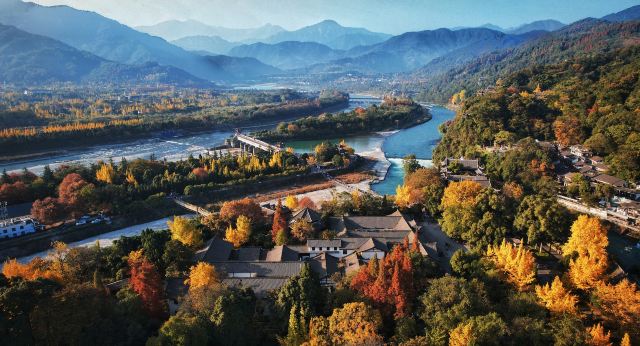
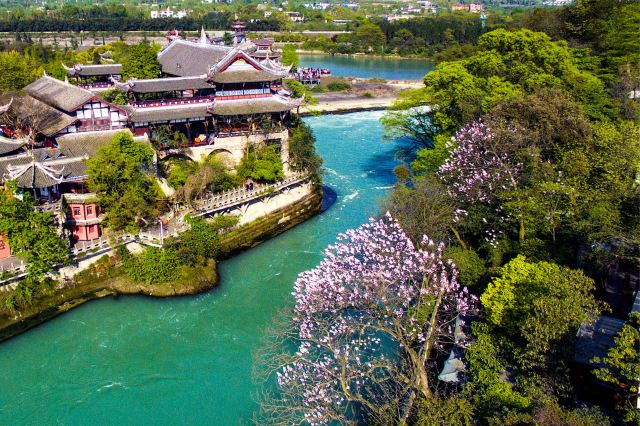
Dujiangyan is the world's oldest surviving no-dam irrigation system, built in 256 BC by governor Li Bing and his son to tame the flood-prone Min River. The engineering is genuinely brilliant — three interlocking components (Fish Mouth divider, Flying Sand Weir, and Bottle Neck Channel) split, filter, and regulate the river using nothing but natural principles. Two thousand years later, it still irrigates over 11 million acres of farmland across the Chengdu Plain. The scenic area is large and includes the water engineering works, the Anlan Suspension Bridge (one of China's five famous ancient bridges), Erwang Temple with panoramic views, and forested mountain paths. You need 3-4 hours minimum, and a guide is strongly recommended — without one, you're looking at water flowing past rocks with no understanding of the engineering marvel beneath. The nearby Guanxian Ancient Town and the illuminated South Bridge at night add evening appeal. Best for history and engineering enthusiasts; skip if you need visual spectacle over intellectual substance.
Top Questions from Travelers
Why This Place Matters
Dujiangyan was built in 256 BC by Li Bing, governor of Shu (ancient Sichuan), and his son. Before the system, the Min River caused devastating floods during summer and droughts during winter, making the Chengdu Plain nearly uninhabitable. Li Bing's solution was revolutionary: instead of fighting the river with a dam, he worked with the river's natural flow, creating a system that automatically adjusts water distribution based on seasonal flow changes. The six-character maintenance motto he left — '深淘滩,低作堰' (dredge the riverbed deep, keep weirs low) — has guided annual maintenance for 2,280 years. The system transformed the flood-prone Chengdu Plain into the 'Land of Abundance' (天府之国), directly enabling the rise of Sichuan as one of China's wealthiest regions. Li Bing is still worshipped as a local deity at the Erwang Temple. UNESCO inscribed Dujiangyan as a World Heritage Site in 2000.
Need help planning?
ChinaPal handles everything
- Book English-speaking guides
- Arrange transport & tickets
- Real-time help during your visit
- Restaurant reservations nearby
Highlights
4 iconic experiences that define a visit
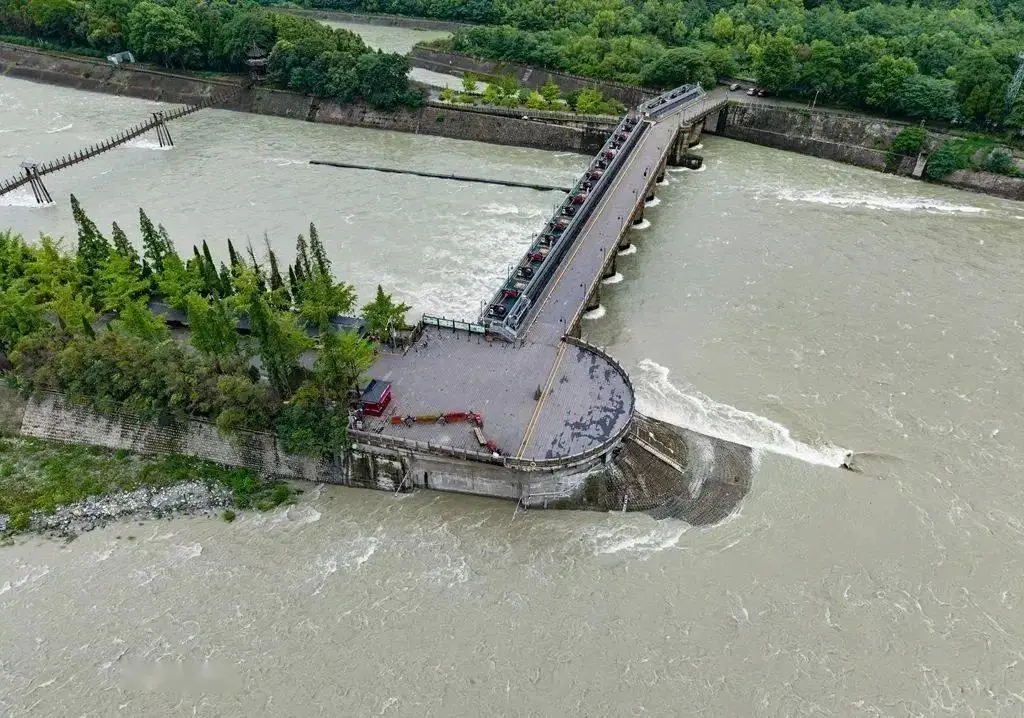
Fish Mouth Divider (鱼嘴分水堤)
The heart of the system — a man-made island that splits the Min River into an inner channel (for irrigation) and an outer channel (for flood drainage). In normal flow, 60% goes to irrigation; during floods, the proportions automatically reverse to 40% irrigation / 60% drainage. No moving parts, no human intervention — pure hydraulic engineering genius.
This automatic flow-reversal mechanism is what makes Dujiangyan extraordinary. It was solving problems that modern dams solve — 2,200 years before modern dams existed. A guide will explain the physics that makes this work.
 Universal Appeal
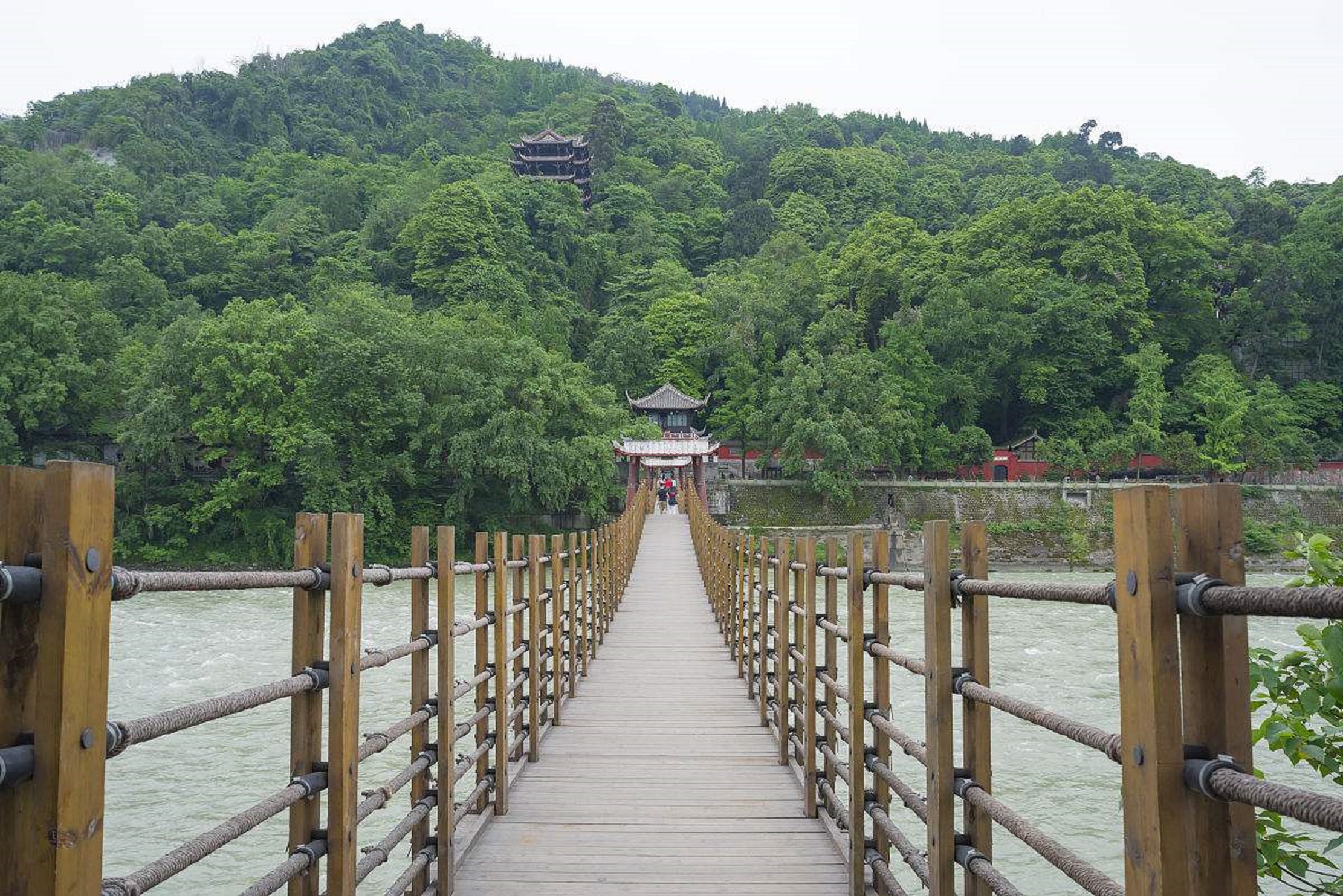
Anlan Suspension Bridge (安澜索桥)
A historic suspension bridge spanning the roaring Min River, originally built with bamboo cables. Known as one of China's five famous ancient bridges ...
 Culturally Interesting
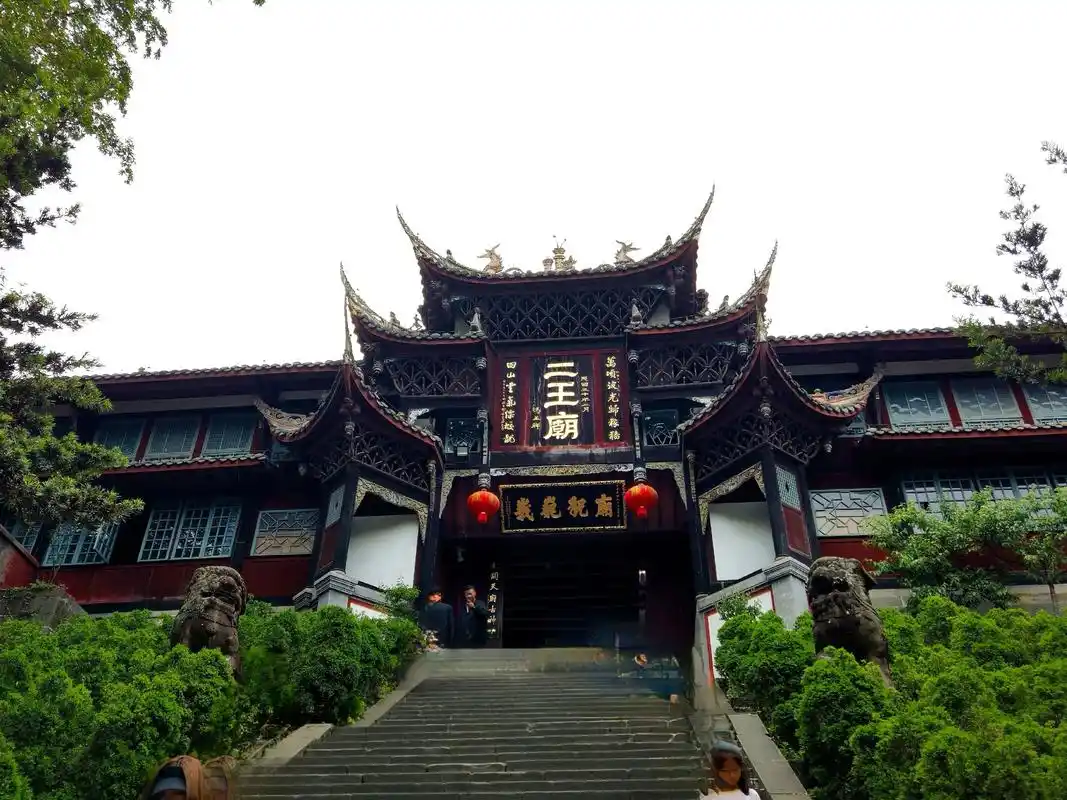
Erwang Temple (二王庙)
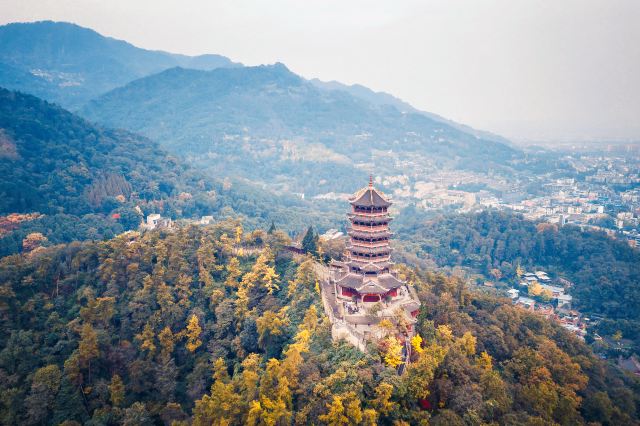
An ancient temple complex built into the mountainside, dedicated to Li Bing and his son who designed the system. Multi-tiered wooden buildings with sw...
 Universal Appeal
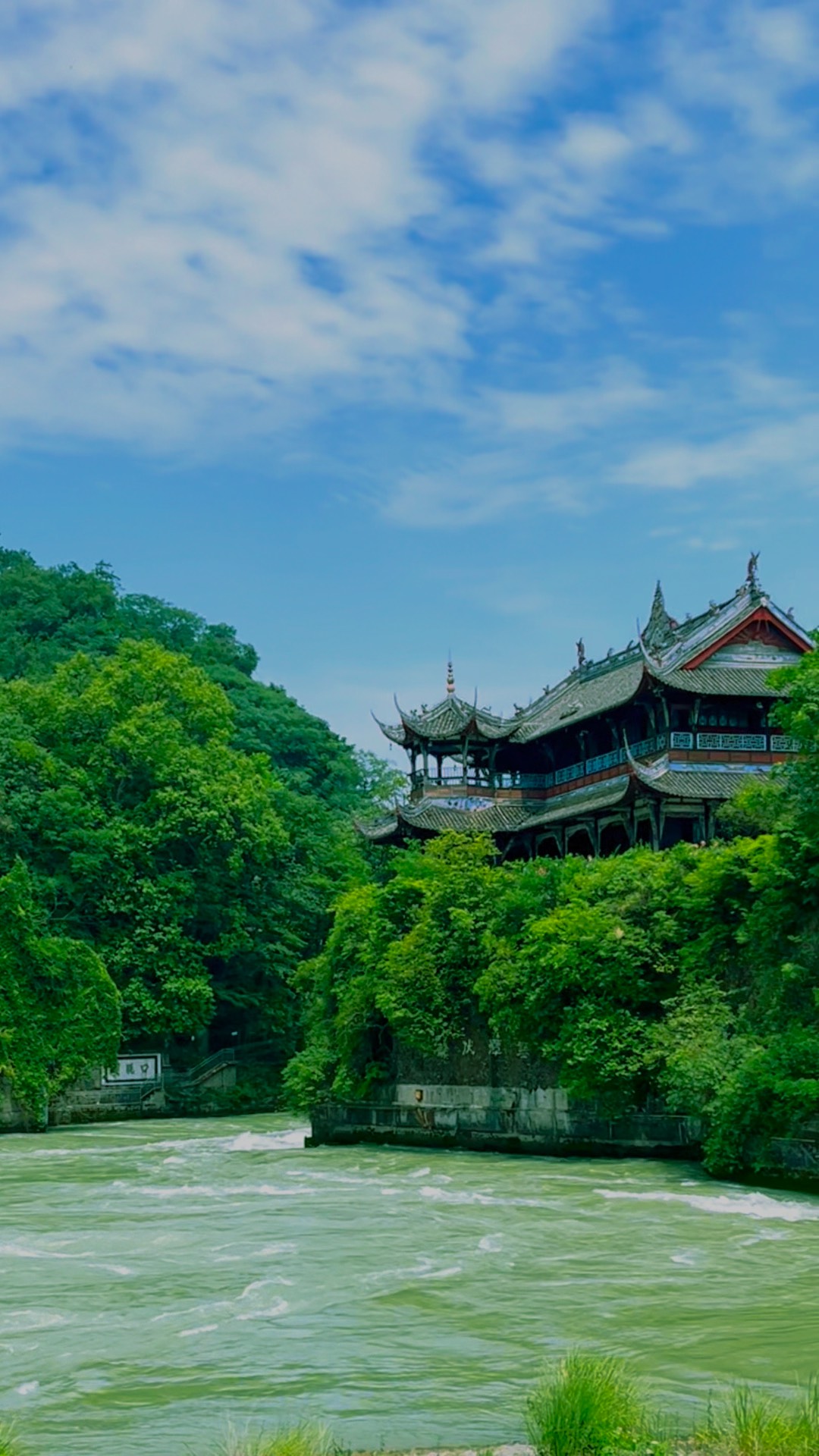
Bottle Neck Channel (宝瓶口)
A narrow channel carved through solid rock mountain to control water flow into the Chengdu Plain. Li Bing's workers spent years chiseling through the ...
What Most Visitors Miss
The South Bridge (南桥) night view
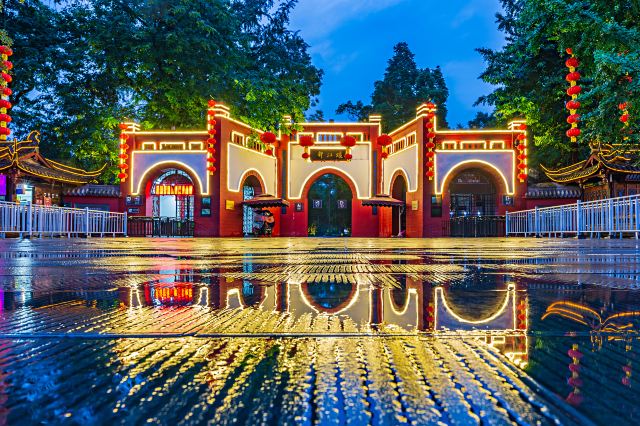
Most day-trippers rush back to Chengdu after the scenic area. The illuminated South Bridge with turquoise water rushing beneath it has become one of Chengdu's most viral photo spots ('blue tears'). It's free and just outside the main exit.
The six-character motto (深淘滩,低作堰)
Li Bing's maintenance instructions — 'dredge deep, build weirs low' — guided maintenance for over 2,000 years. These simple principles, inscribed in the Erwang Temple, are the reason the system still works today. Most visitors walk past them without understanding their significance.
Guanxian Ancient Town (灌县古城)
Just outside the scenic area exit, this atmospheric old town has traditional architecture, local food, and a pleasant evening stroll. Most tourists skip it entirely.
Plan Your Visit
How Long to Visit
2-2.5 hours (main engineering structures only — rushed
full scenic area including Erwang Temple, Anlan Bridge, and all three engineering components
Full day (scenic area morning, Guanxian Ancient Town afternoon, South Bridge 'blue tears' evening
Smart Route
Take the high-speed train from Chengdu to Lidui Park Station (NOT Dujiangyan Station — critical!)
Enter via Gate 1 (Lidui Park)
See Bottle Neck Channel and Fulong Temple
Cross Anlan Suspension Bridge
Walk to Fish Mouth
Climb to Erwang Temple for panoramic view
Exit via Gate 5/6
Shuttle bus or walk to Guanxian Ancient Town
South Bridge at sunset/evening.
Best Time to Visit
Arrive at opening (8:00 AM) to avoid tour groups that flood in by 10:00 AM
National holidays and summer weekends — the paths become very crowded
By Season
Spring
and autumn (March-May, September-November) have the best weather. Summer (June-August) shows the system at its most dramatic with high flood waters, but the heat is punishing.
Summer
(June-August) shows the system at its most dramatic with high flood waters, but the heat is punishing. Winter is mild but the water flow is lower and less impressive.
Autumn
(March-May, September-November) have the best weather. Summer (June-August) shows the system at its most dramatic with high flood waters, but the heat is punishing.
Winter
After finishing the scenic area, don't rush back to Chengdu. Walk to the South Bridge (南桥) at dusk — the illuminated traditional bridge over turquoise rushing water has become a viral sensation (nicknamed 'blue tears'). The evening atmosphere in Guanxian Ancient Town is wonderful.
What to Skip
The Yulei Pavilion (玉垒阁) climb is long and steep with limited additional value if you've already seen the view from Erwang Temple. The souvenir shops at the entrance are standard tourist fare.
Pro Tips
Book train tickets to 离堆公园站 (Lidui Park Station), NOT 都江堰站 (Dujiangyan Station) — the latter is much farther from the scenic area. Hire a guide — this is one of the few attractions in China where a guide isn't just nice-to-have but essential for understanding what you're seeing. The ¥80 entrance fee is exceptional value for a UNESCO World Heritage Site.
Photo Spots
Fish Mouth tip with river splitting behind
Stand at the very point of the Fish Mouth divider and photograph the two channels diverging. Wide-angle lens captures the full scope.
Anlan Suspension Bridge
Photograph looking down through the bridge slats at the turquoise rushing water. Or shoot from the riverbank with the bridge and mountains as backdrop.
South Bridge (南桥) at night
Visit at dusk to capture the transition from daylight to illumination. Shoot from the riverside walkway below the bridge for the best angle with water in the foreground.
Erwang Temple overlook
Climb to the highest terrace for a panoramic view showing the entire irrigation system layout — Fish Mouth, channels, and surrounding mountains.
Pair With
South Bridge Night View (南桥夜景)
5-minute walk from south exit
The illuminated traditional bridge with turquoise water rushing beneath it is one of Sichuan's most photogenic evening scenes. Free and right outside the scenic area — don't miss it.
Qingcheng Mountain (青城山)
20-minute drive
The birthplace of Taoism, just 15km from Dujiangyan. The saying goes: '拜水都江堰,问道青城山' (Pay respects to water at Dujiangyan, seek the Tao at Qingcheng Mountain). A natural pairing for a full day trip.
Dujiangyan Panda Base
20-minute drive
A less crowded alternative to Chengdu's main Panda Base, located near Dujiangyan. Can be combined for a full day of pandas + ancient engineering.
Tickets & Access
Adult admission
Standard entry to the full scenic area
Students / Children 6-18
Half price with valid ID
Children under 6 or under 1.3m
Including foreign children
English-speaking guide
Strongly recommended — book via Trip.com or hire at entrance
Shuttle bus (scenic area to gates)
Optional — saves walking between gates
Opening Hours
Peak season (Mar 2-Oct 31): 8:00 AM - 6:00 PM. Off-season (Nov 1-Mar 1): 8:00 AM - 5:30 PM.
How to Buy
Trip.com or at the gate with passport/ID. Scan and enter.
Passport: Yes — foreigners enter with passport. Required for train tickets to Dujiangyan as well.
Queue Situation
Ticket queues are manageable except during major holidays. The Anlan Suspension Bridge can have queues to cross during peak times.
Tips & Warnings
Without a guide, you won't understand the engineering
Dujiangyan's genius is invisible — it looks like a river flowing past some rocks. Hire a guide (¥100-300) or at minimum use a detailed audio guide app. This single decision determines whether you'll find the experience fascinating or underwhelming.
The scenic area is much larger than expected
Plan 3-4 hours minimum. The area involves significant walking with stairs and uneven paths. Wear proper hiking shoes, not sandals. There's limited food inside — bring snacks and water.
Train station confusion
Book tickets to 离堆公园站 (Lidui Park Station), NOT 都江堰站 (Dujiangyan Station). This is the most common mistake visitors make — the wrong station adds 30+ minutes and a taxi ride. If you'd rather not navigate the Chinese train booking system, our concierge can book your round-trip train tickets with the correct station and send them to your Trip.com account.
Summer heat is extreme
Avoid visiting in August if possible. The climbing portions have limited shade. Bring plenty of water and sun protection.
What to Bring
Wear
Comfortable hiking shoes with good grip (uneven stone paths and stairs). Layers — the mountain area can be cooler than Chengdu city. Sun protection in summer.
Bring
Passport (mandatory). Water and snacks. Comfortable backpack. Rain jacket (mountain weather is unpredictable). Camera. Cash for guide and shuttle bus.
Don't Bring
High heels or sandals. Heavy luggage — leave it at your Chengdu hotel.
Physical Reality
moderate
Significant walking on uneven paths and stone stairs. The full circuit involves climbing to Erwang Temple and potentially Yulei Pavilion. The lower riverside paths are relatively flat. Total walking can exceed 10km for the full circuit. Shuttle buses available between some sections.
Foreigners Watch Out
- You need your passport for both the train to Dujiangyan AND park entry. Don't forget it.
- Most discount policies (seniors, military, etc.) explicitly state they apply only to Chinese citizens. Foreign children under 6 and students with valid ID do qualify for discounts.
- English signage exists but is limited. The engineering explanations on plaques are mostly in Chinese. A guide or audio guide in English is essential.
- The high-speed train from Chengdu requires real-name booking with passport — buy in advance through Trip.com or at the station with passport.
If Things Go Wrong
Arrived at the wrong train station (Dujiangyan Station instead of Lidui Park)
→ Take a taxi from Dujiangyan Station to the scenic area entrance — about 15 minutes and ¥20-30. Or take the local bus. Message our team if you need help communicating with a taxi driver or finding the right bus — we can send directions in Chinese to show the driver.
Too exhausted to complete the full circuit
→ Prioritize the Bottle Neck Channel and Fish Mouth — these are the two essential engineering structures. Skip the Erwang Temple climb and Yulei Pavilion. Take the shuttle bus between gates.
Useful Chinese
Tap to reveal the English meaning