

About Du Fu Thatched Cottage Museum
“A poet's garden that feels exactly as it should — hushed, green, thoughtful, and just melancholy enough to make you sit on a stone bench and think about life.”
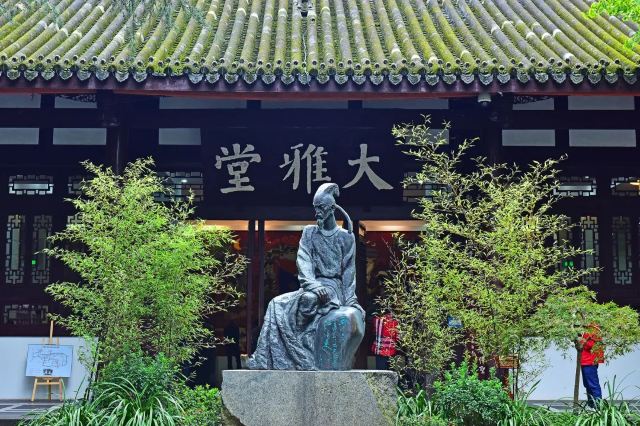
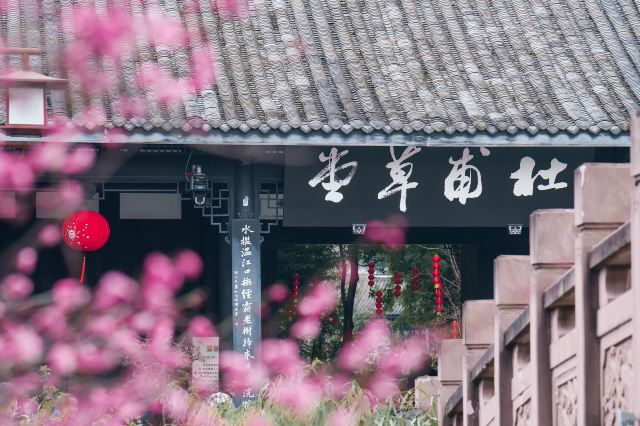
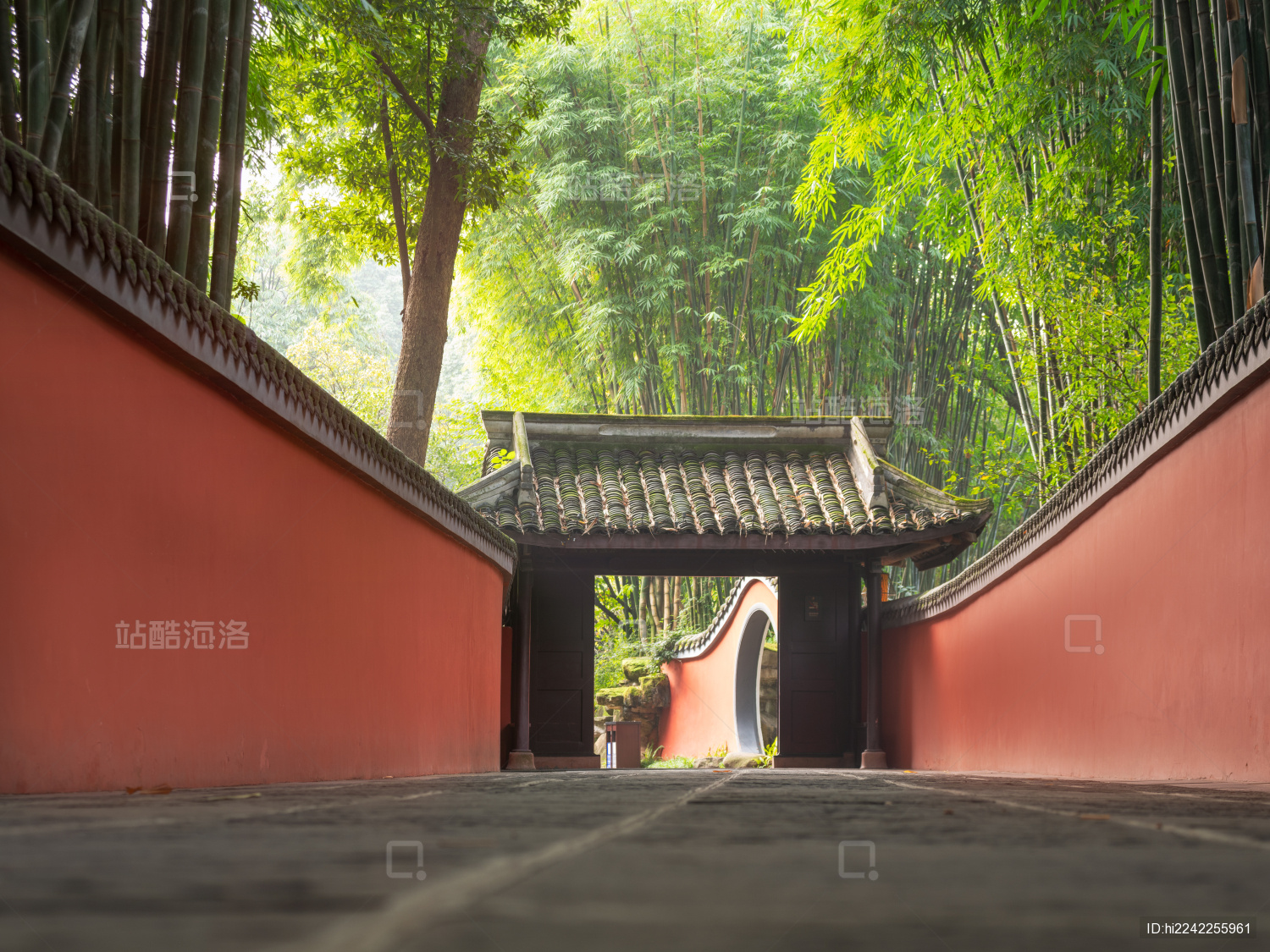
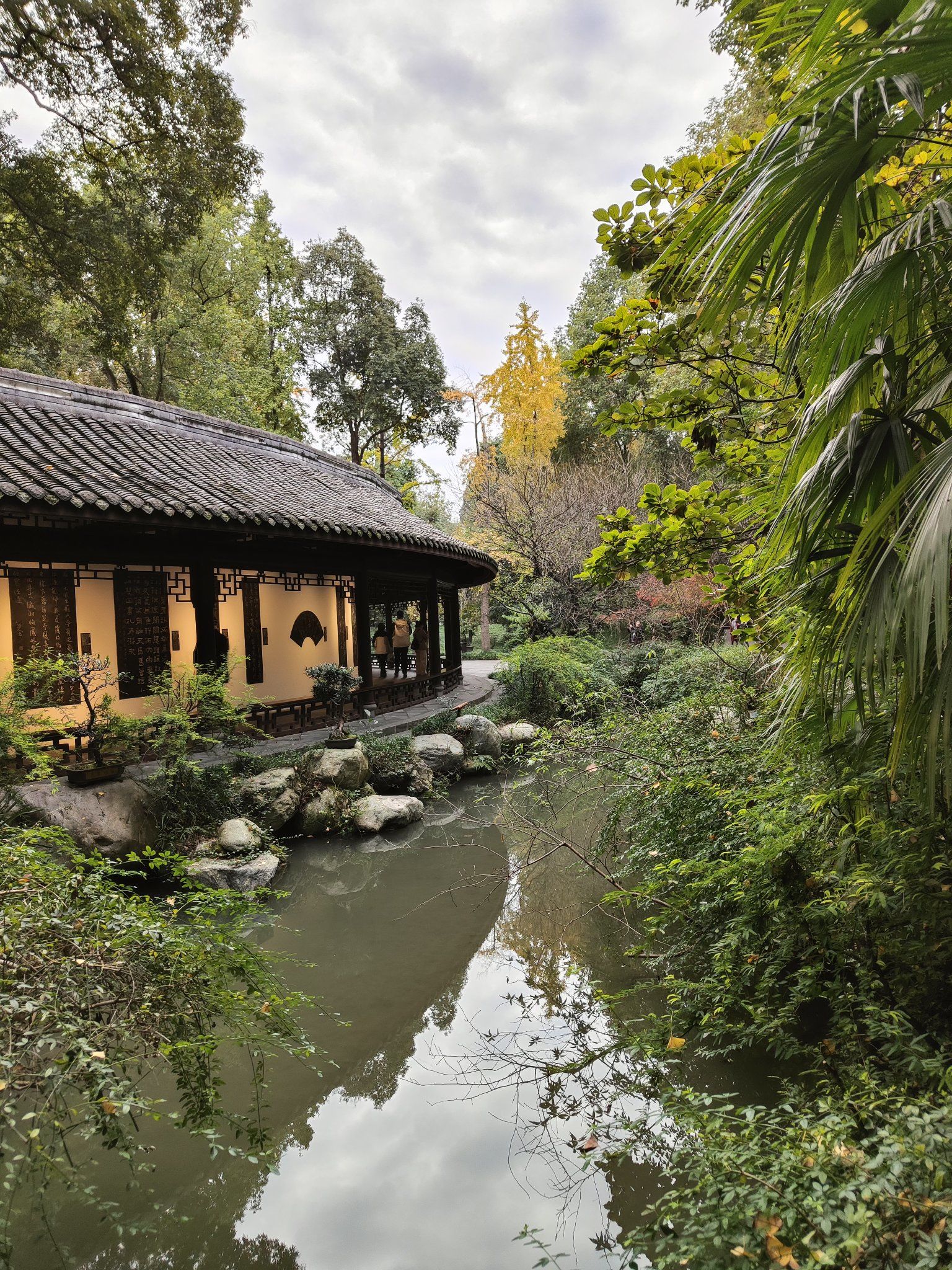
Du Fu Thatched Cottage is part literary shrine, part classical Chinese garden, and part peaceful urban escape. The site commemorates Tang Dynasty poet Du Fu (712-770), who fled to Chengdu during a rebellion and spent four years in a modest hut writing some of China's most celebrated poems. The actual cottage is a reconstruction, but the surrounding garden is genuinely beautiful — red-walled walkways shaded by bamboo, lotus ponds, plum blossom groves, and traditional Sichuan architecture. The museum section houses extensive collections of Du Fu's poetry, calligraphy, and historical artifacts, including a newly added modern museum with AR/VR experiences. If you appreciate Chinese poetry and literature, this is sacred ground. If you don't know Du Fu, you can still enjoy it as a gorgeous garden — but hiring a guide or using the audio tour transforms the experience from 'pretty park' to 'deeply meaningful.' The red-walled bamboo corridor has become a social media sensation, especially for hanfu (traditional costume) photography.
Top Questions from Travelers
Why This Place Matters
Du Fu (712-770) is universally regarded as China's greatest realist poet, earning the title 'Poet Sage' (诗圣). During the devastating An Lushan Rebellion (755-763), he fled to Chengdu and spent four years in a simple thatched hut by the Flower Washing Stream, writing over 240 poems that documented the suffering of ordinary people during wartime. His most famous poem from this period, 'Song of My Thatched Roof Torn by Autumn Winds,' ends with the selfless wish: 'If only I could get a mansion of millions of rooms, to shelter all the world's cold and poor scholars!' This sentiment — a poet in poverty caring more about others' suffering than his own — became a foundational ideal in Chinese culture. The cottage has been commemorated and rebuilt multiple times over 1,200 years, with the current layout dating to the Ming-Qing period.
Need help planning?
ChinaPal handles everything
- Book English-speaking guides
- Arrange transport & tickets
- Real-time help during your visit
- Restaurant reservations nearby
Highlights
4 iconic experiences that define a visit
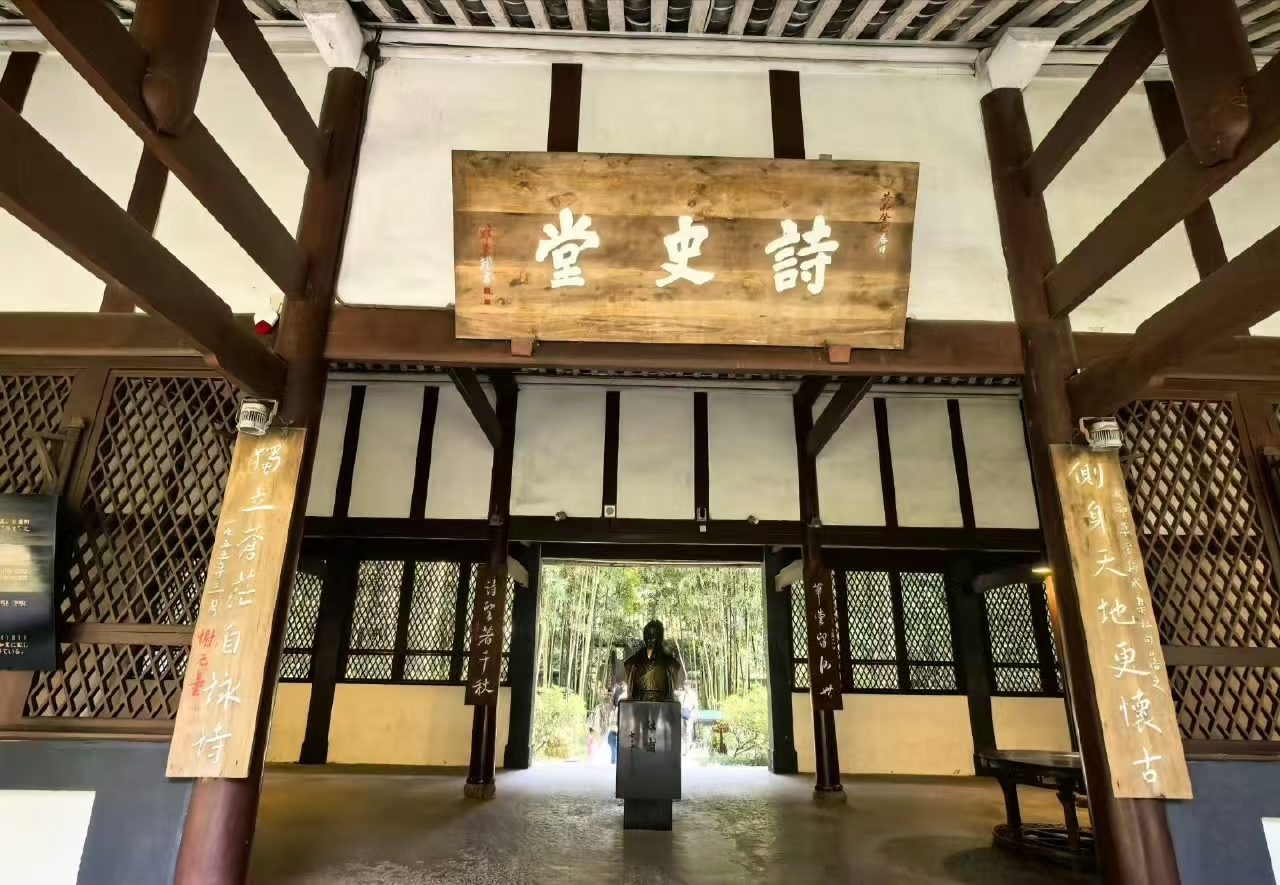
Poetry History Hall (诗史堂)
The central hall displaying Du Fu's life story and his 1,400+ poems categorized as 'poetry history' — poetic records of the tumultuous Tang Dynasty. Houses sculptures and calligraphy.
Du Fu is called the 'Poet Sage' (诗圣) — his poetry documented war, famine, and social injustice during the An Lushan Rebellion. He's the Chinese equivalent of Shakespeare or Homer in cultural importance.
 Universal Appeal
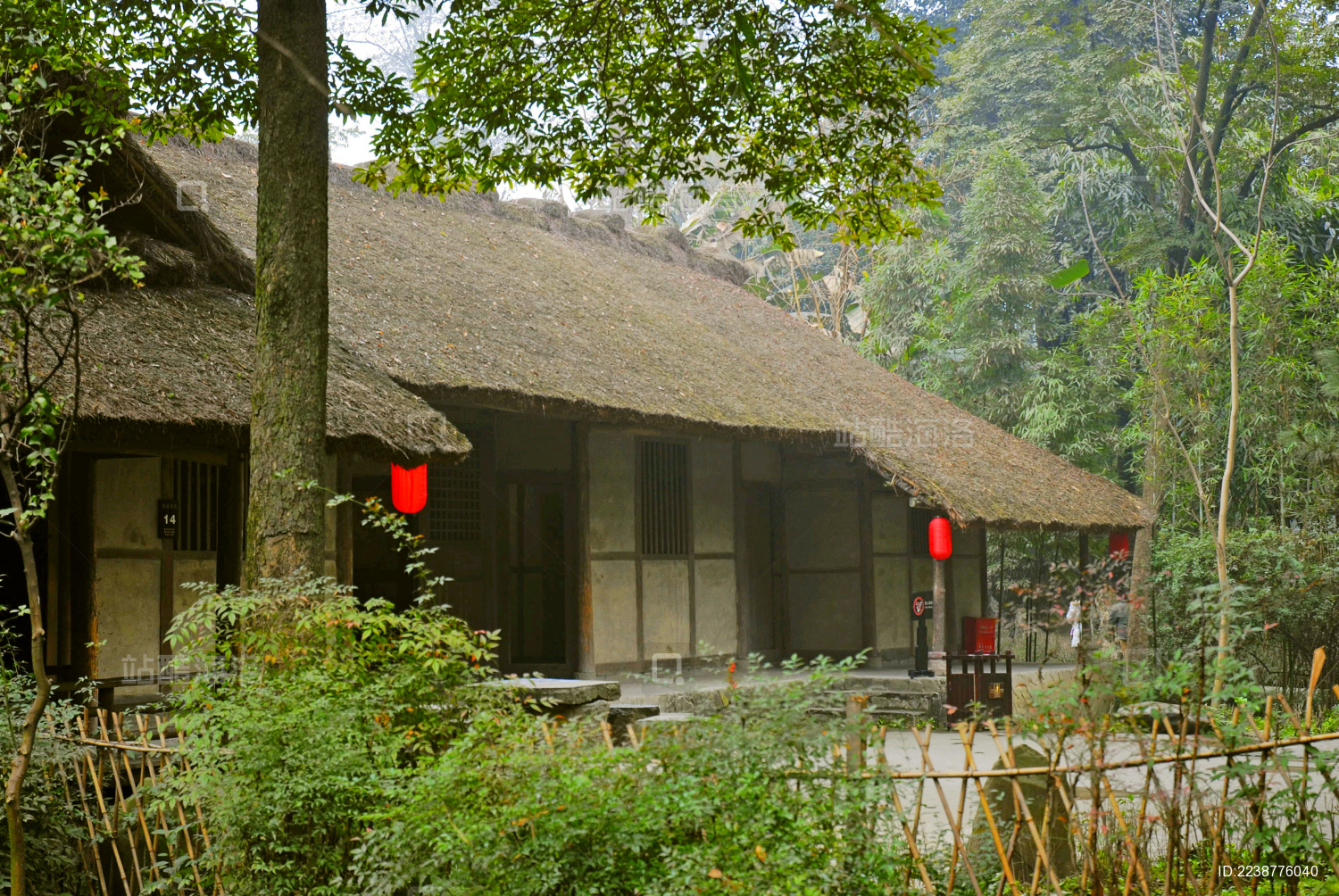
The Thatched Cottage (茅屋)
A reconstructed straw-roofed hut recreating Du Fu's modest dwelling, surrounded by a stream, garden, and bamboo. This is where he wrote his most famou...
 Universal Appeal
Red-Wall Bamboo Corridor (红墙竹影)
A photogenic walkway flanked by crimson walls with overhanging bamboo creating dappled shadows — the most photographed spot in the entire complex and ...
 Culturally Interesting
Archaeological Site (唐代遗址)
An actual Tang Dynasty archaeological excavation site within the complex, believed to be near Du Fu's original dwelling. Covered with a modern protect...
What Most Visitors Miss
The outdoor tea garden in the bamboo grove
Multiple tea gardens within the complex offer traditional Chengdu gaiwan tea service under bamboo canopy — the perfect way to absorb the garden's atmosphere. A bowl of tea is ¥15-30 and comes with snacks.
The creative souvenirs and calligraphy shop
The gift shop actually has high-quality merchandise — traditional calligraphy sets, poetry-themed designs, and artisanal items that are genuinely worth buying. Staff are passionate and knowledgeable.
The modern museum with AR/VR experiences
A recently added section with digital exhibitions using AR glasses, AI interactions with a digital 'Du Fu,' and immersive poetry experiences. Combines technology with tradition in a surprisingly effective way.
Plan Your Visit
How Long to Visit
1.5-2 hours (central axis buildings and the main garden
full exploration including museum, garden, archaeological site, and tea in the bamboo grove
Half day (everything above plus the modern museum with AR experiences, the calligraphy exhibitions, and lingering in the garden
Smart Route
Enter through the main gate
follow the central axis (Dagai Hall
Poetry History Hall
Chai Gate
Gongbu Shrine) for the historical narrative
detour west to the Thatched Cottage and plum garden
walk the red-wall bamboo corridor
visit the archaeological site in the east section
end at the modern museum
have tea in the bamboo grove tea garden before leaving.
Best Time to Visit
Late afternoon (3-5 PM) when tour groups thin out and soft light filters through the bamboo
Chinese public holidays and weekends, especially spring when the plum blossoms draw extra crowds
By Season
Spring
(March-May): plum blossoms, cherry blossoms, and fresh bamboo shoots — the garden is at its most photogenic. Summer: lush greenery and lotus flowers in the ponds, but hot and humid.
Summer
: lush greenery and lotus flowers in the ponds, but hot and humid. Autumn: golden ginkgo leaves.
Autumn
: golden ginkgo leaves. Winter: bare but atmospheric, with the occasional snow on the thatched cottage roofs.
Winter
Visit on a weekday afternoon in late autumn — the garden is peaceful, ginkgo leaves are golden, and you can enjoy the outdoor tea garden in comfortable weather.
What to Skip
Skip the main gate souvenir stalls (the inside gift shop is much better). If time is limited, the western garden paths between the cottage and the plum garden are the most scenic but least essential for understanding Du Fu.
Pro Tips
Rent an audio guide or follow the official WeChat audio tour — it transforms the experience completely. If visiting with children, the modern museum's interactive AR exhibits make the poetry engaging even for kids. The calligraphy shop near the exit sells 'Fallen Plum Blossom Cards' (拾梅笺) — free cards you can use to collect fallen blossoms from the garden.
Photo Spots
Red-wall bamboo corridor (红墙竹影)
Early morning (9-10 AM) or golden hour light through bamboo creates the most dramatic shadows on the red walls. Weekday mornings for empty corridor shots.
Thatched Cottage with stream
Step back to include the stream, bamboo, and cottage roof in one frame. Spring plum blossoms add color in March.
Lotus pond in summer
Visit in July-August when lotus flowers are in full bloom. The reflection shots with traditional architecture are stunning.
Pair With
Huanhuaxi Park (浣花溪公园)
0 minutes — directly connected
A free riverside park adjacent to the cottage complex — extends the garden experience along the Flower Washing Stream that Du Fu wrote about.
Wuhou Temple / Jinli Street (武侯祠/锦里)
15-minute taxi ride
Chengdu's other major historical site (Three Kingdoms era) paired with its most famous commercial ancient street. Together with Du Fu's Cottage, covers Chengdu's top cultural attractions.
Wide and Narrow Alleys (宽窄巷子)
10-minute taxi ride
Chengdu's renovated Qing Dynasty alley district with tea houses, restaurants, and cultural performances — a more lively counterpoint to the serene cottage.
Tickets & Access
Full-price admission
Online purchase via Ctrip: ¥47 (must book 1 hour ahead)
Student admission
With valid student ID
Annual pass
Worth it if staying in Chengdu for an extended period
Opening Hours
Jan-Jun & Sep-Dec: 09:00-18:00 (last ticket 17:00). Jul-Aug: 08:30-18:30 (last ticket 17:30).
How to Buy
Buy at the gate with passport, or online via Ctrip/Trip.com/official WeChat account. Present QR code or passport at entrance.
Passport: Yes — present passport at ticket window. A photo of your passport may also be accepted.
Queue Situation
Minimal queuing on weekdays — under 5 minutes. Weekends and holidays may see 15-30 minute waits at the ticket window. Inside, the red-wall corridor can be congested with photographers.
Tips & Warnings
Without context, it can feel like 'just a park'
Du Fu's significance isn't obvious to non-Chinese speakers. Invest in a guide or audio tour — it's the difference between a pleasant garden walk and a deeply meaningful cultural experience.
The red-wall corridor is a photography circus on weekends
Professional photographers and hanfu-wearing visitors can dominate the corridor for extended periods. Visit on a weekday or arrive right at opening to get your shot. If you're interested in doing a hanfu photoshoot yourself, message our team — we can recommend the best rental shops near the cottage and help you book a time slot.
Getting a taxi/Didi after visiting can be difficult
The area around the museum is congested and ride-hailing pickup points are limited. Walk a few blocks out before calling a car, or take metro Line 4 (Caotang Beilu Station, ~20 min walk). If you're having trouble getting a ride after your visit, message us and we can arrange a car to pick you up from a nearby meeting point.
What to Bring
Wear
Comfortable walking shoes. The garden paths are well-maintained but extensive. Light layers — Chengdu can be cool even in spring/autumn.
Bring
Passport. Camera. Phone with WeChat installed (for audio guide). Cash or mobile payment. Umbrella (Chengdu is frequently drizzly).
Don't Bring
Nothing to avoid specifically. Tripods are allowed but may cause congestion in the red-wall corridor.
Physical Reality
easy
Almost entirely flat terrain across 300 acres of gardens. Paved paths throughout. Wheelchair accessible on main routes. Total walking distance for a full visit is about 3-4km but at a leisurely pace.
Foreigners Watch Out
- Foreign passport holders must pay ¥50 even if over 60 — the free senior admission only applies to Chinese ID holders.
- Poetry displays and most exhibit text are in Chinese only — the English signage covers building descriptions but not the actual poetry content. The audio guide fills this gap.
- The WeChat audio guide is free but requires the WeChat app — download and set up before your visit.
- Metro Line 13 to Du Fu Thatched Cottage Station (Exit C2) is the closest metro, about a 400m walk. Buses 35, 58, 82 also reach the area.
If Things Go Wrong
Arrived without cash or working digital payment
→ The ticket office accepts WeChat Pay, Alipay, and cash. If none work, try buying via Ctrip/Trip.com app (accepts foreign cards).
Too crowded to enjoy
→ Head to the eastern and northern sections of the garden — the western axis and red-wall corridor draw most visitors. The archaeological site area and modern museum are typically less crowded.
Useful Chinese
Tap to reveal the English meaning