About The Palace Museum (Forbidden City)
“Imperial grandeur on an almost incomprehensible scale — golden roofs stretching to the horizon, crimson walls enclosing centuries of power and intrigue. The central axis feels like a procession through Chinese cosmology itself. The side courtyards offer unexpected intimacy and quiet amid the crowds.”
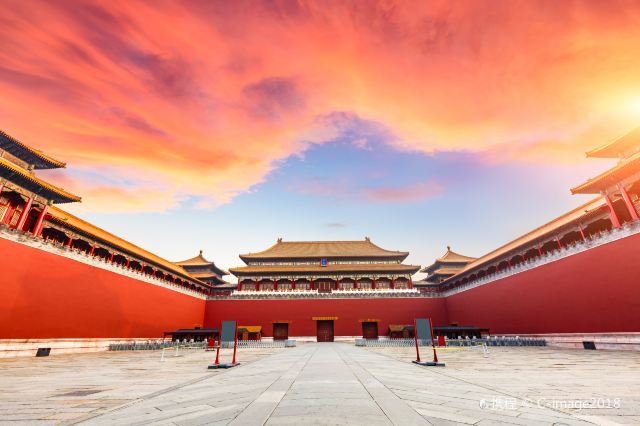
The Forbidden City is genuinely magnificent and earns its status as one of the world's great historical sites. The sheer scale hits you the moment you pass through the Meridian Gate — vast courtyards flanked by golden-roofed halls that seem to extend endlessly. The architecture is stunning, with every color, number, and ornament carrying cosmological meaning. The Hall of Supreme Harmony is breathtaking, the Nine Dragon Screen is exquisite, and the Imperial Garden offers a serene finish. The Treasure Gallery and Clock Gallery are world-class museums within the complex. However, there are genuine frustrations: you cannot enter most buildings (you peer through doors or windows from behind barriers), which disappoints many visitors expecting to walk through imperial rooms. The central axis — which is what 90% of visitors see — consists of similar-looking grand halls separated by massive courtyards, and without a guide, it can feel repetitive. Crowds are enormous even on weekdays, and the pushing/shoving at popular viewpoints is relentless. Ticket booking is notoriously difficult (sells out within minutes 7 days in advance). Despite all this, the Forbidden City is an essential Beijing experience — the combination of scale, history, and architectural beauty is unmatched. A guide transforms the visit from 'pretty buildings' to 'profound understanding,' and exploring the quieter side courtyards and eastern/western palaces reveals a far more intimate and rewarding experience than the crowded central axis alone.
Top Questions from Travelers
Why This Place Matters
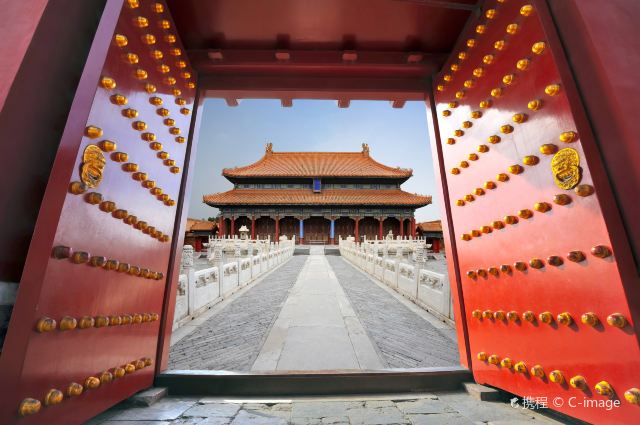
The Forbidden City was designed as the literal center of the universe according to Chinese cosmology. Everything is encoded with meaning: the yellow glazed roof tiles represent the emperor (yellow = earth = center = imperial); the crimson walls represent happiness and vitality; the number nine appears obsessively (nine rows of nine door studs, nine roof figures on most halls) as the supreme yang number. The complex is divided into the Outer Court (for state ceremonies — public, masculine, yang) and Inner Court (for private life — domestic, feminine, yin). Only the emperor could walk through the central doorway of any gate. The single exception: the empress on her wedding day, and the top three scholars of the imperial examination on the day they received their ranking. For 500 years, ordinary citizens could not even see inside the walls — hence 'Forbidden City' (紫禁城, literally 'Purple Forbidden City,' where 'purple' refers to the North Star, believed to be the celestial emperor's palace). Understanding that every architectural choice serves a philosophical purpose transforms the visit from sightseeing to revelation.
Need help planning?
ChinaPal handles everything
- Book English-speaking guides
- Arrange transport & tickets
- Real-time help during your visit
- Restaurant reservations nearby
Highlights
4 iconic experiences that define a visit
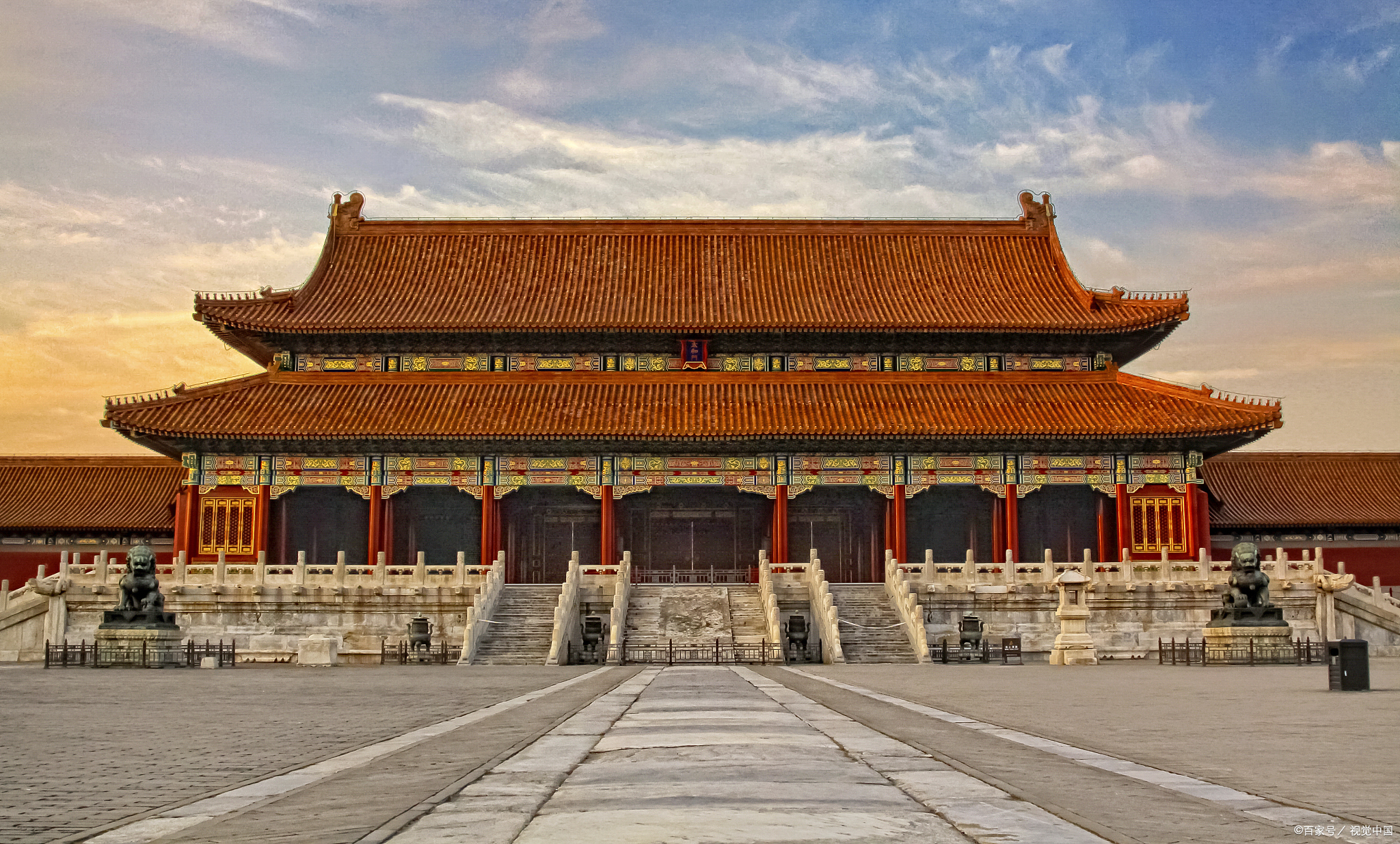
Hall of Supreme Harmony (太和殿)
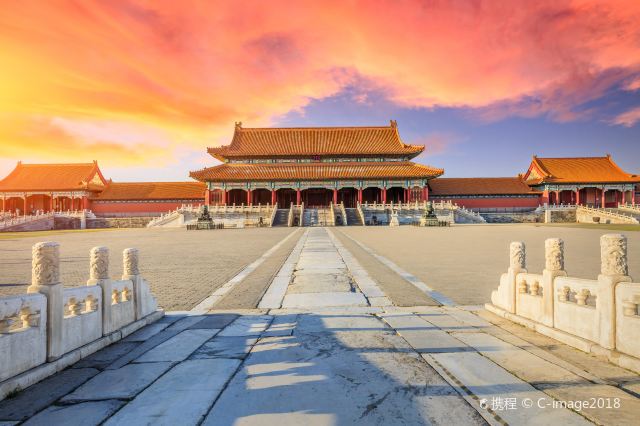
The largest and most important hall in the Forbidden City — where emperors held grand ceremonies, received officials, and celebrated the New Year. It sits atop a three-tiered white marble terrace and is the only building in all of China to have 10 mythical roof figures (all others have 9 or fewer), signifying supreme imperial authority.
The 10 roof figures (走兽) are unique in China — every other building maxes out at 9. Look for them on the roof ridge corners. The golden dragon throne inside can be glimpsed through the central doors. The enormous courtyard in front could hold 100,000 people for imperial ceremonies. The bronze tortoises and cranes flanking the entrance symbolize longevity.
 Universal Appeal
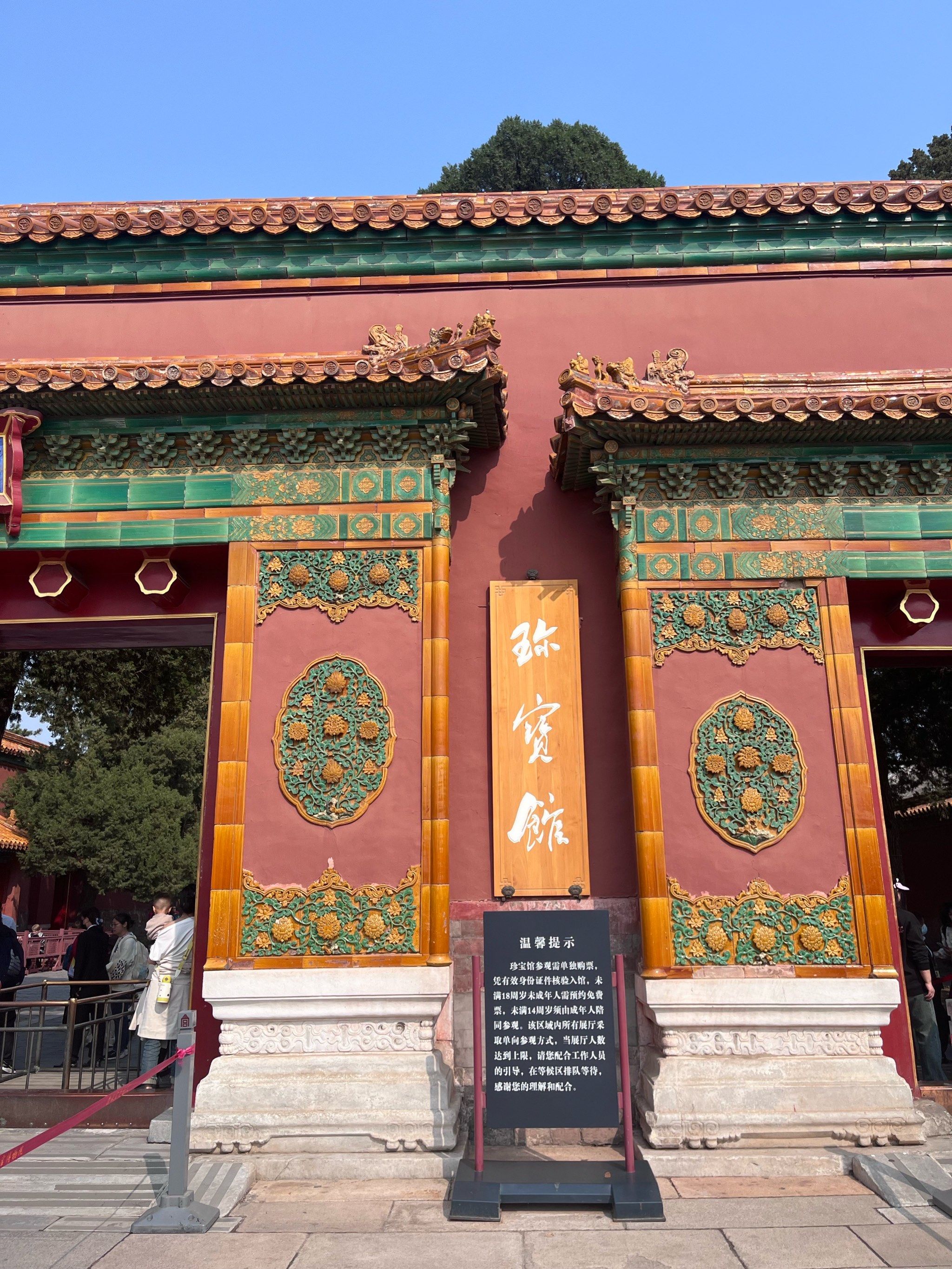
Treasure Gallery / Nine Dragon Screen (珍宝馆 / 九龙壁)
A separately ticketed exhibition area on the east side housing jade collections, gold Buddhist artifacts, imperial jewelry, and the spectacular Nine D...
 Universal Appeal
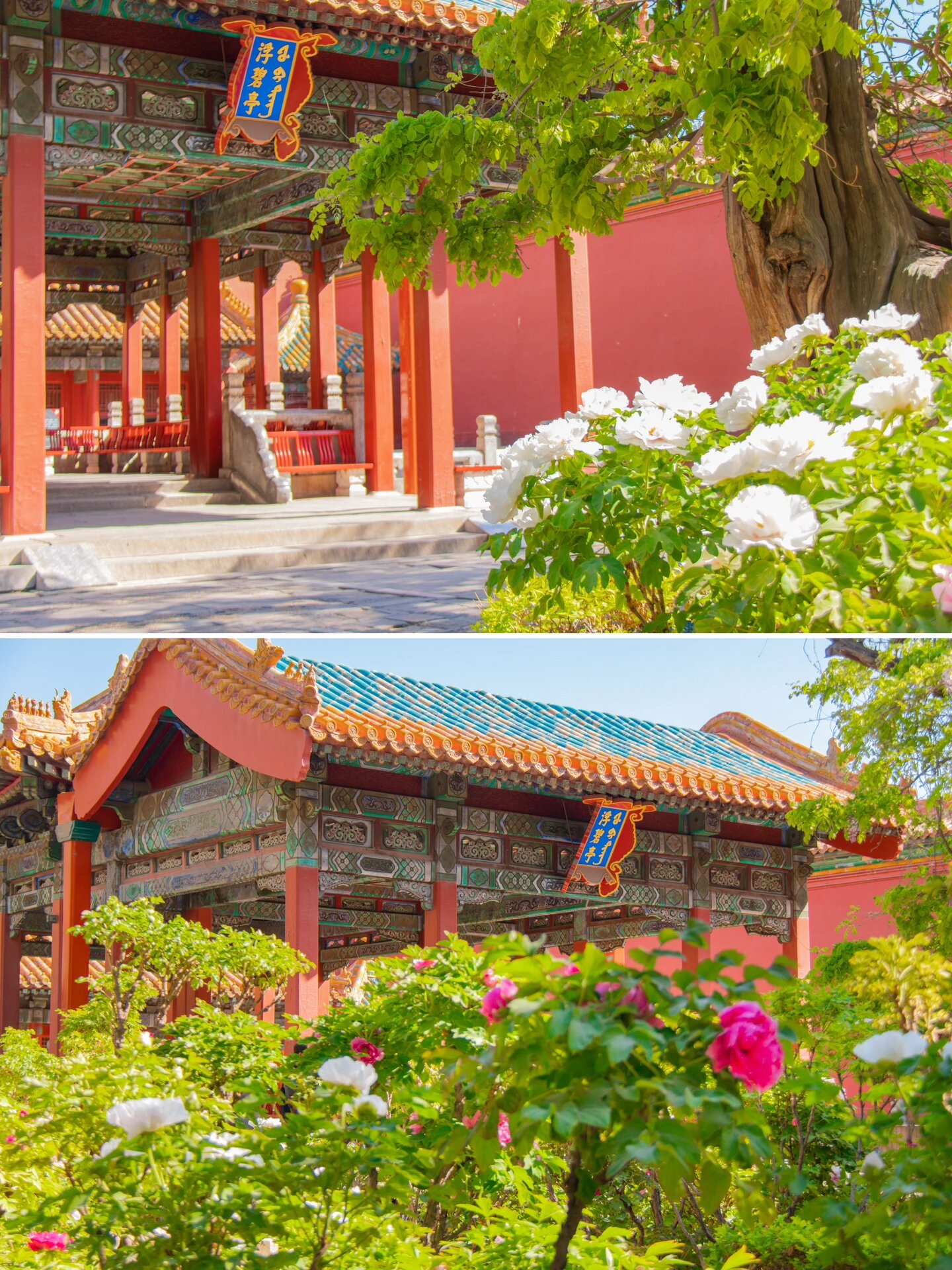
Imperial Garden (御花园)
A compact but exquisite garden at the northern end of the complex, featuring ancient cypress trees, rockeries, pavilions, and bronze sculptures. This ...
 Unique
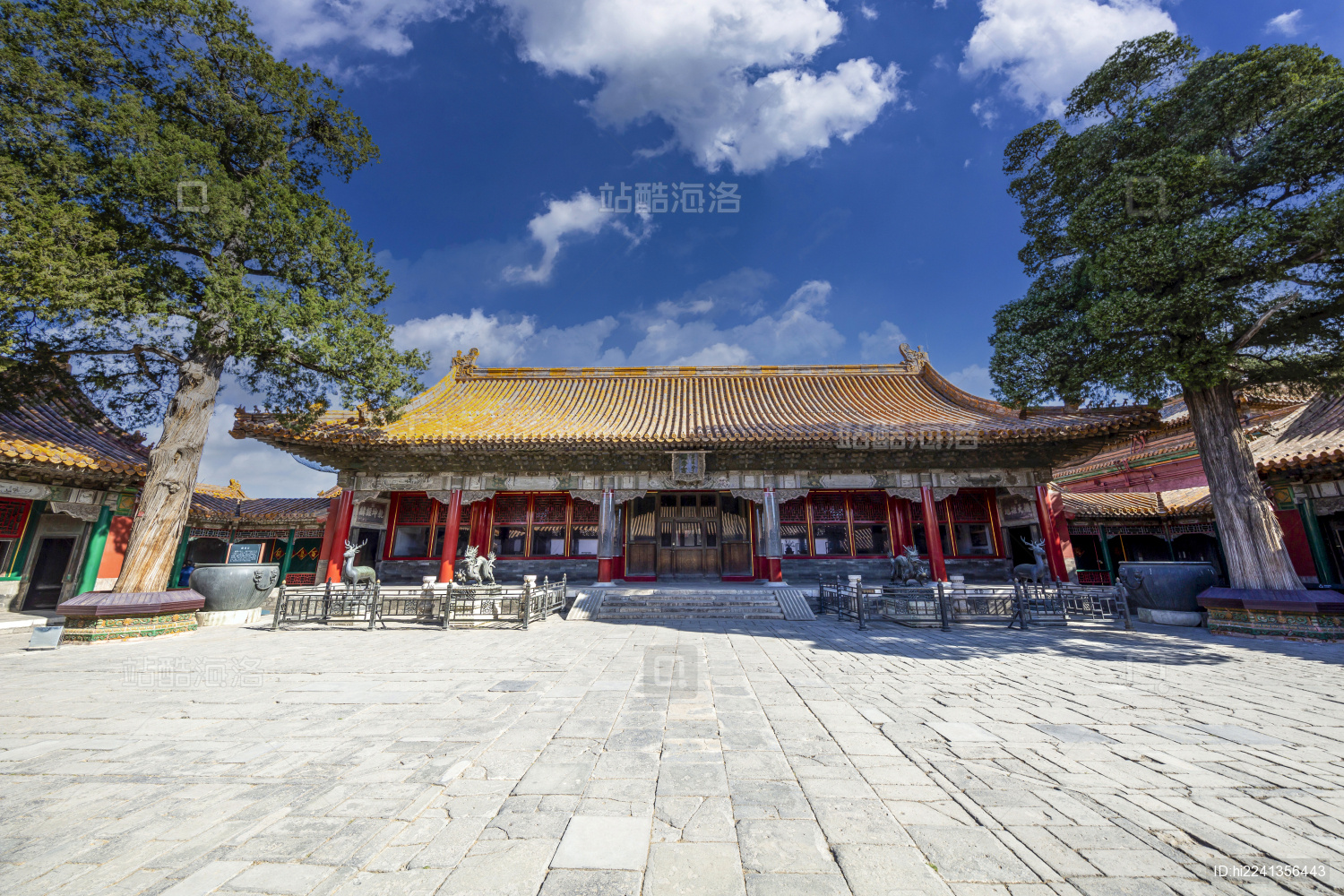
Western and Eastern Six Palaces (西六宫 / 东六宫)
The residential quarters of the empress, concubines, and imperial family — twelve smaller palace compounds arranged symmetrically on either side of th...
What Most Visitors Miss
The Meridian Gate wall walk and corner tower exhibitions
After passing through the Meridian Gate, you can climb stairs on either side to walk along the top of the palace walls. Each corner tower houses a small exhibition. The elevated view over the courtyards is stunning and the walkway is nearly empty compared to the ground level.
Jingshan Park panoramic view after exiting
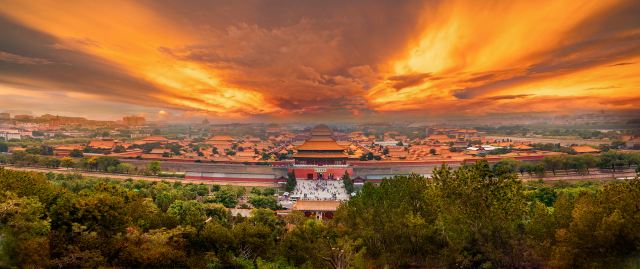
Directly across the street from the north exit, Jingshan Park has a hilltop pavilion offering the iconic bird's-eye view of the entire Forbidden City — golden roofs stretching to the southern horizon. Only ¥2 entry. Best in late afternoon golden light. Many visitors walk right past it.
The moat and corner towers from outside
After exiting, walk along the north or east moat for spectacular reflections of the corner towers in the water — one of the most photographed scenes in Beijing, especially at sunset or with autumn foliage. The corner towers are architectural masterpieces with 72 ridge lines.
Plan Your Visit
How Long to Visit
central axis only: Meridian Gate → Three Great Halls → Inner Court → Imperial Garden → north exit
central axis + Treasure Gallery + Clock Gallery + eastern or western side palaces
Full day or 2 visits (all areas including both side palace complexes, all exhibitions, wall walk, gift shops, and Jingshan Park for the panoramic view after exiting
Smart Route
Enter via Meridian Gate (south)
climb the wall on either side for the elevated view (most people miss this)
descend and walk the central axis: Gate of Supreme Harmony
Hall of Supreme Harmony
Hall of Central Harmony
Hall of Preserving Harmony
cross into the Inner Court
detour east to the Treasure Gallery and Nine Dragon Screen (¥10, worth it)
return to central axis
Palace of Heavenly Purity
detour west to the Clock Gallery (¥10)
continue north through the Western Six Palaces (far less crowded)
Imperial Garden
exit through Gate of Divine Prowess (north)
cross the street to Jingshan Park
climb to the summit pavilion for the panoramic view. Total: 4-5 hours.
Best Time to Visit
Arrive at 8:00-8:30 AM when gates open to explore the central axis before tour groups flood in after 10 AM
10 AM - 2 PM when tour groups are at maximum density
By Season
Spring
(April-May) brings blooming flowers. Winter (December-February) is cold but dramatically less crowded, and snow on the golden roofs is spectacularly photogenic — locals consider 'Forbidden City in snow' a bucket-list sight.
Summer
Autumn
(September-October) offers the best combination of clear blue skies, comfortable temperatures, and autumn colors in the Imperial Garden. Spring (April-May) brings blooming flowers.
Winter
(December-February) is cold but dramatically less crowded, and snow on the golden roofs is spectacularly photogenic — locals consider 'Forbidden City in snow' a bucket-list sight. Summer is hot, humid, and the most crowded.
If you see snow in the Beijing weather forecast, drop everything and go to the Forbidden City. Snow on the golden roofs and crimson walls is one of the most photogenic scenes in all of China, and locals rush there too — arrive at opening. After exiting the north gate, walk directly into Jingshan Park (¥2 entry) and climb to the pavilion for the iconic panoramic view of the entire Forbidden City — best in late afternoon golden light.
What to Skip
If pressed for time, the Clock Gallery is lower priority than the Treasure Gallery. The very center of the central axis (where crowds are worst) can be walked quickly — the real treasures are in the side areas. Skip any 'guide' who approaches you outside the complex at Tiananmen — hire official guides at the Meridian Gate or book through a reputable platform.
Pro Tips
The east side entrance (Donghua Gate / 东华门) avoids the Tiananmen Square security queue and walk — take the metro to Tiananmen East and walk north along the moat to Donghua Gate, then walk south inside the walls to reach the Meridian Gate ticket office. This saves 15-20 minutes. For the best empty-palace photos, visit in the last hour before closing when crowds thin dramatically. Young Chinese visitors rent traditional imperial costumes (汉服/旗袍) from shops near the east gate and take photos inside — you can too for a uniquely immersive experience.
Photo Spots
Jingshan Park summit pavilion (after exiting north gate)
Late afternoon golden light is ideal. The panoramic view of the entire Forbidden City stretching south is THE iconic Beijing photograph. Clear-sky autumn days produce the best results. Arrive 30-60 minutes before sunset.
Center of the courtyard in front of the Hall of Supreme Harmony
Stand in the center, shoot wide to capture the enormity of the courtyard with the hall as backdrop. Then use telephoto to capture the 10 roof figures. Morning light is best with the sun behind you.
Corner tower reflections in the moat (outside, after exiting)
Walk along the north or east moat after exiting. The corner towers reflected in still water, especially with autumn leaves or snow, create one of Beijing's most photographed compositions. Golden hour and blue hour are both stunning.
Red walls and yellow tiles in the western side palaces
Far fewer crowds than the central axis. The narrow corridors between crimson walls with golden roof tiles above create striking geometric compositions. Chinese visitors in traditional costume make beautiful candid subjects.
Pair With
Jingshan Park (景山公园) for the panoramic view
2-minute walk from the north exit
Directly across the street from the north exit. A 5-minute climb to the summit pavilion gives you THE iconic aerial view of the entire Forbidden City — golden roofs stretching south to infinity. Only ¥2 entry. The single best photo opportunity in Beijing. Stunning at sunset.
Temple of Heaven (天坛)
20 minutes by metro or taxi
The other essential Beijing imperial site — where emperors prayed for good harvests. Visit the Temple of Heaven in the morning (catch the local morning exercise culture), then the Forbidden City in the afternoon. Together they give a complete picture of imperial Beijing.
Tiananmen Square and National Museum of China
Adjacent — you walk through Tiananmen to reach the Forbidden City
You walk through Tiananmen Square to reach the Forbidden City entrance, so it is a natural pairing. The National Museum of China (free, on the east side of the square) has world-class exhibits on Chinese history and civilization. Visit before or after the Forbidden City.
Tickets & Access
Standard admission (peak season)
Access to all outdoor areas, central axis, side palaces, Imperial Garden
Standard admission (off-peak)
Same access, lower price November through March
Treasure Gallery (珍宝馆)
East side — jade, gold, jewels, Nine Dragon Wall. Highly recommended
Clock Gallery (钟表馆)
West side — impressive collection of European and Chinese mechanical clocks
Audio guide
Auto-activates by location, includes map on the back. Available at Meridian Gate entrance in 20+ languages
Seniors 60+
With valid passport/ID
Students with valid ID
Undergraduate and below with valid student ID
Opening Hours
April 1 - October 31: 8:30 AM - 5:00 PM (last entry 4:10 PM, halls close 5:00 PM). November 1 - March 31: 8:30 AM - 4:30 PM (last entry 3:40 PM, halls close 4:30 PM). Closed every Monday (except during public holidays when Monday is open and the next weekday closes instead).
How to Buy
Official website: bookingticket.dpm.org.cn (English version available for foreigners — book with passport number and email). WeChat mini-program '故宫博物院' (requires Chinese phone number). For foreigners who cannot book online: email the Palace Museum (address on English website), or book through Trip.com/Klook. IMPORTANT: Many visitors successfully buy same-day tickets at the Meridian Gate ticket office (right side) by showing their foreign passport — this is an unofficial but widely reported option, especially off-peak.
Passport: Yes — physical passport is mandatory for entry. Your passport number IS your ticket — no paper ticket issued. Passport is checked at security and again at the gate. Photos of passport are NOT accepted.
Queue Situation
Security screening at Tiananmen Square can take 15-30 minutes. The walk from the metro station through Tiananmen to the Meridian Gate takes 15-20 minutes. At the Meridian Gate, ticket verification is relatively fast with passport (5-10 minutes). Inside, the central axis flows well but individual viewing points (throne rooms, Nine Dragon Screen) get very congested. The Treasure Gallery and Clock Gallery have their own queues. Total time from metro to being inside the Forbidden City: 30-60 minutes.
Tips & Warnings
Tickets sell out extremely fast for peak dates
Tickets release at 8:00 PM Beijing time, exactly 7 days before the visit date. For weekends and holidays, they sell out within minutes. Be online at exactly 8:00 PM ready to book. If it shows 'sold out,' keep refreshing — tickets are released in batches. Alternatively, book through Trip.com/Klook or email the Palace Museum's English booking address. Off-peak weekdays are much easier to secure.
The exit is 1+ km from the entrance — you cannot go back
The Forbidden City enforces a strict south-to-north one-way flow. You enter at Meridian Gate (south) and exit at the Gate of Divine Prowess (north) or East Flowery Gate (east). You CANNOT exit from the south or re-enter. Plan your next activity from the north side of the complex. Getting a taxi from the north exit requires a 15-minute walk — use the metro or Didi. Our team can pre-arrange a car to meet you at the north exit at a time you specify, so you're not stranded trying to hail a ride in a no-taxi zone.
Most buildings cannot be entered — manage expectations
You view the grand halls through doors and windows from behind barriers, often from several meters away. This is the most common disappointment for first-time visitors. The Treasure Gallery and Clock Gallery (¥10 each) offer the only real 'indoor museum' experience. A telephoto lens helps see interior details.
The walk from metro to the entrance is longer than expected
From Tiananmen East metro station, you pass through Tiananmen Square security, walk under Mao's portrait, through several more gates, and across multiple courtyards before reaching the Meridian Gate entrance. Budget 20-30 minutes for this approach. The east side approach via Donghua Gate is shorter and less congested.
What to Bring
Wear
Comfortable walking shoes (4-6 km on stone/brick, with steps and uneven paving). Light breathable clothing in summer with sun protection (minimal shade in the vast courtyards). Very warm layers, insulated shoes, and gloves in winter (the open courtyards channel biting wind). Traditional Chinese costume (汉服) if you want to participate in the popular photo trend — rentals available nearby.
Bring
Physical passport (mandatory). Water bottle and snacks. Sun protection (umbrella works for both sun and rain). Audio guide deposit. Telephoto lens for interior photography through windows. Portable battery charger. Stamp collection booklet if interested (free stamp stations throughout).
Don't Bring
Tripods (prohibited inside the complex — they will be confiscated at security and held at the exit for collection). Drones (strictly prohibited). Large luggage (storage not convenient). Flash photography equipment (flash prohibited in all exhibition halls).
Physical Reality
moderate
Extensive walking (4-6 km) on stone and brick surfaces with some uneven cobblestones. The central axis is mostly flat with gentle ramps. Side courtyards have higher thresholds and steps that present wheelchair challenges. Free wheelchair rental available at the Meridian Gate visitor center (¥500 refundable deposit). The central axis is wheelchair accessible with ramps; eastern and western side areas are more difficult.
Foreigners Watch Out
- Bring your PHYSICAL passport — it serves as your ticket. No passport, no entry. Phone photos of your passport will NOT be accepted.
- Monday closure catches many tourists off guard. The Forbidden City is CLOSED every Monday except during public holidays (when the following Tuesday closes instead). Check the calendar before planning.
- Security screening entering Tiananmen Square is airport-style: bag x-ray, metal detector, passport check. Prohibited items include lighters, knives, and some selfie sticks. Allow extra time.
- You cannot buy food/drink easily inside. There are a couple of restaurants and vending points, but they are spread across the vast complex. Bring water and snacks, especially in summer.
- Getting a taxi after exiting from the north gate is difficult — there is no nearby taxi stand and you must walk ~15 minutes to reach a road where taxis or Didi can pick you up. The metro (Shichahai station on Line 8) is the most reliable option from the north exit.
- The Forbidden City cafe (near the north exit) serves surprisingly good coffee and has a famous lychee drink said to be inspired by the empress's recipes — worth a stop before leaving.
- Many young Chinese visitors dress in traditional imperial costumes for photos. Costume rental shops are located near the east gate — foreigners are welcome to participate.
If Things Go Wrong
Cannot get tickets through the official website
→ Try booking through Trip.com or Klook, which have separate ticket allocations and accept international cards. Alternatively, email the Palace Museum's English booking address (found on the English version of their official website) with your name, passport number, and preferred date.
Arrived on Monday and it's closed
→ Walk along the moat around the outside of the Forbidden City — the corner towers reflected in the water are stunning and free to enjoy. Visit Jingshan Park (¥2, open daily) for the panoramic rooftop view.
Overwhelmed by crowds and can't see anything
→ Immediately leave the central axis and walk into the western or eastern side palaces — these are dramatically less crowded and often empty. The small courtyards, flowering trees, and intimate scale offer a completely different experience of the Forbidden City.
Useful Chinese
Tap to reveal the English meaning