About Temple of Heaven
“Serene and profound during the day, like walking through a philosophical treatise made of wood, marble, and ancient trees — then surprisingly lively in the mornings when it transforms into Beijing's biggest community exercise park.”
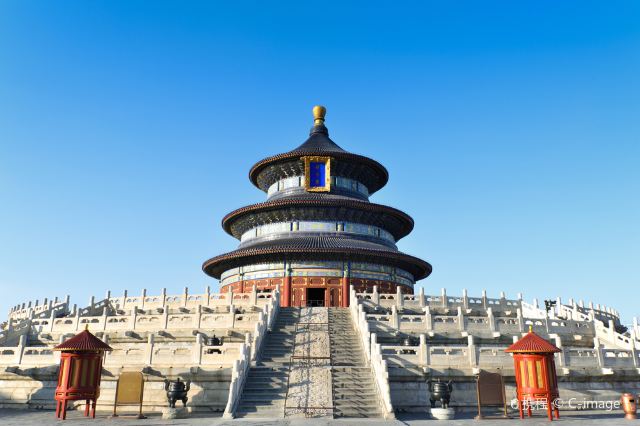
The Temple of Heaven is one of Beijing's most rewarding visits — a genuinely awe-inspiring fusion of philosophical architecture and living local culture. The Hall of Prayer for Good Harvests with its iconic blue triple roof is breathtaking, the Circular Mound Altar's acoustic tricks are fascinating, and the Echo Wall actually works (when not drowned out by crowds). But what elevates the Temple of Heaven beyond its buildings is the park itself: hundreds of ancient cypress trees, wide paved paths, and — crucially — local Beijingers using the grounds for tai chi, ballroom dancing, choral singing, fan dancing, mahjong, and erhu performances every morning. This daily display of community life amid 600-year-old imperial architecture is uniquely magical. The complex is enormous (273 hectares), so you'll walk a lot. Without a guide, the buildings look beautiful but the deep symbolism around numbers, shapes, and cosmic philosophy is largely invisible. Highly recommended for all visitors to Beijing. A guide or audio guide transforms the experience from 'pretty buildings' to 'profound understanding.'
Top Questions from Travelers
Why This Place Matters
The Temple of Heaven embodies one of China's most profound philosophical concepts: the emperor as the 'Son of Heaven' who mediates between the human and divine realms. The entire complex is designed around the principle of 'tianren heyi' (天人合一) — the unity of heaven and humanity. Circular shapes represent heaven, square shapes represent earth. The number nine (the supreme yang number) appears obsessively: 9 rings of paving stones, 9 steps on each tier, 81 (9x9) stones in the center ring. The blue glazed tiles represent heaven. Understanding that every single architectural choice encodes a philosophical message transforms the visit from sightseeing to revelation.
Need help planning?
ChinaPal handles everything
- Book English-speaking guides
- Arrange transport & tickets
- Real-time help during your visit
- Restaurant reservations nearby
Highlights
4 iconic experiences that define a visit
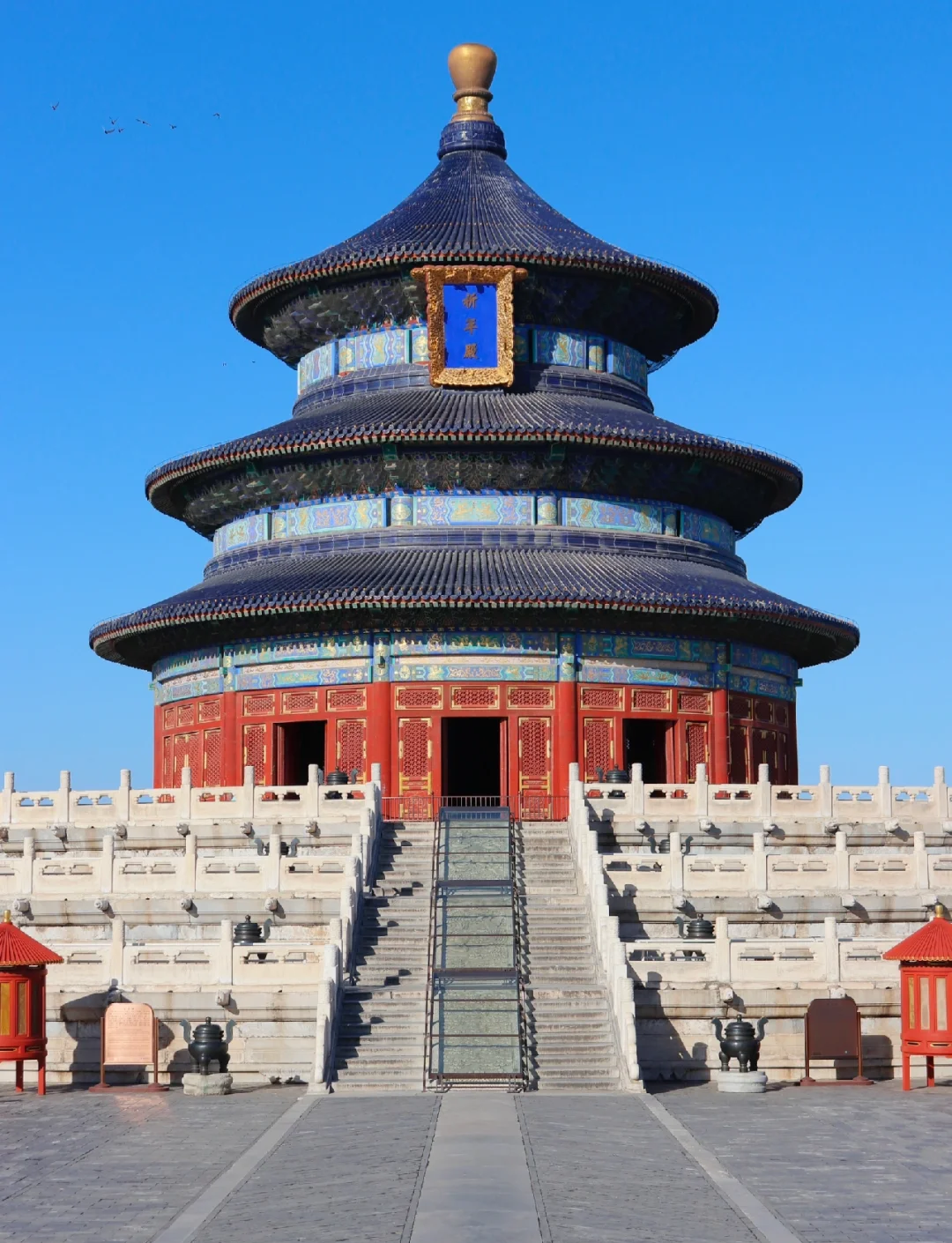
Hall of Prayer for Good Harvests (祈年殿)
The iconic triple-roofed circular hall with deep blue glazed tiles — Beijing's most recognizable silhouette after the Forbidden City. Built entirely without nails using 28 massive wooden pillars representing celestial concepts. Where emperors prayed for abundant harvests at the first lunar month.
The four central pillars represent the four seasons, the 12 middle pillars represent the 12 months, and the 12 outer pillars represent the 12 two-hour periods of the day. The entire building is a calendar and cosmological map encoded in wood — a guide makes this visible.
 Universal Appeal
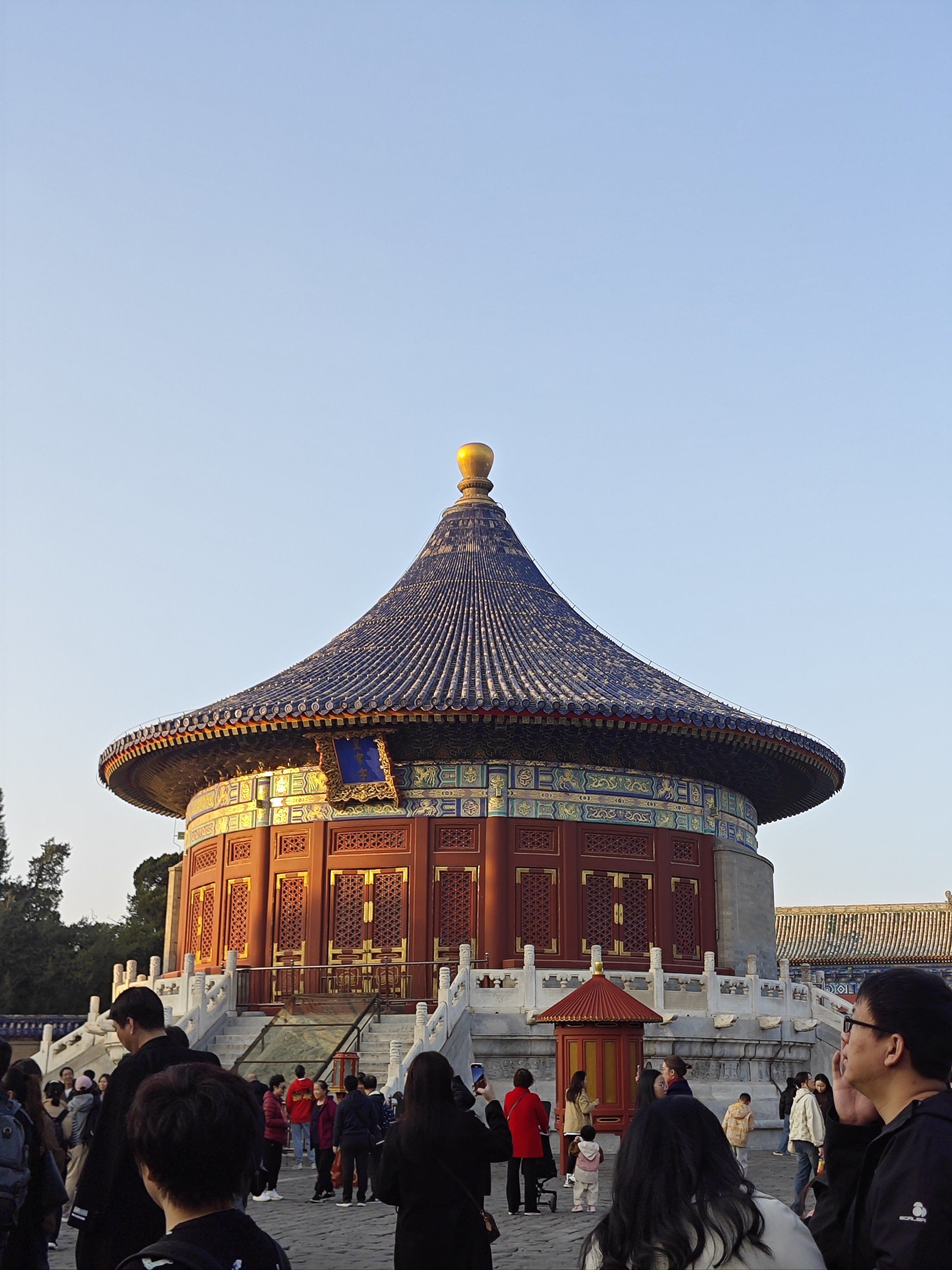
Circular Mound Altar (圜丘坛)
A three-tiered white marble platform where emperors performed the winter solstice sacrifice — the most sacred ritual in the Chinese imperial calendar....
 Universal Appeal
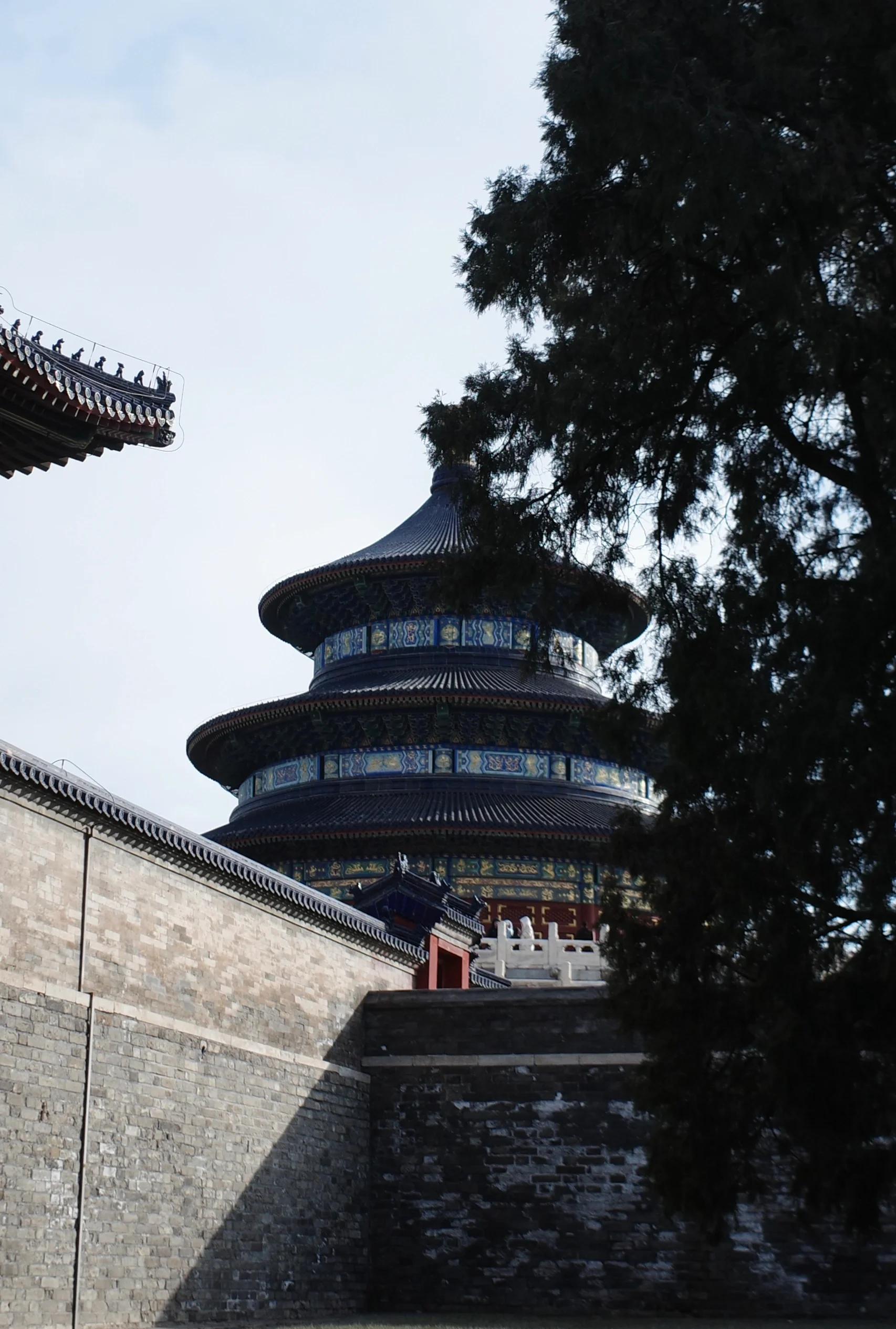
Echo Wall & Imperial Vault of Heaven (回音壁/皇穹宇)
A perfectly circular wall surrounding the Imperial Vault of Heaven that transmits whispers along its surface — speak at one end and someone at the opp...
 Universal Appeal
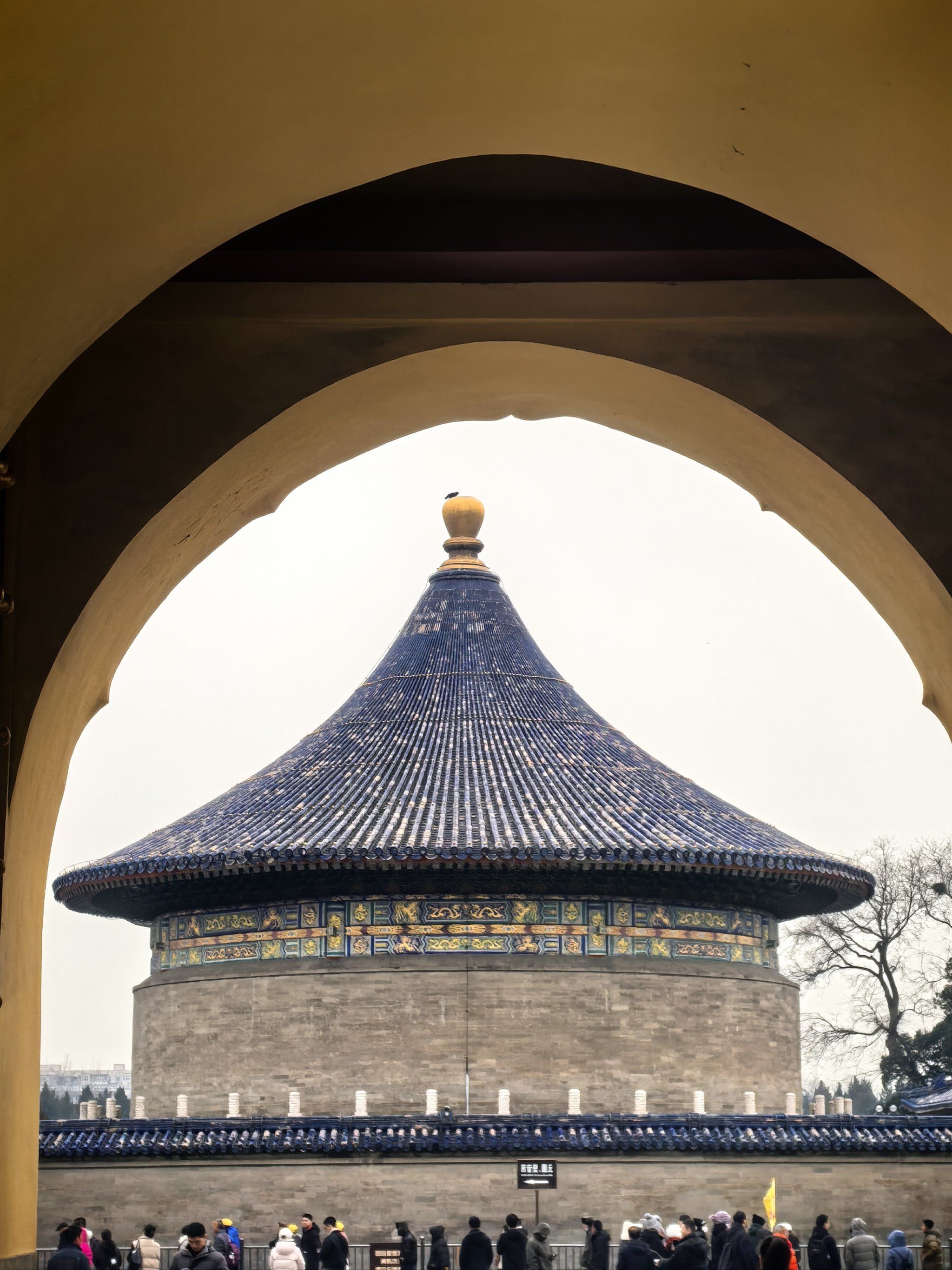
Morning Exercise Culture in the Park
Every morning between 6:00-9:00 AM, hundreds of local Beijingers fill the park paths and cypress groves with an extraordinary display of community lif...
What Most Visitors Miss
The ancient cypress grove (thousands of 500+ year old trees)
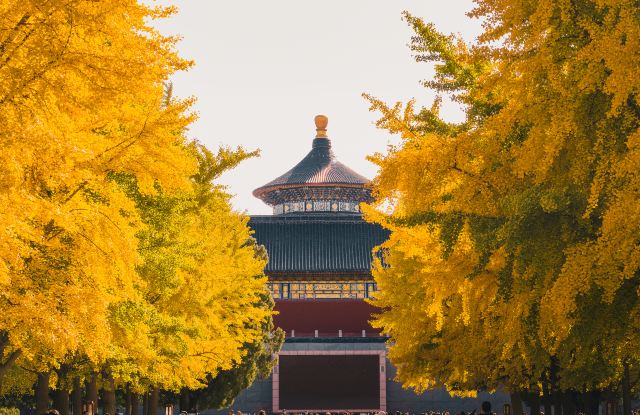
The park contains over 3,500 ancient cypress and pine trees, some over 600 years old. Walking through these towering trees along the wide stone paths is one of the most peaceful experiences in Beijing, but most visitors rush between buildings and miss the forest for the temples.
The Fasting Palace (斋宫)
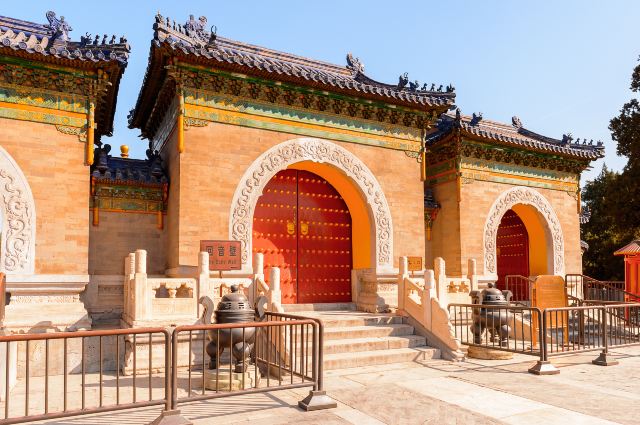
Where emperors fasted and purified themselves for three days before performing sacrificial rituals. It's included in the combo ticket but most tour groups skip it. The architecture is intimate and the exhibits explain the fasting rituals in detail.
The Danbi Bridge (丹陛桥) symbolism
The 360-meter raised walkway connecting the two main altar complexes has three parallel paths: the center was for the spirits of heaven, the east path for the emperor, and the west for ministers. Most visitors walk it without knowing they're on the 'spirit path.'
Plan Your Visit
How Long to Visit
1.5-2 hours (main buildings along the central axis: Circular Mound → Echo Wall → Hall of Prayer
all main buildings plus park exploration and watching local morning activities
Half day (arrive at 7 AM for morning exercise culture, then explore all buildings with a guide, finish with park wandering
Smart Route
Enter via the East Gate (closest to metro, less crowded)
walk to Fasting Palace first (most visitors skip this)
head to the Circular Mound Altar and Heavenly Heart Stone (arrive before crowds)
Echo Wall and Imperial Vault of Heaven
walk north along Danbi Bridge
Hall of Prayer for Good Harvests (the climax)
wander through the ancient cypress groves
exit via the West Gate or North Gate. Total: 3-4 hours.
Best Time to Visit
Arrive at 7:00-8:00 AM to catch both the local morning exercise culture (tai chi, dancing, singing groups) and then visit the buildings when they open at 8:00 AM before tour groups arrive
Mid-morning (10 AM - 12 PM) when tour groups flood the complex
By Season
Spring
brings flowering trees. Winter is cold but atmospheric with fewer tourists and possible snow.
Summer
Autumn
(September-October) offers the best weather — clear blue skies that match the blue-roofed buildings perfectly. Spring brings flowering trees.
Winter
is cold but atmospheric with fewer tourists and possible snow. Summer is hot with limited shade between buildings.
Visit on Friday or Saturday evening when the Hall of Prayer for Good Harvests is illuminated (approximately 5:30-7:30 PM) — the lit-up blue roof against the dark sky is spectacular and rarely seen by tourists.
What to Skip
The gift shops inside the complex are overpriced. The 'incense offerings' some vendors push near temple areas are not part of the actual experience. If pressed for time, the Fasting Palace is the lowest priority among the buildings.
Pro Tips
A human guide (¥200-400 for 2 hours) or audio guide (¥40) is strongly recommended — the buildings look beautiful but the numerological symbolism, color coding, and ritual significance are invisible without explanation. For the best photos of the Hall of Prayer, wear light-colored or red clothing against the blue roof and red walls. The Long Corridor on the west side of the park is where the most active morning exercise groups gather. Our concierge can also match you with a vetted English-speaking guide for the Temple of Heaven — someone who can bring the numerological symbolism to life.
Photo Spots
South approach to the Hall of Prayer for Good Harvests along the Danbi Bridge
Morning light is ideal. Center yourself on the bridge path for the symmetrical approach shot with the hall framed against the sky. Wear light or red clothing for contrast.
Circular Mound Altar from the upper tier
Early morning with low-angle light. The concentric marble rings create mesmerizing patterns. Best on a clear day with blue sky.
Ancient cypress grove paths
Morning light filtering through the 500-year-old trees. The wide paths framed by towering cypresses are atmospheric and uncrowded.
Pair With
Pearl Market (红桥市场) for shopping
5-minute walk from East Gate
Located right outside the Temple of Heaven's East Gate. A famous market for pearls, silk, souvenirs, and electronics. Good for bargaining practice after the contemplative temple visit.
Forbidden City (故宫)
20 minutes by metro or taxi
The other essential Beijing imperial attraction. The emperor would travel from the Forbidden City to the Temple of Heaven along a ceremonial route. Visit the Temple of Heaven in the morning, Forbidden City in the afternoon.
Qianmen Street (前门大街)
15 minutes by taxi or 2 metro stops
A restored commercial street with traditional Beijing shops and restaurants. Good for lunch between Temple of Heaven and Forbidden City visits. The old Qianmen Gate area connects the two.
Tickets & Access
Park entrance only
Access to grounds and trees only — cannot enter any buildings
Combo ticket (strongly recommended)
Includes park + Hall of Prayer, Circular Mound, Echo Wall, and Fasting Palace
Audio guide
Available at all gates in multiple languages including English
Opening Hours
Park: April-October 6:00 AM - 10:00 PM; November-March 6:30 AM - 10:00 PM (entry stops at 9:00 PM). Buildings: 8:00 AM - 5:00/6:00 PM depending on season. Buildings closed Mondays (except holidays and Jul 15 - Aug 31).
How to Buy
Official 'Tiantan Park' WeChat mini-program — enter passport number, select combo ticket, pay via WeChat Pay. QR code generated for gate scanning. Alternative: Trip.com or Klook for guided tours that include entry. Some visitors report success at on-site ticket machines with passport. If the WeChat booking process is driving you crazy, message our concierge team — we can book your combo tickets using your passport number and send you the QR code.
Passport: Yes — foreigners aged 60+ with passport get free entry. Children under 18 with valid ID enter free. Standard adult foreigners use passport number for digital booking.
Queue Situation
Gate entry is quick with QR code scan (2-5 minutes). The Hall of Prayer for Good Harvests can have 15-30 minute queues in peak season to enter the viewing area. The Echo Wall gets crowded but moves steadily. Arrive before 9 AM to avoid tour group congestion.
Tips & Warnings
The combo ticket is essential — the basic ticket is nearly useless
The ¥15 basic ticket only lets you into the park grounds. You cannot enter ANY of the historical buildings (Hall of Prayer, Circular Mound, Echo Wall) without the combo ticket (¥34). Always buy the combo ticket.
Buildings are closed on Mondays
The park itself remains open on Mondays, but all historical buildings are closed. If you only have Monday, you can still enjoy the park, morning exercise culture, and cypress groves, but cannot enter the main attractions.
Digital booking is mandatory and confusing for foreigners
The WeChat mini-program booking process requires navigating Chinese-language interfaces. Have a Chinese-speaking friend help, or book through Trip.com/Klook instead. Some visitors have succeeded at the on-site ticket machines using passport, but this is not guaranteed. Our team handles this booking for travelers daily — just send us your passport details and preferred date, and we will sort it out.
The complex is much larger than expected
At 273 hectares (four times the Forbidden City), you'll easily walk 3-5 km. Wear comfortable shoes. Budget 3+ hours. Don't underestimate the distance between major buildings.
What to Bring
Wear
Comfortable walking shoes (3-5 km of walking). Light-colored or red clothing photographs beautifully against the blue roofs and red walls. Layers in spring/autumn. Sun protection in summer (limited shade between buildings). Warm clothing in winter.
Bring
Physical passport. Phone with QR code ticket. Water bottle (limited vendors inside). Audio guide deposit (¥100 cash). Comfortable shoes. Sun protection in summer. If you realize you have left your passport at the hotel, message us before panicking — we may be able to help you sort out entry with on-site staff.
Don't Bring
Large bags (security screening at gates). Drones (prohibited). Loud speakers (disruptive to the park atmosphere).
Physical Reality
moderate
Mostly flat walking on wide paved paths, but the sheer scale (273 hectares) means extensive walking. The Circular Mound Altar has steps but also ramp access. The Hall of Prayer area is elevated with some steps. Wheelchair accessible on main paths.
Foreigners Watch Out
- Booking tickets requires WeChat mini-program with passport number — this is a genuine obstacle for foreigners. If you can't navigate it, book a guided tour through Trip.com or Klook that includes entry, or ask your hotel to help book.
- Bring your physical passport — it may be checked at the gate along with your QR code.
- The Echo Wall acoustic effect requires quiet conditions that rarely exist during peak hours. Visit at 8 AM opening for the best chance to actually hear the whisper transmission.
- Guides hanging around the entrance offer informal tours — negotiate price before starting (expect ¥200-400 for 2 hours). Some speak English; confirm language ability first.
- The park is safe and well-patrolled. The main annoyance is tour groups with megaphone-wielding guides — stay ahead of or behind the group waves.
If Things Go Wrong
Can't book tickets through WeChat mini-program
→ Try the on-site ticket machines at any gate — insert passport and follow the prompts. Alternatively, ask a Chinese-speaking person nearby to help you book via WeChat.
Arrived on Monday and buildings are closed
→ The park itself is still open and worth visiting for the ancient cypress groves, morning exercise culture, and the exterior views of the buildings (you can see the Hall of Prayer from outside the fence).
Too crowded to experience the Echo Wall
→ Return very early the next morning — the first 30 minutes after the 8 AM opening are the quietest. The echo effect works best with fewer than 10 people in the enclosure.
Useful Chinese
Tap to reveal the English meaning