About Simatai Great Wall
“Raw, ancient, and genuinely awe-inspiring — scrambling over 600-year-old stone on a precipitous mountain ridge, feeling the weight of history in every weathered brick, with nothing but wild mountains and empty sky in every direction.”
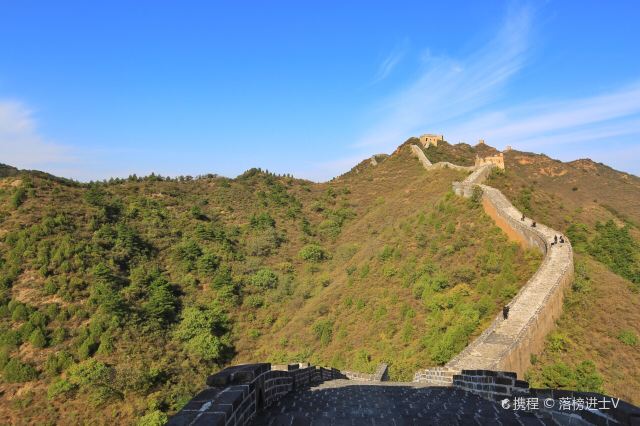
Simatai Great Wall is widely considered the most authentic and dramatic Great Wall section accessible from Beijing. Stretching 5.4 kilometers with 35 original watchtowers, it was designated by UNESCO as the 'Original Great Wall' because it has never been restored — the weathered stone, crumbling battlements, and wild terrain are exactly as time left them. The wall is famous for five characteristics: xian (precipitous), mi (dense watchtowers), qi (unusual), qiao (ingenious construction), and quan (complete variety of architectural forms). The eastern section features the terrifying 'Heavenly Staircase' at an 85-degree incline, and the Wangjing Tower at 986 meters is the highest point on the entire Great Wall. Simatai is also the only Great Wall section open for night tours, with dramatic lighting that illuminates the wall against the dark mountains. Honest downsides: access is controlled through Gubei Water Town, meaning you must pay the water town entrance fee or stay at a water town hotel to reach the wall. Only 10 of the 35 watchtowers are open to visitors. The wall is genuinely steep and physically demanding — this is not a casual stroll. Advance online booking is mandatory with limited daily capacity. The 2.5-hour drive from Beijing makes it a full-day commitment. But for those seeking the real, raw Great Wall experience without the Badaling tourist circus, Simatai is unmatched.
Top Questions from Travelers
Why This Place Matters
Simatai Great Wall was built during the Ming Dynasty (1373) on the foundations of earlier Northern Qi fortifications. General Qi Jiguang, the legendary military commander, renovated the wall and its watchtowers in the late 16th century. The wall served as a critical defensive position guarding the Gubeikou Pass, one of the primary invasion routes to Beijing from the north. The 1933 Battle of the Great Wall saw Chinese troops making a heroic stand against Japanese forces at this very location. In 1987, UNESCO designated Simatai as a World Heritage Site and specifically noted it as the 'Original Great Wall' due to its unrestored condition. The British Times newspaper ranked it as number one on its list of 25 must-visit global destinations in 2012. The wall's five famous characteristics — precipitous, dense, unusual, ingenious, and complete — make it an architectural encyclopedia of Ming Dynasty military construction.
Need help planning?
ChinaPal handles everything
- Book English-speaking guides
- Arrange transport & tickets
- Real-time help during your visit
- Restaurant reservations nearby
Highlights
3 iconic experiences that define a visit
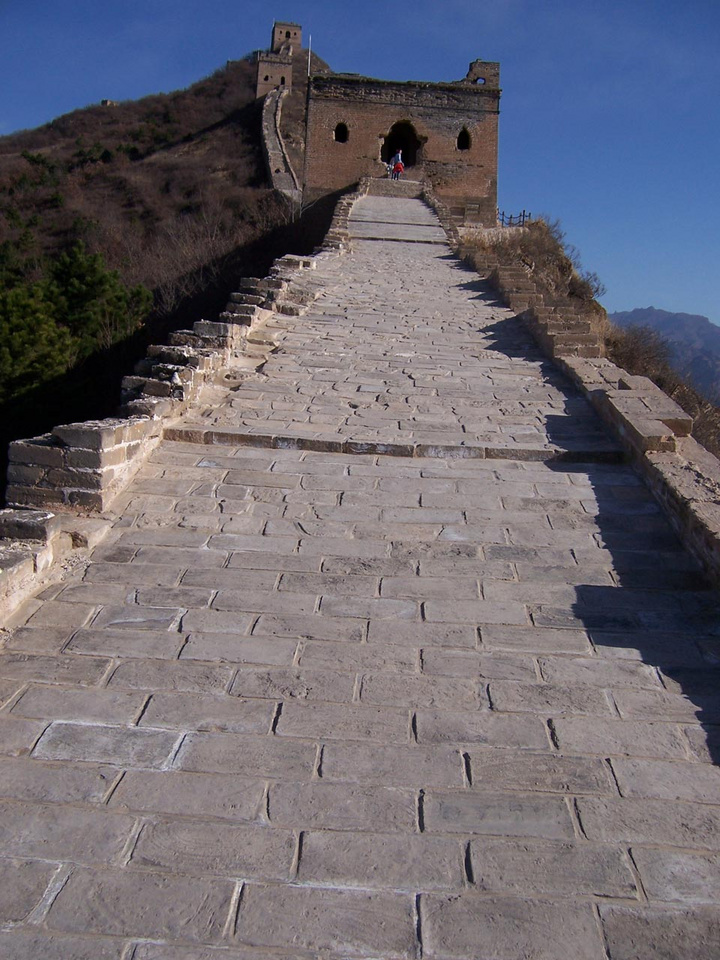
The Unrestored Wall Experience
Walking on Simatai's original Ming Dynasty wall surface is a visceral connection to history. The weathered stone, crumbling battlements, wild vegetation growing through cracks, and absence of modern additions create an atmosphere of authentic antiquity that restored sections cannot match.
This is the Great Wall experience that history enthusiasts and photographers dream of — raw, real, and untouched. The contrast with the over-restored Badaling is striking.
 Universal Appeal
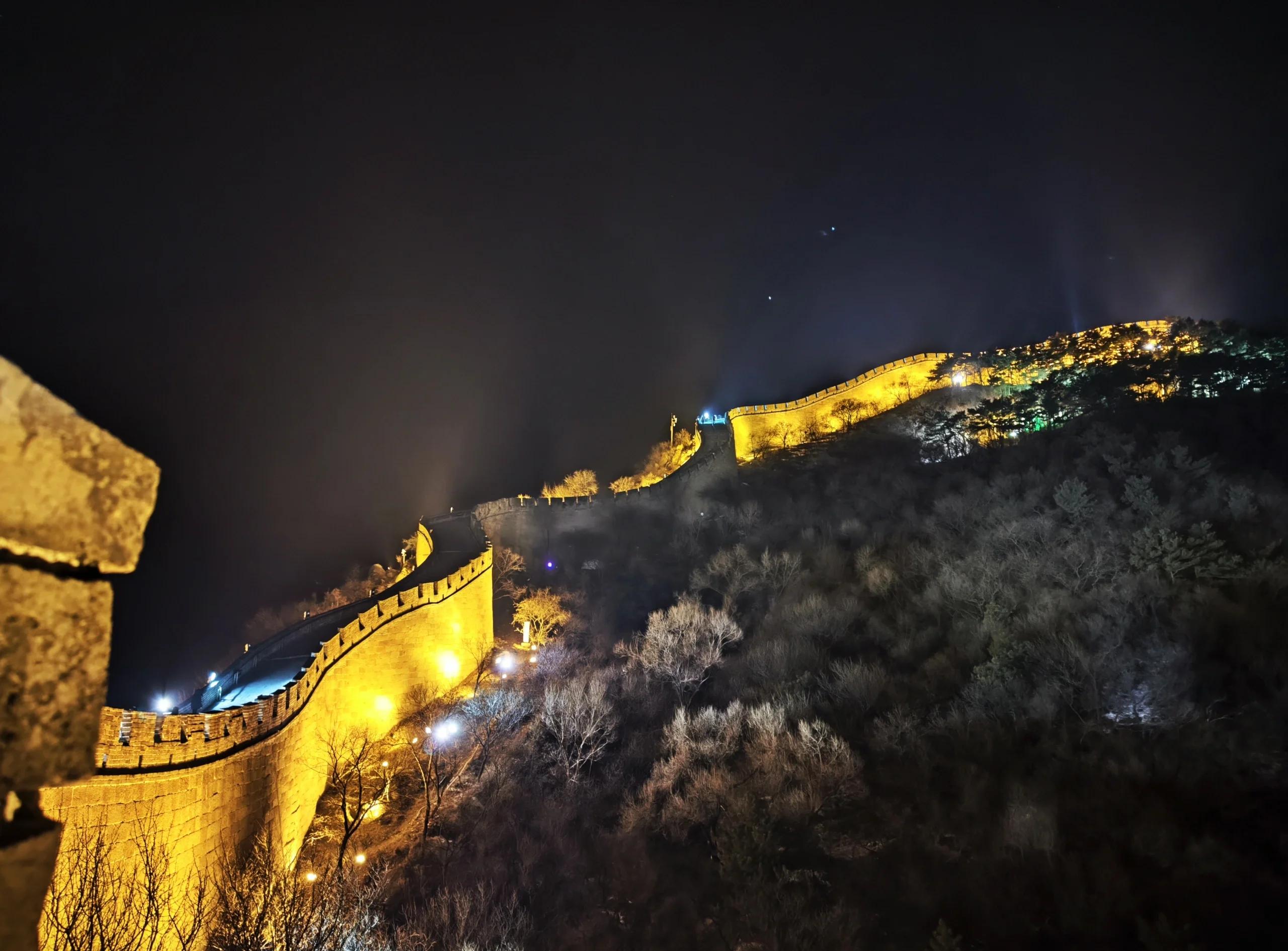
The Night Tour
Simatai is the only Great Wall section in China open at night. The wall is dramatically lit, creating the illusion of a glowing dragon crawling across...
 Universal Appeal
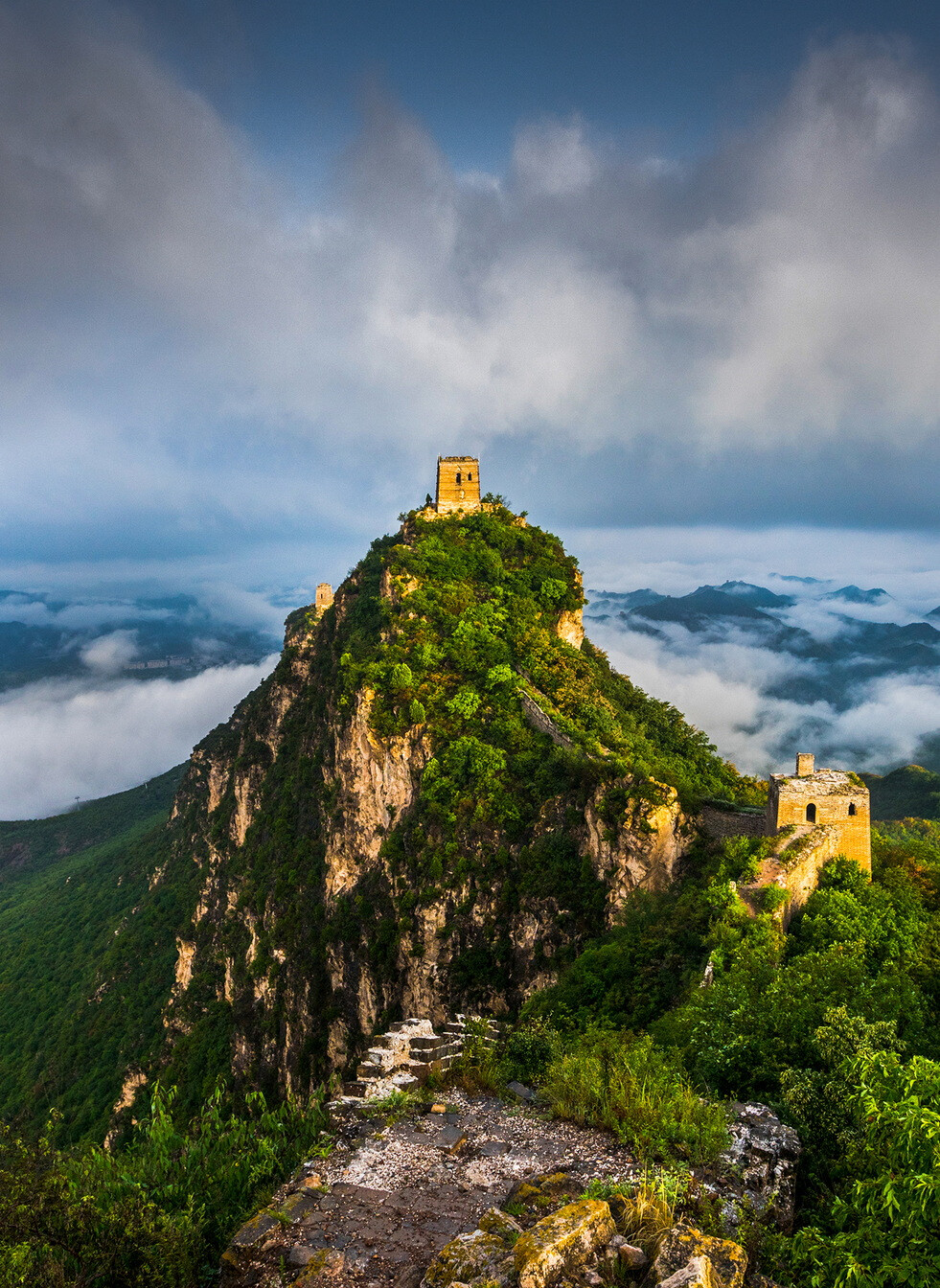
Wangjing Tower (望京楼)
At 986 meters, Wangjing Tower is the highest point on the entire Great Wall. On clear days, Beijing is reportedly visible in the distance (hence the n...
What Most Visitors Miss
Walking down instead of taking the cable car
The descent trail offers completely different views of the wall and surrounding mountains. It takes about 45-60 minutes and is not strenuous going downhill. Most visitors take the cable car both ways and miss these perspectives.
The Yuanyang Lake (Mandarin Duck Lake) at the base
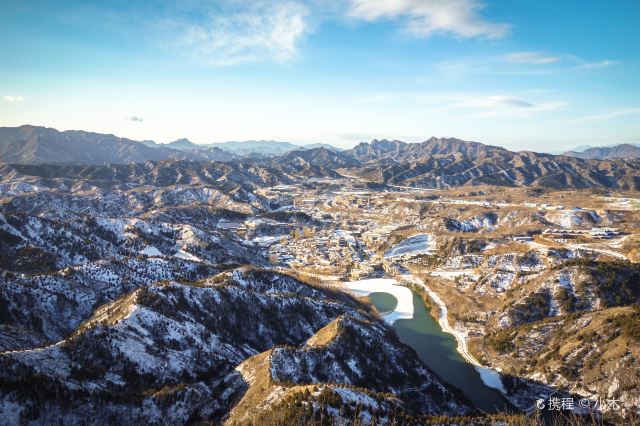
The reservoir at the foot of the wall where the eastern and western sections meet is beautiful and serene. Few visitors explore this area, which offers unique upward views of the wall reflected in the water.
Plan Your Visit
How Long to Visit
cable car up, walk towers 5-10, cable car down — covers the highlights but feels rushed
cable car up, hike along the wall, walk down on foot for different perspectives, allow time for photography
Full day or overnight (day hike + evening night tour, combined with Gubei Water Town exploration
Smart Route
Book tickets online 2-3 days in advance. Choose the 10:00 AM entry batch. Enter Gubei Water Town, take the free shuttle bus to the Great Wall entrance. Take the cable car up (130 RMB). Walk from tower 5 eastward to tower 10 (the steep section), then back to tower 5. Walk down on foot instead of taking the cable car for different views. Total time on the wall: 3-4 hours. Return to the water town for the night scene.
Best Time to Visit
For day visits, arrive by 10 AM for the best morning light on the wall and smaller crowds
Midday in summer (extremely hot with no shade on the wall)
By Season
Spring
is pleasant with wildflowers. Summer is very hot.
Summer
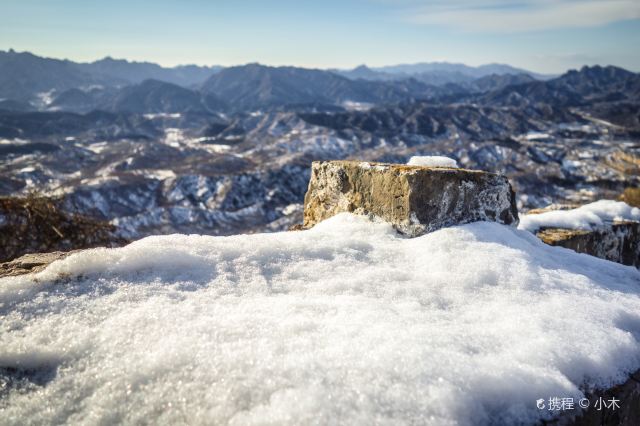
is very hot. Winter offers dramatic snow-covered wall photos but extreme cold and icy conditions make the steep sections dangerous.
Autumn
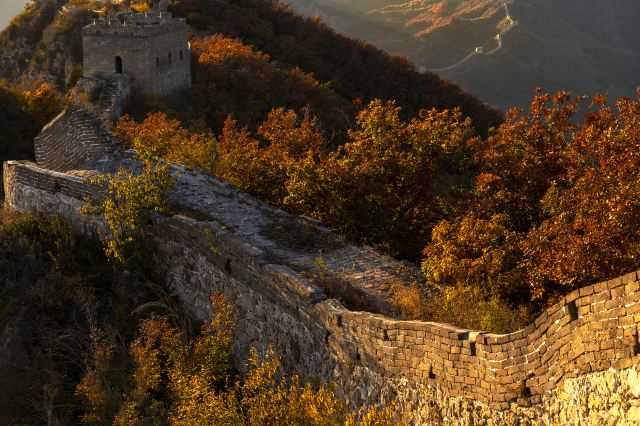
(September-November) is ideal — clear skies, comfortable hiking temperatures, and stunning foliage on the surrounding mountains. Spring is pleasant with wildflowers.
Winter
The autumn red leaves against the gray stone of the unrestored wall make for the most spectacular photography. Book tickets 3-4 days in advance during October.
What to Skip
Do not attempt to climb beyond the open section (past tower 10) — it is closed for safety reasons and the terrain is genuinely dangerous. Skip the cable car down if you are reasonably fit — the walk down is scenic and easy.
Pro Tips
Bring more water than you think you need — there is nowhere to buy anything once on the wall. Take the 14:00 entry batch if you want to combine a late afternoon hike with watching the sunset from the wall, then the night tour after descending.
Photo Spots
Between towers 5 and 8 — looking east along the wall ridge
The classic Great Wall photograph — the wall snaking across mountain ridges with watchtowers at regular intervals. Morning light (before noon) illuminates the eastern face beautifully.
Night tour cable car — descending with lit wall behind
As the cable car descends, turn around to photograph the illuminated wall stretching across the dark mountains. The moving cable car requires a steady hand or high ISO.
Yuanyang Lake — wall reflected in water
Early morning or late afternoon light creates the best reflections. The reservoir at the base of the wall offers an unusual downward perspective of the wall on the ridge above.
Pair With
Gubei Water Town (古北水镇)
10 minutes by shuttle bus from the water town to the wall entrance
Directly adjacent — you must pass through the water town to reach the wall. The combination of Great Wall hiking and water town night scene makes for an ideal overnight trip.
Jinshanling Great Wall (金山岭长城)
30-40 minutes by car
Another scenic, semi-wild Great Wall section about 25 km west. Popular for the classic sunrise photography with dense watchtowers stretching to the horizon.
Tickets & Access
Simatai Great Wall ticket
Must be booked online at least one day in advance
Cable car one-way
Recommended going up; walk down for views and exercise
Cable car round-trip
Best for those with limited mobility or energy
Gubei Water Town admission (required)
Mandatory — the Great Wall is only accessible through the water town
Opening Hours
Day: 09:00-17:00 (last entry 15:00). Night (May-Oct): 18:00-22:40. Night (Nov-Apr weekdays): 17:30-20:10. Night (Nov-Apr weekends): 17:30-20:40.
How to Buy
Official Gubei Water Town WeChat mini-program, Trip.com, or Klook. Select your preferred entry batch time (10:00, 12:00, or 14:00 for day tours). The WeChat booking system is Chinese-only, so Trip.com or Klook are easier for foreigners. Our concierge team can also handle the booking — just send us your preferred date and time slot.
Passport: Yes — foreigners can book online using passport numbers and enter with their physical passport.
Queue Situation
Entry is controlled by time slots, so there is no significant queuing. The cable car can have 15-30 minute waits during peak times.
Tips & Warnings
The wall is genuinely steep and physically demanding
This is NOT a casual tourist walkway like Badaling. Some sections have 70-85 degree inclines. Wear proper hiking shoes with grip. Do not attempt in rain, snow, or ice. People with fear of heights should be cautious.
Advance booking is mandatory — you cannot buy tickets on the day
Book at least one day ahead. During peak seasons (autumn, holidays), book 3-5 days in advance. Daily visitor numbers are strictly capped.
You must go through Gubei Water Town
There is no separate entrance to Simatai Great Wall. Budget for the water town admission (140 RMB or 80 RMB) on top of the wall ticket (40 RMB). The total cost can add up quickly with the cable car.
What to Bring
Wear
Sturdy hiking shoes with good ankle support and grip — non-negotiable. Layers appropriate to the season. Hat and sunscreen in summer. Windproof jacket — the wall is exposed and windy.
Bring
At least 1 liter of water per person. Snacks. Camera. Sunscreen. Hiking poles if you have them (helpful on steep sections). Cash for cable car if Alipay/WeChat issues arise.
Don't Bring
High heels, sandals, or slippery-soled shoes. Large backpacks. Umbrellas (too windy).
Physical Reality
high
The wall features extremely steep sections with 70-85 degree inclines at the 'Heavenly Staircase.' The cable car eliminates the initial climb, but walking along the wall itself requires good fitness, balance, and comfort with heights. Narrow sections, no handrails in most areas, and uneven stone surfaces.
Foreigners Watch Out
- You MUST book online in advance — no walk-up tickets available. Use Trip.com or Klook for English-language booking.
- The wall surface is rough and uneven — ankle injuries are common. Wear proper hiking shoes, not sandals or dress shoes.
- There are no facilities (toilets, shops, water) on the wall itself. Use facilities at the base before ascending.
- The cable car closes at set times — check the schedule to avoid being stranded on the wall. If you're unsure about timing or logistics, drop our concierge team a message and we can walk you through the schedule for your specific visit day.
If Things Go Wrong
Weather turns bad while on the wall
→ Descend immediately — the unrestored wall becomes very slippery when wet. Head to the nearest watchtower for temporary shelter, then make your way down carefully.
Physical exhaustion on the steep sections
→ Rest in any watchtower — they provide shade and wind shelter. Take your time. There is no requirement to reach the highest tower.
Useful Chinese
Tap to reveal the English meaning