About National Museum of China
“Monumental, awe-inspiring, and deeply educational — like walking through a 3D history textbook the size of an airport terminal, surrounded by priceless national treasures.”
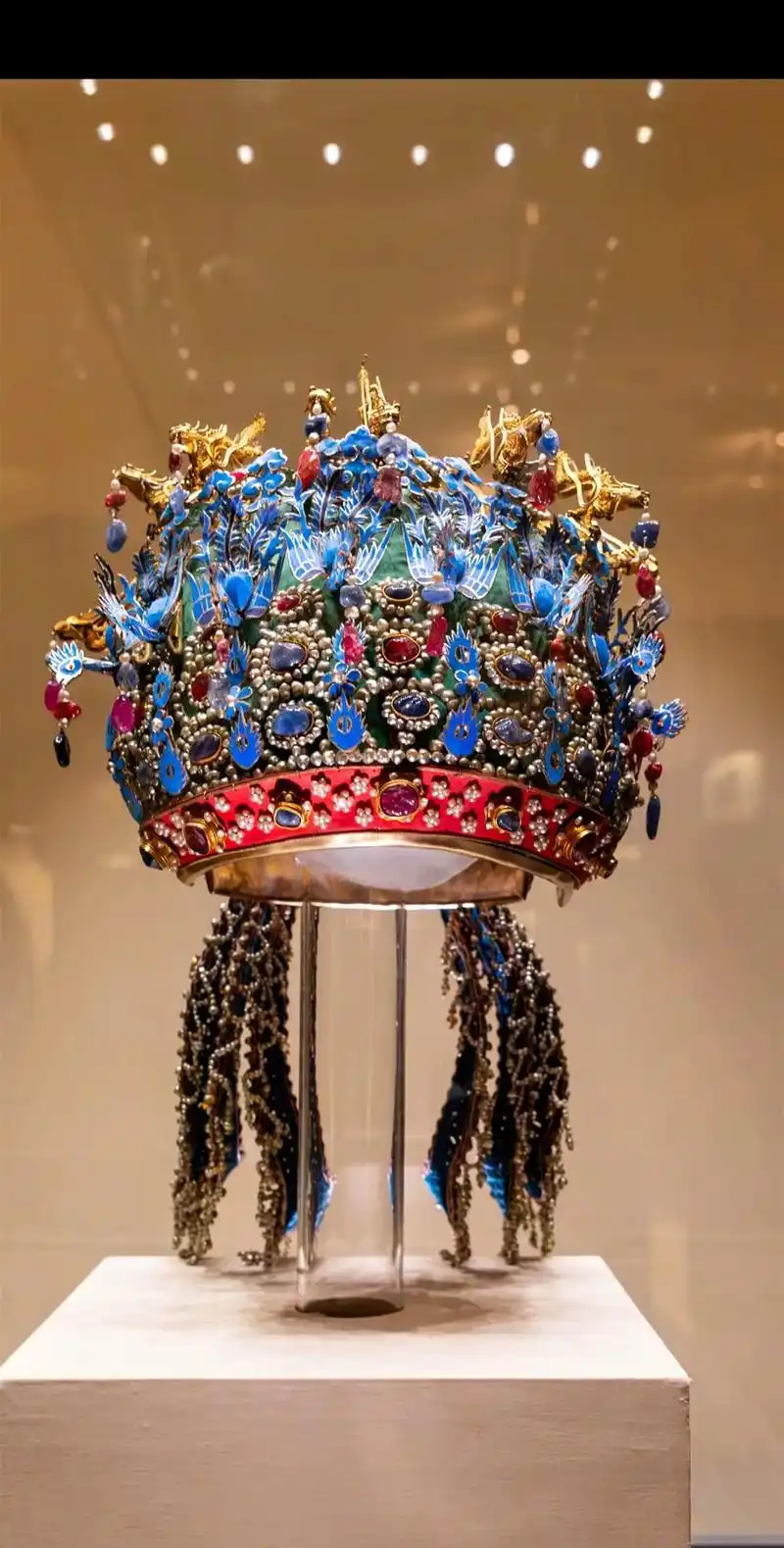
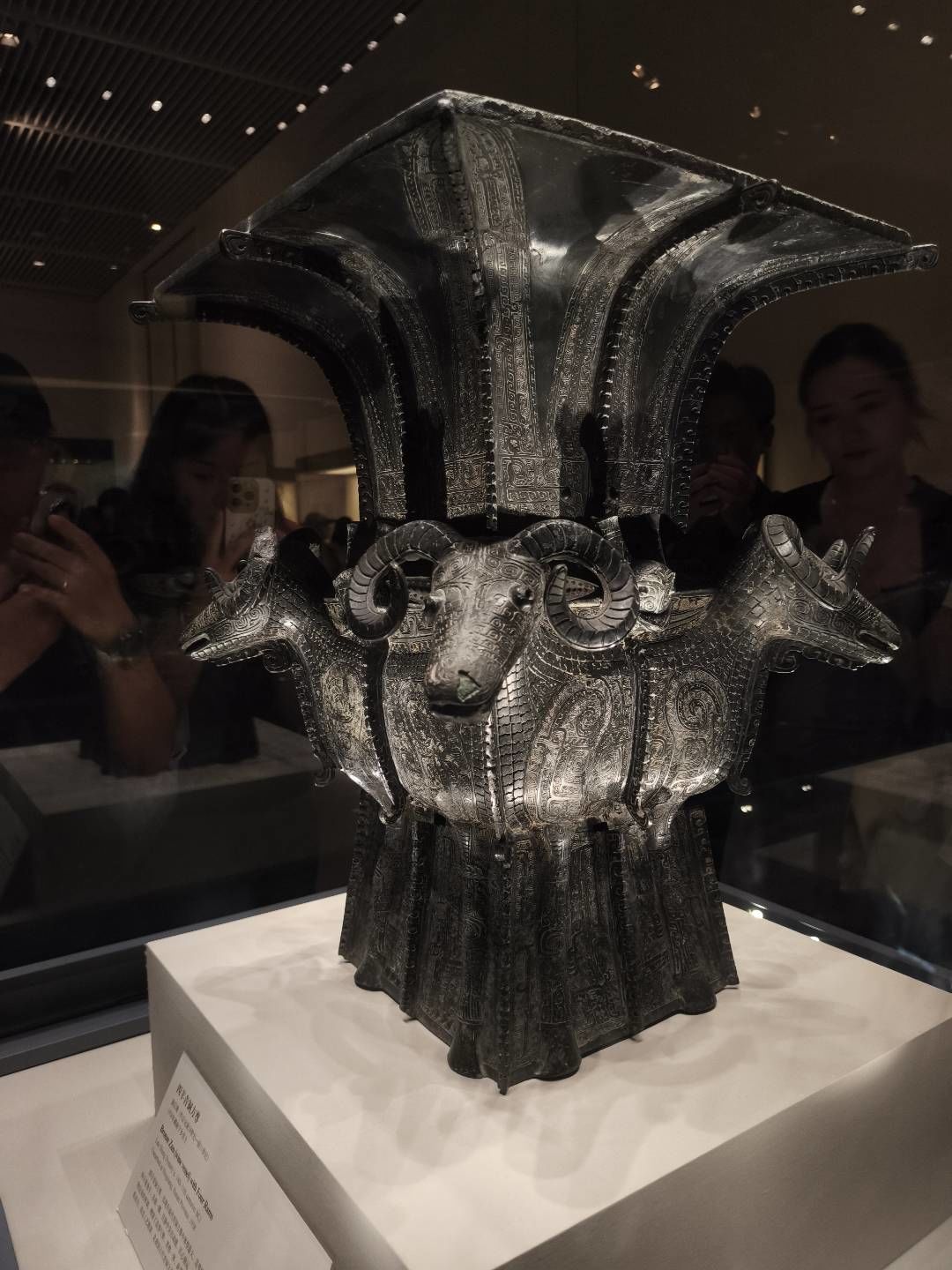
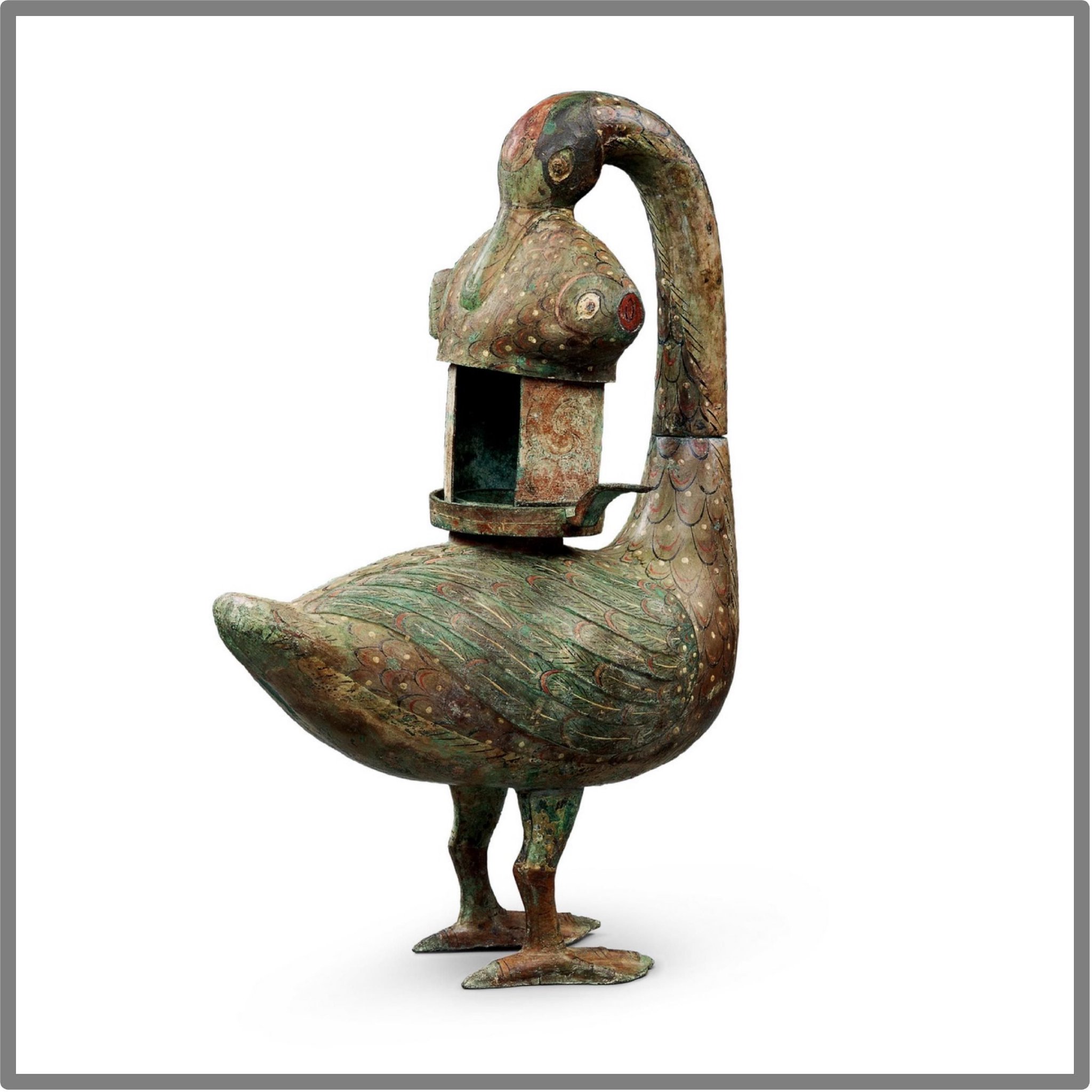
The National Museum of China is staggering in scope — it holds practically every major artifact you studied in Chinese history class, and seeing them in person genuinely hits different. The Ancient China permanent exhibition in the basement is the crown jewel: a chronological walk through 8,000 years of civilization with bronzes, jade, ceramics, calligraphy, and imperial treasures that would each be the centerpiece of a lesser museum. The undisputed star is the Empress Xiaoduan's Nine Dragon Nine Phoenix Crown (valued at ¥1.3 billion), which is the only exhibit with a permanent queue. The Simuwu Ding, Four-Ram Bronze Vessel, Hongshan Jade Dragon, and painted Yan Fish Copper Lamp are all here. The building is enormous — you cannot see everything in one day, and trying will leave you exhausted and overwhelmed. Reviewers consistently say to focus on Ancient China plus one or two temporary exhibitions. The main frustrations: tickets are extremely hard to get (it's like booking a concert), security queues are brutal on weekends, the building's sheer size is tiring, and some galleries are Chinese-only. But for anyone with even passing interest in history, this is one of the most important museums in the world, and the price (free) makes it almost irresponsible to skip.
Top Questions from Travelers
Why This Place Matters
The National Museum of China sits on the east side of Tiananmen Square, directly facing the Great Hall of the People — a deliberate architectural statement placing China's cultural heritage across from its political power. The museum was created in 2003 by merging two institutions: the Museum of Chinese History and the Museum of the Chinese Revolution. Its collection of over one million artifacts represents the official narrative of Chinese civilization — from Neolithic origins through imperial dynasties to the modern era. For Chinese visitors, this museum is deeply patriotic: seeing the Simuwu Ding or the Four-Ram Vessel in person is like an American seeing the Constitution. The recent ticket scarcity has actually increased its cultural cachet — 'I got into Guóbó' has become a social media badge of honor, and the Nine Dragon Phoenix Crown queue has its own fandom culture, with visitors posing with crown-themed merchandise.
Need help planning?
ChinaPal handles everything
- Book English-speaking guides
- Arrange transport & tickets
- Real-time help during your visit
- Restaurant reservations nearby
Highlights
5 iconic experiences that define a visit
Ancient China Exhibition (古代中国)
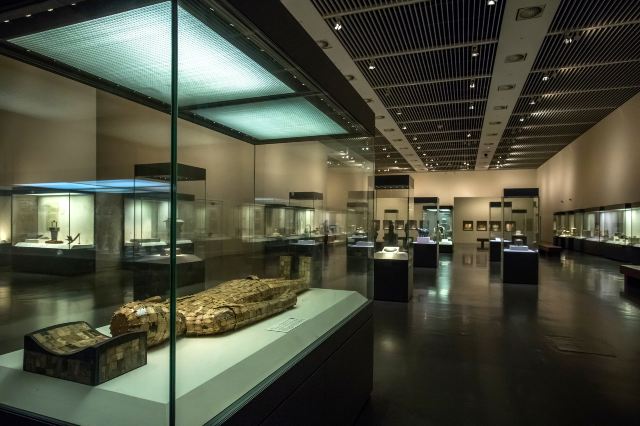
The museum's masterpiece — a chronological journey through 8,000 years of Chinese civilization across the basement level. Bronze ritual vessels, jade carvings, Tang dynasty pottery, Song ceramics, Ming porcelain, and imperial treasures are displayed in context. This single exhibition would justify a standalone museum.
Most major exhibits have English descriptions. This is the single best crash course in Chinese history and material culture — everything from oracle bones to imperial seals, arranged so the story unfolds as you walk.
 Universal Appeal
Empress Xiaoduan's Nine Dragon Nine Phoenix Crown (九龙九凤冠)
The museum's most popular single artifact — a Ming dynasty imperial crown valued at an estimated ¥1.3 billion, encrusted with 115 rubies, 4,414 pearls...
 Universal Appeal
Four-Ram Bronze Vessel (四羊方尊)
A Shang dynasty bronze ritual vessel (c. 1300 BCE) featuring four rams at the corners, considered the finest example of ancient Chinese bronze casting...
 Universal Appeal
Painted Yan Fish Bronze Lamp (彩绘雁鱼青铜釭灯)
A Western Han dynasty bronze lamp in the shape of a goose holding a fish, which doubles as an ingenious ancient air purifier — the smoke from the lamp...
 Culturally Interesting
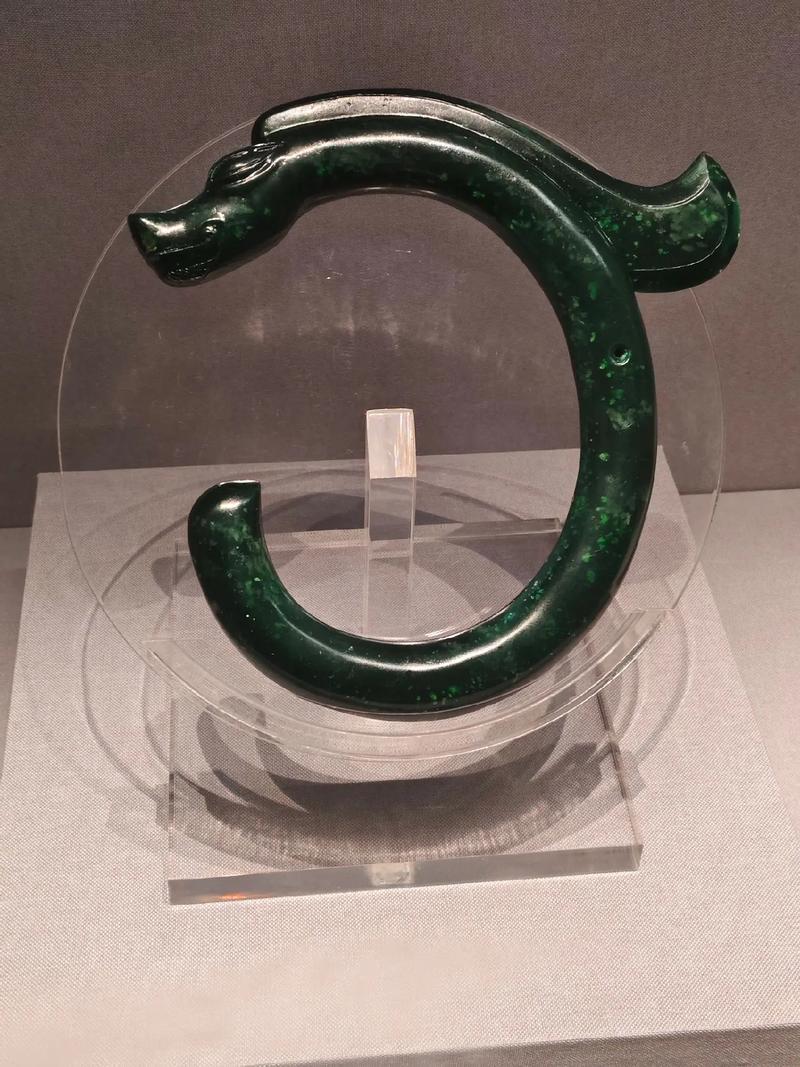
Hongshan Jade Dragon (红山玉龙)
A 5,000-year-old C-shaped jade dragon from the Neolithic Hongshan culture, considered one of the earliest dragon artifacts in Chinese civilization. It...
What Most Visitors Miss
The ceramics and jade galleries in the basement
Visitors often exhaust themselves on the Ancient China main hall and skip the specialized ceramics and jade galleries nearby. The porcelain collection spans Chinese pottery history and rivals dedicated ceramics museums — visually stunning even without expertise.
The museum building itself as a historical artifact
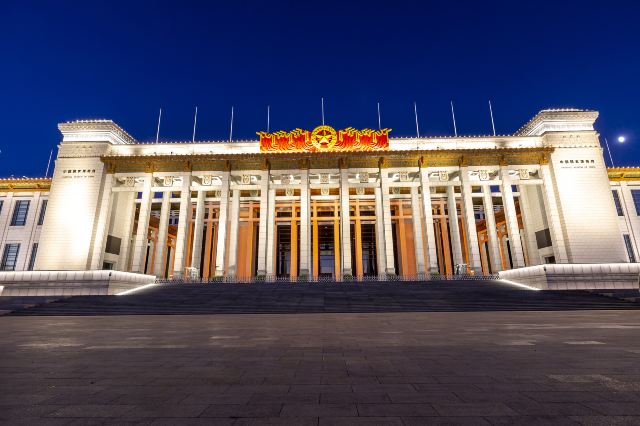
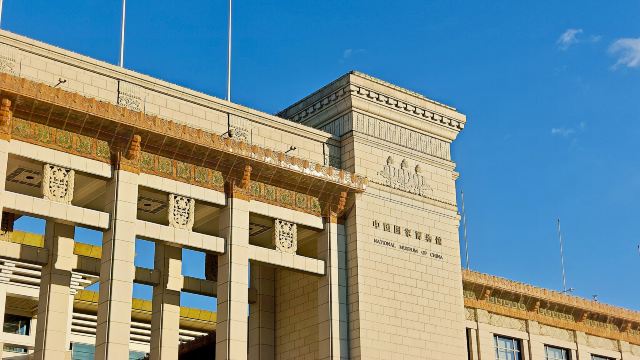
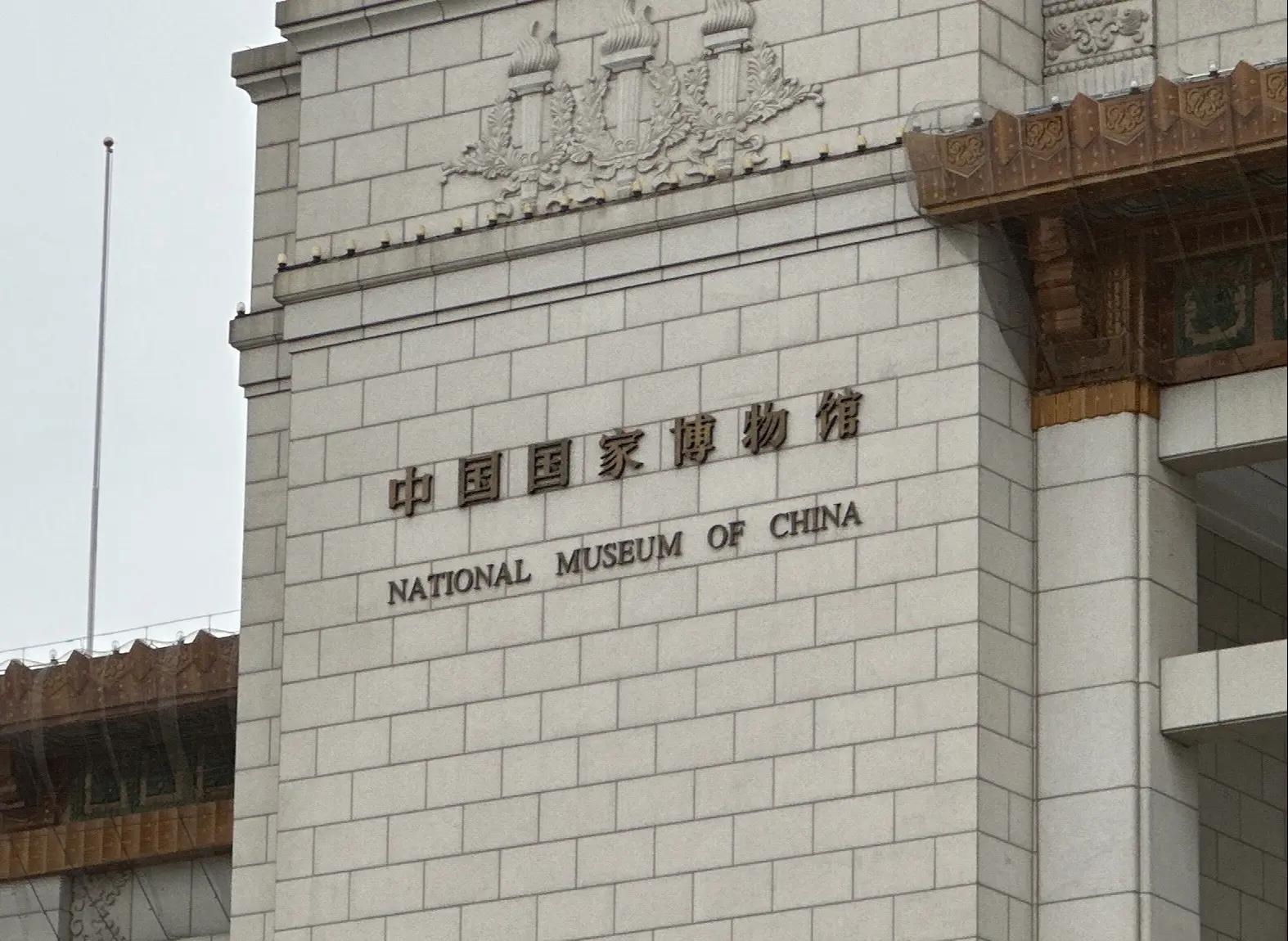
The building's facade dates to 1959 and features Greco-Roman columns topped with traditional Chinese glazed tile roofing — a deliberate fusion of East and West. The original facade is preserved as a cultural relic. Most visitors walk right past it.
The creative merchandise and ice cream at the café
The museum's gift shop has surprisingly high-quality cultural merchandise — 'One Black Horse' IP products, bronze-themed fridge magnets, and museum-exclusive items. The café on the first floor sells photogenic museum-branded ice cream. Both are at the north end of the ground floor.
Plan Your Visit
How Long to Visit
Ancient China highlights only — you'll see the major treasures but miss the depth
Ancient China thoroughly plus one temporary exhibition and the gift shop
or multiple visits (reviewers consistently say one day isn't enough; the annual pass approach works for Beijing residents
Smart Route
Enter and go directly to the basement for the Ancient China exhibition (start with the earliest dynasties)
work chronologically forward through 2-3 hours
come up and queue for the Nine Dragon Nine Phoenix Crown (if the line is short)
browse one temporary exhibition that interests you
visit the gift shop and café on the ground floor
exit south toward Tiananmen Square for the flag-lowering ceremony if timing aligns.
Best Time to Visit
Arrive right at 9:00 AM opening to beat the crowds
Weekend mornings (10 AM–2 PM) and any Chinese public holiday — one reviewer described the entrance queue as '30,000 people in a mosh pit
By Season
Spring
Summer
(June-October) has extended hours until 5:30 PM. Winter hours end at 5:00 PM.
Autumn
Winter
hours end at 5:00 PM. Air conditioning inside makes it a great summer escape from Beijing's heat.
Visit on a Tuesday or Wednesday morning in a non-holiday period for the thinnest crowds. If you can't get free tickets, buy a paid temporary exhibition ticket — it guarantees entry at your chosen time and you can still see all the free permanent galleries.
What to Skip
Don't try to see everything — this is the most common mistake. The Revolution and Modern China galleries are primarily text-heavy and Chinese-language, making them less accessible to foreigners. The smaller paid temporary exhibitions are hit-or-miss — check what's currently showing before buying. Some reviewers felt certain paid shows (like immersive light experiences) were overpriced for the content.
Pro Tips
If free tickets are sold out, buy any paid temporary exhibition ticket — it includes general museum access and often has a faster entry line. Hire a guide through Ctrip or Klook; reviewers consistently say guides transform the experience from 'looking at old stuff' to 'understanding civilization.' The museum is enormous — download the floor map from the official website before visiting. Our concierge team can also arrange an English-speaking guide matched to your interests and schedule.
Photo Spots
In front of the Nine Dragon Nine Phoenix Crown display case
Queue early (before 10 AM) or late (after 4 PM) for the front-and-center position. You can photograph from the side without queuing, but the direct front view is the most impressive.
The museum's main entrance colonnade
Stand at the base of the massive columns and shoot upward for a dramatic architectural perspective. Early morning light is best.
The Ancient China exhibition hall entrance
The hall is dramatically lit with spotlighted bronze vessels against dark backgrounds. Use your phone's night mode without flash for atmospheric shots.
The museum exterior with Tiananmen Square
Cross to the center of Tiananmen Square and shoot back toward the museum to capture its full facade with the Chinese flag in the foreground.
Pair With
Tiananmen Square (天安门广场)
0 minutes — immediately outside the museum entrance
Directly adjacent — you'll walk through or past it to reach the museum. Time your museum exit to catch the flag-lowering ceremony at sunset. The square requires a separate security booking but is free.
Forbidden City (故宫博物院)
10-minute walk north
Just north across Chang'an Avenue. After seeing artifacts in the museum, walking through the palace where many of them were used creates a powerful connection. Book tickets separately — both sell out fast.
Wangfujing Street or Qianmen Street
10-15 minute walk east (Wangfujing) or south (Qianmen)
After hours of museum walking, you'll need food and a change of pace. Wangfujing offers modern shopping and street food. Qianmen has a more traditional hutong atmosphere with restaurants.
Tickets & Access
General admission (permanent exhibitions)
Includes Ancient China, Revolution history, and other permanent galleries
Temporary/special exhibitions
Varies by exhibition — buying any paid ticket also grants access to all free galleries and bypasses the general admission queue
Audio guide
Available in multiple languages — check availability at the information desk
Guided tours (via platforms)
Chinese-language guides available through Ctrip; English guides through Klook/GetYourGuide
Luggage storage (30cm and under)
Per item per deposit
Luggage storage (30-60cm)
Per item per deposit
Luggage storage (60cm+)
Large suitcases — must retrieve by 5 PM
Opening Hours
Summer (Jun 1–Oct 31): 09:00–17:30, last entry 16:30. Winter (Nov 1–May 31): 09:00–17:00, last entry 16:00. Closed Mondays (except national holidays). Special holiday dates may vary.
How to Buy
Official English website: en.chnmuseum.cn. Also available via WeChat mini-program (requires Chinese phone number). Select date and time slot, provide passport/ID details, receive QR code confirmation. If free tickets are sold out, buying any paid exhibition ticket through Trip.com or the official site bypasses the general queue. Our concierge can also book tickets on your behalf — we know the release schedule and can grab slots the moment they open.
Passport: Yes — foreigners enter with physical passport. The booking system accepts passport numbers. Real-name registration is mandatory. Bring your physical passport — it's checked at security.
Queue Situation
Expect 20-60 minutes in the security/entry queue, longer on weekends and holidays. The Nine Dragon Nine Phoenix Crown has its own permanent queue (30-60 minutes). Other galleries rarely have queues inside. Buying a paid exhibition ticket often lets you enter through a faster line.
Tips & Warnings
Getting tickets is genuinely difficult — treat it like booking a concert
Free tickets sell out within minutes for popular dates. Set an alarm for the release time and book immediately. If free tickets are gone, buy a paid exhibition ticket (¥30-198) for guaranteed entry. Using Ctrip's platform sometimes gives access even when the official site shows sold out.
The museum is exhaustingly large — your feet will hurt
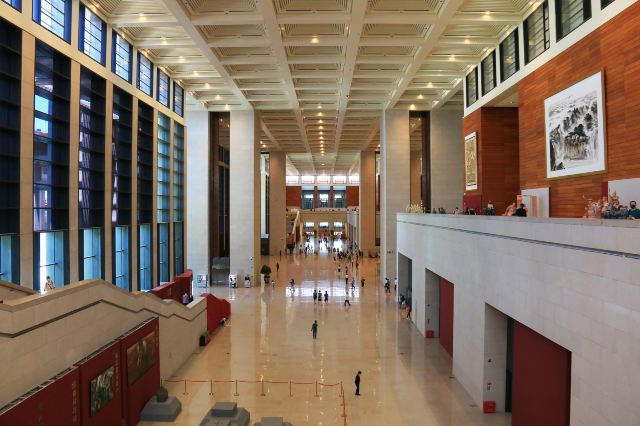
Wear your most comfortable shoes. The museum is comparable to walking a small airport terminal. Benches and rest areas are limited and always occupied. Bring a water bottle and snacks. Most reviewers who attempted to see everything regretted it by hour 4.
Portable chargers (power banks) are not allowed in exhibition halls
Charge your phone fully before entering. If your phone dies, rest areas outside the exhibition halls may have charging points, but they're scarce. This is a unique rule that catches many visitors off guard.
The security queue can be extreme on weekends
One foreign reviewer described a Saturday morning as '30,000 people in a mosh pit.' Arrive before 9 AM on weekdays for the smoothest entry. If you're there on a weekend, the paid exhibition entrance may have a shorter line.
Taking a taxi to/from the museum is very difficult
The area around Tiananmen has extensive traffic restrictions and no-stopping zones. Multiple reviewers report taxis adding 30+ minutes due to restricted routes. Take the subway (Line 1, Tiananmen Dong Station) — it's direct and painless.
What to Bring
Wear
Comfortable walking shoes are essential — you'll walk on hard floors for hours. The museum is air-conditioned, so bring a light layer in summer. In winter, you'll want to shed layers once inside as it's well heated. No dress code.
Bring
Physical passport (mandatory). Fully charged phone with QR ticket. Water bottle. Snacks for visits over 3 hours (limited and overpriced food options inside). Camera (photography allowed, no flash). Cash for luggage storage and café.
Don't Bring
Portable chargers / power banks (not allowed in exhibition halls — a unique and frustrating rule). Bags over 40cm (must be checked at paid storage). Lighters. Food and drinks are not allowed in exhibition halls.
Physical Reality
moderate
Flat walking throughout on polished stone floors — no stairs required as elevators and escalators connect all levels. However, the sheer size means you'll easily walk 10,000-15,000 steps over a full visit. Benches are limited and often occupied. Wheelchair accessible throughout.
Foreigners Watch Out
- You MUST carry your physical passport — it's checked at security with real-name verification. No passport, no entry, no exceptions. Digital copies and photocopies are not accepted.
- Ticket booking is a genuine obstacle for foreigners. The official English website (en.chnmuseum.cn) works but tickets sell out fast. The WeChat mini-program is harder without a Chinese phone number. If the official site fails, use Trip.com or Klook for guided tours that include guaranteed entry. You can also message our concierge team — we can navigate the Chinese booking system and secure your slot.
- The Revolution and Modern China galleries contain politically sensitive content presented from the Chinese government perspective. Foreign visitors should approach these sections with cultural awareness.
- Payment for luggage storage, café, and gift shop may require WeChat/Alipay. Bring cash (small bills) as backup — not all counters accept foreign cards.
- The museum is directly on Tiananmen Square, which requires a separate security screening to access. If approaching from the square side, factor in extra time for the square's security checkpoint before reaching the museum entrance.
If Things Go Wrong
Free tickets sold out for your desired date
→ Buy any paid temporary exhibition ticket (¥30-198) through the official site, Trip.com, or Klook — this includes access to all free permanent galleries. Some reviewers specifically recommend this approach as it often includes a faster entry line.
Arrived without passport or passport rejected
→ There is no workaround — return to your hotel for your passport. Staff cannot make exceptions for the real-name verification system.
Phone died and you can't show your QR code
→ Go to the information desk near the entrance and explain your situation with your passport. Staff may be able to verify your booking in the system. Ask: '我的手机没电了' (wǒ de shǒujī méi diàn le — my phone is dead).
Overwhelmed by the size — don't know where to start
→ Go straight to the Ancient China exhibition in the basement. This is the single most important gallery and gives you the best overview. If you only see this one thing, your visit is worthwhile.
Too crowded to enjoy the exhibits
→ The Ancient China exhibition is the most crowded section (especially the Nine Dragon Phoenix Crown). Move to temporary exhibitions or upper-floor galleries, which are typically much less crowded. The ceramics and jade specialized galleries in the basement are often peaceful.
Useful Chinese
Tap to reveal the English meaning