About Ming Tombs
“Solemn and expansive — ancient stone guardians lining a processional path through quiet mountains, with the weight of 600 years of imperial history pressing down from the surrounding peaks.”
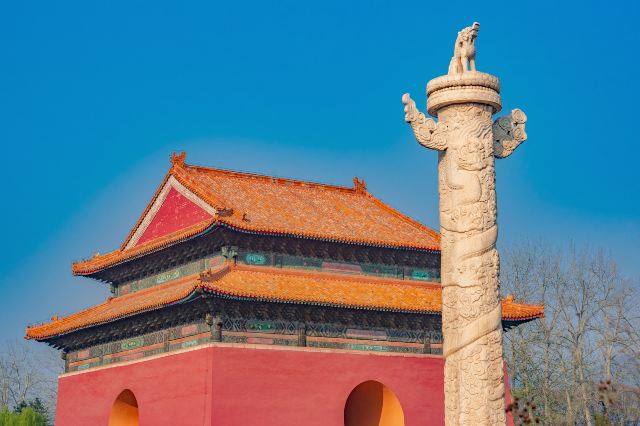
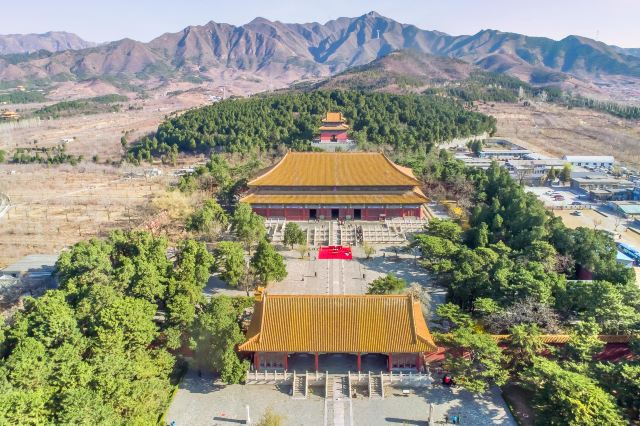
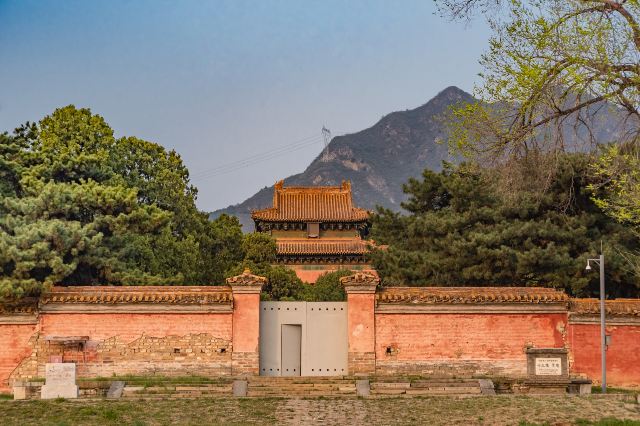
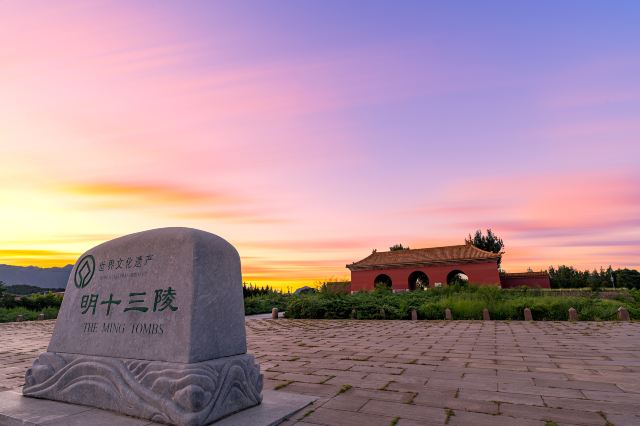
The Ming Tombs are a UNESCO World Heritage Site comprising 13 imperial mausoleums spread across 40+ square kilometers in Beijing's Changping District. Only three tombs and the Sacred Way are open to visitors. Changling is the largest and best-preserved, with a magnificent hall supported by 60 golden nanmu wood columns. Dingling is the only tomb with an excavated underground palace — descend 27 meters to see the stone burial chambers of Emperor Wanli and his two empresses. Zhaoling is the smallest and least compelling of the three. The Sacred Way is the highlight for many visitors — an 800-meter processional path lined with 24 stone animals and 12 stone human figures from the 15th century, genuinely impressive in scale and artistry. The downsides: the site is 50 km from central Beijing (1-1.5 hours by car), the tombs are spread far apart with limited public transport between them, and the experience requires significant time investment. Many visitors find the individual tombs repetitive if visiting all three. The underground palace at Dingling is atmospheric but the original treasures have been moved to museums. There's almost no food service in the area — bring provisions. Best for history enthusiasts and anyone who wants to understand the scale of Ming dynasty imperial power beyond the Forbidden City.
Top Questions from Travelers
Why This Place Matters
The Ming Tombs represent the most complete surviving imperial burial complex in China, embodying the principle of 'serving the dead as if they were alive' (事死如事生). Emperor Yongle chose this valley based on feng shui principles in 1409, and over the next 230 years, 12 more emperors followed him here. The site's troubled modern history includes damage by Li Zicheng's rebel army, restoration by the Qing Emperor Qianlong (who repaired the Ming tombs to win Han Chinese loyalty), and the controversial 1956 excavation of Dingling — the first and last imperial tomb excavation in China. The excavation caused irreversible damage to silk textiles and other artifacts, leading to a permanent government ban on further tomb excavations. This is why Changling and all other imperial tombs remain sealed to this day.
Need help planning?
ChinaPal handles everything
- Book English-speaking guides
- Arrange transport & tickets
- Real-time help during your visit
- Restaurant reservations nearby
Highlights
3 iconic experiences that define a visit
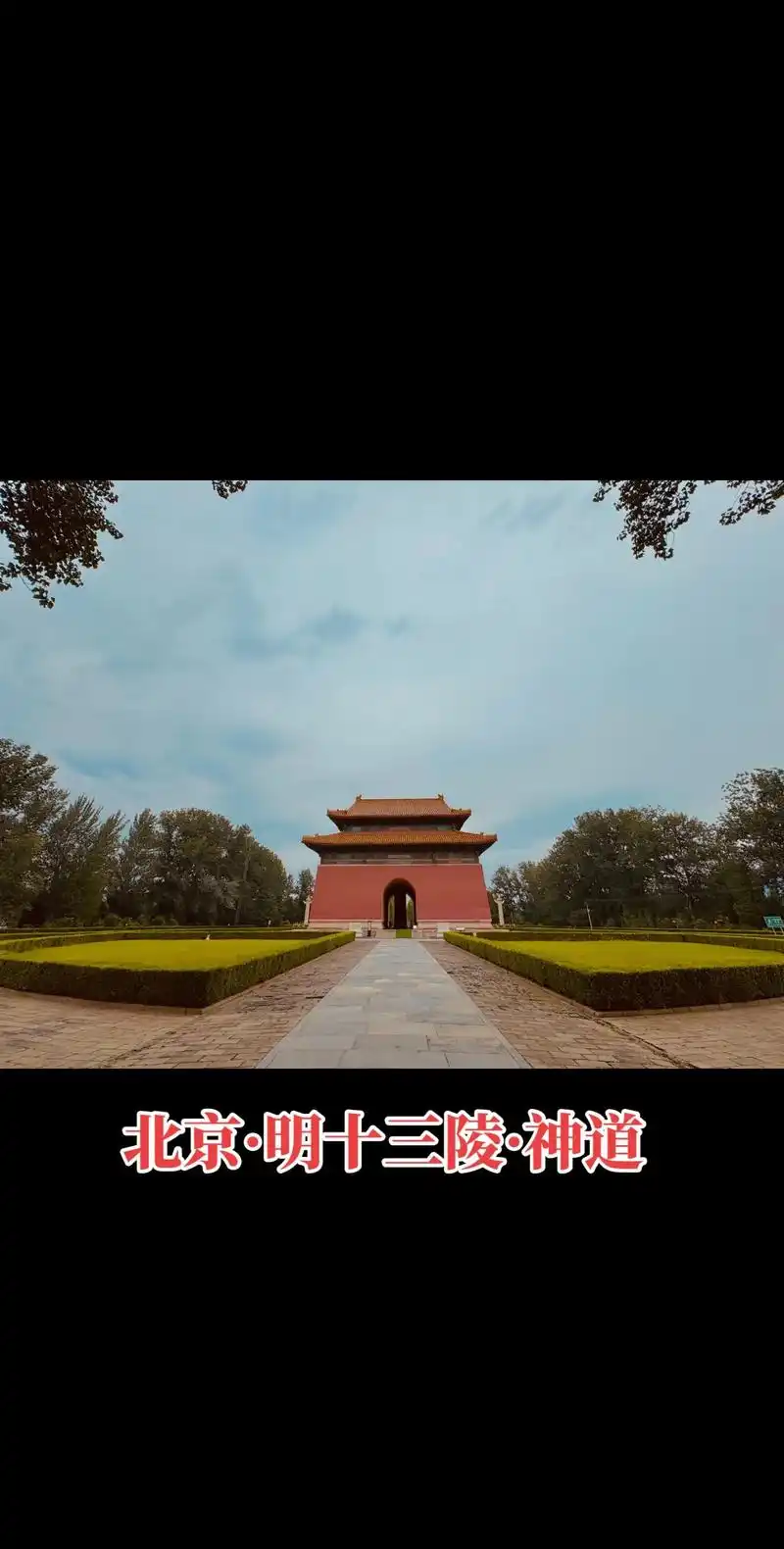
Sacred Way (神路/神道)
An 800-meter processional avenue lined with 24 stone animals (lions, camels, elephants, qilin, horses, xiezhi) and 12 stone human figures (military officers, civil officials, meritorious ministers), carved in the 15th century. The stone figures stand and kneel in alternating pairs, representing an eternal imperial honor guard.
This is the most visually impressive and atmospheric part of the Ming Tombs for most foreign visitors. The stone sculptures are genuinely magnificent — centuries old, remarkably well-preserved, and powerful in their silent grandeur. No historical knowledge needed to appreciate them.
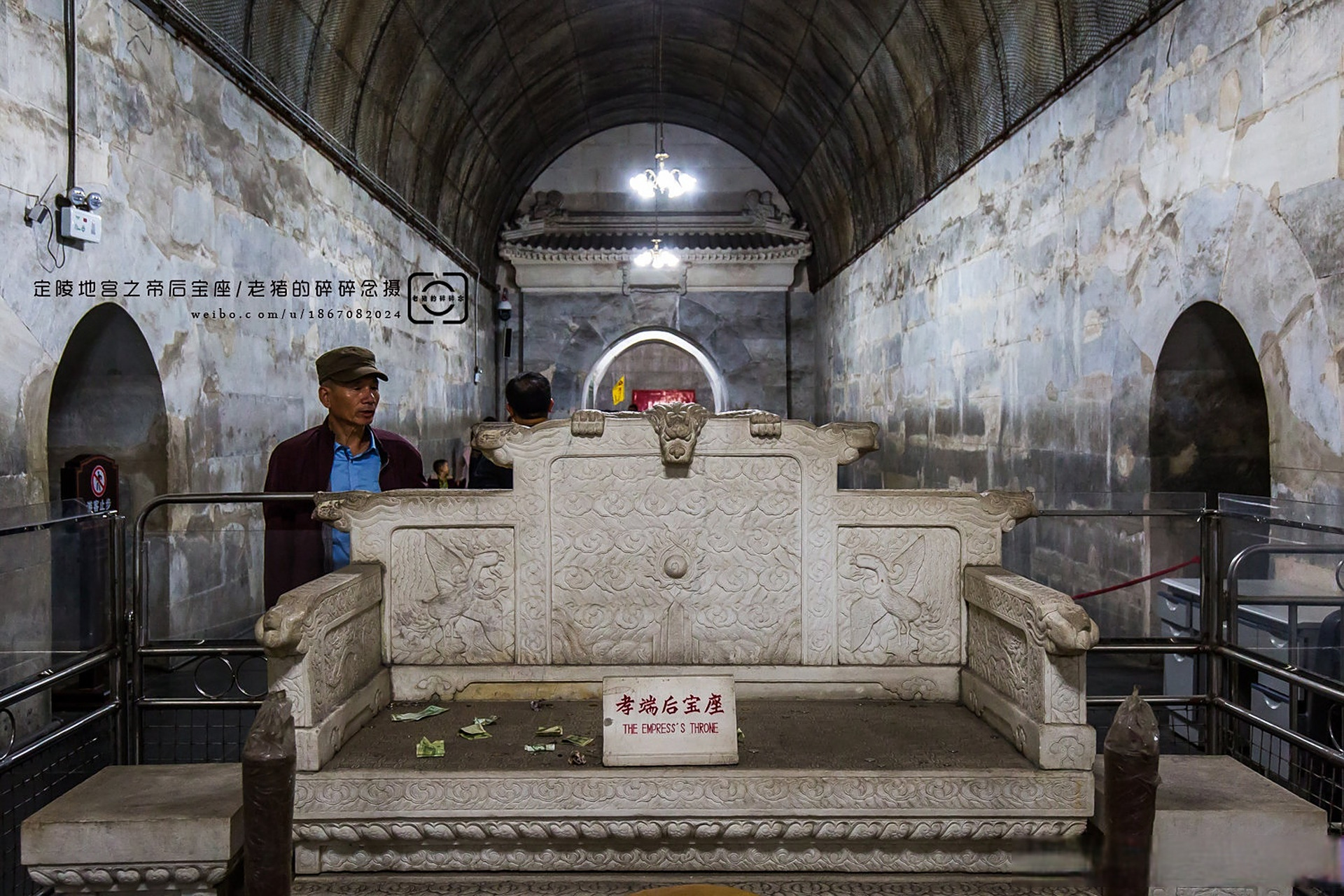 Universal Appeal
Dingling Underground Palace (定陵地下宫殿)
The only excavated imperial tomb in the Ming Tombs complex. Descend 27 meters underground through a series of stone chambers to reach the burial vault...
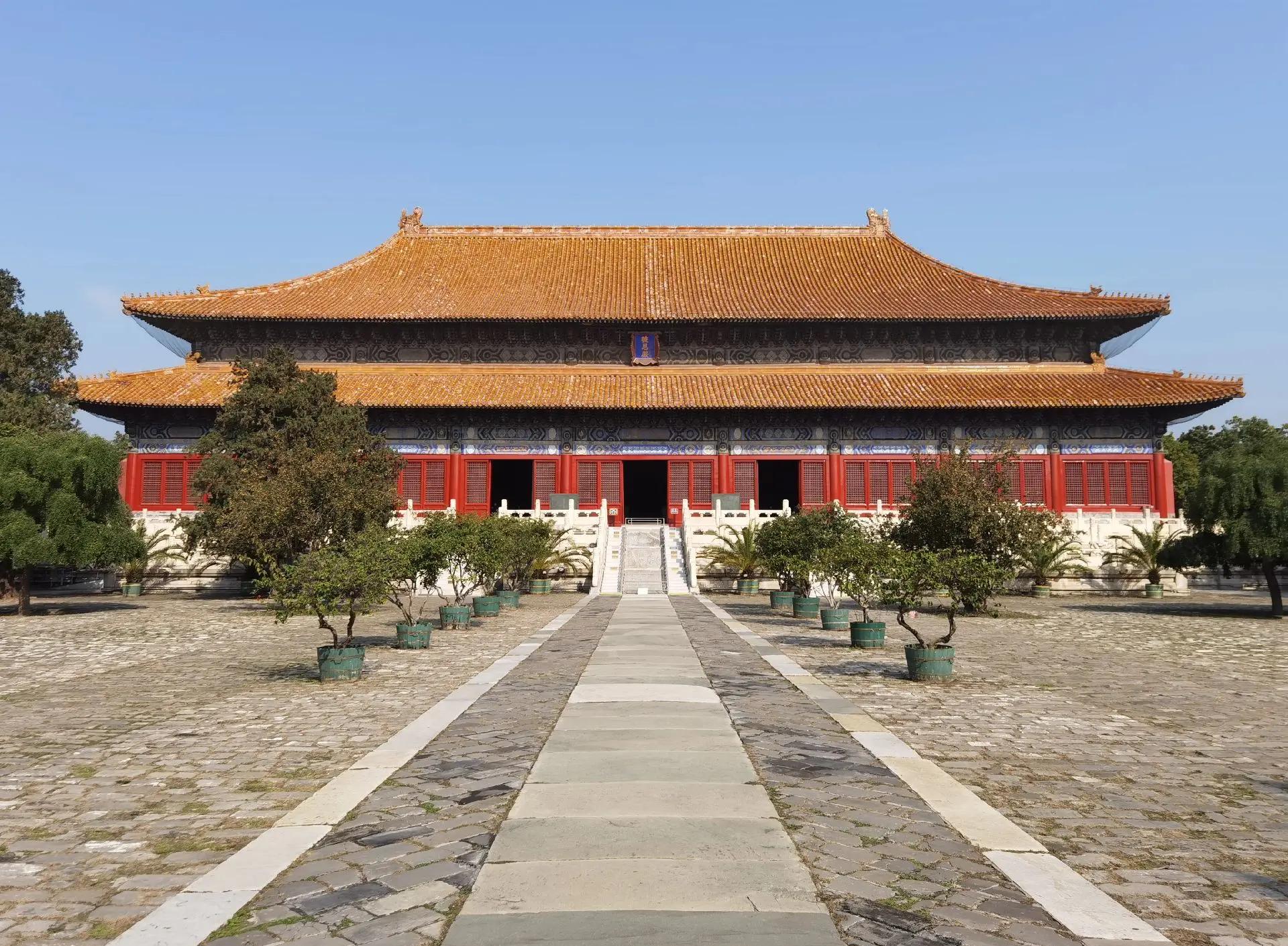 Culturally Interesting
Changling Hall of Eminent Favor (长陵祾恩殿)
The largest and best-preserved tomb, built for Emperor Yongle (the emperor who built the Forbidden City). The Hall of Eminent Favor is one of China's ...
What Most Visitors Miss
The stone archway (石牌坊) at the Sacred Way entrance
Built in 1540, it's one of China's oldest and most elaborate stone archways — five openings, six pillars, eleven roofs, spanning nearly 29 meters. Many tour groups rush past it, but the carved details reward close inspection.
The feng shui landscape design
The entire 40 km² valley was chosen according to feng shui principles — Tianshou Mountain as the 'backrest,' flanking hills as 'armrests,' and the Wenyu River flowing past. Understanding this transforms the visit from 'looking at old buildings' to appreciating one of history's grandest landscape design projects.
Autumn ginkgo season on the Sacred Way
In late October to mid-November, the ginkgo trees along the Sacred Way turn brilliant gold, carpeting the path around the stone sculptures. It's one of Beijing's most photogenic autumn scenes, yet most visitors come in summer.
Plan Your Visit
How Long to Visit
Sacred Way + Changling or Dingling only
Sacred Way + Changling + Dingling, with transport time between sites
Full day (all three tombs + Sacred Way, combined with a Great Wall visit
Smart Route
Hire a car/driver for the day or arrange transport in advance. Start at the Sacred Way (arrive by 8:30 AM for the best light and fewest people)
drive to Changling for the nanmu wood hall
drive to Dingling for the underground palace
head back to Beijing or continue to the Great Wall. Total: 4-5 hours including driving between sites.
Best Time to Visit
Arrive by 8:30 AM opening time
Chinese national holidays (especially Golden Week in October and Spring Festival) bring overwhelming crowds
By Season
Spring
(April-May) is pleasant. Winter is cold but atmospheric and very quiet.
Summer
Autumn
(October-November) is ideal — golden leaves along the Sacred Way, especially ginkgo trees, create stunning photography. Spring (April-May) is pleasant.
Winter
is cold but atmospheric and very quiet. Summer is hot with limited shade.
Visit on a weekday morning for an almost private experience. The Sacred Way in autumn with golden ginkgo leaves and morning mist is one of Beijing's most photogenic scenes.
What to Skip
Zhaoling is the least essential of the three tombs — similar in style to Changling but smaller and with fewer exhibits. If time is limited, skip it. The souvenir shops near the tombs sell generic tourist items at inflated prices.
Pro Tips
Combine with a Great Wall visit (Mutianyu is ~1 hour from the Ming Tombs by car). Visit the Great Wall in the morning, then the Ming Tombs in the afternoon — or vice versa. Bring your own food and water; there are essentially no quality restaurants in the scenic area. A knowledgeable guide transforms this from a 'nice walk among old buildings' into one of the most fascinating historical experiences in China.
Photo Spots
Sacred Way stone animal avenue
Morning light (before 10 AM) creates dramatic shadows on the stone sculptures. In autumn (late October), the golden ginkgo leaves framing the stone elephants and camels is one of Beijing's most iconic shots.
Stone archway (石牌坊) at Sacred Way entrance
Photograph from directly in front for the full symmetrical effect. Early morning or late afternoon light is best.
Pair With
Mutianyu Great Wall (慕田峪长城)
1 hour by car
The most popular day-trip combination in Beijing. Visit the Great Wall in the morning, the Ming Tombs in the afternoon (or vice versa). Both are northwest of Beijing and about 1 hour apart by car.
Forbidden City (故宫)
1-1.5 hours by car to central Beijing
Emperor Yongle built both the Forbidden City and Changling tomb — seeing both reveals the full scope of his ambition. The architectural parallels between the living palace and the burial palace are fascinating.
Tickets & Access
Sacred Way (神路)
800-meter avenue of stone animal and human statues — many visitors' favorite part
Changling (长陵)
Largest tomb with magnificent golden nanmu wood hall
Dingling (定陵)
Only excavated underground palace — descend 27 meters into burial chambers
Zhaoling (昭陵)
Smallest open tomb, recently restored
Opening Hours
Daily 08:30-17:00 (summer until 18:00). Last entry 30 minutes before closing.
How to Buy
WeChat mini-program '昌平文旅集团' or purchase at each site's ticket window. Combined tickets available at Sacred Way and Changling ticket offices. If the WeChat booking system is giving you trouble (it's Chinese-only), message us and we can handle the reservation for you.
Passport: Yes — foreign passports accepted at ticket windows. Online booking via WeChat may require a Chinese phone number.
Queue Situation
Generally no significant queues except during national holidays. The underground palace at Dingling can get crowded on weekends.
Tips & Warnings
The tombs are far apart with poor inter-site transport
Don't plan to walk between tombs — they're 2-8 km apart. Arrange a car, use bus 314, or take DiDi between sites. Budget at least 30 minutes of travel time between each tomb.
No food or limited services inside the scenic area
Bring water, snacks, and any food you'll need. The few vendors near the tombs sell overpriced snacks and drinks. There are no proper restaurants within the scenic area. If you forget provisions, drop us a message — we can arrange food or drink delivery to meet you at one of the tomb parking areas.
Dingling underground palace requires climbing
The descent and ascent at Dingling is equivalent to about 5 flights of stairs. There are no elevators or escalators. Not suitable for visitors with significant mobility issues. Changling is fully ground-level and wheelchair accessible.
What to Bring
Wear
Comfortable walking shoes essential — you'll walk several kilometers across uneven ground. Sun protection in summer. Warm layers in winter (the valley is exposed and can be windy).
Bring
Water and food (no restaurants on site). Camera. Sun protection. Comfortable shoes. Cash for tickets if online booking fails.
Don't Bring
Nothing specific to avoid.
Physical Reality
moderate
The Sacred Way is a flat 800-meter walk. Changling is mostly flat and wheelchair accessible. Dingling requires descending and climbing back up the equivalent of 5 stories — no elevator available. Total walking at each site: 1-2 km. The distance between tomb sites (2-8 km) requires vehicle transport.
Foreigners Watch Out
- The Ming Tombs are 50 km from central Beijing — budget 1-1.5 hours each way by car, longer by public transport. This is a half-day or full-day trip.
- Online ticket booking via WeChat may require a Chinese phone number. Buy tickets at the window with your passport if online booking doesn't work.
- A guide is highly recommended — the historical context is complex (Ming dynasty politics, imperial funeral customs, feng shui) and almost no English signage exists on site.
- Vendors outside the tombs may aggressively sell souvenirs — politely decline and walk on. Prices are inflated.
- The 'Ming Tombs' metro station (Line 8) is NOT at the tombs — it's still several kilometers away. You'll need a bus or taxi from the metro station.
If Things Go Wrong
Running out of time — can't visit all sites
→ Prioritize: Sacred Way first (most visually impressive), then Dingling (most unique — underground palace), then Changling if time allows.
Can't find transport between tombs
→ Bus 314 connects several tomb sites. DiDi works in the area but may have longer wait times. Ask at ticket windows for transport advice.
Useful Chinese
Tap to reveal the English meaning