About Hutongs (Nanluoguxiang & Others)
“Old Beijing meets hipster playground — ancient grey courtyard walls plastered with trending cafe logos, where the smell of jianbing and tanghulu mingles with third-wave coffee, and a Qing Dynasty prince's mansion sits next door to a bubble tea shop.”
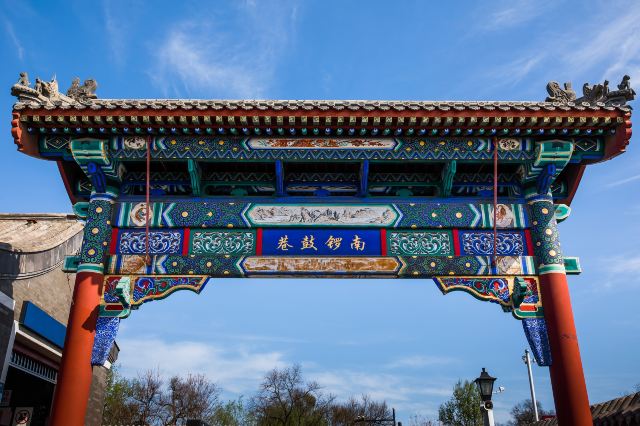
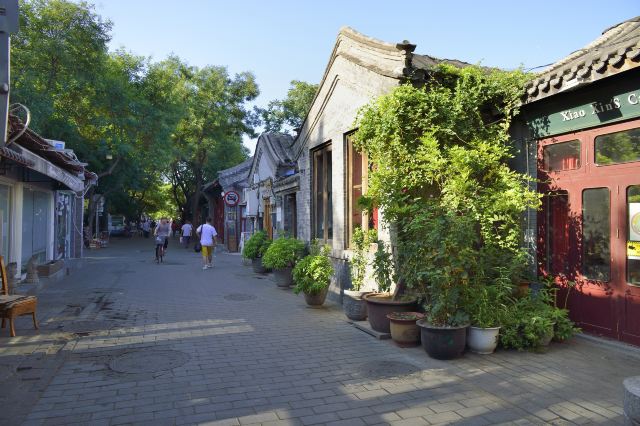
Beijing's hutongs are narrow traditional alleyways formed by connecting siheyuan (courtyard houses), dating back to the Yuan Dynasty (1271-1368). Nanluoguxiang is the most famous and tourist-friendly — an 800-meter north-south lane lined with trendy cafes, quirky shops, street food vendors, and Instagram-ready storefronts. It's undeniably commercialized but still charming, especially if you venture into the 16 branching side hutongs where genuine historical residences remain. These side alleys hide gems like Qi Baishi's former home, the Mao'er Hutong garden, and Qing Dynasty prince mansions. The experience is a study in contrasts: the main drag can feel like a crowded outdoor mall on weekends, but duck into a side alley and you'll find elderly residents playing chess in doorways, cats lounging on roof tiles, and the quiet rhythm of disappearing old Beijing. Beyond Nanluoguxiang, the Shichahai hutong area around Houhai Lake offers a different flavor with lakeside bars, rickshaw tours, and the Drum and Bell Towers. Worth visiting for the atmosphere and street food, but manage expectations about 'authenticity' — this is curated heritage, not untouched history.
Top Questions from Travelers
Why This Place Matters
Beijing's hutongs are the fabric of the city's soul — a grid system laid out during the Yuan Dynasty (1271-1368) that survived through the Ming, Qing, and Republican eras. The word 'hutong' comes from the Mongolian word for 'water well,' reflecting the alleys' origins as passages between courtyard compounds clustered around shared wells. At their peak, Beijing had over 6,000 hutongs; today, fewer than 1,000 remain, with many demolished for modern development. Nanluoguxiang's 740-year-old grid pattern is one of the best-preserved Yuan Dynasty urban layouts in China. The 16 branching hutongs each tell stories of princes, painters, revolutionaries, and ordinary families who lived behind those grey courtyard walls. The ongoing tension between preservation and development — between tourist commerce and residential authenticity — is itself part of the hutong story, mirroring Beijing's broader struggle to balance its ancient identity with modern ambitions.
Need help planning?
ChinaPal handles everything
- Book English-speaking guides
- Arrange transport & tickets
- Real-time help during your visit
- Restaurant reservations nearby
Highlights
4 iconic experiences that define a visit
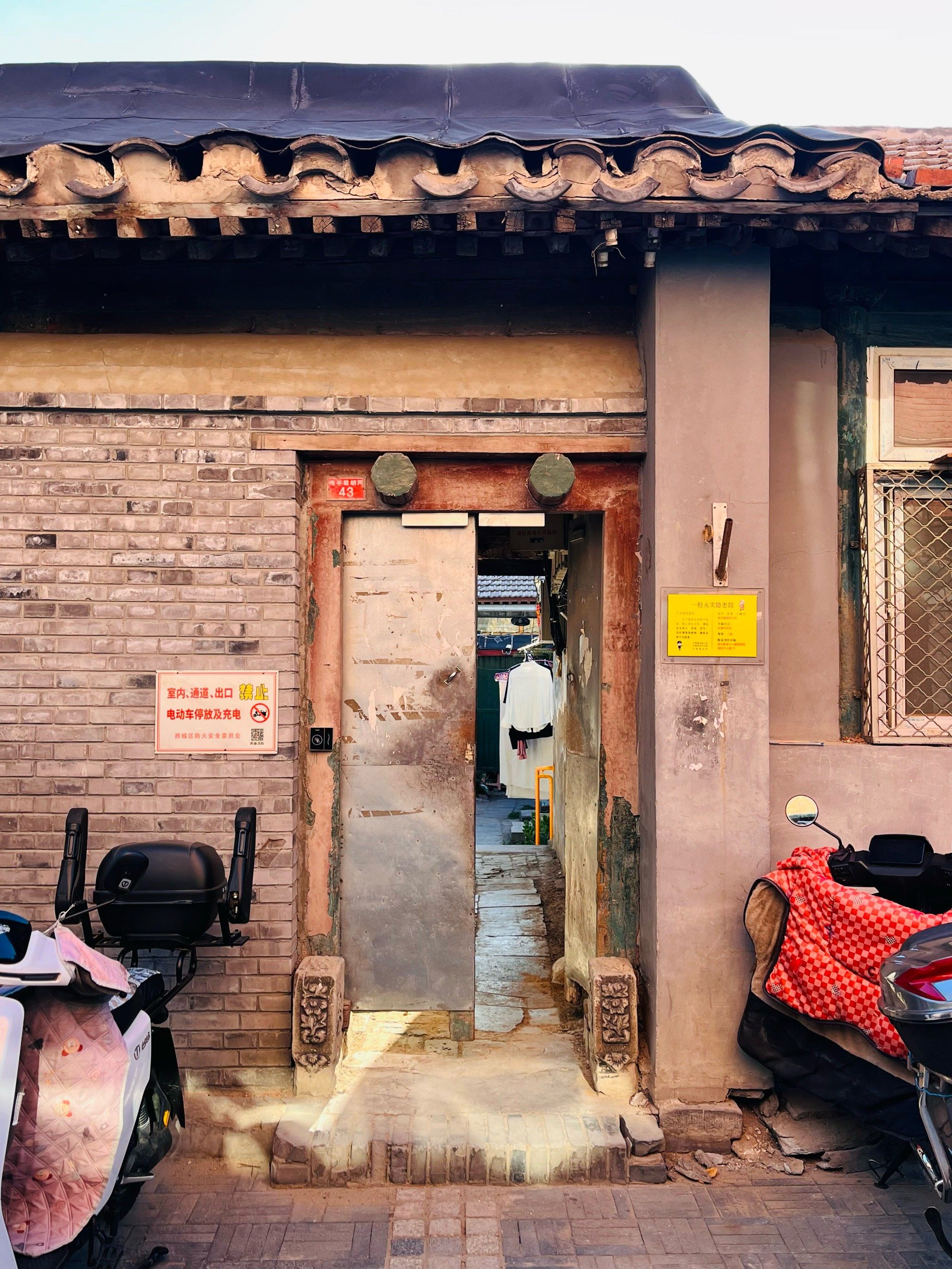
The 16 branching hutongs off Nanluoguxiang
Eight hutongs branch east and eight west from the main lane, each with distinct character and historical significance. Mao'er Hutong has the exquisite Ke Yuan garden, Yu'er Hutong housed Qi Baishi, and Ju'er Hutong won an Asian Architecture Gold Award for its modern courtyard redesign. These quiet lanes preserve genuine hutong atmosphere.
This is where the real hutong experience lives. The main lane is a tourist street; these branching alleys are the authentic fabric of old Beijing. You'll see traditional doorway decorations, stone drum bases indicating former official residences, and occasional glimpses into courtyard interiors.
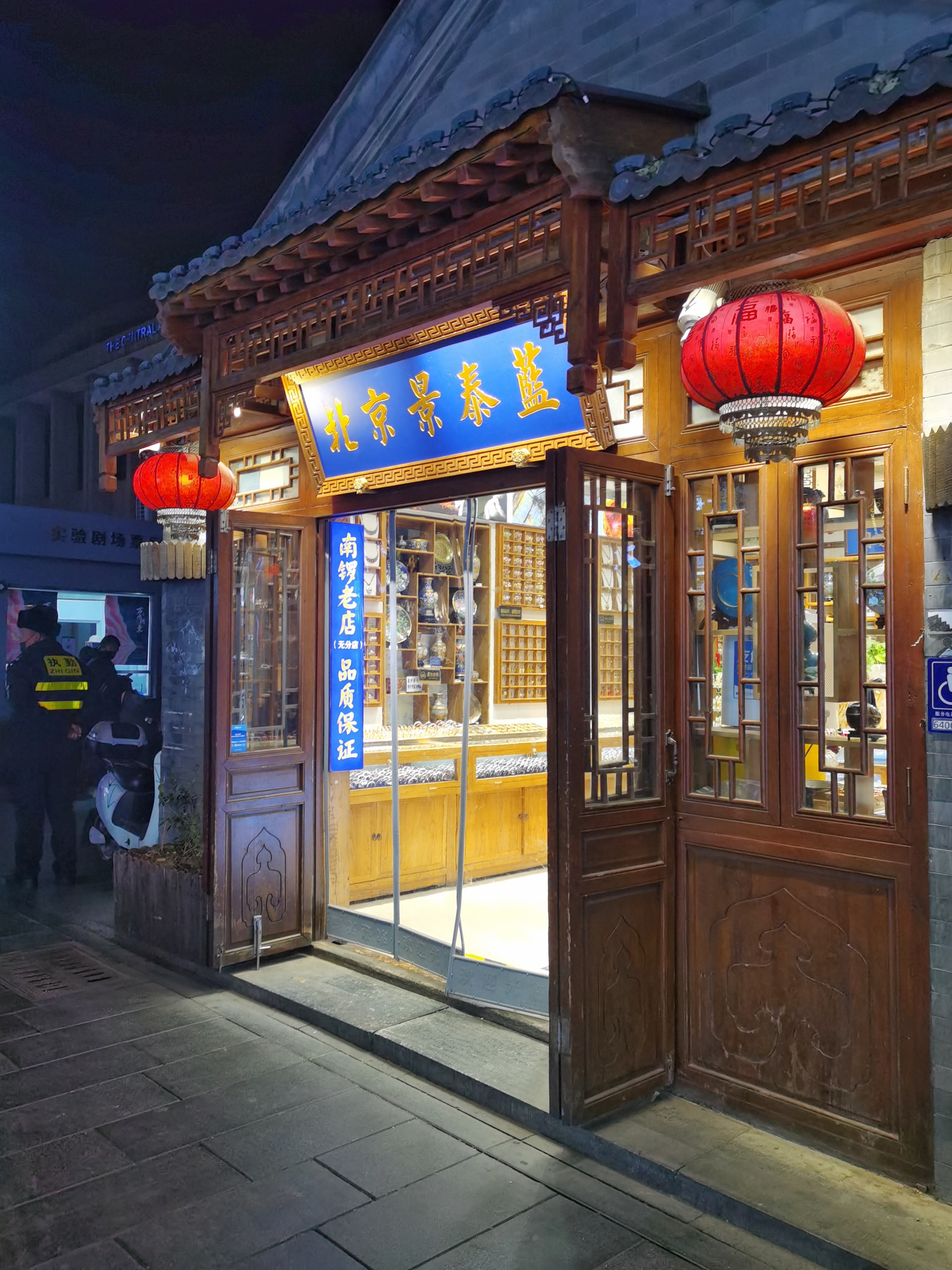 Universal Appeal
Street food along the main lane
Nanluoguxiang offers a concentrated gauntlet of Beijing and Chinese street food: jianbing (savory crepes), tanghulu (candied hawthorn sticks), Beijing...
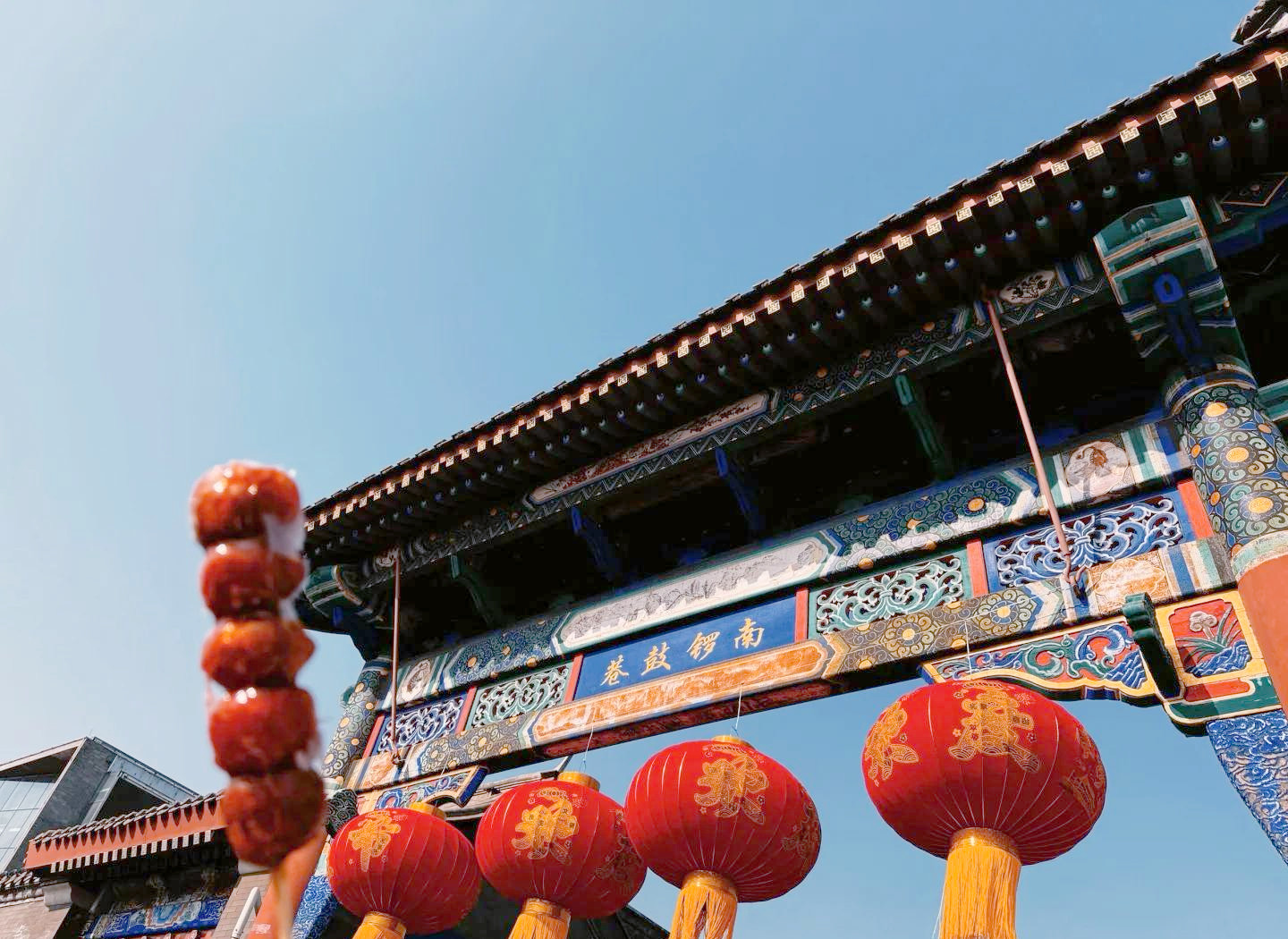 Universal Appeal
Drum Tower and Bell Tower (nearby)
A 5-minute walk north of Nanluoguxiang, these two iconic towers offer the best aerial views of Beijing's remaining hutong neighborhoods. The Drum Towe...
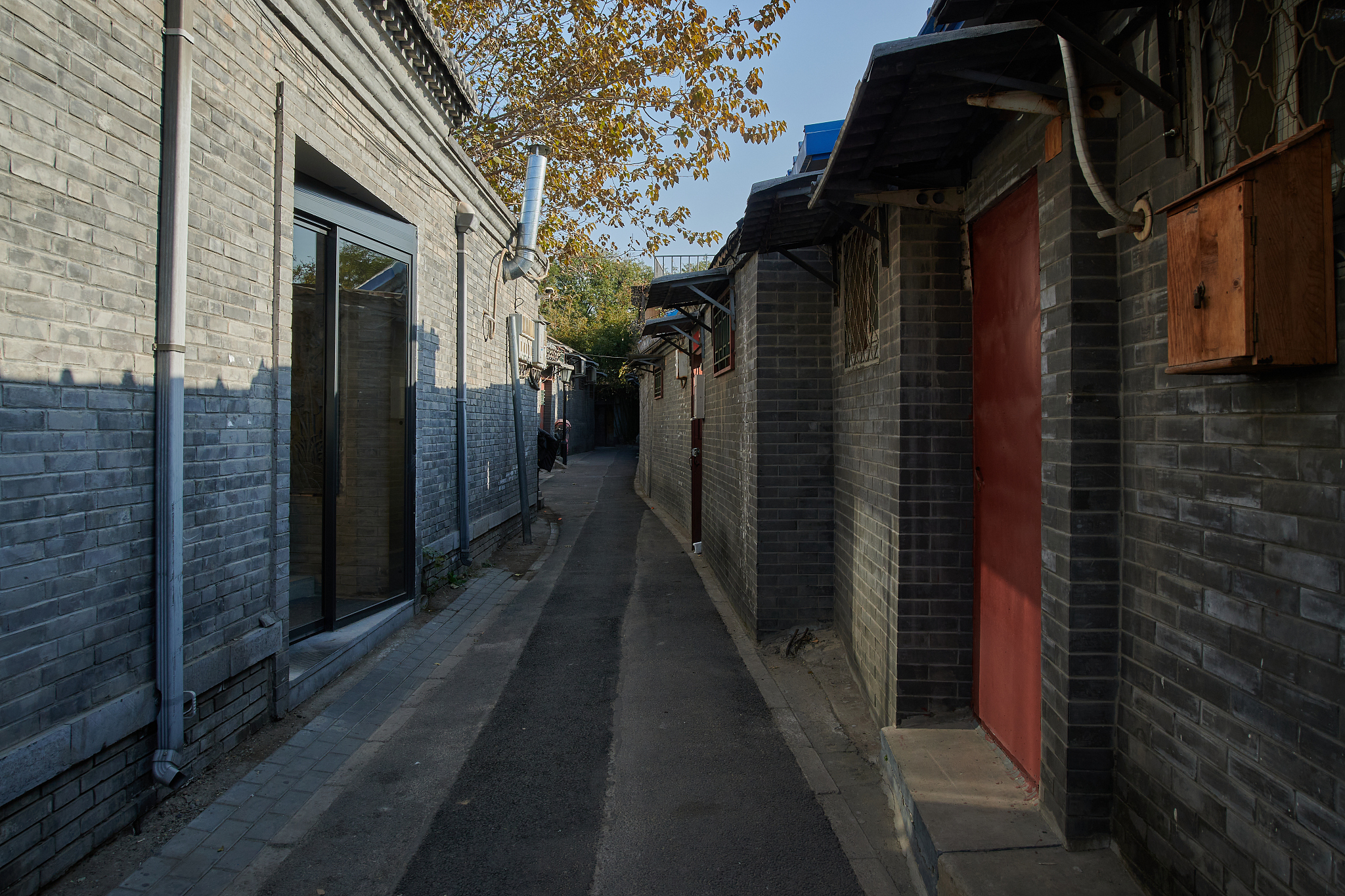 Universal Appeal
Shichahai / Houhai Lake area
Northwest of Nanluoguxiang, this lakeside area offers a different hutong experience — willow-lined shores, bar streets, rickshaw tours through residen...
What Most Visitors Miss
The historical residences hidden in side hutongs
Most visitors stick to the main Nanluoguxiang lane and miss the celebrity former residences, Qing prince mansions, and hidden gardens in the branching alleys. The Mongol prince Senggelinqin's mansion spans multiple hutongs; Qi Baishi's home is a quiet gem.
Hutong life in the early morning
Arriving before 10 AM reveals a completely different hutong — elderly residents chatting in doorways, tricycle vendors selling breakfast, cats sleeping on warm tiles. This authentic atmosphere vanishes once tourist foot traffic picks up.
The Central Academy of Drama campus (inside Dongmianhua Hutong)
This prestigious drama school occupies a former warlord's mansion and has trained China's biggest film stars including Gong Li and Zhang Ziyi. The courtyard architecture is visible from the gate.
Plan Your Visit
How Long to Visit
1-1.5 hours (walk the main Nanluoguxiang lane, try some street food, peek into 1-2 side hutongs
2.5-3 hours (explore Nanluoguxiang main lane + multiple side hutongs + street food + coffee break
Half day (Nanluoguxiang + Shichahai area + Drum Tower + Houhai Lake + rickshaw tour
Smart Route
Take Metro Line 6/8 to Nanluoguxiang Station (Exit E)
Enter from the south end
Walk north along the main lane, popping into side hutongs that interest you (Mao'er on the west, Ju'er on the east are highlights)
Continue north to the Drum Tower for panoramic views
Walk west to Shichahai/Houhai for a lakeside stroll or rickshaw tour
End with dinner on Yandai Xiejie (Skewed Tobacco Pouch Street).
Best Time to Visit
Weekday mornings (9:00-11:00 AM) to experience hutong life before the tourist crowds arrive
Weekend afternoons and Chinese public holidays — the main lane becomes so packed you can barely walk
By Season
Spring
(April-May) is pleasant with blooming trees in the courtyards. Summer is hot and humid but lively.
Summer
is hot and humid but lively. Winter is atmospheric with bare trees and steaming street food, but bitterly cold.
Autumn
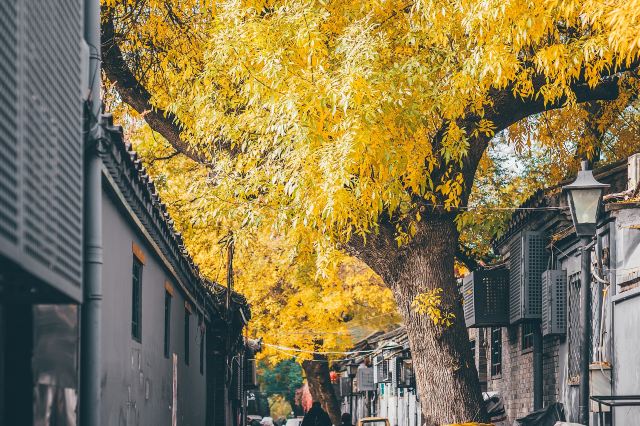
(September-November) is ideal — crisp air, golden light, and comfortable temperatures. Spring (April-May) is pleasant with blooming trees in the courtyards.
Winter
Visit early on a weekday morning to catch glimpses of authentic old Beijing life — residents sweeping doorsteps, morning markets, and quiet courtyards — before the shops open and tourists flood in. Then walk north to the Drum Tower for a panoramic hutong view from above.
What to Skip
The overpriced souvenir shops on the main lane selling mass-produced 'Beijing' gifts. The fried scorpion and centipede stalls (tourist gimmicks). The very crowded southern section of the main lane — walk through quickly and spend time in the side hutongs instead.
Pro Tips
For the best hutong photography, explore the side alleys where red doorways, stone lions, and traditional couplets create composition-ready scenes. Look for the pairs of stone drums (抱鼓石) at doorways — the larger and more ornate they are, the higher the original owner's rank. If you want a genuinely local food experience, skip the tourist street food and eat at Gulouzhuan (鼓楼馒头) for legendary steamed buns.
Photo Spots
Red courtyard doorways in side hutongs
The most photogenic doors have brass knockers, stone drum bases, and spring couplets (red paper with calligraphy). Mao'er Hutong and Ju'er Hutong have the best-preserved examples. Morning light illuminates east-facing doors beautifully.
Drum Tower rooftop view
The north-facing windows give the iconic view of the Bell Tower framed by hutong rooftops. Go in late afternoon for golden light across the grey roof tiles.
The main Nanluoguxiang lane at night
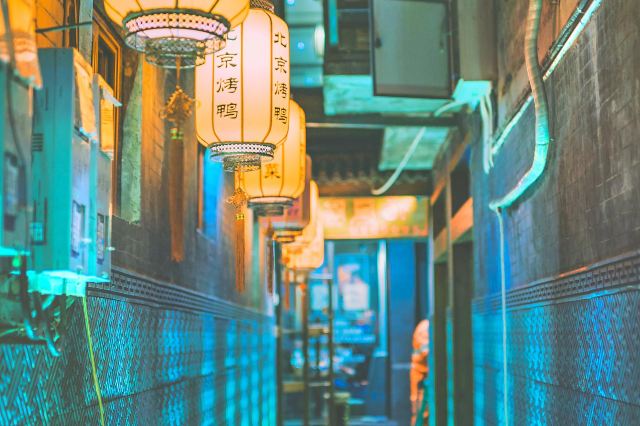
After 8 PM, the crowds thin, red lanterns glow, and the lane takes on a more atmospheric quality. The neon signs of shops against old grey walls create striking contrasts.
Pair With
Drum Tower and Bell Tower (鼓楼、钟楼)
5-minute walk north
A 5-minute walk north of Nanluoguxiang, offering the best aerial view of the hutong neighborhood and regular drumming performances.
Shichahai / Houhai Lake (什刹海/后海)
10-15 minute walk northwest
Lakeside hutong area with a different atmosphere — willow-lined shores, bar street, and the best rickshaw tour routes through residential lanes.
Forbidden City / Jingshan Park (故宫/景山公园)
15-minute walk south or one metro stop
The Forbidden City's north gate is a 15-minute walk south. Natural continuation from imperial Beijing to civilian hutong life. Jingshan Park offers a panoramic view of the Forbidden City.
Tickets & Access
Walking the hutongs
Open public streets
Rickshaw tour (Shichahai area)
30-minute guided tour through traditional lanes
Street food budget
Jianbing, tanghulu, Beijing yogurt, etc.
Opening Hours
The hutongs are public streets — open 24/7, free to walk. Individual shops typically open 10:00 AM - 10:00 PM.
How to Buy
Walk-in for everything. For organized hutong tours with English-speaking guides, book via Klook, GetYourGuide, or Airbnb Experiences.
Passport: Not applicable — no tickets required.
Queue Situation
No queues to enter the hutongs. Popular food stalls may have short lines on weekends. The Drum Tower has queues for the staircase.
Tips & Warnings
Nanluoguxiang main lane is heavily commercialized
Don't expect untouched historical authenticity on the main lane — it's been renovated and commercialized since the 2008 Olympics. The authenticity lives in the side hutongs and in the quieter residential lanes away from the tourist flow.
Weekend crowds can be crushing
On weekends and holidays, the 8-meter-wide main lane gets packed to near-immobility. Visit on a weekday, or if weekend is your only option, come before 10 AM or after 8 PM.
Rickshaw scams exist
Unofficial rickshaw drivers near Nanluoguxiang may quote outrageous prices or change the agreed route. Only use rickshaws at Shichahai where they're better regulated. Always confirm the price, route, and duration before boarding. Look for official name plates.
Driving and parking is nearly impossible
The hutong area has extremely narrow one-way streets with no parking. Take the metro (Line 6/8, Nanluoguxiang Station) or walk. Taxis can drop you at the entrances but cannot enter.
What to Bring
Wear
Comfortable walking shoes with good grip — surfaces are cobblestone and uneven brick. Dress casually. In summer, sun protection is essential as the narrow lanes can trap heat. In winter, bundle up warmly — Beijing's dry cold is brutal in exposed alleys.
Bring
Camera. Cash for small vendors (though most accept mobile payment). Portable phone charger. Water bottle. Translation app if you don't speak Mandarin.
Don't Bring
Large bags or luggage — the narrow lanes and crowds make bulky items a burden. No need for formal attire.
Physical Reality
light-moderate
Mostly flat walking on cobblestone and brick-paved surfaces. The main Nanluoguxiang lane is about 800 meters one-way. Exploring side hutongs adds 2-4 km of walking. Some surfaces are uneven. The Drum Tower requires climbing steep stairs (no elevator). Wheelchair access is limited — the main lane is accessible but side hutongs have uneven surfaces and narrow passages.
Foreigners Watch Out
- Respect residents' privacy — these are living neighborhoods, not theme parks. Don't photograph people's homes without permission, don't peer into courtyard gates, and keep noise levels down in residential side hutongs.
- The hutongs can be disorienting — the branching alleys look similar and street signs are in Chinese only. Keep your phone charged for GPS navigation. Baidu Maps works better than Google Maps in China.
- Cash is useful for small vendors and rickshaw drivers, though most shops accept mobile payment. Some traditional food stalls are cash-only.
- Accessible restrooms are limited in the hutong alleys — use the public toilets on the main Nanluoguxiang lane (marked with signs) or duck into a cafe.
If Things Go Wrong
Too crowded to enjoy (weekend visit)
→ Immediately leave the main lane and dive into any side hutong — they're always quieter. Mao'er Hutong (west) or Ju'er Hutong (east) are good escapes. Or walk 10 minutes north to the Drum Tower area which is less congested.
Got lost in the hutong maze
→ Don't panic — the hutong grid is logical. All side hutongs run east-west and eventually connect to parallel streets. Walk in any direction and you'll hit a main road within 5-10 minutes. Use Baidu Maps (works offline if you download the map area in advance). You can also send us your GPS location and we’ll guide you back to a main road via chat.
Useful Chinese
Tap to reveal the English meaning