About Bird's Nest (Beijing National Stadium)
“Modern Olympic grandeur meets Beijing evening promenade — a colossal steel sculpture glowing gold against the night sky, surrounded by families strolling, street food vendors, and the quiet pride of a city that put on a show the world still remembers.”
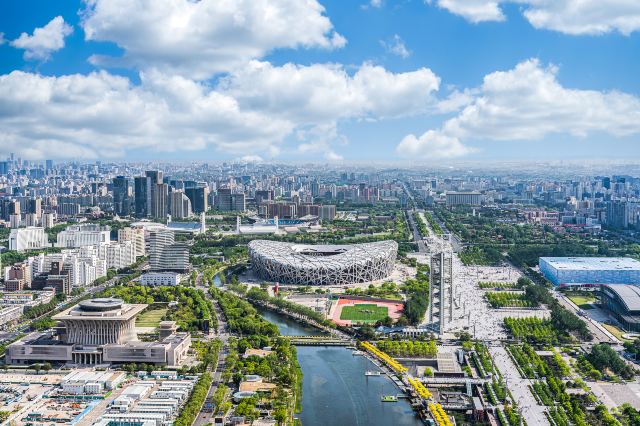
The Bird's Nest is Beijing's most recognizable piece of modern architecture — a 91,000-seat stadium wrapped in an extraordinary lattice of 42,000 tons of interwoven steel beams that genuinely looks like a giant bird's nest. Built for the 2008 Summer Olympics (and later reused for the 2022 Winter Olympics, making it the world's only 'dual Olympic' stadium), it's become one of Beijing's essential photo stops. Here's the honest truth: the exterior is far more impressive than the interior. From outside, the stadium is jaw-dropping — especially at night when lit up in warm golden tones. Walking around the Olympic Park area, seeing the Bird's Nest alongside the Water Cube and the Ice Ribbon, is a genuinely impressive modern-Beijing experience and it's completely free. Going inside costs 100 RMB and gets you access to the seating bowl, an Olympic museum, and a rooftop walking experience where you literally walk on top of the steel structure. Reviews are mixed — some find the interior tour worthwhile for the Olympic nostalgia and the rooftop views, while others feel the empty stadium without any event atmosphere is underwhelming for the price. The consensus among experienced travelers: come for the exterior and evening atmosphere, only pay to go inside if you're a serious Olympics or architecture enthusiast.
Top Questions from Travelers
Why This Place Matters
The Bird's Nest represents modern China's coming-out party. The 2008 Beijing Olympics were China's announcement to the world that it had arrived as a global superpower, and the stadium was designed to embody that ambition — a $428 million statement in steel that broke every engineering convention. Designed by Swiss architects Herzog & de Meuron with Chinese artist Ai Weiwei as artistic consultant (a detail the Chinese government later found inconvenient), the interwoven steel structure was inspired by Chinese ceramics and natural nest formations. The 2008 opening ceremony, directed by Zhang Yimou, is still considered one of the greatest spectacles in Olympic history — 15,000 performers, a giant LED scroll, and moveable-type printing blocks that rose from the floor. When the stadium hosted the 2022 Winter Olympics opening ceremony, it became the world's only venue to have staged both Summer and Winter Olympic ceremonies. For Chinese visitors, the Bird's Nest carries enormous national pride. For foreign visitors, it's a chance to stand in the place where a country declared itself to the world.
Need help planning?
ChinaPal handles everything
- Book English-speaking guides
- Arrange transport & tickets
- Real-time help during your visit
- Restaurant reservations nearby
Highlights
4 iconic experiences that define a visit
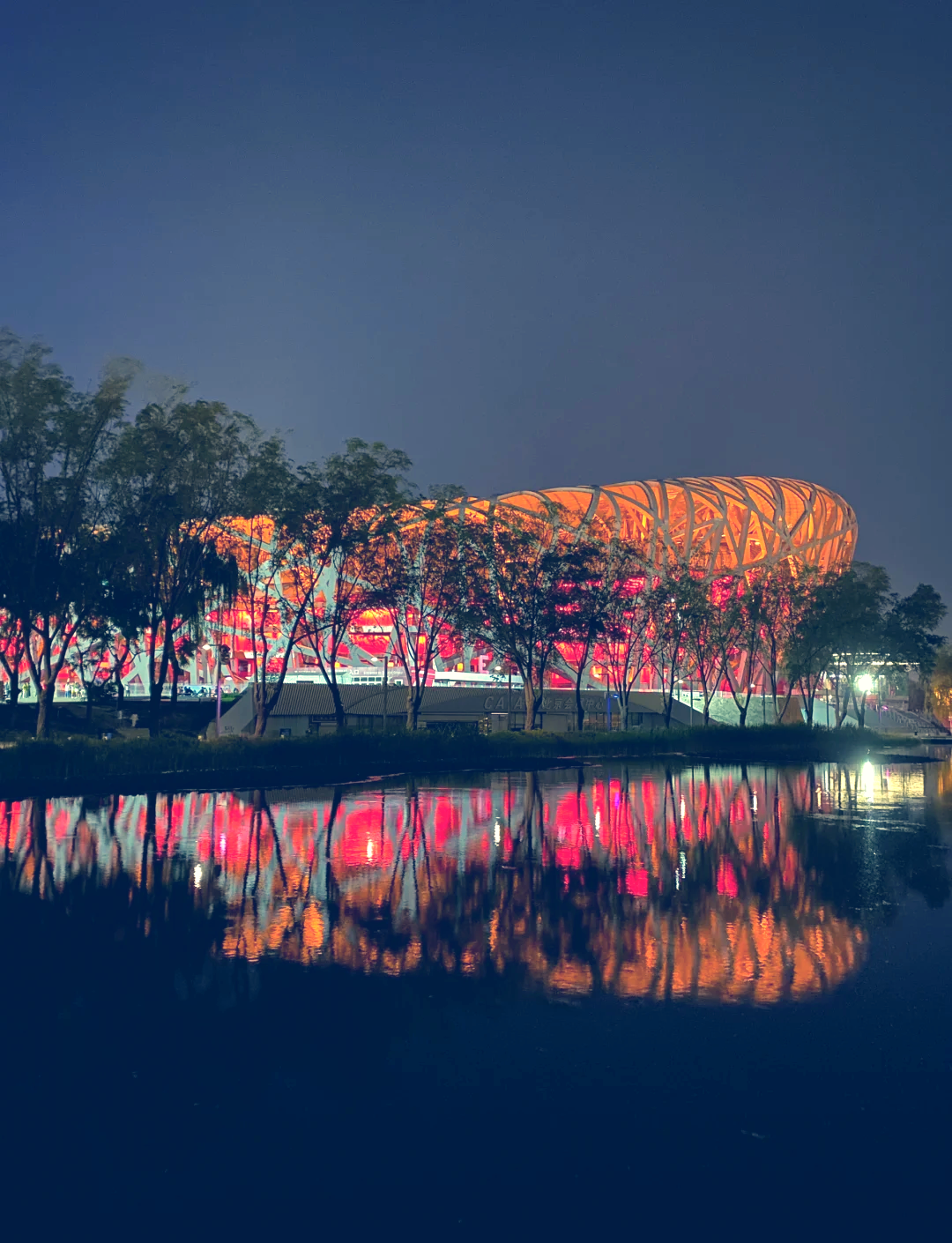
The exterior architecture and night illumination
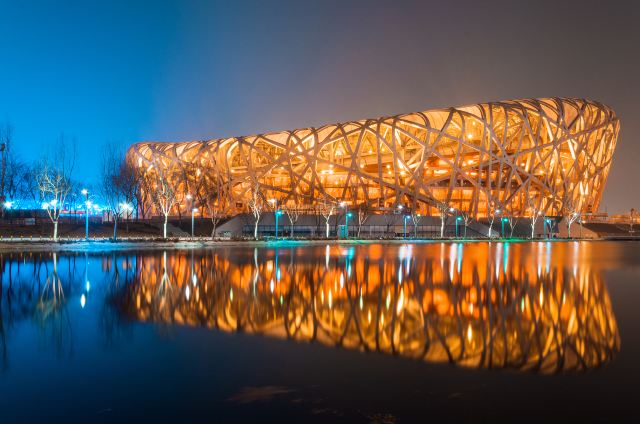
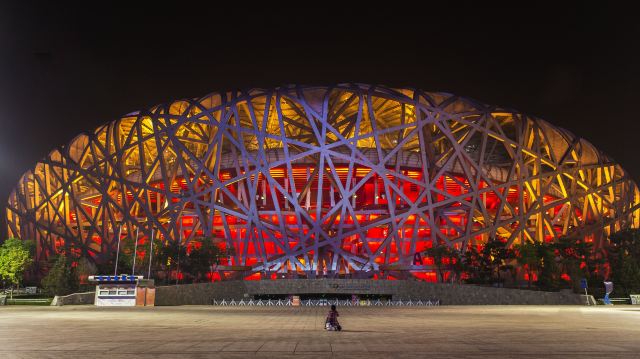
The Bird's Nest's interlocking steel lattice — 42,000 tons of steel formed into a structure that genuinely resembles a massive nest — is one of the most photographed buildings in Asia. At night, warm golden lighting transforms it into a glowing organic sculpture that seems to float against the dark sky.
You don't need any cultural context to appreciate this — it's pure architectural spectacle. The night view is significantly more impressive than daytime. The contrast with the blue-lit Water Cube next door makes for stunning photography.
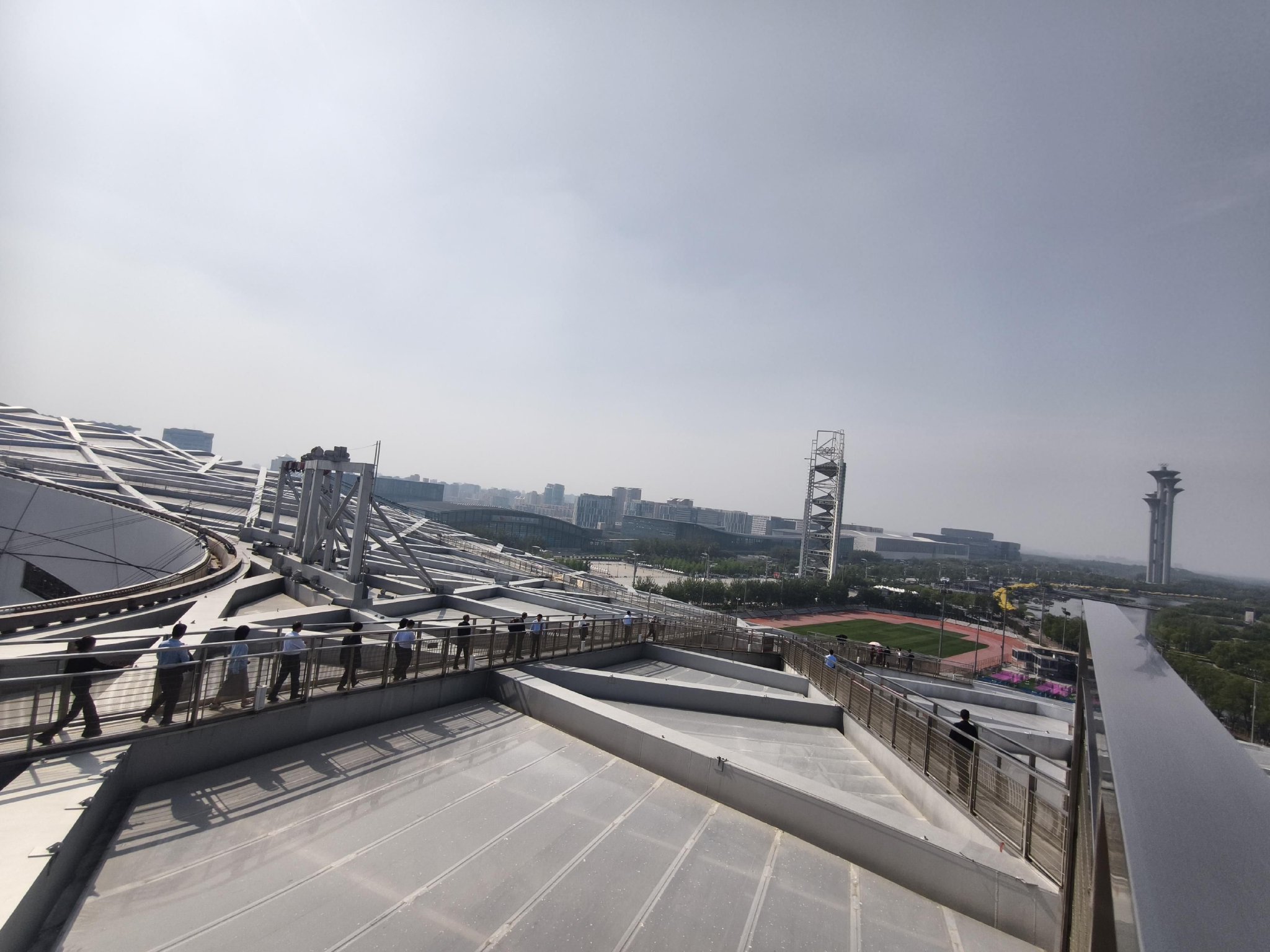 Universal Appeal
Rooftop walk (空中走廊)
Walk on top of the Bird's Nest itself, along pathways built into the steel lattice structure. From the roof, you get panoramic views of Beijing, can l...
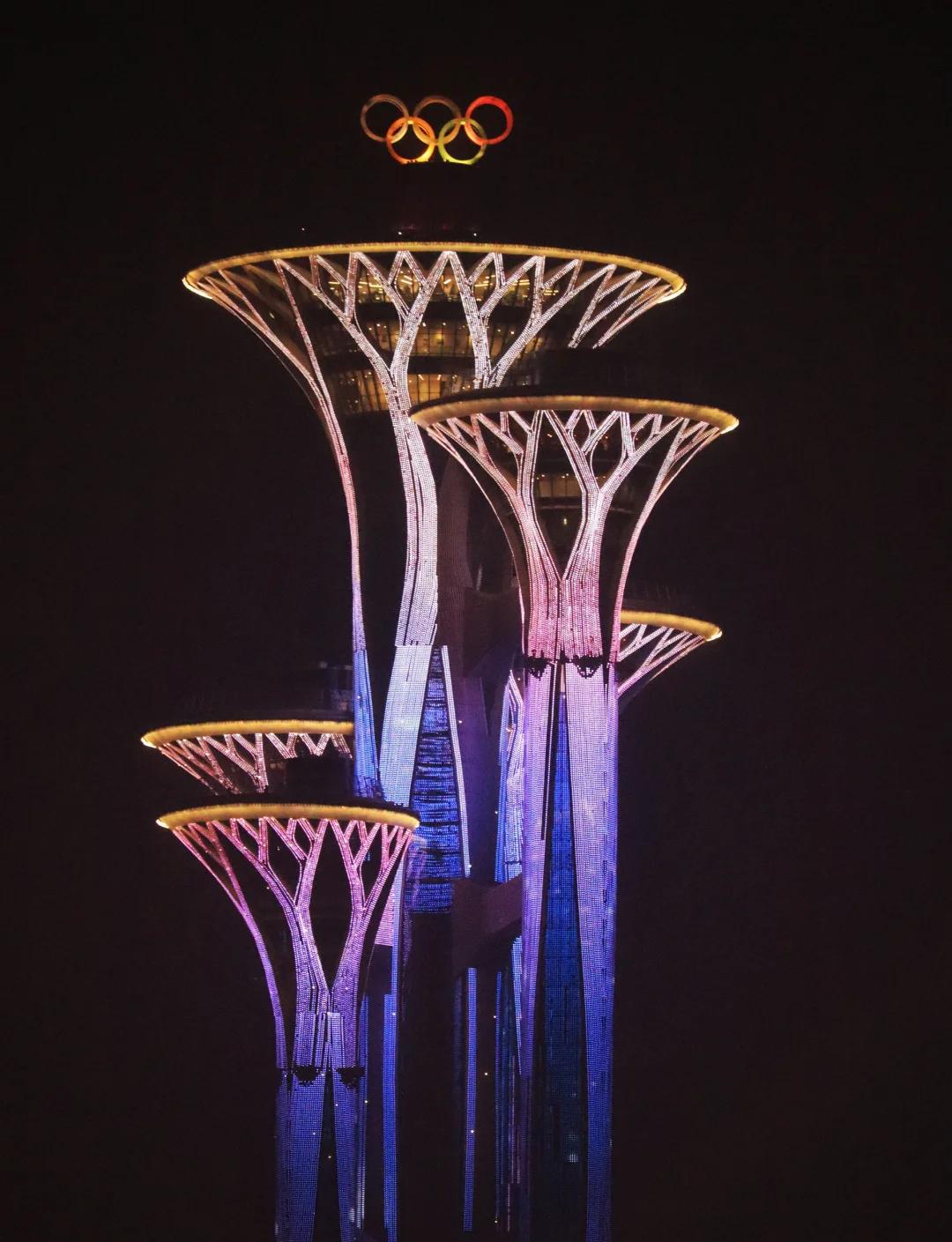 Culturally Interesting
Olympic exhibition and memorabilia
Inside the stadium, exhibition halls display memorabilia from both the 2008 Summer Olympics and 2022 Winter Olympics — opening ceremony props, athlete...
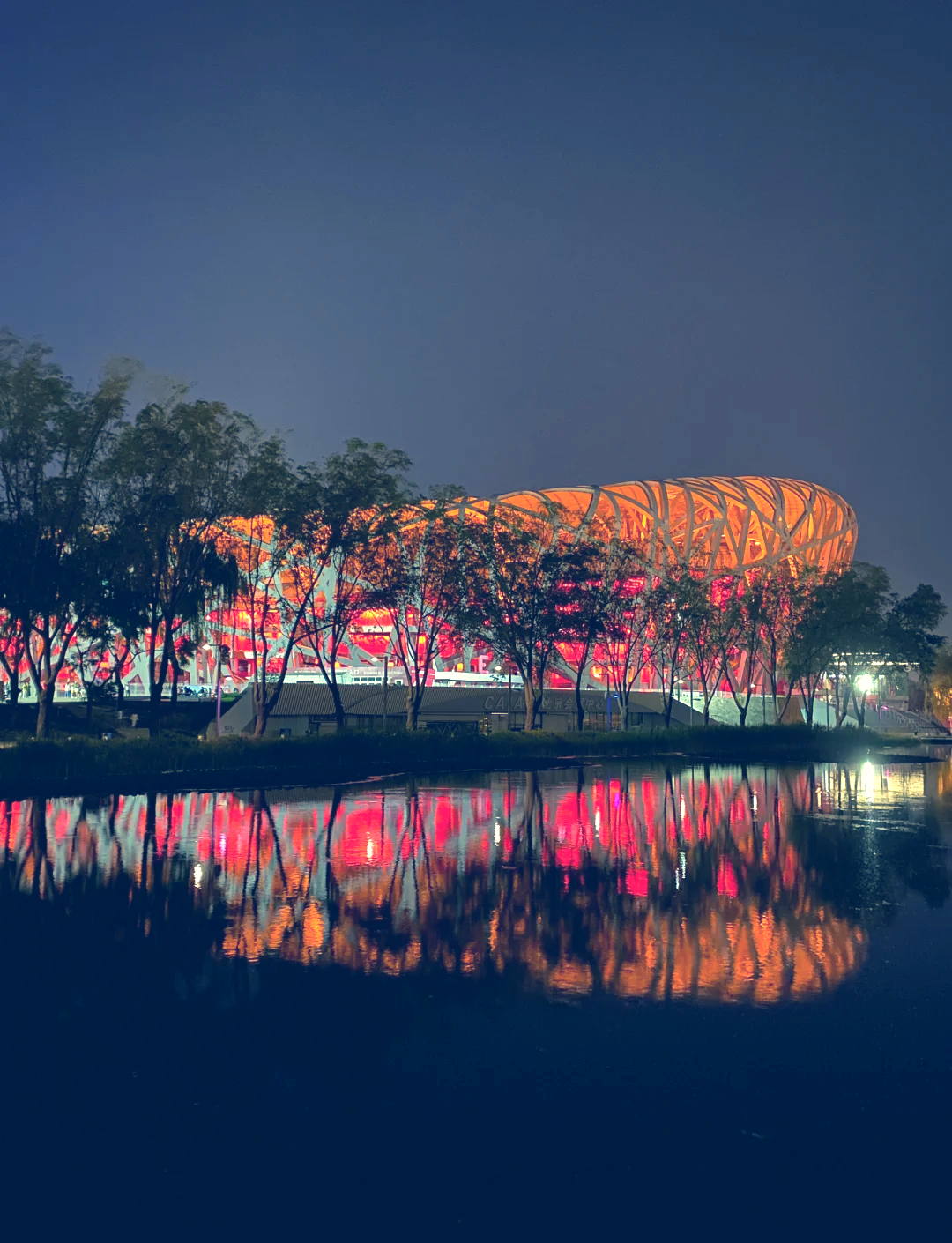 Universal Appeal
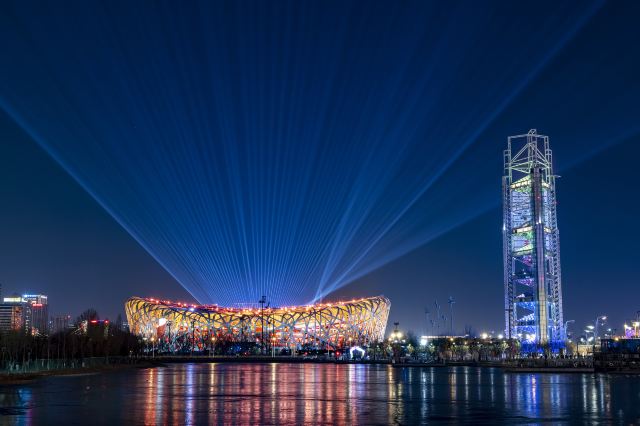
The Olympic Park evening atmosphere
As darkness falls, the entire Olympic Park area transforms into a vibrant evening scene. The Bird's Nest glows gold, the Water Cube shimmers blue, foo...
What Most Visitors Miss
The Water Cube (Water Cube/Ice Cube) next door
Many visitors focus exclusively on the Bird's Nest and skip the National Aquatics Center. Its translucent blue bubble exterior is equally impressive, and it's been converted into a curling venue ('Ice Cube') since the 2022 Winter Olympics.
Ice Ribbon (国家速滑馆) — the newest Olympic venue
The National Speed Skating Center, built for the 2022 Winter Olympics, features a stunning ribbon-like exterior. You can even skate on the 'fastest ice in the world' inside. Most tourists haven't heard of it yet.
The evening food and vendor scene around the park
After dark, the area around the stadium becomes a lively night market atmosphere with street food, light-up toys, and performers. Many visitors come only during the day and miss this entirely.
The spring flower gardens surrounding the Bird's Nest
In April-May, the landscaping around the stadium erupts with cherry blossoms, crabapple trees, and wildflower meadows. The Bird's Nest framed by flowers is a completely different aesthetic from the standard urban photos.
Plan Your Visit
How Long to Visit
30-45 minutes (walk around the exterior, take photos, see the Water Cube nearby
1.5-2.5 hours (exterior photos, enter the stadium for the Olympic exhibition and rooftop walk, see the night lighting
Half day (Bird's Nest interior, Water Cube/Water Park, Ice Ribbon speed skating experience, Olympic Forest Park, evening light show
Smart Route
Take Metro Line 8 to Olympic Park Station (Exit B2)
Walk through the security check into the Olympic Park
See the Bird's Nest exterior first (walk around for multiple angles)
If entering, buy ticket and tour the interior + rooftop
Walk to the Water Cube for exterior photos
Continue north along the central axis for the full Olympic Park scale
Wait for sunset and night illumination
Photograph the Bird's Nest and Water Cube lit up
Enjoy the evening atmosphere with food stalls
Metro back.
Best Time to Visit
Arrive around 4:00-5:00 PM to see the stadium in golden afternoon light, then stay for the night illumination
Midday in summer — the Olympic Park area has minimal shade and gets brutally hot
By Season
Spring
(April-May) when the surrounding flower gardens bloom around the stadium is surprisingly beautiful. Summer evenings are ideal — warm enough for a comfortable stroll with long twilight.
Summer
evenings are ideal — warm enough for a comfortable stroll with long twilight. Autumn has the clearest skies for photos.
Autumn
has the clearest skies for photos. Winter is cold but the stadium at night against a crisp winter sky is dramatic.
Winter
is cold but the stadium at night against a crisp winter sky is dramatic. Concert season (mainly summer) means the stadium is often booked for major events — check if a concert is happening during your visit.
If a major concert (Mayday, Jay Chou, etc.) is happening at the Bird's Nest during your Beijing visit, try to get tickets. Experiencing the stadium full and alive with 90,000 people is a completely different experience from visiting it empty.
What to Skip
If on a budget, skip the 100 RMB interior ticket — the free exterior and night views are the highlight. Inside, the VIP rooms are only viewable from outside the glass doors (not particularly exciting). The souvenir shops have standard tourist merchandise at premium prices.
Pro Tips
The nearest metro station is Olympic Park Station on Line 8 (not Olympic Sports Center Station, which is 1.5 km further). Time your visit for late afternoon to catch both daylight and night views in one trip. Combine with a trip to the nearby Olympic Forest Park if you want a nature break. Check the event calendar — if the stadium is hosting a concert or show, the exterior atmosphere becomes electric even without a ticket.
Photo Spots
The wide avenue between the Bird's Nest and Water Cube
Stand in the center of the boulevard to get both structures in one frame. Evening is best — the golden Bird's Nest and blue Water Cube create a striking color contrast.
Northeast exterior of the Bird's Nest at night
Arrive 30 minutes before sunset to capture the blue-hour transition. Use a wide-angle lens to get the full lattice structure. The reflected pool in front adds a mirror effect.
The rooftop walkway looking down into the stadium
Shoot downward into the red-seated bowl for a dramatic sense of scale. In late afternoon, the low sun creates long shadows across the seating tiers.
Reflecting pool or lake south of the stadium
On a still evening, the stadium's reflection in the water doubles the visual impact. Position yourself low to maximize the reflection.
Pair With
Water Cube / Ice Cube (水立方/冰立方)
5-minute walk — directly adjacent
The other half of Beijing's Olympic architectural duo — its translucent blue bubble exterior complements the Bird's Nest perfectly. Now a dual-purpose venue after hosting 2022 Winter Olympics curling.
Olympic Forest Park (奥林匹克森林公园)
10-minute walk north from the Bird's Nest
A massive urban park extending north from the Olympic area — peaceful jogging paths, a lake, and nature in contrast to the modern stadium architecture.
798 Art District (798艺术区)
20-minute taxi ride east
Combine two sides of modern Beijing in one day: Olympic architecture and contemporary art. Both are in the northeast of the city.
Tickets & Access
Olympic Park exterior and surroundings
Walk around, photograph the Bird's Nest, Water Cube, and Ice Ribbon for free
Bird's Nest interior tour
Stadium seating, Olympic exhibition, rooftop walk with city views
Rooftop night experience
Walk on top of the stadium at night — available on select evenings
Water Cube (National Aquatics Center)
The swimming venue next door, also visitable
Opening Hours
Olympic Park exterior: open 24/7 (free). Bird's Nest interior: typically 10:00 AM - 5:00 PM (last entry varies). Closed Mondays and during event preparations. Night lighting: varies by season, roughly sunset to 10:00 PM. Check current hours before visiting as they change frequently for events.
How to Buy
Buy tickets at the entrance gate. Payment via Alipay, WeChat Pay, or cash. Some third-party platforms like Trip.com also sell tickets.
Passport: No passport needed — just buy a ticket and enter.
Queue Situation
Minimal queues on weekdays. Weekend evenings can have short waits at the ticket booth. Security screening is required to enter the Olympic Park area and can take 5-10 minutes during peak times.
Tips & Warnings
The interior may feel underwhelming compared to the exterior
Multiple reviewers note that an empty 91,000-seat stadium without any event can feel hollow. Set expectations: you're paying for the Olympic exhibition and rooftop access, not a stadium-on-event-day experience. The rooftop walk is the most unique part of the interior visit.
The English guided tour quality is poor
Several foreign visitors report that English guides are either unavailable or struggle with translation. The interior tour works fine as a self-guided experience — the visual impact of the stadium bowl and rooftop doesn't need verbal explanation. Download a guide app in advance if you want historical context. If you want a proper English-speaking guide for the Olympic Park area, our team can arrange one who covers the Bird's Nest, Water Cube, and the surrounding history.
The park area is much larger than expected
The Olympic Park is vast — the walk from the metro to the Bird's Nest, around the stadium, and to the Water Cube covers 3-4 km easily. Wear comfortable shoes and bring water, especially in summer when shade is scarce.
Security screening is required to enter the park
Bag checks and metal detectors are in place at park entrances. This adds 5-15 minutes during peak times. Keep your bags light and have your ID ready.
What to Bring
Wear
Casual and comfortable. Walking shoes are important — you'll cover significant distance on concrete. In summer, bring sun protection as the park has limited shade. In winter, bundle up warmly — the open park is exposed to bitter Beijing winds.
Bring
Camera (the architecture is incredibly photogenic in both day and night). Portable charger. Water and snacks. Cash or mobile payment for tickets and vendors. Warm layers if visiting in the evening, even in summer.
Don't Bring
Minimize bags to speed through security screening. No need for formal clothing or special equipment.
Physical Reality
light-moderate
The exterior walking is entirely flat on wide paved paths — easy for everyone. Inside the stadium, reaching the rooftop involves some stairs (elevator available to the 5th floor, then stairs to the roof). The park area covers 3-5 km of walking depending on how much you explore. Wheelchair accessible on all exterior paths and the main stadium levels.
Foreigners Watch Out
- The nearest metro is Olympic Park Station (Line 8), not Olympic Sports Center Station which some maps suggest — the correct station saves you significant walking.
- There's no event atmosphere when visiting outside of concert/event dates. If an empty stadium would disappoint you, check the event calendar and try to attend a concert or show. Major artists regularly perform here.
- The rooftop night walk operates on select evenings only — check availability before planning your visit around it. Regular daytime rooftop access is included in the standard 100 RMB ticket.
- Food options in the park area are limited to tourist-priced stalls and a McDonald's inside the stadium. Eat before coming or bring snacks. If you want food delivered to the Olympic Park area, message our team and we can arrange it to a specific meeting point near the stadium.
- The Olympic Park is on Beijing's central axis, which also includes the Forbidden City to the south. If you're interested in urban planning, the view from the Bird's Nest rooftop looking south down the axis toward the city center is architecturally significant.
If Things Go Wrong
Stadium is closed for an event or preparation
→ The exterior and Olympic Park are always free to visit. The outside view and night lighting are the main attraction anyway. Walk around the Water Cube and Ice Ribbon for additional architectural experiences.
Arrived too early and the lights aren't on yet
→ Explore the Olympic Park area, visit the Water Cube or Ice Ribbon, or grab food at the vendors setting up. The lights typically come on around sunset — check the sunset time for your visit date.
Got lost in the massive park area
→ The Bird's Nest is impossible to miss from almost anywhere in the park — use it as your landmark. If you've wandered too far north into the Olympic Forest Park, head south toward the stadium. Use Baidu Maps or Amap for precise navigation. If you are disoriented, send us your location and we can guide you to the nearest metro entrance or any specific spot you want to reach.
Useful Chinese
Tap to reveal the English meaning