About 798 Art District
“Berlin-meets-Beijing industrial cool — a sprawling factory campus where red brick warehouses hold everything from avant-garde installations to cat cafes, and the street art changes faster than you can photograph it.”
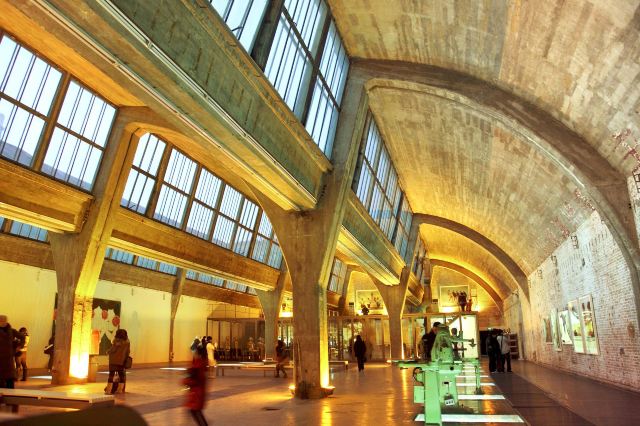
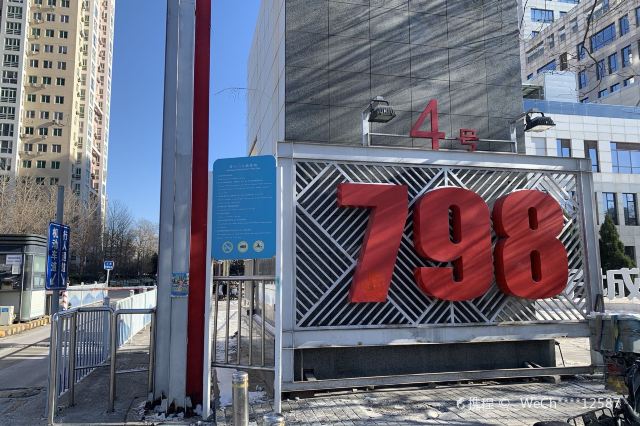
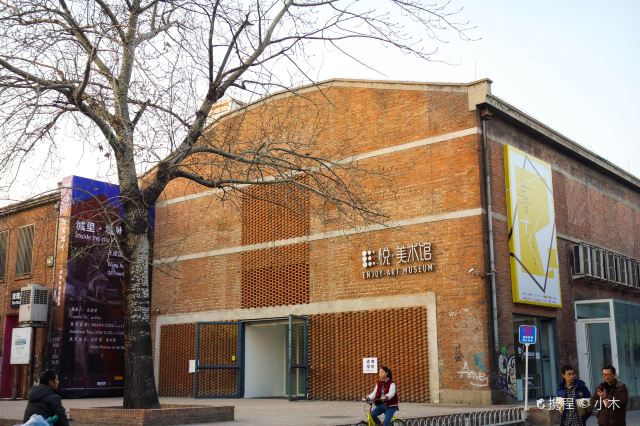
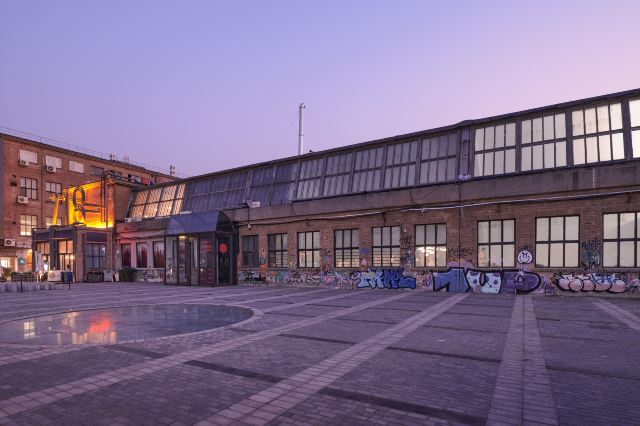
798 Art District is a sprawling converted military electronics factory complex that now houses hundreds of galleries, design studios, cafes, and shops. The industrial Bauhaus architecture — soaring ceilings, exposed pipes, red brick walls — provides a striking backdrop for contemporary Chinese art. The best part is wandering freely through the outdoor sculpture, street art, and graffiti-covered alleys, which costs nothing. Many smaller galleries are free too, while major exhibitions at venues like UCCA charge admission. The area has become significantly more commercialized over the years — expect tourist shops, overpriced restaurants, and Instagram posers alongside genuine artistic spaces. The quality of art varies wildly from gallery to gallery. Some visitors find it underwhelming compared to its reputation, especially if they arrive expecting cutting-edge avant-garde. But for anyone tired of temples and palaces, 798 offers a completely different Beijing experience — modern, creative, and surprisingly relaxed. Best for art lovers, photographers, and anyone who wants to see Beijing's contemporary side.
Top Questions from Travelers
Why This Place Matters
798's transformation mirrors China's broader evolution. The complex was built in the 1950s with East German and Soviet technical assistance as a top-secret electronics and weapons factory — part of Mao's industrial drive. As state factories shuttered in the 1990s, artists moved in for the cheap rent and dramatic spaces, echoing similar movements in SoHo, Williamsburg, and Berlin. By the mid-2000s, 798 had become China's most important contemporary art hub, earning recognition from Time magazine as one of the world's most culturally significant art centers. The tension between artistic authenticity and commercialization that visitors notice today is itself a chapter in that ongoing story — and a metaphor for modern China's relationship with culture, creativity, and capitalism.
Need help planning?
ChinaPal handles everything
- Book English-speaking guides
- Arrange transport & tickets
- Real-time help during your visit
- Restaurant reservations nearby
Highlights
5 iconic experiences that define a visit
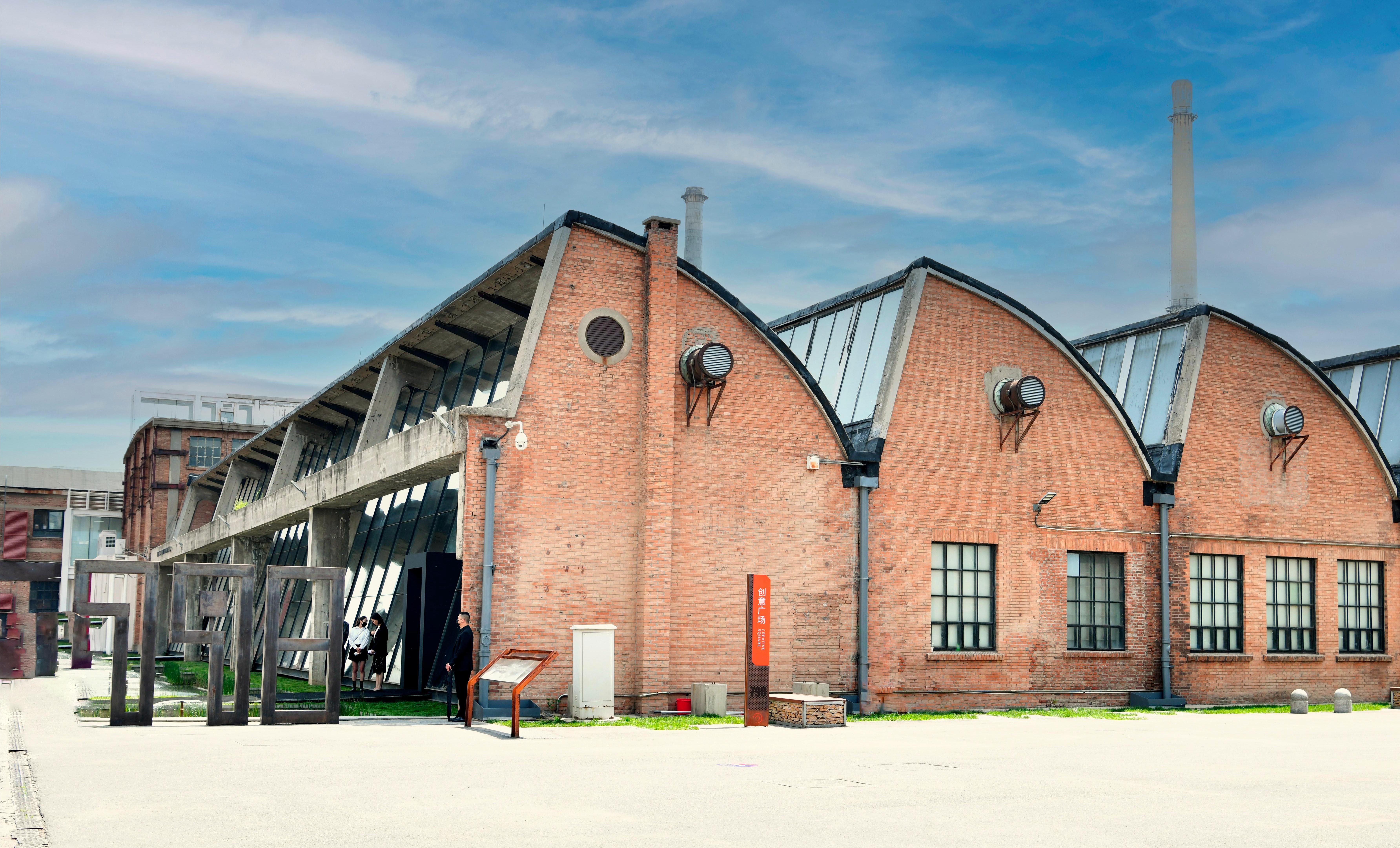
UCCA Center for Contemporary Art (尤伦斯当代艺术中心)
China's leading contemporary art museum, housed in the original factory's boiler room. Major rotating exhibitions feature both Chinese and international artists. The gift shop is one of the best design stores in Beijing.
This is the must-see anchor gallery — internationally curated exhibitions on par with major Western contemporary art museums. English descriptions provided.
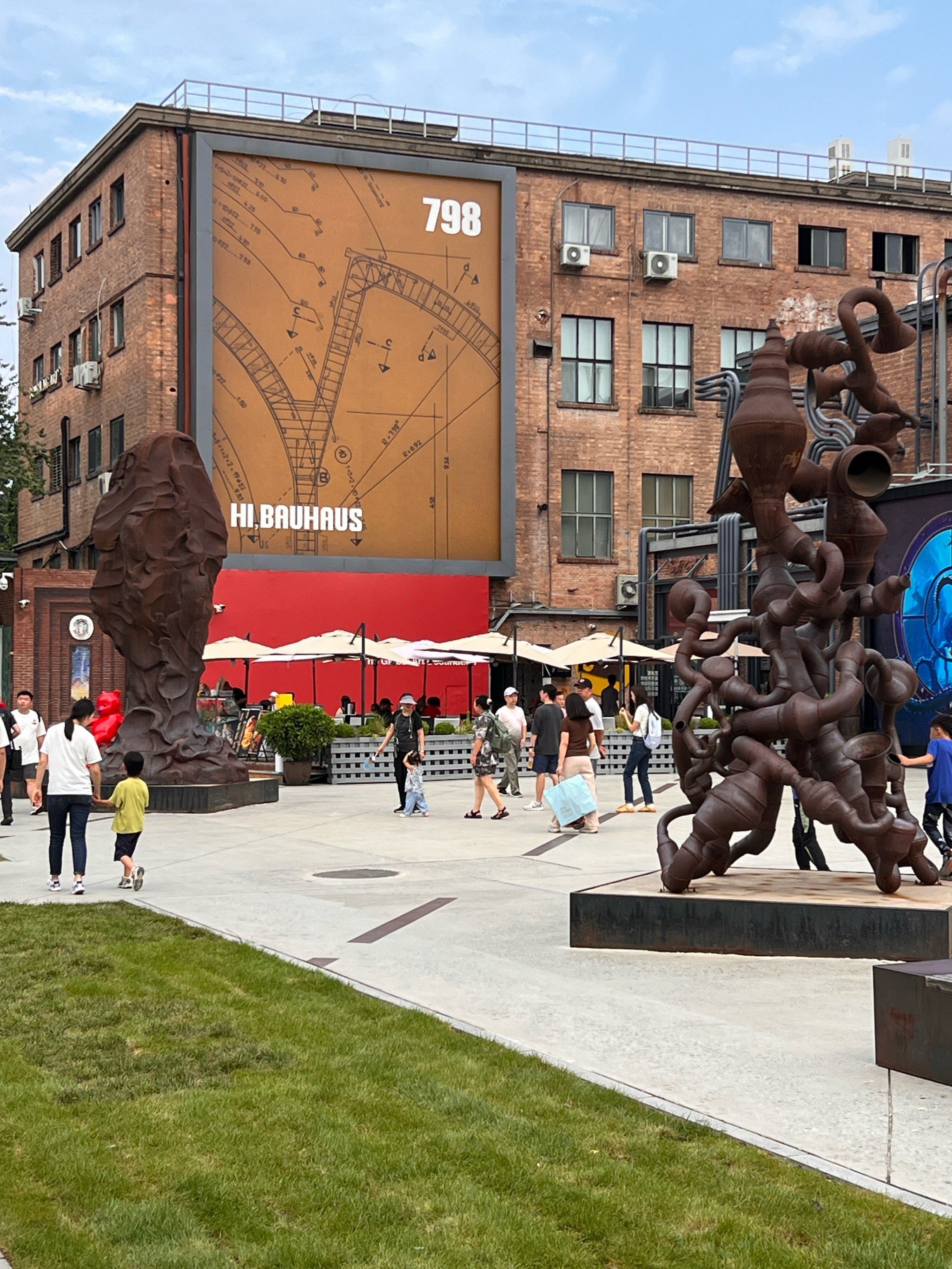 Universal Appeal
Street art, graffiti, and outdoor sculptures
The streets themselves are the gallery — massive murals, political graffiti, repurposed industrial sculptures, and art installations appear around eve...
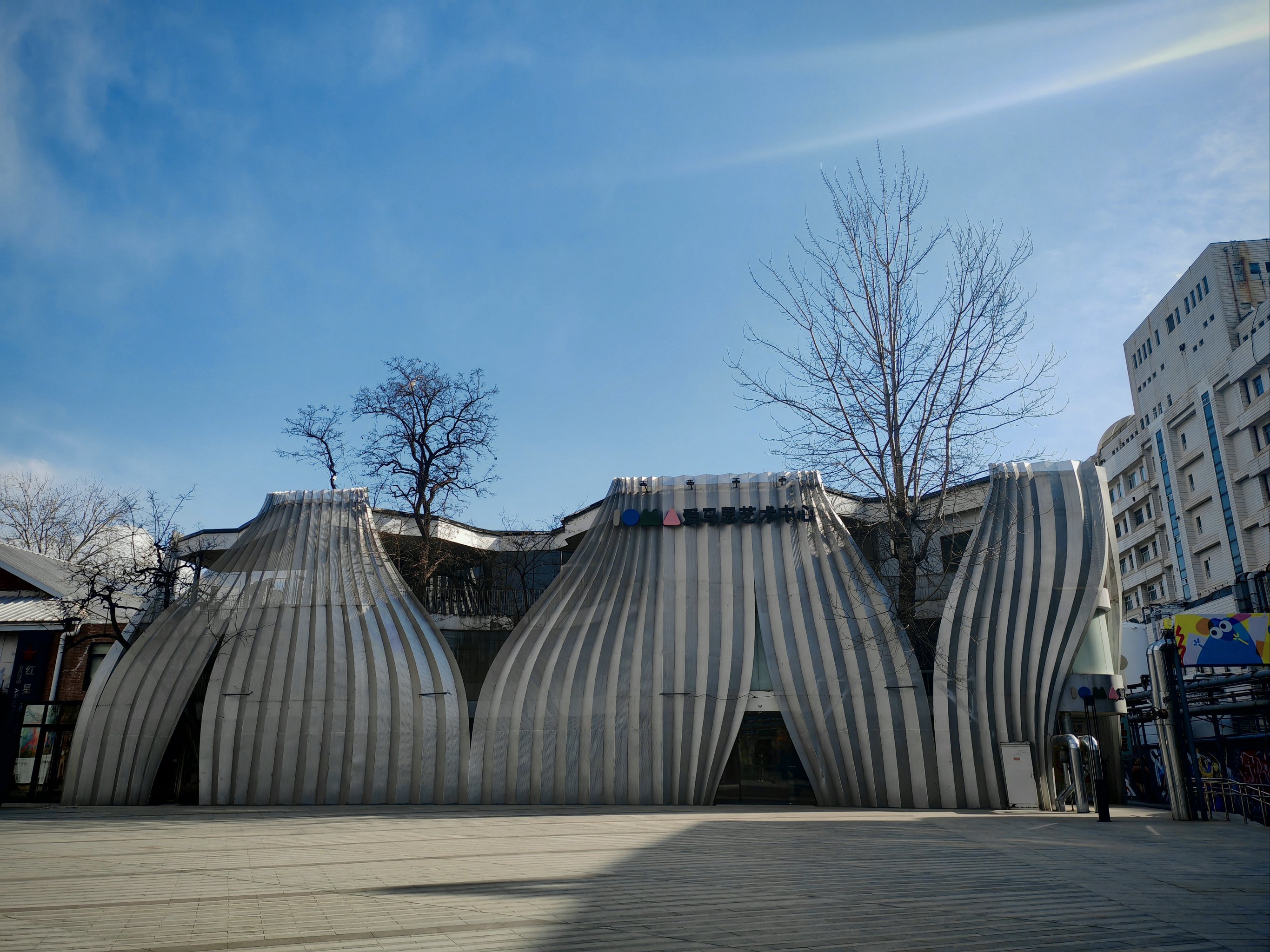 Universal Appeal
Bauhaus industrial architecture
The factory buildings were designed with East German and Soviet assistance in the 1950s, featuring Bauhaus-influenced saw-tooth rooflines, soaring bri...
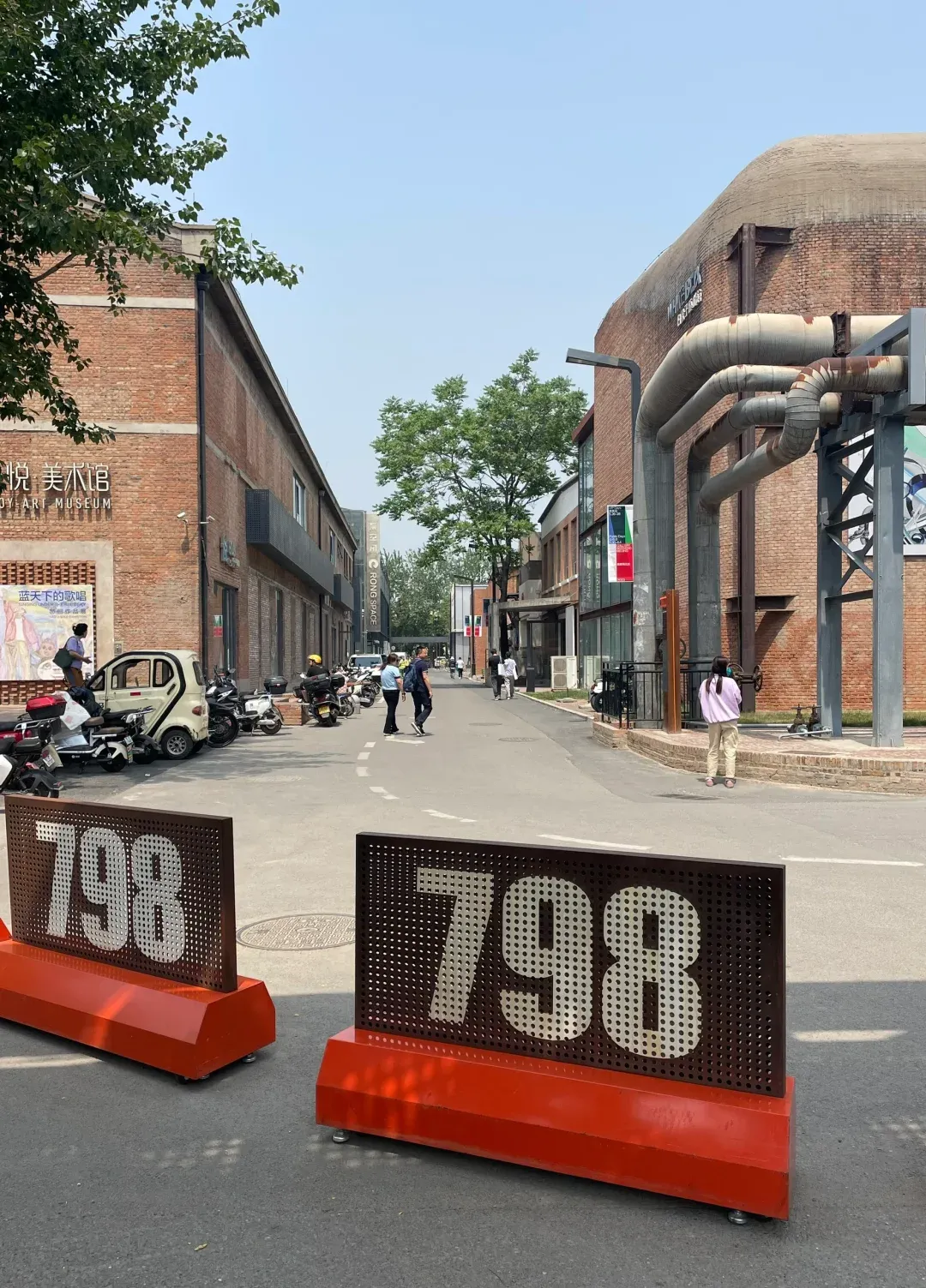 Culturally Interesting
Independent shops and design stores
Dozens of one-of-a-kind shops sell handmade jewelry, pottery, designer clothing, vintage items, art prints, and creative souvenirs. Quality and unique...
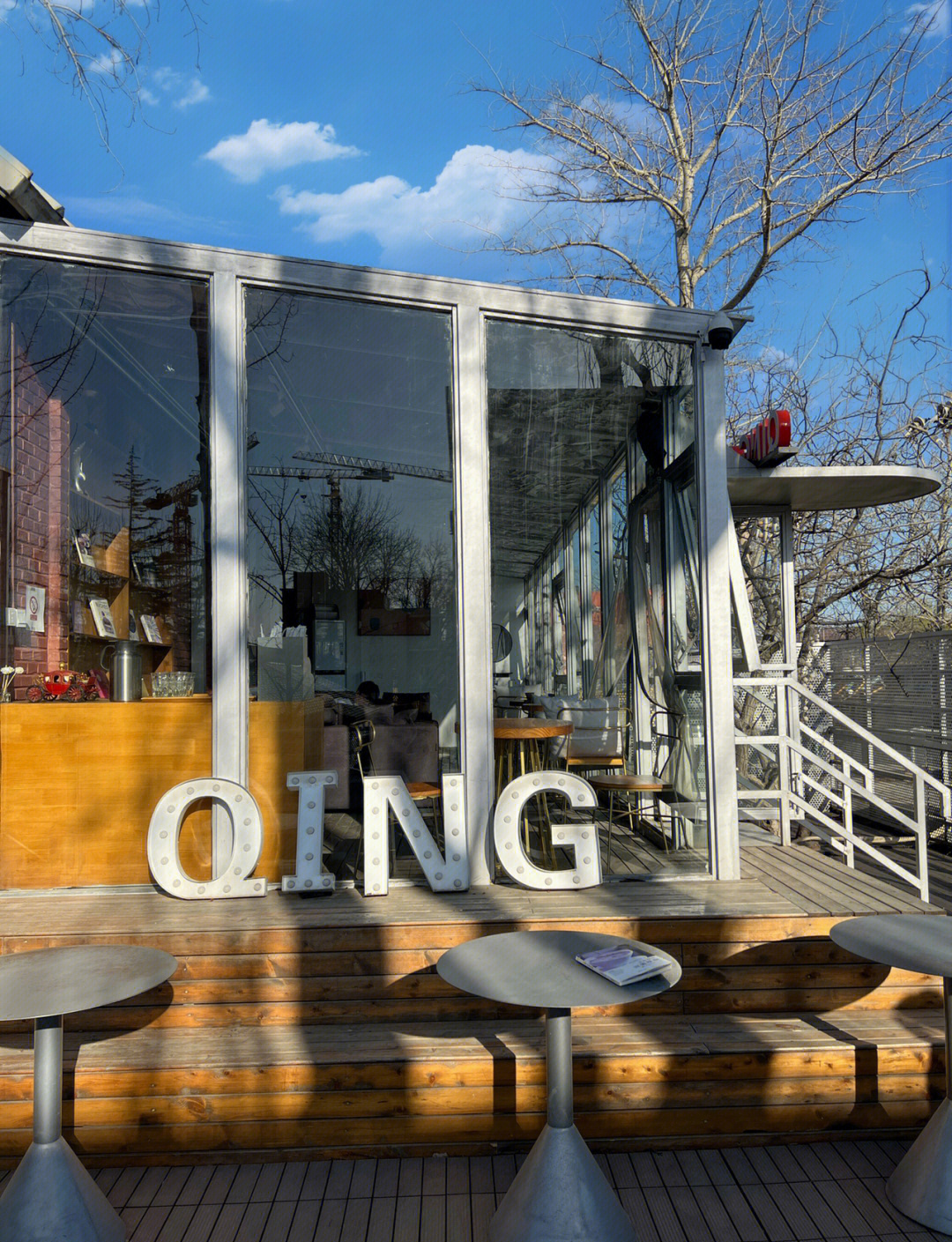 Universal Appeal
Cafes, craft beer, and restaurants
An excellent selection of independent cafes, craft breweries, and restaurants fills the district. The cafe scene rivals any hipster neighborhood globa...
What Most Visitors Miss
751 D-Park (751设计广场) — the adjacent art district
Just east of 798, this connected industrial zone has more galleries, exhibition spaces, and design studios with far fewer tourists. The train tracks and industrial hardware here are even more dramatic than 798 proper. Most visitors don't realize it exists.
The smaller galleries on back streets
Most visitors stick to the main road with the big commercial shops. The real artistic gems — working studios where you can sometimes meet the artists — are tucked in narrow alleys and upper floors of warehouse buildings.
POP MART Gallery and other rotating pop-up exhibitions
798 regularly hosts temporary exhibitions and brand experiences that are only advertised on Chinese social media (Xiaohongshu, WeChat). Check these platforms before your visit to catch limited-time shows.
Plan Your Visit
How Long to Visit
1.5-2 hours (main streets, a few galleries, some photos
explore side alleys, visit UCCA or a major exhibition, stop for coffee
Full day (see multiple exhibitions, browse shops, have lunch, explore the adjacent 751 D-Park
Smart Route
Enter from the south gate (closest to bus stops)
Walk the main 798 Art Road north for the big sculptures and commercial galleries
Turn right into the side alleys to find smaller free galleries and street art
Visit UCCA or your chosen ticketed exhibition
Stop for coffee at one of the industrial-chic cafes
Explore the western section for vintage shopping
If time allows, continue east into 751 D-Park.
Best Time to Visit
Arrive around 10:00-11:00 AM when galleries open
Weekend afternoons and Chinese public holidays — the district gets packed with domestic tourists and photo-seekers
By Season
Spring
(April-May) and autumn (September-October) are ideal — pleasant walking weather and the Beijing Art Week in autumn brings special exhibitions and events. Summer is brutally hot with little shade on the main streets.
Summer
is brutally hot with little shade on the main streets. Winter is bitterly cold and the outdoor experience suffers, though indoor galleries are fine.
Autumn
(September-October) are ideal — pleasant walking weather and the Beijing Art Week in autumn brings special exhibitions and events. Summer is brutally hot with little shade on the main streets.
Winter
Visit on a weekday afternoon in October during Beijing Art Week for the best combination of open galleries, special events, and manageable crowds. After 798, walk east to 751 D-Park — a connected industrial area with more art spaces that most tourists miss.
What to Skip
The 3D art museums and paid 'immersive experiences' near the entrance — these are tourist traps with low quality and bad reviews. The main gift shops on the central road are overpriced for mass-produced items — better souvenirs are in the smaller independent shops down the side streets.
Pro Tips
Download WeChat before visiting — many free gallery entries require scanning a WeChat QR code. Some galleries offer free entry if you follow their WeChat account. The area is so large that you won't see everything — accept this and just enjoy what you discover. If traveling with kids, many galleries have interactive elements and there are some child-friendly creative workshops.
Photo Spots
Graffiti walls and murals in the side alleys
The best murals are off the main road — explore the narrow alleys between buildings. Art changes frequently, so check Xiaohongshu for current murals.
The abandoned train tracks and vintage train car
Go in the morning for soft light and fewer people posing on the tracks. The train car houses NBeer pub.
Large outdoor sculptures along the main road
Late afternoon golden hour light makes the metal sculptures glow. Use a wide-angle lens to capture scale.
Red brick warehouse buildings with Mao-era slogans
Look for walls where original socialist slogans remain alongside contemporary art — the juxtaposition tells 798's story in a single frame.
Pair With
751 D-Park (751设计广场)
5-minute walk east from 798
Connected to 798's eastern edge — a continuation of the industrial-to-art conversion with more dramatic train tracks, smokestacks, and design-focused spaces. Far fewer tourists.
Sanlitun (三里屯)
20-minute taxi ride south
Beijing's trendiest dining and nightlife district — the perfect evening complement to a 798 afternoon. International restaurants, rooftop bars, and shopping.
Olympic Park / Bird's Nest (鸟巢)
20-minute taxi ride west
Another showcase of modern Beijing architecture. Combine with 798 for a 'contemporary Beijing' day that contrasts with the historical sites most tourists focus on.
Tickets & Access
District entry
No ticket needed — just walk in
UCCA Center for Contemporary Art
Flagship gallery — varies by exhibition
Small galleries
Many are free; scan WeChat QR code for free entry at some
Special/ticketed exhibitions
Pop-up shows, immersive experiences
Opening Hours
The district is open 24/7 as it's an outdoor area. Individual galleries and shops typically open Tuesday-Sunday 10:00-18:00. Many galleries close on Mondays. Restaurants and cafes may stay open later.
How to Buy
Walk-in for the district and most galleries. For ticketed exhibitions, book via the venue's official WeChat mini-program, Damai (大麦), or Maoyan (猫眼). UCCA tickets available on their website or WeChat.
Passport: Not applicable for the district. For ticketed exhibitions, passport is accepted for foreigner bookings on most platforms.
Queue Situation
No queue to enter the district. Popular exhibitions like UCCA may have 15-30 minute waits on weekends. Cafes can have long waits during lunch on weekends.
Tips & Warnings
Far more commercialized than its reputation suggests
Serious art lovers may find the main streets disappointing — too many souvenir shops and Instagram cafes. Focus on the side alleys and established galleries like UCCA. The most 'real' art has moved to less prominent spaces within the complex.
Not easy to reach by public transport
There's no metro station at the gate. Plan your transport in advance — DiDi is the easiest option. Coming back can be worse: taxis are scarce inside the district during peak hours. Order your DiDi 5-10 minutes before you plan to leave.
Restaurant food is overpriced and often mediocre
Multiple reviewers warn that food quality doesn't match the prices. Eat before you come or stick to the cafes for coffee and snacks. The malatang (spicy soup) spots inside charge Beijing-premium prices for average food. If you'd rather eat well after your visit, drop us a message and we can recommend nearby restaurants with better value, or arrange a food delivery to the south gate exit.
Maps and signage can be confusing
The layout is not intuitive — it's a former factory with no grid pattern. Pick up a free map at the entrance or download one from the 798 WeChat account. Getting slightly lost is part of the experience, but keep your phone charged for navigation.
Bathrooms are basic
Public toilets are available but are squat-style and may not stock toilet paper. Bring your own tissue. Restaurant and cafe bathrooms are better — buy a coffee for bathroom access.
What to Bring
Wear
Dress casually — this is the most relaxed dress code of any Beijing attraction. Comfortable walking shoes are essential on concrete and cobblestones. In summer, sun protection is critical as the main streets have little shade. In winter, dress very warmly — you'll be outdoors between galleries.
Bring
Camera (the whole district is photogenic). Portable charger. WeChat installed and working. Tissue paper for bathrooms. Water bottle. Cash for small vendors. Sunscreen in summer.
Don't Bring
Don't bring large bags if visiting UCCA or other ticketed exhibitions — bag checks slow you down. No need for formal attire or special equipment.
Physical Reality
light-moderate
Mostly flat walking on paved streets and concrete, but the area is very large — expect 8,000-15,000 steps depending on how thoroughly you explore. No stairs required for the outdoor areas. Some galleries have stairs or are on upper floors without elevators. Wheelchair accessible for main streets but many galleries have steps at entrances.
Foreigners Watch Out
- Getting to 798 is the biggest logistical challenge — it's in northeast Beijing with no direct metro access. Use DiDi/taxi or take Metro Line 14 to Wangjing South and transfer to bus or taxi. Budget 40-60 minutes from the city center.
- Many galleries require scanning a WeChat QR code for free entry. Download and set up WeChat before your visit. Some galleries accept a passport scan instead, but not all.
- Street art and graffiti incorporate Chinese cultural and political references that won't be obvious without context. A knowledgeable guide or Chinese-speaking companion significantly enhances the experience.
- Cars drive through the art district on the same streets you're walking — there's no pedestrian-only zone despite it feeling like one. Watch for vehicles, especially around corners.
- Some reviewers report aggressive vendors in a few shops. If you feel uncomfortable, simply walk away — there are hundreds of other shops and galleries.
If Things Go Wrong
Most galleries are closed (arrived on a Monday or too early)
→ The outdoor street art, sculptures, and architecture are always available and are arguably the best part. Walk through the alleys and photograph the murals. Some cafes and restaurants stay open on Mondays.
Can't find a taxi or DiDi to leave
→ Walk to the main road (Jiuxianqiao Road) where taxis pass more frequently. Order DiDi from there rather than from inside the district. Bus stops on Jiuxianqiao Road connect to metro stations.
Feeling overwhelmed by the size and can't find specific galleries
→ Ask any gallery staff for directions — they're generally helpful. Use Baidu Maps or Amap (高德地图) which have detailed indoor mapping of the 798 complex. The main landmarks (UCCA, the abandoned train, the big sculptures) are easy to find and can orient you.
Useful Chinese
Tap to reveal the English meaning